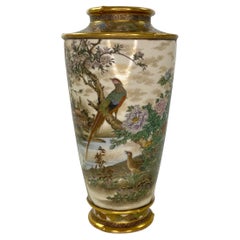
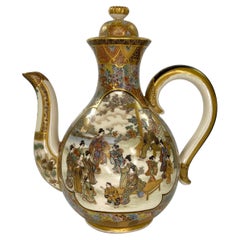
Ryozan Satsuma

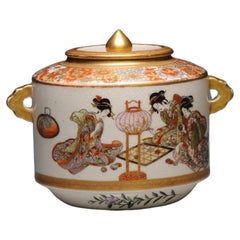
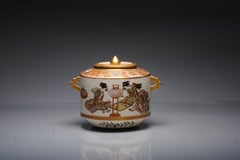
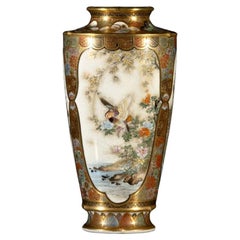
Antique Japanese Satsuma Miniature Cabinet Vase

Antique Japanese Satsuma Miniature Cabinet Vase

By Master Ryozan

Located in Philadelphia, PA

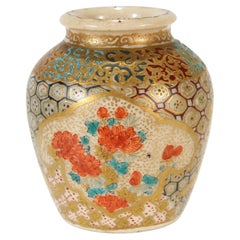
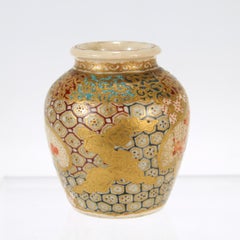
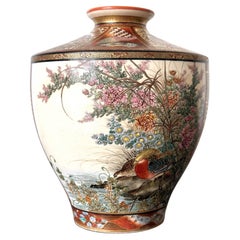
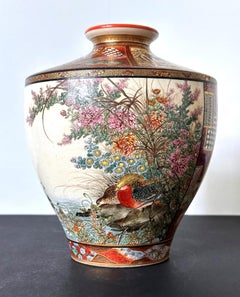
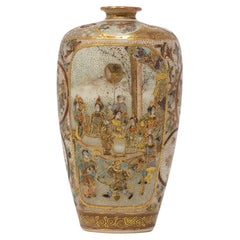
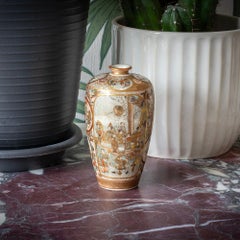
A fine diminutive, antique Japanese Satsuma pottery cabinet vase. Decorated throughout with gilding and raised enamel. There are two cartouches on the vase decorated with red f...

Category

20th Century Japanese Meiji Vases

Materials

Ceramic

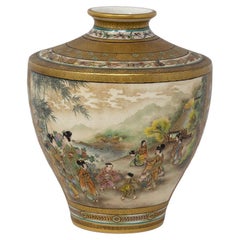
Antique Japanese Meiji Period Satsuma Vase by Ryozan

Antique Japanese Meiji Period Satsuma Vase by Ryozan

Located in Newark, England

RYOZAN 良山 Ryozan 良山 (different to the Yasuda Company Okamoto Ryozan 亮山) worked under the famous maker Meizan as an artist and produced good quality satsuma wear.

Category

Antique Late 19th Century Japanese Meiji Ceramics

Materials

Ceramic, Earthenware, Pottery

Recent Sales

Japanese Antique Satsuma Pot-Purri Covered Jar by Ryozan

Japanese Antique Satsuma Pot-Purri Covered Jar by Ryozan

Located in Vancouver, BC

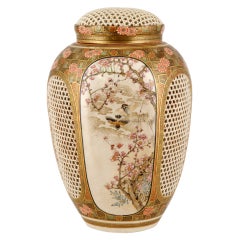
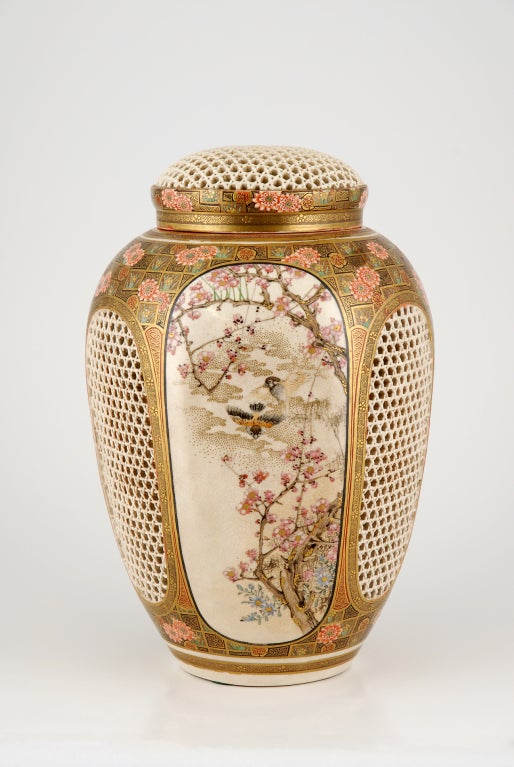
A fabulous hand painted, antique Satsuma Pot-Pourri covered jar by the master Meiji painter Ryozan.

Category

Antique 19th Century Japanese Ceramics

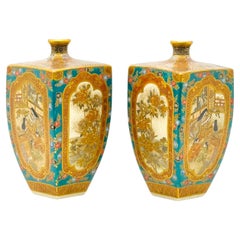
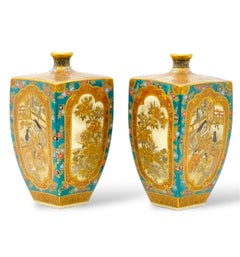
A Rare and Important Pair of Satsuma Vases by Okamoto Ryozan, Meiji Period

A Rare and Important Pair of Satsuma Vases by Okamoto Ryozan, Meiji Period

Located in London, GB

A Rare and Important Pair of Satsuma Vases signed Okamoto Ryozan Meiji period (late 19th century) Kyoto, circa 1890 Exhibition Standard Each of tapering square form with a short wai...

Category

Antique 19th Century Japanese Ceramics

Materials

Ceramic, Porcelain

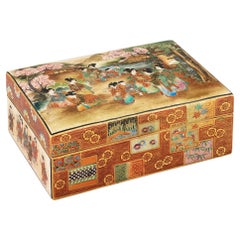
Ryozan Satsuma Trinket Box

Ryozan Satsuma Trinket Box

Sold

H 2 in W 5 in D 3.75 in

Ryozan Satsuma Trinket Box

Located in New Orleans, LA

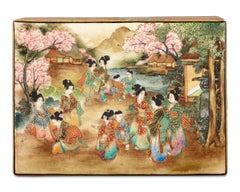
This extraordinary Satsuma box is signed on the underside by the artist Ryozan for the manufacturer Yasuda.

Category

Antique 19th Century Japanese Meiji Decorative Boxes

Materials

Earthenware

Japanese Satsuma Meiji Period, Ryozan Vase

Japanese Satsuma Meiji Period, Ryozan Vase

By Master Ryozan

Located in Brighton, Sussex

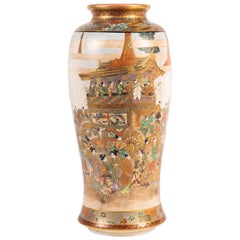
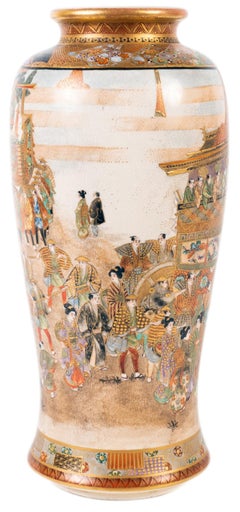
A fine quality Japanese Meiji period (1869-1912) Satsuma vase by Ryozan. Having wonderful fine quality hand painted scenes of Pagoda carriage being pulled along, surrounded by male ...

Category

Antique Late 19th Century Japanese Vases

Materials

Earthenware

Antique Japanese Meiji Period Satsuma Vase by Ryozan

Antique Japanese Meiji Period Satsuma Vase by Ryozan

By Master Ryozan

Located in Newark, England

Ryozan 良山 was a high quality satsuma artist working for the highly regarded artist Meizan.

Category

Antique Early 1900s Japanese Meiji Ceramics

Materials

Ceramic, Pottery

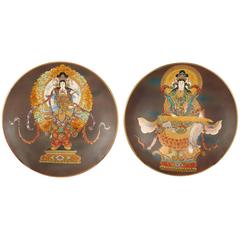
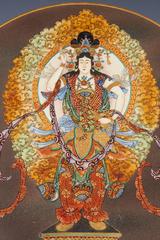
Pair of Japanese Satsuma Plates, Meiji Period

Pair of Japanese Satsuma Plates, Meiji Period

By Master Ryozan

Located in Astoria, NY

This is a one-of-a-kind portrayal and format by Ryozan, one of the foremost Satsuma artists of 19th century Japan.

Category

Antique Late 19th Century Japanese Meiji Ceramics

Materials

Ceramic

Antique ca 1900 Japanese Satsuma Ryozan Jar Richly Decorated Marked

Antique ca 1900 Japanese Satsuma Ryozan Jar Richly Decorated Marked

Located in Amsterdam, Noord Holland

Marked at base: Ryozan Condition Overall Condition Perfect, just some enamel loss.

Category

Antique 19th Century Japanese Meiji Ceramics

Materials

Porcelain

A Japanese Satsuma vase characterized by three oval reserves, signed by Ryozan

A Japanese Satsuma vase characterized by three oval reserves, signed by Ryozan

Located in Milano, IT

A Satsuma vase characterized by three oval reserves adorned with naturalistic representations.

Category

Antique Late 19th Century Japanese Japonisme Ceramics

Materials

Ceramic

Antique Japanese Meiji Period Satsuma Vase by Okamoto Ryozan for Yasuda Company

Antique Japanese Meiji Period Satsuma Vase by Okamoto Ryozan for Yasuda Company

Located in Newark, England

MUSEUM QUALITY SATSUMA VASE BY OKAMOTO RYOZAN From our Japanese Satsuma collection, we are absolutely delighted to bring to market this exceptional Japanese Satsuma Vase by Okamoto...

Category

Antique Early 1900s Japanese Meiji Ceramics

Materials

Ceramic

Japanese Meiji Period Satsuma Vase Painted by Ryozan for the Yasuda Company

Japanese Meiji Period Satsuma Vase Painted by Ryozan for the Yasuda Company

Located in Newark, England

Ryozan went on to become the Head Artist at the Yasuda Company of Kyoto where he confirmed his reputation as one of the great Satsuma artists of the generation.

Category

Antique Early 1900s Japanese Meiji Ceramics

Materials

Ceramic, Earthenware, Pottery

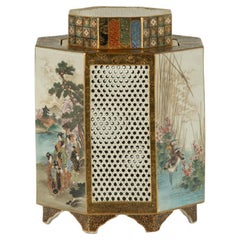
Large Japanese Reticulated Satsuma Koro - Ryozan Okamoto

Large Japanese Reticulated Satsuma Koro - Ryozan Okamoto

By Master Ryozan

Located in Christchurch, GB

As part of our Japanese works of art collection we are delighted to offer this large scale Meiji Period (1868-1912) hexagonal form koro artist signed by the highly regarded Ryozan Ok...

Category

Antique Late 19th Century Japanese Meiji Ceramics

Materials

Ceramic

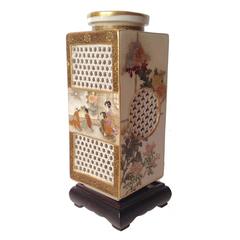
Finely Painted and Reticulated Satsuma Vase Ryozan for Yasuda Trading Co

Finely Painted and Reticulated Satsuma Vase Ryozan for Yasuda Trading Co

Located in Redding, CA

What a fine example of the work of the period, two variations of reticulation in combination with lovely scenes of landscape and figures. This is what we call a cabinet vase. "Ryo...

Category

Antique Early 1900s Japanese Ceramics

Materials

Pottery

Satsuma Earthenware Vase, Ryozan Okamoto, Meiji Period

Satsuma Earthenware Vase, Ryozan Okamoto, Meiji Period

By Master Ryozan

Located in Gargrave, North Yorkshire

Fine Satsuma pottery vase, painted by Ryozan Okamoto, Meiji Period.

Category

Antique 1890s Japanese Meiji Ceramics

Materials

Earthenware

Satsuma Pottery Sake Ewer, Ryozan Okamoto, Meiji Period

Satsuma Pottery Sake Ewer, Ryozan Okamoto, Meiji Period

By Master Ryozan

Located in Gargrave, North Yorkshire

A fine and large Satsuma pottery sake ewer, painted by Ryozan Okamoto, for the Yasuda Company, Meiji Period (1868 -1912).

Category

Antique 1890s Japanese Meiji Ceramics

Materials

Earthenware

Get Updated with New Arrivals
Save "Ryozan Satsuma", and we’ll notify you when there are new listings in this category.

Finding the Right Ceramics for You

With their rich and diverse history, antique, new and vintage Asian ceramics offer colorful and sophisticated ways to add flair to any space.

Japanese pottery dates back at least 13,000 years to the Jōmon period. Pieces from the Late Jōmon era display a rope-cord pattern encircling a pot or jug. During the Muromachi period, potters created simple bowls and utensils frequently used in tea ceremonies and were made as both functional and aesthetic objects.

Ceramics made during Japan’s Meiji period, from 1868 to 1912, reflected an explosion of artistic expression propelled by new access to international trade. Details became more intricate and refined, and colors were enhanced with new glazing practices.

Chinese porcelain, meanwhile, is often identified by its shape. Each reign and dynasty had specific shapes and styles that were encouraged by the imperial ruler. During the Song dynasty, for instance, there were four dominant types of ceramic vase shapes: plum-shaped, pear-shaped, cong-shaped (tall and square) and double-gourd.

Chinese ceramics that were made during the Qing dynasty were demonstrative of an expanded artistic expression, with more delicate shapes and a focus on intricate detailing. The shapes of ceramics from this era are thinner, taller and have subtle features like a gentle flare, such as on the mallet-shaped vase.

Later, the 17th- and 18th-century interior design trend of chinoiserie brought Asian paintings and screens, textiles and other art and furniture from the continent into many European homes.

Explore an extensive range of antique, new and vintage Asian ceramics on 1stDibs to find the perfect piece for your home.