Seven Lucky Gods

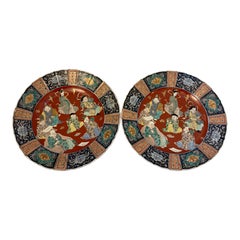
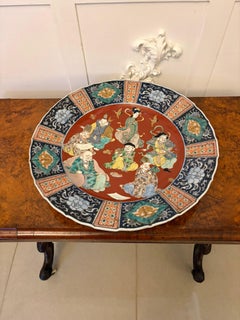
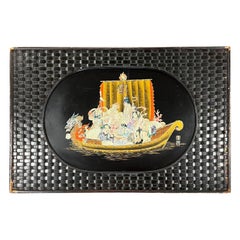
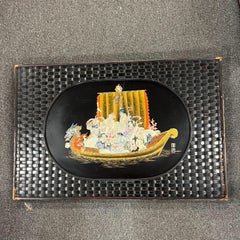
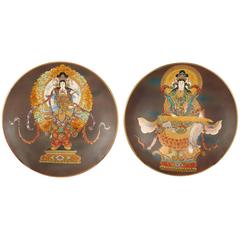
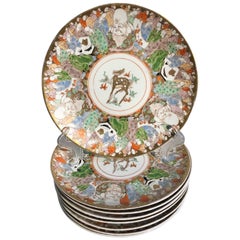
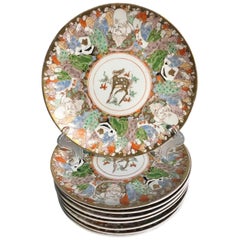
Antique Pair of Large Japanese Imari Chargers Depicting the Seven Lucky Gods

Antique Pair of Large Japanese Imari Chargers Depicting the Seven Lucky Gods

Located in Suffolk, GB

A striking pair of large Japanese Imari porcelain chargers, beautifully decorated with a lively scene depicting the Shichifukujin – the Seven Lucky Gods of Japan, each figure symboli...

Category

Antique 19th Century Japanese Ceramics

Materials

Porcelain

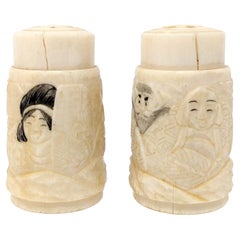
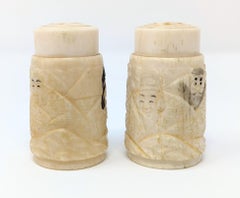
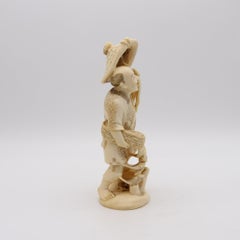
Unique Antique Asian Hand Carved Bone Salt and Pepper Shakers Set

Unique Antique Asian Hand Carved Bone Salt and Pepper Shakers Set

Located in Greer, SC

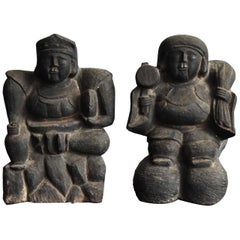
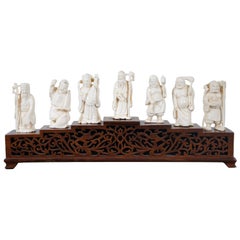
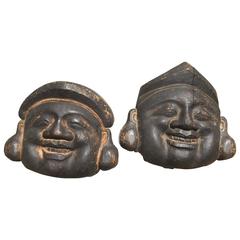
Either Japanese or Chinese, possibly representing the Seven Lucky Gods. Measures 1.2 inches in width by 2 inches in height.

Category

Early 20th Century Asian Other Tableware

Materials

Bone

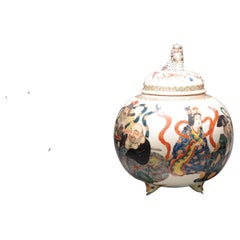
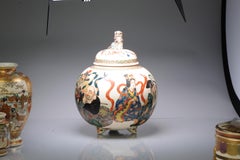
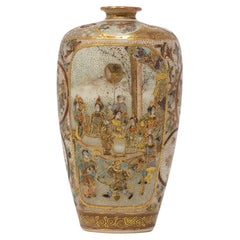
Antique 19 C Japanese Satsuma Lidded Koro Bright Decorated Marked Base

Antique 19 C Japanese Satsuma Lidded Koro Bright Decorated Marked Base

Located in Amsterdam, Noord Holland

Description A Japanese Satsuma koro and cover, Meiji period Of globular form and raised on three short feet, the domed pierced cover surmounted by a seated shishi, the body decor...

Category

Antique 19th Century Japanese Meiji Ceramics

Materials

Porcelain

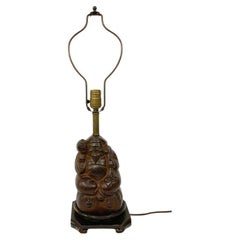
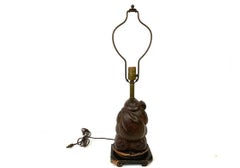
Vintage Asian Cast Iron Figural Form Table Lamp

Vintage Asian Cast Iron Figural Form Table Lamp

Located in Bridgeport, CT

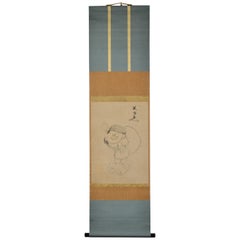
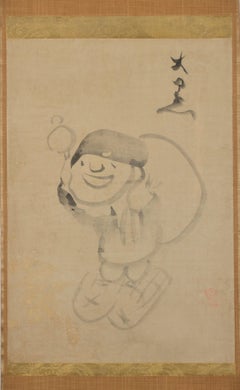
Daikokuten is one of the Seven Lucky Gods in Japanese mythology and is revered for bringing good fortune to the household.

Category

Mid-20th Century Metalwork

Materials

Iron

Japanese Asian Vintage Wood Carved Showa Daikokuten Mingei Folk Art Mask

Japanese Asian Vintage Wood Carved Showa Daikokuten Mingei Folk Art Mask

Located in Studio City, CA

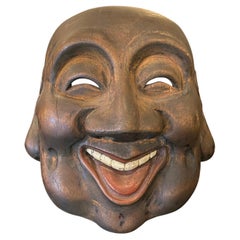
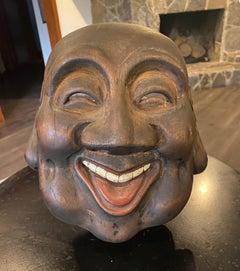
A wonderfully designed expertly crafted Japanese Mingei (folk art) wood carved mask of the god Daikokuten who is one of the Seven Lucky Gods, representing wealth, fortune and prosper...
Category

Mid-20th Century Japanese Showa Masks

Materials

Wood, Paint

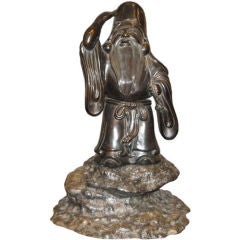
Japanese Meiji Period Bronze Sculpture of Jurōjin (寿老人), Ca. 1890

Japanese Meiji Period Bronze Sculpture of Jurōjin (寿老人), Ca. 1890

Located in New York, NY

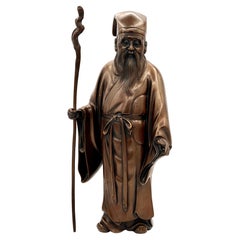
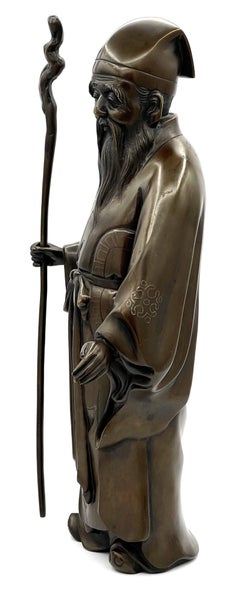
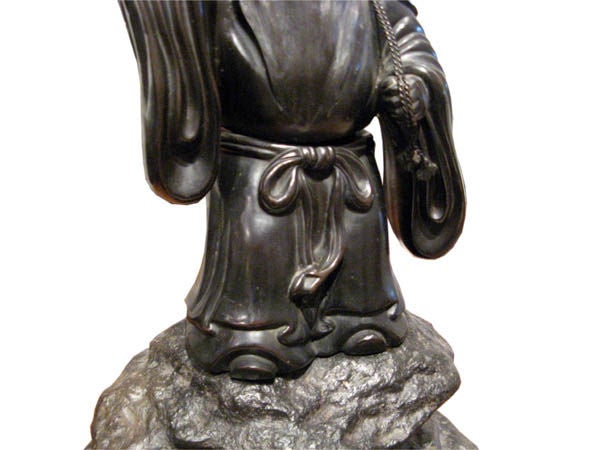
Japanese Meiji Period Bronze Sculpture of Jurōjin (寿老人), Ca. 1890 Meiji Period (1868-1912) DIMENSIONS: Height: 16.5 inches ...
Category

Antique 1890s Japanese Japonisme Sculptures and Carvings

Materials

Bronze

Mallet-shaped bronze suiban 水盤 (shallow ikebana bowl)

Mallet-shaped bronze suiban 水盤 (shallow ikebana bowl)

Located in Amsterdam, NL

The surface along the sides adorned in low relief with an array of auspicious treasures associated with the Seven Lucky Gods (Shichifukujin), such as the magic mallet (uchide nokozuc...

Category

Antique Late 19th Century Japanese Metalwork

Materials

Bronze

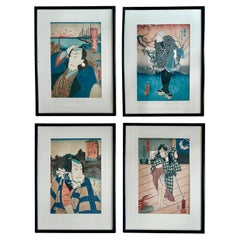
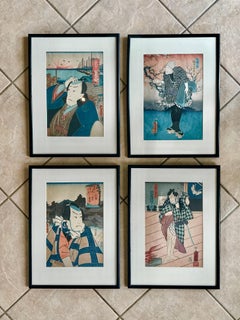
Four Framed Woodblock prints by Utagawa Kunisada  Edo Period

Four Framed Woodblock prints by Utagawa Kunisada Edo Period

Located in Palm Springs, CA

Print #3 is part of the series "Seven Lucky Gods" (Shichifuku no uchi) and depicts the actor Nakamura Fukusuke I as Daikoku, one of the seven gods of fortune. 

Category

Antique 1850s Japanese Paintings

Materials

Wood, Paper

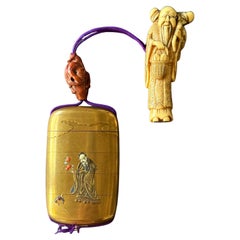
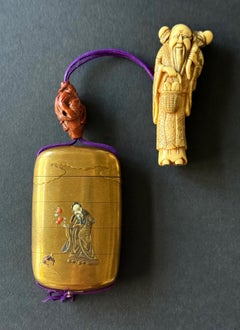
Fine Japanese Inro with Maki-e and Inlay by Shokasai and Shibayama

Fine Japanese Inro with Maki-e and Inlay by Shokasai and Shibayama

By Shibayama Factory

Located in Atlanta, GA

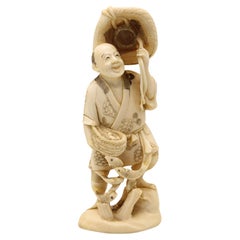
He is also a member of the seven lucky gods, the god of prosperity and patron god of fishermen.

Category

Antique 19th Century Japanese Edo Lacquer

Materials

Wood, Lacquer

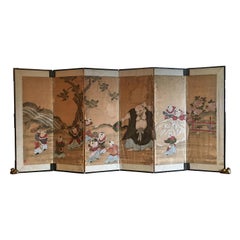
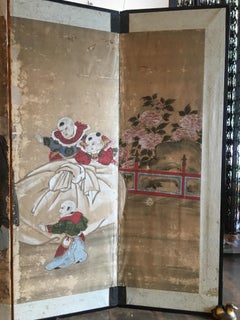
Japanese Six Panel Screen with Hotei, Edo Period, Early 19th Century

Japanese Six Panel Screen with Hotei, Edo Period, Early 19th Century

Located in Austin, TX

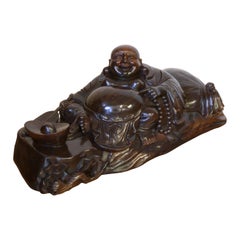
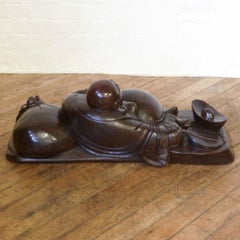
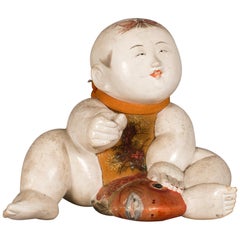
In Japan, he also holds a special place as one of the Seven Lucky Gods, being the god of fortune, and protector of children.

Category

Antique Early 19th Century Japanese Edo Paintings and Screens

Materials

Silk, Paper

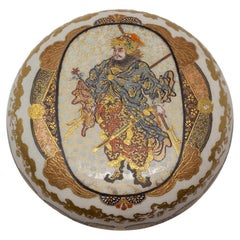
Japanese Meiji Period (1868-1912) Satsuma Kogo Incense Box by Taizan Yohei

Japanese Meiji Period (1868-1912) Satsuma Kogo Incense Box by Taizan Yohei

By Taizan Yohei IX

Located in Newark, England

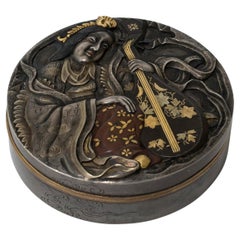
DEPICTING BISHAMON ONE OF THE SEVEN LUCKY GODS From our Japanese Satsuma collection, we are delighted to offer this Japanese Satsuma Kogo by Taizan.

Category

Antique Early 1900s Japanese Meiji Ceramics

Materials

Ceramic, Earthenware, Pottery

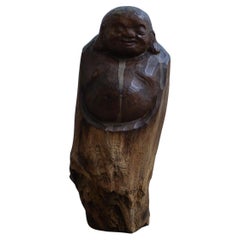
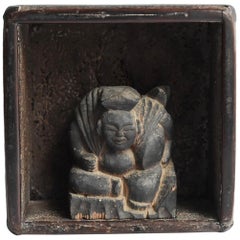
Japanese Antique Wooden  Carved Ornaments

Japanese Antique Wooden Carved Ornaments

Located in Katori-Shi, 12

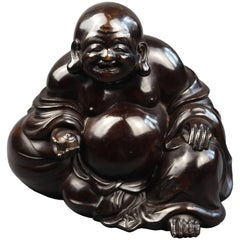
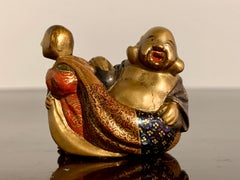
"Hotei-son" is a god who is widely worshiped in Japan as one of the Seven Lucky Gods. It is modeled after the Zen monk Hotei, who actually existed in China, and is loved as a symbol...

Category

Early 20th Century Taisho Antiquities

Materials

Wood

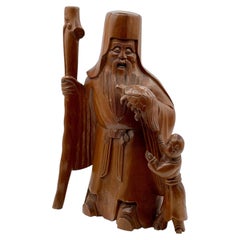
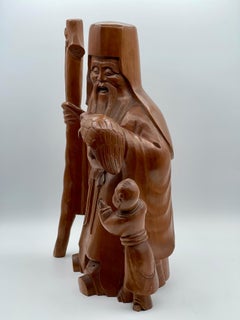
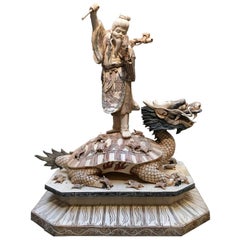
Japanese Meiji Boxwood Okimono of Jurojin with Turtle & Attendant, circa 1900

Japanese Meiji Boxwood Okimono of Jurojin with Turtle & Attendant, circa 1900

Located in New York, NY

Figures depicting Jurojin, one of the Seven Lucky Gods, were especially prized both in Japan and abroad for their auspicious symbolism and remarkable craftsmanship.

Category

Early 20th Century Japanese Japonisme Sculptures and Carvings

Materials

Boxwood

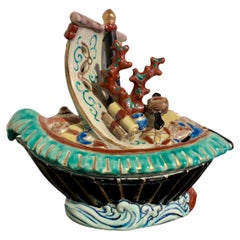
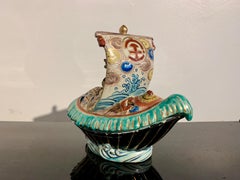
Japanese Kutani Treasure Boat 'Takarabune' Censer, Taisho Period, Japan

Japanese Kutani Treasure Boat 'Takarabune' Censer, Taisho Period, Japan

Located in Austin, TX

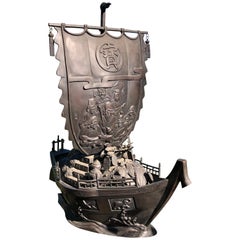
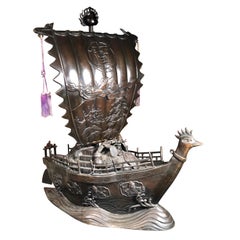
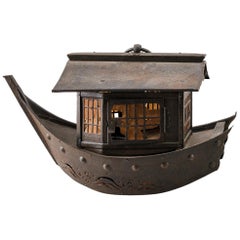
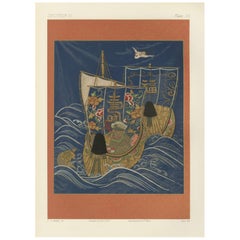
The censer boldly modeled as the legendary Takarabune, or Treasure Ship, a mythical ship said to carry the shichifukujin, the Seven Lucky Gods, around the heavens during the first da...

Category

Vintage 1910s Ceramics

Materials

Porcelain

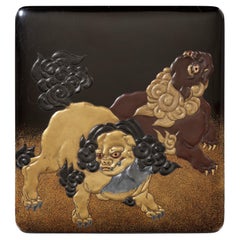
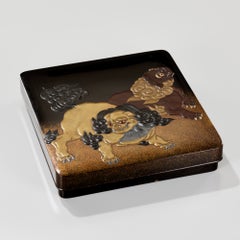
Japanese lacquer suzuri’bako 硯箱 (writing box) with shishi & Hotei design

Japanese lacquer suzuri’bako 硯箱 (writing box) with shishi & Hotei design

Located in Amsterdam, NL

Hotei is the god of contentment and happiness, guardian of children, patron of bartenders, and one one of Japan’s ‘Seven Lucky Gods’ (Shichifukujin). The cover finely decorated in g...

Category

Antique Early 19th Century Japanese Lacquer

Materials

Gold Leaf, Silver Leaf

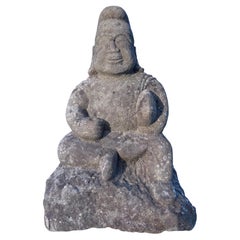
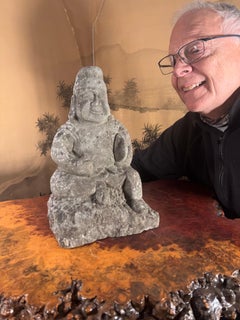
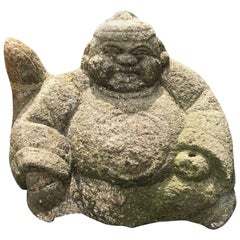
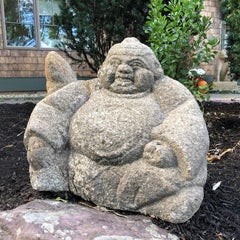
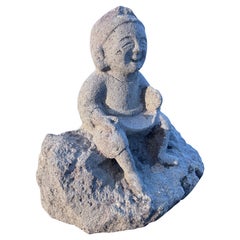
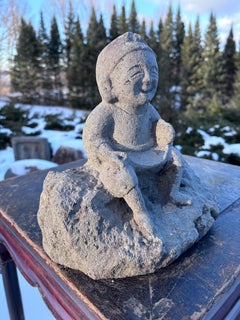
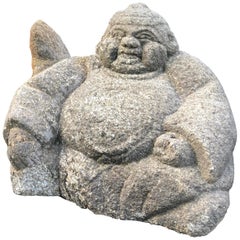
Japan  Tall Hand-Carved Garden Stone Effigy of Smiling Ebisu God of Prosperity

Japan Tall Hand-Carved Garden Stone Effigy of Smiling Ebisu God of Prosperity

Located in South Burlington, VT

Japan, an old early 20th century tall hand-carved stone image of Ebisu one of Japan's seven lucky gods signifying prosperity, good business, and patron of fishermen, circa 1920.

Category

Early 20th Century Japanese Taisho Sculptures and Carvings

Materials

Stone

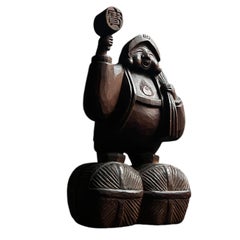
Japanese Antique Wood Carving Daikokuten 1800s-1860s / Figurine Wabisabi

Japanese Antique Wood Carving Daikokuten 1800s-1860s / Figurine Wabisabi

Located in Chōsei District Nagara, JP

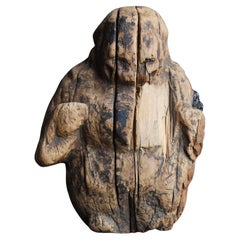
Daikokuten is one of Japan’s Seven Lucky Gods, revered as the deity of wealth and prosperity.

Category

Antique Late 19th Century Japanese Edo Sculptures and Carvings

Materials

Cedar

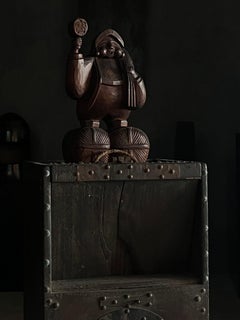
Late Edo Period Japanese Wooden ”Daikokuten Statue” Wabi-Sabi Mingei Folk Art

Late Edo Period Japanese Wooden ”Daikokuten Statue” Wabi-Sabi Mingei Folk Art

Located in 足利市, JP

Dating back to the late Edo Period (19th century), this statue was created during a time when the cult of the Seven Lucky Gods (Shichifukujin) flourished among the common people in J...

Category

Antique Early 19th Century Japanese Edo Sculptures and Carvings

Materials

Wool

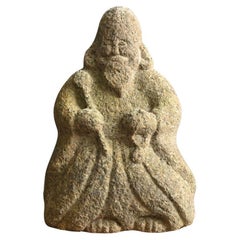
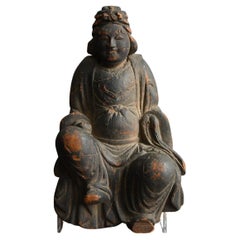
Japanese Edo period stone Buddha statue / [guardian deity] / circa 18th century

Japanese Edo period stone Buddha statue / [guardian deity] / circa 18th century

Located in Sammu-shi, Chiba

In Japan, he is also counted among the Seven Lucky Gods, symbolizing prosperity, success, and protection—making him an especially auspicious figure.

Category

Antique 18th Century Japanese Edo Figurative Sculptures

Materials

Granite

Get Updated with New Arrivals
Save "Seven Lucky Gods", and we’ll notify you when there are new listings in this category.

Seven Lucky Gods For Sale on 1stDibs

An assortment of seven lucky gods is available at 1stDibs. Frequently made of wood, hardwood and ceramic, all seven lucky gods available were constructed with great care. There are all kinds of seven lucky gods available, from those produced as long ago as the 19th Century to those made as recently as the 20th Century.

How Much are Seven Lucky Gods?

The average selling price for at 1stDibs is $2,475, while they’re typically $950 on the low end and $35,000 highest priced.

Finding the Right Asian Art And Furniture for You

From Japanese handmade earthenware pottery, originating circa 14,500 B.C. and adorned with elaborate corded patterns known as jōmon, to natural elm case pieces and storage cabinets built in Qing dynasty–era China to mid-century Thai rice-paper charcoal rubbings, antique and vintage Asian art and furniture make for wonderful additions to all kinds of contemporary interiors.

Eastern elements elevate any home’s decor. Introduce zen sensibility to your living room, dining room and bedroom with the neutral color palettes and the natural materials such as rattan, bamboo and elm that we typically associate with traditional Asian furniture. Decorative handwoven embroideries and textiles originating from India and elsewhere on the continent, which can be draped over a bed or sofa or used as a wall hanging, can be as practical as they are functional, just as you wouldn’t seek out Japanese room-divider screens — often decorated with paintings but constructed to be lightweight and mobile — merely for privacy.

With everything from blanket chests to lighting fixtures to sculptures and carvings, it’s easy to tastefully bring serenity to your living space by looking to the treasures for which the East has long been known.

For British-born furniture designer Andrianna Shamaris, the Japanese concept of beauty in imperfection isn’t limited to her Wabi Sabi collection. She embraces it in her New York City apartment as well. In the living area, for instance, she retained the fireplace’s original black marble while swathing its frame and the rest of the room in bright white.

“We left the fireplace very clean and wabi-sabi, so that it blended into the wall,” says Shamaris, who further appointed the space with a hand-carved antique daybed whose plush pillows are upholstered in antique textiles from the Indonesian island of Sumba.

In the growing antique and vintage Asian art and furniture collection on 1stDibs, find ceramics from China, antiquities from Cambodia and a vast range of tables, seating, dining chairs and other items from Japan, India and other countries.