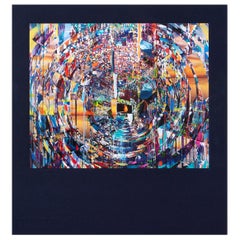
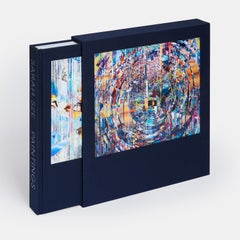
Sarah Sze: Paintings
Located in New York, NY
Sze's painting practice Since the late 1990s, Sarah Sze has developed a signature visual language
Category
21st Century and Contemporary Chinese Books
Materials
Paper
Sarah Sze: Paintings
Located in New York, NY
Sze's painting practice Since the late 1990s, Sarah Sze has developed a signature visual language
Paper
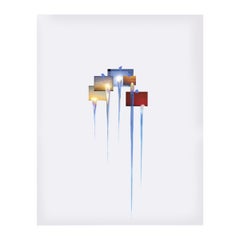

Sarah Sze Images in Debris Limited Edition Print
By Phaidon
Located in New York, NY
forces and the ubiquitous images that surround us daily. Sarah Sze's mesmerizing site-specific
Paper
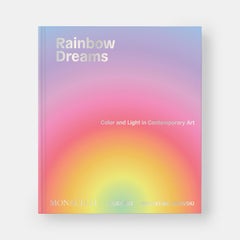
Rainbow Dreams: Color and Light in Contemporary Art
Located in New York, NY
, Sterling Ruby, Kenny Scharf, Frank Stella, Sarah Sze, and Mickalene Thomas.
Paper
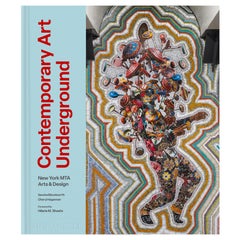
Contemporary Art Underground: MTA Arts & Design New York
Located in New York, NY
, Nick Cave, Ann Hamilton, Xenobia Bailey, Jim Hodges, Alex Katz, Sarah Sze, and Vik Muniz. Of special
Paper
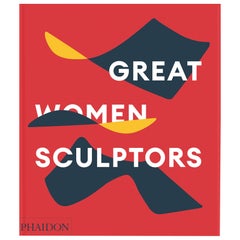
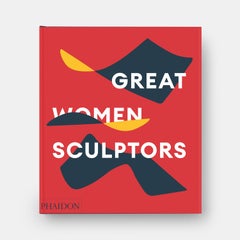
Great Women Sculptors
Located in New York, NY
Sosnowska; Diamond Stingily; Jessica Stockholder; Michelle Stuart; Alina Szapocznikow; Sarah Sze; Sophie
Paper
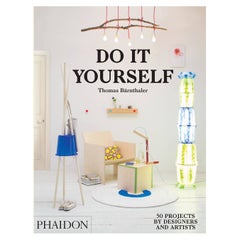
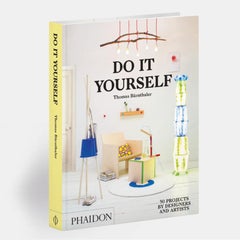
In Stock in Los Angeles, Do It Yourself, Thomas Bärnthaler, Phaidon
By Phaidon
Located in Beverly Hills, CA
, including Konstantin Grcic, Rafael Horzon, Hella Jongerius, Sarah Sze, and Ai Weiwei. This book offers
Paper
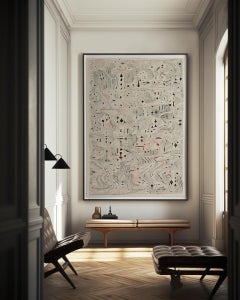
$2,052 / item
H 40 in W 30 in D 0.03 in
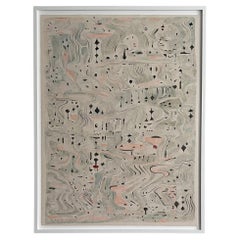
"Les Terrains" Signed Limited Edition Art Print by Christiane Lemieux - 30"x40"
Located in New York, NY
Our first limited edition fine art print “Les Terrains” is an emotive abstract landscape translated in gouache, charcoal and pastel. Created by artist Christiane Lemieux, there will ...
Paper
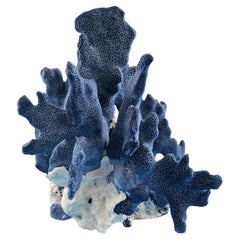
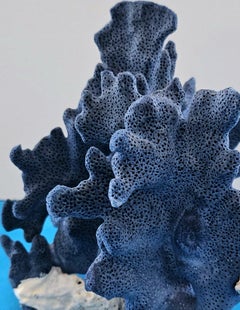
$750
H 6.5 in W 6.5 in D 5.5 in
Natural Blue Coral Specimen, Real. Beautiful Deep Blue w/Whitish around Bottom
Located in Warrenton, OR
Natural Blue Coral Specimen, Real. Beautiful Deep Blue w/Whitish at Bottom This is an absolutely gorgeous piece of coral that looks beautiful from multiple angles. As with all coral...
Coral
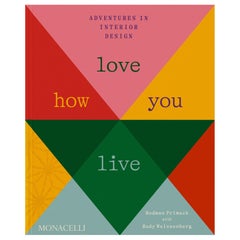
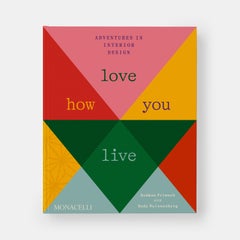
Love How You Live: Adventures in Interior Design
Located in New York, NY
The first book from the AD100 interior designer renowned for joyful, vibrant, intensely personal homes imbued with art, pattern, and craftsmanship A decidedly global outlook best de...
Paper

So Still (Sidewinder) - analog, mounted
By Stefanie Schneider
Located in Morongo Valley, CA
So Still (Sidewinder) - 2005 Edition 1/5 or 2/5, 150x128cm. Analog C-Print, hand-printed by the artist, printed on Fuji Crystal Archive Paper, mounted on Aluminum with matte UV-Pr...
Photographic Paper, C Print, Color, Polaroid
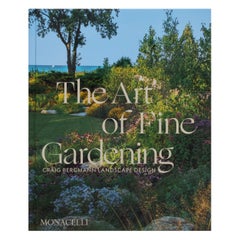
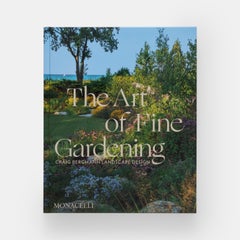
The Art of Fine Gardening: Craig Bergmann Landscape Design
Located in New York, NY
The long-awaited debut book on Craig Bergmann, pre-eminent designer of traditional gardens along the North Shore of Chicago For more than four decades, Craig Bergmann has been recog...
Paper

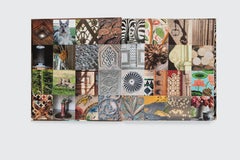
The Soul of Design
Located in New York, NY
For what is a home really, but our soul’s residence in the outer world? Using design to bring out the innermost parts of ourselves, Lisa Staprans creates layered spaces that envelope...
Paper
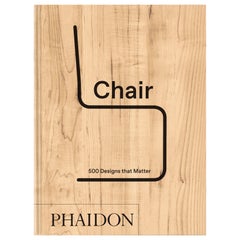
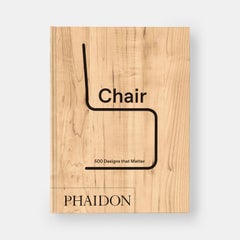
Chair 500 Designs that Matter
Located in New York, NY
A compelling collection of the world’s most innovative, stylish, and influential chairs from across the globe Throughout history, the chair has presented designers the world over wi...
Paper
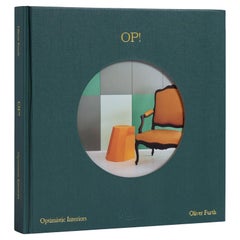

OP! Optimistic Interiors
Located in New York, NY
Author Oliver Furth AD100 and Elle Décor A-List Interior Designer Oliver Furth masterfully combines bi-partisan enthusiasm for classical and contemporary influences with California ...
Paper
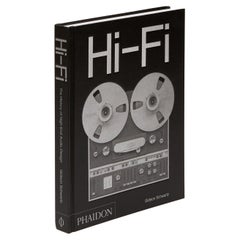
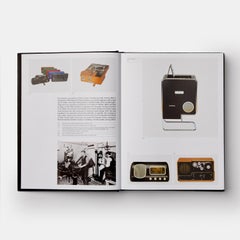
"Hi-Fi The History of High-End Audio Design" Book
Located in New York, NY
A beyond-cool look at the world of high-end audio design for passionate collectors, obsessive audiophiles, and design fans At a time when sales of vinyl records have hit a 25-year hi...
Paper
$65 / item
H 12.5 in W 9.5 in D 1.5 in
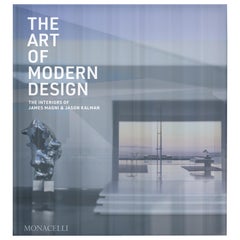
The Art of Modern Design: The Interiors of James Magni & Jason Kalman
Located in New York, NY
The renowned interior designers share residential projects and designs for furniture that embody their sleek and refined contemporary aesthetic Los Angeles-based Magni Kalman Design...
Paper
Antique and vintage books add a sense of culture and style to any room. Displaying these types of books in your living room or reading nook can warm a space with a distinguished feel.
Several factors make antique books highly desirable. Original jackets, ornate binding, illustrations and quality of the print all contribute to making a vintage book special. Rare books are of great interest to collectors in the know and can command high prices at auction. In 2021, an important early artist book by Andy Warhol sold at auction for more than $106,000. Somewhere between all the commercial work he did as an ambitious young graphic designer in the early 1950s and his first real debut as a Pop artist a decade later, Warhol produced a trove of incredibly charming drawings. His illustrated self-published artist books from the 1950s are very rare.
Many collectors seek the first edition of certain books. Fewer copies of a book and higher demand make it a rare find. A book that contains the author’s signature also makes it much more prized than other examples of the same title.
Collectors and designers decorate rooms with vintage books for a cozy feeling in a home. Coffee-table books, such as those featuring photography and design, serve as conversation pieces or offer a relaxing moment when leafed through.
Interior designers look for vintage books when they want to add color or detail. For instance, leather-bound books can create a scholarly air while mid-century titles offer a modern edge. Vintage international books or first editions can provide a sense of history.
No matter the genre, there is a book for you. You can find rare, one-of-a-kind antique books on 1stDibs. Browse by authors, like celebrated architect and designer Frank Lloyd Wright and Edgar Rice Burroughs, as well as by period, including mid-century modern, Art Deco and Victorian.
Produced in 1843, the well-preserved volume is evidence of the author's exacting specifications.
New or old, the coverlets add old-time charm to any space.
Get into the games! These items celebrate the events, athletes, host countries and sporting spirit.
French trendsetter and serial collector Daniel Rozensztroch tells us about his obsession with objects related to seafaring men.
It's hard to resist the allure of a beautiful pool. So, go ahead and daydream about whiling away your summer in paradise.
The sought-after designer worked with the team at Hoffman Creative to produce a monograph that beautifully showcases some of Studio Shamshiri's most inspiring projects.
Italian writer and collector Umberto Pasti opens the doors to his remarkable cave of wonders in North Africa.
Hollywood A-listers, ex-pat aristocrats and art collectors and style setters of all stripes appreciate the allure of the coastal California hamlet — much on our minds after recent winter floods.