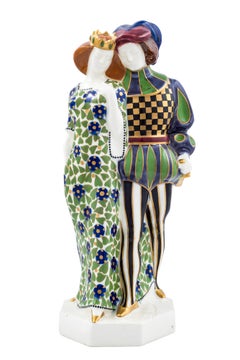
Serapis Wahliss

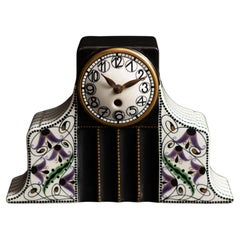
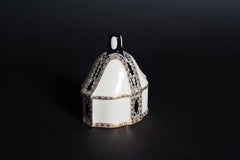
Secessionist Clock by Karl Klaus for Serapis Wahliss

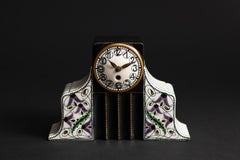
Secessionist Clock by Karl Klaus for Serapis Wahliss

By Serapis Fayence Wahliss, Karl Klaus

Located in Palm Beach, FL

Secessionist Clock by KARL KLAUS (1889-1925) for SERAPIS WAHLISS, Vienna, c. 1911. The esteemed Viennese retailer and manufacturer of porcelain and ceramic ware, Ernst Wahliss Kunst...

Category

Vintage 1910s Austrian Vienna Secession Decorative Boxes

Materials

Porcelain

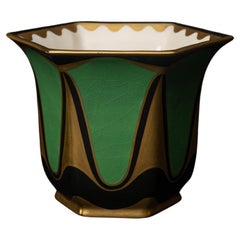
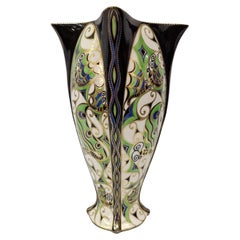
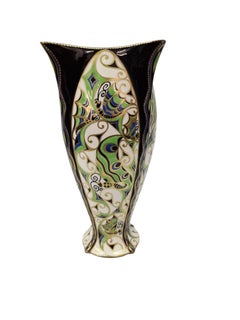
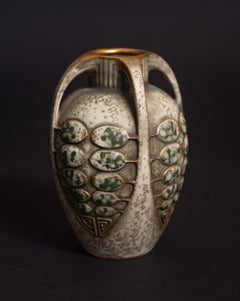
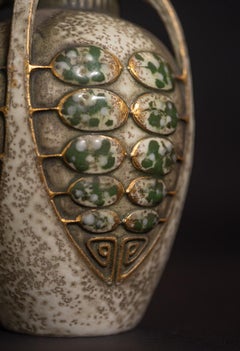
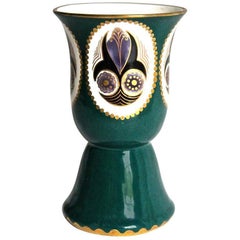
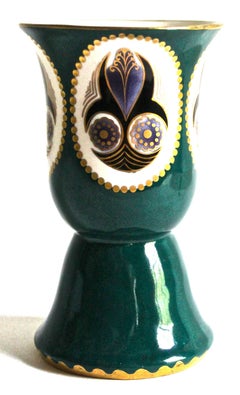
Secessionist Porcelain Vase by Karl Klaus for Serapis Wahliss

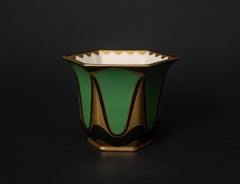
Secessionist Porcelain Vase by Karl Klaus for Serapis Wahliss

By Serapis Fayence Wahliss, Karl Klaus

Located in Palm Beach, FL

The esteemed Viennese retailer and manufacturer of porcelain and ceramic ware, Ernst Wahliss Kunst, Porzellan und Faience Fabrik rolled out its Serapis Wahliss line in 1911.

Category

Vintage 1910s Austrian Vienna Secession Decorative Boxes

Materials

Porcelain

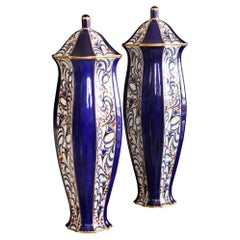
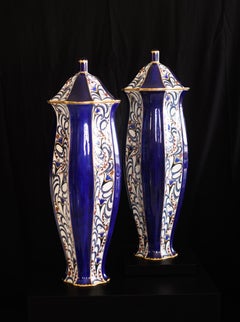
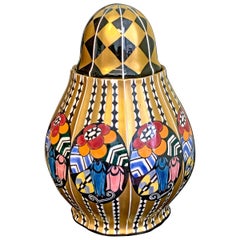
Lidded Porcelain Jugendstil Vases by Wahliss Serapis

Lidded Porcelain Jugendstil Vases by Wahliss Serapis

By Ernst Wahliss, Otto Prutscher

Located in Palm Beach, FL

Stamped transfer mark under glaze, Serapis-Fayence Wahliss; impressed model number 9686; hand painted glaze form and decoration numbers F: 9686, D: 9712.

Category

Vintage 1910s Austrian Vienna Secession Decorative Boxes

Materials

Porcelain

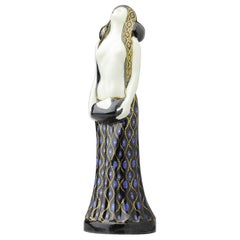
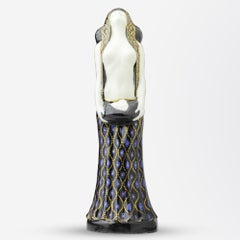
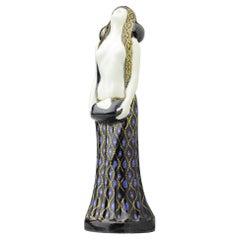
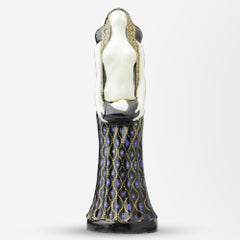
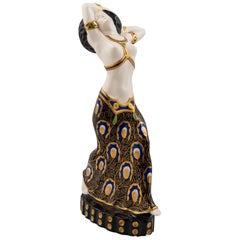
Rare Porcelain Figure of 'Salome' by Karl Klaus for Ernst Wahliss

Rare Porcelain Figure of 'Salome' by Karl Klaus for Ernst Wahliss

Located in Brisbane City, QLD

Klaus was a student of Josef Hofmann and designed several figures and decorative pieces for Ernst Wahliss under the label 'Serapis Wahliss'. The figure is marked to the inside with t...

Category

Early 20th Century Austrian Art Nouveau Figurines and Sculptures

Recent Sales

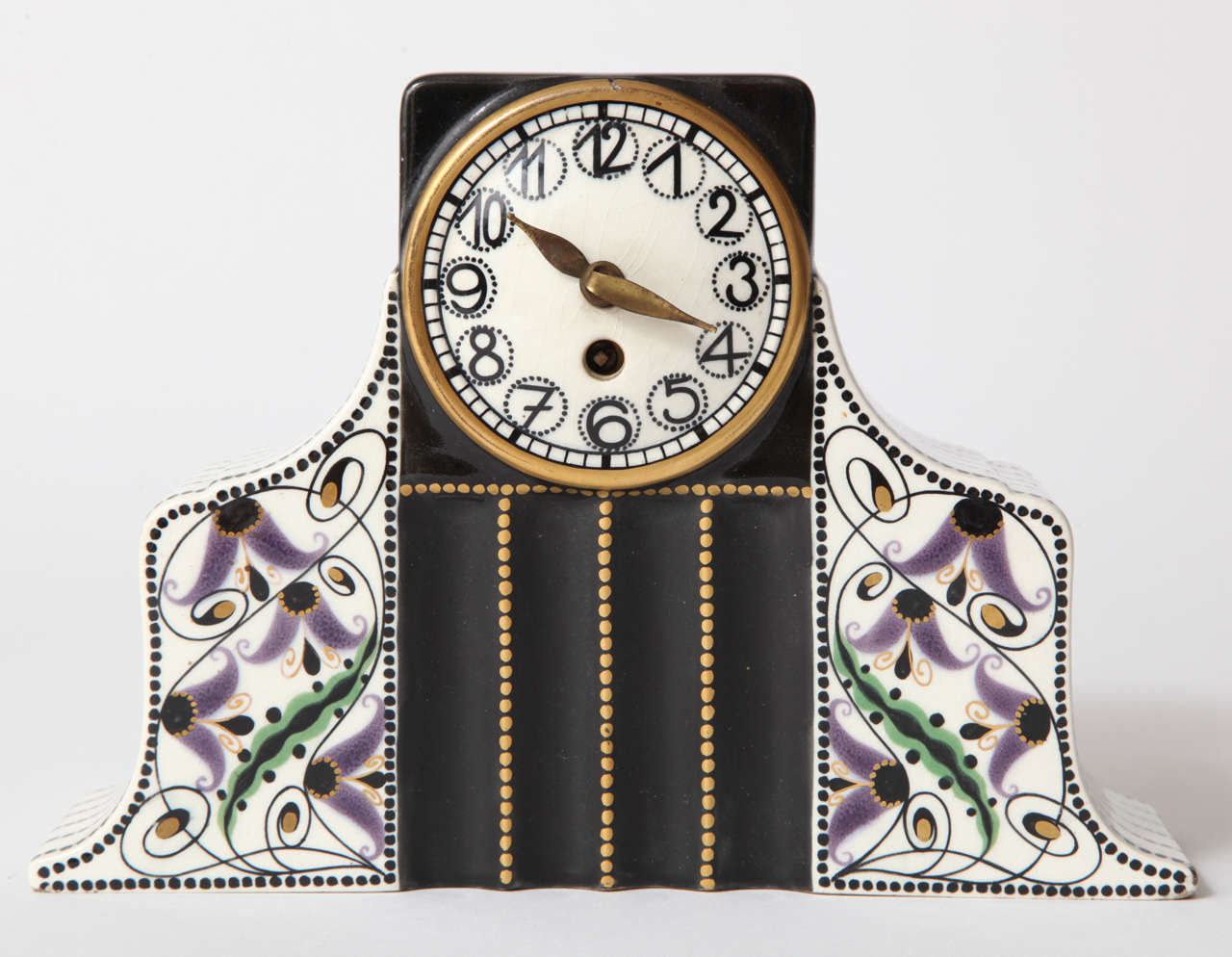
Karl Klaus, Serapis Wahliss, Vienna Secessionist Clock, 1910, Austria

Karl Klaus, Serapis Wahliss, Vienna Secessionist Clock, 1910, Austria

By Serapis Fayence Wahliss, Karl Klaus

Located in New York, NY

A hand-painted and glazed earthenware Serapis Wahliss clock with a highly stylized multi-colored floral design against a black, white and gold background.

Category

Early 20th Century Austrian Vienna Secession Clocks

Materials

Brass

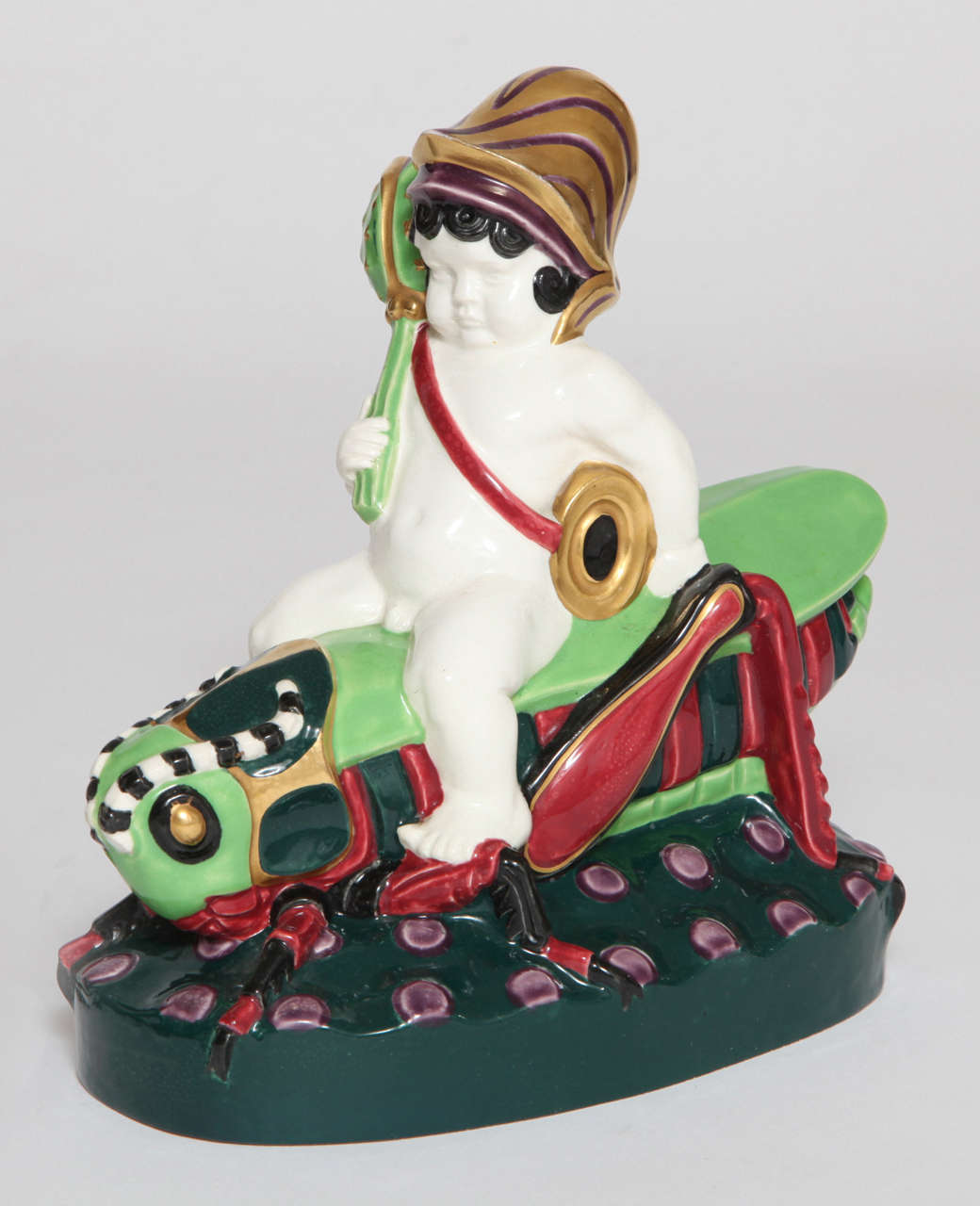
Serapis Wahliss Fayence  Secessionist Putto on a Grasshopper, Austria circa 1910

Serapis Wahliss Fayence Secessionist Putto on a Grasshopper, Austria circa 1910

By Serapis Fayence Wahliss

Located in New York, NY

Bright and Bold Hand Painted Glazes. Serapis Fayence Wahliss, Austria, c. 1910.

Category

Early 20th Century Austrian Vienna Secession Ceramics

Materials

Earthenware

Important vase, Karl Klaus Serapis Ernst Wahliss Wiener Werkstätte, 1911 Austria

Important vase, Karl Klaus Serapis Ernst Wahliss Wiener Werkstätte, 1911 Austria

By Karl Klaus, Ernst Wahliss

Located in Wien, AT

Klaus was a student of Josef Hofmann and designed several vases and other decorative pieces for Ernst Wahliss under the label 'Serapis Wahliss'. The vase is marked on the bottom with...

Category

Vintage 1910s Austrian Jugendstil Vases

Materials

Ceramic

Rare Porcelain Figure of 'Salome' by Karl Klaus for Ernst Wahliss

Rare Porcelain Figure of 'Salome' by Karl Klaus for Ernst Wahliss

By Ernst Wahliss

Located in Brisbane, QLD

Klaus was a student of Josef Hofmann and designed several figures and decorative pieces for Ernst Wahliss under the label 'Serapis Wahliss'. The figure is marked to the inside with t...

Category

Early 20th Century Czech Vienna Secession Figurative Sculptures

Materials

Porcelain

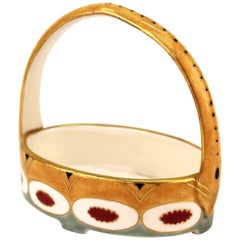
Wahliss Viennese Secessionist Austrian Porcelain Basket Dish

Wahliss Viennese Secessionist Austrian Porcelain Basket Dish

By Karl Klaus, Serapis Fayence Wahliss

Located in Astoria, NY

Wahliss Viennese Secession porcelain basket-form dish with gilt accents, designed by architect Karl Klaus in Vienna. Mark underneath. Minor wear to the glaze.

Category

Early 20th Century Austrian Vienna Secession Decorative Baskets

Materials

Porcelain

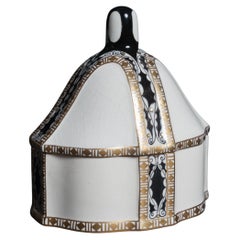
Lidded Porcelain Jugendstil Box

Lidded Porcelain Jugendstil Box

Sold

H 6 in W 5.5 in D 4 in

Lidded Porcelain Jugendstil Box

By Karl Klaus, Serapis Fayence Wahliss

Located in Palm Beach, FL

The esteemed Viennese retailer and manufacturer of porcelain and ceramic ware, Ernst Wahliss Kunst, Porzellan und Faience Fabrik rolled out its Serapis Wahliss line in 1911.

Category

Vintage 1910s Austrian Vienna Secession Decorative Boxes

Materials

Porcelain

Ernst Wahliss Serapis Hand-Painted Vase

Ernst Wahliss Serapis Hand-Painted Vase

By Ernst Wahliss

Located in Sharon, CT

The deep rich coloring and fine gold details are the hallmarks of the Austrian Architect's unique works for Serapis Ernst Wahliss. Marked 9726 in gold and also incised.

Category

Early 20th Century Austrian Vienna Secession Ceramics

Materials

Ceramic

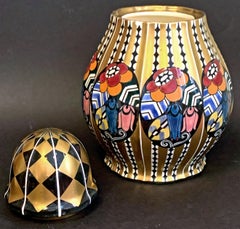
"Lidded Urn with Geometric Motifs, " Proto-Art Deco Piece, Margold in Gold, Black

"Lidded Urn with Geometric Motifs, " Proto-Art Deco Piece, Margold in Gold, Black

By Serapis Fayence Wahliss, Emanuel Josef Margold

Located in Philadelphia, PA

Margold also designed pieces such as this for Wahliss Serapis, a line of ceramics introduced in 1911 by Gerhard Martin Wahliss, son of the founder of the Wahliss firm, located in Tur...

Category

Vintage 1910s Austrian Vienna Secession Vases

Materials

Faience

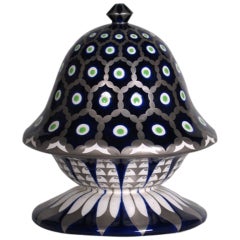
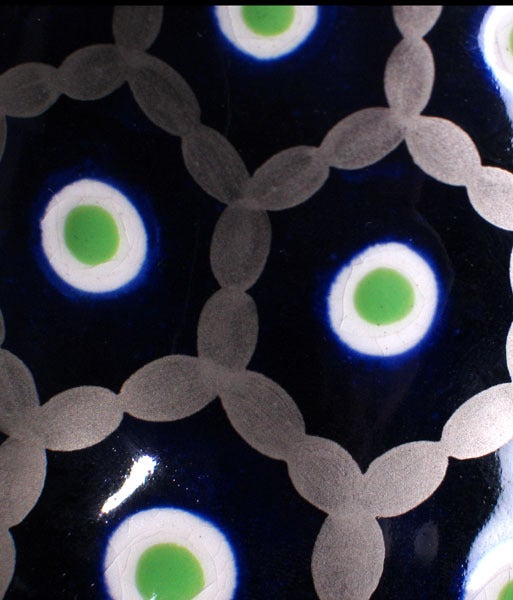
1900 Serapis-Wahliss Silver Net Covered Box by Ernst Wahliss

1900 Serapis-Wahliss Silver Net Covered Box by Ernst Wahliss

By Ernst Wahliss

Located in New York, NY

Others may see magnified cells, Persian spirals, or an arrangement of Turkish evil eye beads. Ernst Wahliss's use of the name Serapis (a Hellenistic-Egyptian god) for the "Serapis-Fa...

Category

Early 20th Century Austrian Vases

Materials

Earthenware

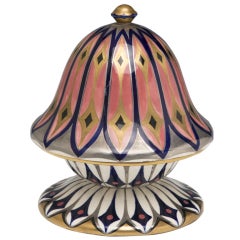
19th Century Pink Petals Porcelain Covered Box Serapis Wahliss by Ernst Wahliss

19th Century Pink Petals Porcelain Covered Box Serapis Wahliss by Ernst Wahliss

By Ernst Wahliss

Located in New York, NY

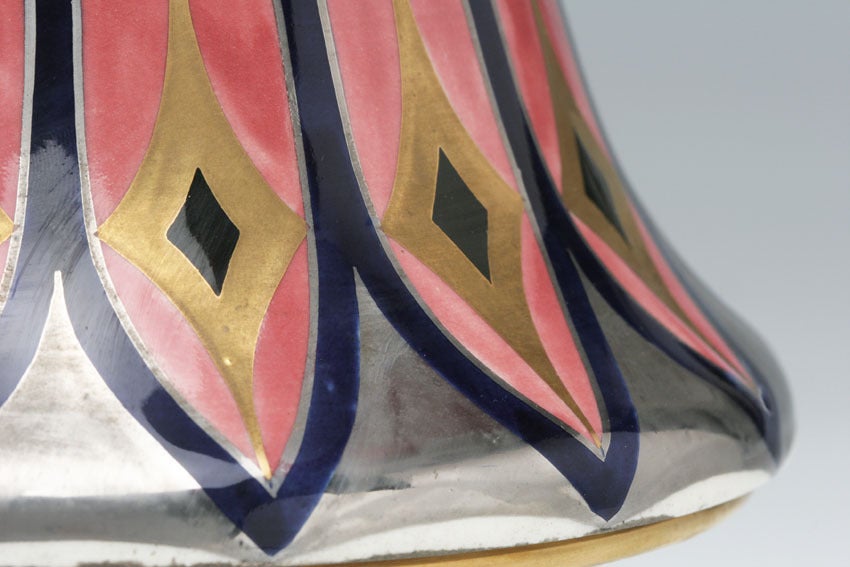
Stylized nature depicted in luscious colors and accented in gold was Karl Klaus's specialty and of central importance to the Serapis Wahliss line. Marks: Stamped manufacturer mark or...

Category

Early 20th Century Austrian Art Nouveau Vases

Materials

Earthenware

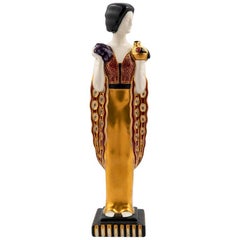
Rare Lady with Grapes and Bird Ernst Wahliss Vienna Design Karl Klaus circa 1911

Rare Lady with Grapes and Bird Ernst Wahliss Vienna Design Karl Klaus circa 1911

By Ernst Wahliss

Located in Vienna, AT

It is adorned by complex gilt decorations and the glazing of the “Serapis Fayence” is of highest quality. Marks: “Royal Vienna Wahliss”, “Serapis Wahliss”, handswritten “F1533” (for...

Category

Vintage 1910s Austrian Art Nouveau Figurative Sculptures

Materials

Ceramic

Rare Dancer “Salome” Ernst Wahliss Vienna Karl Klaus, circa 1911 Wahliss Serapis

Rare Dancer “Salome” Ernst Wahliss Vienna Karl Klaus, circa 1911 Wahliss Serapis

By Ernst Wahliss

Located in Vienna, AT

The porcelain manufacture “Ernst Wahliss” was among the most important ceramics workshops in Vienna, circa 1900.

Category

Vintage 1910s Austrian Art Nouveau Figurative Sculptures

Materials

Ceramic

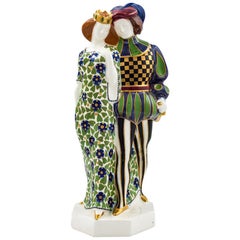
Ernst Wahliss Karl Klaus and Franz Staudigl Figurine Prince and Princess Serapis

Ernst Wahliss Karl Klaus and Franz Staudigl Figurine Prince and Princess Serapis

By Ernst Wahliss, Karl Klaus

Located in Vienna, AT

Karl Klaus used fairy tale and opera motifs for his designs to create secessionist figurines. The fairy-tale motif of Prince and Princess might seem to glorify the old days, but a ra...

Category

Vintage 1910s Austrian Art Nouveau Figurative Sculptures

Materials

Ceramic

Get Updated with New Arrivals
Save "Serapis Wahliss", and we’ll notify you when there are new listings in this category.

Serapis Wahliss For Sale on 1stDibs

At 1stDibs, there are many versions of the ideal serapis wahliss for your home. Frequently made of ceramic, earthenware and brass, every serapis wahliss was constructed with great care. You’ve searched high and low for the perfect serapis wahliss — we have versions that date back to the 20th Century alongside those produced as recently as the 20th Century are available. A serapis wahliss, designed in the Art Nouveau style, is generally a popular piece of furniture. Many designers have produced at least one well-made serapis wahliss over the years, but those crafted by Serapis Fayence Wahliss, Karl Klaus and Emanuel Josef Margold are often thought to be among the most beautiful.

How Much is a Serapis Wahliss?

Prices for a serapis wahliss can differ depending upon size, time period and other attributes — at 1stDibs, they begin at $650 and can go as high as $35,200, while the average can fetch as much as $8,817.

Finding the Right Decorative-objects for You

Every time you move into a house or an apartment — or endeavor to refresh the home you’ve lived in for years — life for that space begins anew. The right home accent, be it the simple placement of a decorative bowl on a shelf or a ceramic vase for fresh flowers, can transform an area from drab to spectacular. But with so many materials and items to choose from, it’s easy to get lost in the process. The key to styling with antique and vintage decorative objects is to work toward making a happy home that best reflects your personal style. 

Ceramics are a versatile addition to any home. If you’ve amassed an assortment of functional pottery over the years, think of your mugs and salad bowls as decorative objects, ideal for displaying in a glass cabinet. Vintage ceramic serveware can pop along white open shelving in your dining area, while large stoneware pitchers paired with woven baskets or quilts in an open cupboard can introduce a rustic farmhouse-style element to your den.

Translucent decorative boxes or bowls made of an acrylic plastic called Lucite — a game changer in furniture that’s easy to clean and lasts long — are modern accents that are neutral enough to dress up a coffee table or desktop without cluttering it. If you’re showcasing pieces from the past, a vintage jewelry box for displaying your treasures can spark conversation: Where is the jewelry box from? Is there a story behind it?

Abstract sculptures or an antique vessel for your home library can draw attention to your book collection and add narrative charm to the most appropriate of corners. There’s more than one way to style your bookcases, and decorative objects add a provocative dynamic. “I love magnifying glasses,” says Alex Assouline, global vice president of luxury publisher Assouline, of adding one’s cherished objects to a home library. “They are both useful and decorative. Objects really elevate libraries and can also make them more personal.”

To help with personalizing your space and truly making it your own, find an extraordinary collection of decorative objects on 1stDibs.