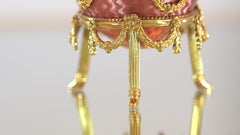
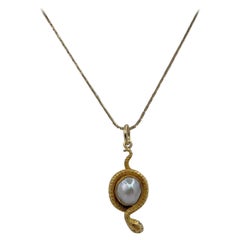
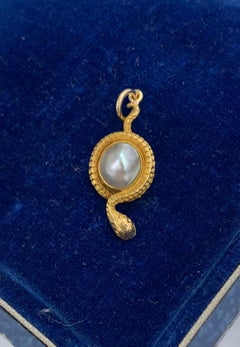
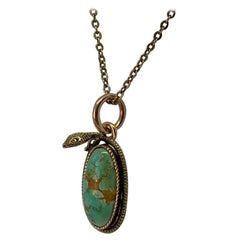
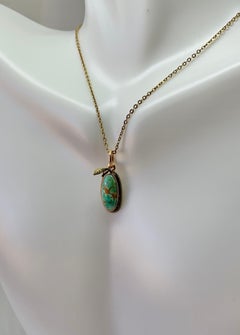
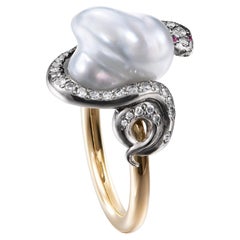
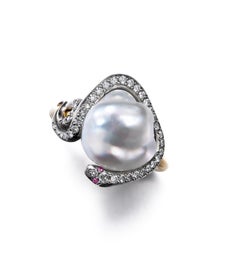
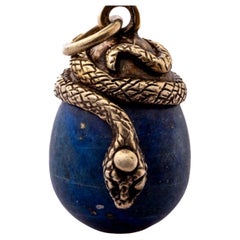
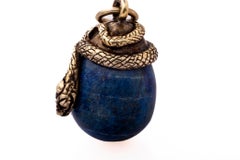
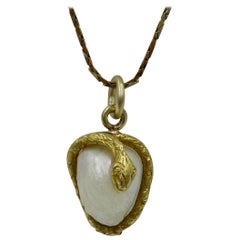
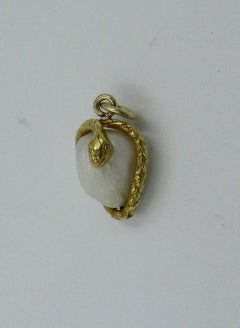
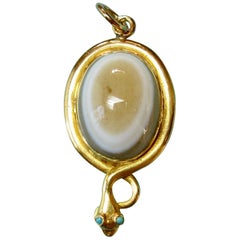
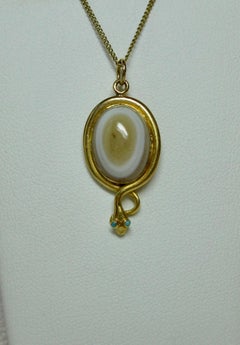
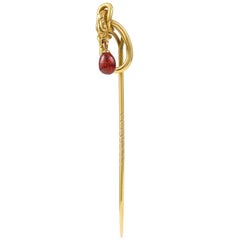
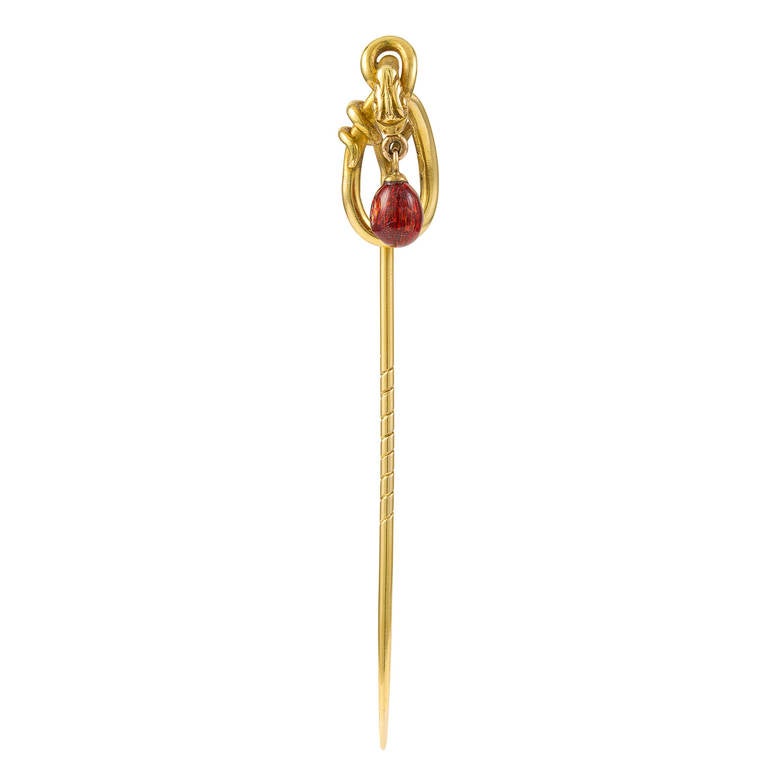
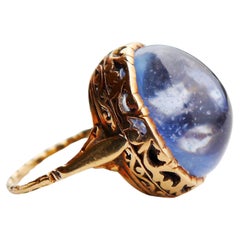
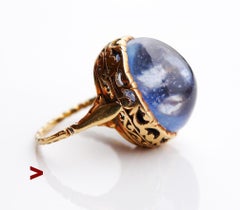
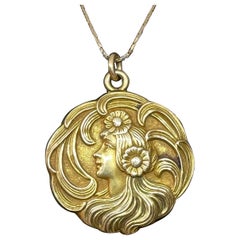
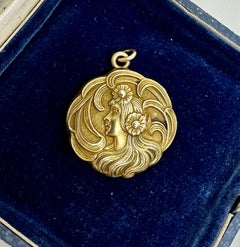
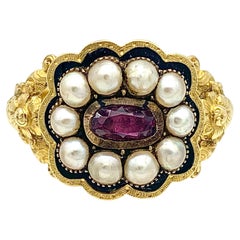
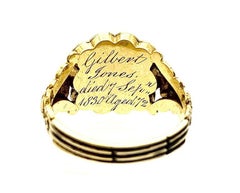
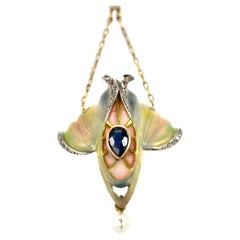
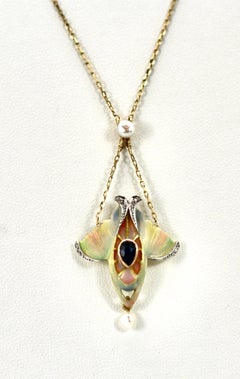
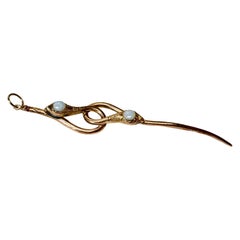
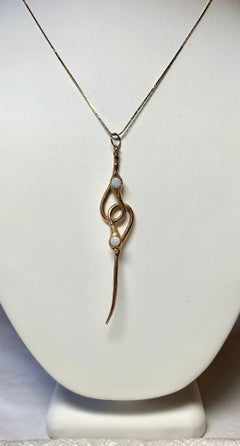
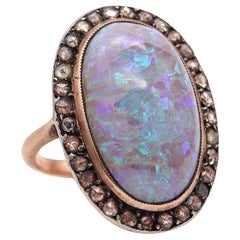
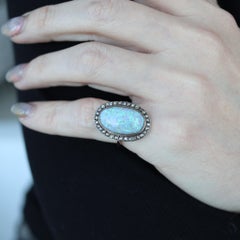
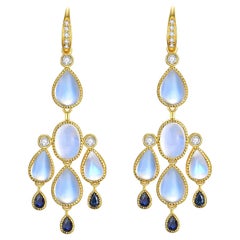
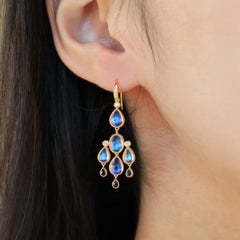
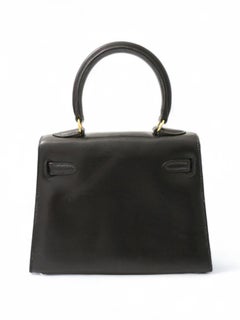
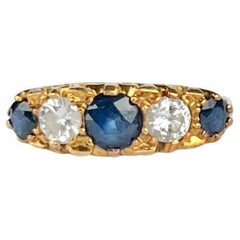
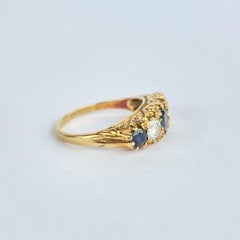
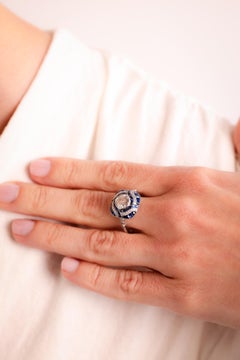
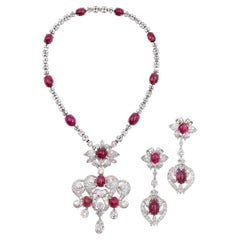
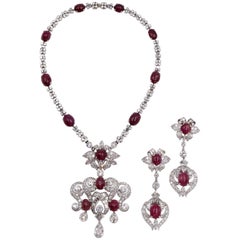
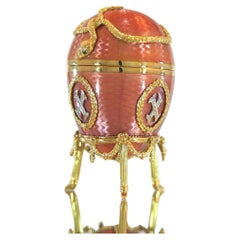
You are likely to find exactly the serpent egg you’re looking for on 1stDibs, as there is a broad range for sale. Each design created in this style — which was crafted with great care and often made from
gold,
yellow gold and
14k gold — can elevate any look. Find an antique version now, or shop for 8 vintage or 4 modern creation for a more contemporary example of these cherished accessories. Finding the perfect serpent egg may mean sifting through those created during different time periods — you can find an early version that dates to the 19th Century and a newer variation that were made as recently as the 21st Century. A serpent egg from
TOKTAM Conceptual Art Jewelry and
Fabergé — each of whom created a beautiful version of this treasured accessory — is worth considering. A serpent egg can make for a versatile accessory, but a selection from our variety of 2
tourmaline versions can add an especially stylish touch. Today, if you’re looking for an
oval cut version of this piece and are unable to find the perfect match, our selection also includes
round cut and
antique cushion cut alternatives. If you’re browsing our inventory for a serpent egg, you’ll find that many are available today for
women, but there are still pieces to choose from for unisex and
men.
Prices for a serpent egg can differ depending upon size, time period and other attributes — at 1stDibs, these accessories begin at $2,440 and can go as high as $18,626, while this accessory, on average, fetches $6,150.
The reign of Queen Victoria encapsulates a quickly evolving period of history — and jewelry styles were no exception. No single period has seen such a diverse group of jewelry attributed to it than the Victorian era. Today, there is a vast collection of authentic antique Victorian jewelry and watches on 1stDibs.
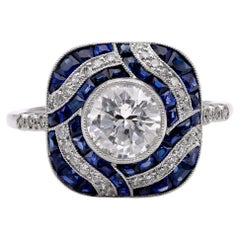
Victorian jewelry is named after Queen Victoria, whose reign lasted from 1837 to 1901, making her the second longest-ruling monarch. (She was surpassed by Queen Elizabeth II in 2015.) During this time, different styles of fashion and jewelry came and went. Thanks to our fascination with royalty and swoon-worthy melodramas like Netflix’s The Crown — which is rife with evocative fashion, jewelry and interiors — and the 2017 feature film Victoria & Abdul, we are all familiar with her story. After the death of Victoria’s father and three childless uncles, she ascended to the throne at age 18. In 1840, Queen Victoria married the love of her life, her first cousin Prince Albert of Saxe-Coburg and Gotha.
Queen Victoria loved serpentine jewels, and she had even more power to shape trends than Kate Middleton and Meghan Markle do today. The British monarch’s best-known piece in this mold is the gold coiled-snake engagement ring she received from Prince Albert — the sinuous reptile was considered a symbol of everlasting love.
The Queen's 63-year reign has been divided by historians into the Romantic period, the early happy years, circa 1837–60; the Grand period, marked by the deaths of the Queen’s mother and husband, circa 1860–80; and the late Victorian or Aesthetic period, which lasted from about 1880 until 1901 and ushered in the Belle Époque. Queen Victoria wore her heart on her sleeve, and her fashion and jewelry reflected her emotions.
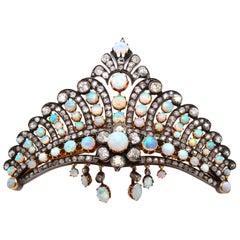
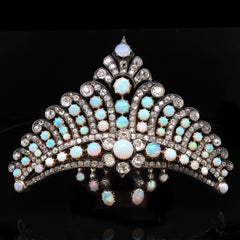
Romantic period jewelry, which featured common decorative motifs and was embellished with seed pearls, coral and turquoise, was a celebration of the young monarch’s love. Everything changed with the death of Prince Albert, and the Grand period is most often associated with mourning jewelry. Jewelry was smaller, lighter and more dainty during the late Victorian period. During this era, diamonds came into fashion, and semiprecious gems such as amethysts and opals became prevalent, too. Using gemstones for their natural beauty and not their worth was something that jewelers of the era felt passionate about, and this ideology would really become relevant in Art Nouveau jewelry.
Find a collection of authentic antique Victorian jewelry — from rings, necklaces and brooches to a range of other accessories — on 1stDibs.