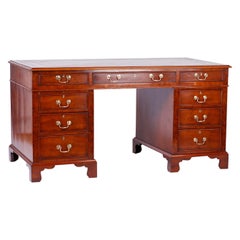
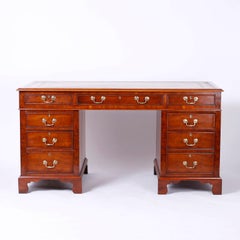
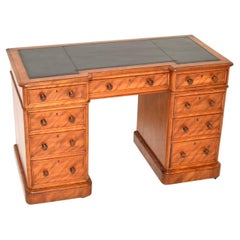
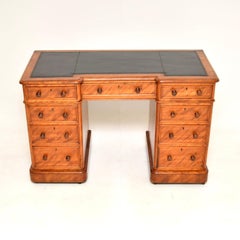
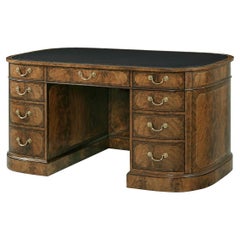
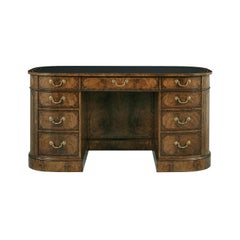
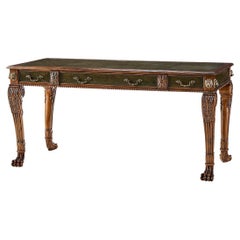
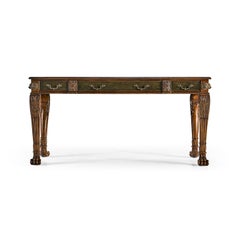
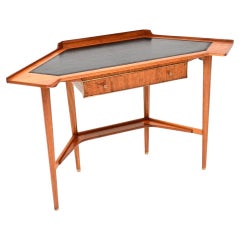
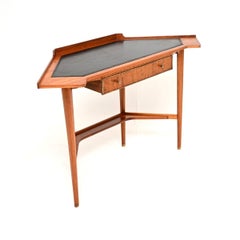
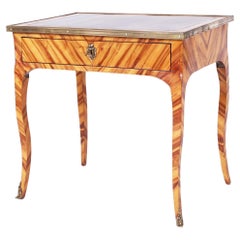
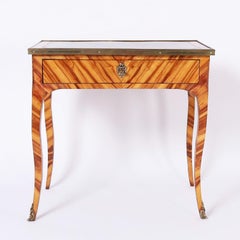
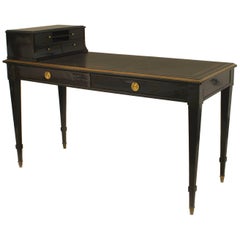
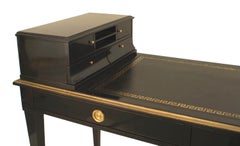
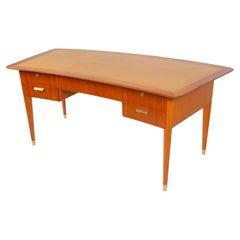
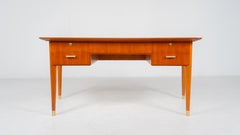
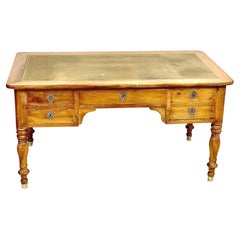
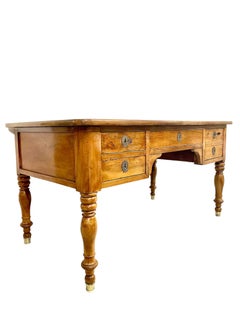
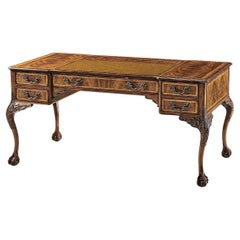
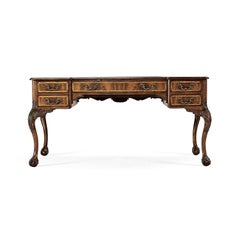
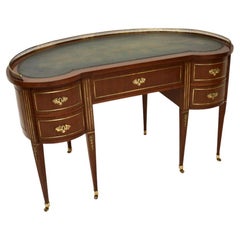
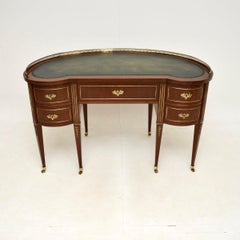
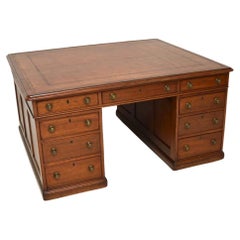
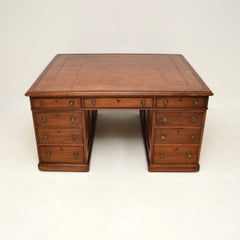
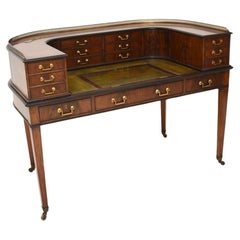
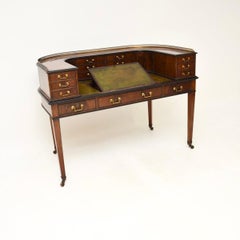
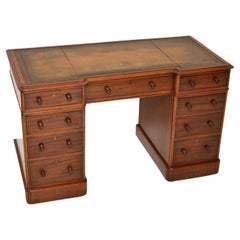
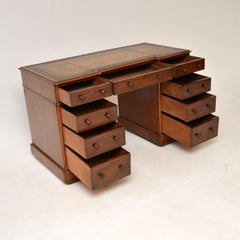
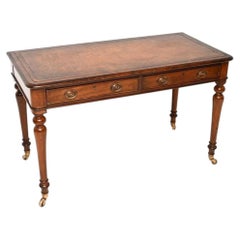
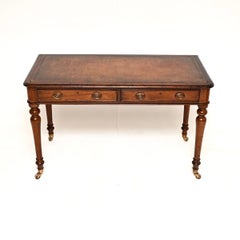
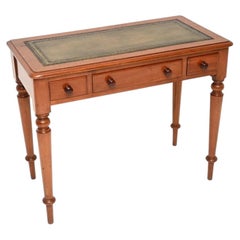
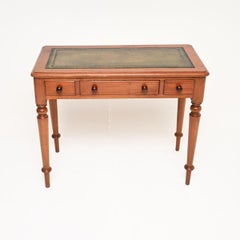
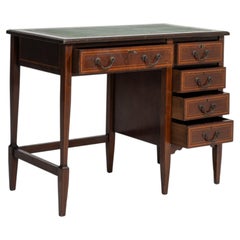
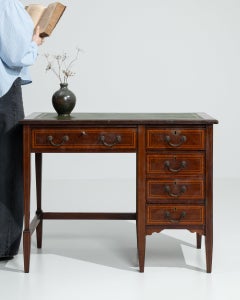
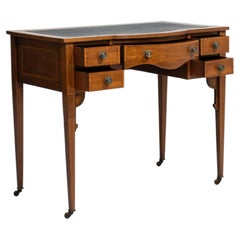
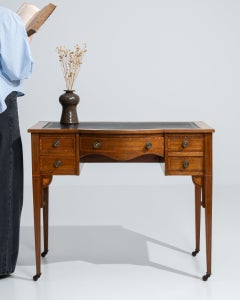
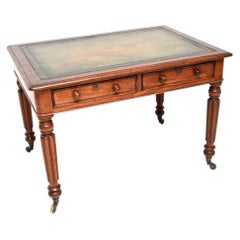
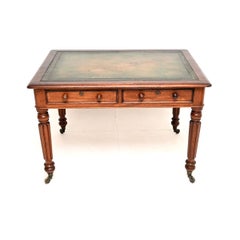
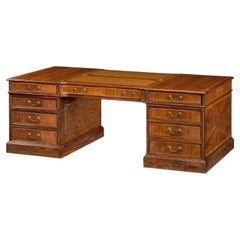
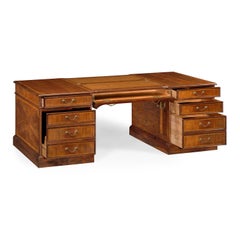
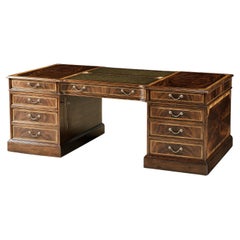
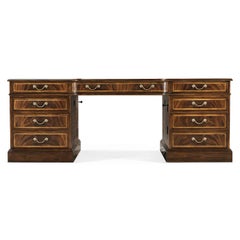
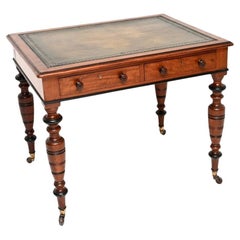
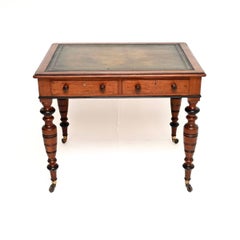
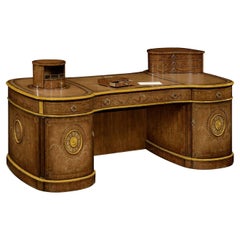
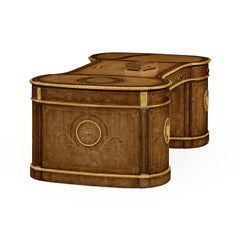
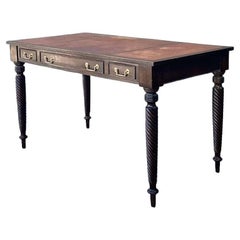
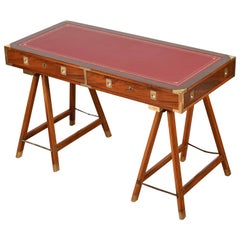
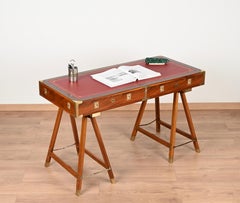
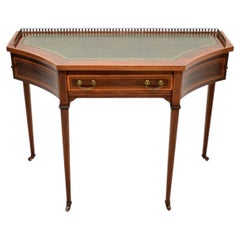
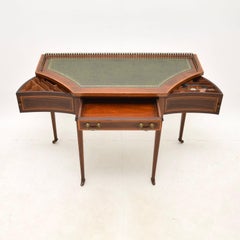
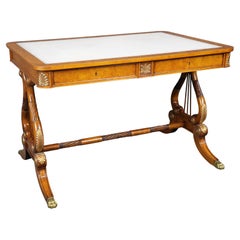
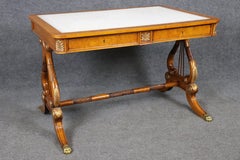
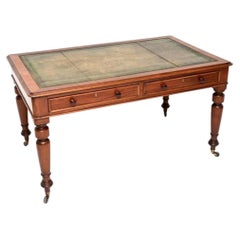
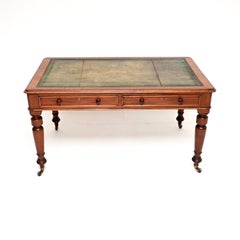
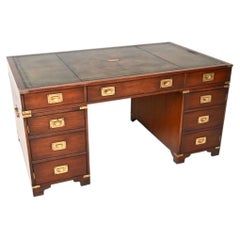
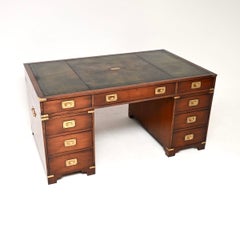
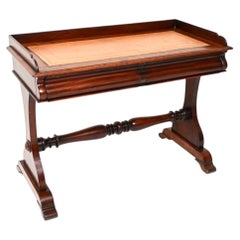
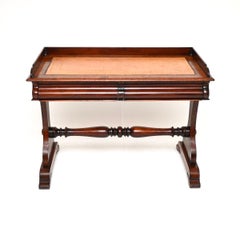
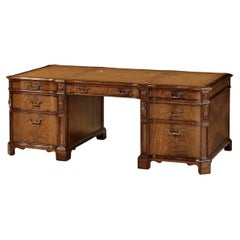
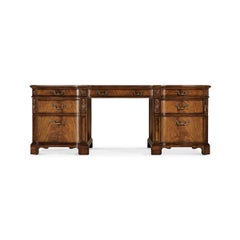
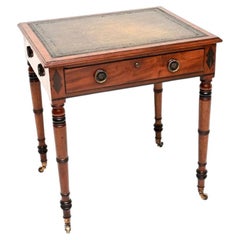
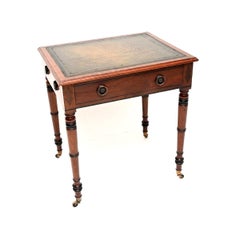
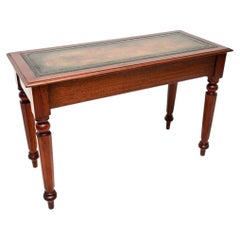
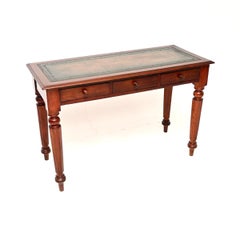
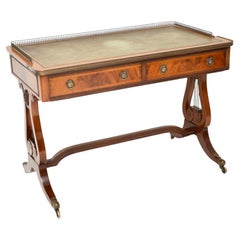
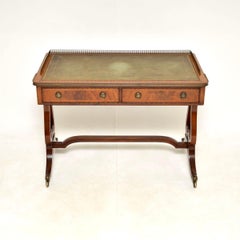
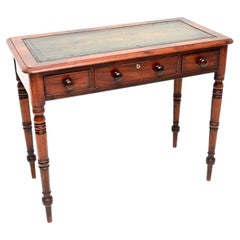
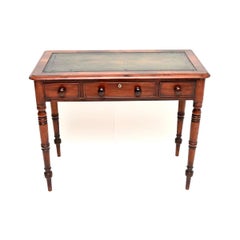
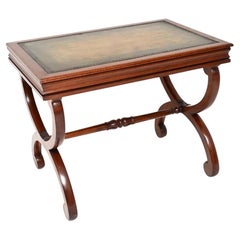
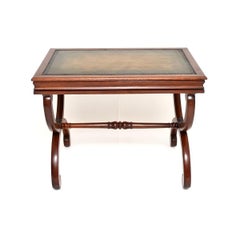
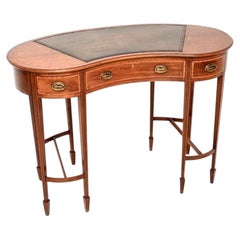
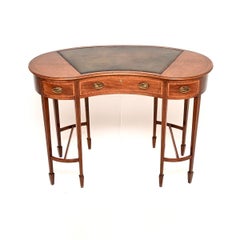
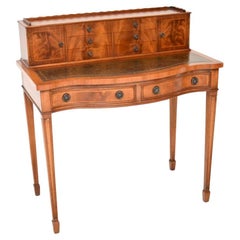
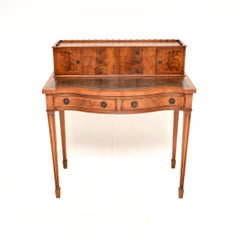
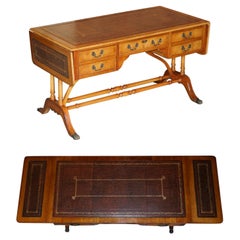
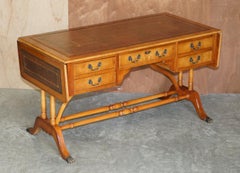
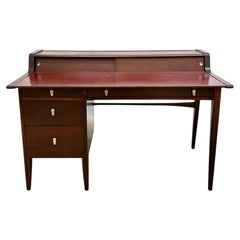
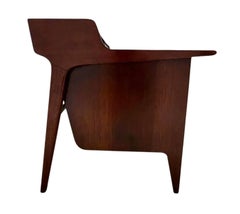
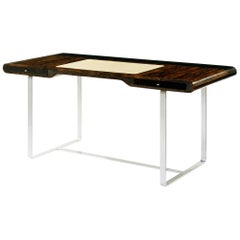
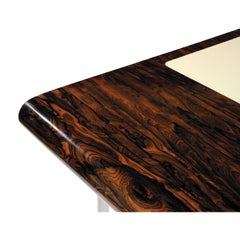
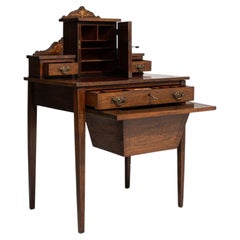
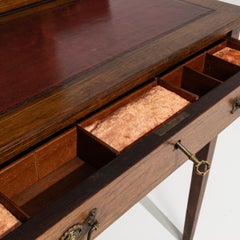
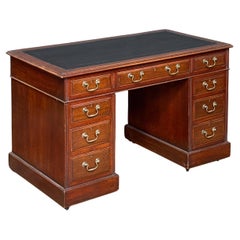
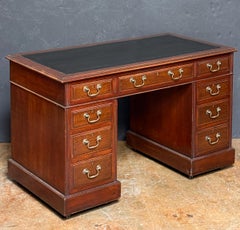
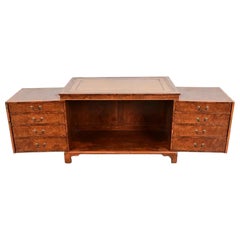
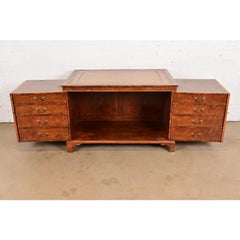
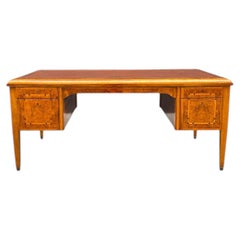
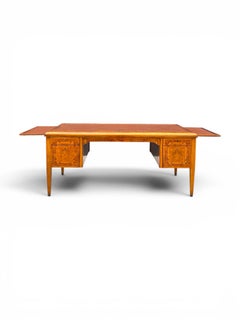
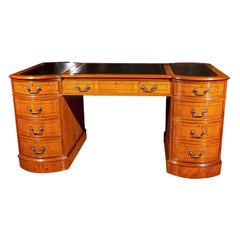
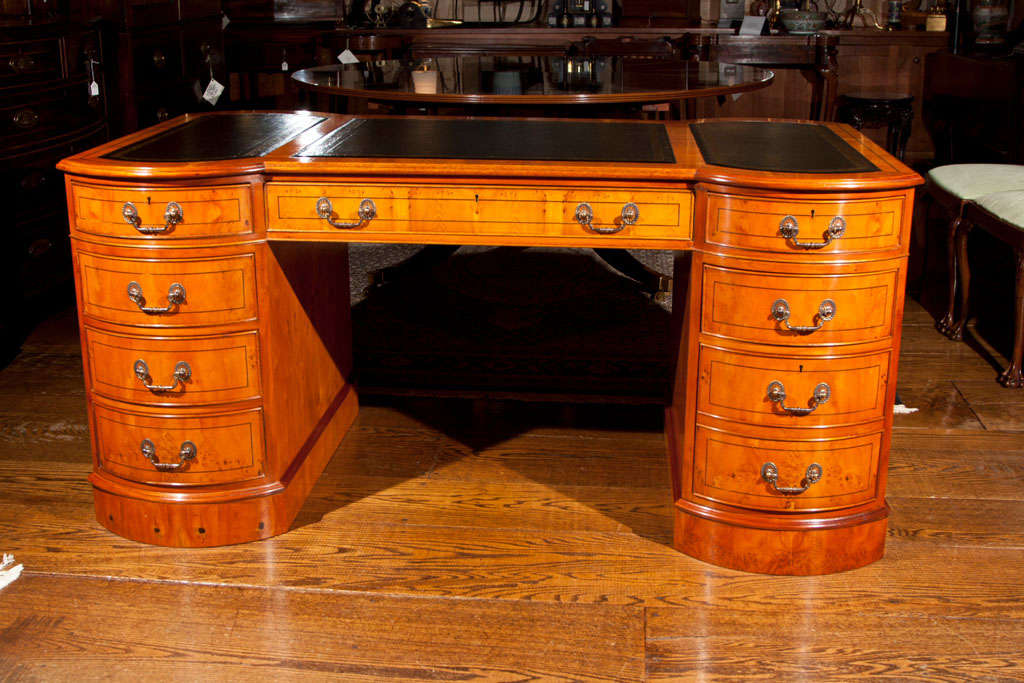
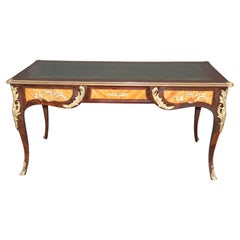
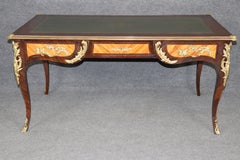
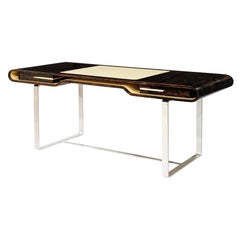
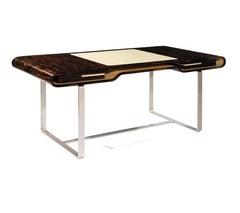
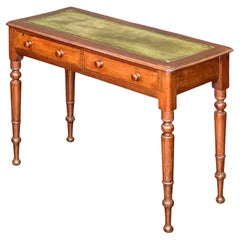
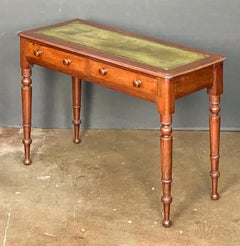
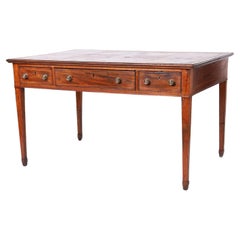
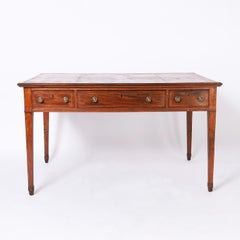
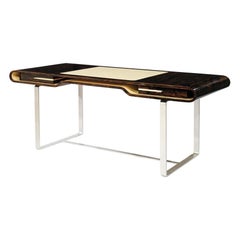
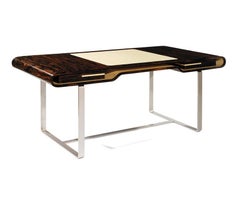
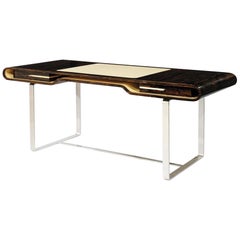
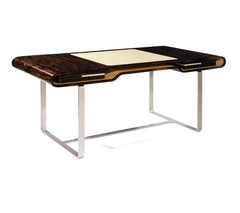
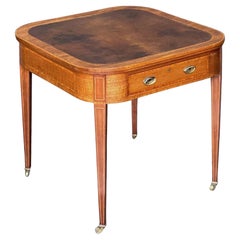
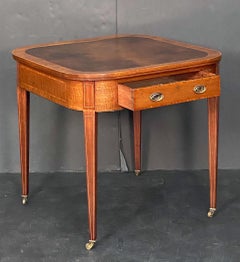
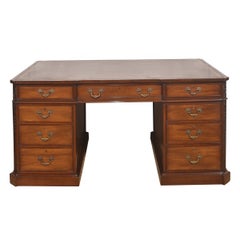
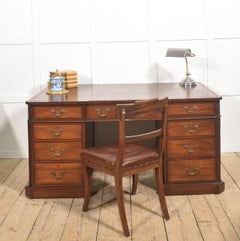
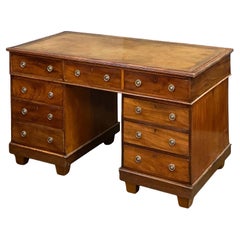
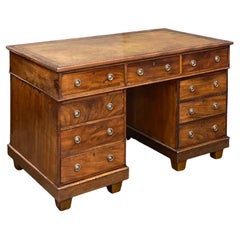
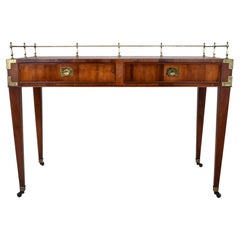
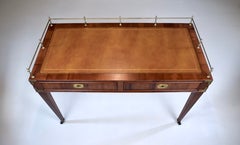
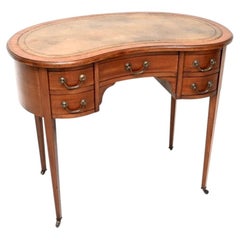
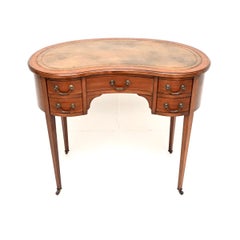
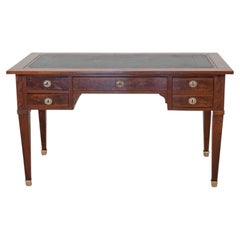
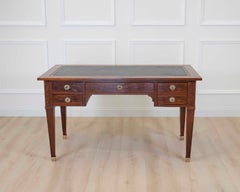
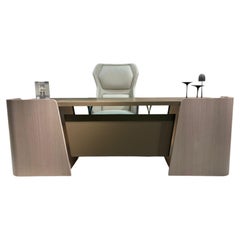
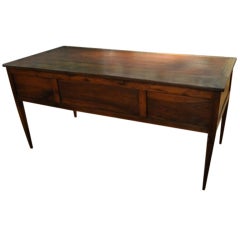
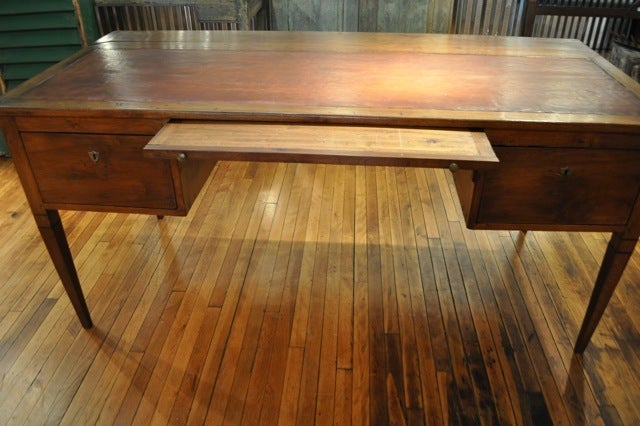
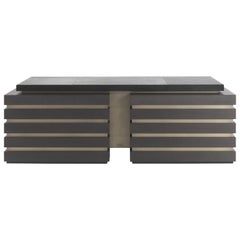
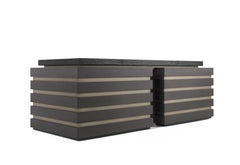
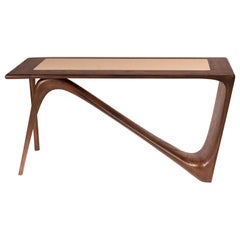
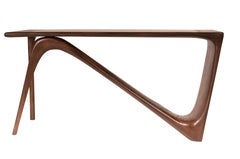
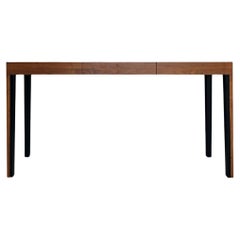
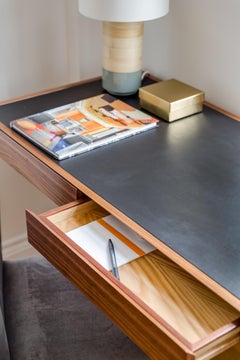
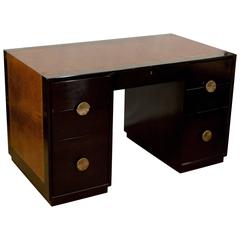
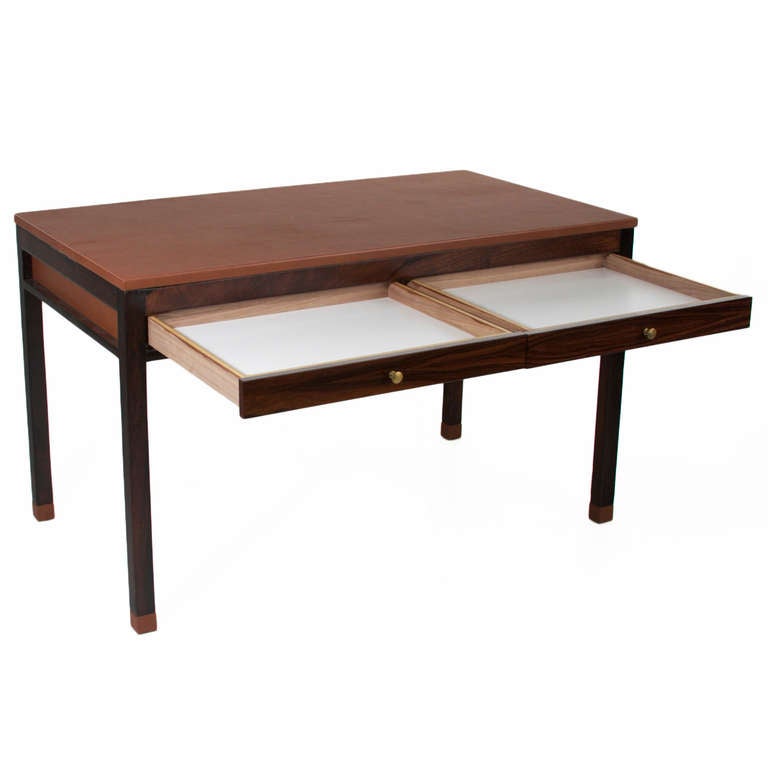
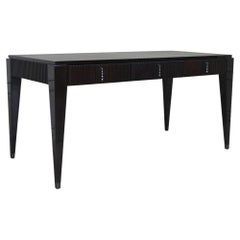
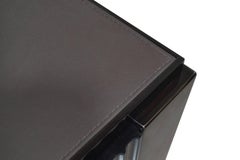
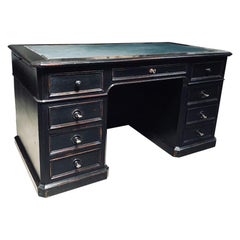
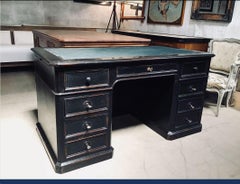
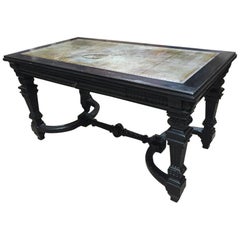
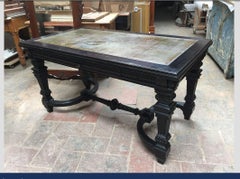
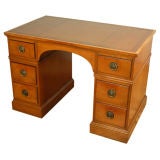
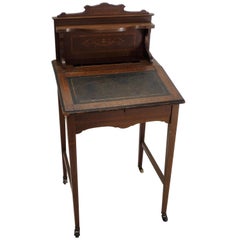
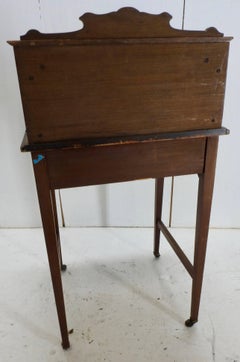
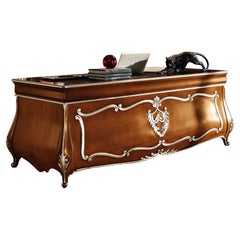
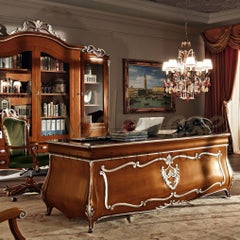
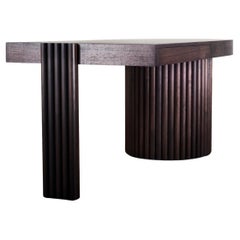
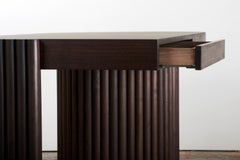
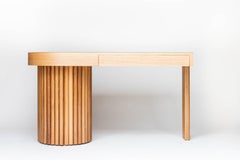
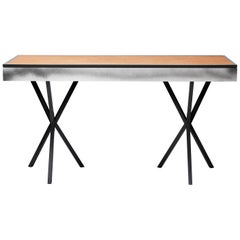
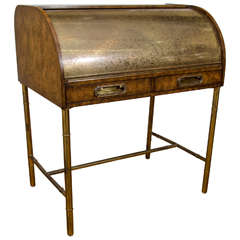
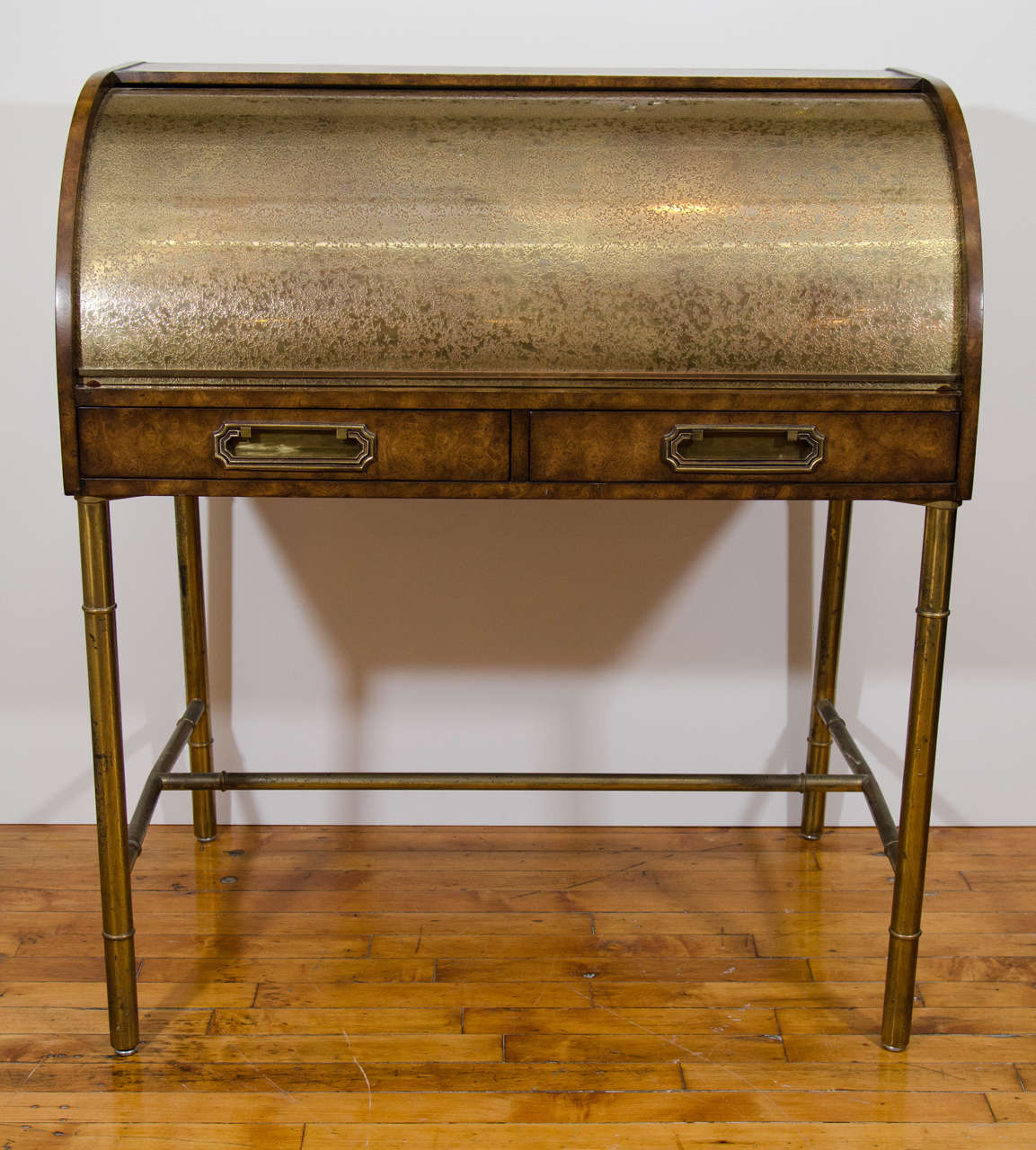
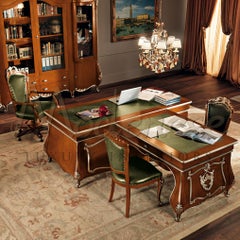
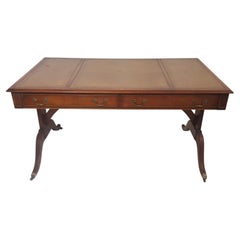
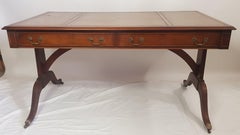
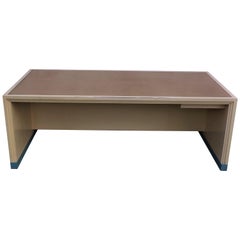
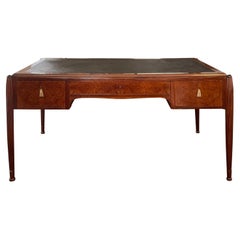
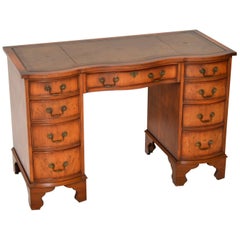
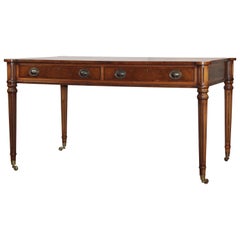
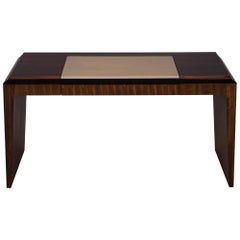
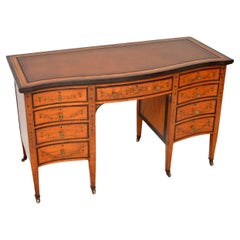
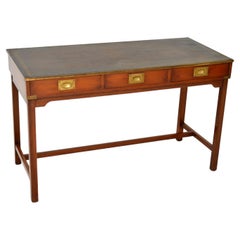
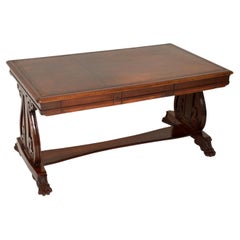
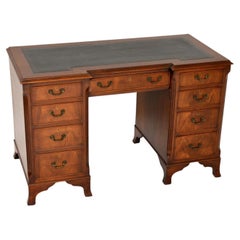
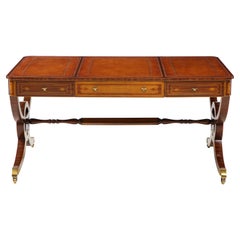
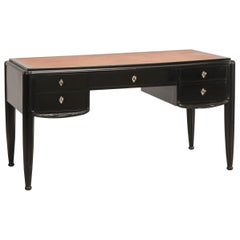
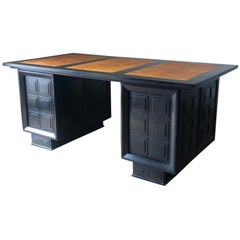
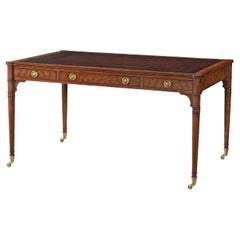
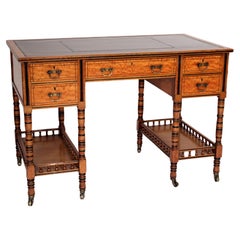
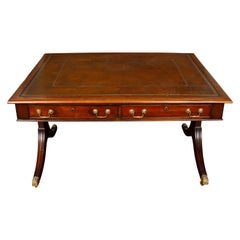
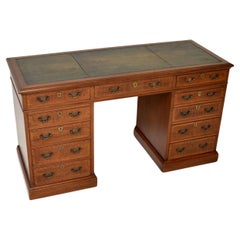
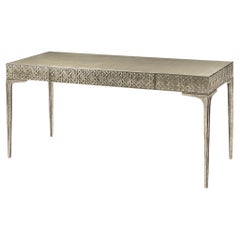
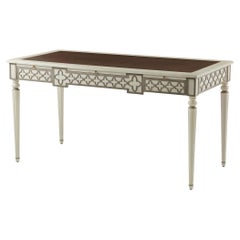
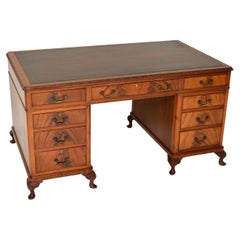
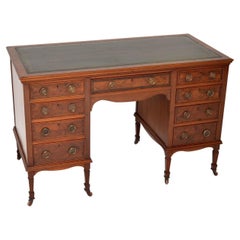
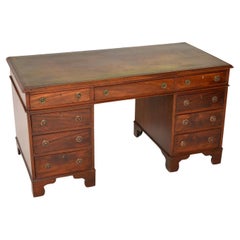
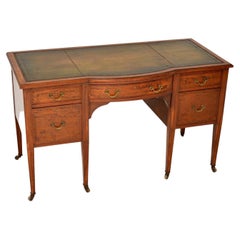
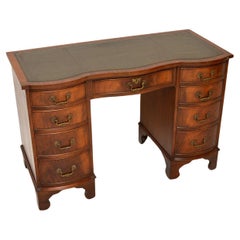
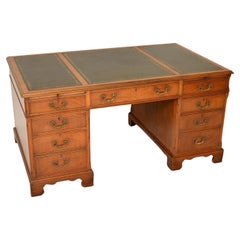
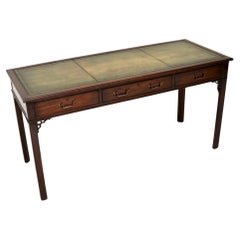
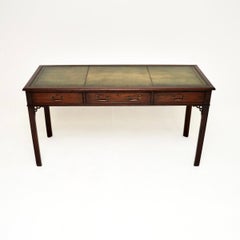
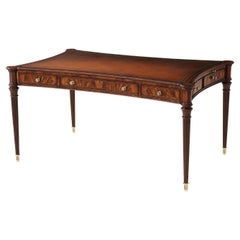
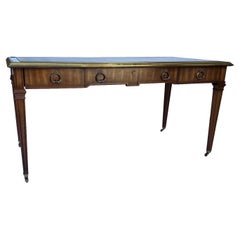
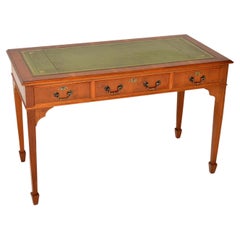
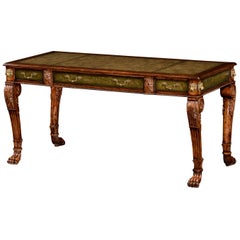
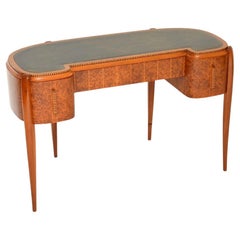
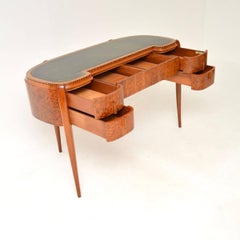
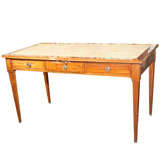
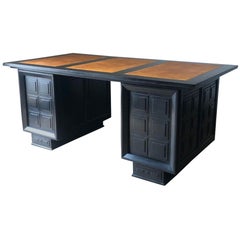
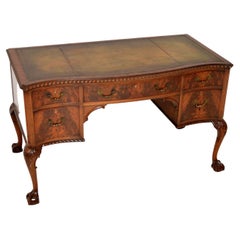
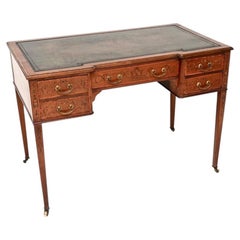
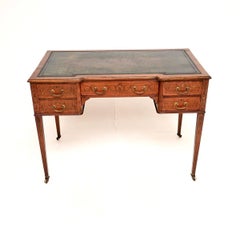
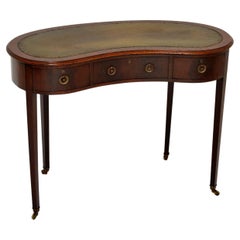
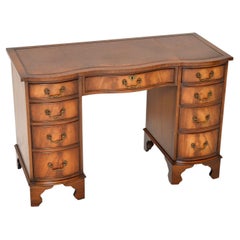
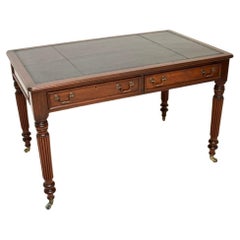
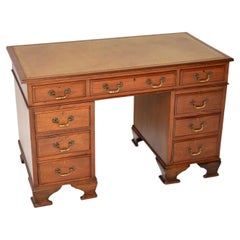
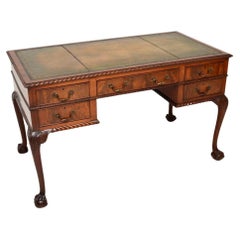
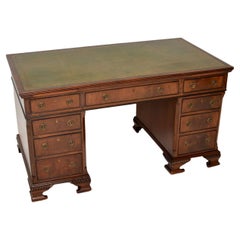
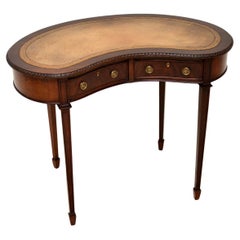
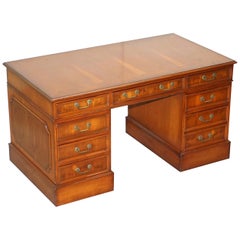
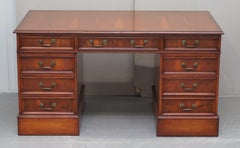
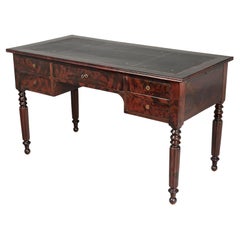
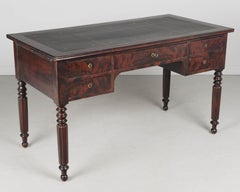
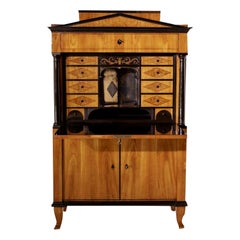
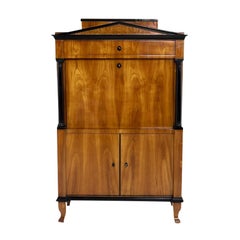
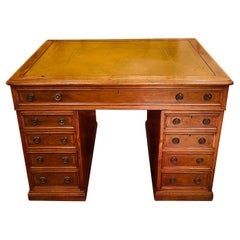
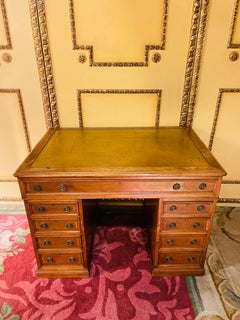
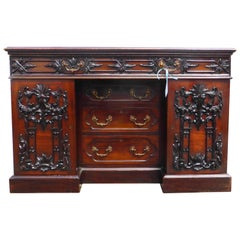
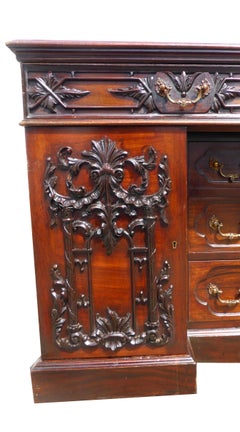
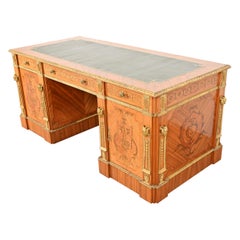
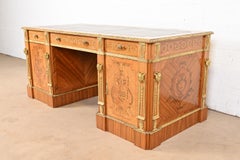
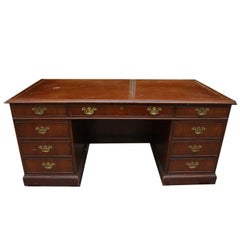
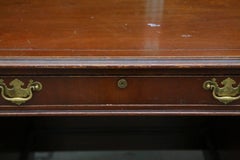
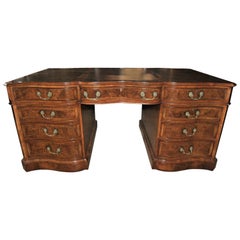
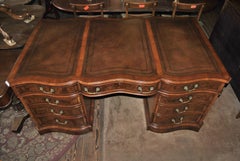
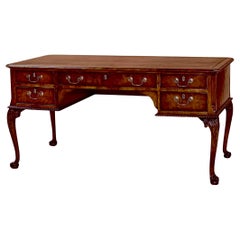
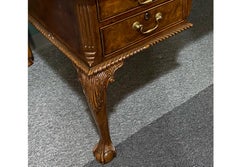
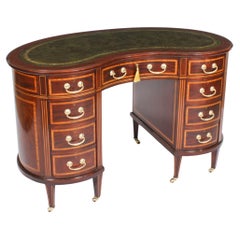
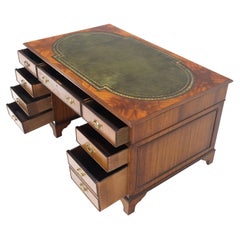
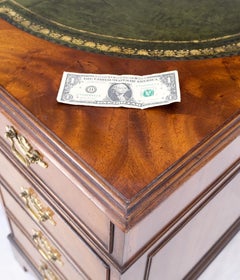
At 1stDibs, there are many versions of the ideal wood desk leather top for your home. Frequently made of
wood,
animal skin and
leather, every wood desk leather top was constructed with great care. There are 218 variations of the antique or vintage wood desk leather top you’re looking for, while we also have 16 modern editions of this piece to choose from as well. You’ve searched high and low for the perfect wood desk leather top — we have versions that date back to the 18th Century alongside those produced as recently as the 21st Century are available. When you’re browsing for the right wood desk leather top, those designed in
Louis XVI,
Mid-Century Modern and
Louis XV styles are of considerable interest. Many designers have produced at least one well-made wood desk leather top over the years, but those crafted by
Baker Furniture Company,
Drexel and
Aymeric Lefort are often thought to be among the most beautiful.
A wood desk leather top can differ in price owing to various characteristics — the average selling price 1stDibs is $4,208, while the lowest priced sells for $995 and the highest can go for as much as $63,779.
Vintage desks and writing tables span centuries of design. The writing table came first, a simple surface built for correspondence, while the drawered desk followed as record-keeping at home and in the office grew more demanding.
Styles to Know
Any desk at least 20 years old falls under this broader vintage category. If you want a tapered-leg, mid-century look specifically, browse mid-century modern desks; Louis XVI and Art Deco secretary desks bridge the writing-table and desk forms. A vintage table lamp adds task lighting to either.
How to Choose the Right Vintage Piece
Writing tables often carry little to no storage of their own, so a separate file cabinet or desk organizer may be worth planning for, alongside a close look at the surface dimensions against the space available. Each piece comes from a vetted 1stDibs seller, with era, designer and condition detailed, and every purchase is covered by the 1stDibs Promise.