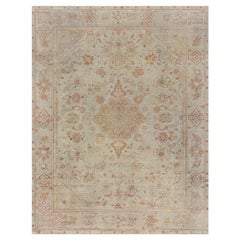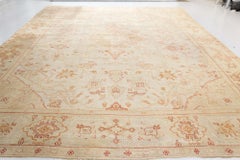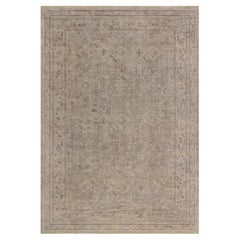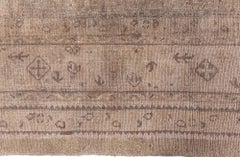
Kapati Textile
Byzantine Period; 4th–5th Century C.E.
Materials: Plant and Animal Fibers, Wool
9,5 x 9,5 cm
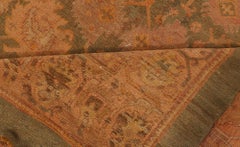
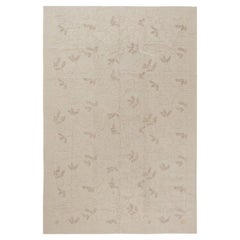
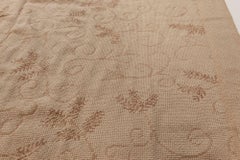
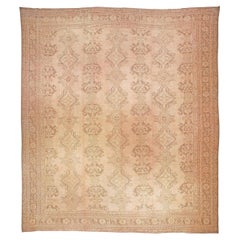
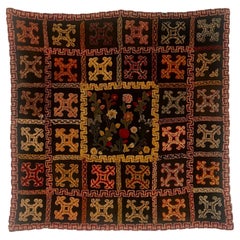
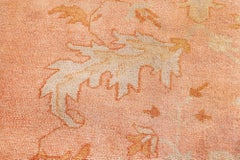
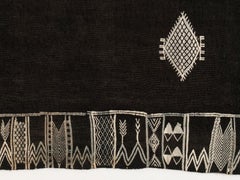
This woolen fabric is woven in the traditional Coptic Kapati style, characteristic of Egypt during the Christian era. The name "Kapati" refers to the Copts of Egypt and describes a weaving technique that does not use embroidery or printing. It is said that Al-Muqawqis, the governor of Egypt, offered the Prophet garments made from Kapati fabric.
At the 1900 Exposition Universelle in Paris, the French archaeologist Albert Gayet showcased the results of his excavations from the winter of 1898-1899. Around one hundred Coptic textiles and fragments were displayed at the Palais du Costume. Their aesthetic generated considerable enthusiasm, particularly among artists like Auguste Rodin and Henri Matisse. This led to a "Coptomania," which, among other things, influenced fashion designers.
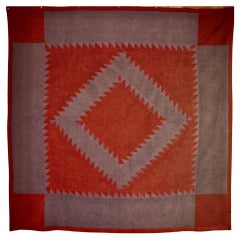
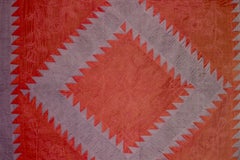
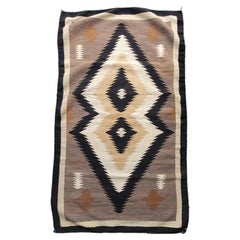
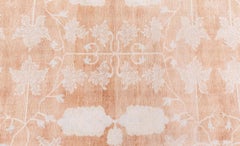
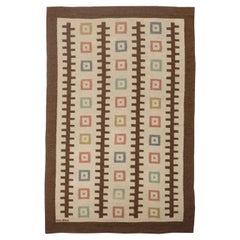
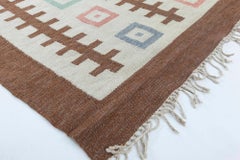
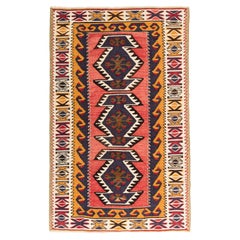
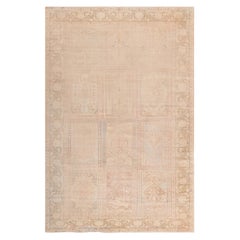
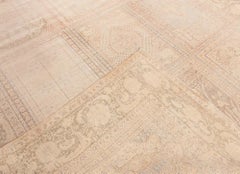
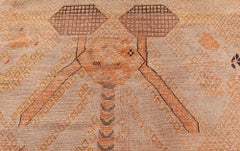
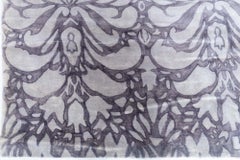
The square fragment features black decoration on a beige background; the two squares at the center are separated by scalloped edges, from which hang various ornaments or geometric motifs. At the center of the fragment is an image of a dancing figure surrounded by geometric decorations. This piece dates back to a time when ancient...
Category
15th Century and Earlier Egyptian Egyptian Antique Wool Folk Art

MaterialsWool, Natural Fiber