Panamanian Rugs and Carpets

to
Width
to
Length
to
2
2
2
2
72
92,081
44,847
30,458
29,031
Place of Origin: Panamanian
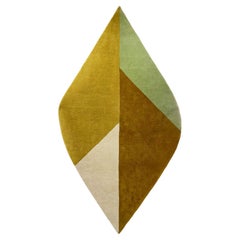
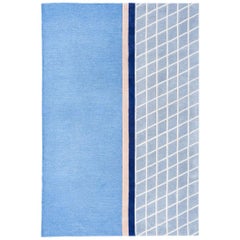
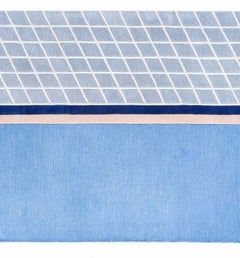
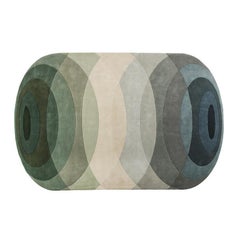
Mid Life Leaf Carpet by Sofia Alvarado

Mid Life Leaf Carpet by Sofia Alvarado

Located in Geneve, CH

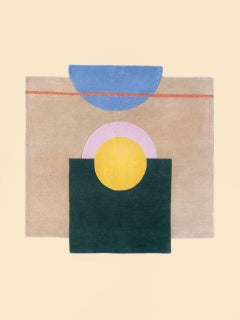
Mid Life leaf carpet by Sofia Alvarado Dimensions: 300 x 165 cm Materials: wool One of a Kind. Handmade FI is an ornamental artist who embodies the creative Revelation of the s...

Category

2010s Post-Modern Panamanian Rugs and Carpets

Materials

Wool

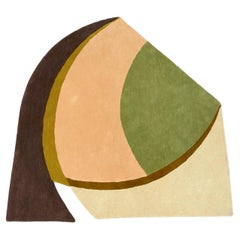
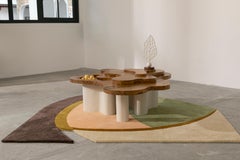
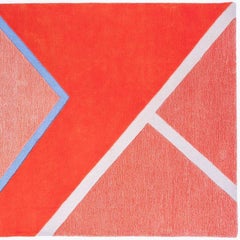
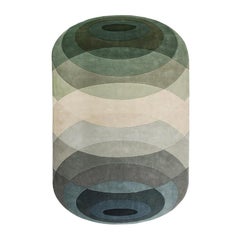
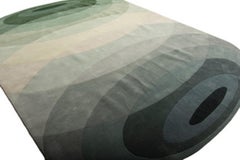
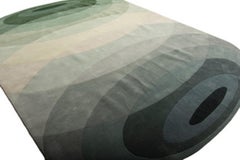
Tropical Depression Carpet by Sofia Alvarado

Tropical Depression Carpet by Sofia Alvarado

Located in Geneve, CH

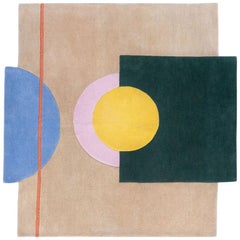
Tropical depression carpet by Sofia Alvarado Dimensions: 180 x 180 cm Materials: Wool One of a Kind. Handmade FI is an ornamental artist who embodies the creative Revelation of...

Category

2010s Post-Modern Panamanian Rugs and Carpets

Materials

Wool

Related Items
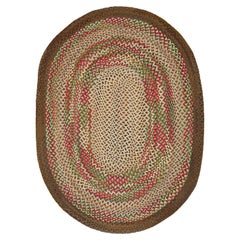
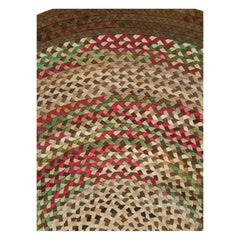
Oval Mid-20th Century Handmade American Braided Room Size Carpet

Oval Mid-20th Century Handmade American Braided Room Size Carpet

Located in New York, NY

A vintage American Braided oval room size carpet handmade during the mid-20th century. Measures: 9' 5" x 12' 3" North American has never developed a unified handmade rug tradition, but rather it is the unassimilated confluence of several. From Mexico comes the Saltillo serape wearing blanket, and this stimulates the Navajo and Rio Grande (Colorado) weavers, first as blankets, then as rugs. The thrifty habits of rural America gave rise to the New England (and Western Canadian) hooked rug types, while the farmers of the Midwest recycled their disused garments into braided and rag rugs. The closest to a real ongoing tradition are the Southwestern (New Mexican) Navajo rugs. By the 1860’s the native tribes were weaving wearing blankets with wool from the Spanish churro sheep. These were in stripe design, with combinations of undyed wool with cochineal reds and indigo blues. The multi-phase “Chief’s Blankets” from the 1870’s-80’s are a natural outgrowth of these. Machine spun red wool from Germantown in Pennsylvania appeared in the 1870’s with a bright red hitherto unobtainable. The weavers loved it and blankets appeared with bright reds, generally aniline, in “eye dazzler” patterns. Anglo traders established posts beginning in the 1890’s. Navajo weavings were perfect accompaniments not only for Western-themed decors, but for East Coast apartments, only they needed to be thicker and more rug like to be truly accepted. The traders brought Caucasian and Turkish village rugs to copy, borders were introduced and central medallions devised. The weavers continued to create on vertical looms, with a shared warp (dovetailing) weft structure to avoid slits. The warps were cotton string. Sizes were generally scatters, but occasionally a special order came in, hence antique room size Navajos are very rare and very pricey. Distinct village/pueblo styles developed. Among the best are: Two Grey Hills (considered the tightest, closest of all Navajo weaving), Crystal Springs and Ganado. Certain new patterns such as the “Storm pattern” with jagged lightning bolts emanating from a dark cloud developed. The Yei rug with dancing Kachina doll figures became popular. The palette has been expanded beyond the classic grey, tan, dark brown and cream natural wool combination to again include reds, blue and greens. Navajo pictorials include: American flags, trains and automobiles, domestic and local scenes and scenery. Individual artist weavers now command gallery shows and correspondingly elevated prices. There are several levels of Navajo work, and antique and vintage scatters with simple flat designs, medium weaves and tritonal palettes, and in good floor worthy condition are still available reasonably. The Native American weaving tradition extends into Colorado with two piece scatters with sharp sawtooth medallions and striped end borders, with wool tapestry weave on cotton warps. These descend from the Saltillo blankets...

Category

Mid-20th Century American Classical Panamanian Rugs and Carpets

Materials

Wool, Yarn

"Espiral 1" Medium Rug by Juliana Vasconcellos and Matheus Barreto

"Espiral 1" Medium Rug by Juliana Vasconcellos and Matheus Barreto

By Juliana Vasconcellos and Matheus Barreto

Located in New York, NY

Designed by Juliana Vasconcellos and Matheus Barreto, "Espiral 1" has unique patterns, carpets are handcrafted with the purest wool and dyed with vegetable pigments. "The inspirat...

Category

2010s Panamanian Rugs and Carpets

Materials

Wool

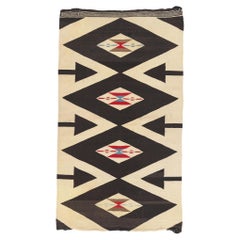
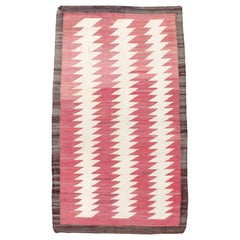
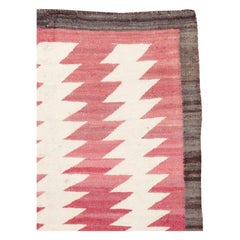
Tribal Mid-20th Century Handmade American Flatweave Navajo Throw Rug

Tribal Mid-20th Century Handmade American Flatweave Navajo Throw Rug

Located in New York, NY

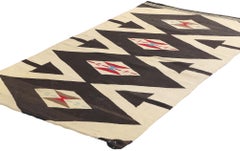
A vintage American flatweave throw rug handmade by the Navajo tribe during the mid-20th century. Measures: 2' 7" x 4' 4".

Category

Mid-20th Century Tribal Panamanian Rugs and Carpets

Materials

Wool

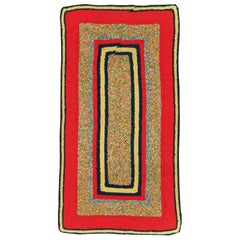
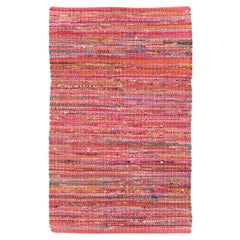
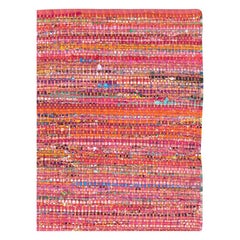
Galerie Shabab Collection Mid-20th Century Handmade American Rag Rug

Galerie Shabab Collection Mid-20th Century Handmade American Rag Rug

Located in New York, NY

A vintage American rag rug handmade during the mid-20th century. Measures: 3' 6" x 5' 8" North American rugs & carpets: North American has never developed a unified handmade rug tradition, but rather it is the unassimilated confluence of several. From Mexico comes the Saltillo serape wearing blanket, and this stimulates the Navajo and Rio Grande (Colorado) weavers, first as blankets, then as rugs. The thrifty habits of rural America gave rise to the New England (and Western Canadian) hooked rug types, while the farmers of the Midwest recycled their disused garments into braided and rag rugs. The closest to a real ongoing tradition are the Southwestern (New Mexican) Navajo rugs. By the 1860s the native tribes were weaving wearing blankets with wool from the Spanish churro sheep. These were in stripe design, with combinations of undyed wool with cochineal reds and indigo blues. The multi-phase “Chief’s Blankets” from the 1870s-80s are a natural outgrowth of these. Machine spun red wool from Germantown in Pennsylvania appeared in the 1870s with a bright red hitherto unobtainable. The weavers loved it and blankets appeared with bright reds, generally aniline, in “eye dazzler” patterns. Anglo traders established posts beginning in the 1890s. Navajo weavings were perfect accompaniments not only for Western-themed decors, but for East Coast apartments, only they needed to be thicker and more rug like to be truly accepted. The traders brought Caucasian and Turkish village rugs to copy, borders were introduced and central medallions devised. The weavers continued to create on vertical looms, with a shared warp (dovetailing) weft structure to avoid slits. The warps were cotton string. Sizes were generally scatters, but occasionally a special order came in, hence antique room size Navajos are very rare and very pricey. Distinct village/pueblo styles developed. Among the best are: Two Grey Hills (considered the tightest, closest of all Navajo weaving), Crystal Springs, and Ganado. Certain new patterns such as the “Storm pattern” with jagged lightning bolts emanating from a dark cloud developed. The Yei rug with dancing Kachina doll figures became popular. The palette has been expanded beyond the classic grey, tan, dark brown, and cream natural wool combination to again include reds, blues, and greens. Navajo pictorials include American flags, trains, and automobiles, domestic and local scenes and scenery. Individual artist weavers now command gallery shows and correspondingly elevated prices. There are several levels of Navajo work, and antique and vintage scatters with simple flat designs, medium weaves, and tritonal palettes, and in good floor worthy condition are still available reasonably. The Native American weaving tradition extends into Colorado with two-piece scatters with sharp sawtooth medallions and striped end borders, with wool tapestry weave on cotton warps. These descend from the Saltillo blankets...

Category

Mid-20th Century Folk Art Panamanian Rugs and Carpets

Materials

Wool, Yarn, Cotton

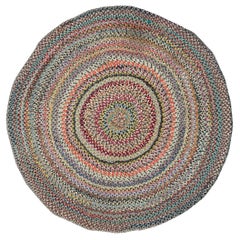
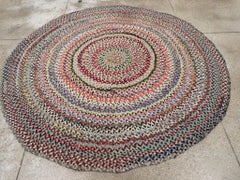
Mid-20th Century Handmade American Braided Round / Circular Accent Carpet

Mid-20th Century Handmade American Braided Round / Circular Accent Carpet

Located in New York, NY

A vintage American Braid round/circular accent rug handmade during the mid-20th century. Measures: 7' 1" x 7' 1".

Category

Mid-20th Century American Classical Panamanian Rugs and Carpets

Materials

Wool, Yarn

Galerie Shabab Collection Mid-20th Century American Hook Rug

Galerie Shabab Collection Mid-20th Century American Hook Rug

$5,000Sale Price|20% Off

W 94 in L 103 in

Galerie Shabab Collection Mid-20th Century American Hook Rug

Located in New York, NY

A vintage American Hook carpet from the second quarter of the 20th century. Measures: 7' 10" x 8' 7"

Category

Mid-20th Century American Colonial Panamanian Rugs and Carpets

Materials

Fabric

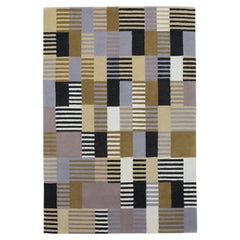
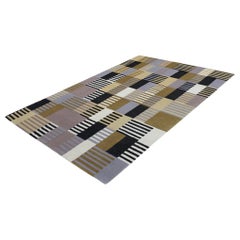
Design for Wall Hanging '1926' by Anni Albers Limited Edition Rug

Design for Wall Hanging '1926' by Anni Albers Limited Edition Rug

By Anni Albers

Located in Jersey City, NJ

Design for wall hanging (1926) 100% hand-tufted, hand-spun wool 6 x 4 feet (1.8 x 1.2 meters) Edition of 150 Produced in association with the Josef and Anni Albers Foundation and Christopher Farr...

Category

2010s Bauhaus Panamanian Rugs and Carpets

Materials

Wool

1920's Antique Southwestern-Style Chinle Kilim Carpet

1920's Antique Southwestern-Style Chinle Kilim Carpet

Located in Dallas, TX

77846 Vintage Southwestern style Saddle Blanket Rug, 02'07 x 04'11. This exquisite vintage Southwestern style saddle blanket rug embodies the timeless artistry and functionality of S...

Category

Early 20th Century Spanish Colonial Panamanian Rugs and Carpets

Materials

Wool

Vintage Zapotec Carpet, Contemporary Santa Fe Meets Organic Modern

Vintage Zapotec Carpet, Contemporary Santa Fe Meets Organic Modern

Located in Dallas, TX

77487 Vintage Mexican Zapotec Rug, 01'11 x 04'00. Infused with the spirit of Contemporary Santa Fe refinement and the quiet sophistication of Organic Modern design, this handwoven wo...

Category

Late 20th Century Adirondack Panamanian Rugs and Carpets

Materials

Wool