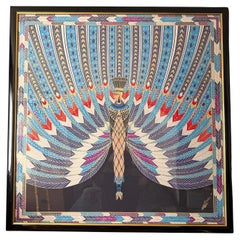
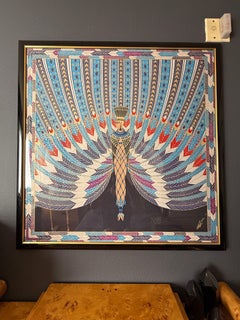
ERTE Silkscreen Print
$1,950
ERTE Silkscreen Print
Located in North Hollywood, CA
ERTE screenprint in Art Deco Egyptian Revival style.
Category
1980s French Egyptian Revival Vintage Silk Wall Decorations
Materials
Silk
$1,950
ERTE Silkscreen Print
Located in North Hollywood, CA
ERTE screenprint in Art Deco Egyptian Revival style.
Silk
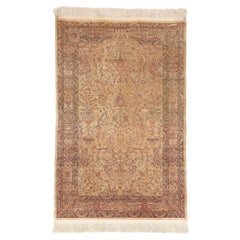
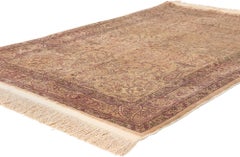
1920's Turkish Silk Hereke Tree of Life Carpet with Ottoman Empire Style
Located in Dallas, TX
78665 Antique Turkish Silk Hereke Prayer Rug, 03'05 x 05'03. An extraordinary masterpiece of cultural distinction and refined artistry, this hand-knotted antique Turkish silk Hereke ...
Silk
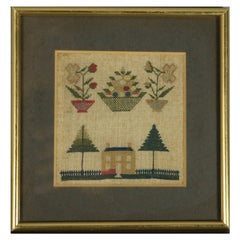
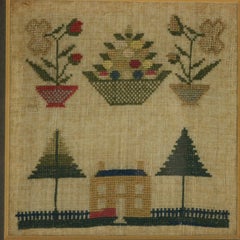
Antique Miniature Sampler with House
Located in Chelmsford, Essex
Georgian Miniature Sampler with a House. The sampler is worked in wool and silk threads on a linen ground, mainly in cross stitch. Colours green, yellow, light brown, silver, blue an...
Silk
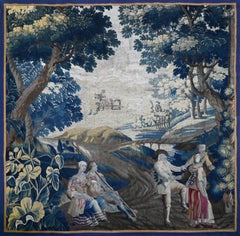
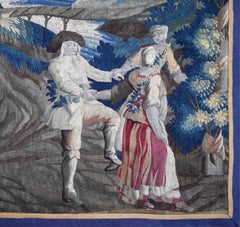
French Aubusson Tapestry Royal Manufacture 18th century – Pastoral scene – 1672
By Royal Manufacture of Aubusson
Located in Paris, FR
18th-Century Aubusson Royal Manufactory Tapestry – Pastoral Scene – Ref. No. 1672 Aubusson Royal Manufactory Tapestry – Pastoral Scene – 18th Century – 240 × 230 cm – Ref. 1672 This...
Wool, Silk
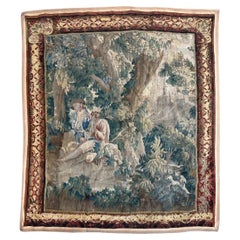
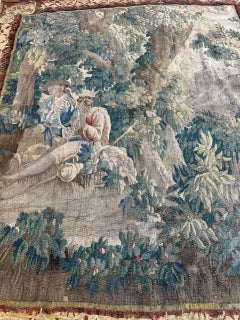
Nice 18th century Aubusson tapestry «rest in the forest»
By Royal Manufacture of Aubusson
Located in Saint Ouen, FR
Beautiful 18th-century french Aubusson fragment tapestry depicting an elegant scene of two people rest set in the heart of a wooded. The color palette, dominated by shades of blue, ...
Wool, Silk
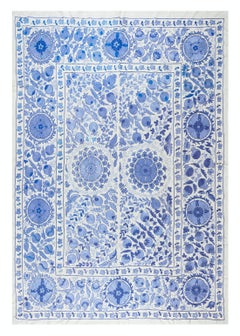
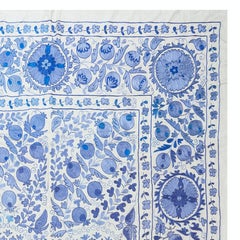
$968Sale Price|40% Off
6'3"x8'3" Silk Wall Hanging, Embroidered Bedspread, Blue Tablecloth, New Throw
Located in Spring Valley, NY
Suzani, a Central Asian term for a specific type of needlework, is also the broader name for the hugely popular decorative pieces of textile that feature this needlework in vivid col...
Cotton, Silk
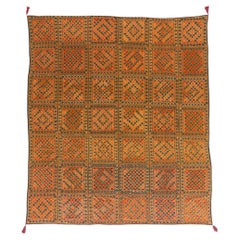
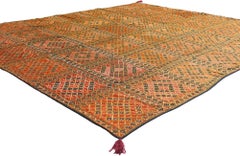
Antique Swat Valley Shishedar Phulkari Silk Textile with Modern Style
Located in Dallas, TX
79206 Antique Shishedar Phulkari Textile, 07'10 x 09'01. Woven in the mountainous cradle of the Swat Valley, this rare embroidered Shishedar Phulkari is not merely a cloth—it is a la...
Cotton, Silk
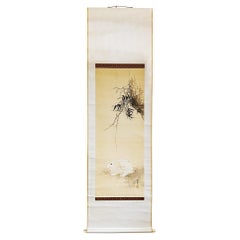
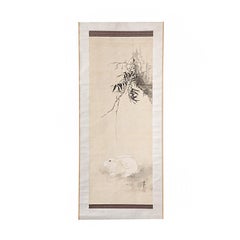
$2,360Sale Price|28% Off
Japanese Hanging Scroll, Hand-Painted Bamboo and Rabbit, Meiji, 1890
Located in New York, NY
A Japanese hanging scroll or Kakejiku, circa 1890, depicting bamboo grass and a rabbit, framed by top and bottom ribbons of brocade silk. In ...
Silk, Paper
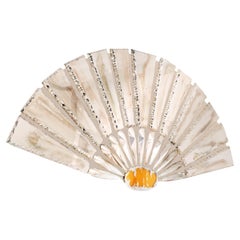
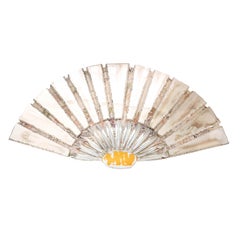
Contemporary Ventaglio Wall Mirror by Sabrina Landini, Silvered Glass, Kimono
Located in Pietrasanta, IT
WALL FAN Lady-Fan Ventaglio scupltural wall mirror with Vintage Kimono Introducing Sabrina's breathtaking "Lady-fan mirror",a dazzling new creation unlike any other. Like a free dan...
Glass, Mirror, Silk
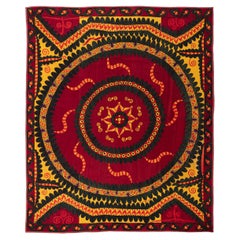
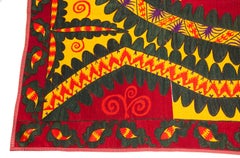
Antique Uzbekistan Tashkent All Over Silk Suzani Embroidered Rare Wall Hanging
Located in Tokyo, JP
This wall hanging is all over hand-embroidered Suzani design, silk & cotton ground and the embroidery thread is 100% silk. Suzani, which means "embroidery" in Uzbek, began aro...
Silk, Natural Fiber, Organic Material
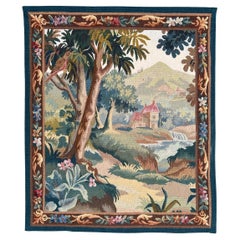
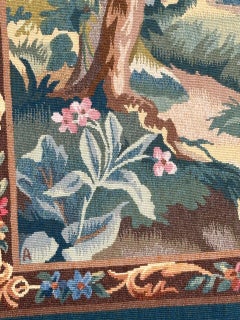
Pretty small 20th century french Aubusson tapestry
Located in Saint Ouen, FR
Very beautiful 20th century Aubusson tapestry with a design of tapestries from 18th or 18th centuries, with the nature and with trees with bird and the river, a country house behind,...
Wool, Silk
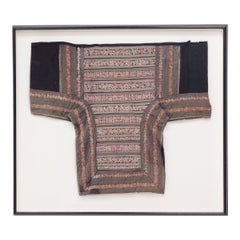
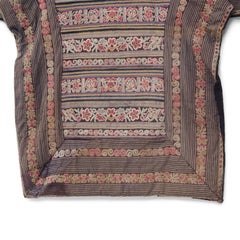
Embroidered Miao Baby Carrier Textile
Located in Chicago, IL
The connection between love and embroidery is nowhere stronger than among the minority peoples of China. Hand-stitched by a mother herself or gifted by the women in her family, the t...
Silk, Cotton
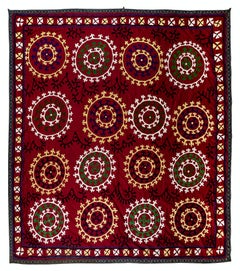
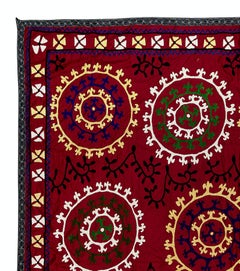
$497Sale Price|40% Off
6.8x7.2 Ft Vintage Wall Hanging with Red Ground & Colorful Medallion Embroidery
Located in Spring Valley, NY
Vintage handmade Uzbek Suzani textile from Central Asia, featuring a rich deep red ground with bold circular medallion motifs in ivory, golden yellow, navy blue, green and black embr...
Cotton, Silk
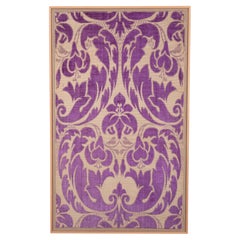
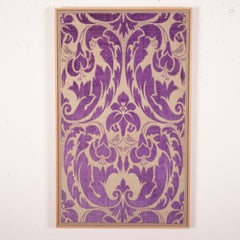
Framed, Antique Silk Cut Velvet Panel, Russia, Early 20th Century
Located in Istanbul, TR
Silk cut velvet panel has been professionally backed and framed. Ready to go.
Silk
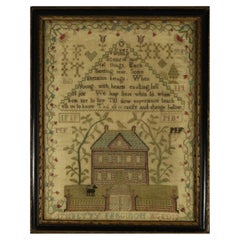
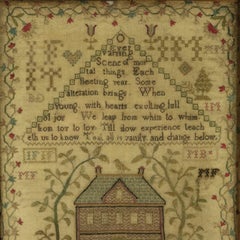
Antique Scottish Sampler, 1781, by Betty Ferguson
Located in Chelmsford, Essex
Antique Scottish Sampler, 1781, by Betty Ferguson. The sampler is worked in silk threads on a linen ground, in a variety of stitches. Meandering floral border. Colours red, green, go...
Silk
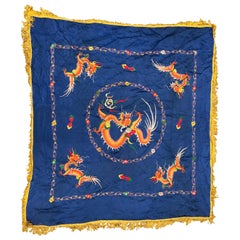

Beautiful Vintage Asian Dragon Embroidery
Located in Saint Ouen, FR
Nice embroidery panel with dragon design entirely hand embroidered with silk on silk Dragon designs are on relief.
Silk
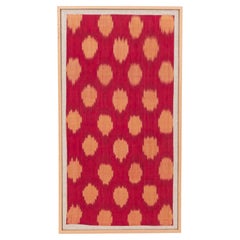
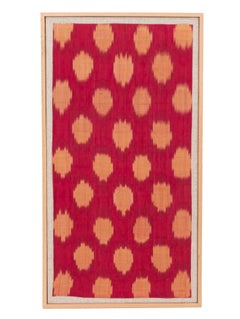
Framed Antique Ottoman Embroidery Fragment , Late 19th Century.
By Seref Ozen
Located in Istanbul, TR
First the fragment has been hand backed on a linen fabric, then stretched over a wooden stretcher and finished with a wooden frame. E 20th Century. Uzbekistan Ready to go on a wall....
Silk
$149,995Sale Price|25% Off
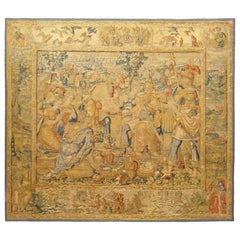
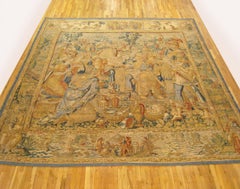
Late 16th Century Brussels Historical Tapestry, with Famed Roman General Scipio
Located in New York, NY
A Brussels historical tapestry, attributed to Martin Reymbouts, late 16th century. From the Story of Scipio series, the renowned Roman general, victorious after the Punic War, with k...
Wool, Silk
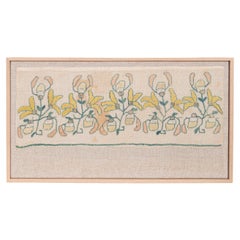
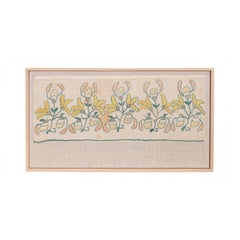
Professionally Framed Ottoman Embroidery Fragment, Turkey, E 20th Century.
Located in Istanbul, TR
First the fragment has been hand backed on a linen fabric, then stretched over a wooden stretcher and finished with a wooden frame. E 20th C. Ottoman Turkey Ready to go on a wall. ...
Silk
$83Sale Price|40% Off
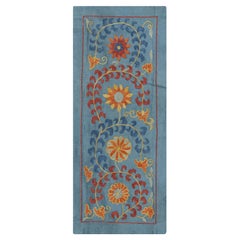
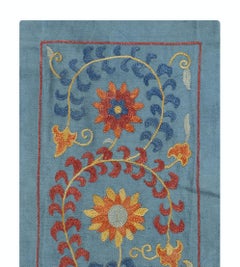
9"x21" 100% Silk Wall Hanging. Wall Decor. Blue Traditional Embroidered Tapestry
Located in Spring Valley, NY
This elegant wall hanging is made from 100% natural silk and features delicate embroidery inspired by traditional Suzani textile patterns. The refined craftsmanship and timeless desi...
Silk
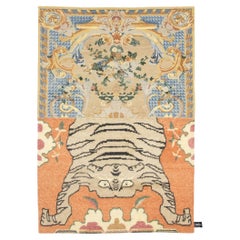
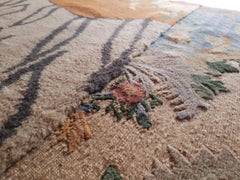
Cross 'Me' Knot A cc-tapis Handmade Rug by CTRLZAK Studio
Located in Brooklyn, NY
Designer CTRLZAK Studio. Weave: Cotton. Knot: Himalayan wool and silk. Quality: A++ 232.000 knots/sqm. Dimensions: 230 x 300 cm cc-tapis was created in 2011 by the traditional Persi...
Wool, Silk
$1,680Sale Price / set|20% Off
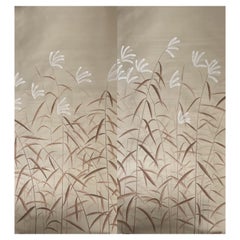
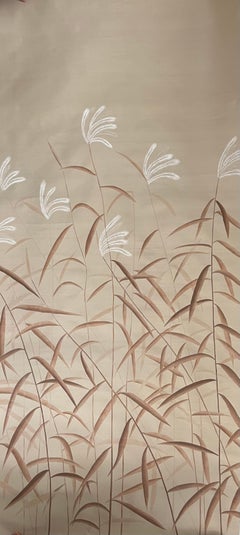
Reeds Wallpaper Hand Painted Wallpaper on slub silk
Located in Wuxi, 32
If you love the look of De Gournay wallpaper but not the price, this is for you. The colorways in this sections present our latest colorways, whi...
Silk
$5,888Sale Price / set|20% Off
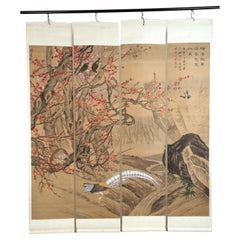
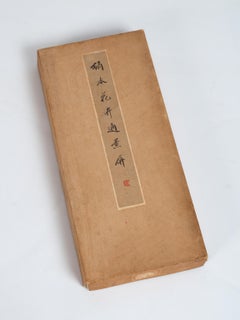
Antique Japanese Silk Hanging Scrolls C.1920
Located in London, GB
A stunning set of four Japanese silk mounted vertical hanging scrolls. Dating from C.1920 Taisho Period. The watercolour and ink on silk depicts a larg...
Silk
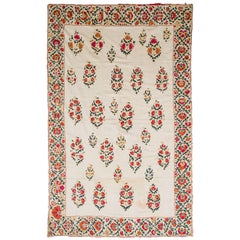
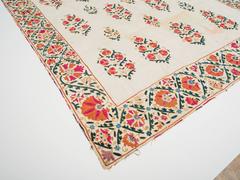
19th Century Uzbek Silk Embroidered Suzani Tapestry
Located in New York, NY
19th century Uzbekistani hand spun linen Suzani with silk embroidered floral motif and silk ikat border. Reverse side has original antique Fine hand printed cotton backing.
Linen, Silk
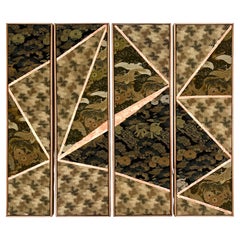

19th Century obi textile art " Pine forest ~ Longevity ~ " by ikasu Green Japan
Located in Setagaya City, JP
Certified Kimono Meister work / Certificate of Authenticity included. One-of-a-kind Japanese textile art made from vintage obi fabrics. Sustainable...
Gold Leaf
$4,375Sale Price|66% Off
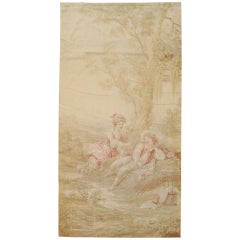
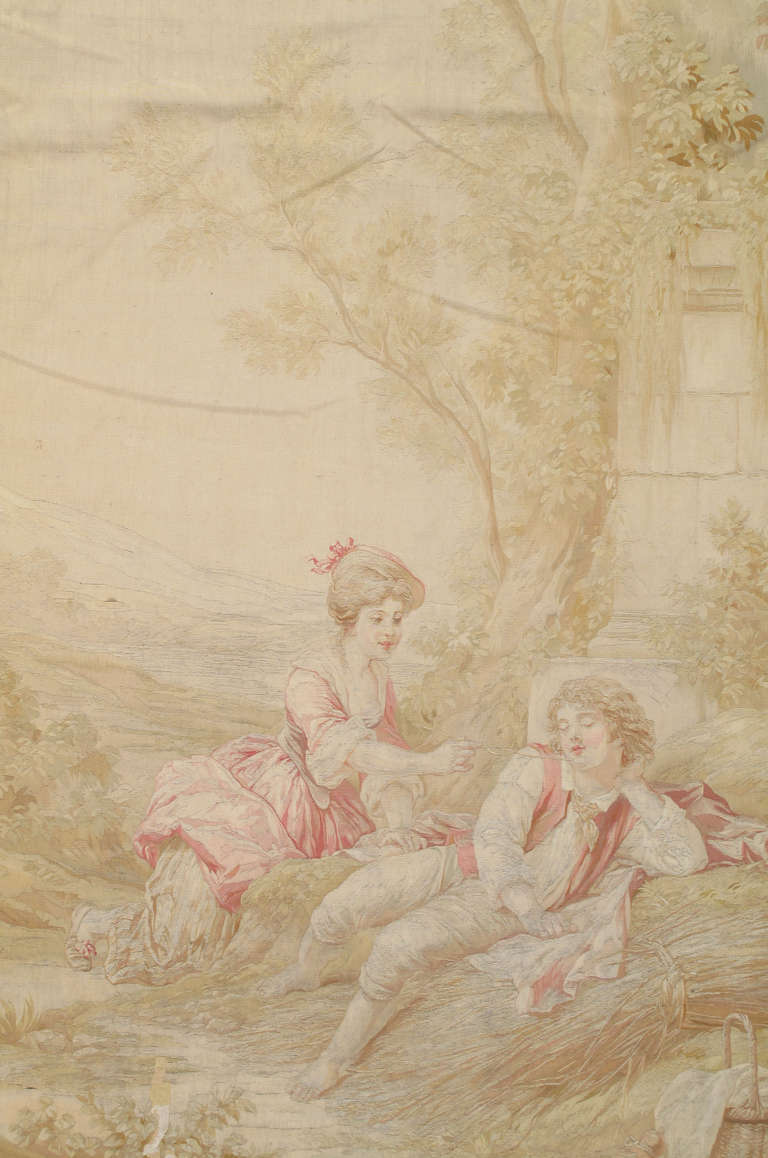
Antique 19th Century French Aubusson Tapestry, Handmade, Wall Hanging, Silk Fine
Located in Port Washington, NY
The Aubusson tapestry manufacture of the 17th, 18th and 19th centuries managed to compete with the royal manufacture of Gobelins tapestry and the privileged position of Beauvais tapestry. Tapestry manufacture at Aubusson, in the upper valley of the Creuse in central France, may have developed from looms in isolated family workshops established by Flemings that are noted in documents from the 16th century. Typically, Aubusson tapestries depended on engravings as a design source or the full-scale cartoons from which the low-warp tapestry-weavers worked. As with Flemish and Parisian tapestries...
Wool, Silk
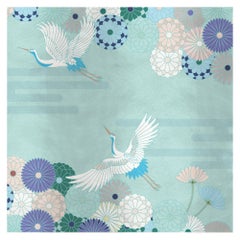
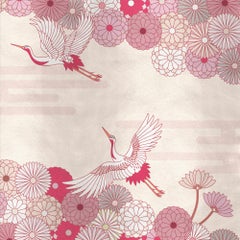
Contemporary Flowers and Storks Silk Wall Panel, Modern, Italy, 2010+
Located in Milano, IT
These wall coverings are built starting from a honeycomb frame on which the cotton-pad is fixed. The printed fabric covers the structure. The cotton pad below gives softness and soun...
Silk, Wood
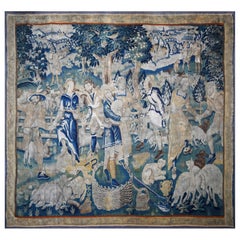
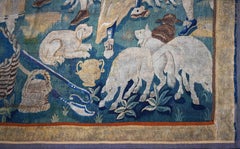
The Village Festival, 17th-century Flemish Tapestry - Dimension 338x275 - N 1048
By flandre
Located in Paris, FR
This 17th-century Flemish tapestry, entitled "The Village Festival," depicts a lively scene of peasant life in a wooded landscape. Composition and Scene: In the center, in the fore...
Wool, Silk
$83Sale Price|40% Off
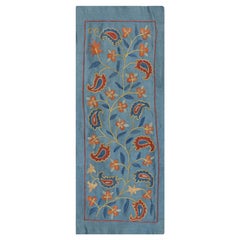
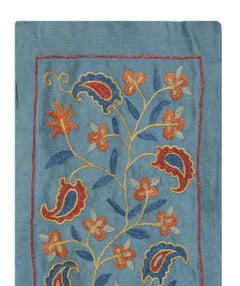
9"x22" Embroidered All Silk Wall Hanging. Boho Wall Decor. Traditional Tapestry
Located in Spring Valley, NY
This elegant wall hanging is made from 100% natural silk and features delicate embroidery inspired by traditional Suzani textile patterns. The refined craftsmanship and timeless desi...
Silk
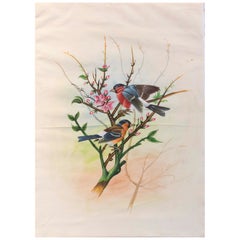

1970s Picture of B on Branch with Flowers Painted on Silk
Located in Marbella, ES
1970s Picture of B on Branch with Flowers Painted on Silk
Silk
$587Sale Price|30% Off
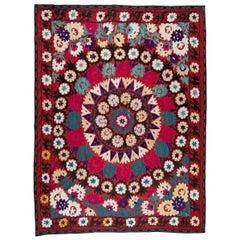
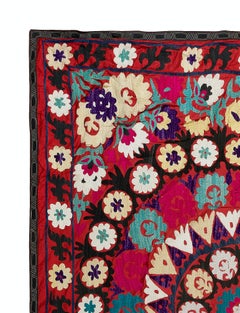
6x7 Ft Vintage Silk Embroidery Bed Cover, Suzani Wall Hanging, Red Tablecloth
Located in Spring Valley, NY
Suzani, a Central Asian term for a specific type of needlework, is also the broader name for the hugely popular decorative pieces of textile that feature this needlework in vivid col...
Cotton, Silk
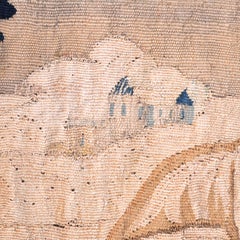
$9,900 / set
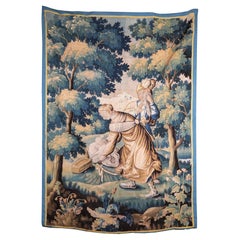
Large 17th Century Aubusson Tapestry
Located in LYON, FR
Stunningly vivid late 17th early 18th century Aubusson tapestry. Strong Verdure themes with a scene depicting Bathsheba and David in the centre. An unusually large amount of silk was...
Wool, Silk
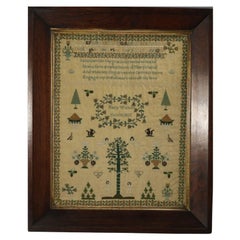
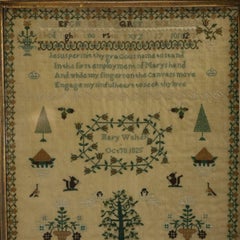
Antique Sampler, 1825, by Mary Walter
Located in Chelmsford, Essex
Regency Sampler, 1825, by Mary Walter. The sampler is worked in silk threads on a linen ground, mainly in cross stitch. Meandering strawberry border. Colours green, dark brown, white...
Silk
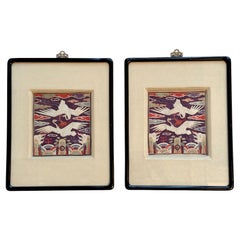
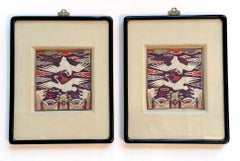
Rare Pair Korean Embroidery Civil Rank Badges Joseon Dynasty
Located in Atlanta, GA
A pair of fine Korean silk embroidered rank badge (Hyungbae in Korean) from Joseon Dynasty circa late 19th century. A matching pair of Hyungbae like these ...
Fabric, Silk, Wood
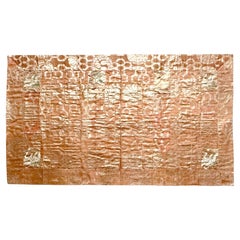
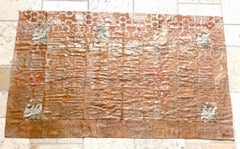
Antique Japanese Silk Kesa Monk's Robe Meiji Era Rare Devotional Inscription
Located in Atlanta, GA
A Japanese Kesa (Monk's Vestment) with a rare and detailed ink dedication inscription verso dated to 1876. This Kesa robe was made from thirteen columns of p...
Brocade, Silk
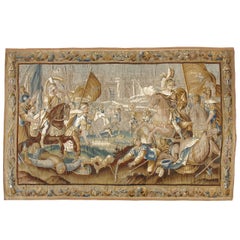

$100,800Sale Price|20% Off
A Monumental 17th Century Flemish Tapestry – The Battle of Jerusalem
Located in Tarzana, CA
Monumental 17th Century Flemish Tapestry – The Battle of Jerusalem Brussels or Oudenaarde, Circa 1680–1700 Wool and silk, polychrome weave After designs in the French Baroque tradit...
Wool, Silk, Tapestry
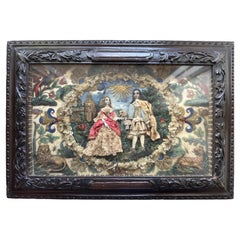
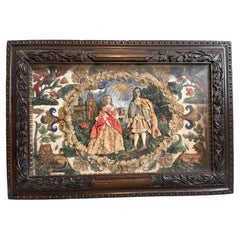
Stuart period Stumpwork panel - King Charles II and his favourite Lady
Located in Basildon, GB
A very fine panel of 'King Charles II and his favourite Lady' in the gardens of a Church / Castle. The bright colours of the raised stumpwork embroidery, and fine detail of the faces...
Ivory, Cotton, Silk, Wood, Beads
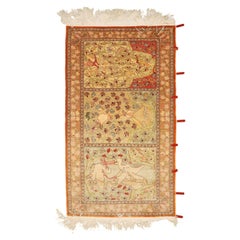
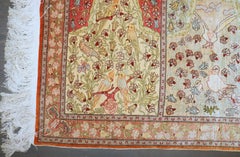
Zabihi Collection Fine All Silk Turkish Hereke Pictorial 20th Century Rug
Located in New York, NY
Superfine Signed Turkish Herekeh All Silk Pictorial Animal Rug from the 3rd quarter of the 20th centgury Details rug no. j4599 size 2' 2" x 4' 2" (66 x 127 cm) The Middle East is h...
Wool, Silk
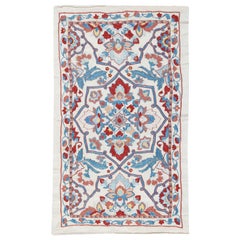
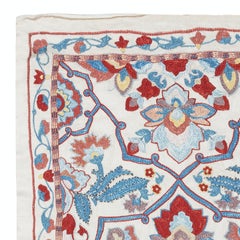
$307Sale Price|30% Off
21x35 in Embroidered 100% Silk Wall Hanging, New Tablecloth, Boho Wall Decor
Located in Spring Valley, NY
Celebrate the rich heritage of Asian craftsmanship with this exquisite 100% silk Suzani textile, meticulously hand-embroidered by skilled artisans. A true work of art, this piece emb...
Silk
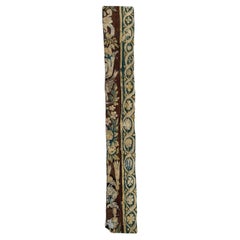
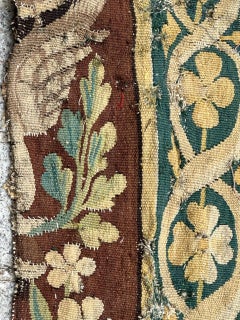
Pretty antique 17th century French Aubusson Tapestry fragment
Located in Saint Ouen, FR
"Exquisite fragment of a border of a French Aubusson tapestry from the middle of the 17th century, featuring a beautiful design of flowers and nice natural colours, entirely hand wov...
Wool, Silk
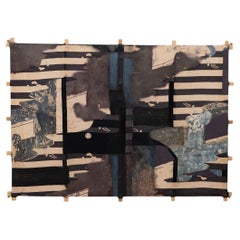
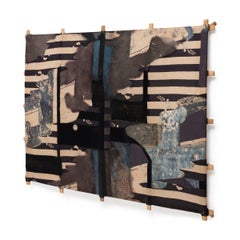
"Doublure" Kite by Michael Thompson
Located in Chicago, IL
Based in Chicago, IL, contemporary artist Michael Thompson creates unique kites, collages and mixed media works assembled from material fragments of past and present collected in his...
Canvas, Bamboo, Paper, Silk
$315Sale Price|30% Off
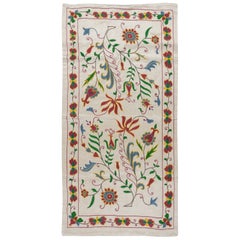
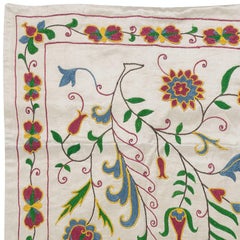
20"x40" Modern 100% Silk Embroidered Suzani Wall Hanging, New Uzbek Table Cover
Located in Spring Valley, NY
Introducing our exquisite Suzani Hand Embroidered 100% Silk Wall Hanging, a captivating piece that seamlessly blends artistry and functionality. This stunning decor item doubles as b...
Silk
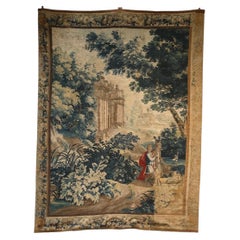

Fragment of an 18th-century Aubusson Tapestry
Located in Los Angeles, CA
A historical scene in a landscaped architectural setting, woven in wool and silk, depicting a couple with a palace to the left. Some damage and restorations noted. Dimensions: 88"w ...
Wool, Silk
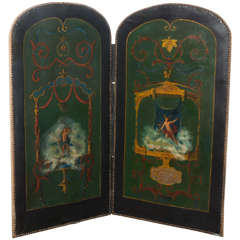
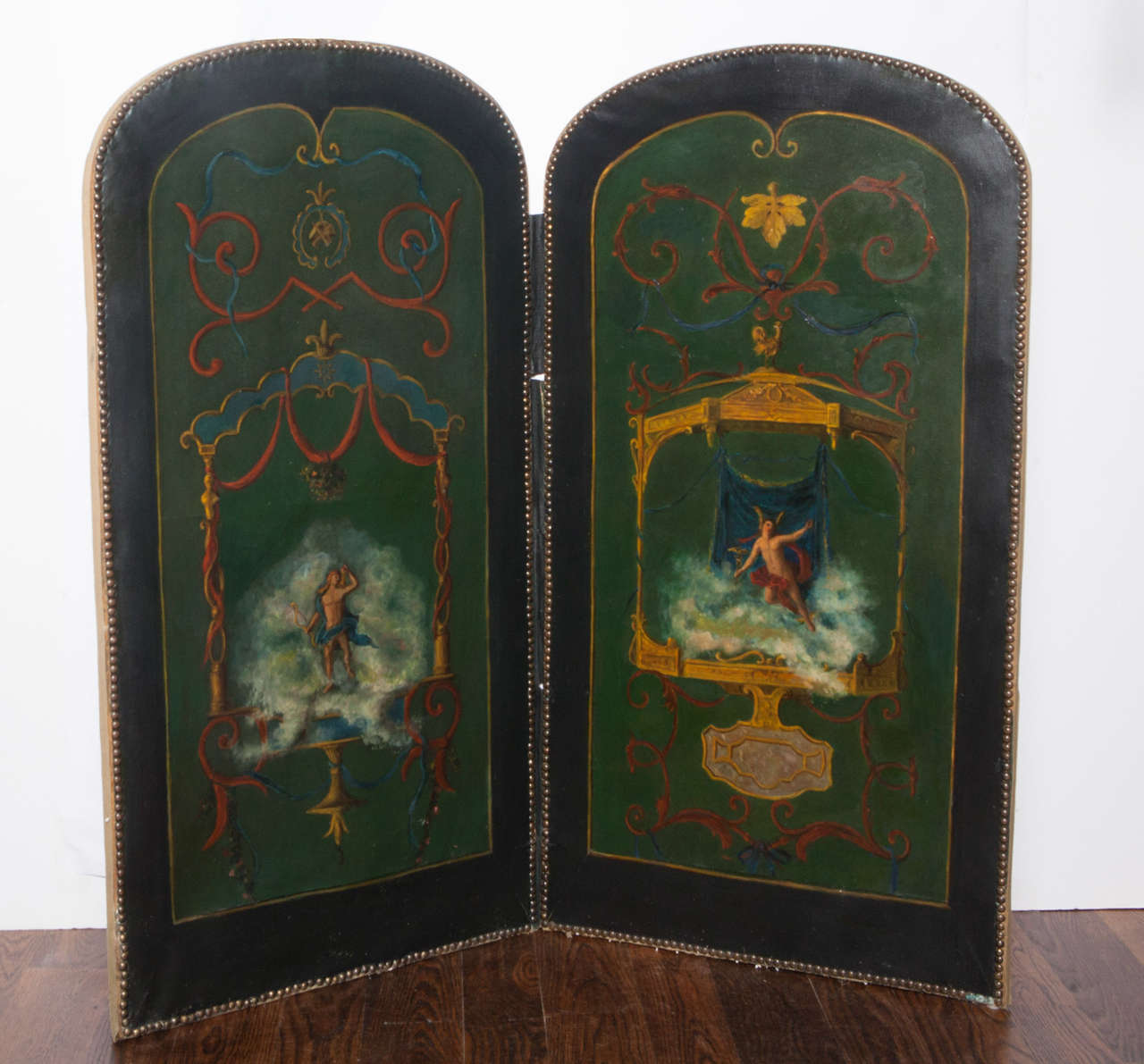
20th Century French Two Panel Screen
Located in Nashville, TN
Two panel folding screen with oil paintings depicting mythological male figures. Back of screen is upholstered in silk damask. Brass nailhead trim. Fabric hinges.
Silk, Damask


Le Remailleur De Filet - Tapestry by Robert Debieve
Located in Sagaponack, NY
"Le Remailleur De Filet" a vivid framed modernist tapestry of a fisherman repairing his nets by the French painter Debiève. Created by Corot 05, Champs Elysées, Paris, circa 1950.
Silk
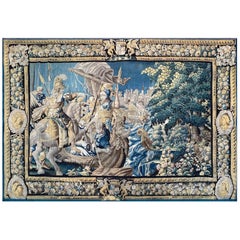

Alexander the Great, The Passage of the Granicus - Flemish Tapestry 17th -N 1503
Located in Paris, FR
Period: 17th century Style: Rome and Antic Greece Condition: Perfect condition Material: Wool Width: 465 cm Height: 307 cm Depth: 1 cm In keeping with tradition, this magnificent ta...
Wool, Silk
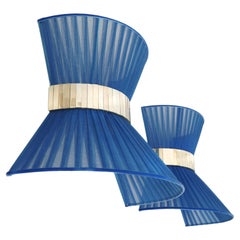
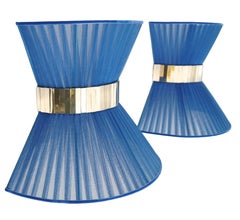
Tiffany Wall Lamp by Sabrina Landini, Modern Brass Design, Hand Made in Italy
Located in Pietrasanta, IT
TIFFANY The first one, Audrey inspired the iconic Introducing Sabrina's breathtaking collection of Tiffany lamps. Year after year Sabrina Landini perpetuates its exceptional exp...
Brass
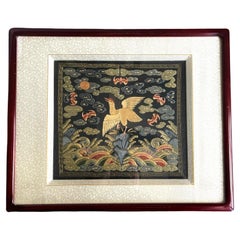
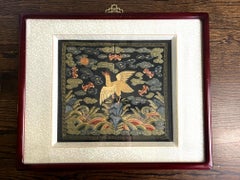
Framed Chinese Qing Dynasty Embroidered Sixth Rank Badge
Located in Atlanta, GA
A finely embroidered silk civil rank badge panel framed in a wood frame circa late Qing dynasty 19th century. The square rank badge is known in Chinese as ...
Silk
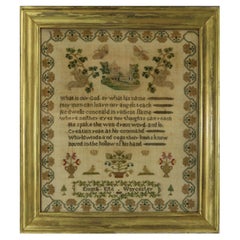
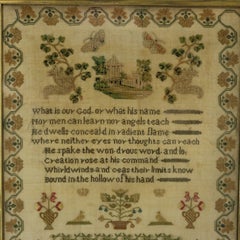
Victorian Sampler, 1839, by Emma Kite
Located in Chelmsford, Essex
Victorian Sampler, 1839, by Emma Kite. The sampler is worked in silk threads on a linen ground. Meandering floral border. Colours green, blue, light brown, silver, black, gold and red. Verse reads, 'What is our God or what his name...
Silk
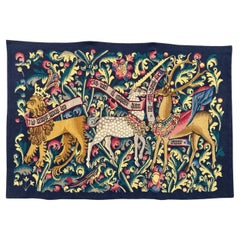
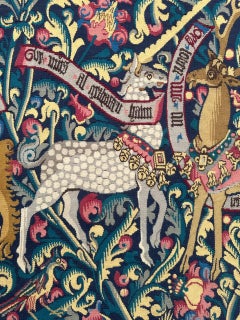
$2,980Sale Price|20% Off
Bobyrug’s Pretty antique French Aubusson Tapestry medieval design
Located in Saint Ouen, FR
Exquisite French tapestry from the mid-20th century, handwoven in the renowned Aubusson workshops. This masterpiece replicates a 15th-century museum tapestry, featuring heraldic moti...
Wool, Silk
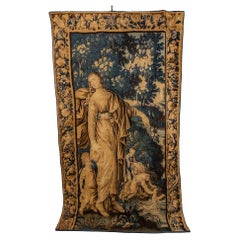
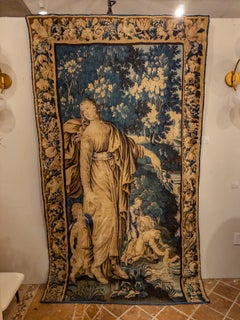
17th Century Flemish Aubusson Tapestry
Located in Houston, TX
The 17th Century Flemish Aubusson Tapestry portraying a woman traveling or walking with her child is a captivating depiction of everyday life...
Wool, Silk
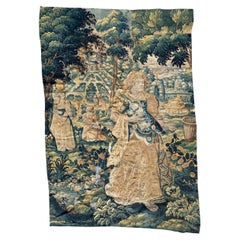
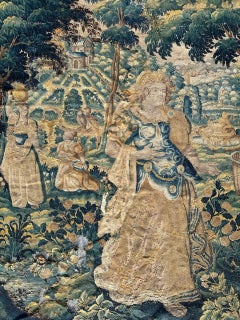
Bobyrug’s wonderful antique 16th century French Aubusson tapestry
Located in Saint Ouen, FR
Very nice and old french tapestry fragment, from the middle of the 16th century, with nice design of its period design and beautiful natural colo...
Wool, Silk
$2,999Sale Price|29% Off
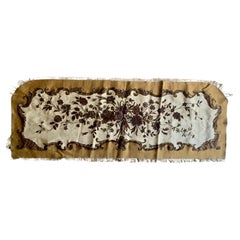
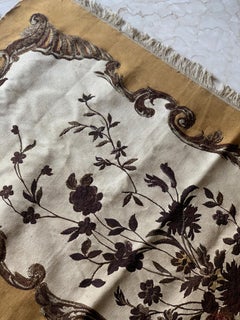
Large 19th Century French Aubusson Floral Tapestry Fragment
Located in New York, NY
Handwoven in Aubusson, France in the 19th Century, this lovely silk and wool piece was originally the setback of a loveseat. It measures 2 x 5.3 ft. It is in pristine condition and ...
Tapestry, Wool, Silk
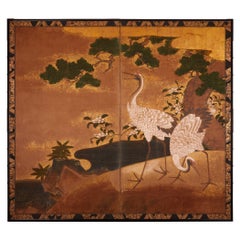
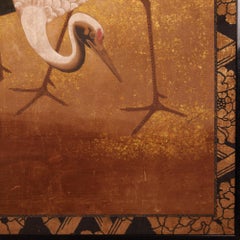
Japanese Two-Panel Screen: Cranes on Gold
Located in Hudson, NY
Early Kano School painting of pine trees overlooking two beautifully painted cranes and floral design in a natural setting by water’s edge. Mineral pig...
Gold, Gold Leaf
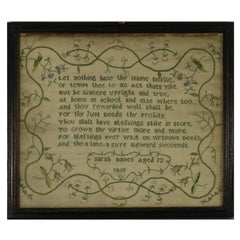
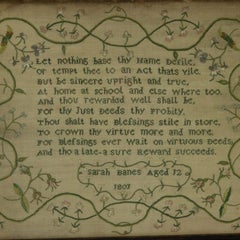
Antique Sampler, 1801, by Sarah Banes
Located in Chelmsford, Essex
Georgian Sampler, 1801, by Sarah Banes. The sampler is worked in silk threads on a linen ground, mainly in cross stitch. A finely worked meandering floral border surrounds outside. C...
Silk
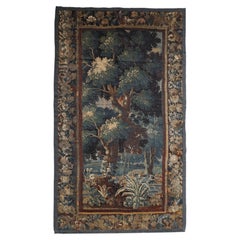
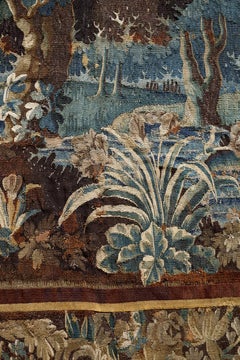
17th Century Verdure Tapestry IX
Located in London, GB
This magnificent late 17th-century French verdure tapestry from the Aubusson workshops, is a masterclass in Baroque textile art. The vertical composition is dominated by a majestic, ...
Wool, Silk
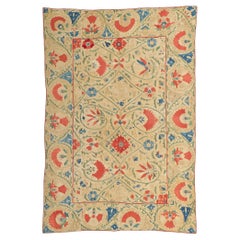
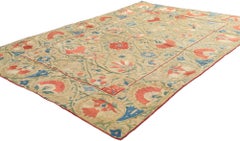
Late 19th Century Uzbekistan Nurata Suzani Textile, Embroidered Wall Tapestry
Located in Dallas, TX
78198 Rare Late 19th Century Antique Uzbek Nurata Suzani Tapestry, 03'06 x 05'01. Immerse yourself in the rarefied elegance of this Late 19th Century Antique Uzbek Nurata Suzani Tape...
Cotton, Silk
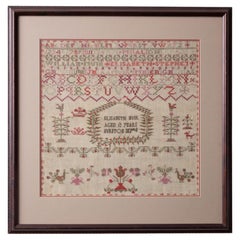
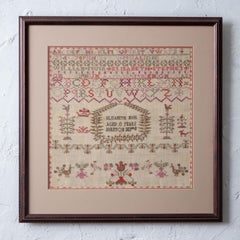
Scottish Sampler by Elizabeth Muir, c.1822
Located in Savannah, GA
Fine Scottish silk-on-linen sampler worked by Elizabeth Muir, aged 13 years, Burton, September 8, circa 1822, of East Lothian parish, featuring alphabet and number panels above paren...
Linen, Silk, Glass, Wood
$3,200 / item
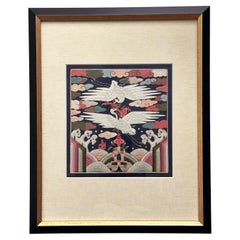
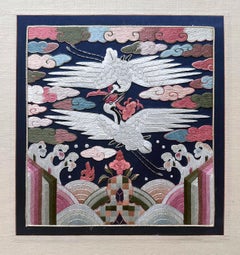
Korean Embroidery Civil Rank Badges Joseon Dynasty
Located in Atlanta, GA
A framed finely embroidered Korean silk rank badge (Hyungbae in Korean) from Joseon Dynasty circa late 19th century. The badge features a design of double ...
Fabric, Silk, Wood
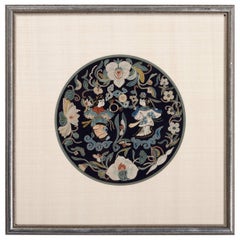
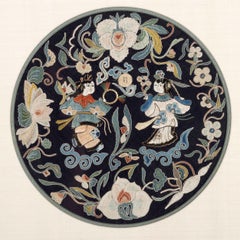
Framed Antique Chinese Embroidery Qing Dynasty Provenance
Located in Atlanta, GA
A Chinese antique embroidery presented in a museum quality frame, originally purchased from Galerie Du Monde in Hongkong. Originally, the te...
Linen, Silk, Wood
The exhibition includes his portraits of wide-eyed kids with mayhem on their minds, as well as some of the artist’s personal belongings.
The ancient practice of covering walls in artistic scenery is back.
Despite the obstacles, the piece’s protagonist navigates the chaos without losing his humanity.
Who needs a flower garden? Just use your imagination — and some beautifully patterned wallpaper or fabric — to bring the outdoors in.
A longtime admirer of Kahn’s work, 1stDibs editorial director Anthony Barzilay Freund explores why it’s relevant now more than ever.
The streets of fin-de-siècle Paris were set aglow with colorful poster ads, thanks to the printing techniques invented by Jules Chéret. Now, the Milwaukee Art Museum is celebrating this undersung talent in America's first solo show dedicated his exuberant works.
From her historic Manhattan townhouse, the talented creator and curator of 1stDibs' latest NFT exhibition tells us about the art in her home and how she got involved with cryptoart.
The former football player is as serious about becoming a great contemporary-art patron as he once was about making tackles. Here, Rivers tells us how he got the collecting bug and how his tastes have evolved over the years.