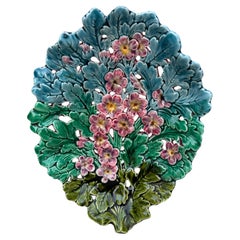
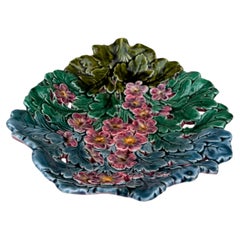
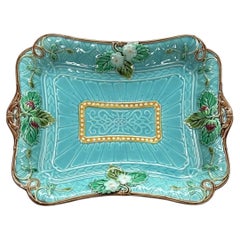
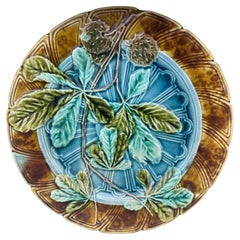
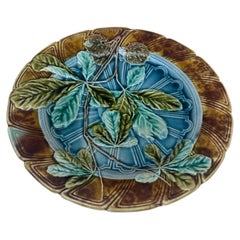
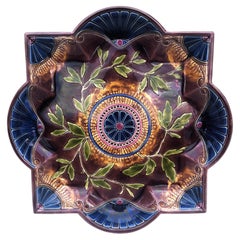
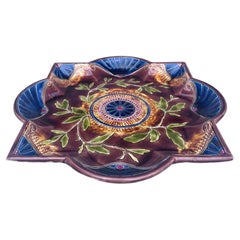
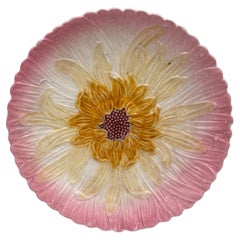
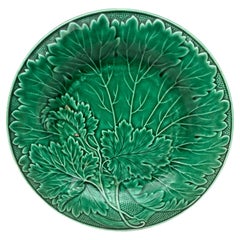
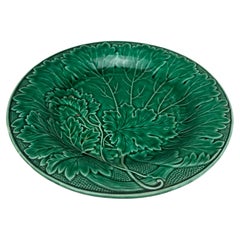
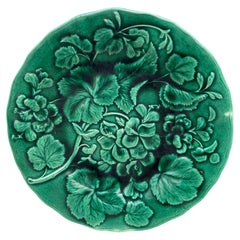
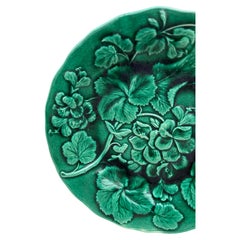
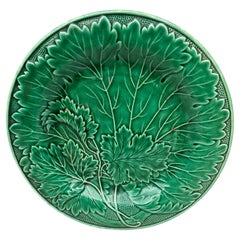
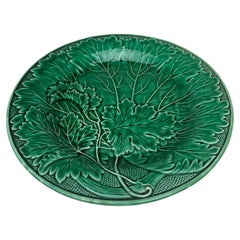
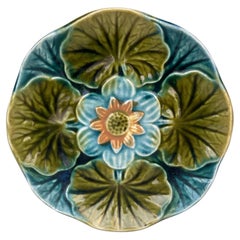
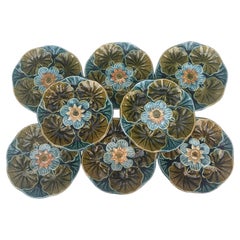
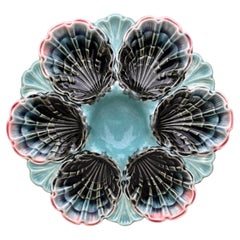
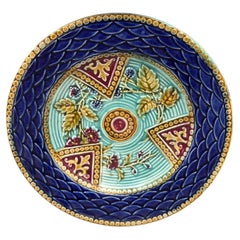
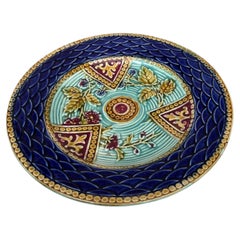
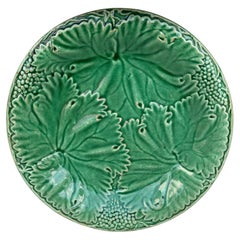
Continental Majolica Dish Leaf, Circa 1890
Located in Austin, TX
Continental Majolica Dish Leaf, Circa 1890. 5.2 by 5.2 inches.
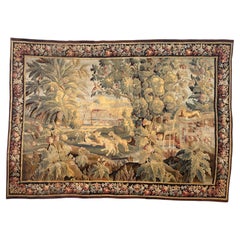
Austrian Rustic Antique 19th Century Wall Decorations
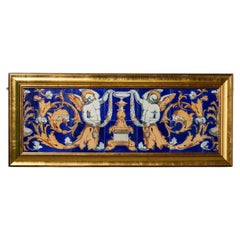
Ceramic
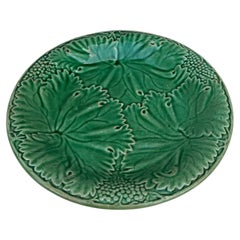
Continental Majolica Dish Leaf, Circa 1890
Located in Austin, TX
Continental Majolica Dish Leaf, Circa 1890. 5.2 by 5.2 inches.
Ceramic
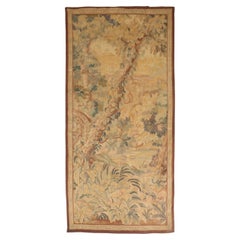
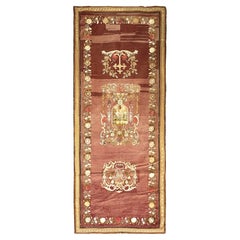
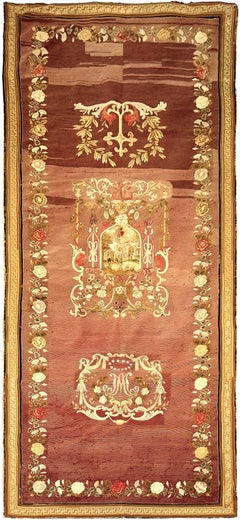
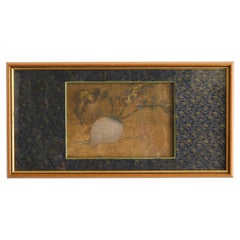
Framed Antique Ottoman Embroidery Fragment , Late 19th Century.
By Seref Ozen
Located in Istanbul, TR
First the fragment has been hand backed on a linen fabric, then stretched over a wooden stretcher and finished with a wooden frame. Late 19th Century. Turkey Ready to go on a wall. ...
Silk
Framed Antique Ottoman Embroidery Fragment , Late 19th Century.
By Seref Ozen
Located in Istanbul, TR
First the fragment has been hand backed on a linen fabric, then stretched over a wooden stretcher and finished with a wooden frame. Late 19th Century. Turkey Ready to go on a wall. ...
Silk
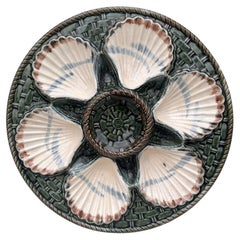
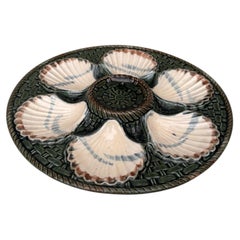
19th Century Majolica Oyster Plate Longchamp
By Longchamp
Located in Austin, TX
Green Majolica oyster plate, six white wells on a green basket weave, circa 1890 signed Longchamp.
Ceramic, Majolica
Framed Antique Ottoman Embroidery Fragment , Late 19th Century.
By Seref Ozen
Located in Istanbul, TR
First the fragment has been hand backed on a linen fabric, then stretched over a wooden stretcher and finished with a wooden frame. Late 19th Century. Turkey Ready to go on a wall. ...
Silk
Antique Bird Print, Golden Pheasants, Vibrant Victorian Chromolithograph, 1895
Located in Langweer, NL
Antique Bird Print, Golden Pheasants, Vibrant Victorian Chromolithograph, 1895 A striking late 19th-century natural history print depicting Golden Pheasants, rendered in vivid chrom...
Paper
19th Century Oil on Canvas Spanish Signed and Dated Painting Pirate Portrait
Located in Vicoforte, Piedmont
Spanish painting dated 1895. Oil on canvas, first canvas, artwork depicting a portrait of a pirate (corsair or bravo) of excellent pictorial quality. A beautifully sized and easily p...
Canvas
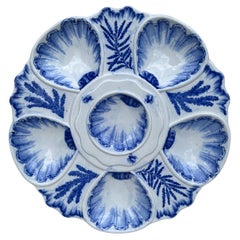
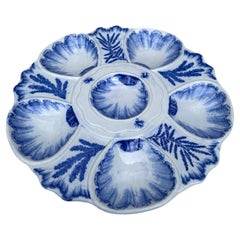
Majolica Oyster Plate Sarreguemines, circa 1870
Located in Austin, TX
Majolica oyster plate Sarreguemines, circa 1870. 6 Shells and space for the lemon on the center. Older model.
Ceramic
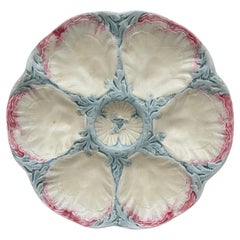
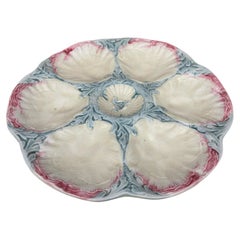
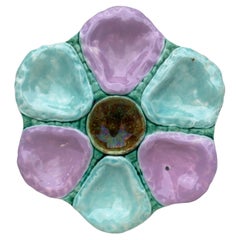
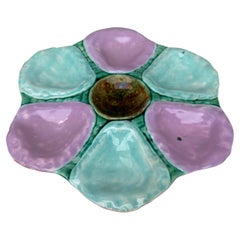
French Majolica Pink Flowers Salins, circa 1890
By Salins
Located in Austin, TX
Lovely French Majolica plate pink flowers on a blue basket weave Salins.
Ceramic
$875 / item
Framed Antique Greek Embroidery, 19th C.
Located in Istanbul, TR
First the fragment has been hand backed on a linen fabric, then stretched over a wooden stretcher and finished with a wooden frame. Late 19th Century. Greece. Ready to go on a wall....
Silk
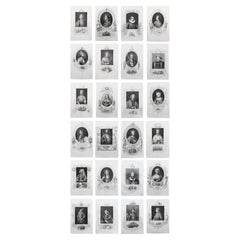
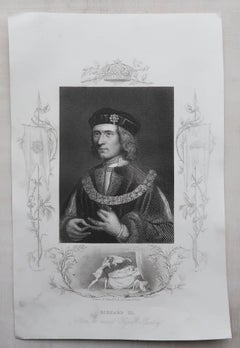
Set of 24 Original Antique Prints of Kings of England, C.1840
Located in St Annes, Lancashire
Glorious set of 24 prints of English Kings Steel engravings with amazing decorative vignettes Published by Virtue C.1840 Unframed. The measurement given is the paper size of one...
Paper
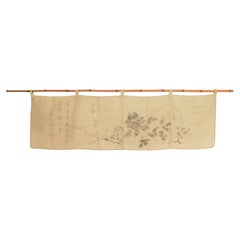
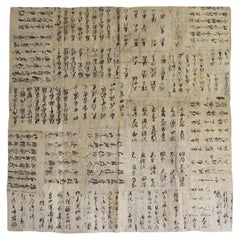
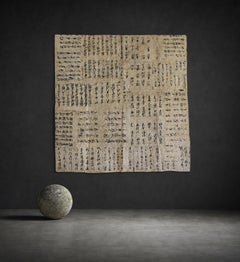
Japanese Antique Wabi-Sabi Panel with Layered Washi and Calligraphy, late 19th C
Located in 常陸大宮市, JP
Japanese antique Itado, a substantial wooden sliding door crafted from solid Keyaki (Zelkova), dating to the late 19th century, circa 1870s–1900s (Meiji period), based on its constru...
Wood, Hardwood, Paper
Framed Antique Ottoman Embroidery Fragment , Late 19th Century.
By Seref Ozen
Located in Istanbul, TR
First the fragment has been hand backed on a linen fabric, then stretched over a wooden stretcher and finished with a wooden frame. Late 19th Century. Turkey Ready to go on a wall. ...
Silk
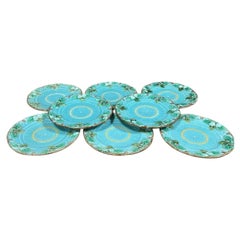
Small Majolica Water Lily Pond Plate Wasmuel, circa 1890
Located in Austin, TX
Small Majolica water lily pond plate Wasmuel, circa 1890.6 inches diameter , 8 plates available.
Ceramic, Faience, Majolica
Antique Hand-Colored Costume Print of Greece, Turkey and Armenia c1860
Located in Langweer, NL
Antique Hand-Colored Costume Print of Greece, Turkey and Armenia c1860 A refined and historically evocative mid-19th century costume print depicting figures from Greece and the Otto...
Paper
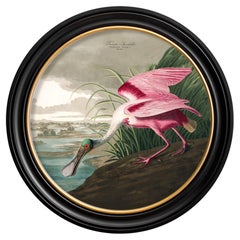
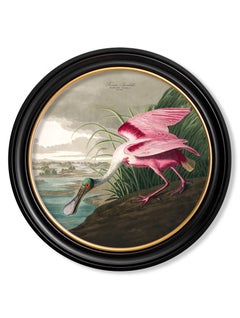
Roseate Spoonbill Print from Audubon's Birds of America C1838 Round Frame, New
Located in Lincoln, Lincolnshire
This is a digitally remastered print of a Roseate Spoonbill referenced from an Audubon Birds of America hand coloured print, originally from the 1800's Prints of this style were ori...
Wood, Paper
Museum Quality Neo-Gothic Three-Train Vienna Regulator Wall Clock
Located in Lisse, NL
A striking and high-quality Neo-Gothic Vienna regulator wall clock, dating to the late 19th century and featuring a rare three-train movement with quarter-hour strike on two gongs. ...
Enamel, Brass, Bronze
Original Antique Print of a Racehorse, 1847 'Unframed'
Located in St Annes, Lancashire
Great image of a racehorse. Unframed. It gives you the option of perhaps making a set up using your own choice of frames. Lithograph after George Stubbs with original hand color. ...
Paper
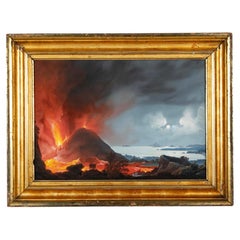
Italian Grand Tour Gouache of Mount Vesuvius Erupting at Night, Circa 1872
Located in Stamford, CT
Italian Grand Tour gouache of Mount Vesuvius erupting at night with a full moon over the Bay of Naples. In the original gilt wood frame. This is a very fine and large example of this...
Giltwood, Paper
Antique Victorian Mother of Pearl Lace Folding Fan Shadow Box Display 28"
Located in Dayton, OH
Antique Victorian Mother of Pearl floral lace folding hand fan in shadow box display. Dimensions: 28" x 2" x 20" (Width x Depth x Height)
Mother-of-Pearl
Antique Scandinavian late 19th century winter landscape oil painting, signed
Located in Ebberup, DK
This is an original antique Scandinavian snow-landscape oil on canvas painting from the late 19th century. The scene shows a snow-covered landscape at dusk or dawn with a low, orange...
Paint
Framed Antique Ottoman Embroidery Fragment , Late 19th Century.
By Seref Ozen
Located in Istanbul, TR
First the fragment has been hand backed on a linen fabric, then stretched over a wooden stretcher and finished with a wooden frame. Late 19th Century. Turkey Ready to go on a wall. ...
Silk
Original Antique Print of The Temple of Baalbek, Lebanon. C.1850
Located in St Annes, Lancashire
Wonderful image of The Temple of Baalbek Fine steel engraving after W.H Bartlett Published by Jackson C.1850 Unframed. Free shipping
Paper
French Majolica Oyster Plate Fives Lille, circa 1890
By Fives-Lille
Located in Austin, TX
French Majolica blue, pink and grey oyster plate unsigned from Fives Lille, circa 1890.
Ceramic
Framed Antique Ottoman Embroidery, 19th C.
Located in Istanbul, TR
First the fragment has been hand backed on a linen fabric, then stretched over a wooden stretcher and finished with a wooden frame. Late 19th Century. Turkiye Ready to go on a wall....
Metallic Thread
Majolica Oyster Plate Sarreguemines, circa 1870
Located in Austin, TX
Majolica oyster plate Sarreguemines, circa 1870. 6 Shells and space for the lemon on the center. Older model.
Ceramic
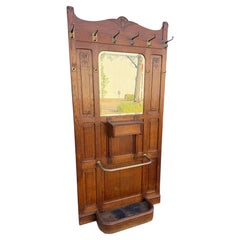
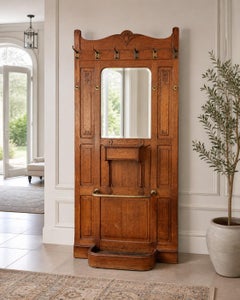
Antique Arts & Crafts Oak Hall Coat Rack with Mirror, Bat Motif & Umbrella Stand
Located in Lisse, NL
Magnificently hand-crafted Arts & Crafts oak hall stand with stylish carved bat motif, beveled mirror, bronze coat hooks, brass umbrella rail and original storage compartment. This ...
Bronze
Jane Wells Loudon Botanical Prints-A Set of Six, from The Ladies' Flower-Garden
Located in Downingtown, PA
Victorian Blooms: Set of Six Botanical Prints by Jane Wells Loudon, Plates 2, 7, 10, 17, 58 and 72, Circa 1843 This exquisite set of six hand-colored lithographs is by the celebrat...
Paper
English Victorian Majolica Oyster Plate, circa 1890
Located in Austin, TX
English Victorian Majolica oyster plate, circa 1890.
Ceramic
19th Century Majolica Oyster Plate Wasmuel
Located in Austin, TX
19th Century Majolica oyster plate Wasmuel (Belgium) decorated with flowers.
Ceramic
St Mary Protectress of Innocents, Antique German Chromolithograph c.1900
Located in Langweer, NL
St Mary Protectress of Innocents, Antique German Chromolithograph c.1900 This exceptionally tender and beautifully composed late 19th–early 20th century German chromolithograph depi...
Paper
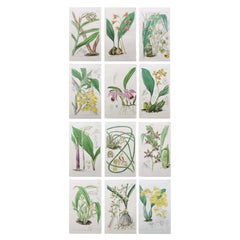
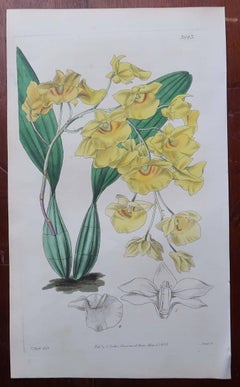
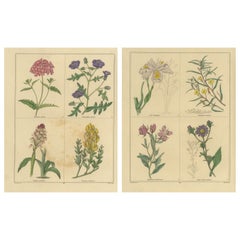
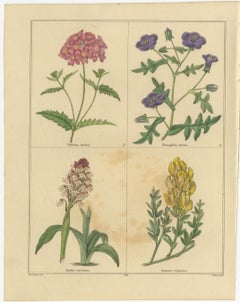
Set of 16 Original Antique Botanical Prints, circa 1850
Located in St Annes, Lancashire
Wonderful set of 16 botanical prints Lithographs after the original botanical drawings by Hooker. Original color Published, circa 1850 Unframed. The measurement given is for one...
Paper
Antique Neoclassical Plaster Relief, Molded after H. Wadère, c. 1895
By Heinrich Wadere
Located in COLMAR, FR
A finely cast plaster bas-relief depicting the Annunciation, modeled after a work by the Colmar-born sculptor Heinrich Wadère (1865–1950) and inscribed Coulé par A. Biagi — "cast by ...
Plaster
Framed Antique Ottoman Embroidery Fragment , Late 19th Century.
By Seref Ozen
Located in Istanbul, TR
First the fragment has been hand backed on a linen fabric, then stretched over a wooden stretcher and finished with a wooden frame. Late 19th Century. Turkey Ready to go on a wall. ...
Silk
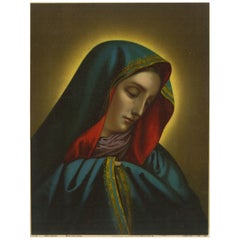
Mater Dolorosa, 1899 German Chromolithograph of the Sorrowful Mother, Dresden
Located in Langweer, NL
Mater Dolorosa, 1899 German Chromolithograph of the Sorrowful Mother, Dresden This exquisite late-19th-century chromolithograph of the Mater Dolorosa—“Sorrowful Mother”—was printed ...
Paper
Set of Twenty Four 19th Century Coloured Butterfly Engravings
Located in Gloucestershire, GB
A colourful and well detailed set of twenty-four late 19th Century English hand coloured prints of butterflies and moths. Depicting various adult specimens of caterpillars and pupae...
Paint
Antique 19th Century Russian Icon Egg Tempera Gilded St. Pelagia St. James 1860
Located in Portland, OR
An antique 19th Century Russian Orthodox hand-painted egg tempera & gilded icon of Saint Pelagia and Saint James, circa 1860. This very fine antique Russian icon is painted in the a...
Gold Leaf
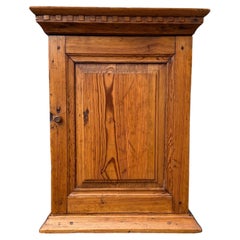
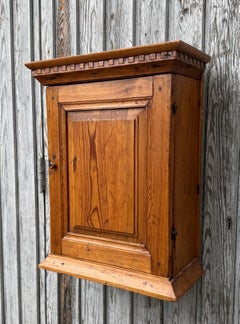
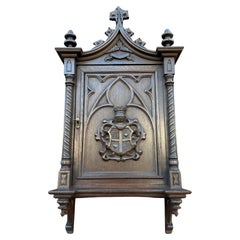
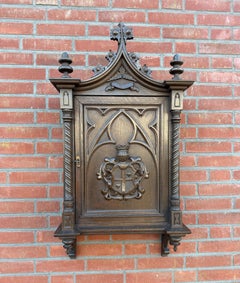
Antique Medieval Gothic Style, Oak Hanging Wall Cabinet with Church Windows
Located in Lisse, NL
Rare gothic revival wall cabinet with carved church-window doors France or Northern Europe, late 19th century. This exceptional and highly decorative Gothic Revival wall cabinet dat...
Brass
Framed Antique Suzani Embroidery Fragment, 19th C.
Located in Istanbul, TR
First the fragment has been hand backed on a linen fabric, then stretched over a wooden stretcher and finished with a wooden frame. Late 19th Century. Uzbekistan Ready to go on a wa...
Silk
American Folk Art Trompe l’Oeil Fish Painting, Dated 1894
Located in Atlanta, GA
This American folk art painting, dated September 26, 1894, presents a charming trompe-l’œil composition depicting three fish suspended before a newspaper titled Cattaraugus Star, ref...
Canvas, Wood, Paint
Bird’s-Eye View of Charleston, South Carolina – Panoramic City Engraving, 19th C
Located in Langweer, NL
Bird’s-Eye View of Charleston, South Carolina – Panoramic City Engraving, 19th C. This impressive 19th-century engraving titled Bird’s-Eye View of Charleston presents a sweeping pan...
Paper
$2,128Sale Price|55% Off
French Late 19th Century Zinc Horse Head Trade Sign
Located in Buisson, FR
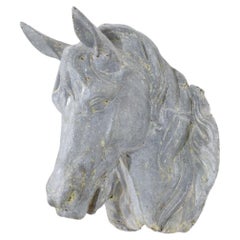
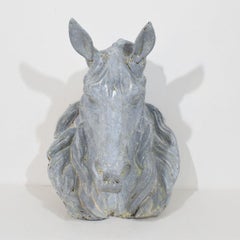
A beautiful French zinc decorative horse head trade sign from the late 19th century with great details on the mane and musculature. France, circa 1880-1900. Beautiful weathered and s...
Zinc
Antique Catholic Print of Jesus Blessing Children – Germany, c. 1890
Located in Langweer, NL
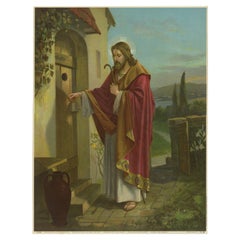
Jesus Blessing the Children – Antique German Catholic Chromolithograph, c. 1890 This beautiful late 19th-century German chromolithograph depicts one of the most tender and beloved scenes in Christian iconography: Jesus blessing the children. Christ stands centrally in a serene pastoral landscape, gently extending his hands in a gesture of protection and compassion, while two children approach Him with trust and reverence. The soft light of the halo frames His head, reinforcing the sacred presence, while the surrounding greenery and distant buildings create a peaceful biblical setting. This image reflects the powerful theme from the Gospel of Matthew, “Let the little children come to me,” and was widely used in Catholic devotional culture for home altars, schools, and parish settings during the late Victorian period. The gentle facial expressions, flowing robes, and rich harmonious colors are all characteristic of high-quality German chromolithography from the late 19th century. Chromolithography allowed for exceptional depth of color and painterly effects, closely imitating oil painting. This example shows especially fine tonal transitions in the robes, sky, and landscape, as well as excellent detail in the figures and foliage. The overall visual impression is warm, calm, and deeply devotional, making this print particularly appealing to Catholic art collectors and religious interiors. Pieces of this type were often displayed in framed settings above prayer corners, in churches, or in Catholic family homes and have become increasingly collectible as surviving examples in good condition grow scarcer. Its subject matter gives it lasting spiritual and decorative appeal and makes it a timeless devotional artwork. CONDITION REPORT Good antique condition overall. Light even age toning to the paper, consistent with late 19th-century chromolithographs. Minor softening at the edges and faint handling traces visible upon close inspection. No major stains, no tears, and no restoration observed. The colors remain vibrant and well preserved. FRAMING TIPS This print would be beautifully enhanced with a classic gold-leaf or champagne-gilt wooden frame combined with a wide ivory or warm cream mat. For a more contemporary sacred interior, a soft walnut or dark oak frame with museum glass would provide excellent contrast and visual depth while keeping the devotional character intact. TECHNIQUE Chromolithography MAKER German devotional publisher, Germany, circa 1890 KEYWORD BLOCK Jesus blessing children, Jesus the Friend of Children, antique catholic print...
Paper
Japanese antique wooden wabi-sabi object / 1968-1920 / farming tools
Located in Sammu-shi, Chiba
This is an old tabune, thought to have been made in Japan from the Meiji period to around the Taisho period (approximately the 1890s to the 1920s). It is likely one of the everyday t...
Cedar
Antique Sugarcane Botanical Print – Saccharum officinarum, Hayne, ca.1820
Located in Langweer, NL
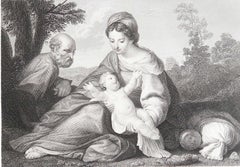
Antique Sugarcane Botanical Print – Saccharum officinarum, Hayne Plate 100 Description: This finely executed botanical engraving depicts Saccharum officinarum, the sugarcane plant, shown with scientific clarity and quiet elegance. The composition presents the full growth habit with segmented canes and flowering plume, accompanied by precise analytical details of the inflorescence and spikelets, as well as a separate cross-section of the cane. The balance between clarity and restraint is characteristic of early German academic botany at its best. The print originates from Friedrich Gottlob Hayne’s monumental work Getreue Darstellung und Beschreibung der in der Arzneykunde gebräuchlichen Gewächse, published in Berlin in the early 19th century. Hayne was one of the most important botanical authors of his time, and his work played a crucial role in standardizing the visual language of medicinal and economic botany across Europe. Each plate was engraved on copper and then carefully hand colored, combining scientific accuracy with refined aesthetic appeal. Sugarcane held enormous economic and medicinal importance in the 18th and 19th centuries, linked to global trade networks, colonial agriculture, and the production of sugar as both food and pharmaceutical ingredient. As such, this plate carries strong historical resonance beyond its botanical subject, appealing equally to collectors of natural history, economic botany, and early scientific illustration. Visually, the print works exceptionally well as a stand-alone sheet. The calm composition, generous margins, and soft hand coloring make it particularly attractive for interior settings, from classic libraries to contemporary spaces where natural history prints are used as architectural accents. Condition report: Good antique condition. Light, even age toning to the paper consistent with age. Minor surface marks and soft handling wear visible on close inspection. Plate impression visible. No major tears or losses. Framing tips: This print benefits from a wide mat to emphasize its scientific elegance. Recommended combinations include a black or dark walnut frame with an ivory or parchment mat for a classic look, or a slim natural oak frame with an off-white mat for a lighter, contemporary presentation. Avoid overly dark mats, which can overpower the delicate hand coloring. Technique: Copper engraving with original hand coloring Maker: Friedrich Gottlob Hayne, Berlin, early 19th century Keywords: antique botanical print, sugarcane print, sugar cane botanical, saccharum officinarum, antique plant illustration, hand colored botanical, 19th century botanical print, natural history wall art, framed botanical print, antique agricultural print, economic botany illustration, tropical plant artwork, colonial trade decor, kitchen botanical wall art...
Paper
Jesus Appears to Mary Magdalene – Antique German Chromolithograph, c. 1895
Located in Langweer, NL
Jesus Appears to Mary Magdalene – Antique German Chromolithograph, c. 1895 This striking late 19th-century German chromolithograph depicts the moving biblical moment in which the risen Christ appears to Mary Magdalene following the Resurrection. Christ is shown standing in quiet majesty, halo radiant with divine light, His right hand placed gently over His heart in a gesture of compassion and reassurance. Mary Magdalene kneels before Him with deep devotion, her long flowing hair and rich garments emphasizing both humility and reverence. The composition is set within a tranquil garden landscape, traditionally associated with the Resurrection narrative, reinforcing the spiritual symbolism of rebirth, forgiveness, and divine mercy. Christ’s red tunic and deep blue mantle radiate warmth and solemnity, while the soft golden halo creates a luminous focal point that draws the eye immediately to His face. This scene, known in Christian tradition as *Noli Me Tangere* (“Touch Me Not”), represents one of the most emotionally powerful moments of the Gospel story. It became a highly favored subject in Catholic devotional art of the late 19th century, commonly displayed in prayer corners, chapels, religious schools, and family interiors. Produced using high-quality chromolithography, this print achieves exceptional painterly depth, with delicate shading in the flesh tones, refined folds in the drapery, and beautifully layered landscape colors. The gold highlights of the halos and the saturated reds and blues are especially well preserved, reflecting the superior production standards of German devotional publishers during this period. This is a visually commanding and spiritually meaningful artwork, highly desirable for Catholic collectors, sacred art interiors, and serious devotional art collections. CONDITION REPORT Good antique condition overall. Light, even age toning to the paper consistent with late 19th-century chromolithographs. Minor edge wear and very gentle corner softening visible upon close inspection. No major stains, no tears, and no restoration observed. Colors remain strong and vivid. FRAMING TIPS This print will display beautifully in a classic gilt or softly antiqued gold wooden frame to echo the sacred halo tones. For a more restrained interior, a dark walnut or black lacquer frame with a wide ivory mat and museum glass will create a dramatic devotional presentation. TECHNIQUE Chromolithography MAKER German devotional publisher, Germany, circa 1895 KEYWORD BLOCK Jesus and Mary Magdalene, Noli Me Tangere, resurrection scene, antique catholic print...
Paper
Large Majolica Pink Daisy Wall Pocket Delphin Massier, circa 1890
Located in Austin, TX
Large Majolica Pink Daisy Wall Pocket signed Delphin Massier. 13 by 11 inches.
Ceramic, Faience, Majolica
A set of 6 Framed Antique Ottoman Embroidery Fragments, 19th C.
Located in Istanbul, TR
A Set of 6 framed embroidery fragments. First the fragments are hand backed on linen and strutted on wooden stretchers and finish with wooden frames.
Silk
French Majolica Oyster Plate Choisy-le-Roi, circa 1880
Located in Austin, TX
French Majolica oyster plate signed Hippolyte Boulenger Choisy-le-Roi. The six pink wells are surrounded by green seaweeds.
Ceramic
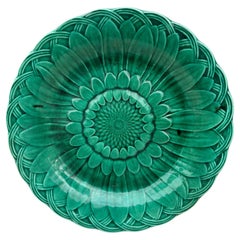
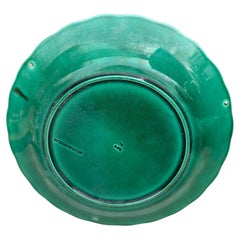
19th Century Green Majolica Sunflower Plate Wedgwood
By Wedgwood
Located in Austin, TX
Green Victorian Majolica sunflower plate Wedgwood, circa 1880.
Ceramic
Alphonse Mucha "Les Saisons (The Seasons)" Lithographs
Located in New York, NY
The Seasons (Les Saisons) by Alphonse Mucha is among the most celebrated expressions of Art Nouveau printmaking: a suite of four poetic lithographs—Spring, Summer, Autumn, and Winter—each allegory embodied by an idealized female figure adorned with the flora and fauna of their eponymous season. Spring (Les Printemps) Spring emerges as an ethereal, blonde sylph—an air elemental—standing before a haze of apple blossoms. She is framed by a delicate wreath of blooming dogwood, a motif Mucha studied from life. She fashions a lyre-like instrument from a fresh green branch, her own flowing hair forming its strings, evoking the poetic ideal of the Aeolian harp—an instrument played not by human hands but by the wind itself. This association aligns her with Romantic notions of nature as an animating force, written by contemporaneous poets such as Samuel Taylor Coleridge. At her feet, songbirds—including the ortolan bunting, long associated in French culture with innocence, and the exotic red-billed leiothrix, prized for its melodious song—gather to animate the composition with sound. The floral border of her garment, composed of narcissi, asters, dianthus, and cuckoo flowers, reinforces the sense of the abundance that defines the season. Summer (L’Été) Summer is rendered in languid repose, seated beside a reflective pool, her body slackened by the heat. Crowned with vivid red poppies—flowers of both sleep and sensuality—she dips her feet into cool water, seeking relief from the oppressive warmth. Ivy curls around her form, her translucent white drapery appears to slip from her shoulders, heightening the sense of languor. Unlike the airiness of Spring, Summer is grounded in the body, evoking the sensuous, almost narcotic stillness of a long, sun-drenched afternoon. Autumn (L’Automne) Autumn is richly adorned, her deep auburn hair echoing the tones of fallen leaves that surround her. She turns her gaze not outward, but toward the ripe grapes she holds—a symbol of harvest and abundance. A crown of chrysanthemums, rendered in white and blue, rests upon her head, a flower closely associated with Mucha himself, who was known—according to his son Jiří Mucha—to wear one in his buttonhole. Her costume is elaborately detailed with filigree disk brooches inspired by the stage jewelry of Sarah Bernhardt, particularly in her role as Theodora. These jewelry designs by Mucha drew on historical sources ranging from Byzantine mosaics studied in Ravenna to the earlier Merovingian traditions of Frankish and Lombardic women, who wore paired brooches...
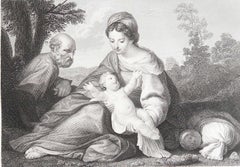
Gesso
French Majolica Oyster Plate Fives Lille, circa 1890
By Fives-Lille
Located in Austin, TX
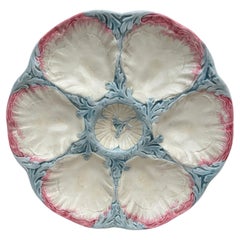
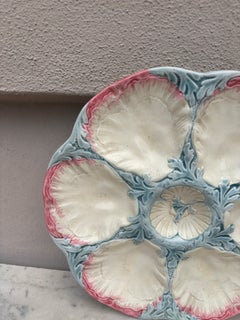
French Majolica blue, pink and grey oyster plate unsigned from Fives Lille, circa 1890.
Ceramic
Antique Mecklenburg Horse Portrait 1898, German Warmblood Equesestrian Litho
Located in Langweer, NL
Antique Mecklenburg Horse Portrait 1898, German Warmblood Equestrian Wall Art This original antique colour lithograph from 1898 depicts No. 4...
Paper
19th Century French Green Majolica Oyster Plate
Located in Austin, TX
Colorful French Majolica green oyster plate with stylized leaves, circa 1890. Very rare color.
Ceramic
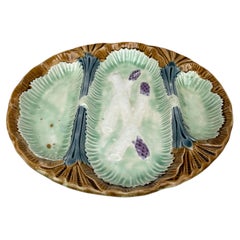
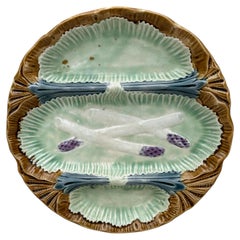
French Majolica Asparagus Plate Onnaing, circa 1890
By Onnaing
Located in Austin, TX
French Majolica asparagus plate Onnaing, circa 1890.
Ceramic
French Majolica Oyster Plate Choisy-le-Roi, circa 1880
Located in Austin, TX
Colorful and rare Majolica oyster plate Choisy Le roi unsigned, circa 1890. The six wells are blue between grey shells and the centre is pink.
Ceramic
Beautiful Tole Toleware Gilded Wall Console Shelf Germany 1890s
Located in Nuernberg, DE
Offered is an absolutely stunning, 1890s or older wall console or shelf. Minor patina gives this piece a classy statement. Made of hand craft wood and gilded. Use just as a decorativ...
Wood
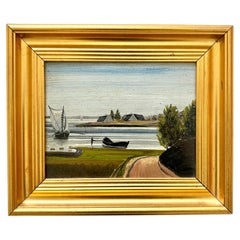
19th Century Swedish Naif Landscape Framed Oil Painting, Signed 1871
Located in Haddonfield, NJ
A Swedish Naïf country oil painting with its original silver frame. This small rustic painting on thick paper is represents the typical Swedish life of the rural working class in Mid...
Wood, Paper, Paint
Belle Epoque Hand Held French Fan. Hand Painted Decor And Scenary. Circa 1890
Located in Incline Village, NV
Lovely Belle Epoque period French hand held fan; circa 1890; measuring 8 1/2" high x 16" wide when opened. The fan is hand painted on paper to both sides with 18th century scenes de...
Mother-of-Pearl, Paper
Professionally Framed Kaitag Embroidery Fragment, Daghestan, Late 19th Century.
Located in Istanbul, TR
First the fragment has been hand backed on a linen fabric, then stretched over a wooden stretcher and finished with a wooden frame. Late 19th C. Kaitag, Daghestan. Ready to go on a w...
Silk
The exhibition includes his portraits of wide-eyed kids with mayhem on their minds, as well as some of the artist’s personal belongings.
The ancient practice of covering walls in artistic scenery is back.
Despite the obstacles, the piece’s protagonist navigates the chaos without losing his humanity.
Who needs a flower garden? Just use your imagination — and some beautifully patterned wallpaper or fabric — to bring the outdoors in.
A longtime admirer of Kahn’s work, 1stDibs editorial director Anthony Barzilay Freund explores why it’s relevant now more than ever.
The streets of fin-de-siècle Paris were set aglow with colorful poster ads, thanks to the printing techniques invented by Jules Chéret. Now, the Milwaukee Art Museum is celebrating this undersung talent in America's first solo show dedicated his exuberant works.
From her historic Manhattan townhouse, the talented creator and curator of 1stDibs' latest NFT exhibition tells us about the art in her home and how she got involved with cryptoart.
The former football player is as serious about becoming a great contemporary-art patron as he once was about making tackles. Here, Rivers tells us how he got the collecting bug and how his tastes have evolved over the years.