Wisconsin

to
107
981,601
749,341
4,624
1,507
1,414
1,201
671
626
518
439
386
367
280
231
230
230
180
178
104
85
78
69
63
59
44
29
24
22
20
14
12
11
8
7
6
5
5
3
3
3
3
2
2
1
1
1
288
276
272
263
234
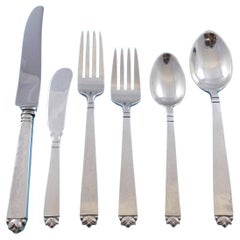
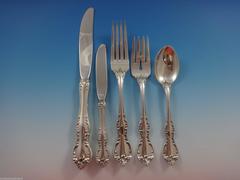
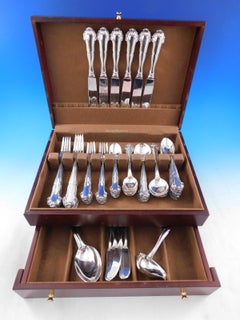
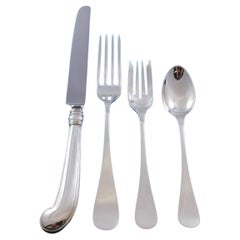
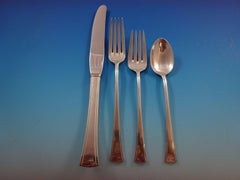
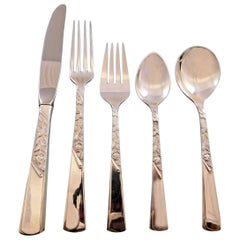
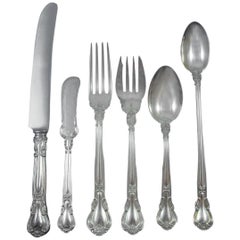
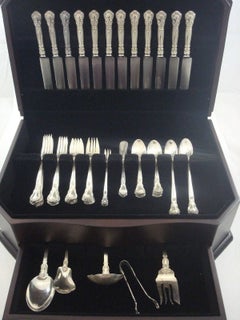
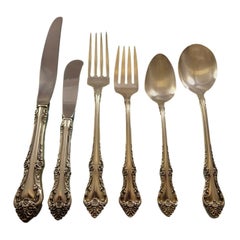
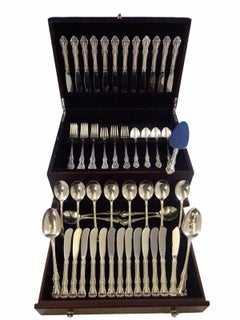
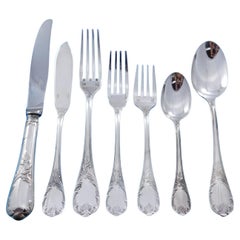
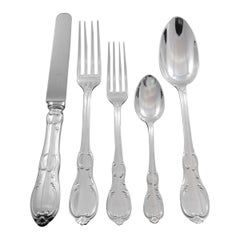
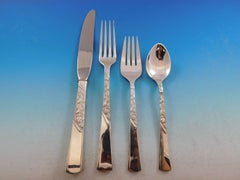
Chateau Rose by Alvin Sterling Silver Flatware Set for 8 Service 53 Pieces

Chateau Rose by Alvin Sterling Silver Flatware Set for 8 Service 53 Pieces

By Alvin Silver Manufacturing Company

Located in Big Bend, WI

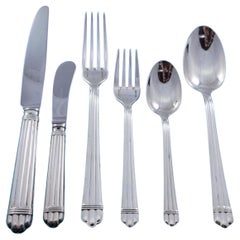
Chateau Rose by Alvin sterling silver flatware set, 53 pieces. This set includes: Eight knives, 8 7/8", eight forks, 7 1/4", eight salad forks, 6 5/8", eight teaspoons, 6", eig...

Category

20th Century Wisconsin
Materials

Sterling Silver

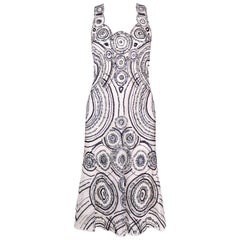
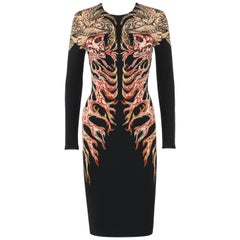
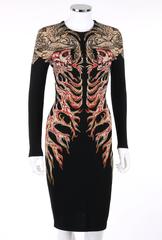
ALEXANDER McQUEEN S/S 2010 "Plato's Atlantis" Blue Multicolor Kaleidoscope Dress

ALEXANDER McQUEEN S/S 2010 "Plato's Atlantis" Blue Multicolor Kaleidoscope Dress

By Alexander McQueen

Located in Thiensville, WI

Brand / Manufacturer: Alexander McQueen Collection: S/S 2010 "Plato's Atlantis" Designer: Alexander McQueen Style: Long sleeve knee-length dress Color(s): Shades of blue, white, blac...

Category

2010s Italian Wisconsin

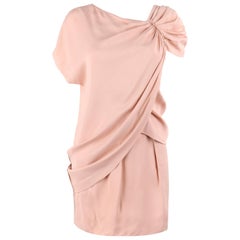
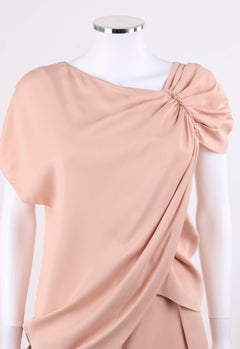
PRADA Resort 2010 Blush Pink Silk Asymmetrical Draped Shift Cocktail Dress

PRADA Resort 2010 Blush Pink Silk Asymmetrical Draped Shift Cocktail Dress

By Miuccia Prada, Prada

Located in Thiensville, WI

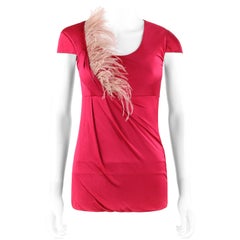
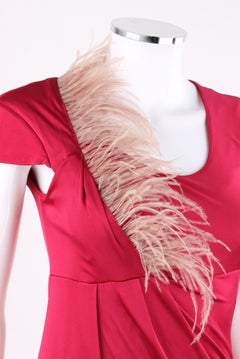
Prada Resort 2010 blush pink silk asymmetrical draped cocktail dress. Designed by Miuccia Prada. Asymmetrical v-neckline. Left short sleeve with gathe...

Category

2010s Italian Wisconsin

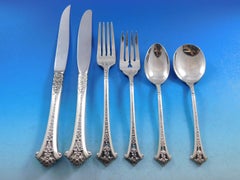
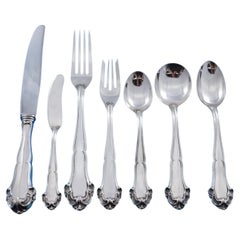
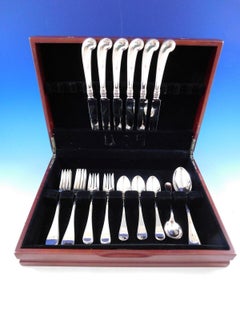
Galea by Christofle France Sterling Silver Flatware Service for 4 Set 35 pieces

Galea by Christofle France Sterling Silver Flatware Service for 4 Set 35 pieces

By Christofle

Located in Big Bend, WI

With a dedication to perfection and quality, Christofle flatware creations unite craftsmanship and modern technique, resulting in flatware to be handed down through generations. Th...

Category

20th Century Wisconsin
Materials

Sterling Silver

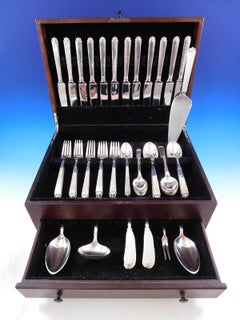
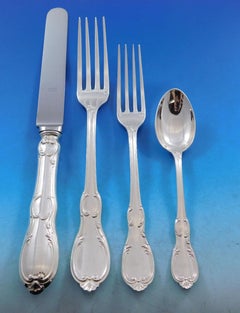
Repousse by Kirk Sterling Silver Flatware Set for 12 Service 53 Pieces Dinner

Repousse by Kirk Sterling Silver Flatware Set for 12 Service 53 Pieces Dinner

By Kirk Silver Company

Located in Big Bend, WI

This pattern was named after the art of repoussé (the process of embossing metal from the back by hammering), originally used in European silversmithing. The Repousse pattern, first ...

Category

Late 19th Century Antique Wisconsin

Materials

Sterling Silver

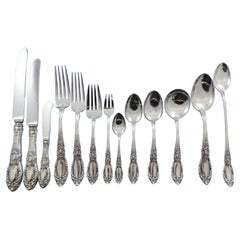
Saratoga by Tiffany & Co. Sterling Silver Flatware Set for 12 Service 91 pieces

Saratoga by Tiffany & Co. Sterling Silver Flatware Set for 12 Service 91 pieces

By Tiffany & Co.

Located in Big Bend, WI

Saratoga by Tiffany - Sterling Issue Date: 1870 Formerly this pattern was called King and then Cook, renamed Saratoga in 1956. Designer: Edward C. Moore. Fabulous Saratoga by Tiffan...

Category

20th Century Wisconsin
Materials

Sterling Silver

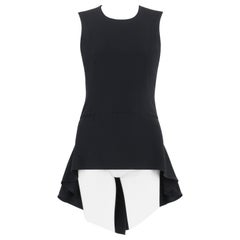
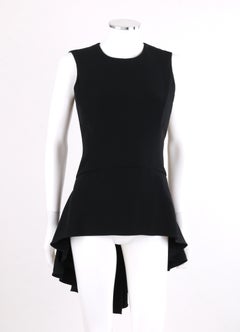
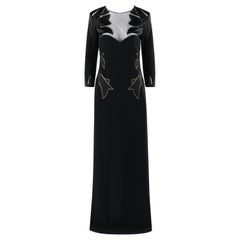
ALEXANDER McQUEEN c.2013 Black Silk Draped High Low Peplum Tank Top

ALEXANDER McQUEEN c.2013 Black Silk Draped High Low Peplum Tank Top

By Sarah Burton, Alexander McQueen

Located in Thiensville, WI

ALEXANDER McQUEEN c.2013 Black Silk Draped High Low Peplum Tank Top Brand / Manufacturer: Alexander McQueen Style: Peplum Top Color(s): Black Lined: Yes Marked Fabric Content...

Category

2010s Italian Wisconsin

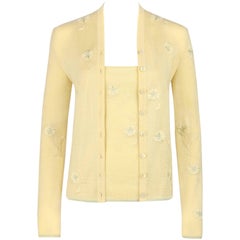
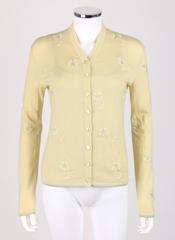
GIVENCHY Couture S/S 1998 ALEXANDER MCQUEEN Pale Yellow Floral Cardigan Top Set

GIVENCHY Couture S/S 1998 ALEXANDER MCQUEEN Pale Yellow Floral Cardigan Top Set

By Alexander McQueen, Givenchy

Located in Thiensville, WI

Givenchy Couture S/S 1998 designed by Alexander McQueen pale yellow cardigan tank top set. Pale yellow and metallic floral embroidered knit. Eight center front button closures. Round...

Category

1990s Italian Wisconsin

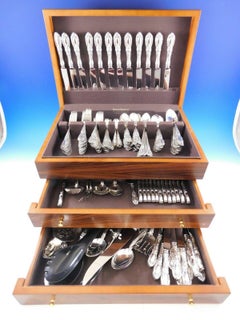
Empire by Puiforcat France 800 Silver Flatware Set Swan 99 Pcs Dinner

Empire by Puiforcat France 800 Silver Flatware Set Swan 99 Pcs Dinner

By Puiforcat

Located in Big Bend, WI

The Parisian silversmith Puiforcat is regarded as one of the legendary names in European silver craftsmanship. Superb Dinner Size Empire by Puiforcat 800 silver flatware set, 99 pie...

Category

20th Century Wisconsin
Materials

Sterling Silver

ALEXANDER McQUEEN A/W 2007 “Witches” Black Patent Leather Belted Blazer Jacket

ALEXANDER McQUEEN A/W 2007 “Witches” Black Patent Leather Belted Blazer Jacket

By Alexander McQueen

Located in Thiensville, WI

ALEXANDER McQUEEN A/W 2007 “Witches” Black Patent Leather Belted Harness Blazer Jacket Brand / Manufacturer: Alexander McQueen Collection: A/W 2007 “Witches” Designer: Alexander Mc...

Category

Early 2000s Italian Wisconsin

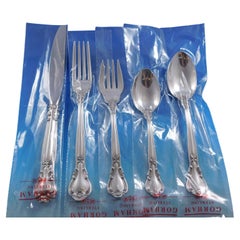
Wave Edge by Tiffany Sterling Silver Flatware Set Service 259 pcs Fitted Chest

Wave Edge by Tiffany Sterling Silver Flatware Set Service 259 pcs Fitted Chest

By Tiffany & Co.

Located in Big Bend, WI

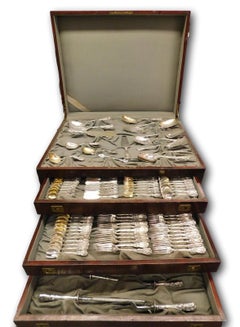
Wave Edge was designed by Charles T. Grosjean, the renowned decorator of silver and introduced by Tiffany in 1884. The fanciful marine motif, graceful lines and stylized forms of Wave Edge make it a splendid complement to even the most ornate of table settings. Grosjean worked in his family's firm which produced high end silverware to prominent New York City retailers, including Tiffany. Upon his father's death, Grosjean left his family firm to become superintendent of Tiffany's silver factory in 1868. He had great background in silver and was an artist and was referred to as "one of the best living decorators of silver". He was a teacher in the Tiffany School and designed a few full lines of sterling including Chrysanthemum, Wave Edhe, and English King, which are some of the most famous of his designs. Outstanding Wave Edge by Tiffany & Co. extensive sterling silver flatware service in large fitted Tiffany chest - 259 pieces. This service includes: 12 Dinner Size Knives, blunt blades, 10 5/8" 12 Dinner Size Forks, 8" 24 Luncheon Knives, blunt blades, 9 1/4" 24 Luncheon/Dessert Forks, 7 1/8" 12 Teaspoons, 5 7/8" 12 Place Soup Spoons, 7 1/8" 12 Flat Handle Butter Spreaders, 5 7/8" 12 Cocktail Forks, 5 3/4" 12 Bouillon Soup Spoons, 5 3/8" 12 Sherbet Spoons, pinched bowls, gold-washed, 5 1/2" 12 Sherbet Spoons, small, 5 1/4" 12 Fruit Knives, hollow handle all-sterling, 7 3/8" 12 Ice Cream Spoons, 6" 12 Fish Forks with wavy tines, 6 1/2" 12 Fish Knives, hollow handle all-sterling, 7 5/8" 12 Large Dinner Spoons, 8 1/2" 12 Ice Cream Forks, 5 7/8" 2 Gravy Ladles - 1 scalloped - 7 1/8", 1 shell bowl - 7 1/4" 2 Berry Spoons w/leaf bowls, 8 5/8" 1 Berry Spoon, long, 9 3/4" 1 Pastry/Asparagus Tong, pierced, 7 5/8" 1 Sugar Tong, 4 3/8" 1 Cold Meat Fork, fluted, 8 5/8" 1 Preserve Spoon, 7" 1 Flat Handle Master Butter, 7 1/8" 1 Pickle/Oyster Fork, gold-washed, 5 7/8" 1 Cheese Scoop, 7 1/8" 1 Ice Cream Server, 11 1/4" 1 Salad Set, 2-pc, gold-washed, 10" 1 Carving Set, 5-piece: Roast knife - 14 3/4", Roast Fork - 11", Hone - 13 3/4", Steak Carving Knife - 11 1/2" Steak Carving Fork - 10 1/4" 1 Vegetable Serving Spoon, gold-washed, 9" 1 Pie Server gold-washed, all-sterling, 11 1/8" 1 Soup Ladle, 13" 1 Berry/Preserve Spoon w/embossed fruit in bowl, 8 1/2" 1 Jelly Knife, 6 7/8" 1 Crumber, 12 3/4" 1 Ice Cream Slice, 11 1/4" 1 Fish Serving Set, 12 1/8" & 9 1/2" 1 Cheese Knife w/pick, 7 1/4" 1 Sugar Sifter, pierced, 7 1/8" 1 Sterling Grape Shears...

Category

20th Century Wisconsin
Materials

Sterling Silver

Victorian 14K Yellow Gold .37ct Rose Cut Diamond Ring size 7

Victorian 14K Yellow Gold .37ct Rose Cut Diamond Ring size 7

Located in Big Bend, WI

Victorian 14K yellow gold rose cut diamond ring. The ring features a genuine earth mined round diamond weighing .37cts. The diamond has light champagne color and VS2-SI1 clarity. It ...

Category

1890s Victorian Antique Wisconsin

Materials

Diamond, 14k Gold, Yellow Gold

"Ravanna's Palace Burning, " Woodcut Landscape signed by Carol Summers

"Ravanna's Palace Burning, " Woodcut Landscape signed by Carol Summers

By Carol Summers

Located in Milwaukee, WI

"Ravanna's Palace Burning" is a woodcut signed by Carol Summers. The image combines landscape and architecture, which is typical of the works Summers produced during the 1980s and '90s. In the image, a dark building stands burning, bright red flames licking from the windows and rooftop. It stands beside an orange field framed in pink, probably representing a plaza. Beyond the plaza are multicolored trees, their branches reaching upward like the flames on the building. The playfulness of the image is enhanced by Summers' signature printmaking technique, which allows the ink from the woodblock to seep through the paper, blurring the edges of each form. Art: 24.5 x 37.25 in Frame: 30 x 42.75 in Numbered 53 of the edition of 125 Carol Summers (1925-2016) has worked as an artist throughout the second half of the 20th century and into the first years of the next, outliving most of his mid-century modernist peers. Initially trained as a painter, Summers was drawn to color woodcuts around 1950 and it became his specialty thereafter. Over the years he has developed a process and style that is both innovative and readily recognizable. His art is known for it’s large scale, saturated fields of bold color, semi-abstract treatment of landscapes from around the world and a luminescent quality achieved through a printmaking process he invented. In a career that has extended over half a century, Summers has hand-pulled approximately 245 woodcuts in editions that have typically run from 25 to 100 in number. His talent was both inherited and learned. Born in 1925 in Kingston, a small town in upstate New York, Summers was raised in nearby Woodstock with his older sister, Mary. His parents were both artists who had met in art school in St. Louis. During the Great Depression, when Carol was growing up, his father supported the family as a medical illustrator until he could return to painting. His mother was a watercolorist and also quite knowledgeable about the different kinds of papers used for various kinds of painting. Many years later, Summers would paint or print on thinly textured paper originally collected by his mother. From 1948 to 1951, Carol Summers trained in the classical fine and studio arts at Bard College and at the Art Students League of New York. He studied painting with Steven Hirsh and printmaking with Louis Schanker. He admired the shapes and colors favored by early modernists Paul Klee (Sw: 1879-1940) and Matt Phillips (Am: b.1927- ). After graduating, Summers quit working as a part-time carpenter and cabinetmaker (which had supported his schooling and living expenses) to focus fulltime on art. That same year, an early abstract, Bridge No. 1 was selected for a Purchase Prize in a competition sponsored by the Brooklyn Museum. In 1952, his work (Cathedral, Construction and Icarus) was shown the first time at the Museum of Modern Art in New York City in an exhibition of American woodcuts. In 1954, Summers received a grant from the Italian government to study for a year in Italy. Woodcuts completed soon after his arrival there were almost all editions of only 8 to 25 prints, small in size, architectural in content and black and white in color. The most well-known are Siennese Landscape and Little Landscape, which depicted the area near where he resided. Summers extended this trip three more years, a decision which would have significant impact on choices of subject matter and color in the coming decade. After returning from Europe, Summers’ images continued to feature historical landmarks and events from Italy as well as from France, Spain and Greece. However, as evidenced in Aetna’s Dream, Worldwind and Arch of Triumph, a new look prevailed. These woodcuts were larger in size and in color. Some incorporated metal leaf in the creation of a collage and Summers even experimented with silkscreening. Editions were now between 20 and 50 prints in number. Most importantly, Summers employed his rubbing technique for the first time in the creation of Fantastic Garden in late 1957. Dark Vision of Xerxes, a benchmark for Summers, was the first woodcut where Summers experimented using mineral spirits as part of his printmaking process. A Fulbright Grant as well as Fellowships from the Louis Comfort Tiffany Foundation and the Guggenheim Foundation followed soon thereafter, as did faculty positions at colleges and universities primarily in New York and Pennsylvania. During this period he married a dancer named Elaine Smithers with whom he had one son, Kyle. Around this same time, along with fellow artist Leonard Baskin, Summers pioneered what is now referred to as the “monumental” woodcut. This term was coined in the early 1960s to denote woodcuts that were dramatically bigger than those previously created in earlier years, ones that were limited in size mostly by the size of small hand-presses. While Baskin chose figurative subject matter, serious in nature and rendered with thick, striated lines, Summers rendered much less somber images preferring to emphasize shape and color; his subject matter approached abstraction but was always firmly rooted in the landscape. In addition to working in this new, larger scale, Summers simultaneously refined a printmaking process which would eventually be called the “Carol Summers Method” or the “ Carol Summers Technique”. Summers produces his woodcuts by hand, usually from one or more blocks of quarter-inch pine, using oil-based printing inks and porous mulberry papers. His woodcuts reveal a sensitivity to wood especially its absorptive qualities and the subtleties of the grain. In several of his woodcuts throughout his career he has used the undulating, grainy patterns of a large wood plank to portray a flowing river or tumbling waterfall. The best examples of this are Dream, done in 1965 and the later Flash Flood Escalante, in 2003. In the majority of his woodcuts, Summers makes the blocks slightly larger than the paper so the image and color will bleed off the edge. Before printing, he centers a dry sheet of paper over the top of the cut wood block or blocks, securing it with giant clips. Then he rolls the ink directly on the front of the sheet of paper and pressing down onto the dry wood block or reassembled group of blocks. Summers is technically very proficient; the inks are thoroughly saturated onto the surface of the paper but they do not run into each other. The precision of the color inking in Constantine’s Dream in 1969 and Rainbow Glacier in 1970 has been referred to in various studio handbooks. Summers refers to his own printing technique as “rubbing”. In traditional woodcut printing, including the Japanese method, the ink is applied directly onto the block. However, by following his own method, Summers has avoided the mirror-reversed image of a conventional print and it has given him the control over the precise amount of ink that he wants on the paper. After the ink is applied to the front of the paper, Summers sprays it with mineral spirits, which act as a thinning agent. The absorptive fibers of the paper draw the thinned ink away from the surface softening the shapes and diffusing and muting the colors. This produces a unique glow that is a hallmark of the Summers printmaking technique. Unlike the works of other color field artists or modernists of the time, this new technique made Summers’ extreme simplification and flat color areas anything but hard-edged or coldly impersonal. By the 1960s, Summers had developed a personal way of coloring and printing and was not afraid of hard work, doing the cutting, inking and pulling himself. In 1964, at the age of 38, Summers’ work was exhibited for a second time at the Museum of Modern Art. This time his work was featured in a one-man show and then as one of MOMA’s two-year traveling exhibitions which toured throughout the United States. In subsequent years, Summers’ works would be exhibited and acquired for the permanent collections of multiple museums throughout the United States, Europe and Asia. Summers’ familiarity with landscapes throughout the world is firsthand. As a navigator-bombardier in the Marines in World War II, he toured the South Pacific and Asia. Following college, travel in Europe and subsequent teaching positions, in 1972, after 47 years on the East Coast, Carol Summers moved permanently to Bonny Doon in the Santa Cruz Mountains in Northern California. There met his second wife, Joan Ward Toth, a textile artist who died in 1998; and it was here his second son, Ethan was born. During the years that followed this relocation, Summers’ choice of subject matter became more diverse although it retained the positive, mostly life-affirming quality that had existed from the beginning. Images now included moons, comets, both sunny and starry skies, hearts and flowers, all of which, in one way or another, remained tied to the landscape. In the 1980s, from his home and studio in the Santa Cruz mountains, Summers continued to work as an artist supplementing his income by conducting classes and workshops at universities in California and Oregon as well as throughout the Mid and Southwest. He also traveled extensively during this period hiking and camping, often for weeks at a time, throughout the western United States and Canada. Throughout the decade it was not unusual for Summers to backpack alone or with a fellow artist into mountains or back country for six weeks or more at a time. Not surprisingly, the artwork created during this period rarely departed from images of the land, sea and sky. Summers rendered these landscapes in a more representational style than before, however he always kept them somewhat abstract by mixing geometric shapes with organic shapes, irregular in outline. Some of his most critically acknowledged work was created during this period including First Rain, 1985 and The Rolling Sea, 1989. Summers received an honorary doctorate from his alma mater, Bard College in 1979 and was selected by the United States Information Agency to spend a year conducting painting and printmaking workshops at universities throughout India. Since that original sabbatical, he has returned every year, spending four to eight weeks traveling throughout that country. In the 1990s, interspersed with these journeys to India have been additional treks to the back roads and high country areas of Mexico, Central America, Nepal, China and Japan. Travel to these exotic and faraway places had a profound influence on Summers’ art. Subject matter became more worldly and nonwestern as with From Humla to Dolpo, 1991 or A Former Life of Budha, 1996, for example. Architectural images, such as The Pillars of Hercules, 1990 or The Raja’s Aviary, 1992 became more common. Still life images made a reappearance with Jungle Bouquet in 1997. This was also a period when Summers began using odd-sized paper to further the impact of an image. The 1996 Night, a view of the earth and horizon as it might be seen by an astronaut, is over six feet long and only slightly more than a foot-and-a-half high. From 1999, Revuelta A Vida (Spanish for “Return to Life”) is pie-shaped and covers nearly 18 cubic feet. It was also at this juncture that Summers began to experiment with a somewhat different palette although he retained his love of saturated colors. The 2003 Far Side of Time is a superb example of the new direction taken by this colorist. At the turn of the millennium in 1999, “Carol Summers Woodcuts...

Category

1980s Contemporary Wisconsin

Materials

Woodcut

Contemporary watercolor photorealist car closeup painting reflection signed

Contemporary watercolor photorealist car closeup painting reflection signed

By Bruce McCombs

Located in Milwaukee, WI

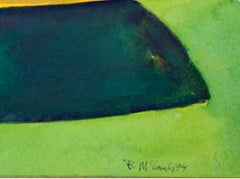
"Yellow Cadillac" is an original watercolor painting by Bruce McCombs. The artist signed the piece lower right. It reatures a shiny yellow car with its doors open sitting on a suburb...

Category

1990s Photorealist Wisconsin

Materials

Watercolor

"Requiem/Let Them Be, " Etching and Aquatint signed by Joan Snyder

"Requiem/Let Them Be, " Etching and Aquatint signed by Joan Snyder

By Joan Snyder

Located in Milwaukee, WI

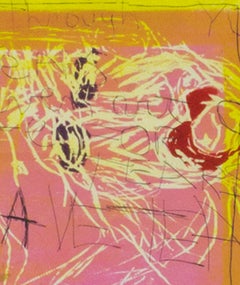
"Requiem" is an original etching and aquatint by Joan Snyder. The artist signed the piece, and the edition is of 120. This piece features abstract, expressionist text and an striking portrait of a woman with red lipstick on a pink background. 25 5/8" x 20" art 32" x 26" frame Joan Snyder was born on April 16, 1940, in Highland Park, New Jersey. She received her AB from Douglass College in New Brunswick, New Jersey (1962), and an MFA from Rutgers University in New Brunswick, New Jersey (1966). She was the recipient of a National Endowment for the Arts Fellowship (1974) and a John Simon Guggenheim Memorial Fellowship (1983). Snyder lives in Brooklyn and Woodstock, New York. Although Snyder’s paintings are often placed under various art-movement umbrellas—Abstract...

Category

1990s Contemporary Wisconsin

Materials

Etching, Aquatint

19th century color lithograph landscape figures horseback house scene trees sky

19th century color lithograph landscape figures horseback house scene trees sky

By Nathaniel Currier

Located in Milwaukee, WI

The present print is one of several examples produced for Nathaniel Currier by his longtime collaborator Frances F. "Fanny" Palmer. Harry T. Peters wrote of her: "There is no more interesting and appealing character among the group of artists who worked for Currier & Ives than Fanny Palmer. In an age when women, well-bred women in particular, did not generally work for a living Fanny Palmer for years did exacting, full-time work in order to support a large and dependent family ... Her work ... had great charm, homeliness, and a conscientious attention to detail." One of a series of four prints showing American country life in different seasons, the image presents the viewer with a picturesque view of a successful American farm. In the foreground, a gentleman rides a horse with a young boy before a respectable Italianate country house. Two women and a young girl pick flowers in the garden and several farm workers attend to their duties. Beyond are other homes and a city on the coast. 16.63 x 23.75 inches, artwork 28.13 x 33.38 inches, frame Entitled bottom center "American Country Life - May Morning" Signed in the stone, lower left "F.F. Palmer, Del." Signed in the stone, lower right "Lith. by N. Currier" Copyrighted lower center "Entered according to Act of Congress in the year 1855 by N. Currier in the Clerk's office of the Southern District of N.Y." Inscribed bottom center "New York, Published by N. Currier 152 Nassau Street" Framed to conservation standards using silk-lined 100 percent rag matting and Museum Glass with a gold gilded liner, all housed in a stained wood moulding. Nathaniel Currier was a tall introspective man with a melancholy nature. He could captivate people with his piercing stare or charm them with his sparkling blue eyes. Nathaniel was born in Roxbury, Massachusetts on March 27th, 1813, the second of four children. His parents, Nathaniel and Hannah Currier, were distant cousins who lived a humble yet spartan life. When Nathaniel was eight years old, tragedy struck. Nathaniel’s father unexpectedly passed away leaving Nathaniel and his eleven-year-old brother Lorenzo to provide for the family. In addition to their mother, Nathaniel and Lorenzo had to care for six-year-old sister Elizabeth and two-year-old brother Charles. Nathaniel worked a series of odd jobs to support the family, and at fifteen, he started what would become a life-long career when he apprenticed in the Boston lithography shop of William and John Pendleton. A Bavarian gentleman named Alois Senefelder invented lithography just 30 years prior to young Nat Currier’s apprenticeship. While under the employ of the brothers Pendleton, Nat was taught the art of lithography by the firm’s chief printer, a French national named Dubois, who brought the lithography trade to America. Lithography involves grinding a piece of limestone flat and smooth then drawing in mirror image on the stone with a special grease pencil. After the image is completed, the stone is etched with a solution of aqua fortis leaving the greased areas in slight relief. Water is then used to wet the stone and greased-ink is rolled onto the raised areas. Since grease and water do not mix, the greased-ink is repelled by the moisture on the stone and clings to the original grease pencil lines. The stone is then placed in a press and used as a printing block to impart black on white images to paper. In 1833, now twenty-years old and an accomplished lithographer, Nat Currier left Boston and moved to Philadelphia to do contract work for M.E.D. Brown, a noted engraver and printer. With the promise of good money, Currier hired on to help Brown prepare lithographic stones of scientific images for the American Journal of Sciences and Arts. When Nat completed the contract work in 1834, he traveled to New York City to work once again for his mentor John Pendleton, who was now operating his own shop located at 137 Broadway. Soon after the reunion, Pendleton expressed an interest in returning to Boston and offered to sell his print shop to Currier. Young Nat did not have the financial resources to buy the shop, but being the resourceful type he found another local printer by the name of Stodart. Together they bought Pendleton’s business. The firm ‘Currier & Stodart’ specialized in "job" printing. They produced many different types of printed items, most notably music manuscripts for local publishers. By 1835, Stodart was frustrated that the business was not making enough money and he ended the partnership, taking his investment with him. With little more than some lithographic stones, and a talent for his trade, twenty-two year old Nat Currier set up shop in a temporary office at 1 Wall Street in New York City. He named his new enterprise ‘N. Currier, Lithographer’ Nathaniel continued as a job printer and duplicated everything from music sheets to architectural plans. He experimented with portraits, disaster scenes and memorial prints, and any thing that he could sell to the public from tables in front of his shop. During 1835 he produced a disaster print Ruins of the Planter's Hotel, New Orleans, which fell at two O’clock on the Morning of the 15th of May 1835, burying 50 persons, 40 of whom Escaped with their Lives. The public had a thirst for newsworthy events, and newspapers of the day did not include pictures. By producing this print, Nat gave the public a new way to “see” the news. The print sold reasonably well, an important fact that was not lost on Currier. Nat met and married Eliza Farnsworth in 1840. He also produced a print that same year titled Awful Conflagration of the Steamboat Lexington in Long Island Sound on Monday Evening, January 18, 1840, by which melancholy occurrence over One Hundred Persons Perished. This print sold out very quickly, and Currier was approached by an enterprising publication who contracted him to print a single sheet addition of their paper, the New York Sun. This single page paper is presumed to be the first illustrated newspaper ever published. The success of the Lexington print launched his career nationally and put him in a position to finally lift his family up. In 1841, Nat and Eliza had their first child, a son they named Edward West Currier. That same year Nat hired his twenty-one year old brother Charles and taught him the lithography trade, he also hired his artistically inclined brother Lorenzo to travel out west and make sketches of the new frontier as material for future prints. Charles worked for the firm on and off over the years, and invented a new type of lithographic crayon which he patented and named the Crayola. Lorenzo continued selling sketches to Nat for the next few years. In 1843, Nat and Eliza had a daughter, Eliza West Currier, but tragedy struck in early 1847 when their young daughter died from a prolonged illness. Nat and Eliza were grief stricken, and Eliza, driven by despair, gave up on life and passed away just four months after her daughter’s death. The subject of Nat Currier’s artwork changed following the death of his wife and daughter, and he produced many memorial prints and sentimental prints during the late 1840s. The memorial prints generally depicted grief stricken families posed by gravestones (the stones were left blank so the purchasers could fill in the names of the dearly departed). The sentimental prints usually depicted idealized portraits of women and children, titled with popular Christian names of the day. Late in 1847, Nat Currier married Lura Ormsbee, a friend of the family. Lura was a self-sufficient woman, and she immediately set out to help Nat raise six-year-old Edward and get their house in order. In 1849, Lura delivered a son, Walter Black Currier, but fate dealt them a blow when young Walter died one year later. While Nat and Lura were grieving the loss of their new son, word came from San Francisco that Nat’s brother Lorenzo had also passed away from a brief illness. Nat sank deeper into his natural quiet melancholy. Friends stopped by to console the couple, and Lura began to set an extra place at their table for these unexpected guests. She continued this tradition throughout their lives. In 1852, Charles introduced a friend, James Merritt Ives, to Nat and suggested he hire him as a bookkeeper. Jim Ives was a native New Yorker born in 1824 and raised on the grounds of Bellevue Hospital where his father was employed as superintendent. Jim was a self-trained artist and professional bookkeeper. He was also a plump and jovial man, presenting the exact opposite image of his new boss. Jim Ives met Charles Currier through Caroline Clark, the object of Jim’s affection. Caroline’s sister Elizabeth was married to Charles, and Caroline was a close friend of the Currier family. Jim eventually proposed marriage to Caroline and solicited an introduction to Nat Currier, through Charles, in hopes of securing a more stable income to support his future wife. Ives quickly set out to improve and modernize his new employer’s bookkeeping methods. He reorganized the firm’s sizable inventory, and used his artistic skills to streamline the firm’s production methods. By 1857, Nathaniel had become so dependent on Jims’ skills and initiative that he offered him a full partnership in the firm and appointed him general manager. The two men chose the name ‘Currier & Ives’ for the new partnership, and became close friends. Currier & Ives produced their prints in a building at 33 Spruce Street where they occupied the third, fourth and fifth floors. The third floor was devoted to the hand operated printing presses that were built by Nat's cousin, Cyrus Currier, at his shop Cyrus Currier & Sons in Newark, NJ. The fourth floor found the artists, lithographers and the stone grinders at work. The fifth floor housed the coloring department, and was one of the earliest production lines in the country. The colorists were generally immigrant girls, mostly German, who came to America with some formal artistic training. Each colorist was responsible for adding a single color to a print. As a colorist finished applying their color, the print was passed down the line to the next colorist to add their color. The colorists worked from a master print displayed above their table, which showed where the proper colors were to be placed. At the end of the table was a touch up artist who checked the prints for quality, touching-in areas that may have been missed as it passed down the line. During the Civil War, demand for prints became so great that coloring stencils were developed to speed up production. Although most Currier & Ives prints were colored in house, some were sent out to contract artists. The rate Currier & Ives paid these artists for coloring work was one dollar per one hundred small folios (a penny a print) and one dollar per one dozen large folios. Currier & Ives also offered uncolored prints to dealers, with instructions (included on the price list) on how to 'prepare the prints for coloring.' In addition, schools could order uncolored prints from the firm’s catalogue to use in their painting classes. Nathaniel Currier and James Merritt Ives attracted a wide circle of friends during their years in business. Some of their more famous acquaintances included Horace Greeley, Phineas T. Barnum, and the outspoken abolitionists Rev. Henry Ward, and John Greenleaf Whittier (the latter being a cousin of Mr. Currier). Nat Currier and Jim Ives described their business as "Publishers of Cheap and Popular Pictures" and produced many categories of prints. These included Disaster Scenes, Sentimental Images, Sports, Humor, Hunting Scenes, Politics, Religion, City and Rural Scenes, Trains, Ships, Fire Fighters, Famous Race Horses, Historical Portraits, and just about any other topic that satisfied the general public's taste. In all, the firm produced in excess of 7500 different titles, totaling over one million prints produced from 1835 to 1907. Nat Currier retired in 1880, and signed over his share of the firm to his son Edward. Nat died eight years later at his summer home 'Lion’s Gate' in Amesbury, Massachusetts. Jim Ives remained active in the firm until his death in 1895, when his share of the firm passed to his eldest son, Chauncey. In 1902, faced will failing health from the ravages of Tuberculosis, Edward Currier sold his share of the firm to Chauncey Ives...

Category

Mid-19th Century Romantic Wisconsin

Materials

Lithograph, Watercolor

"More Points on a Bachelor's Tie, " Etching & Aquatint signed

"More Points on a Bachelor's Tie, " Etching & Aquatint signed

By James Rosenquist

Located in Milwaukee, WI

This is an abstract etching and aquatint by American artist James Rosenquist with colorful red, blue, green, and yellow shapes. It is signed and dated in pencil. Edition 57/78 17 3/...

Category

1970s Abstract Wisconsin

Materials

Etching, Aquatint

King Richard by Towle Sterling Silver Flatware Set 12 Service 60 Pcs Dinner Size

King Richard by Towle Sterling Silver Flatware Set 12 Service 60 Pcs Dinner Size

By Towle Silversmiths

Located in Big Bend, WI

Dinner Size King Richard by Towle sterling silver flatware set of 60 pieces. This set includes: 12 dinner size knives, french blades, 9 7/8" 12 dinner size forks, 7 7/8" 12 salad fo...

Category

Mid-20th Century Wisconsin

Materials

Sterling Silver

French 950 Sterling Silver Flatware Set Service 175 Pieces in Large Fitted Chest

French 950 Sterling Silver Flatware Set Service 175 Pieces in Large Fitted Chest

Located in Big Bend, WI

Outstanding monumental French 950 silver dinner size high quality Louis XV style Flatware set - 175 pieces. This set includes: 12 Dinner Size Knives, pointed, 9 7/8" 12 Large Dinner Size Forks, 8 1/4" 12 Luncheon Knives, pointed, 8 1/4" 12 Luncheon Forks, 7" 12 Teaspoons, 5" 11 Place Soup Spoons, 7 1/8" 12 Demitasse Spoons, 4 3/8" 12 Fish Forks, 3-tine, 7 1/8" 11 Fish Knives, flat handle all-sterling, 8 1/4" 11 Dinner Spoons, 8 1/4" 11 Pastry Forks, 3-tine, 5 5/8" 11 Ice Cream Spoons, gold-washed, 5 1/4" 12 Oyster Forks, 5 1/8" 1 Large Vegetable Spoon, 10" 1 Berry Spoon, 8 1/4" 1 Fish Serving Fork, 3-tine, 9 1/2" 1 Fish Servers, flat handle all-sterling, 10 3/4" 1 Oyster Ladle, 9 1/2" 1 Gravy Ladle, 6 7/8" 1 Large Cold Meat Fork, 10" 1 Flat Handle Master Butter, 6 5/8" 1 Hollow Handle Master Butter, all-sterling, 8" 1 Salad Set, gold-washed, all-sterling, 9 1/2" 1 Pie Server, flat handle all-sterling, 10 1/2" 1 Soup Ladle, 12" 1 Roast Carving Set, 2-pc, 12 1/2" 1 Lamb Shank holder w/stainless implement, 8 1/2" 1 Sugar Tong, 5 1/4" 1 Cheese Knife w/stainless blade, 8" 1 Sugar Sifter Ladle, gold-washed, 6 1/2" 1 Tea Caddy Spoon, 5 5/8" 1 Sardine Fork, 5 3/4" 1 Petit Four Server...

Category

Mid-19th Century French Art Deco Antique Wisconsin

Materials

Sterling Silver

ALEXANDER McQUEEN S/S 1996 “The Hunger” Green Asymmetric Strapless Ruffle Dress

ALEXANDER McQUEEN S/S 1996 “The Hunger” Green Asymmetric Strapless Ruffle Dress

By Alexander McQueen

Located in Thiensville, WI

ALEXANDER McQUEEN S/S 1996 “The Hunger” Green Asymmetric Strapless Ruffle Dress Brand / Manufacturer: Alexander McQueen Collection: S/S 1996 Style: Strapless dress Color(s): Shades of green Lined: No Marked Fabric Content: Bodice; 76% cotton, 22% polyester, 2% elastane Trim; 100% seta silk Additional Details / Inclusions: Alexander McQueen S/S 1996 green strapless dress...

Category

1990s Italian Wisconsin

Retro 14K Yellow and White Gold 2.08 carat Australian Opal Ring size 6.75

Retro 14K Yellow and White Gold 2.08 carat Australian Opal Ring size 6.75

Located in Big Bend, WI

Retro 14K yellow gold ring with applied white gold featuring an Australian opal. The genuine natural opal weighs 2.08 carats and measures about 10mm x 8.4mm. It is a rectangular ston...

Category

Mid-20th Century Wisconsin

Materials

Opal, 14k Gold, White Gold, Yellow Gold

Francis I by Reed & Barton Sterling Silver Gravy Boat with Underplate

Francis I by Reed & Barton Sterling Silver Gravy Boat with Underplate

Located in Big Bend, WI

Superb sterling silver gravy boat 8 1/4 L X 4 W X 5 H, weighing 18.5 troy ounces with underplate 10 L X 5 3/4 W, weighing 8.2 troy ounces in the pattern Francis I By Reed & Barton. I...

Category

20th Century American Wisconsin

Materials

Sterling Silver

MM6 MAISON MARGIELA c.2019 Black White Platform Ribbon Bow Wrap Sneaker Shoes

MM6 MAISON MARGIELA c.2019 Black White Platform Ribbon Bow Wrap Sneaker Shoes

By MM6 Maison Margiela

Located in Thiensville, WI

MM6 MAISON MARGIELA c.2019 Black White Platform Ribbon Bow Wrap Lace Sneaker Shoes Brand / Manufacturer: MM6 Maison Margiela Circa: 2019 Designer: Heikki Salonen Style: Platform Sneakers Color(s): Black, White Insole: Yes Unmarked Fabric (feel of): Neoprene (upper part and tongue), Rubber (insole and sole) Twill tape (laces) Suede (heel cap) Additional Details / Inclusions: MM6 Maison Margiela platform...

Category

2010s Italian Wisconsin

EMILIO PUCCI c.1960’s Pink Signature Print One-Piece Bathing Swimsuit

EMILIO PUCCI c.1960’s Pink Signature Print One-Piece Bathing Swimsuit

By Emilio Pucci

Located in Thiensville, WI

EMILIO PUCCI c.1960’s Pink Signature Print One-Piece Bathing Swimsuit Circa: 1960’s Label(s): Emilio Pucci / Lord & Taylor Style: One-piece bathing swimsuit Color(s): Shades of ...

Category

1960s Italian Wisconsin

Rose Motif by Stieff Sterling Silver Flatware Service for 6 Set 30 Pieces

Rose Motif by Stieff Sterling Silver Flatware Service for 6 Set 30 Pieces

By The Stieff Co. 1

Located in Big Bend, WI

Lovely rose motif by Stieff sterling silver flatware set, 30 pieces. This set includes: 6 knives, 9" 6 forks, 7 1/4" 6 salad forks, 6 1/2" 6 teaspoons, 6" 6 cream soup spoons, 6 3/8" Includes bonus brand new towle wood caddy...

Category

1950s Vintage Wisconsin

Materials

Sterling Silver

ALEXANDER McQUEEN S/S 2008 Rainbow Wings Kaleidoscope Blue Yellow Square Scarf

ALEXANDER McQUEEN S/S 2008 Rainbow Wings Kaleidoscope Blue Yellow Square Scarf

By Alexander McQueen

Located in Thiensville, WI

ALEXANDER McQUEEN S/S 2008 Rainbow Wings Kaleidoscope Blue Yellow Square Scarf Brand / Manufacturer: Alexander McQueen Collection: S/S 2008 Manufacturer Style Name: Rainbow Wings S...

Category

2010s Italian Wisconsin

"Moche Owl Pot, " Animalic Ceramic Vessel created in Pre-Columbian Peru

"Moche Owl Pot, " Animalic Ceramic Vessel created in Pre-Columbian Peru

Located in Milwaukee, WI

This piece is a pot made by an unknown artist in Pre-Columbian Peru. It takes the shape of an owl and has a circular handle with the opening on its back. This pot is a light beige an...

Category

15th Century and Earlier Wisconsin

Materials

Ceramic

ALEXANDER McQUEEN S/S 2009 Black White Skeleton Kaleidoscope Twisted Draped Top

ALEXANDER McQUEEN S/S 2009 Black White Skeleton Kaleidoscope Twisted Draped Top

By Alexander McQueen

Located in Thiensville, WI

ALEXANDER McQUEEN S/S 2009 Black White Skeleton Kaleidoscope Twisted Draped Top Brand / Manufacturer: Alexander McQueen Collection: S/S 2009 “Natural Dis-tinction” Designer: Alexander McQueen Style: Draped cap sleeve top Color(s): Shades of black, white, gray, brown, Lined: Yes Marked Fabric Content: Shell: “100% Viscose”; Lining: “75% Polyamide, 25% Lycra” Additional Details / Inclusions: Alexander McQueen “Natural...

Category

Early 2000s Italian Wisconsin

Mid Century Modern Red Flat Chromed Bar Brno Chair, by Mies Van Der Rohe

Mid Century Modern Red Flat Chromed Bar Brno Chair, by Mies Van Der Rohe

By Ludwig Mies van der Rohe

Located in Madison, WI

The Brno Chair, created by Mies van der Rohe in 1930 for the famous Tugendhat House in Brno, Czech Republic, captures the pioneering minimalism of its original setting. This chair, r...

Category

Mid-20th Century American Mid-Century Modern Wisconsin

Materials

Steel, Chrome

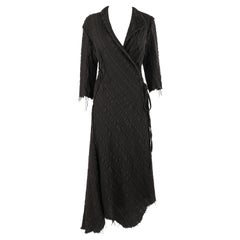
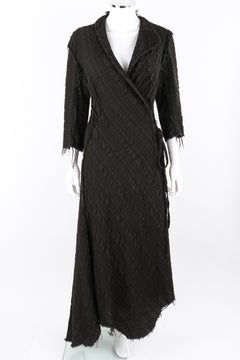
ALEXANDER McQUEEN A/W 2002 “Supercalifragilistic” Silk Lace Up Pencil Skirt

ALEXANDER McQUEEN A/W 2002 “Supercalifragilistic” Silk Lace Up Pencil Skirt

By Alexander McQueen

Located in Thiensville, WI

ALEXANDER McQUEEN A/W 2002 “Supercalifragilistic” Silk Lace Up Pencil Skirt Brand / Manufacturer: Alexander McQueen Collection: Autumn / Winter 2002; “Supercalifragilistic” Style...

Category

Early 2000s Italian Wisconsin

10K Yellow Gold Diamond Men's Ring Size 13.25

10K Yellow Gold Diamond Men's Ring Size 13.25

Located in Big Bend, WI

10K yellow gold men's diamond ring. The genuine earth mined diamonds are round brilliant cut. The center diamond measures about 4mm and there are 12 smaller diamonds measuring about ...

Category

Late 20th Century Wisconsin

Materials

Diamond, Gold, 10k Gold, Yellow Gold

John & Priscilla by Westmorland Sterling Silver Flatware Service Set 50 Pieces

John & Priscilla by Westmorland Sterling Silver Flatware Service Set 50 Pieces

By Westmorland

Located in Big Bend, WI

John & Priscilla by Westmorland sterling silver flatware set of 50 pieces. This set includes: Eight knives, 9". Eight forks, 7 1/4". Eight salad forks, 6 1/2". Eight teaspoons, 6". ...

Category

1940s Vintage Wisconsin

Materials

Sterling Silver

Mid-Century Danish Modern Sculptural Vintage Lounge Armchair Chair Teak, 1960s

Mid-Century Danish Modern Sculptural Vintage Lounge Armchair Chair Teak, 1960s

Located in Madison, WI

Beautiful Danish lounge chair, frame only. Priced well below market value. We recommend refinishing the frame and re-strapping the seat straps. Re-strapping is often done by an uph...

Category

20th Century Mid-Century Modern Wisconsin

Materials

Teak

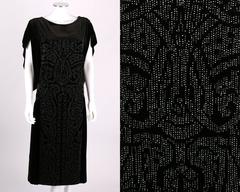
Couture c.1920’s Champagne Silk Floral Glass Beaded Rhinestone Flapper Dress

Couture c.1920’s Champagne Silk Floral Glass Beaded Rhinestone Flapper Dress

Located in Thiensville, WI

COUTURE c.1920’s One-of-a-kind Champagne Silk Floral Glass Beaded Rhinestone Flapper Dress Circa: 1920’s Style: Flapper Dress Color(s): Champagne Lined: No Unmarked Fabric Conten...

Category

1920s Wisconsin

ALEXANDER McQUEEN F/W 2002 Pink Wool Leather Pleated Belt Buckle Mini Skirt

ALEXANDER McQUEEN F/W 2002 Pink Wool Leather Pleated Belt Buckle Mini Skirt

By Alexander McQueen

Located in Thiensville, WI

Brand / Manufacturer: Alexander McQueen Circa: F/W 2002 "Supercalifragilistic" Designer: Alexander McQueen Style: Mini Skirt Color(s): Shades of pink Lined: Yes Marked Fabric Content: "96% wool, 4% leather" Lining: "100% Rayon" Additional Details / Inclusions: Alexander McQueen c.2006 pink mini skirt...

Category

Early 2000s Italian Wisconsin

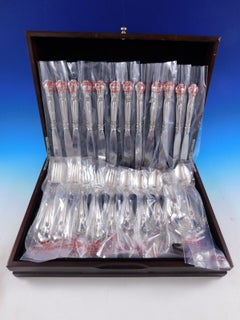
Georgian by Towle Sterling Silver Flatware Set for 12 Service 64 Pieces

Georgian by Towle Sterling Silver Flatware Set for 12 Service 64 Pieces

By Towle Silversmiths

Located in Big Bend, WI

Georgian by Towle Sterling Silver Flatware set, 64 pieces. This set includes: 12 Knives, 9 1/4" 12 Forks, 7" 12 Salad Forks, 6 1/4" 12 Teaspoons, 5 5/8" 12 Gumbo Soup Spoons, 6 7/8"...

Category

20th Century Wisconsin
Materials

Sterling Silver

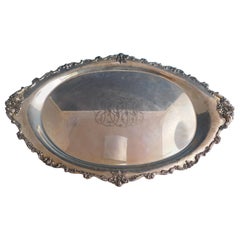
Theodore Starr Sterling Silver Tea Tray 145.75 Ozt. Heavy

Theodore Starr Sterling Silver Tea Tray 145.75 Ozt. Heavy

Located in Big Bend, WI

Stunning sterling silver Theodore Starr tea tray. This tray weighs 145.75 ozt., and measures 30 x 19 1/2 x 2 . It features a beautiful scrolling border with an elegant monogram in th...

Category

20th Century American Wisconsin

Materials

Sterling Silver

Chrysanthemum by Durgin Sterling Silver Flatware Set Service 300 Pieces Massive

Chrysanthemum by Durgin Sterling Silver Flatware Set Service 300 Pieces Massive

By Durgin-Gorham 1

Located in Big Bend, WI

One of Durgin's most popular and beautiful patterns is "Chrysanthemum". The design is of leaves and chrysanthemum buds and blooms on the front. The back displays two chrysanthemums in bloom among leaves and buds. The chrysanthemum flowers flow down beautifully onto the tines, bowls and serving areas of many of the pieces. Chrysanthemum by Durgin...

Category

1890s American Antique Wisconsin

Materials

Sterling Silver

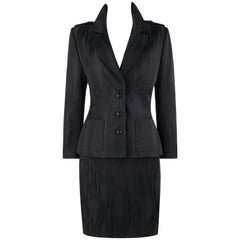
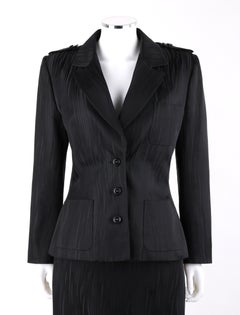
GIVENCHY Couture A/W 1998 ALEXANDER McQUEEN Dark Green Tailored Blazer Skirt Set

GIVENCHY Couture A/W 1998 ALEXANDER McQUEEN Dark Green Tailored Blazer Skirt Set

By Alexander McQueen, Givenchy

Located in Thiensville, WI

GIVENCHY Couture A/W 1998 ALEXANDER McQUEEN Dark Green Tailored Blazer Skirt Set Brand / Manufacturer: Givenchy Couture Collection: A/W 1998 Designer: Alexander McQueen Style: Blaz...

Category

1990s French Wisconsin

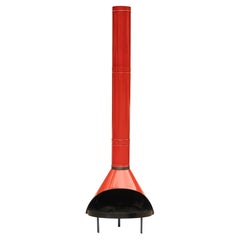
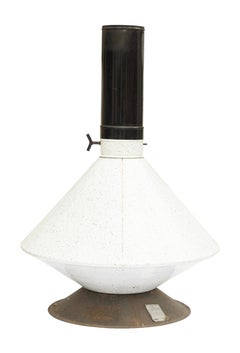
Fireplace Freestanding gas or wood, by Preway Mfg, Red Capri Brand, circa 1970.

Fireplace Freestanding gas or wood, by Preway Mfg, Red Capri Brand, circa 1970.

By Preway

Located in Madison, WI

Fireplace, freestanding, burns wood or gas. By Preway Manufacturing, circa 1970s. This unit is the Preway Capris. A smaller size than the original Preway fireplaces at: 30"w x 24"d. ...

Category

1970s American Modern Vintage Wisconsin

Materials

Steel

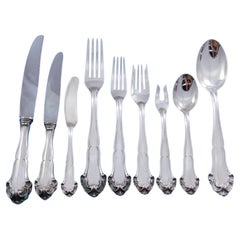
Eva Solo #02 by Tools Stainless Steel Flatware Set for 4 Service 16 Pcs New

Eva Solo #02 by Tools Stainless Steel Flatware Set for 4 Service 16 Pcs New

Located in Big Bend, WI

Eva Solo #02 by Eva Solo Design by Tools Stainless Steel Flatware set, 16 pieces. This set includes: 4 Dinner Knives, 8 3/8" 4 Dinner Forks, 7 3/4" 4 Teaspoo...

Category

20th Century Wisconsin
Materials

Stainless Steel

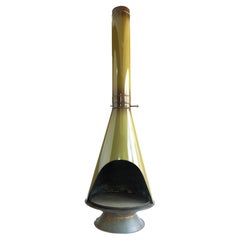
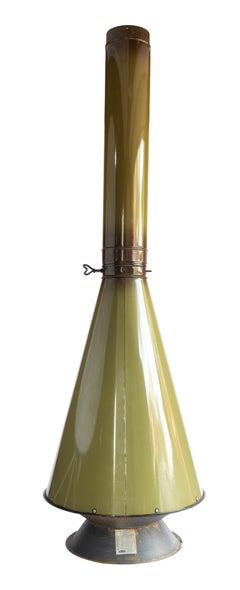
Freestanding Mid-Century Fireplace in Green Enamel with Brown shadings, 1970s

Freestanding Mid-Century Fireplace in Green Enamel with Brown shadings, 1970s

By Malm Fireplaces

Located in Madison, WI

Fireplace freestanding, mid-century. Designed to burn wood or gas, inside your home or out. Original Green porcelain enameled paint with brown shadings. Includes spark screen and gra...

Category

1970s American Mid-Century Modern Vintage Wisconsin

Materials

Enamel, Steel, Iron

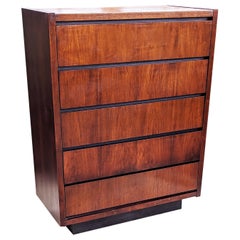
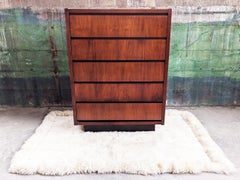
1960s Mid Century Dresser, 4 Drawers, Tapered Danish Legs

1960s Mid Century Dresser, 4 Drawers, Tapered Danish Legs

Located in Madison, WI

This beautiful dresser is perfect for a city apartment or bedroom-- great to be used as in any room for storage-- clothing, bar in a kitchen, entry way, the uses are endless. Gorgeou...

Category

1960s American Mid-Century Modern Vintage Wisconsin

Materials

Teak

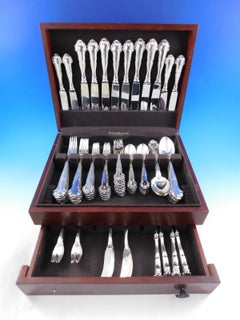
Royal Dynasty by Stieff Sterling Silver Flatware Set for 12 Service 60 pieces

Royal Dynasty by Stieff Sterling Silver Flatware Set for 12 Service 60 pieces

By Kirk-Stieff

Located in Big Bend, WI

Royal Dynasty by Kirk - Stieff sterling silver flatware set, 60 pieces. This regal pattern is heavy and features a pierced handle. This set includes: 12 Place Knives, 9 1/8" 12 Plac...

Category

20th Century Wisconsin
Materials

Sterling Silver

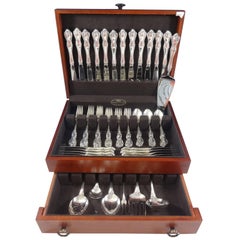
Shell and Thread by Tiffany Sterling Silver Flatware Set 8 Service 52 pcs Dinner

Shell and Thread by Tiffany Sterling Silver Flatware Set 8 Service 52 pcs Dinner

By Tiffany & Co.

Located in Big Bend, WI

Shell & Thread was first introduced by Tiffany in 1905. Its design is typical of patterns made in England during the long reign of King George III. The raised-border edges, which acc...

Category

20th Century Wisconsin
Materials

Sterling Silver

ALEXANDER MCQUEEN S/S 1996 Chartreuse Ruffled Tiered V-neck Pleated Sundress

ALEXANDER MCQUEEN S/S 1996 Chartreuse Ruffled Tiered V-neck Pleated Sundress

By Alexander McQueen

Located in Thiensville, WI

ALEXANDER MCQUEEN S/S 1996 Chartreuse Ruffles Tiered V-neck Pleated Sundress Brand / Manufacturer: Alexander McQueen Collection: S/S 1996 Style: Tiered Sundress Color(s): Chartreu...

Category

1990s Italian Wisconsin
EMILIO PUCCI 1960s 2pc Multicolor Signature Print Silk V-neck Top Skirt Dress

EMILIO PUCCI 1960s 2pc Multicolor Signature Print Silk V-neck Top Skirt Dress

By Emilio Pucci

Located in Thiensville, WI
Vintage c.1960s Emilio Pucci multi-color abstract signature print silk jersey two piece set. Sleeveless v-neckline top/shell with decorative border on neckline and hem. Center back b...
Category

1960s Italian Wisconsin