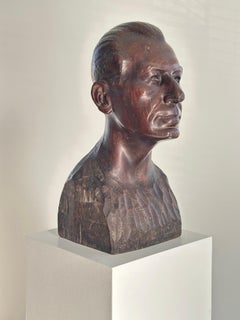
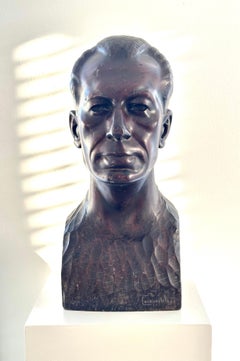
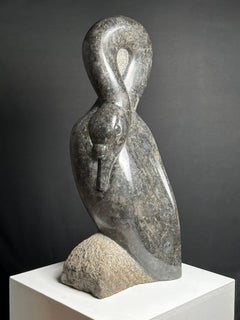
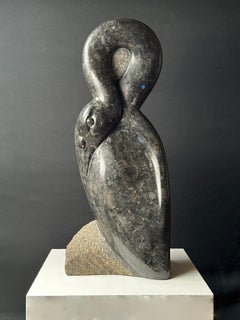
Mid-20th Century Sculptures

to
132
633
159
106
41
81
Overall Width
to
Overall Height
to
219
740
4,067
17,336
101
43
115
129
68
166
373
376
561
535
78
368
105
70
29
20
19
17
6
5
2
2
292
200
184
138
130
121
77
63
61
57
53
44
39
37
35
28
23
22
22
22
396
328
266
165
131
107
17
13
12
11
2
9
634
371
Period: Mid-20th Century
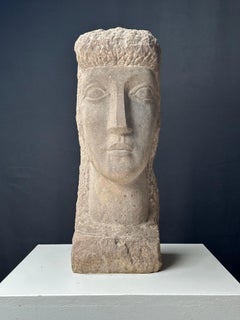
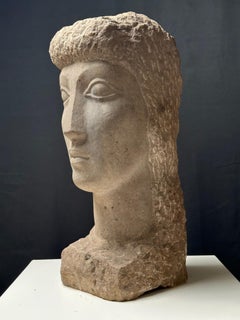
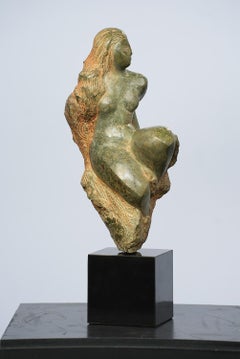
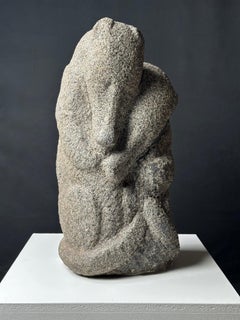
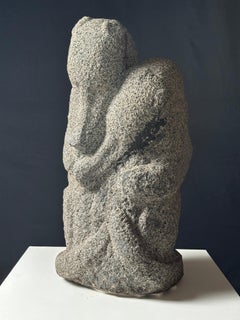
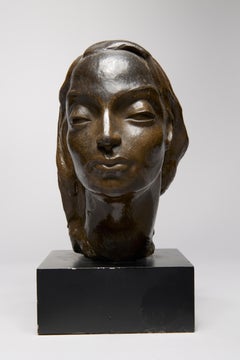
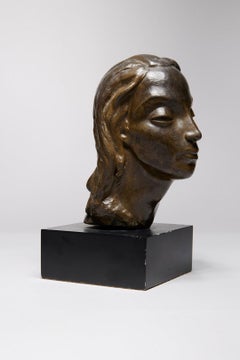
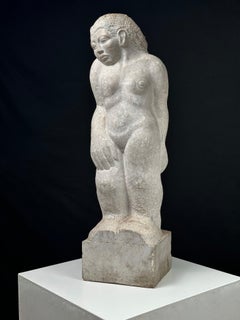
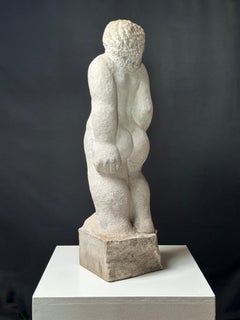
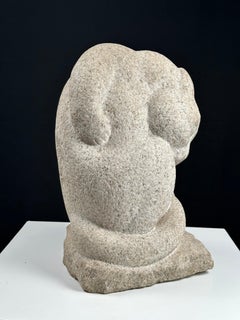
Head of Woman
Head of Woman

Mark MorrisonHead of Woman, ca. 1940

$6,000Sale Price|50% Off

Head of Woman

Located in Wilton Manors, FL

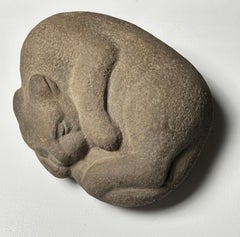
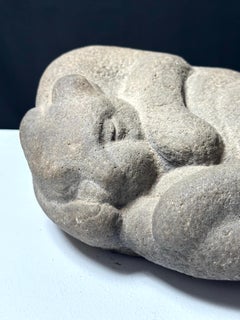
Mark Morrison (1895-1964) Head of Woman , ca. 1950 Carved stone 7.75" wide, 9" deep, height is 20 7/8" Signed at base. Provenance: Estate of Mrs. Mark Morrison. Born: Kingf...

Category

Cubist Mid-20th Century Sculptures

Materials

Granite

Rattlesnake
Rattlesnake

Mark MorrisonRattlesnake, ca. 1950

$3,000Sale Price|70% Off

Rattlesnake

Located in Wilton Manors, FL

Mark Morrison (1895-1964) Rattlesnake , ca. 1950 Carved pink Texas granite 13.5" wide, 13" deep, height is 7" Repair and conservation to uppermost part of snake's body. Provena...

Category

Realist Mid-20th Century Sculptures

Materials

Granite

The Three Skunks of WWII, Carved Wooden Figures of Hitler, Mussolini & Tojo

The Three Skunks of WWII, Carved Wooden Figures of Hitler, Mussolini & Tojo

Located in Beachwood, OH

Three Skunks of WWII c. 1940s Carved and painted wood Unsigned 8 x 10 in. h. each These skunks are depicted as Adolf Hitler, Benito Mussolini, and Hideki Tojo. Condition: There ...

Category

Mid-20th Century Sculptures

Materials

Wood, Paint

Mid-Century Ceramic Sculpture of a Seated Female, Cleveland School Artist

Mid-Century Ceramic Sculpture of a Seated Female, Cleveland School Artist

Located in Beachwood, OH

Walter Sinz (American, 1881-1966) Seated Female, c. 1940 Ceramic 6 x 3.5 x 3.5 inches Walter A. Sinz was an American sculptor born in Cleveland, Ohio on July 13, 1881. Sinz’s fathe...

Category

Mid-20th Century Sculptures

Materials

Ceramic

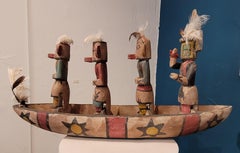
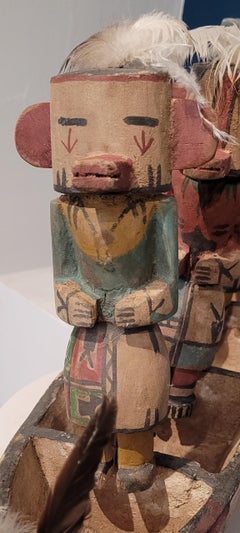
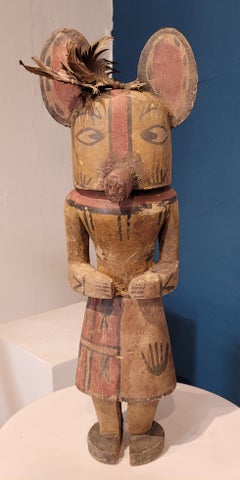
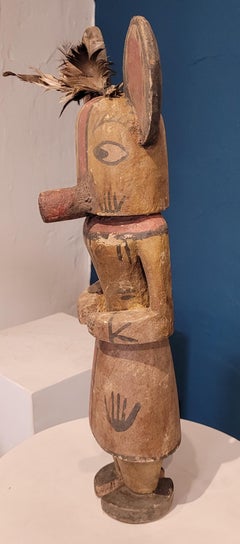
Hopi Katsina Doll Sculpture, Carved Cottonwood, Mid-20th Century

Hopi Katsina Doll Sculpture, Carved Cottonwood, Mid-20th Century

Located in Cotignac, FR

A Native North American carved wood and painted effigy figure, Hopi Katsina or Kachina doll. A wonderfully playful, coloured and highly individual Hopi Katsina doll. Each doll repr...

Category

Mid-20th Century Sculptures

Materials

Wood

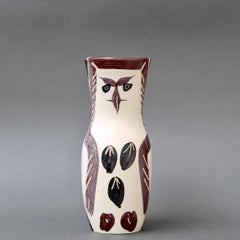
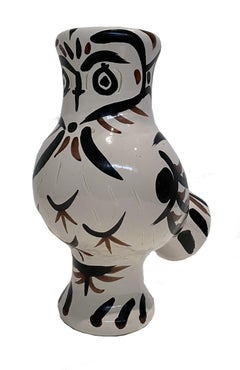
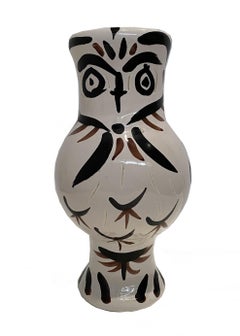
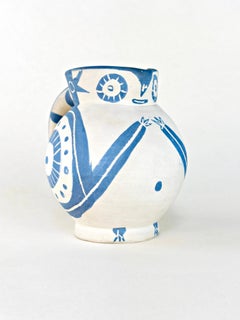
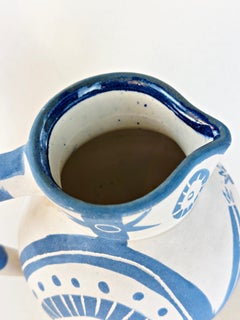
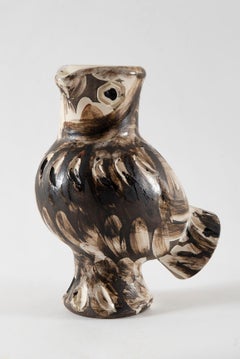
Ceramic Owl Vase (A.R. 135) from the Madoura Pottery by Pablo Picasso

Ceramic Owl Vase (A.R. 135) from the Madoura Pottery by Pablo Picasso

By Pablo Picasso

Located in London, GB

Mid-Century earthenware vase with painted owl decoration, by Pablo Picasso, Vallauris, France (1952). This is a vintage, limited edition earthenware creation, in a run of 500 (Edition Picasso) at the Madoura pottery...

Category

Modern Mid-20th Century Sculptures

Materials

Ceramic

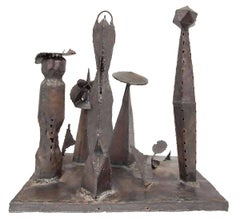
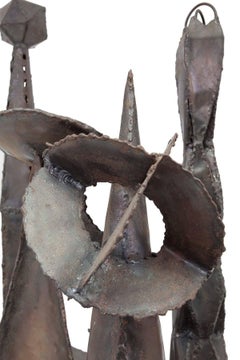
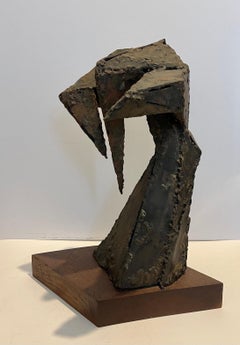
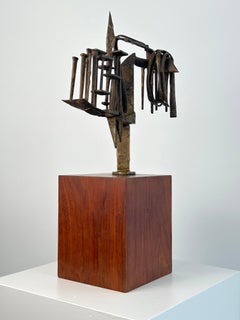
Mid Century Modern Brutalist Welded Expressionist Sculpture After Paul Evans

Mid Century Modern Brutalist Welded Expressionist Sculpture After Paul Evans

Located in Surfside, FL

In this bronze sculpture the artist (unknown) has welded together a group of totems or monuments into a unified piece. T Neo-Dada Abstract Sculpture: Assemblages In contrast, abstra...

Category

Abstract Expressionist Mid-20th Century Sculptures

Materials

Metal

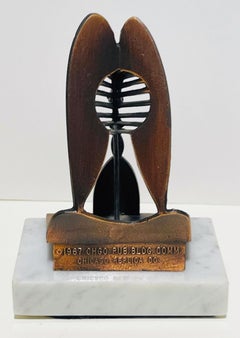
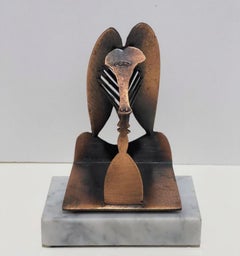
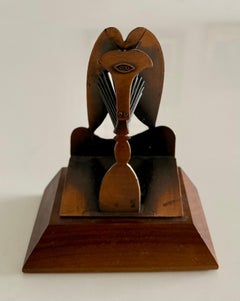
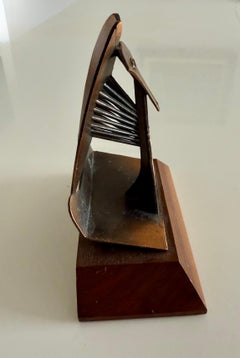
The Lady maquette, replica of Chicago Picasso sculpture, American Bridge Company

The Lady maquette, replica of Chicago Picasso sculpture, American Bridge Company

By Pablo Picasso

Located in New York, NY

(After) Pablo Picasso The Lady (Maquette), ca. 1967 Mixed Media Sculpture edition Cor-ten Steel This maquette is based upon the original Chicago Picasso-a monumental sculpture by Pablo Picasso in Chicago, Illinois. The sculpture, dedicated on August 15, 1967, in Daley Plaza in the Chicago Loop...

Category

Abstract Mid-20th Century Sculptures

Materials

Stone, Steel

Hopi Katsina Doll.
Hopi Katsina Doll.

Hopi Katsina Doll.

Located in Cotignac, FR

A Native North American carved wood and painted effigy figure, Hopi Katsina or Kachina doll. A wonderfully playful, coloured and highly individual Hopi Katsina doll. Each doll repr...

Category

Mid-20th Century Sculptures

Materials

Wood

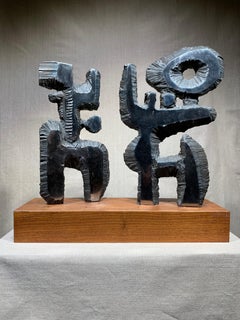
Two Untitled Compositions

Two Untitled Compositions

Located in Wilton Manors, FL

Fumio Otani (Japanese, 1929-1995). Untitled and Untitled, ca, 1965. Cast and polished steel. Smaller composition measures 14.75 x 7.75 x 1.5 inches. Larger composition measures 16...

Category

Abstract Expressionist Mid-20th Century Sculptures

Materials

Steel

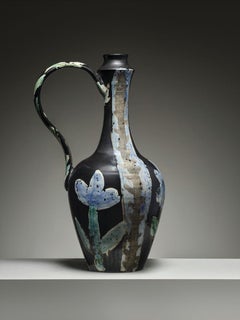
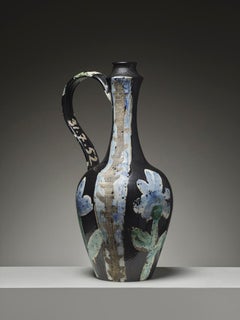
Visage (A.R. 288)
Visage (A.R. 288)

Visage (A.R. 288)

By Pablo Picasso

Located in Östermalm, Stockholms län

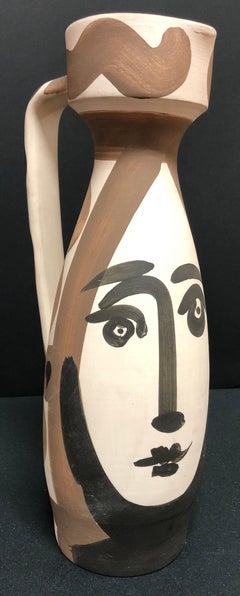
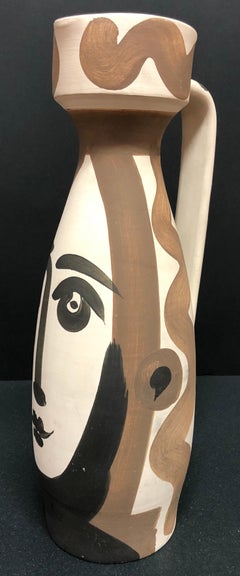
Visage (A.R. 288), 1955 White earthenware ceramic pitcher with colored engobe and glaze Edition of 500 Stamped “Picasso” and “Madoura Plein Feu” (underneath) The piece is in excelle...

Category

Modern Mid-20th Century Sculptures

Materials

Ceramic

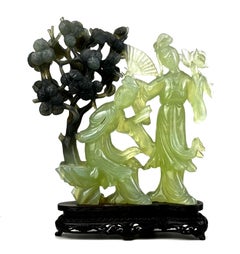
Oriental Jade Sculpture of Two Court Ladies with Tree – Mid-20th Century

Oriental Jade Sculpture of Two Court Ladies with Tree – Mid-20th Century

Located in Sant Celoni, ES

Elegant hand-carved bicolor jade sculpture from the Oriental tradition, depicting two court ladies beneath a flowering tree. The figures are crafted in translucent light green jade, ...

Category

Mid-20th Century Sculptures

Materials

Other Medium

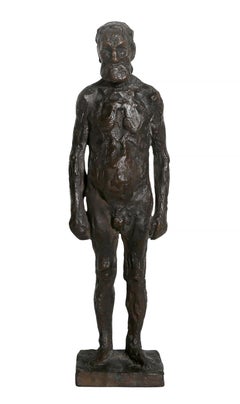
Diogenes, terracotta sculpture, 1939, Giorgio Rossi (1894-1981).

Diogenes, terracotta sculpture, 1939, Giorgio Rossi (1894-1981).

Located in Firenze, IT

**Diogenes.** **Terracotta sculpture, 1939, Giorgio Rossi (1894-1981): Tuscan Sculptor.** **Material:** Hand-modeled terracotta by the artist. **Unique piece.** **Dimensions...

Category

Art Deco Mid-20th Century Sculptures
Materials

Terracotta

Fleurs
Fleurs

Fleurs

By Pablo Picasso

Located in PARIS, FR

• An authenticated work This work is authenticated by Paloma Ruiz Picasso and Diana Widmaier Ruiz Picasso, who issued a certificate of authenticity on October 7, 2024. • A dated wor...

Category

Modern Mid-20th Century Sculptures

Materials

Ceramic

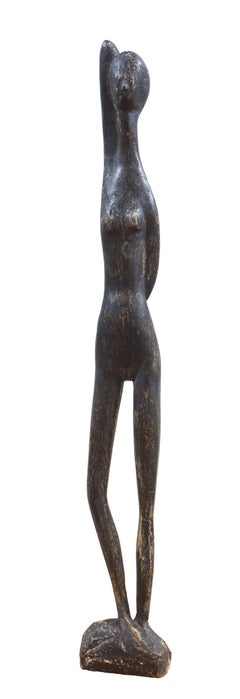
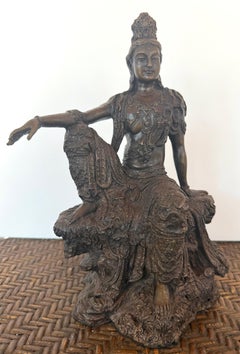
Woman - Sculpture - Mid-20th Century

Woman - Sculpture - Mid-20th Century

Located in Roma, IT

Balinese bronze sculpture of woman. Placed on a wooden pedestal. Excellent condition.

Category

Modern Mid-20th Century Sculptures

Materials

Bronze

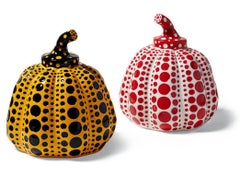
Kusama Pumpkins (Set of Two)

Kusama Pumpkins (Set of Two)

By Yayoi Kusama

Located in NEW YORK, NY

Yayoi Kusama Set of Two Pumpkins: Yellow and Black / Red and White: An iconic, vibrantly colored pop art set - these small Kusama pumpkin sculptures feature the universal polka dot p...

Category

Pop Art Mid-20th Century Sculptures

Materials

Resin

Untitled
Untitled

Untitled

By Antoine Poncet

Located in Columbia, MO

Antoine Poncet (French‑Swiss, 1928 - 2022) was a sculptor whose work belongs to the lineage of modern abstraction shaped by Jean Arp and Constantin Brâncuşi. Born in Paris into an ar...

Category

Contemporary Mid-20th Century Sculptures

Materials

Alabaster, Marble

Chouette (A.R.604)
Chouette (A.R.604)

Chouette (A.R.604)

By Pablo Picasso

Located in PARIS, FR

• Picasso began working with ceramics in 1946 at the Madoura workshop in Vallauris, marking the beginning of an important and highly productive chapter in his career. What initially ...

Category

Modern Mid-20th Century Sculptures

Materials

Ceramic

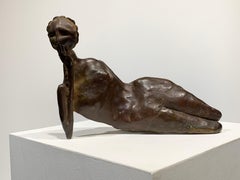
RECLINGING WOMAN
RECLINGING WOMAN

RECLINGING WOMAN

By Antoniucci Volti

Located in Los Angeles, CA

ANTONIUCCI VOLTI "RECLINGING WOMAN" BRONZE, SIGNED, NUMBERED 2/6 VALSUANI FOUNDRY ITALiAN, WORKED IN PARIS, C.1960 6.5 X 18.5 X 10.5 INCHES Antoniucci Volti 1915-1989 Sculptor, painter, and printmaker Antoniucci Volti was born in Albano, Italy, in 1915. His family lived in Italy until 1920 when the family moved to France. Volti studied at the Ecole des Arts Décoratifs in Nice from 1928 to 1920. By 1932 the young artist had won a gold medal for two polychrome bas-reliefs before going to Paris, where he entered the studio of Jean Boucher at the Ecole Nationale des Beaux-Arts in Paris at the age of only fifteen. After serving in the Second World War, when he was interned as a prisoner of war in Bavaria, he returned in poor health to Paris, only to find his studio destroyed. From 1947 he showed work at various Paris Salons and, in 1954 and 1955 at the Brussels and Antwerp Biennales. In 1957 a retrospective of his work was organized at the Museum Rodin in Paris. He died in Paris in 1989 Works by Volti are in leading museums such as the Musée National d'Art Moderne, Paris. Antoniucci Volti is one of the most important Late Modern...

Category

Modern Mid-20th Century Sculptures

Materials

Bronze

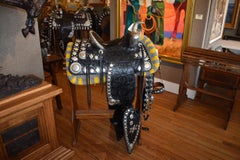
EDWARD BOHLIN 1920s-1930s SILVER ART PARADE SADDLE HOLLYWOOD WESTERN ARTIST VAIL

EDWARD BOHLIN 1920s-1930s SILVER ART PARADE SADDLE HOLLYWOOD WESTERN ARTIST VAIL

By Edward H. Bohlin

Located in San Antonio, TX

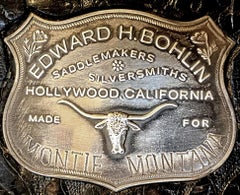
Circa Late 1920s - Early 1930s. It is all Bohlin made and marked to include the saddle, the headstall and the breast collar. All made in Hollywood California. The only non-Bohlin item is the bit which appears to also be early California. There is some interesting provenance of the fine saddle. It was commissioned by Charles R. Bell, married to Margaret Vail Bell who was the daughter of Walter Vail. On the Bolin nameplate it has engraved, Vail Ranch as well as made for Charles Bell. Charles Bell Died in 1939. The Vail Ranch has some great Western History which I will go into a little detail. You see, not only am I selling Saddles, but I’m also selling History. If you want to skip the history lesson you can just scroll down past the following info to images of the saddle. It’s no secret that ranching runs in the family blood. There is no greater example of that than California Rangeland Trust CEO Nita Vail. On April 14, 2018 Nita had the opportunity to witness her great-grandfather Walter L. Vail’s induction into the Hall of Great Westerners at the National Cowboy & Western Heritage Museum. This high honor is bestowed by the Museum to “exceptional individuals who have made an indelible impact upon the history of the great West.” A pivotal figure in early California and Arizona ranching, Walter Vail joins just over only 200 individuals who have been inducted into this esteemed hall. The Vail legacy of advocacy and ranching lives on strongly through his descendants, including Nita. All these years later, Nita carries the mantle of advocacy for ranchers in her own work at the California Rangeland Trust. Reflecting on her great-grandfather’s induction ceremony in Oklahoma, Nita says, “Witnessing my great-grandfather’s induction with family and friends was an incredible experience and a reminder of why I do what I do. Ranching plays an integral role in the culture, economy, and quality of life in California. Generations later, I get to honor Walter L. Vail’s legacy in my work with the California Rangeland Trust every day, preserving those open spaces for new generations and partnering with ranchers to continue to sustain life on the range in California.” Walter Vail History A native of Liverpool, Nova Scotia, Walter Vail purchased the 160-acre Empire Ranch southeast of Tucson, Arizona in 1876, along with an Englishman named Herbert Hislop. In 1882, the Empire Land & Cattle Company was formed with Walter L. Vail as principal shareholder. Over the years Vail, along with various partners, expanded the original land holdings to include over one million acres. The year after Walter purchased the Empire Ranch, the Southern Pacific Railroad built a railroad line, which was great news for the Vail family as it provided a means for them to ship their cattle. Edward L. Vail, George Scholefield and Bird at the mouth of Rosemont Canyon ca. 1896-1898 Standing Up for Ranchers In the fall of 1889, the Southern Pacific Railroad announced they would raise cattle freight rates by 25 percent. They ignored loud protests from ranchers who had already been hit hard by depressed cattle prices. In response, the Vails made a plan to drive the cattle overland themselves without the railroad. They knew that, if they were successful, they could break the railroad’s monopoly on the ranchers and force prices down. Walter’s brother Edward Vail and foreman Tom Turner volunteered to drive the almost 1,000 steers on the 300-mile trip to the Warner Ranch in San Diego. The journey ahead would be grueling. Most of their trip was through desert with water sources 15 to 30 miles apart. The ranchers would face a slew of obstacles—a stampede, a chaotic Colorado River crossing, an encounter with a group of horse thieves. In spite of all the dangers and challenges, they reached their destination. Just 71 days after leaving Arizona, the Empire cowboys arrived at the Warner Ranch. They had only lost 30 steers. The historic Empire Ranch Trail Drive of 1890 inspired other Arizona ranchers to make similar drives as a stand against the railroad. That fall, a group of Arizona cattlemen met and agreed to fund improvements to establish a safe cattle trail from Tucson to California. In response to the united stand of the ranchers, sparked by the Vails, the railroad finally agreed to restore the old freight rate—on the condition that the cattlemen would make no more cattle drives. Walter Vail led by example, but he was also an active representative of ranching interests in the legislature. He served in the 10th Arizona Territorial Legislature in 1878 and in 1884 on the Pima County Board of Supervisors. He introduced two significant bills: One proposing the creation of Apache County in the northeastern corner or Arizona Territory, and the other calling for the repeal and replacement of a Pima County fencing ordinance. Elected to the Arizona Stock Growers Association in 1884, Walter L. Vail advocated for levying fines on outfits that brought diseased cattle into the Territory, proposed a system of recording brands and earmarks, and requested the establishment of the livestock sanitary commission to oversee quarantines on infectious diseases, and tighter trespass laws. Moving to California In the late 1880s when a long drought hit Arizona, the Vails began leasing California pastures and shipping increased numbers of their cattle there to fatten. This marked the beginning of Walter’s efforts to purchase land in Temecula Valley. Vaqueros (Mexican cowboys) at the Empire Ranch in Arizona In 1890, with growing corporate holdings in California, Walter Vail established his headquarters in downtown Los Angeles and moved his family there. By this time, he had pieced together four Mexican land grants—Pauba Rancho, Santa Rosa Rancho, Temecula Rancho and Little Temecula Rancho—to form the Pauba Ranch. Eventually, the Vails would own more than 87,500 acres surrounding the little town of Temecula. In 1892 they leased Catalina Island and in 1901-1902 in partnership with J. V. Vickers, they purchased most of the interests in Santa Rosa from the estate of A.P. More. In March of 1894, Vail and Gates joined Vickers in setting up a third cattle company, the Panhandle Pasture Company, with the hopes of expanding new markets in the east. The Panhandle Pasture Company bought seven thousand acres of grassland in Sherman County, Texas, and an equal amount across the line in Beaver County, Indian Territory (later Oklahoma). Walter Vail was tragically killed in a Los Angeles streetcar accident in 1906. After his death, the Empire Land & Cattle Company (later renamed the Vail Company) assumed control of all his ranches and other real estate holdings. Walter had five sons and they would all have a hand in running the various ranches and the Vail Company as whole throughout their lives. The Empire Ranch in Arizona was sold in 1928. The Temecula area ranches continued to operate until it was sold in 1965. Santa Rosa Island, the last of Walter Vail’s holdings, was sold to the National Park Service in 1986, and ranching operations shut down there in 1998. Walter Lennox Vail (May 13, 1852 - December 2, 1906) was an American businessman, cattle dealer, and politician. He is known for his Empire Land & Cattle Company (later the Vail Company), which spanned over one million acres throughout five states.[1] Vail has been called "a pivotal figure in early California and Arizona ranching." Early life Vail was born in Liverpool, Nova Scotia on May 13, 1852, to Mahlon Vail, Sr. and Eliza Vail. Career Empire Ranch The headquarters of the Empire Ranch in the modern day Vail left his family's Plainfield, New Jersey house in the middle of 1875 to pursue riches in the West. He worked for a few months in Virginia City, Nevada as a mine's timekeeper, but in November he wrote of his intention to get involved in Arizona's sheep business. He, along with an Englishman named Herbert R. Hislop, then purchased the Empire Ranch along with its 612 cattle on August 22, 1876. The purchase from Edward Nye Fish and Simon Silverberg cost $1,174 at the time and was only 0.25 square miles (0.65 km2). Vail had met Hislop for the first time in August of that year, at the Lick House in San Francisco. Vail also became the main shareholder of the Empire Land & Cattle Company, which was formed in 1882. Politics Vail additionally served in the House of Representatives on the 10th Arizona Territorial Legislature for two years, starting in 1879. He was one of five representatives from Pima County. There, he proposed the creation of Apache County in the northeast. In 1884, Vail was elected to the Arizona Stock Growers Association, where he introduced many laws relating to cattle farming. California Vail moved his main operations to California in the late 1880s due to a long drought in Arizona. He started leasing Californian land mainly in Temecula Valley, but established his headquarters in downtown Los Angeles. By this time, he had already bought four ranches: the northern half of Rancho Little Temecula, Rancho Pauba, Rancho Santa Rosa, and Rancho Temecula. Later, Vail would own over 135 square miles (350 km2) surrounding the city of Temecula. He also leased Santa Catalina Island and Purchased Santa Rosa Island in 1892 and 1901, respectively. Vail, along with Carroll W. Gates and J.V. Vickers, set up the Panhandle Pasture Company, which bought about 22 square miles (57 km2) in Sherman County, Texas and Beaver County, Oklahoma. Personal life Vail married Margaret "Maggie"[a] Newhall in 1881, with them having five children: Nathan Russel, Mahlon, Mary, Walter Lennox Jr., and William Banning (who used his middle name) together. In 1890, a Gila monster bit Vail on his middle finger, and for years thereafter he experienced bleeding and swelling in his throat, which was thought to be caused by the venom from the bite. Death Vail died at 54 on December 2, 1906, due to complications from a tram (Trolley Car) accident in Los Angeles. He was cremated, then buried at the Hollywood Forever Cemetery on December 6. Legacy Vail's sons took over the company after his death, renaming it to the Vail Company. The Empire Ranch was sold in 1928, and the Temecula ranches were bought by a syndicate of companies, including Kaiser Aluminum, Kaiser Industries, and Macco Realties in 1965. Santa Rosa Island was acquired by the National Park Service in 1986, and ranching ceased in 1998. Vail was inducted into the Hall of Great Westerners at the National Cowboy & Western Heritage Museum in 2018.[2] Various properties have been named after the Vail family including: Vail Headquarters, an outdoor shopping mall, Vail Lake, and Vail, Arizona. In 1867, German immigrant, Louis Wolf, and his Chumash wife, Ramona, built a small adobe trading post next to Temecula Creek. Their Wolf Store helped launch the Temecula community, serving as a saloon, livery stable, legal services, hotel, general store, stagecoach stop, post office, school and employment agency. After Louis and Ramona’s deaths, their land and other Ranchos were purchased by Arizona cattle baron Walter Vail. By 1905, the 87,000-acre Vail Ranch became one of the largest cattle operations in California, stretching from Camp Pendleton to Vail Lake to Murrieta. It operated through the late 1970’s when it was sold to build Temecula’s housing. Some of the ranch’s oldest buildings survived in a cluster around the long-vacant Wolf Store. Together they would wait more than 40 years to be restored and once again become a center for community life in the Temecula Valley. ​ In 1905 after his death, Wolf’s Temecula was purchased by Arizona cattle baron Walter Vail, along with three other Ranchos totaling 87,500 acres. The sprawling Vail Ranch spread from South of Highway 79 to South of Clinton Keith Road, East to Vail Lake Resort and West to Camp Pendleton and continued operations through the late 1970’s when it was sold for housing subdivisions. The remaining buildings that comprised the Vail Ranch Headquarters, several having been demolished, have sat mostly vacant since then awaiting their restoration and re-use. John N. Harvey, Edward L. Vail, Walter L. Vail, 1879 Ned Joins the Partnership - May 1879 In May of 1879 Walter’s older brother, Edward Lang Vail, known as Ned, joined the Empire Ranch partnership. He had no ranching experience but quickly learned. The Empire Ranch herds were finally sufficiently developed for sale, and the Empire Ranch found a ready market in the town of Tombstone and its nearby mines. Walter finally had sufficient funds to begin to pay off some of the loans from his Uncle Nathan and Aunt Anna. North end of the original four rooms of the Empire Ranch House. Empire Ranch Census Records - 1880 The 1880 U.S. Census documents that eight men were living full time at the Empire: the partners, Walter Vail, John Harvey and Ned Vail; John Randolph Vail, Uncle Nathan and Aunt Anna’s son; John Milton Requa, nephew of Isaac Requa who hired Walter in Virginia City; John Dillon, who was instrumental in locating the Total Wreck Mine; Tomás Lopez, a herder; and Mon Ta, the cook. Section of Official Map of Pima County by Roskruge 1893. The Southern Pacific Railroad Arrives in Pantano - April 1880 In 1880 the Southern Pacific Railroad finally reached Tucson and by April it was extended to Pantano, north of the Empire Ranch. The availability of rail transportation was a major boom to the Empire Ranch as it was now possible to sell cattle and beef to markets beyond Southern Arizona. The railroad also increased the availability of goods in Tucson and allowed for much quicker and safer transportation to California and the East. Empire Ranch land acquisitions are highlighted in red. Courtesy of Dave Tuggle Land Holdings Expand-1881-1882 Starting in 1881 the land holdings of the Empire Ranch expanded considerably. They acquired Charles and Agnes Paige’s Happy Valley Ranch near the Rincon Mountains in 1881. 1882 saw the addition of Don Alonzo Sanford’s Stock Valley Ranch totaling over twenty-eight square miles of grassland between the Whetstone and Empire Mountains. Charles Bell Bohlin Saddle. All of the leather has been professionally cleaned and conditioned. All of the sterling has been professionally polished as are all of my saddles. THE BOHLIN BRAND IS AS ICONIC AS THE FAMED WESTERN STARS that wore it. The late actor Richard Farnsworth sported a recognizable gold steer-head Bohlin buckle...

Category

Realist Mid-20th Century Sculptures

Materials

Silver

Sfera con perforazione

Sfera con perforazione

By Arnaldo Pomodoro

Located in London, GB

An exceptional example of Arnaldo Pomodoro’s iconic Sfera con Sfera series, — a pivotal period in the artist’s exploration of fractured geometric perfection. Signed, dated "'66," and...

Category

Abstract Geometric Mid-20th Century Sculptures

Materials

Bronze

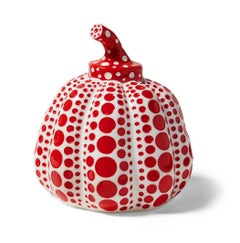
Kusama Pumpkins (Set of 3 works)

Kusama Pumpkins (Set of 3 works)

By Yayoi Kusama

Located in NEW YORK, NY

Yayoi Kusama Set of 3 Pumpkins: Yellow and Black, Red & White and Red & Black Naoshima: An iconic, vibrantly colored pop art set - these small Kusama pumpkin sculptures feat...

Category

Pop Art Mid-20th Century Sculptures

Materials

Resin

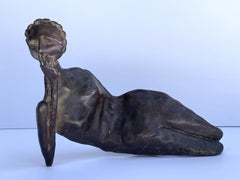
Reclining Figure (woman)

Reclining Figure (woman)

By William King (b.1925)

Located in Wilton Manors, FL

William King (1925-2015). Reclining figure, ca. 1965. Cast and welded bronze, 7 x 9.5 x 5 inches. Unsigned. William King, a sculptor in a variety of materials whose human figures traced social attitudes through the last half of the 20th century, often poking sly and poignant fun at human follies and foibles, died on March 4 at his home in East Hampton, N.Y. He was 90. His death was confirmed by Scott Chaskey, who is married to Mr. King's stepdaughter, Megan Chaskey. Mr. King worked in clay, wood, bronze, vinyl, burlap and aluminum. He worked both big and small, from busts and toylike figures to large public art pieces depicting familiar human poses -- a seated, cross-legged man reading; a Western couple (he in a cowboy hat, she in a long dress) holding hands; a tall man reaching down to tug along a recalcitrant little boy; a crowd of robotic-looking men walking in lock step. But for all its variation, what unified his work was a wry observer's arched eyebrow, the pointed humor and witty rue of a fatalist. His figurative sculptures, often with long, spidery legs and an outlandishly skewed ratio of torso to appendages, use gestures and posture to suggest attitude and illustrate his own amusement with the unwieldiness of human physical equipment. His subjects included tennis players and gymnasts, dancers and musicians, and he managed to show appreciation of their physical gifts and comic delight at their contortions and costumery. His suit-wearing businessmen often appeared haughty or pompous; his other men could seem timid or perplexed or awkward. Oddly, or perhaps tellingly, he tended to depict women more reverentially, though in his portrayals of couples the fragility and tender comedy inherent in couplehood settled equally on both partners. Mr. King's work is in the collections of the Metropolitan Museum of Art and the Museum of Modern Art in New York and the Smithsonian American Art Museum in Washington, among other places, and he had dozens of solo gallery shows in New York and elsewhere. But the comic element of his work probably caused his reputation to suffer. Reviews of his exhibitions frequently began with the caveat that even though the work was funny, it was also serious, displaying superior technical skills, imaginative vision and the bolstering weight of a range of influences, from the ancient Etruscans to American folk art to 20th-century artists including Giacometti, Calder. and Elie Nadelman. The critic Hilton Kramer, one of Mr. King's most ardent advocates, wrote in a 1970 essay accompanying a New York gallery exhibit that he was, "among other things, an amusing artist, and nowadays this can, at times, be almost as much a liability as an asset." A "preoccupation with gesture is the focus of King's sculptural imagination," Mr. Kramer wrote. "Everything that one admires in his work - the virtuoso carving, the deft handling of a wide variety of materials, the shrewd observation and resourceful invention - all this is secondary to the concentration on gesture. The physical stance of the human animal as it negotiates the social arena, the unconscious gait that the body assumes in making its way in the social medium, the emotion traced by the course of a limb, a torso, a head, the features of a face, a coiffure or a costume - from a keen observation of these materials King has garnered a large stock of sculptural images notable for their wit, empathy, simplicity and psychological precision." William Dickey King...

Category

Abstract Mid-20th Century Sculptures

Materials

Bronze

Untitled (Organic abstract bronze sculpture)

Untitled (Organic abstract bronze sculpture)

Located in Wilton Manors, FL

Klaus Ihlenfeld (b.1934). Untitled, ca. 1960. Welded bronze. 8" h.; 5.5 " w; 3.25" d (base). Signed with initial under base. Provenance: Directly from estate of Harry Bertoia. The piece was a gift from Ihlenfeld and is a very early example created during Bertoia apprenticeship era. Excellent condition. Klaus Karl Otto IhlenfeldHe was born in Berlin, Germany in 1934. He studied art at the Hochschule für Bildende Künste and completed graduate work with the metal sculptor Hans Uhlmann. He visited the US in 1957 for the first time living in Durham, NC, where he befriended Dr. W. R. Valentiner, the Rembrandt authority and Director of the Museum of Art, Raleigh, NC. Through this friendship in 1960 he met and worked with the metal sculptor Harry Bertoia in Barto, PA. He joined the Staempfli Gallery in NYC and entered in many group and one-man shows. He has been an Artist-in-Residence in Ogden, Utah; Huntington Museum of Art in West Virginia, Penn State University at University Park; the Colorado State University in Denver; and Shippensburg University. He has large commissions at Kutztown University, Pottstown Hospital, and a monumental relief sculpture at the Emigrant Savings Bank in NYC. He has traveled extensively in Spain, Greece, and Mexico. He is living and working on a farm in Barto, PA welding bronze and forged iron metal sculptures and painting watercolors. Group Shows: North Carolina Museum of Art in Raleigh, NC - 1957 Solomon R. Guggenheim Museum in New York City - 1962 Staempfli Gallery in New York City - 1962, 1964 and 1965 Gallery Ludwig Lange in West Berlin, Germany - 1977 Gallery Herbert Remmert and Dr. Barth in Dusseldorf in West Germany - 1981 Jack Savitt Gallery in Macungie, PA - 1981 and 1984 Heinz Ortleb Gallery, West Berlin, Germany - 1992 Central Bucks Chamber of Commerce Show at the James A. Michener Art Museum in Doylestown, PA - 1997 Berks Art Alliance Show at the Reading Art Museum in Reading, PA - 1997 Mayfair Festival of the Arts at the Allentown Art Museum - 1998 Baum School of Art in Allentown, PA - 1997 Schwenkfelder Library and Heritage Center Art Show in Pennsburg, PA - 2001 Reading Public Museum in Reading PA, 2014 Solo Shows: Kutztown University in Kutztown, PA - 1960 and 1965 Allentown Art Museum in Allentown, PA - 1960 and 1961 Staempfli Gallery in New York City - 1962 Penn State University in University Park, PA - 1964 and 1972 Berks Art Alliance in Wyomissing, PA - 1966 Bertha Eccles Art Center in Ogden, Utah - 1967 Mansfield University in Mansfield, PA - 1967 Huntington Museum of Art in Huntington, WV - 1971 Shippensburg University in Shippensburg, PA - 1972 Albright College in Reading, PA - 1973 Ianuzzi Gallery in Scottsdale, AZ - 1974 Gallery Heimat 85 in West Berlin, Germany - 1977 Jack Savitt Gallery in Macungie, PA - 1981 College Misericordia in Dallas, PA - 1983 Schwenkfelder Library and Heritage Center in Pennsburg, PA, 2013 Periodical Reference: Kaye, Ellen "The Obsessive Collector," Philadelphia Inquirer Sunday Magazine Sptember 21, 1986 pp. 32-33. Chronology: 1-30-1934 Born in Berlin, Germany. Father, Kurt Ihlenfeld, Lutheran pastor, novelist, critic and publisher was born in 1901 in Colmar, Alsace Lorain. Mother, Annie Stuhlmann, was born in 1905 in Breslau, Lower Silesia. 1940 - 1950 Public schools in Berlin; Löwen, Lower Silesia; Coswig, Radebeul, Glaubitz, Saxony. Königin Luise-Gymnasium in Dahlem, Berlin. First artworks, drawings and paintings; few sculptures. 1950 - 1956 Studied at the Hochschule für Bildende Künste in West Berlin, Germany. Graduate work with metal sculptor Hans Uhlmann. For 2 years maintained own studio at the Academy. Friendship with writer Günter Grass, and painter F. S. Sonnenstern. Met painters: Max Pechstein, Karl Schmidt-Rottluff, Carl Hofer, Max Kaus, and sculptors: Bernhard Heiliger, Renee Sintenis, and Richard Scheibe...

Category

Abstract Mid-20th Century Sculptures

Materials

Bronze

Chouette Visage de Femme (A.R.144)

Chouette Visage de Femme (A.R.144)

By Pablo Picasso

Located in PARIS, FR

• Picasso began working with ceramics in 1946 at the Madoura workshop in Vallauris, marking the beginning of an important and highly productive chapter in his career. What initially ...

Category

Modern Mid-20th Century Sculptures

Materials

Ceramic

Banner (abstract expressionist sculpture, Tulsa OK artist)

Banner (abstract expressionist sculpture, Tulsa OK artist)

Located in Wilton Manors, FL

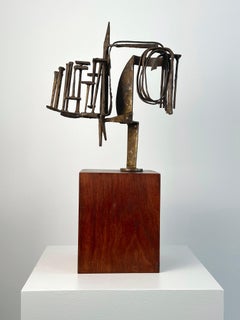
Duayne Hatchett ((1925-2015). Banner, 1958. Welded metal, sculpture measures 11 h. x 9 w. x 3.75 d. inches. Measuring a total of 17.5 inch high on base. Base measures 5.5 x 5.5 by 6 ...

Category

Abstract Expressionist Mid-20th Century Sculptures

Materials

Metal

Bust of Josephine Baker, Mid-Century Ceramic Female Face

Bust of Josephine Baker, Mid-Century Ceramic Female Face

By Vally Wieselthier

Located in Beachwood, OH

Attributed to Vally Wieselthier (Austrian-American, 1895-1945) Bust of Josephine Baker, c. 1930 Ceramic Stamped on base 11.5 x 5.5 x 5.5 inches Vally Wieselthier (1895 Vienna--1945 ...

Category

Mid-20th Century Sculptures

Materials

Ceramic

Oiseau Posé
Oiseau Posé

Oiseau Posé

By Pablo Picasso

Located in PARIS, FR

• An authenticated work Stamped on the base “Madoura plein feu,” this unique painted and partially glazed ceramic is accompanied by a certificate of authenticity issued by Claude Rui...

Category

Modern Mid-20th Century Sculptures

Materials

Ceramic

Puppy - Sculpture by Sirio Pellegrini - 1960s

Puppy - Sculpture by Sirio Pellegrini - 1960s

Located in Roma, IT

Painted Terracotta sculture realized by Sirio Pellegrini in 1960s. Good condition. Sirio Pellegrini, born in Rome on March 1, 1922, of Abruzzo origins (Capestrano), spent his child...

Category

Modern Mid-20th Century Sculptures

Materials

Terracotta

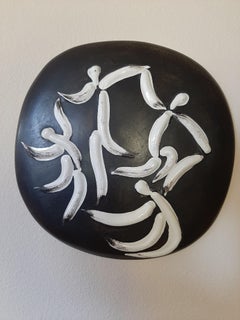
Four Dancers
Four Dancers

Four Dancers

By Pablo Picasso

Located in New York, NY

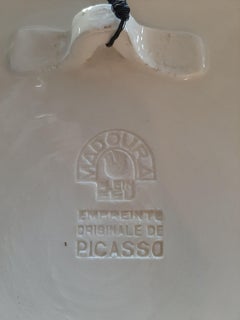
Partially glazed terre-de-faïence convex wall plaque painted in black and white, 1956. Edition of 450. With the Madoura Plein Feu and Empreinte Originale de Picasso stamps, verso. ...

Category

Cubist Mid-20th Century Sculptures

Materials

Clay, Ceramic

Heavy Bronze Sculpture Austrian Israeli judaica Jewish Couple Bench Nicky Imber

Heavy Bronze Sculpture Austrian Israeli judaica Jewish Couple Bench Nicky Imber

By Nicky Imber

Located in Surfside, FL

Large and heavy with magnificent patina. This is the large version of this piece. we cannot find any markings on it and it might be unique. Nicky Imber (Vienna, Austria, 1920 -1996) was a multidisciplinary Jewish artist best known for his sculptures on Jewish themes. Grand nephew of Naftali Herz Imber, author of the Israeli national anthem 'Hatikva'. After escaping the Nazi concentration camp in Dachau, he pledged to dedicate his art to perpetuating the memory of the Holocaust. Among his more famous works are "The Hope" and "The Love of Torah". His work can be seen around the world, in Northern Israel, the United States, and the Venezuelan Museum of Natural History in Caracas. Nicky Imber was born in Vienna, Austria. During his studies at the Academy of Arts in Vienna, he drew anti-Nazi caricatures for Jewish student publications. After several thwarted attempts by the family to leave Vienna, in 1938, in the wake of the 'Anschluss', Imber was deported to Dachau. Witnessing the murders of family and friends, he plotted his escape. Using skills he had learned in art school, he made a face mask out of bread and sand, stole a Nazi soldier's uniform and walked out the front gate unnoticed. In 1940, he boarded a ship headed to Haifa. The ship's passengers were refused entry by the British mandatory authorities and imprisoned in a detention camp in Mauritius. In 1943, Imber worked out a deal with the authorities for his release by joining the British Army, serving as a war artist and a dental assistant in East Africa. After the war, he opened an art school in Nairobi, Kenya, and worked as a photographer and a safari guide. In 1949 to 1954, he lived in Venezuela, where he was contracted to do an East African Diorama series. The National Museum added an entire wing to display it. During this period he got married and had a daughter Raquel, who accompanied and assisted him. In 1959, Imber was commissioned to create sculptures and dioramas for the Haifa Prehistory Museum at Gan Ha-em in Haifa, Israel. In 1960 he returned to Venezuela to restaured the Phelps series of Dioramas for the Museum in Caracas. Between 1961 and 1971 he travelled extensively around Europe and after establishing an international name for himself, returned to the United States. In New York he became famous for his realistic oil paintings of portraits of Aga Khan, Tyrone Power, Ava Gardner, David Ben-Gurion, Golda Meir, Sir Richard Burton...

Category

Post-Impressionist Mid-20th Century Sculptures

Materials

Marble, Bronze

Faune à la Diaule
Faune à la Diaule

Faune à la Diaule

By Pablo Picasso

Located in PARIS, FR

• An authenticated work This work is authenticated by Claude Ruiz Picasso, who issued a certificate of authenticity on January 17, 2019. • A signed and dated work Dated July 11, 195...

Category

Modern Mid-20th Century Sculptures

Materials

Ceramic

Hibou
Hibou

Hibou

By Pablo Picasso

Located in PARIS, FR

• A unique ceramic by Pablo Picasso This work is a unique ceramic by Pablo Picasso, dated on the reverse, reflecting the artist’s direct and personal intervention in the creation of ...

Category

Modern Mid-20th Century Sculptures

Materials

Ceramic

Mountain Goat
Mountain Goat

Mark MorrisonMountain Goat, ca. 1940

$1,000Sale Price|50% Off

Mountain Goat

Located in Wilton Manors, FL

Mark Morrison (1895-1964) Mountain Goat, ca. 1940 Carved diorite 3 7/8" wide, 2.5" deep, height is 3" Provenance: Estate of Mrs. Mark Morrison. Born: Kingfisher, OK Educatio...

Category

Realist Mid-20th Century Sculptures

Materials

Stone

Famille, Têtes Laurées : Quatre Personnages

Famille, Têtes Laurées : Quatre Personnages

By Pablo Picasso

Located in PARIS, FR

• A unique ceramic work by Pablo Picasso Famille, Têtes Laurées : Quatre Personnages is a unique ceramic composition by Pablo Picasso, dated August 8, 1956, with the date inscribed a...

Category

Modern Mid-20th Century Sculptures

Materials

Ceramic

Brutalist Hand Forged Iron Mosaic Sculpture Wall Sconce Israeli David Palombo

Brutalist Hand Forged Iron Mosaic Sculpture Wall Sconce Israeli David Palombo

By David Palombo

Located in Surfside, FL

Hand Forged Iron Stone Mosaic Pricket Sconce Candelabra Holocaust Memorial Judaic Wall Sconce Sculpture David Palombo was an Israeli sculptor and painter. He was born in Turkey to a traditional family and immigrated to the Land of Israel with his parents in 1923. They lived in the Nahalat Shiva neighborhood of Jerusalem. In 1940 he began his studies at Bezalel Academy of Arts and Design, and from 1942 was a student of sculptor Ze’ev Ben-Zvi. For a period of time, Palombo was an assistant at Ben-Zvi’s studio and also taught at Bezalel. During this period he was also a member of the “Histadrut HaNoar HaOved VeHaLomed” (The General Federation of Students and Young Workers in Israel). In the 1940s he took art lessons at night. In 1948 he went to Paris, where he visited the studio of the sculptor Constantin Brancusi whose work influenced him. Around 1958 he married the artist Shulamit Sirota. In 1960 he quit his job to devote himself to art. In 1964 he married for the second time to the artist Yona Palombo. The two of them went to live in an abandoned home on Mount Zion in Jerusalem. In 1966 he was killed when the motorcycle on which he was riding ran into a chain stretched across the street to prevent the desecration of Shabbat. His widow opened a museum in their home that was active until the year 2000. Work by Palombo is included in the Judaic collection of the Jewish Museum (a well known Hanukkah menora). Palombo executed the impressive metal gates of the Tent of Remembrance at the Yad Vashem, the memorial to the martyrs of the holocaust, as well as the gates to the Knesset Building the United Nations Educational Scientific and Cultural Organization (Unesco award) awarded him a scholarship for study in Japan. He worked in marble, granite, bronze, iron and steel. as well as with glass mosaic tiles. Palombo’s early works, in the 1950s, were influenced by modernist sculptors such as Brancusi. These works were composed of abstract images from nature and were carved out of stone or wood. At the end of the 1950s he began making metal sculptors, using the technique of welding. His work took on a more abstract and expressive character. Education 1940 Painting with Isidor Ascheim, New Bezalel School for Arts and Crafts, Jerusalem 1942 Sculpture with Zeev Ben Zvi, Jerusalem 1956 Mosaic, Ravenna, Italy 1958 Welding Course Awards And Prizes 1966 UNESCO Award Exhibitions: Sculpture in Israel, 1948-1958 Mishkan Museum of Art, Kibbutz Ein Harod Artists: Zvi Aldouby, Yitzhak Danziger, Arieh Merzer, Dov Feigin, Aaron Priver, David Palumbo, Menashe Kadishman, Kosso Eloul, Yehiel Shemi, Zahara Schatz. The Spring Exhibition of Jerusalem Artists, Artists' House, Jerusalem Artists: Palombo, David Bezalel Schatz, Mordechai Levanon, Fima, Ludwig Blum 12 Artists, The Bezalel National Museum, Jerusalem Avraham Ofek, Aviva Uri, Avigdor Arikha, Yosl Bergner, Lea Nikel, Palombo, Ruth Zarfati...

Category

Arte Povera Mid-20th Century Sculptures

Materials

Iron

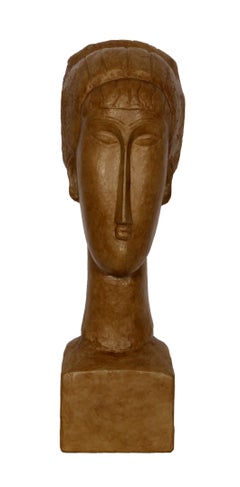
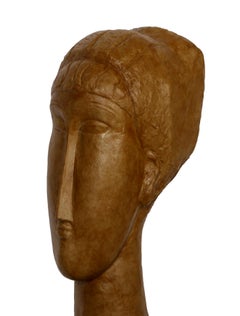
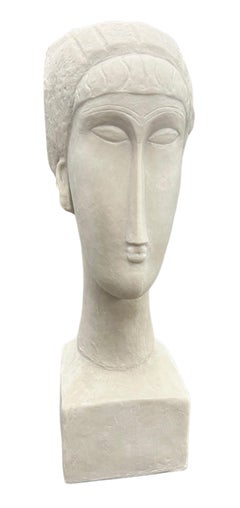
Tête de Femme, after Modigliani

Tête de Femme, after Modigliani

By Amedeo Modigliani

Located in Long Island City, NY

Tete de Femme after Modigliani, produced by Austin Productions in 1961. Austin Productions started in Brooklyn in 1952 and began manufacturing reprodu...

Category

Modern Mid-20th Century Sculptures

Materials

Resin

Kusama Plush Pumpkin (Kusama yellow & black pumpkin)

Kusama Plush Pumpkin (Kusama yellow & black pumpkin)

By Yayoi Kusama

Located in NEW YORK, NY

Yayoi Kusama Yellow & Black Pumpkin (plush): An iconic, vibrantly colored pop art piece - this large Kusama plush pumpkin features the universal polka dot patterns and bold colors fo...

Category

Contemporary Mid-20th Century Sculptures

Materials

Nylon

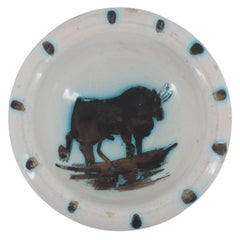
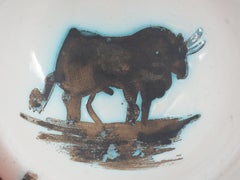
Pablo Picasso, "Tauromachy Scene", ceramic plate

Pablo Picasso, "Tauromachy Scene", ceramic plate

By Pablo Picasso

Located in Chatsworth, CA

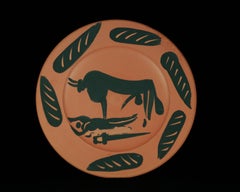
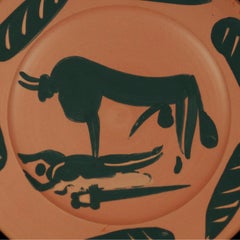
This piece is an A.R. turned round plate by Pablo Picasso made in 1957. It is made with red earthenware clay, engobe decoration, and knife engraved in black. It is numbered 279/ 500 ...

Category

Modern Mid-20th Century Sculptures

Materials

Ceramic

Bouteille Gravée (A.R.249)

Bouteille Gravée (A.R.249)

By Pablo Picasso

Located in PARIS, FR

• Picasso began working with ceramics in 1946 at the Madoura workshop in Vallauris, marking the beginning of an important and highly productive chapter in his career. What initially ...

Category

Modern Mid-20th Century Sculptures

Materials

Ceramic

Girl with a Kid / - Caresses of innocence -

Girl with a Kid / - Caresses of innocence -

By Ary Bitter

Located in Berlin, DE

Ary Bitter (1883 Marseille - 1973 Paris), Girl with Kid, around 1930. Green patinated bronze with cast plinth loosely mounted on a white-veined dark green marble base. Dimensions of the plinth: 5 cm (height) x 80 cm (length) x 24 (width), dimensions of the bronze 28 cm (height) x 72 cm (length) x 18 cm (width). Weight of the bronze 18.2 kg, total weight 39.2 kg. Signed “Ary Bitter.” on the plinth and stamped “L N Paris J L” by the foundry Les Neveux de Jacques Lehmann...

Category

Art Deco Mid-20th Century Sculptures
Materials

Bronze

Hibou
Hibou

Hibou

By Pablo Picasso

Located in PARIS, FR

• Signed and certified work This unique ceramic was executed in Vallauris in 1957 and is accompanied by a certificate of authenticity issued by Paloma Ruiz Picasso and Diana Widmaier...

Category

Modern Mid-20th Century Sculptures

Materials

Ceramic

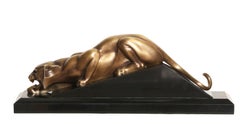
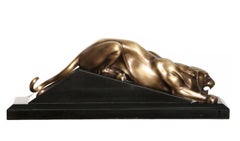
Tigre à l'affût, Art Deco Bronze Sculpture by Georges Lavroff

Tigre à l'affût, Art Deco Bronze Sculpture by Georges Lavroff

By Georges Lavroff

Located in Long Island City, NY

Georges Lavroff, Russian (1895 - 1991) - Tigre à l'affût, Year: circa 1925, Medium: Bronze sculpture on marble base, signature inscribed at base, Size: 4.5 x 21 x 4 in. (11.43 x 5...

Category

Art Deco Mid-20th Century Sculptures
Materials

Marble, Bronze

Chouette (A.R.542)
Chouette (A.R.542)

Chouette (A.R.542)

By Pablo Picasso

Located in PARIS, FR

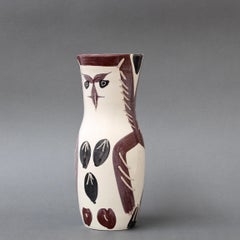
• Picasso began working with ceramics in 1946 at the Madoura workshop in Vallauris, marking the beginning of an important and highly productive chapter in his career. What initially ...

Category

Modern Mid-20th Century Sculptures
Materials

Ceramic

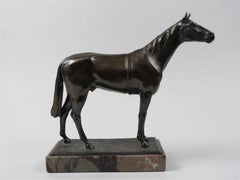
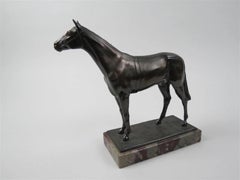
Horse
Horse

Horse

Located in Greenwich, CT

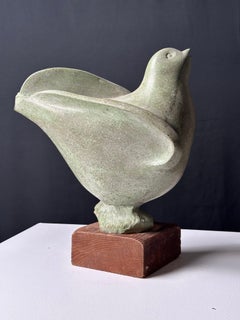
Figure of a horse , French 1940's , on a marble base appears unsigned finely carved, beautiful rendering, nice patina

Category

Mid-20th Century Sculptures
Materials

Bronze

Read More

At Hosfelt Gallery, Bertoia Masterworks Complement Dynamic Contemporary Art

For nearly three decades, San Francisco–based Todd Hosfelt has curated against the grain — with a show on the legendary modernist Harry Bertoia the latest case in point.

This Weathered-Steel Sculpture Distills a Form of Protest into a Minimalist Monument

Part of Alejandro Vega Beuvrin’s “Barricada” series, the work is a subversive tribute to the street smarts of citizen activists.

How the Chunky, Funky Ceramics of 5 Mid-Century American Artists Balanced Out Slick Modernism

Get to know the innovators behind the pottery countercultural revolution.

Art Brings the Drama in These Intriguing 1stDibs 50 Spaces

The world’s top designers explain how they display art to elicit the natural (and supernatural) energy of home interiors.

Chryssa’s 1962 Neon Sculpture Was Way ahead of the Art-World Curve

By working with lettering, neon and Pop imagery, Chryssa pioneered several postmodern themes at a time when most male artists detested commercial mediums.

How to Spot a Fake KAWS Figure

KAWS art toys have developed an avid audience in recent decades, and as in any robust collectible market, counterfeiters have followed the mania. Of course, you don’t have to worry about that on 1stDibs, where all our sellers are highly vetted.

A Giant Wedding Cake Has Us Looking at Portuguese Tiles in a New Light

At Waddesdon Manor, artist Joana Vasconcelos has installed a three-tiered patisserie inspired by the narrative tile work of her homeland. We take a look at the cake sculpture and how Portuguese tiles have been used in architecture from the 17th century to today.

These Soft Sculptures Are Childhood Imaginary Friends Come to Life
Miami artist and designer Gabriela Noelle’s fantastical creations appeal to the Peter Pan in all of us.