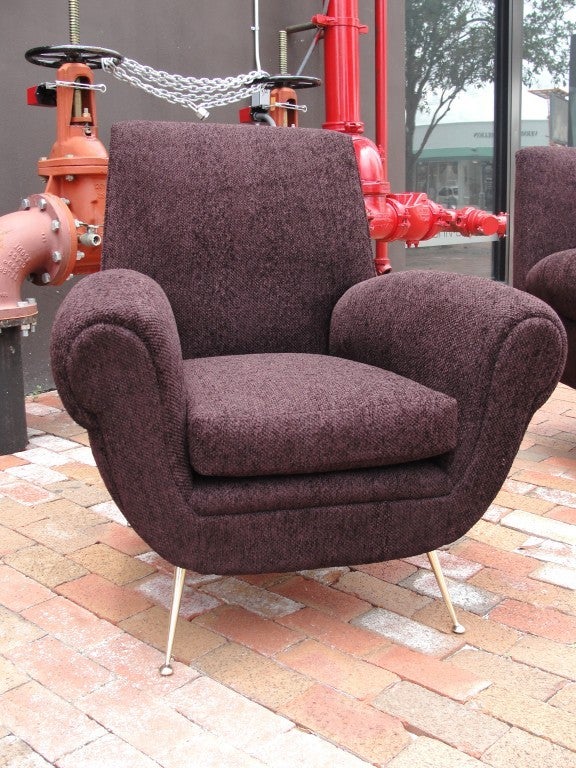
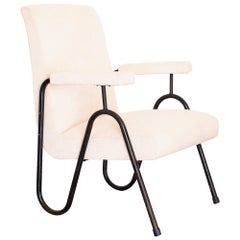
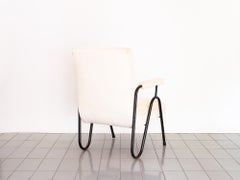
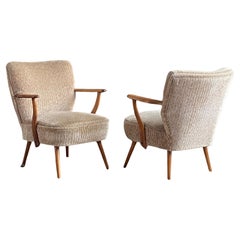
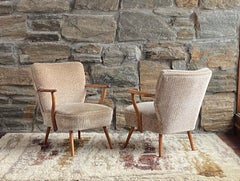
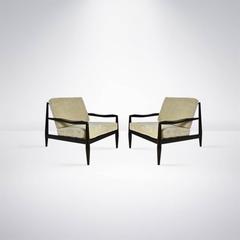
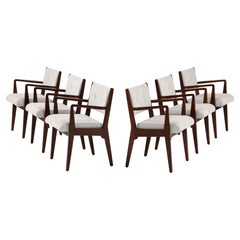
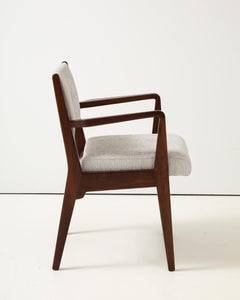
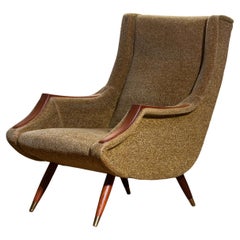
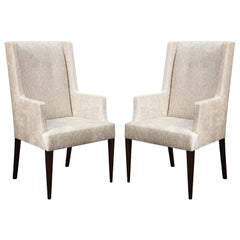
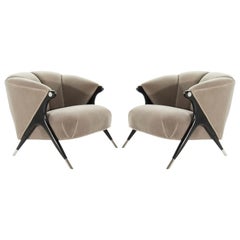
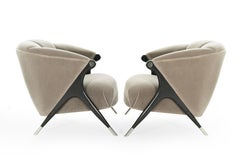
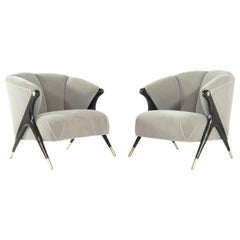
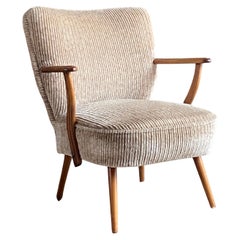
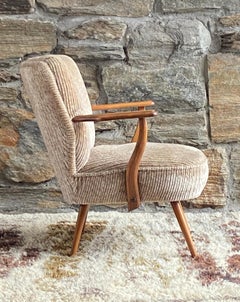
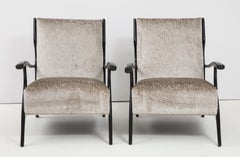
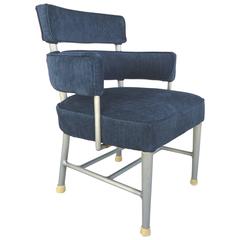
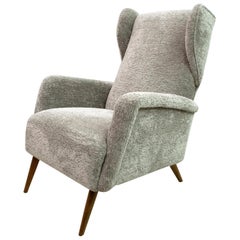
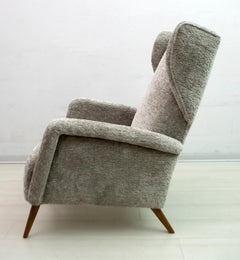
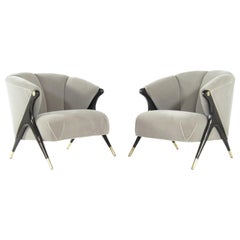
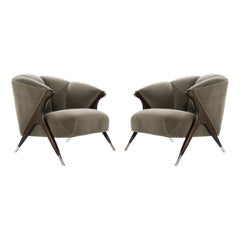
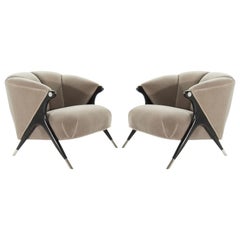
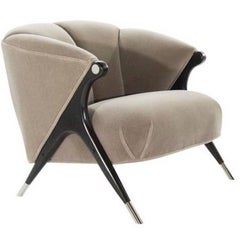
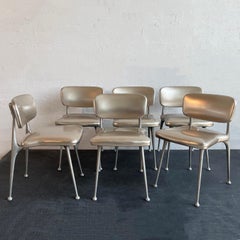
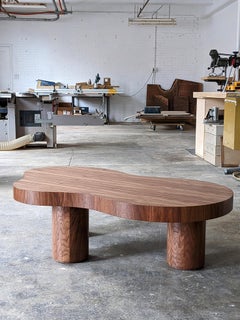
1950s Chenille Chairs
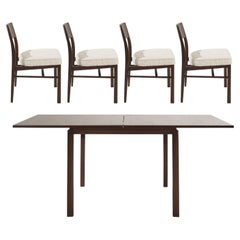
Mid-20th Century American Mid-Century Modern Dining Room Chairs
Bronze
Recent Sales
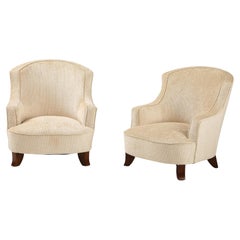
Vintage 1950s Italian Mid-Century Modern Bergere Chairs
Chrome
Vintage 1950s Italian Chairs
Brass
Vintage 1950s French Mid-Century Modern Lounge Chairs
Chenille, Walnut
Vintage 1950s Italian Club Chairs
Vintage 1950s Danish Mid-Century Modern Club Chairs
Chenille
Vintage 1950s Danish Mid-Century Modern Club Chairs
Chenille
Vintage 1950s Danish Mid-Century Modern Club Chairs
Chenille
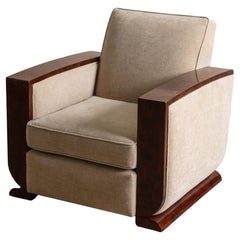
Vintage 1950s French Art Deco Club Chairs
Fabric, Burl
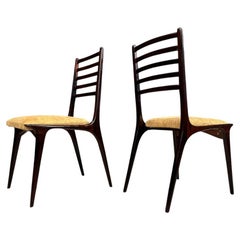
Mid-20th Century Brazilian Mid-Century Modern Dining Room Chairs
Hardwood, Chenille
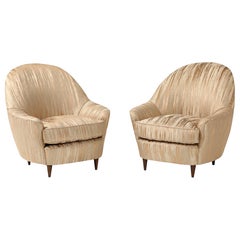
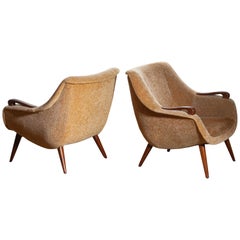
Vintage 1950s Italian Mid-Century Modern Lounge Chairs
Chenille, Walnut
Mid-20th Century Brazilian Mid-Century Modern Lounge Chairs
Iron
Mid-20th Century American Mid-Century Modern Lounge Chairs
Chenille, Mahogany
Mid-20th Century American Mid-Century Modern Lounge Chairs
Chenille, Walnut
Mid-20th Century American Mid-Century Modern Lounge Chairs
Chenille, Walnut
Mid-20th Century American Mid-Century Modern Chairs
Chenille, Walnut
Mid-20th Century American Lounge Chairs
Chenille, Walnut
Vintage 1950s American Mid-Century Modern Dining Room Chairs
Chenille, Walnut
Vintage 1950s Italian Lounge Chairs
Chenille, Teak
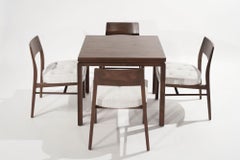
Mid-20th Century American Mid-Century Modern Dining Room Chairs
Chenille, Maple
Vintage 1950s Danish Scandinavian Modern Dining Room Chairs
Brass
Vintage 1950s American Mid-Century Modern Armchairs
Chenille, Mahogany
Mid-20th Century American Mid-Century Modern Armchairs
Brass
Mid-20th Century American Mid-Century Modern Armchairs
Brass
Mid-20th Century American Mid-Century Modern Game Tables
Chenille, Mahogany
Vintage 1950s French Mid-Century Modern Lounge Chairs
Chenille, Walnut
Vintage 1950s Danish Mid-Century Modern Club Chairs
Chenille
Mid-20th Century Italian Mid-Century Modern Lounge Chairs
Brass
Vintage 1950s Italian Mid-Century Modern Lounge Chairs
Chenille
Vintage 1950s American Mid-Century Modern Armchairs
Metal
Vintage 1950s Italian Mid-Century Modern Armchairs
Velvet, Beech, Fir
Mid-20th Century American Mid-Century Modern Armchairs
Brass
Mid-20th Century American Mid-Century Modern Armchairs
Brass
Mid-20th Century American Mid-Century Modern Armchairs
Brass
Mid-20th Century American Mid-Century Modern Armchairs
Brass
Vintage 1950s Italian Mid-Century Modern Bergere Chairs
Chrome
Vintage 1950s Danish Mid-Century Modern Lounge Chairs
Fabric, Beech, Walnut, Chenille
Vintage 1950s American Industrial Armchairs
Steel
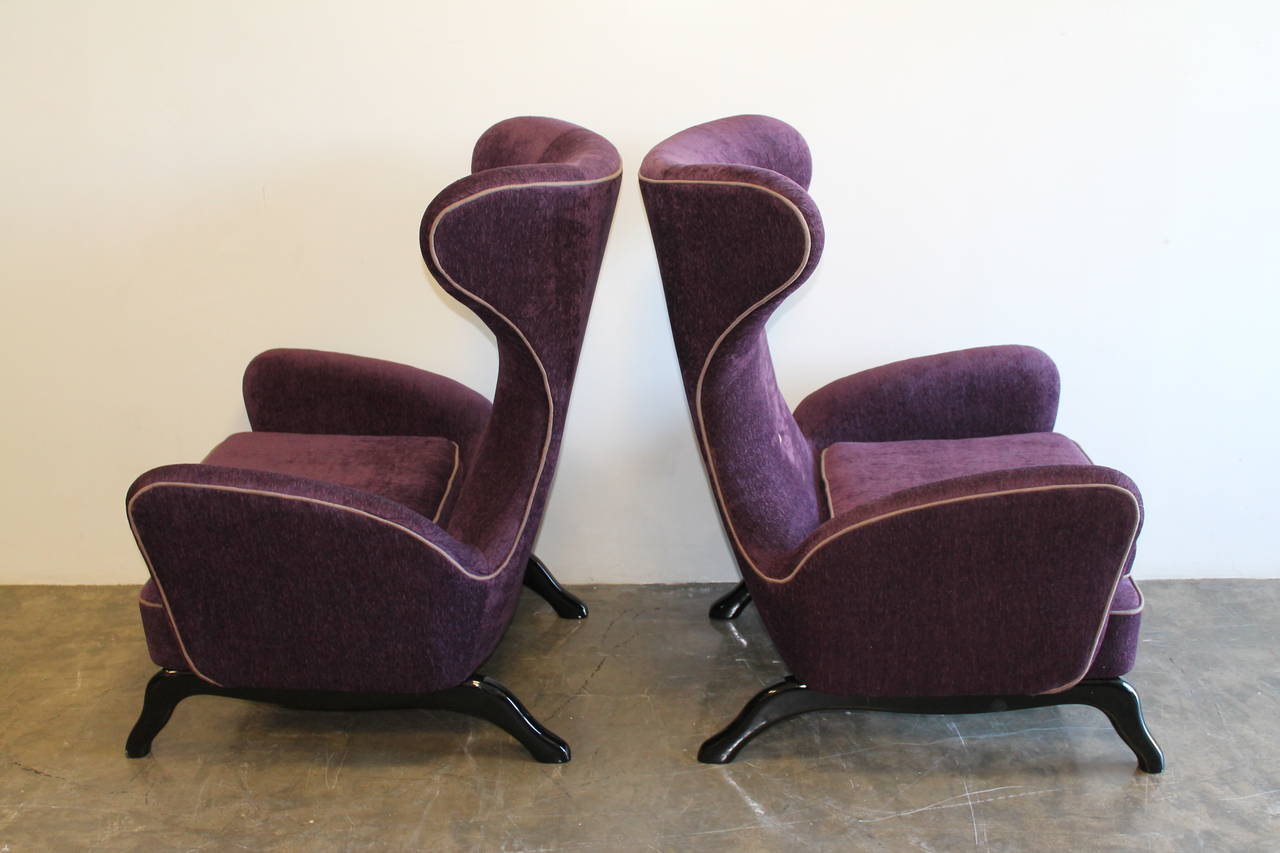
Vintage 1950s Italian Mid-Century Modern Wingback Chairs
Chenille, Foam, Wood
People Also Browsed
21st Century and Contemporary Italian Mid-Century Modern Dining Room Chairs
Velvet, Beech
Mid-20th Century Italian Mid-Century Modern Lounge Chairs
Brass
2010s Mexican Mid-Century Modern Dining Room Chairs
Ash
Vintage 1970s Italian Mid-Century Modern Dining Room Chairs
Leather, Wood
Mid-20th Century European Mid-Century Modern Armchairs
Mohair, Wood
2010s Brazilian Modern Stools
Cane, Walnut, Wood
2010s Mexican Mid-Century Modern Stools
Hardwood
2010s American Console Tables
Aluminum, Brass
21st Century and Contemporary Danish Scandinavian Modern Armchairs
Sheepskin
2010s Portuguese Mid-Century Modern Dining Room Tables
Stone, Limestone, Travertine, Marble
Vintage 1950s Italian Mid-Century Modern Table Lamps
Brass
21st Century and Contemporary Organic Modern Ottomans and Poufs
Linen, Wood
21st Century and Contemporary German Modern Floor Lamps
Travertine
21st Century and Contemporary American Mid-Century Modern Benches
Oak, Walnut
Mid-20th Century Dutch Mid-Century Modern Side Chairs
Wood
2010s British Scandinavian Modern Lounge Chairs
Alpaca, Beech, Oak
1950s Chenille Chairs For Sale on 1stDibs
How Much are 1950s Chenille Chairs?
A Close Look at Mid-century Modern Furniture
Organically shaped, clean-lined and elegantly simple are three terms that well describe vintage mid-century modern furniture. The style, which emerged primarily in the years following World War II, is characterized by pieces that were conceived and made in an energetic, optimistic spirit by creators who believed that good design was an essential part of good living.
ORIGINS OF MID-CENTURY MODERN FURNITURE DESIGN
- Emerged during the mid-20th century
- Informed by European modernism, Bauhaus, International style, Scandinavian modernism and Frank Lloyd Wright’s architecture
- A heyday of innovation in postwar America
- Experimentation with new ideas, new materials and new forms flourished in Scandinavia, Italy, the former Czechoslovakia and elsewhere in Europe
CHARACTERISTICS OF MID-CENTURY MODERN FURNITURE DESIGN
- Simplicity, organic forms, clean lines
- A blend of neutral and bold Pop art colors
- Use of natural and man-made materials — alluring woods such as teak, rosewood and oak; steel, fiberglass and molded plywood
- Light-filled spaces with colorful upholstery
- Glass walls and an emphasis on the outdoors
- Promotion of functionality
MID-CENTURY MODERN FURNITURE DESIGNERS TO KNOW
- Charles and Ray Eames
- Eero Saarinen
- Milo Baughman
- Florence Knoll
- Harry Bertoia
- Isamu Noguchi
- George Nelson
- Danish modernists Hans Wegner and Arne Jacobsen, whose emphasis on natural materials and craftsmanship influenced American designers and vice versa
ICONIC MID-CENTURY MODERN FURNITURE DESIGNS
- Eames lounge chair
- Nelson daybed
- Florence Knoll sofa
- Egg chair
- Womb chair
- Noguchi coffee table
- Barcelona chair
VINTAGE MID-CENTURY MODERN FURNITURE ON 1STDIBS
The mid-century modern era saw leagues of postwar American architects and designers animated by new ideas and new technology. The lean, functionalist International-style architecture of Le Corbusier and Bauhaus eminences Ludwig Mies van der Rohe and Walter Gropius had been promoted in the United States during the 1930s by Philip Johnson and others. New building techniques, such as “post-and-beam” construction, allowed the International-style schemes to be realized on a small scale in open-plan houses with long walls of glass.
Materials developed for wartime use became available for domestic goods and were incorporated into mid-century modern furniture designs. Charles and Ray Eames and Eero Saarinen, who had experimented extensively with molded plywood, eagerly embraced fiberglass for pieces such as the La Chaise and the Womb chair, respectively.
Architect, writer and designer George Nelson created with his team shades for the Bubble lamp using a new translucent polymer skin and, as design director at Herman Miller, recruited the Eameses, Alexander Girard and others for projects at the legendary Michigan furniture manufacturer.
Harry Bertoia and Isamu Noguchi devised chairs and tables built of wire mesh and wire struts. Materials were repurposed too: The Danish-born designer Jens Risom created a line of chairs using surplus parachute straps for webbed seats and backrests.
The Risom lounge chair was among the first pieces of furniture commissioned and produced by celebrated manufacturer Knoll, a chief influencer in the rise of modern design in the United States, thanks to the work of Florence Knoll, the pioneering architect and designer who made the firm a leader in its field. The seating that Knoll created for office spaces — as well as pieces designed by Florence initially for commercial clients — soon became desirable for the home.
As the demand for casual, uncluttered furnishings grew, more mid-century furniture designers caught the spirit.
Classically oriented creators such as Edward Wormley, house designer for Dunbar Inc., offered such pieces as the sinuous Listen to Me chaise; the British expatriate T.H. Robsjohn-Gibbings switched gears, creating items such as the tiered, biomorphic Mesa table. There were Young Turks such as Paul McCobb, who designed holistic groups of sleek, blond wood furniture, and Milo Baughman, who espoused a West Coast aesthetic in minimalist teak dining tables and lushly upholstered chairs and sofas with angular steel frames.
Generations turn over, and mid-century modern remains arguably the most popular style going. As the collection of vintage mid-century modern chairs, dressers, coffee tables and other furniture for the living room, dining room, bedroom and elsewhere on 1stDibs demonstrates, this period saw one of the most delightful and dramatic flowerings of creativity in design history.
Finding the Right Seating for You
With entire areas of our homes reserved for “sitting rooms,” the value of quality antique and vintage seating cannot be overstated.
Fortunately, the design of side chairs, armchairs and other lounge furniture — since what were, quite literally, the early perches of our ancestors — has evolved considerably.
Among the earliest standard seating furniture were stools. Egyptian stools, for example, designed for one person with no seat back, were x-shaped and typically folded to be tucked away. These rudimentary chairs informed the design of Greek and Roman stools, all of which were a long way from Sori Yanagi's Butterfly stool or Alvar Aalto's Stool 60. In the 18th century and earlier, seats with backs and armrests were largely reserved for high nobility.
The seating of today is more inclusive but the style and placement of chairs can still make a statement. Antique desk chairs and armchairs designed in the style of Louis XV, which eventually included painted furniture and were often made of rare woods, feature prominently curved legs as well as Chinese themes and varied ornaments. Much like the thrones of fairy tales and the regency, elegant lounges crafted in the Louis XV style convey wealth and prestige. In the kitchen, the dining chair placed at the head of the table is typically reserved for the head of the household or a revered guest.
Of course, with luxurious vintage or antique furnishings, every chair can seem like the best seat in the house. Whether your preference is stretching out on a plush sofa, such as the Serpentine, designed by Vladimir Kagan, or cozying up in a vintage wingback chair, there is likely to be a comfy classic or contemporary gem for you on 1stDibs.
With respect to the latest obsessions in design, cane seating has been cropping up everywhere, from sleek armchairs to lounge chairs, while bouclé fabric, a staple of modern furniture design, can be seen in mid-century modern, Scandinavian modern and Hollywood Regency furniture styles.
Admirers of the sophisticated craftsmanship and dark woods frequently associated with mid-century modern seating can find timeless furnishings in our expansive collection of lounge chairs, dining chairs and other items — whether they’re vintage editions or alluring official reproductions of iconic designs from the likes of Hans Wegner or from Charles and Ray Eames. Shop our inventory of Egg chairs, designed in 1958 by Arne Jacobsen, the Florence Knoll lounge chair and more.
No matter your style, the collection of unique chairs, sofas and other seating on 1stDibs is surely worthy of a standing ovation.
- What is 1950s furniture called?1 Answer1stDibs ExpertSeptember 23, 20241950s furniture is called vintage furniture. Some pieces produced during this period may be considered mid-century modern based on their characteristics. Mid-century modern design refers to the variety of modernism that rose to prominence in the 1940s and ’50s. It displays many of the characteristics of the earlier versions of modernism, including simple forms and a focus on functionality. Other traits common in mid-century modern furniture include unadorned silhouettes, clean lines and mixed materials, emphasizing wood, wool, steel and plastic. On 1stDibs, explore a large collection of 1950s furniture.
- 1stDibs ExpertApril 5, 2022Yes. While the gem has always been a mainstay in jewelry, there was a boom in demand for pearl pieces in the 1950s. The style at the time was black-and-white-chic, and pearls were an excellent accompaniment to pieces like the classic little black dress. Shop a collection of expertly vetted pearl jewelry from some of the world’s top sellers on 1stDibs.
- 1stDibs ExpertJune 30, 2023Some popular watches for men during the 1950s were the Rolex Submariner, the Enicar Sherpa Dive, the Breitling Navitimer, Omega, Constellation and the Rolex GMT-Master. Rolex, Timex, Orvin, Tower and Elgin were among the top watchmakers for women during the decade. On 1stDibs, find a collection of antique, vintage and contemporary watches.
- 1stDibs ExpertFebruary 21, 2024The clothing style in the 1950s was well tailored and classic. For women, dresses with padded busts, cinched waists and hips, and full circle skirts were popular, and the collared button-up shirt dress came into fashion during the decade. Men tended to wear suits in neutral gray, dark blue and brown colors made out of easy-to-care-for synthetic fabrics. Straight-cut double-breasted blazers were commonly worn for casual occasions. On 1stDibs, explore a variety of vintage clothing from the 1950s.
- 1stDibs ExpertNovember 21, 2023In the 1950s, several diamond cuts were popular. They included the brilliant round cut, the Asscher cut, the emerald cut and the marquise cut. Rings that featured a large central stone flanked by smaller baguettes were also trendy during the decade. Find a collection of vintage diamond jewelry on 1stDibs.
- 1stDibs ExpertNovember 27, 2023In the 1950s, a Chanel bag was priced between $200 and $300. The iconic Chanel 2.55 bag cost $220 when first introduced in February 1955. Accounting for inflation, that works out to around $2,536 in today's money. On 1stDibs, find a diverse assortment of Chanel bags from some of the world's top boutiques.
- 1stDibs ExpertNovember 6, 2023There were a few popular diamond cuts in the 1950s. One was the brilliant round cut, which is still common today due to its simple shape and prominent sparkle. Other favorite cuts of the decade included the Asscher cut, the emerald cut and the marquise cut. On 1stDibs, explore a large selection of engagement rings.
- 1stDibs ExpertNovember 13, 2024The best-known 1950s furniture style is called mid-century modern. Organically shaped, clean-lined and elegantly simple are three phrases that describe vintage mid-century modern furniture. The style emerged primarily in the years following World War II through creators who believed that good design was an essential part of good living. Mid-century modern designers combined natural and human-made materials, such as teak, rosewood and oak woods as well as steel, fiberglass and molded plywood. Some well-known mid-century modern designers include Charles and Ray Eames, Eero Saarinen, Milo Baughman, Florence Knoll, Harry Bertoia, Isamu Noguchi and George Nelson. On 1stDibs, shop a large selection of mid-century modern furniture.
- Which artist became famous for his series of black paintings in the late 1950s and early 1960s?1 Answer1stDibs ExpertJanuary 27, 2025Frank Stella is the artist who became famous for his series of black paintings in the late 1950s and early 1960s. These works featured bands of black paint separated by thin, precise stripes of bare canvas. At a time when contemporary painting was all about wild gestures, thick paint and formal abandon, the “Black Paintings” created a sensation. Explore a range of Frank Stella art on 1stDibs.
Read More
The 21 Most Popular Mid-Century Modern Chairs
You know the designs, now get the stories about how they came to be.
Mies van der Rohe’s Barcelona Chair Shook Modernism and Charmed Hollywood
The enduring appeal of the Barcelona chair is in the details.
Herman Miller Got Its Start in the Office, but Its Legacy Is in the Home
The brand that turned Charles and Ray Eames, Isamu Noguchi and George Nelson into mid-century household names is just as relevant today as it was six decades ago.
May’s Most Popular Interiors on Instagram
Our feed is filled with the world's most beautiful spaces. See the rooms our followers have deemed the best of the best this month.
April’s Most-Liked Interiors on Instagram
Our feed is filled with the world's most beautiful spaces. See the 10 our followers have deemed the best of the best this month.
See How New York City Designers Experiment on Their Own Homes
There are many lessons to be learned from the lofts, apartments and townhouses of architects and decorators in Manhattan and beyond.
Jeff Andrews Captures Old Hollywood Glamour in His Cinematic Spaces
Having created extravagant homes for reality TV’s biggest stars, the designer is stepping into the spotlight with his first book.
New Orleans’ Lee Ledbetter Makes Design Magic by Mixing Past and Present
The Louisiana-born and -bred architect talks to 1stdibs about the art of making timeless places that matter.