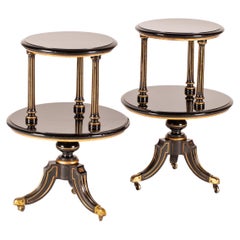
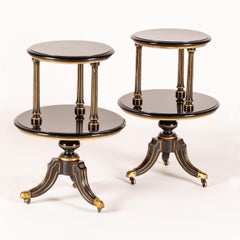
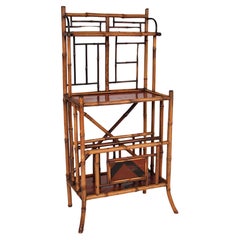
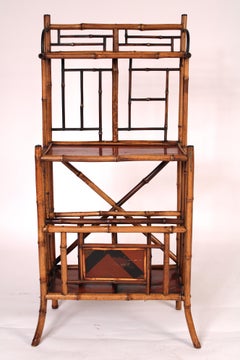
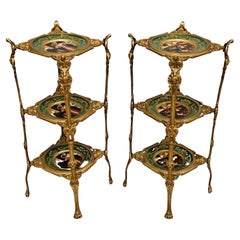
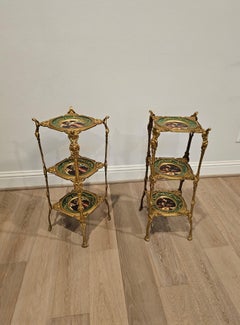
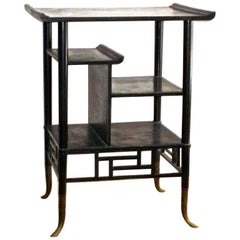
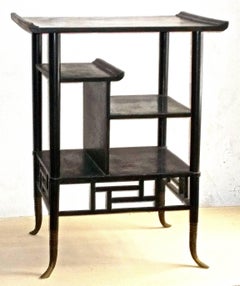
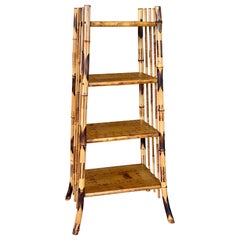
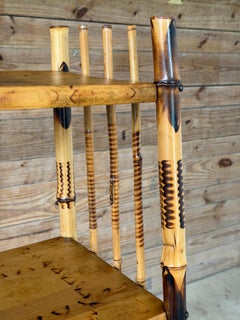
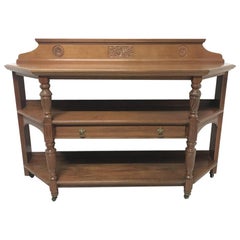
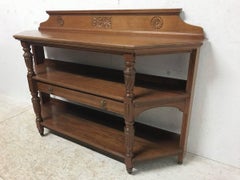
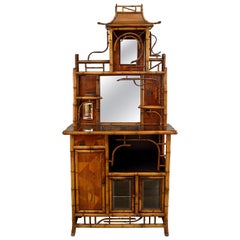
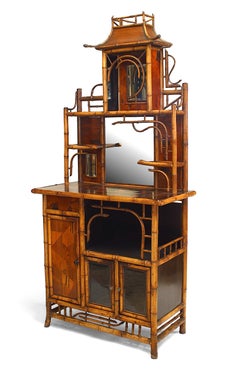
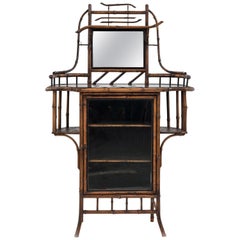
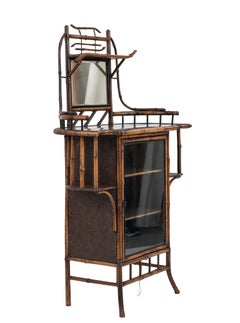
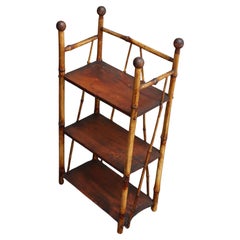
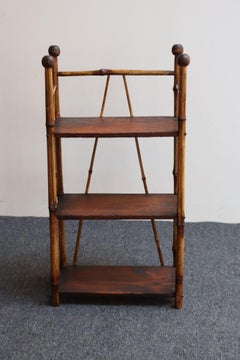
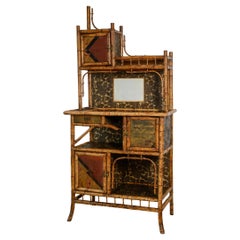
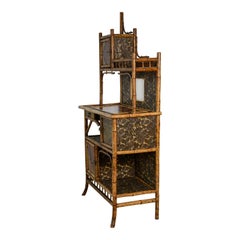
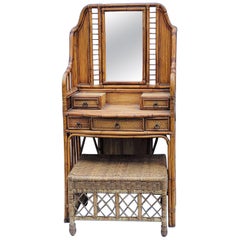
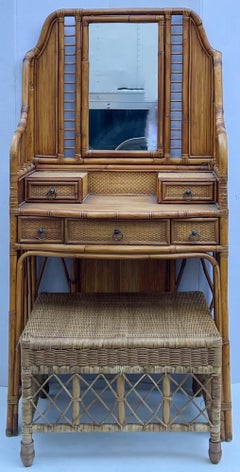
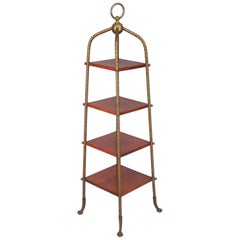
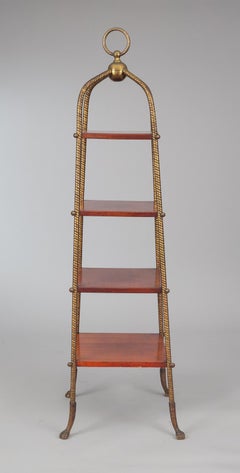
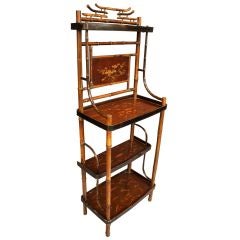
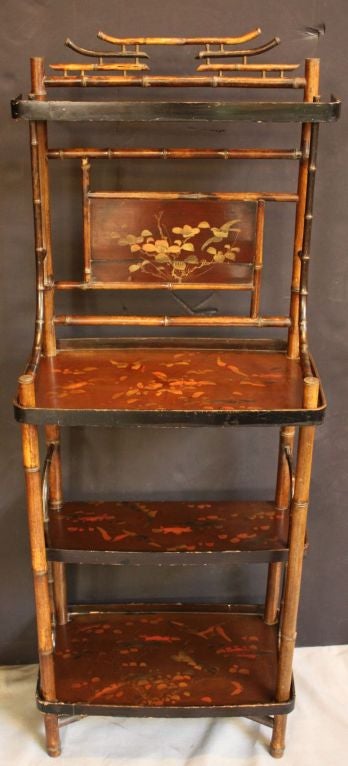
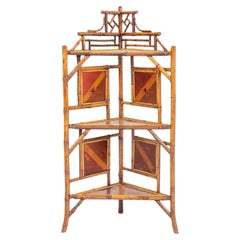
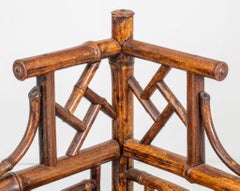
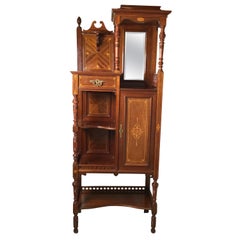
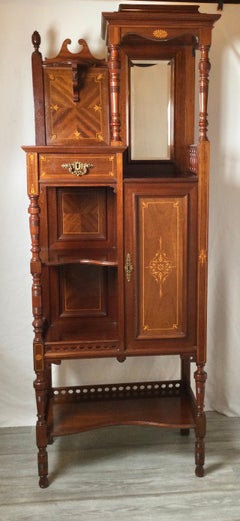
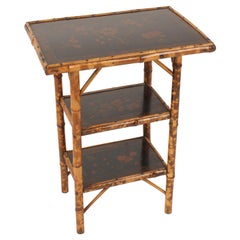
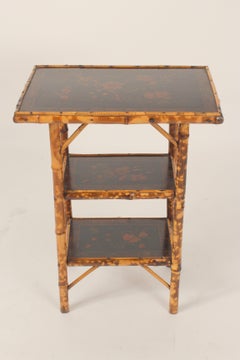
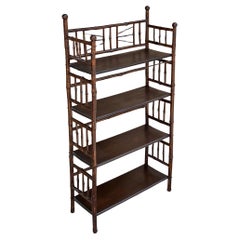
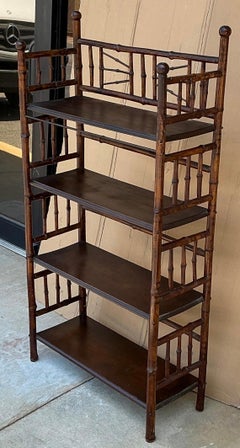
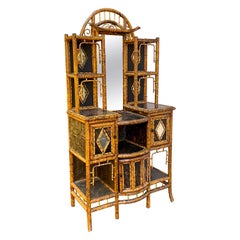
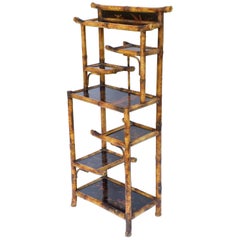
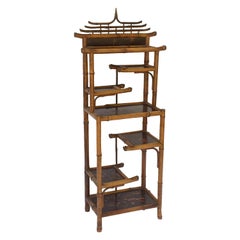
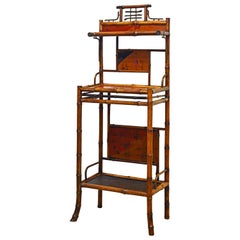
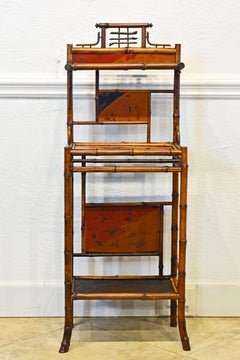
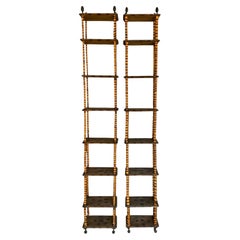
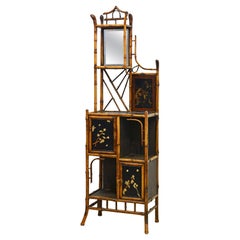
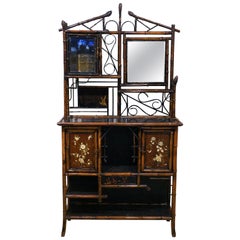
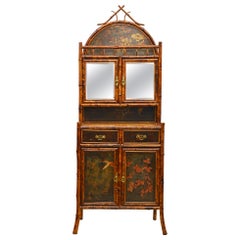
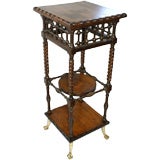
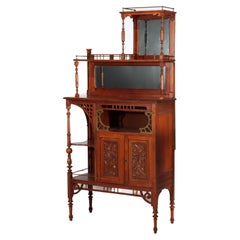
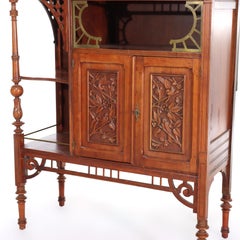
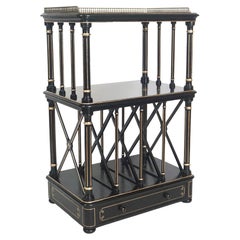
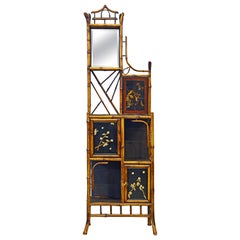
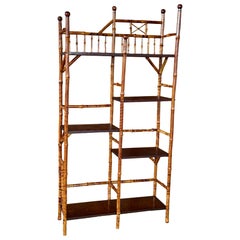
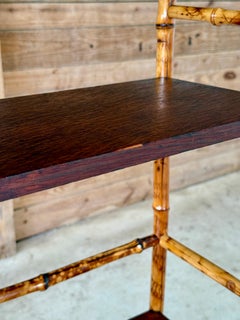
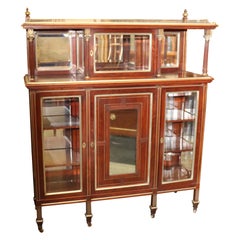
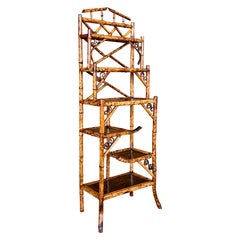
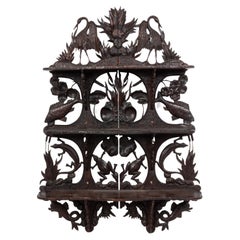
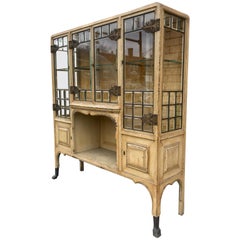
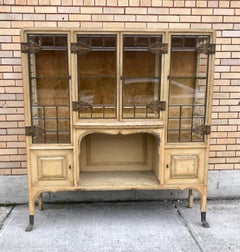
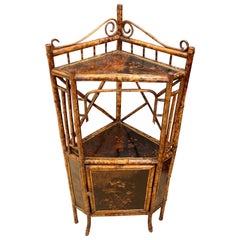
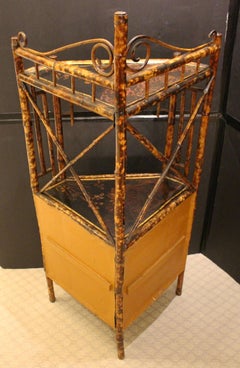
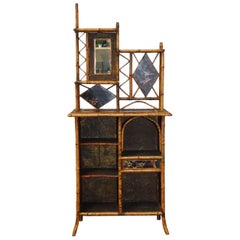
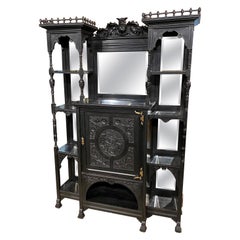
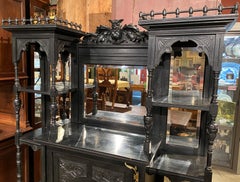
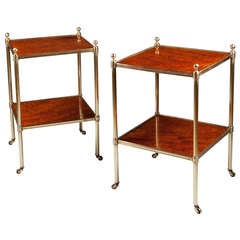
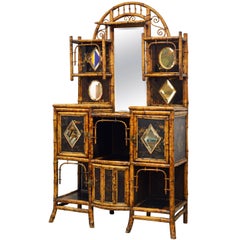
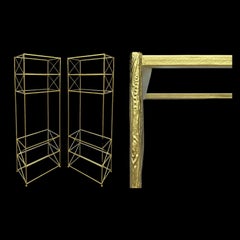
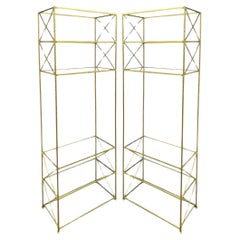
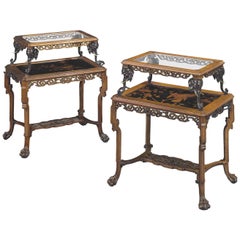
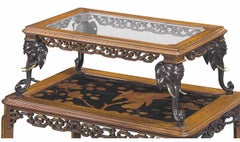
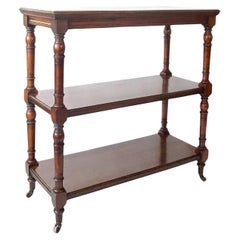
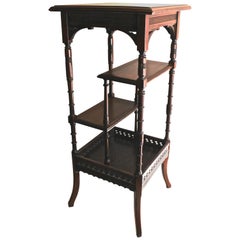
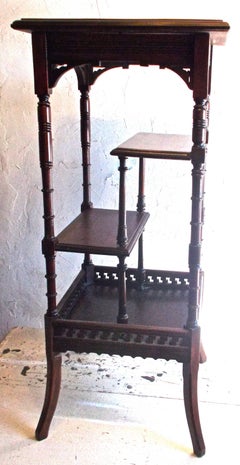
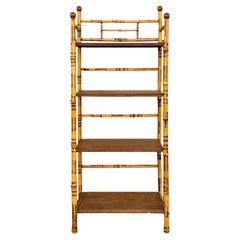
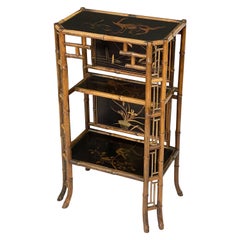
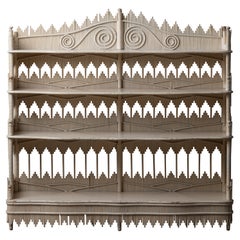
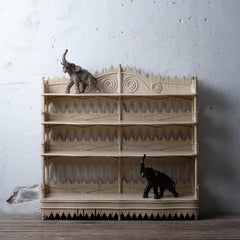
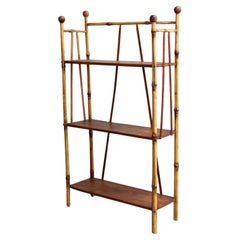
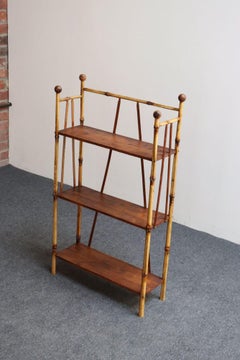
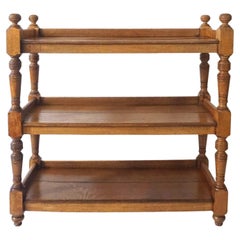
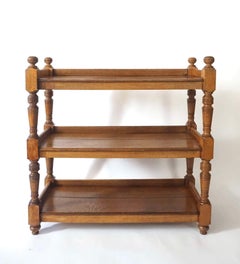
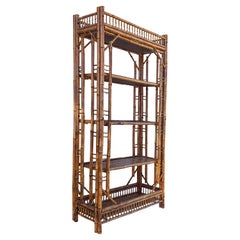
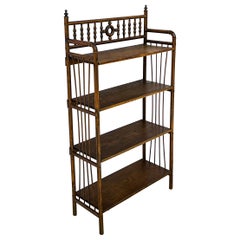
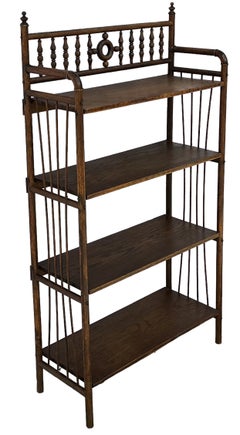
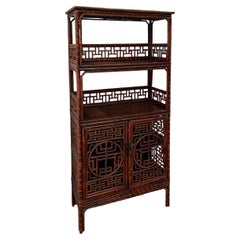
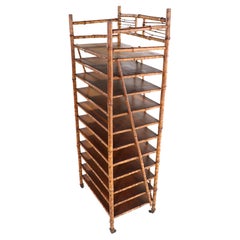
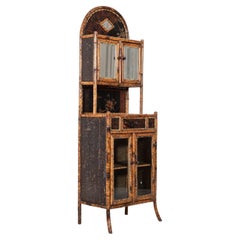
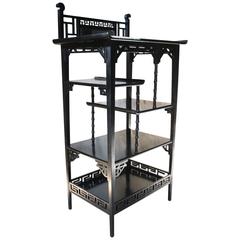
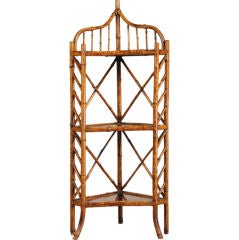
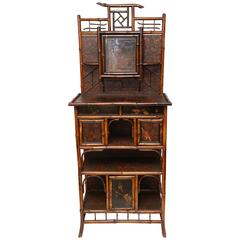
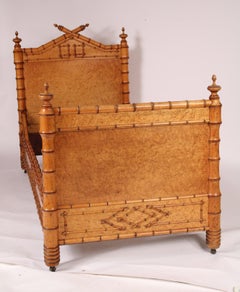
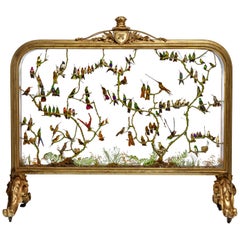
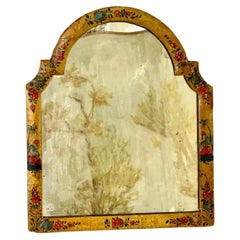
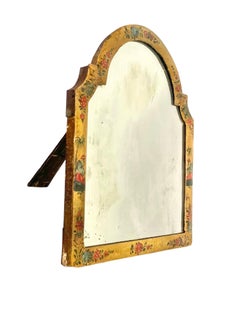
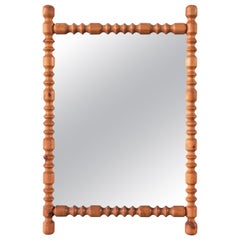
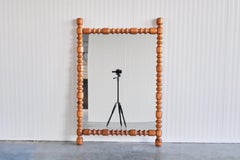
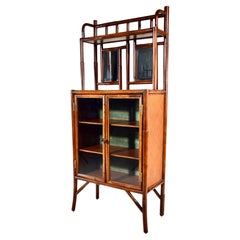
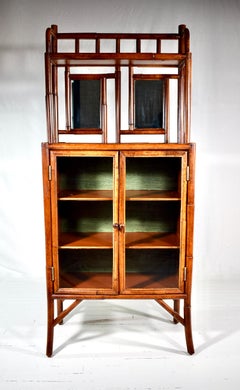
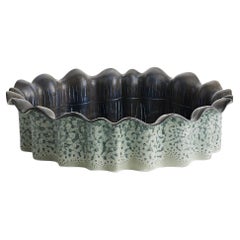
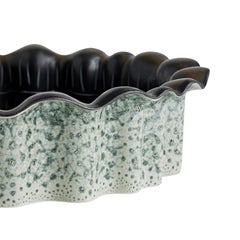
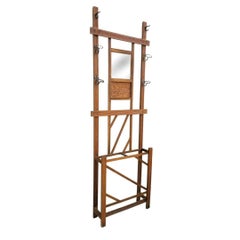
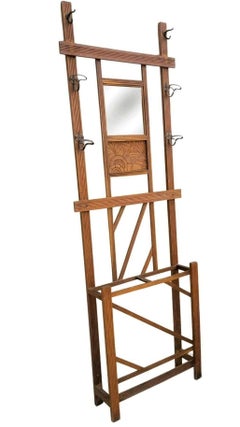
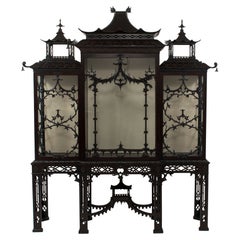
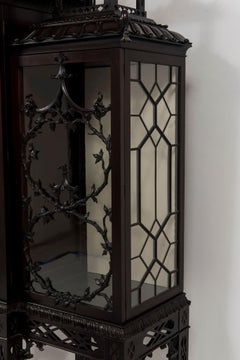
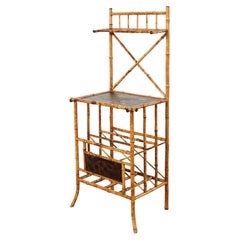
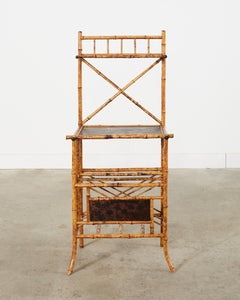
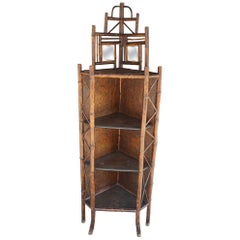
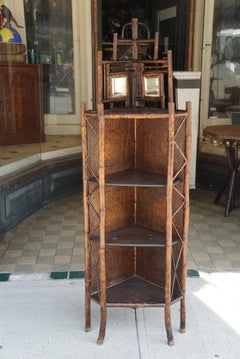
Choose from an assortment of styles, material and more with respect to the aesthetic movement etagere you’re looking for at 1stDibs. Frequently made of
wood,
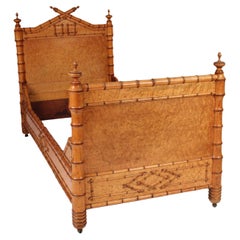
bamboo and
glass, every aesthetic movement etagere was constructed with great care. There are many kinds of the aesthetic movement etagere you’re looking for, from those produced as long ago as the 19th Century to those made as recently as the 20th Century. A well-made aesthetic movement etagere has long been a part of the offerings for many furniture designers and manufacturers, but those produced by
A. & H. Lejambre and
Palecek Furniture are consistently popular.
An aesthetic movement etagere can differ in price owing to various characteristics — the average selling price 1stDibs is $3,788, while the lowest priced sells for $1,400 and the highest can go for as much as $25,000.
In 1880, polymath designer William Morris declared: “If you want a golden rule that will fit everybody, this is it: Have nothing in your houses that you do not know to be useful or believe to be beautiful.” His words encapsulated the Aesthetic Movement, which prized beauty above all and blurred the lines between fine art and the decorative arts, particularly through lavishly crafted furniture pieces.
The Aesthetic Movement, whose major proponents included author Oscar Wilde, flourished from the 1860s to the 1880s and was mostly popular in England and the United States. Design expositions like the 1876 Centennial International Exhibition in Philadelphia, as well as the publishing of how-to books for interior design, helped disseminate Aesthetic Movement bedroom furniture, serveware, coffee tables and other items, especially to the middle class.
The establishment of new art museums, art clubs and a rising passion for collecting at the time contributed to a growing appreciation for art. Morris’s founding of Morris & Co. in 1862 and the commercializing of this “cult of beauty” by the Liberty store in London, starting in the late 19th century, further disseminated the idea of a domestic space that was thoughtfully and floridly designed.
Leading Aesthetic Movement furniture designers included E.W. Godwin, who drew on Japanese influences and whose work reflected a wider enthusiasm for imported East Asian art. British designer Christopher Dresser created textiles, ceramics and more that were also inspired by Japanese decorative art but were representative of additional diverse design sources that ranged from Egypt to Mexico.
The Aesthetic Movement’s eclecticism resulted in dazzling interiors. Japanese fans were positioned on Renaissance-inspired cabinets with brass hardware, while mantels made of rich walnut or finely carved ebonized wood and adorned with painted Minton tiles mingled with cast-iron chairs against a backdrop of floral wallpaper. In 1881, in New York City, stenciled checkerboard motifs and painted floral murals could be found under an opalescent glass chandelier in a luxurious dressing room designed by German émigré cabinetmaker-decorator George Alfred Schastey. Amid the rise of the industrial age, the style’s promotion of art in everyday life would inform the Arts and Crafts Movement and Art Nouveau.
Find a collection of antique Aesthetic Movement seating, tables, decorative objects and other furniture and antiques on 1stDibs.
Of all the vintage storage cabinets and antique case pieces that have become popular in modern interiors over the years, dressers, credenzas and cabinets have long been home staples, perfect for routine storage or protection of personal items.
In the mid-19th century, cabinetmakers would mimic styles originating in the Louis XIV, Louis XV and Louis XVI eras for their dressers, bookshelves and other structures, and, later, simpler, streamlined wood designs allowed these “case pieces” or “case goods” — any furnishing that is unupholstered and has some semblance of a storage component — to blend into the background of any interior.
Mid-century modern furniture enthusiasts will cite the tall modular wall units crafted in teak and other sought-after woods of the era by the likes of George Nelson, Poul Cadovius and Finn Juhl. For these highly customizable furnishings, designers of the day delivered an alternative to big, heavy bookcases by considering the use of space — and, in particular, walls — in new and innovative ways. Mid-century modern credenzas, which, long and low, evolved from tables that were built as early as the 14th century in Italy, typically have no legs or very short legs and have grown in popularity as an alluring storage option over time.
Although the name immediately invokes images of clothing, dressers were initially created in Europe for a much different purpose. This furnishing was initially a flat-surfaced, low-profile side table equipped with a few drawers — a common fixture used to dress and prepare meats in English kitchens throughout the Tudor period. The drawers served as perfect utensil storage. It wasn’t until the design made its way to North America that it became enlarged and equipped with enough space to hold clothing and cosmetics. The very history of case pieces is a testament to their versatility and well-earned place in any room.
In the spirit of positioning your case goods center stage, decluttering can now be design-minded.
A contemporary case piece with open shelving and painted wood details can prove functional as a storage unit as easily as it can a room divider. Alternatively, apothecary cabinets are charming case goods similar in size to early dressers or commodes but with uniquely sized shelving and (often numerous) drawers.
Whether you’re seeking a playful sideboard that features colored glass and metal details, an antique Italian hand-carved storage cabinet or a glass-door vitrine to store and show off your collectibles, there are options for you on 1stDibs.