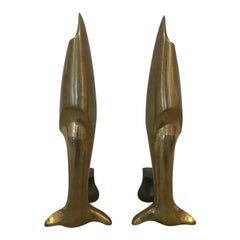
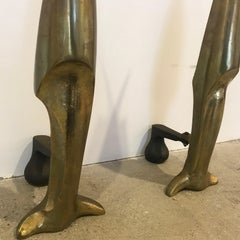
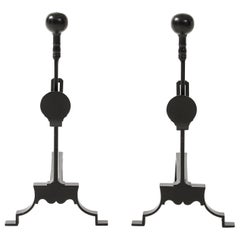
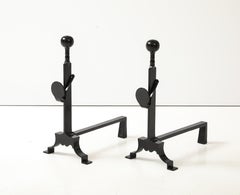
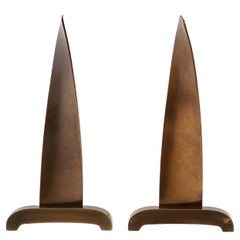
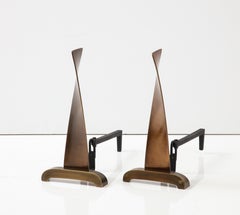
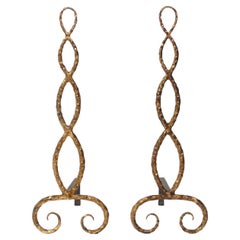
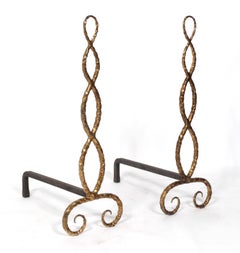
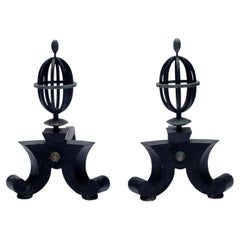
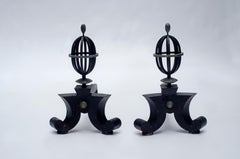
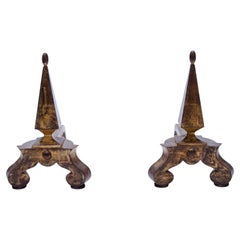
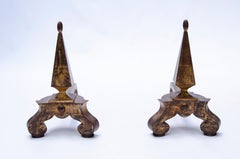
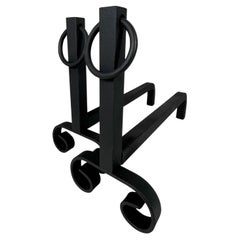
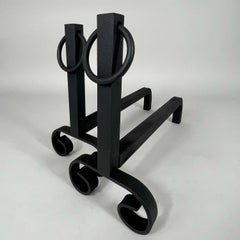
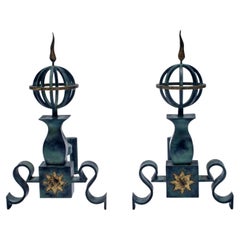
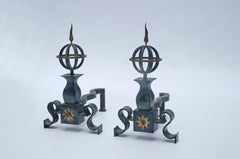
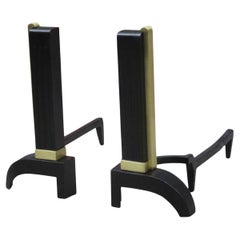
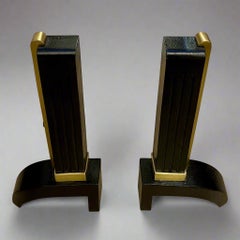
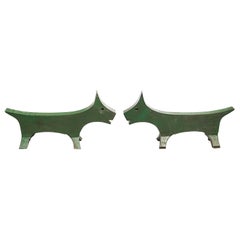
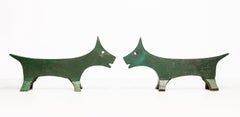
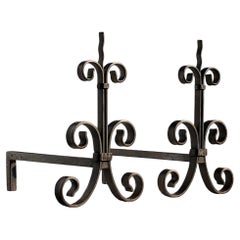
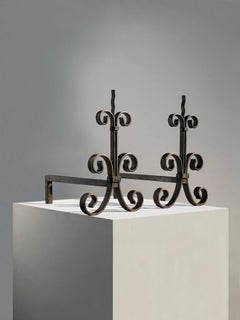
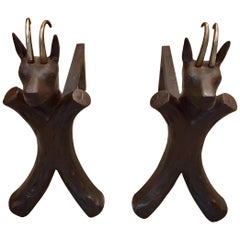
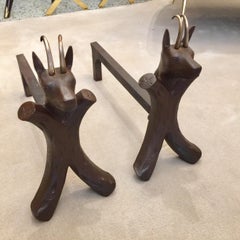
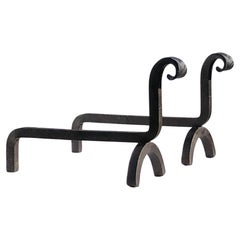
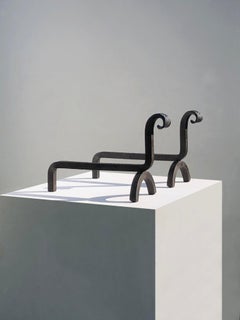
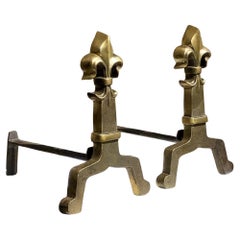
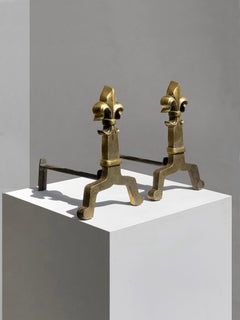
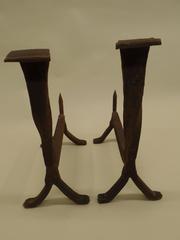
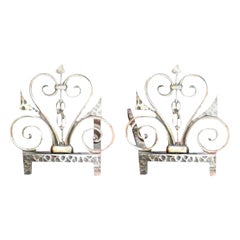
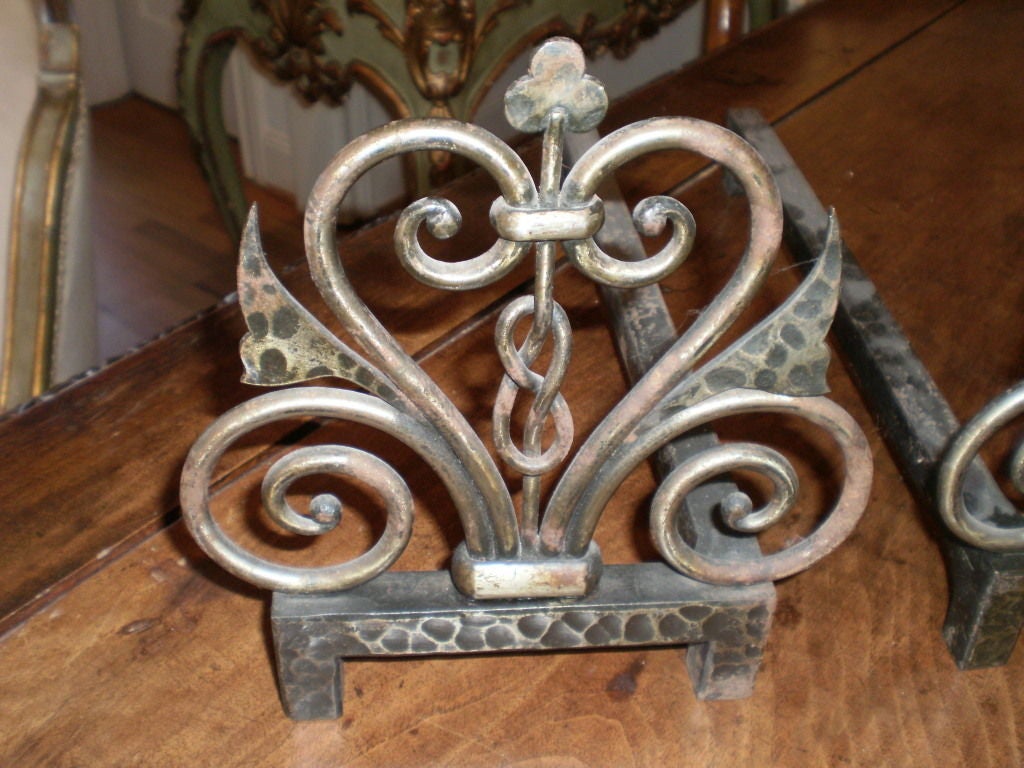
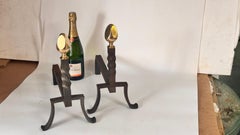
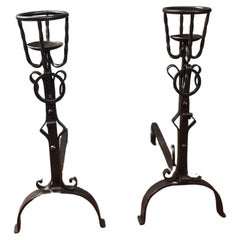
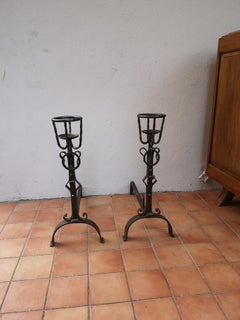
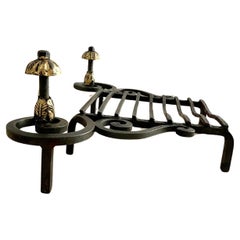
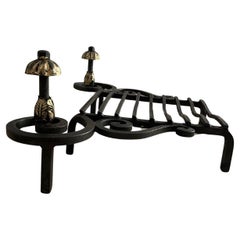
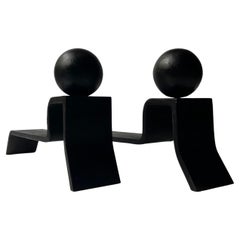
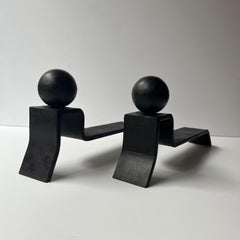
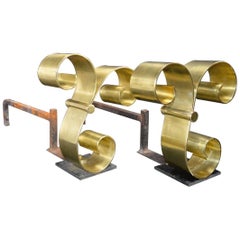
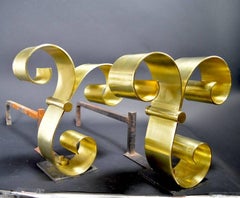
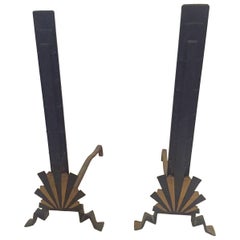
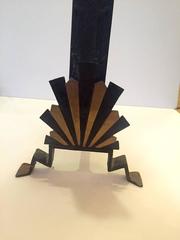
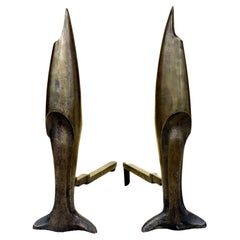
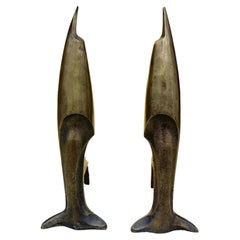
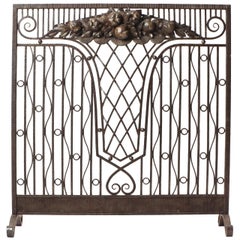
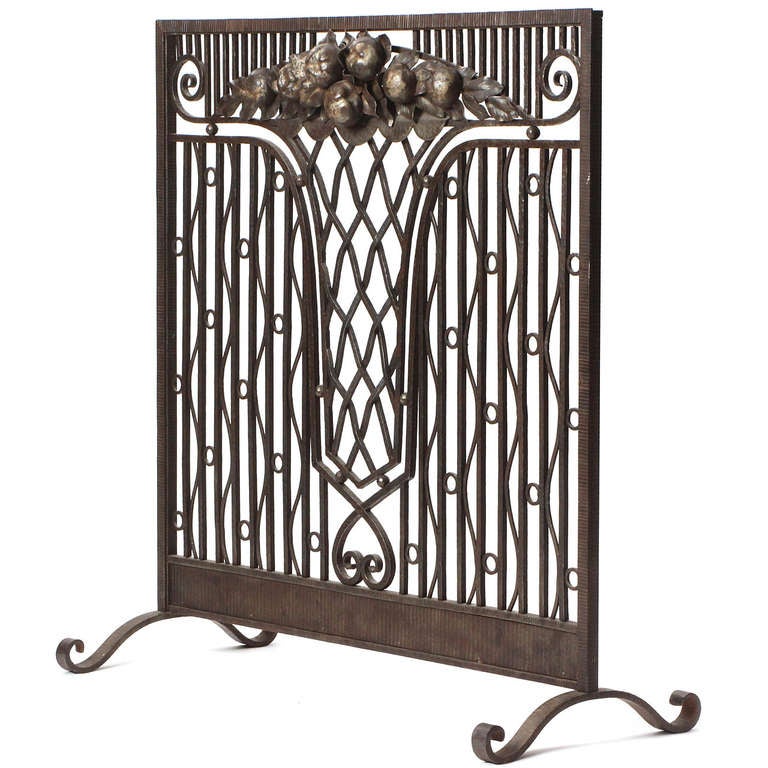
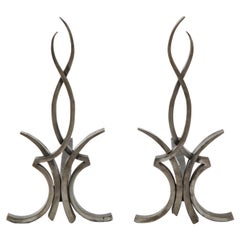
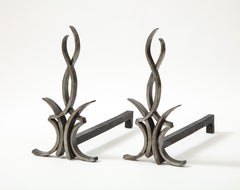
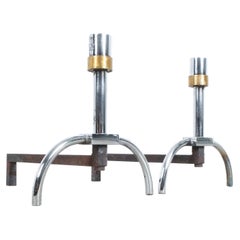
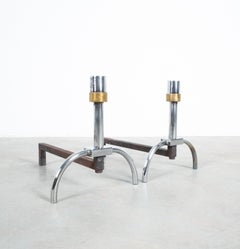
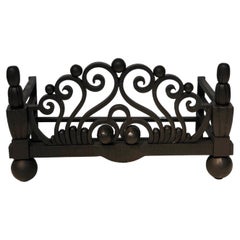
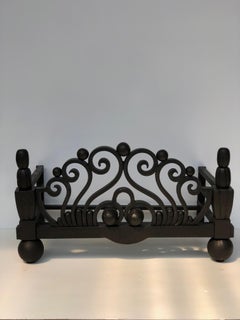
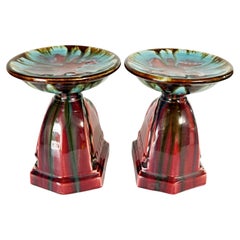
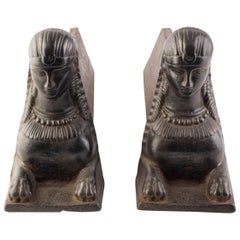
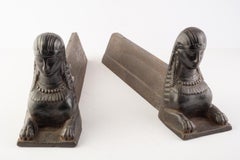
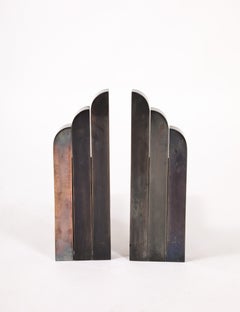
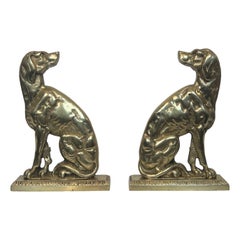
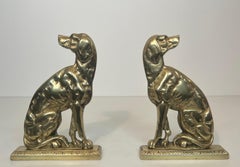
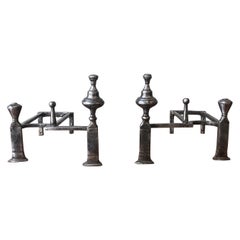
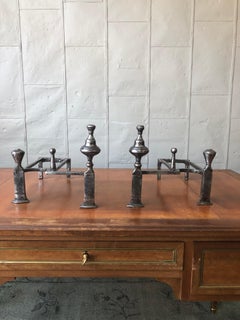
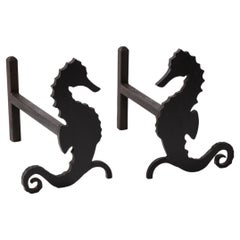
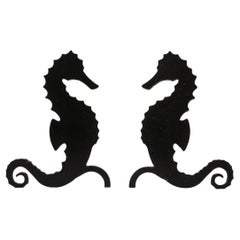
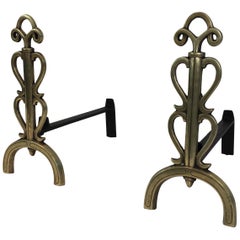
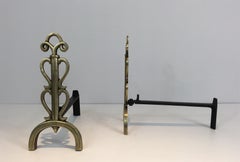
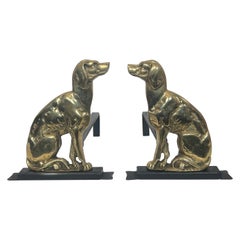
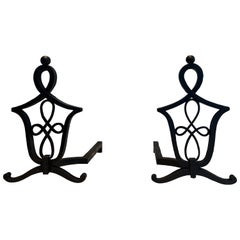
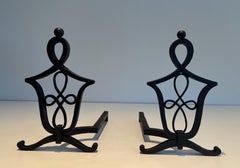
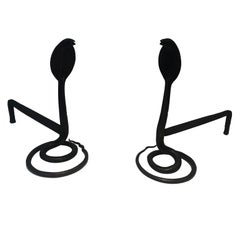
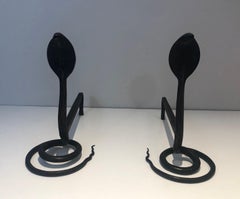
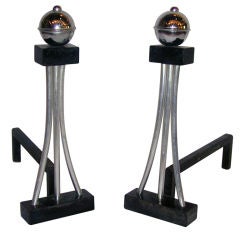
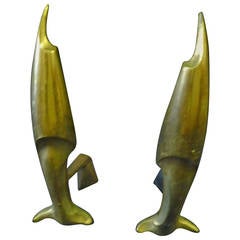
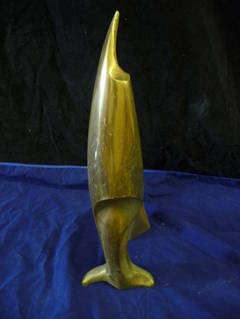
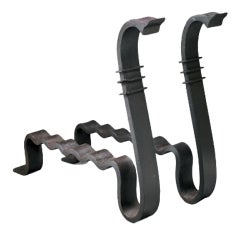
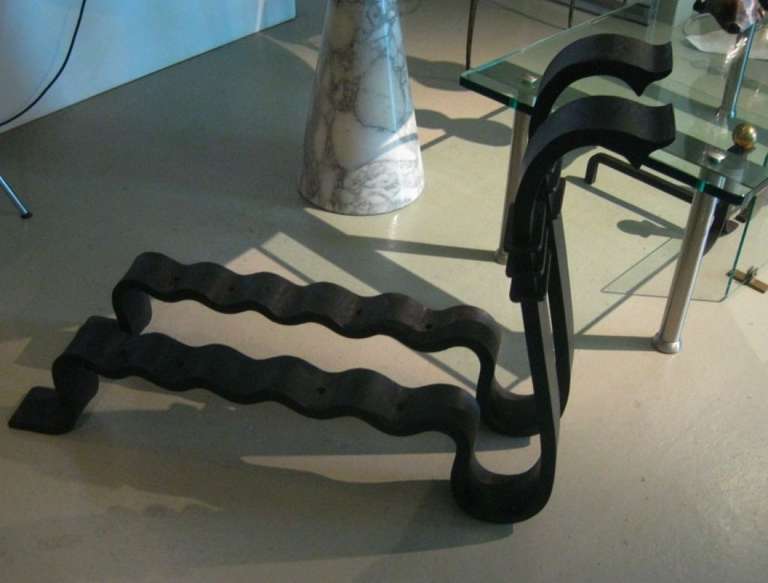
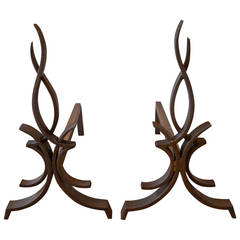
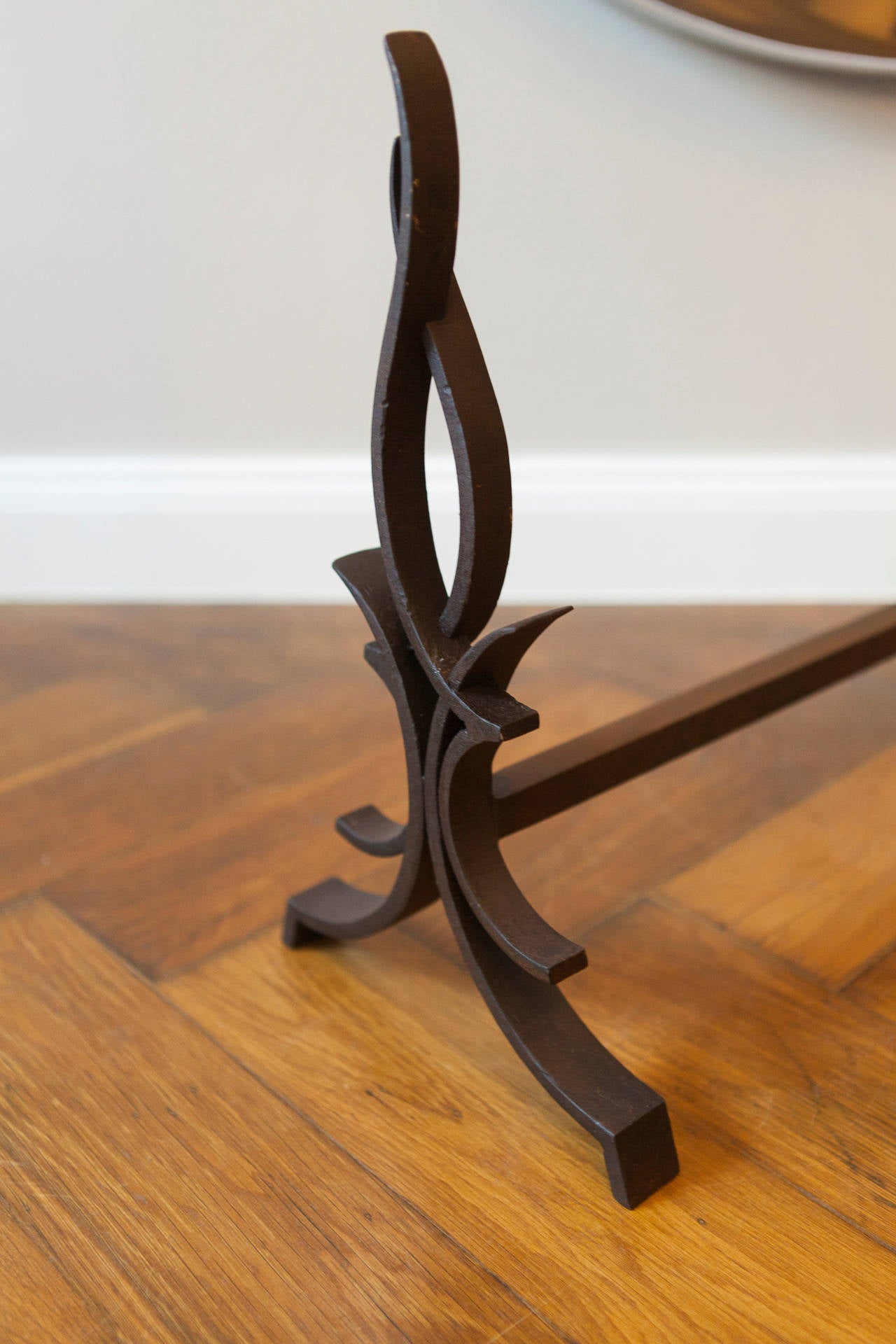
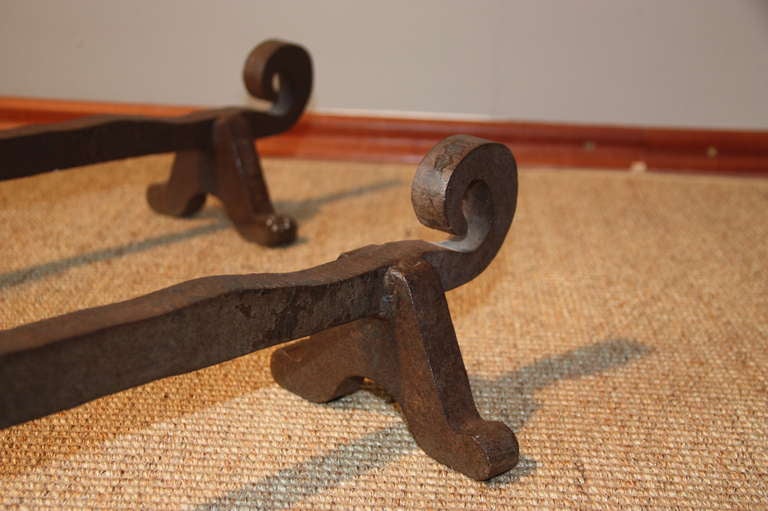
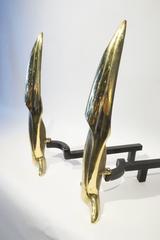
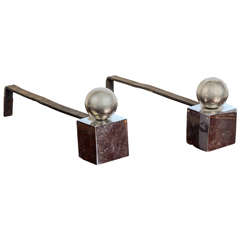
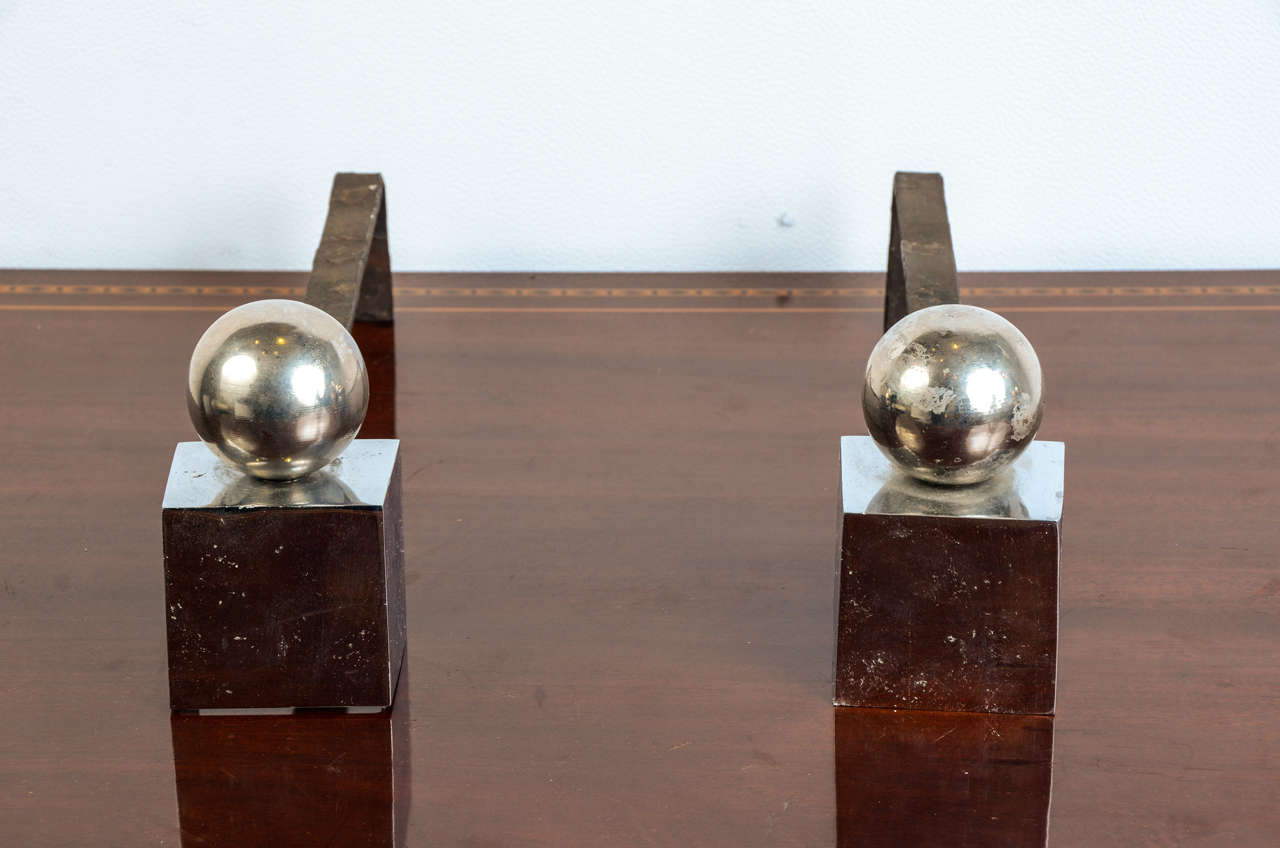
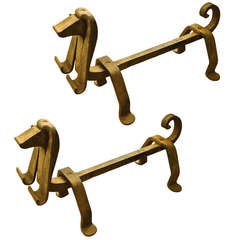
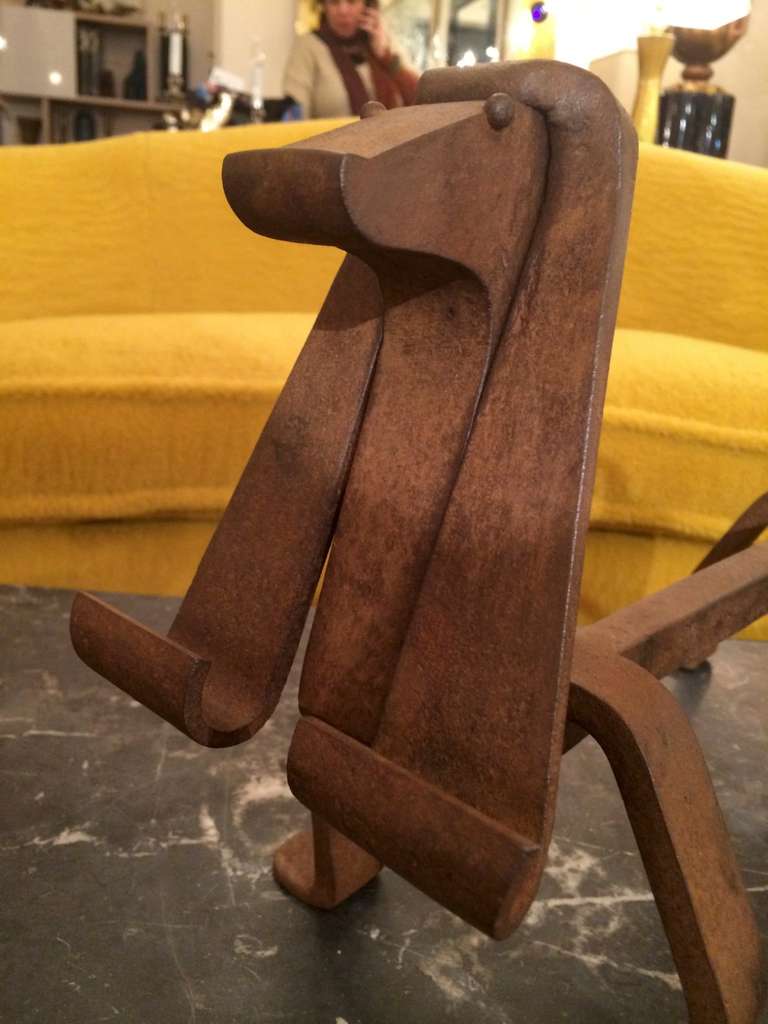
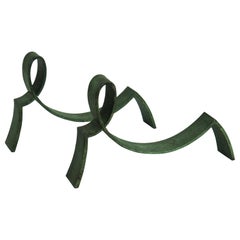
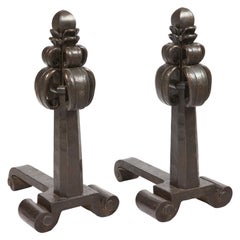
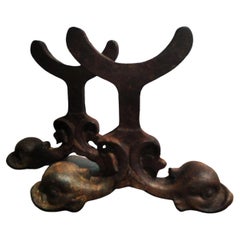
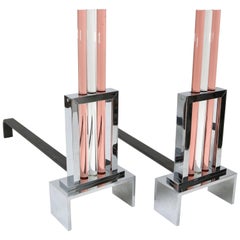
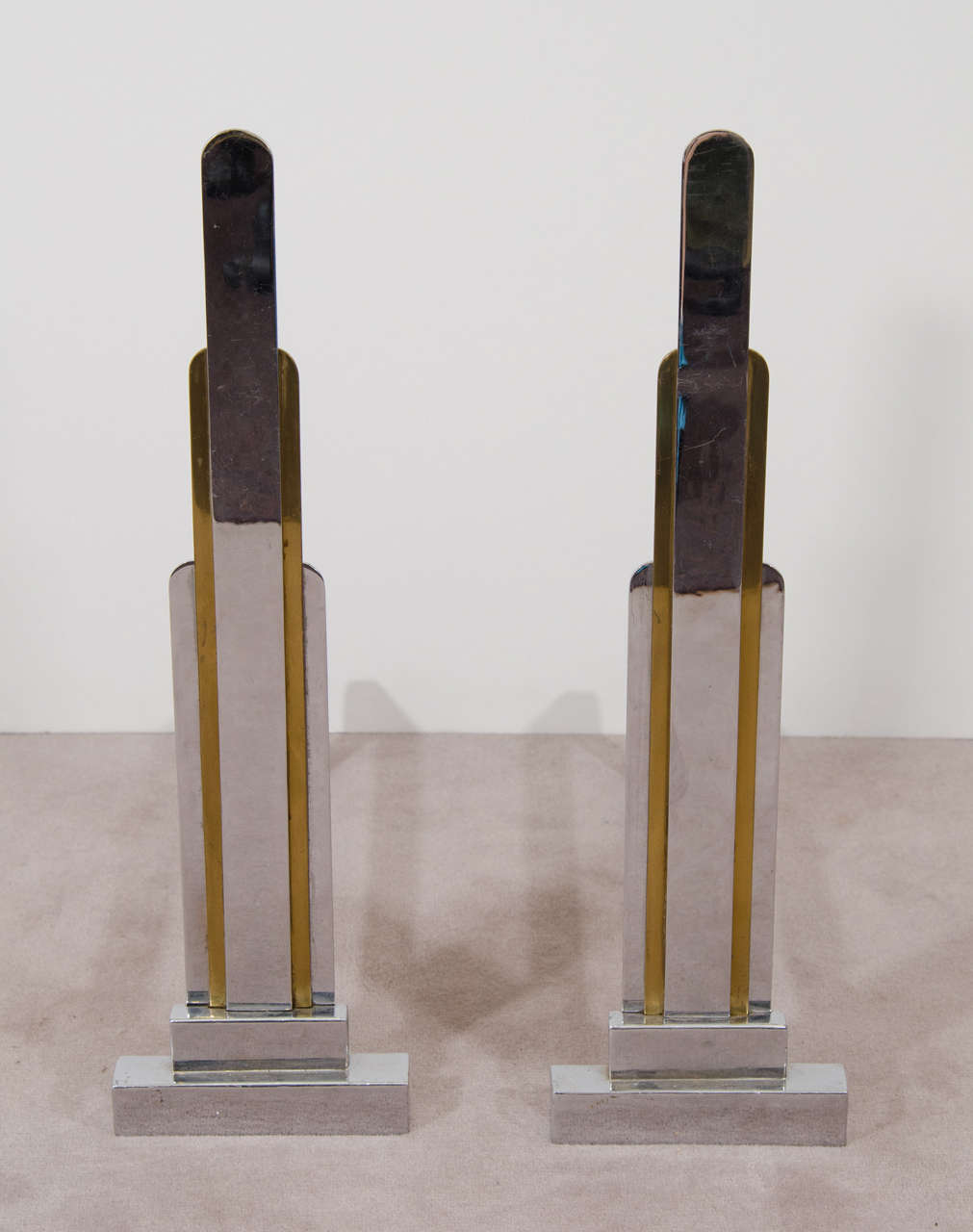
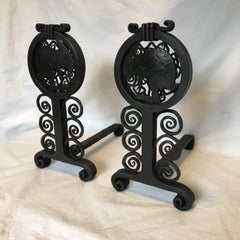
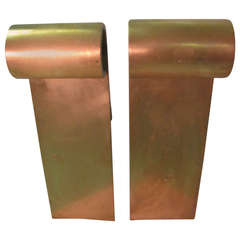
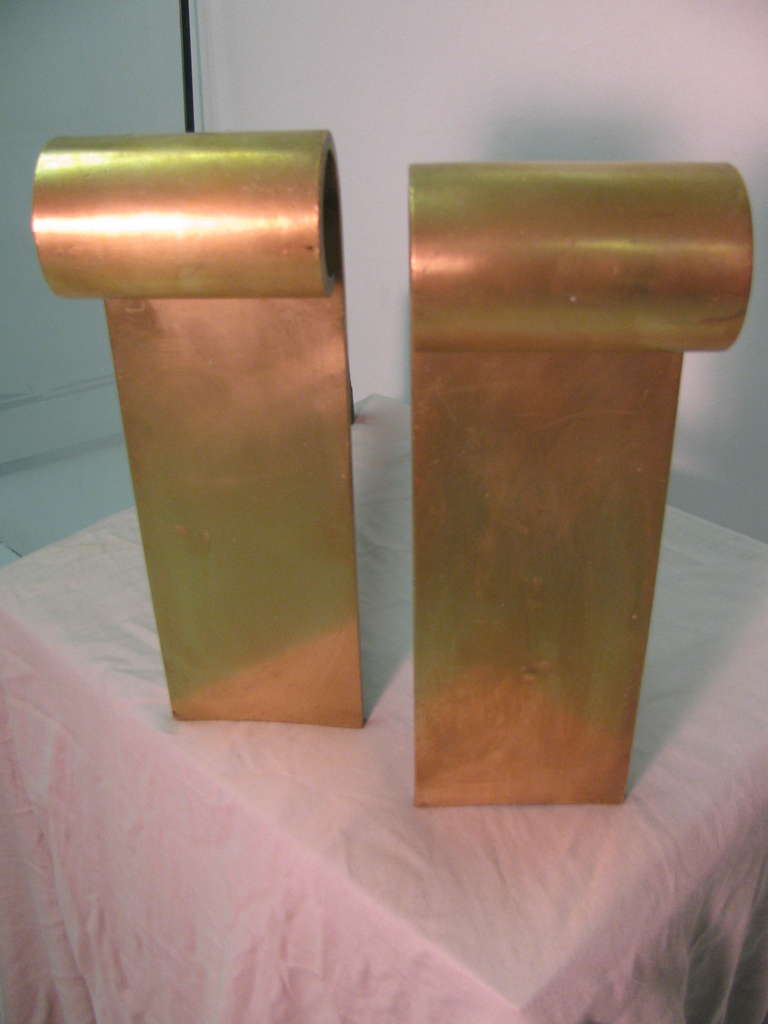
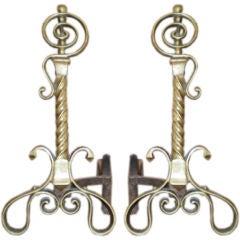
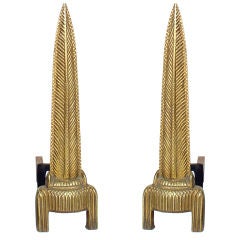
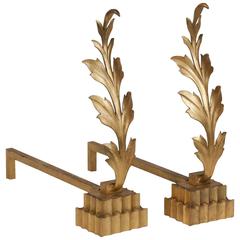
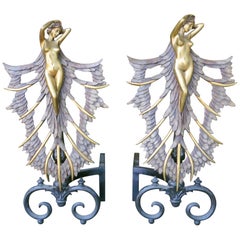
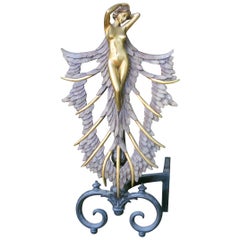
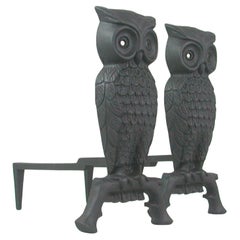
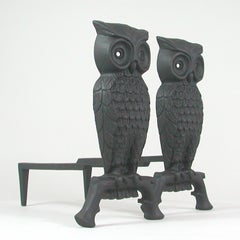
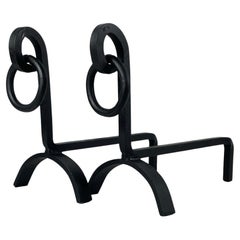
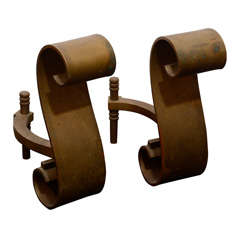
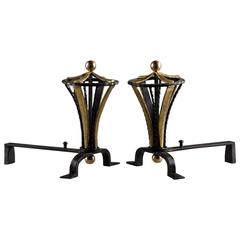
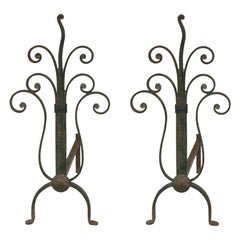
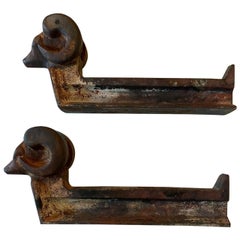
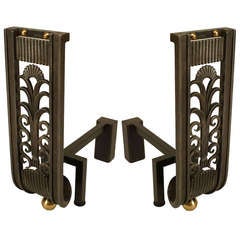
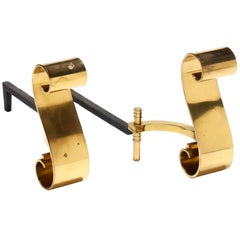
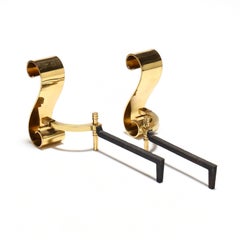
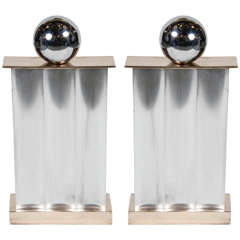
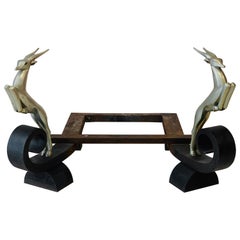
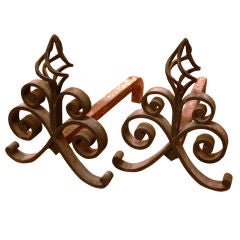
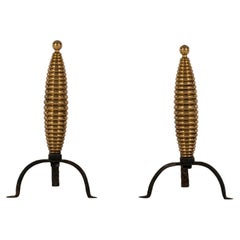
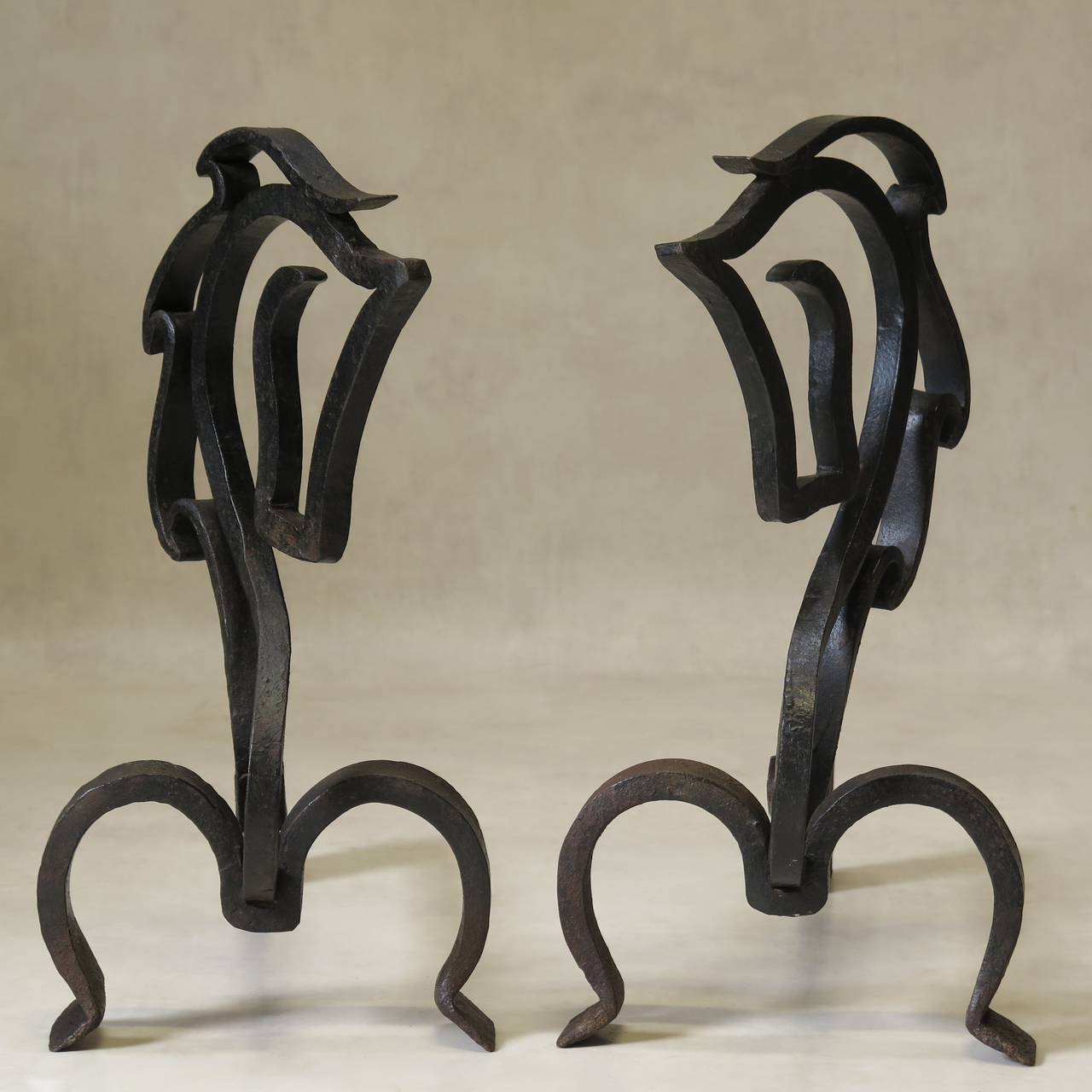
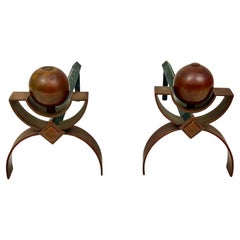
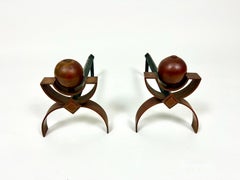
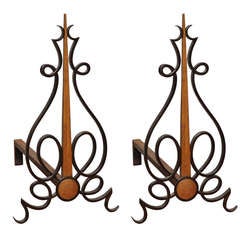
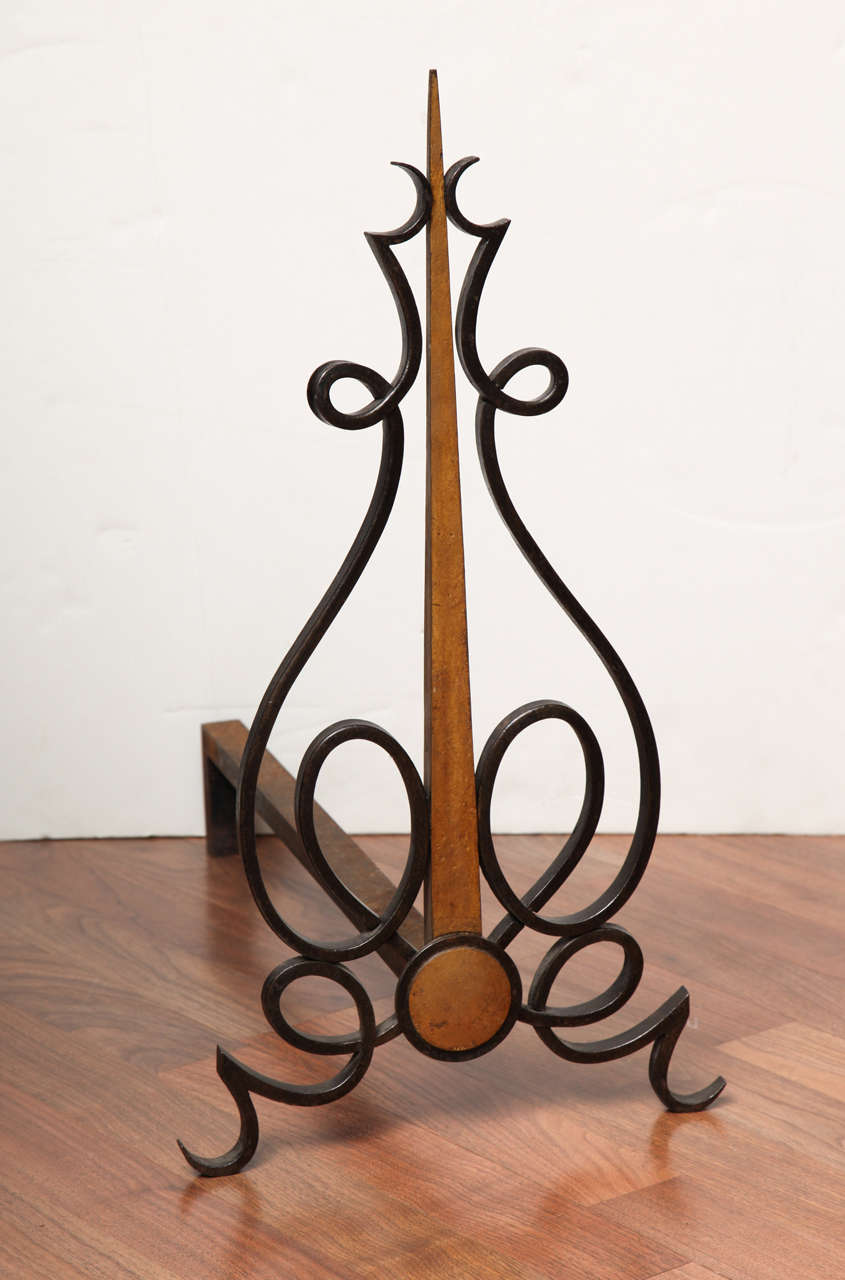
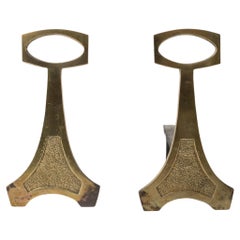
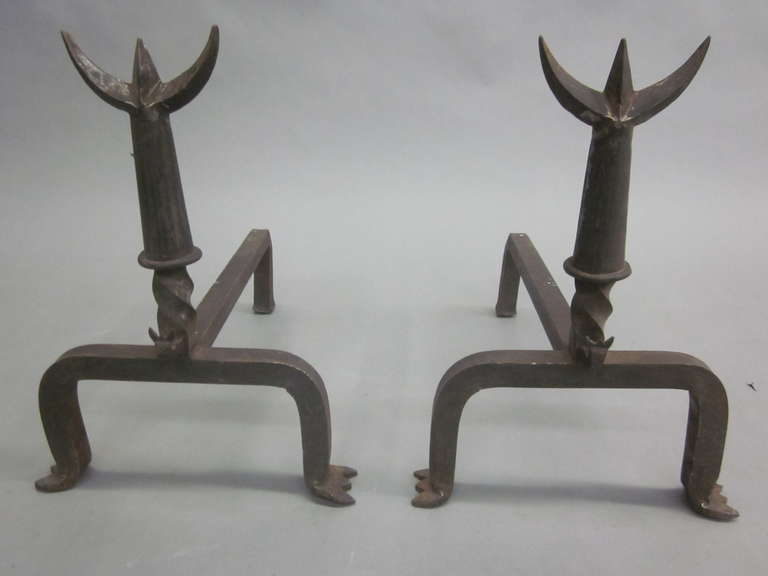
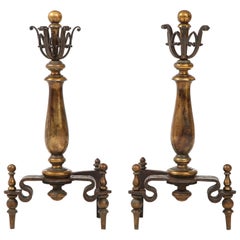
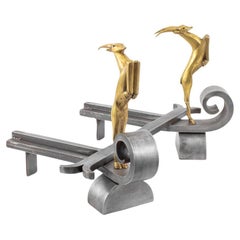
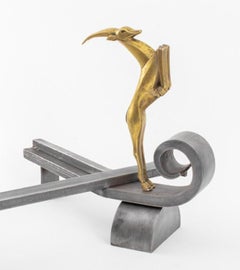
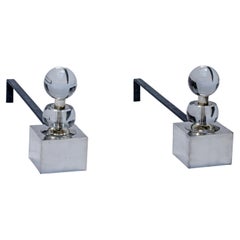
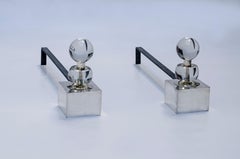
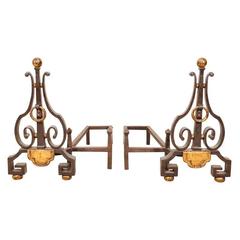
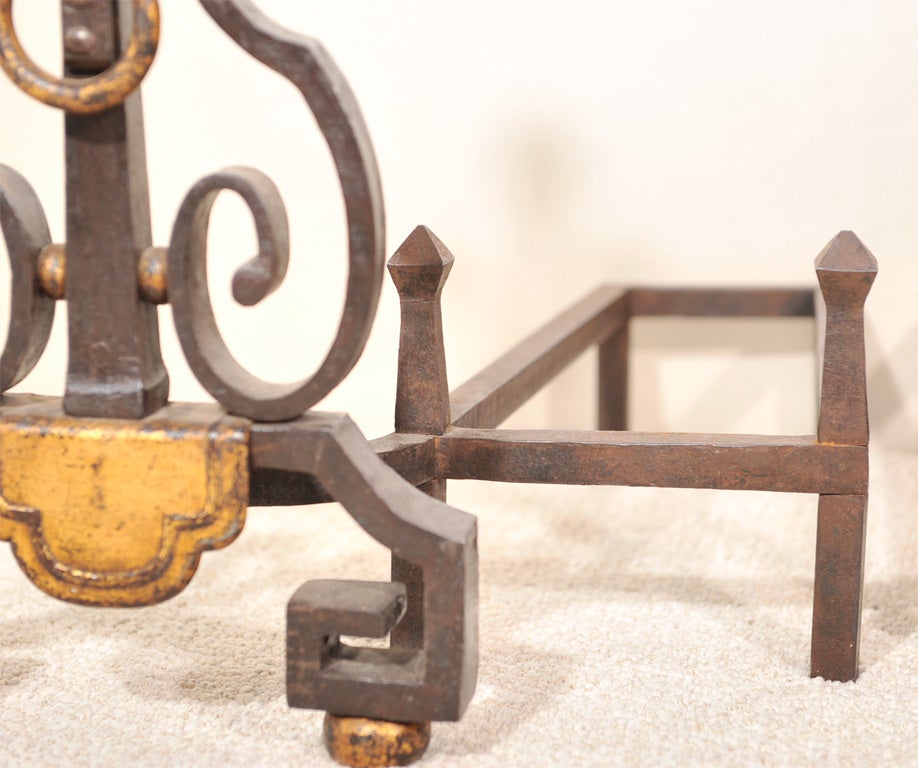
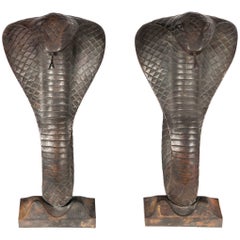
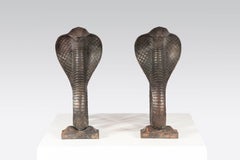
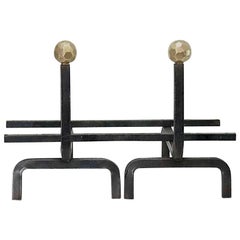
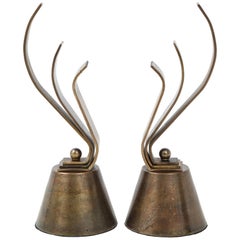
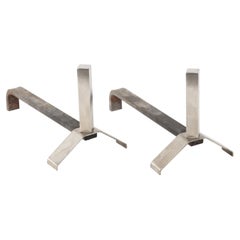
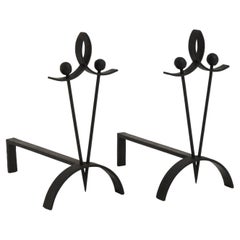
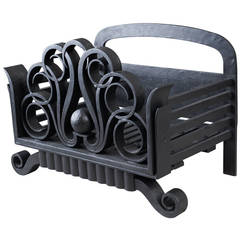
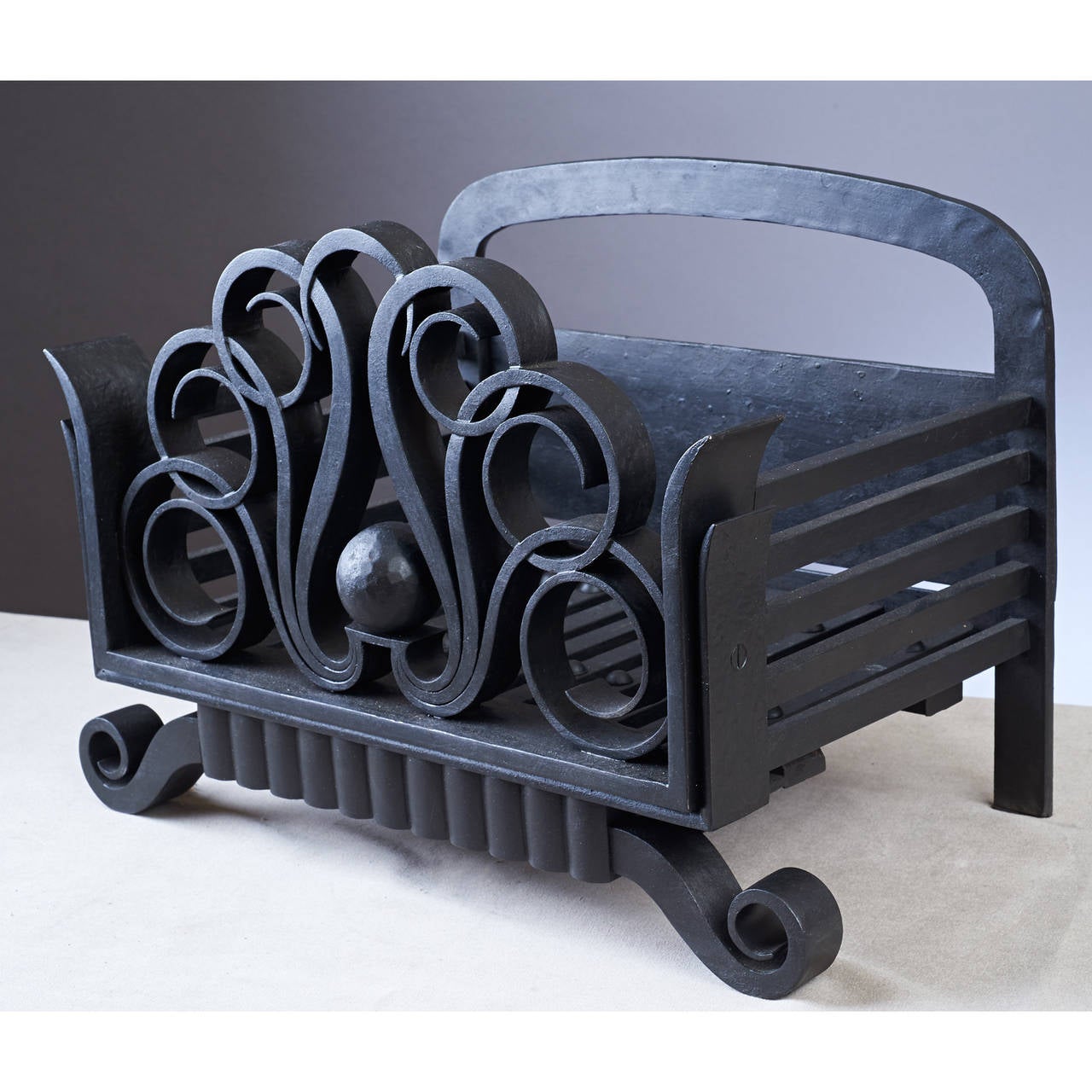
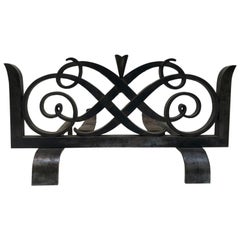
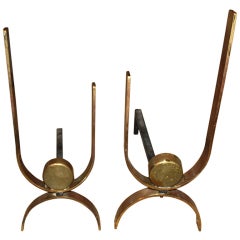
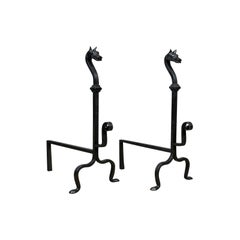
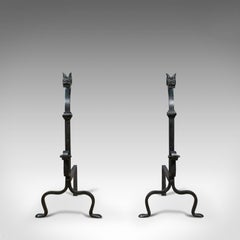
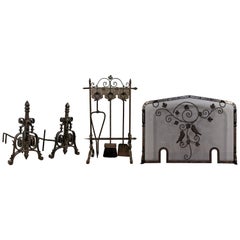
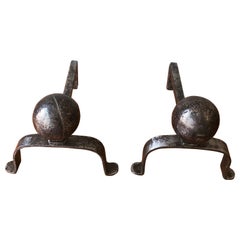
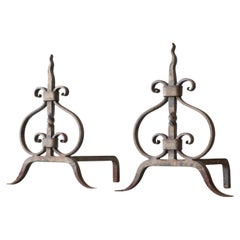
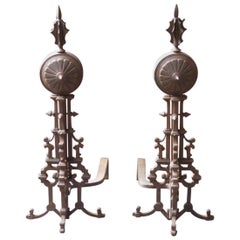
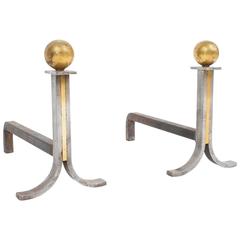
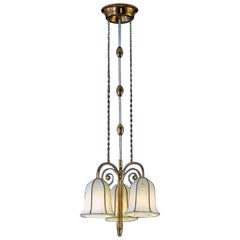
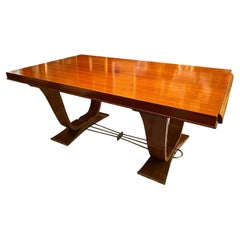
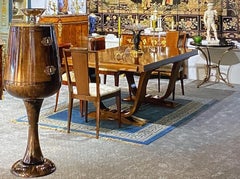
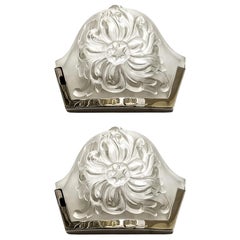
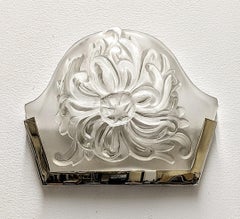
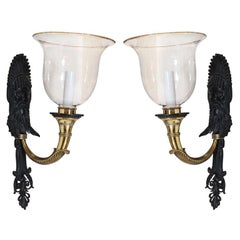
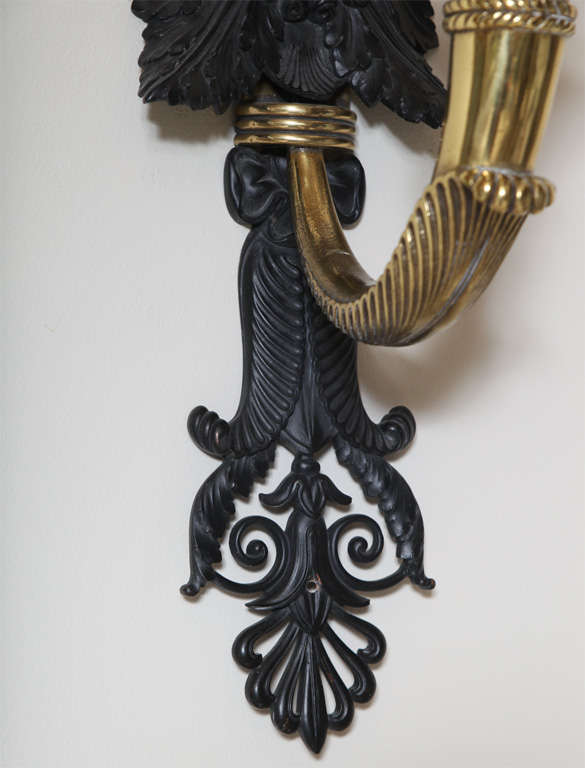
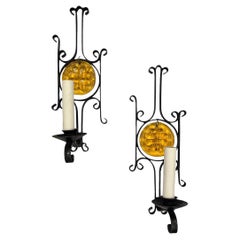
An assortment of French art deco andirons is available at 1stDibs. Frequently made of
metal,
iron and
wrought iron, all French art deco andirons available were constructed with great care. French art deco andirons have been made for many years, and versions that date back to the 19th Century alongside those produced as recently as the 21st Century. French art deco andirons are generally popular furniture pieces, but
Art Deco,
Mid-Century Modern and
Modern styles are often sought at 1stDibs. French art deco andirons have been a part of the life’s work for many furniture makers, but those produced by
Raymond Subes,
Edgar Brandt and
Jacques Adnet are consistently popular.
Art Deco furniture is characterized by its celebration of modern life. More than its emphasis on natural wood grains and focus on traditional craftsmanship, vintage Art Deco dining chairs, tables, desks, cabinets and other furniture — which typically refers to pieces produced during the 1920s and 1930s — is an ode to the glamour of the “Roaring Twenties.”
ORIGINS OF ART DECO FURNITURE DESIGN
CHARACTERISTICS OF ART DECO FURNITURE DESIGN
- Bold geometric lines and forms, floral motifs
- Use of expensive materials such as shagreen or marble as well as exotic woods such as mahogany, ebony and zebra wood
- Metal accents, shimmering mirrored finishes
- Embellishments made from exotic animal hides, inlays of mother-of-pearl or ivory
ART DECO FURNITURE DESIGNERS TO KNOW
VINTAGE ART DECO FURNITURE ON 1STDIBS
Few design styles are as universally recognized and appreciated as Art Deco. The term alone conjures visions of the Roaring Twenties, Machine Age metropolises, vast ocean liners, sleek typography and Prohibition-era hedonism. The iconic movement made an indelible mark on all fields of design throughout the 1920s and ’30s, celebrating society’s growing industrialization with refined elegance and stunning craftsmanship.
Widely known designers associated with the Art Deco style include Émile-Jacques Ruhlmann, Eileen Gray, Maurice Dufrêne, Paul Follot and Jules Leleu.
The term Art Deco derives from the name of a large decorative arts exhibition held in Paris in 1925. “Art Deco design” is often used broadly, to describe the work of creators in associated or ancillary styles. This is particularly true of American Art Deco, which is also called Streamline Moderne or Machine Age design. (Streamline Moderne, sometimes known as Art Moderne, was a phenomenon largely of the 1930s, post–Art Nouveau.)
Art Deco textile designers employed dazzling floral motifs and vivid colors, and while Art Deco furniture makers respected the dark woods and modern metals with which they worked, they frequently incorporated decorative embellishments such as exotic animal hides as well as veneers in their seating, case pieces, living room sets and bedroom furniture.
From mother-of-pearl inlaid vitrines to chrome aviator chairs, bold and inventive works in the Art Deco style include chaise longues (also known as chaise lounges) and curved armchairs. Today, the style is still favored by interior designers looking to infuse a home with an air of luxury and sophistication.
The vintage Art Deco furniture for sale on 1stDibs includes dressers, coffee tables, decorative objects and more.
A set of antique or vintage andirons is a staple accessory, part of the fireplace tools you’ll want to collect for keeping a neat and elegant fireplace in your home.
Using andirons in a fireplace elevates the fire, ensuring more air can get to the logs thus keeping a fire burning longer. Andirons also encourage ventilation and may also prevent smoke from working its way into your living room or bedroom.
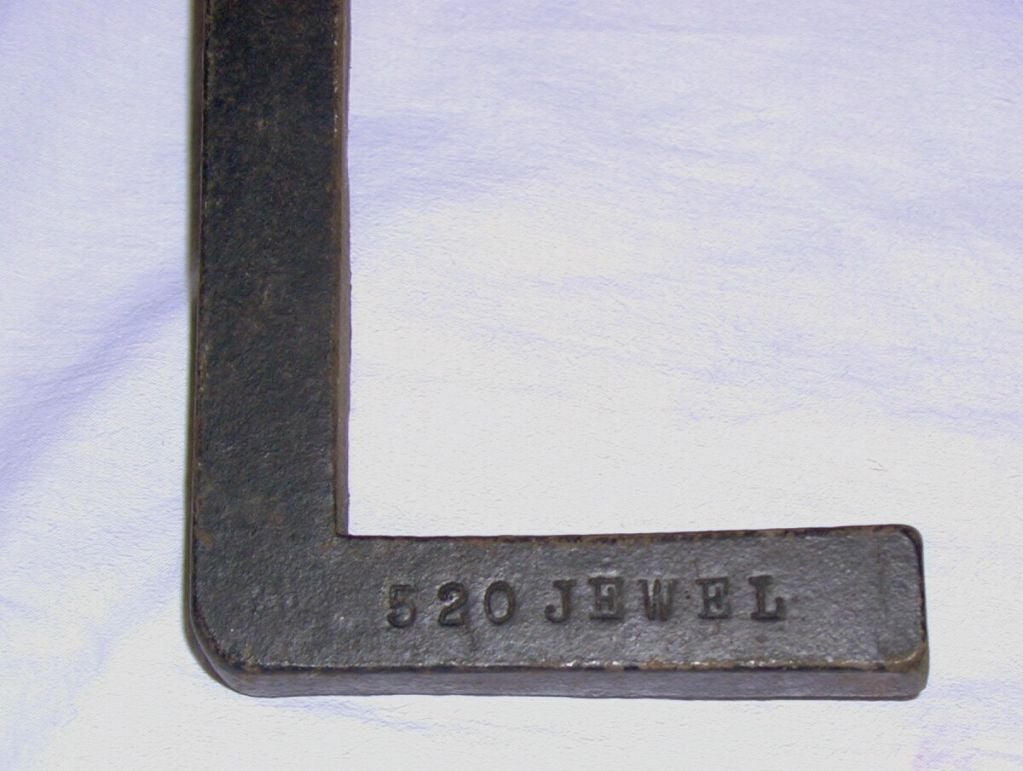
Think of these accessories as part of an upright metal support system to optimize your fire. Antique andirons are basically u-shaped brackets with a curved end that come in pairs and are largely quite simple in structure, but the design of this household necessity has improved over time. Outwardly decorative andirons have become available since their debut because one should never underestimate the style quotient of an attractive hearth.
Andirons, which earned the nickname “firedogs” given their similarity in form to a pair of upright canines, are believed to be the oldest fireplace furnishings. They have been used broadly since at least the late Iron Age. Before iron became the material of choice, stone andirons did a suitable job of balancing the logs in a fire and adding a sense of symmetry to the hearth. Fire baskets, like the combination of andirons and a grate, afforded an opportunity to layer logs in a fire rather than delicately stacking them on andirons.
Today, andirons can be found in bronze and brass, too, which contrast wonderfully with a mantel carved from dark marble, for example, and add dimension to what might otherwise be a subdued space. And while people aren’t cooking in the fireplace anymore, andirons’ spit hooks offered an opportunity to roast meat or rest the pokers that you typically would’ve kept fireside.
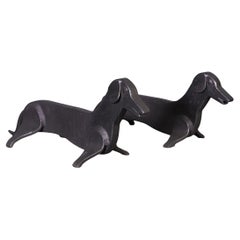
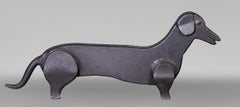
During the Renaissance, andirons became especially ornate and even figurative, taking on human forms as well as marine life such as dolphins. Art Deco–era andirons are particularly exquisite. While the accessories are frequently characterized by rich geometric angles and sculptural curves, attributes that we know of most Art Deco furniture, artisans of the period also looked to what was by then a long tradition of designing andirons in the shape of animals and reptiles.
Adding fashionable antique or vintage andirons will not only improve the quality of a fire but can also elevate your space as well as the fireside experience. Find modern andirons, Art Nouveau andirons and other varieties today on 1stDibs.