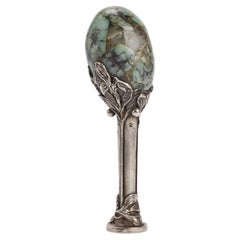
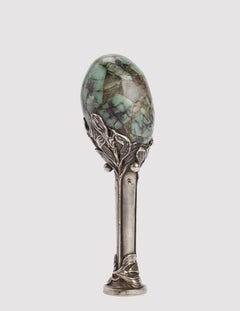
Art Nouveau seal, made out of silver and hard stone, France 1900.
Located in Milan, IT
Art Nouveau seal made out of silver depicting mistletoe.
Category
Early 20th Century French Art Nouveau Figurative Sculptures
Materials
Stone, Silver
Art Nouveau seal, made out of silver and hard stone, France 1900.
Located in Milan, IT
Art Nouveau seal made out of silver depicting mistletoe.
Stone, Silver
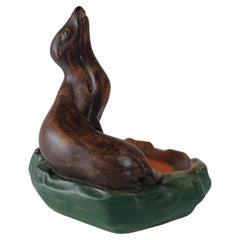
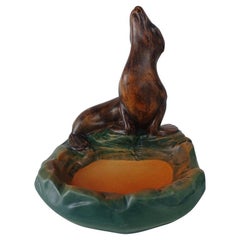
1920s Danish Hand-Crafted Art Nouveau Seal Ash Tray / Bowl by P. Ipsens Enke
By P. Ipsens Enke
Located in Knebel, DK
Danish hand-crafted Art Nouveau seal ash tray / bowl designed by Axel Sørensen in 1929 for P.
Ceramic
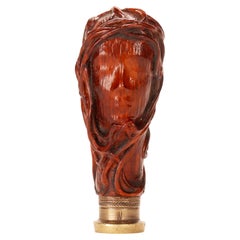
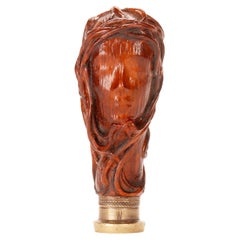
Art Nouveau boxwood seal: a veiled woman’s face, Italy end of 19th century.
Located in Milan, IT
An Art Nouveau seal made of carved Boxwood, depicting a veiled woman's face, wrapped in intertwined racemes.
Bronze
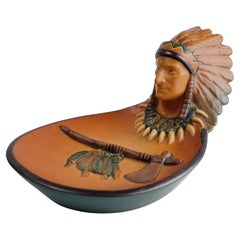
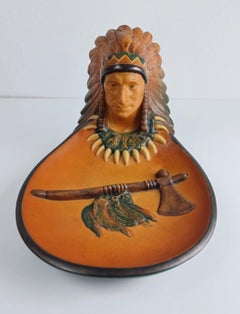
1920s Danish Hand-Crafted Art Nouveau Ash Tray / Bowl by P. Ipsens Enke
By P. Ipsens Enke
Located in Knebel, DK
Danish handcrafted Art Nouveau seal ash tray / bowl designed by Lauritz Jensen in 1929 for P.
Ceramic
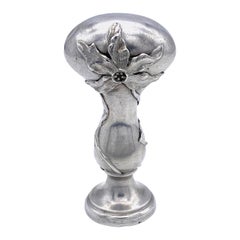
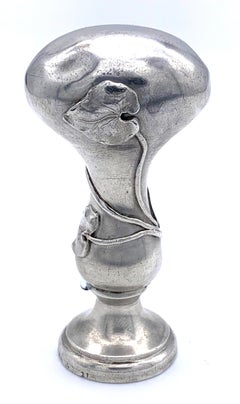
Antique Art Nouveau Flower Silver Seal Initials A B
Located in Munich, Bavaria
This Art Nouveau desktop seal is engraved with the ligated initials A and B.
Silver
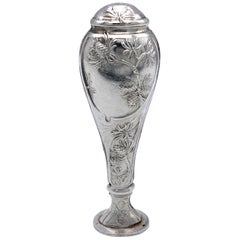
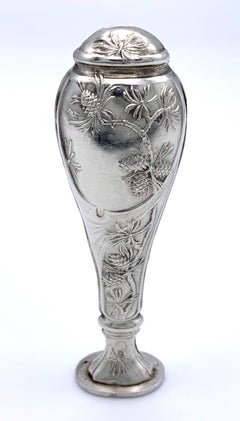
Antique Art Nouveau Silver Pine Cone Desktop Seal France
Located in Munich, Bavaria
This silver seal with an unused signet plate epitomizes strong French Art Nouveau design.
Silver
$552Sale Price|20% Off
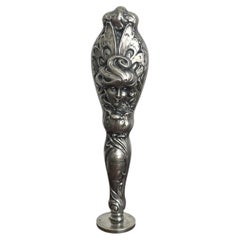
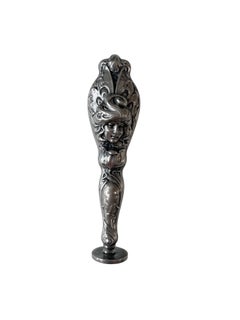
c. 1890-1900 Art Nouveau Sterling Silver Wax Seal with Muse Figure
Located in Honolulu, HI
A masterpiece of late 19th-century craftsmanship. This wax seal features an exquisite Art Nouveau Muse figure sculpted in fine sterling silver.
Sterling Silver

$8,260Sale Price|30% Off
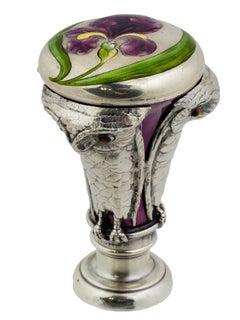
A Rare Austrian Art Nouveau Silver and Enamel Owl Seal by Georg Adam Scheid
By Georg Adam Scheid
Located in Long Island City, NY
Charming and Rare Austrian Art Nouveau Silver and Enamel Owl Seal by Georg Adam Scheid.
Silver, Enamel
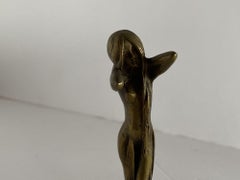
$552Sale Price|35% Off
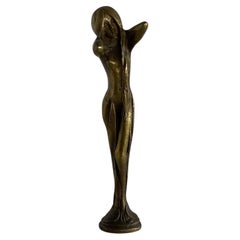
Bronze Letter Wax Seal Stamp Featuring Nude Bathing Women Art Nouveau
Located in Van Nuys, CA
Late Victorian bronze nude bathing women Art Nouveau letter wax seal stamp unused and never monogrammed.
Bronze
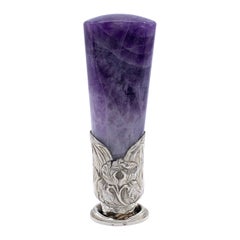
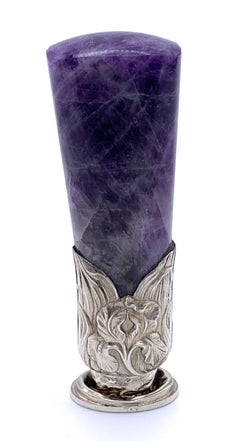
Antique Art Nouveau Desk Top Seal Fluorite Fluorspar Silver Iris Initials E M J
Located in Munich, Bavaria
This unusual silver French desk top seal with a chunky violet fluorite handle has been handcrafted in 1895 ca. The fluorite fluorspar is set in a silver mount and decorated with iris...
Fluorite, Silver
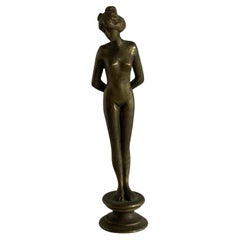
$552Sale Price|35% Off
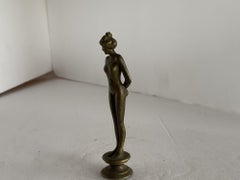
Bronze Art Nouveau Nude Women Letter Wax Seal Stamp
Located in Van Nuys, CA
Late Victorian bronze Art Nouveau nude women letter Wax seal stamp unused and never monogrammed.
Bronze
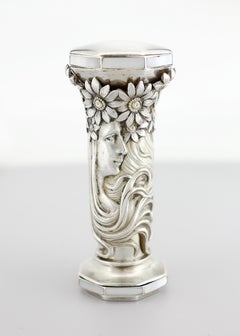
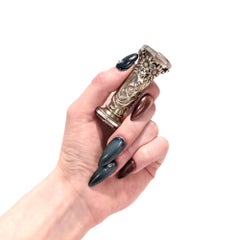
Antique Austrian Jugendstil/Nouveau Silver & MOP Seal with Flowers & Lady's Face
Located in Philadelphia, PA
A fine Austrian letter seal (or so-called Petschaft). In silver with traces of gilding and inlaid panels of mother of pearl. The body with an embossed woman in profile with long fl...
Silver
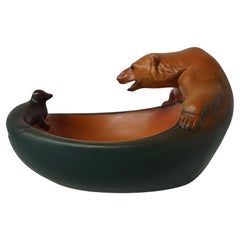
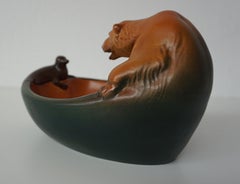
Danish Art Nouveau Handcrafted Icebear and Seal Bowl by P. Ipsens Enke
By P. Ipsens Enke
Located in Knebel, DK
Danish Art Nouveau icebear and seal bowl designed by Charles Arvesen in 1909 for P.
Ceramic
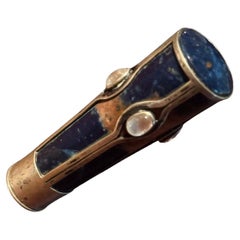
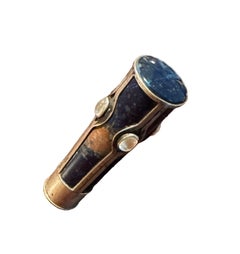
German Art Nouveau Silver and Blue Hardstone Seal, circa 1900 with 'RE' initials
Located in Spencertown, NY
The blue and rust colored hardstone mounted en cage in silver inset with 4 oval moonstones and ‘RE’ seal. Hallmarked with 800 silver mounts, ‘X’ makers mark,
Silver
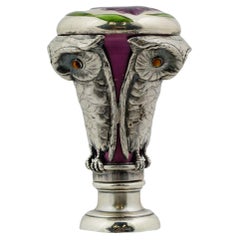
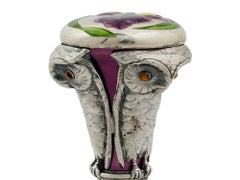
A Rare Austrian Art Nouveau Silver and Enamel Owl Seal by Georg Adam Scheid
Located in Long Island City, NY, NY
Charming and Rare Austrian Art Nouveau Silver and Enamel Owl Seal by Georg Adam Scheid.
Silver, Enamel
$585Sale Price|35% Off
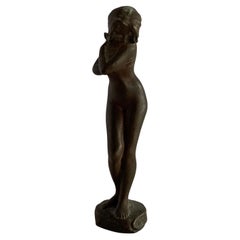
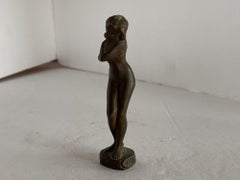
Bronze Shy Nude Women Art Nouveau Letter Wax Seal Stamp
Located in Van Nuys, CA
Late Victorian Bronze Shy Nude Women Art Nouveau Letter Wax Seal Stamp unused and never monogrammed.
Bronze
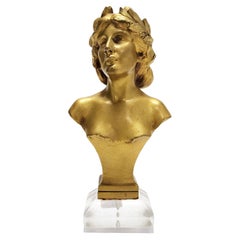
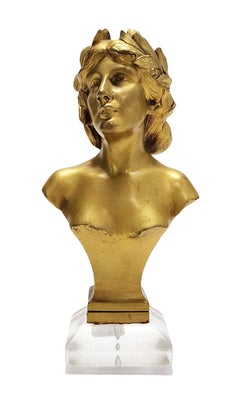
Art Nouveau Gold-Patinated Bronze Bust/Seal 'La Poésie' Signed by Lecci, France
Located in North Miami, FL
Art Nouveau golden patinated bronze bust model/seal with acrylic base 'La Poésie' signed by Lecci, exhibited at the Salon des Artistes Français, Paris 1910 By: Lecci Material: coppe...
Metal, Bronze, Copper
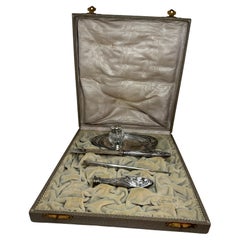
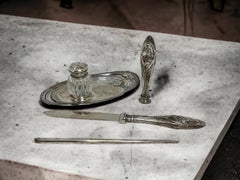
Antique Art Nouveau Silver Inkwell, Letter Opener, Dip Pen and Seal Set, in Box
Located in Nuernberg, DE
Classic early 1900s travel set or desktop accessories inkwell, dip pen, letter opener and seal. Made of silver (marked 800) and crystal glass. Nice addition to your writing desk or j...
Crystal, Silver
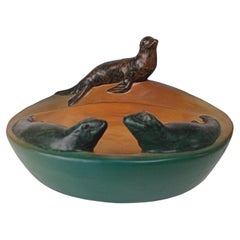
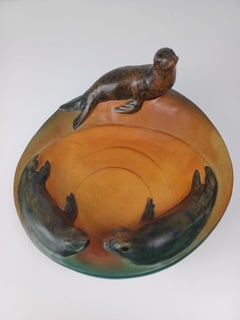
1910's Danish Art Nouveau Handcrafted Sealion Bowl - Ash Tray by P. Ipsens Enke
By P. Ipsens Enke
Located in Knebel, DK
1910's Danish art nouveau handcrafted sealion bowl - ash tray by P.
Ceramic
$780Sale Price|35% Off
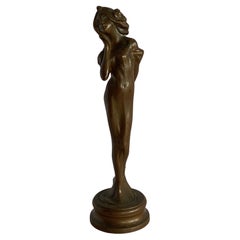
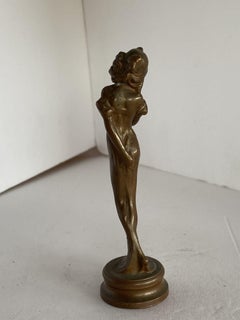
Bronze Female Nymph Art Nouveau Letter Wax Seal Stamp, France, 1900
Located in Van Nuys, CA
Late Victorian bronze female nymph Art Nouveau letter wax seal stamp unused and never monogrammed.
Bronze
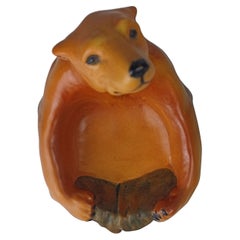
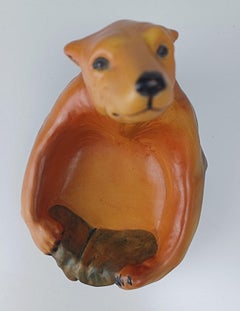
1920's Danish Art Nouveau Handcrafted Icebear Bowl - Ash Tray by P. Ipsens Enke
By P. Ipsens Enke
Located in Knebel, DK
Ipsens Enke Danish Art Nouveau icebear and seal bowl designed by Charles Arvesen in 1909 for P.
Ceramic
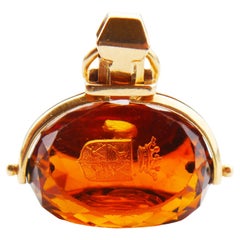
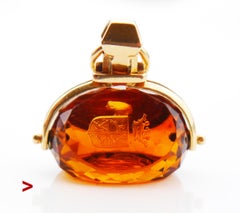
Antique von Aminoff 3 Intaglio Fob wax Seal Citrine solid 18K Gold / 8.7gr
Located in SE
18th - 19th-century fob pendant in solid 18K Yellow Gold mount with 3 intaglio seals skillfully carved in solid natural Citrine stone. One seal shows the coat of arms of the noble f...
Citrine, 18k Gold
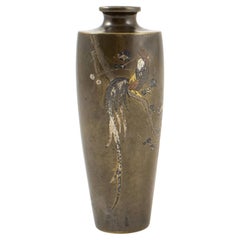
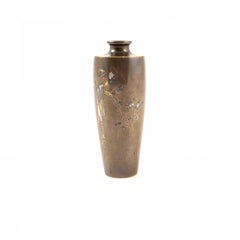
Japanese Shakudo Bronze Vase Meiji Period
Located in Kastrup, DK
apanese Shakudo bronze vase, Art Nouveau. From Nogawa workshop, seal marked at the bottom approx. 1890.
Gold, Silver, Bronze, Enamel
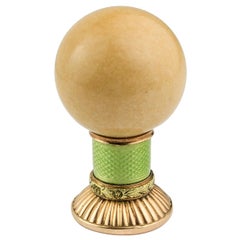
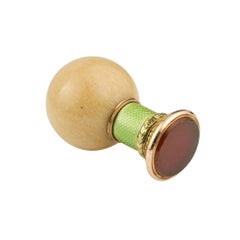
Faberge Gold, Enamel and Hardstone Desk Seal
By Fabergé
Located in London, GB
A Fabergé gold, enamel and hardstone desk seal, workmaster Henrik Wigström, St Petersburg, 1904-1908 the spherical handle carved of aventurine quartz, the collar of translucent apple...
Carnelian, Quartz, Gold, Enamel
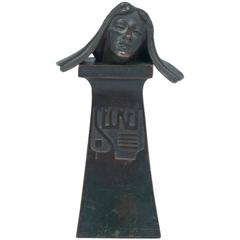
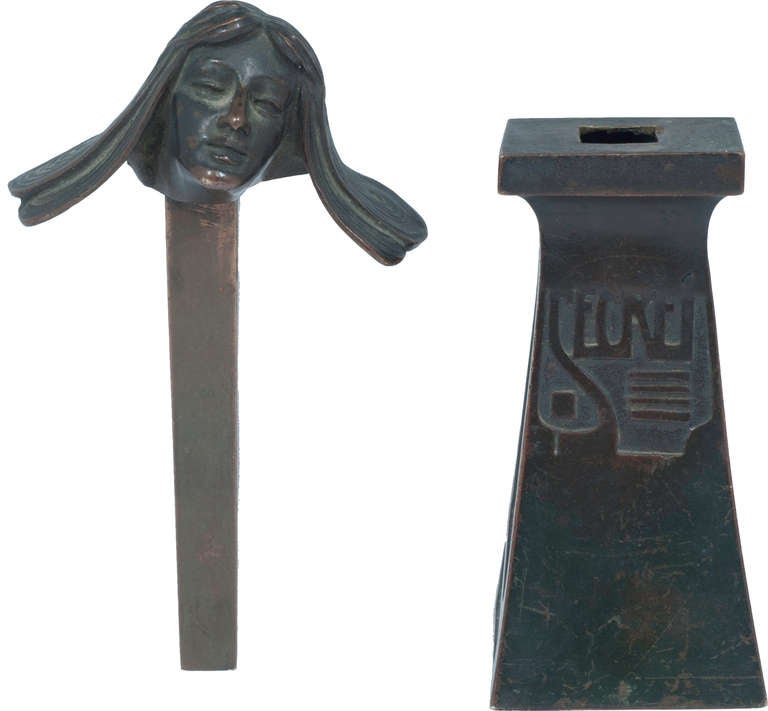
Bronze Art Nouveau Seal "Secret" in the Style of Gurschner
By Gustave Gurschner
Located in Chicago, IL
This is a beautiful wax seal featuring a woman with dragonfly styled hair.
Bronze
Unavailable
H 4.73 in Dm 1.58 in
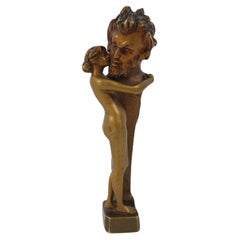
Faun and nymph, art nouveau Wiener bronze Titze wax seal stamp with monogram E.T
Located in Budapest, HU
Faun and Nymph, flawless condition, rare art nouveau Wiener bronze Titze stamp seal sculpture with monogram E.T, Titze, Austria
Bronze
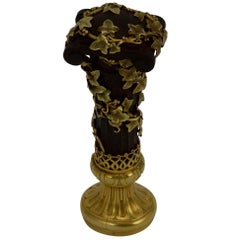
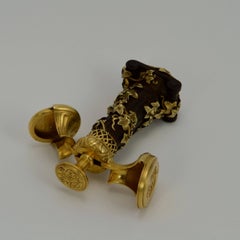
Antique French Historical Steel and Gold Seal
Located in Paris, FR
Ionic-capital shaped seal combinant three matrices. Darken steel handle decorated with a two colors gold swirling ivy guirlande. On an oval, yellow matt and smooth gold fluted foot...
Gold, Steel
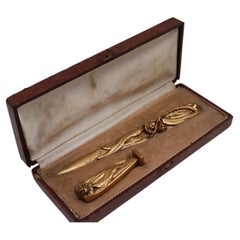
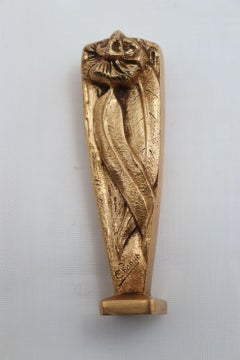
Boxed Gilt Bronze Letter Opener and Seal by G A Chenus
By G. A. Chenus
Located in East Geelong, VIC
This boxed set of a letter opener and seal is made of gilt bronze and both pieces are signed by G A Chenus, a French sculptor of the Art Nouveau period.
Bronze
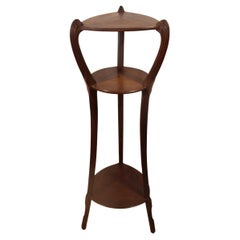

Art Nouveau Seal Attributed To Majorelle
By Atelier Majorelle
Located in Charmes, FR
saddle from the art nouveau period with three trays, in good condition, some usual scratches on the upper tray attributed to Majorelle
Wood
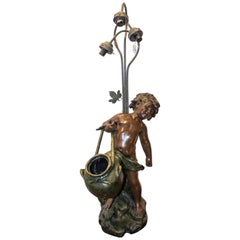
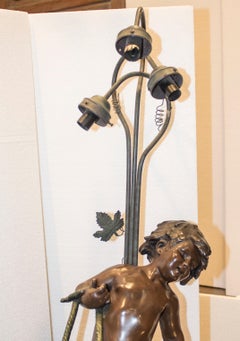
French Art-Nouveau Pewter Child Sculpture Lamp, Signed and Seal
By Louis Auguste Moreau
Located in Valladolid, ES
Beautiful French Art-Nouveau pewter child carrying a water pitcher with flowers table lamp, signed by Auguste Moreau, SXIX French sculptor.
Pewter
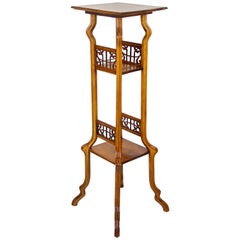

Art Nouveau Nut Wood Pedestal/ Flower Stand, Austria, circa 1900
Located in Lichtenberg, AT
An outstanding designed, unusual masterpiece from the Art Nouveau period which has been sealed by a traditional hand-polished shellac finish.
Nutwood

Sold
H 1.25 in W 9 in D 3.5 in
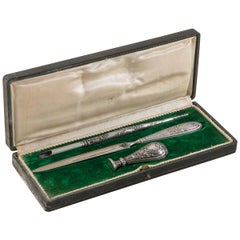
Late 19th Century Silver Desk Set, Letter Opener, Fountain Pen, Letter Seal
Located in Fayetteville, AR
The set includes a letter opener, dip pen, and wax seal which is not monogrammed. The intricate Art Nouveau silverwork includes garlands, acanthus leaves, flowers, and urns.
Silver Plate
Sold
H 7.68 in W 3.94 in D 3.35 in
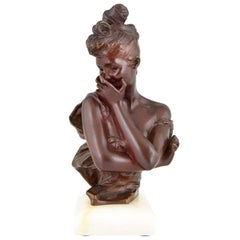
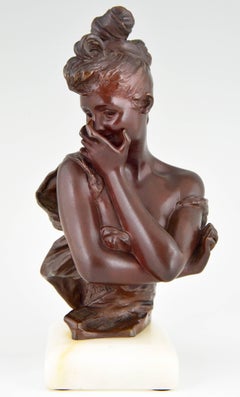
Art Nouveau Bronze Bust of a Shy Lady by Georges van der Straeten, France, 1900
By Georges Van der Straeten
Located in Antwerp, BE
Lovely, early Art Nouveau bronze bust called Acting coy, depicting a shy lady laughing behind het hands by Georges van der Straeten, signed and with foundry seal.
Marble, Bronze
Emmanuel Villanis French Bronze Bust Sculpture of Diane c. 1900
By Emmanuel Villanis
Located in Shippensburg, PA
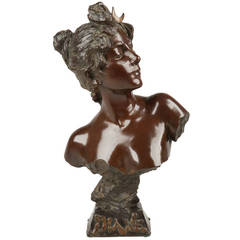
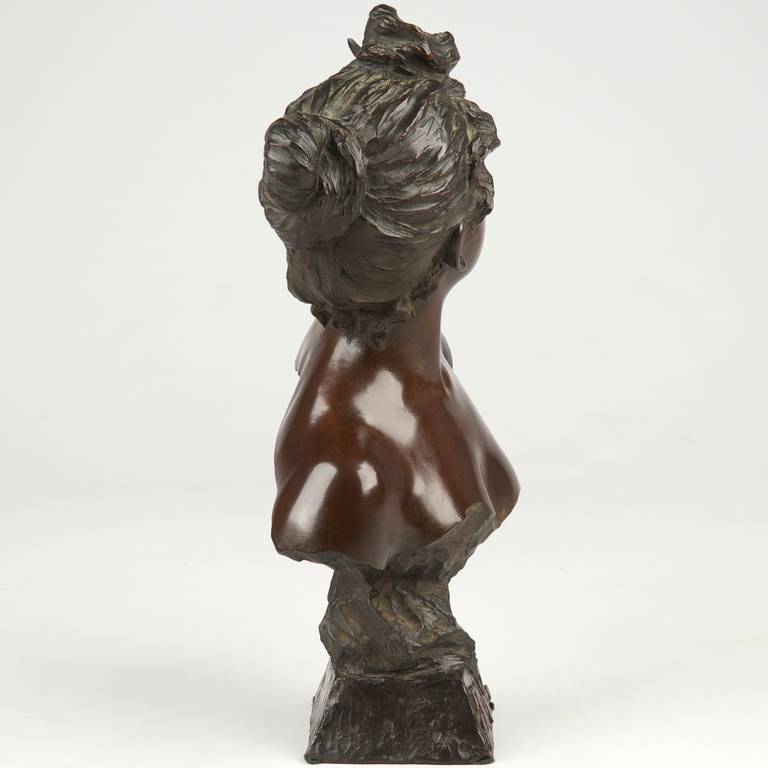
EMMANUEL VILLANIS (FRENCH, fl. 1880-1920), ART NOUVEAU BRONZE BUST SCULPTURE "Diane", sealed with "Alberto Vignes Buenos Aires" importer seal, stamped "AP" & "6954" This wonderfu...
Bronze
Sold
H 5.52 in W 9.45 in D 10.44 in
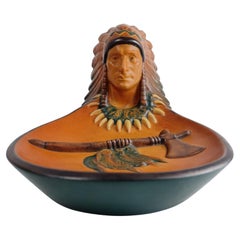
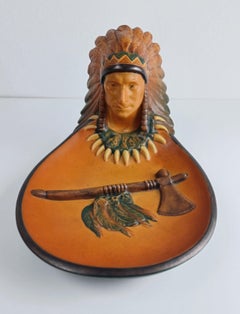
1920s Danish Hand-Crafted Art Nouveau Ash Tray / Bowl by P. Ipsens Enke
By P. Ipsens Enke
Located in Knebel, DK
Danish handcrafted Art Nouveau seal ash tray / bowl designed by Lauritz Jensen in 1929 for P.
Ceramic
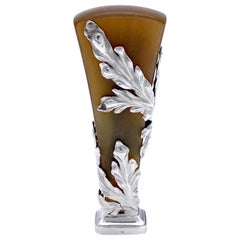

Antique Art Nouveau Acanthus Silver Horn Desktop Seal France
Located in Munich, Bavaria
Silver acanthus foliage seal with a horn handle. French makers mark in a lozenge, silver hallmarks. The bottom side of the seal has never been used and can be engraved. 1895 ca.
Silver
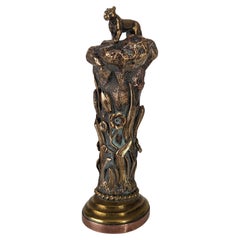

Seal Art Nouveau Sculpture in Bronze 1900s
Located in Benalmadena, ES
Spectacular stamp from the beginning of the century, still unmarked at the base, with a feline on rocks and a multitude of plants and flowers showing the excellent quality of the art...
Bronze
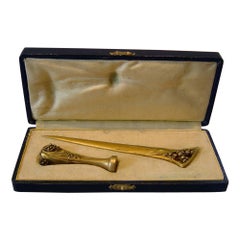

Art Nouveau Boxed Paperknife and Seal Signed LeRoyer
Located in London, GB
A fine Art Nouveau boxed paperknife and seal in gilt and patinated bronze signed by LeRoyer on both the seal and knife.
Bronze
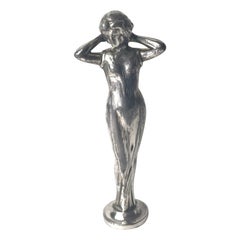
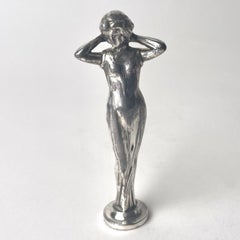
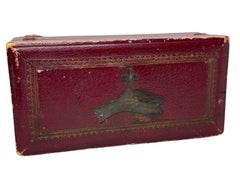
Swedish silver-plated Seal Stamp in Art Nouveau
Located in Knivsta, SE
Swedish silver-plated Seal Stamp in Art Nouveau. Made by GAB, Guldsmedsaktiebolaget, Sweden during the early 20th Century.
Metal
Sold
H 2.38 in W 7.25 in D 3.5 in
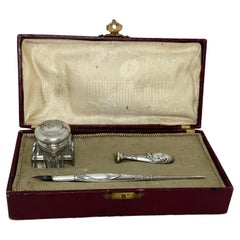
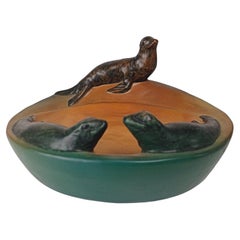
Antique Art Nouveau Silver Inkwell, Dip Pen and Seal Set, in Box, Italy
Located in Nuernberg, DE
Classic early 1900s travel set or desktop accessories inkwell, dip pen and seal. Made of silver and crystal glass. Nice addition to your writing desk or just to display them in your ...
Crystal, Silver

Sold
H 3.94 in Dm 7.88 in
1910's Danish Art Nouveau Handcrafted Sealion Bowl - Ash Tray by P. Ipsens Enke
By P. Ipsens Enke
Located in Knebel, DK
1910's Danish art nouveau handcrafted sealion bowl - ash tray by P.
Ceramic
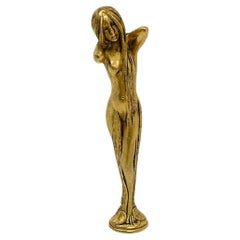
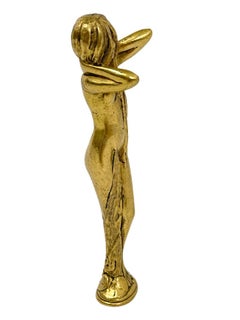
Art Nouveau French Bronze Wax Seal Stamp by Budin, ca 1900
Located in Delft, NL
Art Nouveau French bronze wax seal stamp by Budin, ca 1900.
Bronze
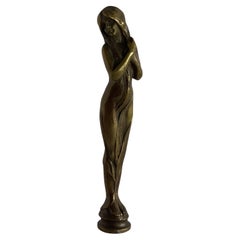

Bronze Art Nouveau Cloaked Women Letter Wax Seal Stamp, France, 1890
Located in Van Nuys, CA
Late Victorian bronze Art Nouveau cloaked women letter wax seal stamp unused and never monogrammed.
Bronze
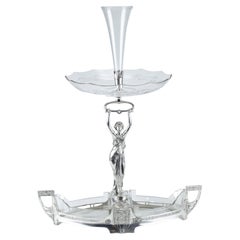

Art Nouveau Centerpiece WMF 1900
By WMF Württembergische Metallwarenfabrik
Located in Buenos Aires, Argentina
Art Nouveau centerpiece WMF Manufacturer WMF Sealed at its base.
Metal
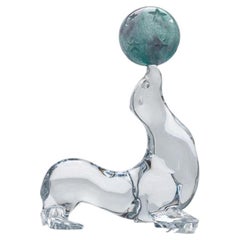
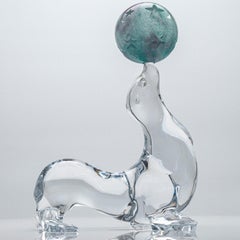
Daum Art Glass Seal Teal Glass Ball and Clear Glass Sculpture, France
By Daum
Located in Rijssen, NL
Luxury at its finest, high-end glass sculpture by Daum, France. The sculpture is a seal. The seal is balancing an art glass ball on his nose. This glass ball is made of teal colored...
Art Glass
Sold
H 7.49 in W 3.55 in D 3.55 in
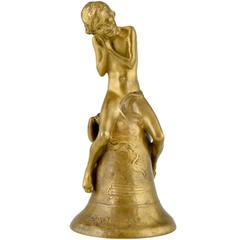
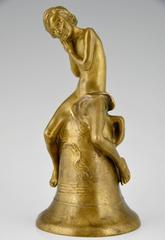
Pernot, Art Nouveau Bronze Sculpture of a Nude Boy on a Bell, France, 1910
By Henri Pernot
Located in Antwerp, BE
Signature/Marks: Pernot. Susse Freres foundry seal. Style: Art Nouveau. Date: 1910. Material: Bronze gilded.
Bronze
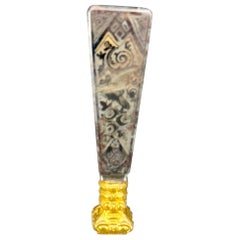
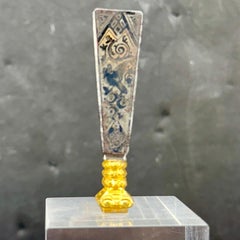
Antique French Gilt Ormolu Gilt Metal Hand Wax Seal Stamp
Located in Haddonfield, NJ
Very charming French hand wax seal from the late 19th Century. We see this piece added to a collection of these hard to find treasures.
Metal, Ormolu
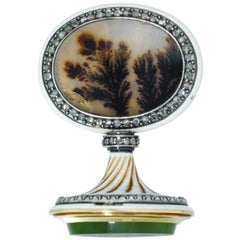
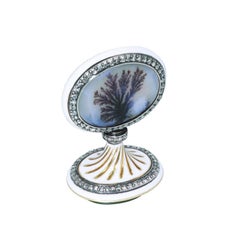
Fabergé Jewelled and Enameled Gold and Hardstone Seal
By Fabergé
Located in London, GB
A Faberge' jewelled and enamelled gold and hardstone seal, the flat oval handle inset at both sides with a moss agate panel over sunburst engine-turning within a rose-cut diamond-set...
Agate, Diamond, Gold, Yellow Gold, Enamel

Sold
H 5.52 in W 9.45 in D 6.3 in
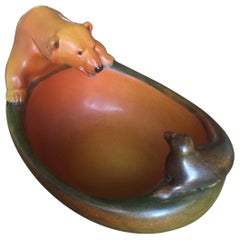
Danish Pottery of Polar Bear and Seal by Charles Arvesen for Ipsens, circa 1909
By P. Ipsens Enke
Located in Heathfield, East Sussex
A lovely Danish art pottery of a polar bear and seal designed by Charles Arvesen for Ipsens Copenhagen, circa 1909. Lovely detail and colour. In good condition for age. Stamped to ba...
Terracotta
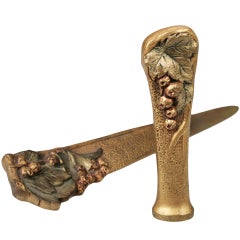
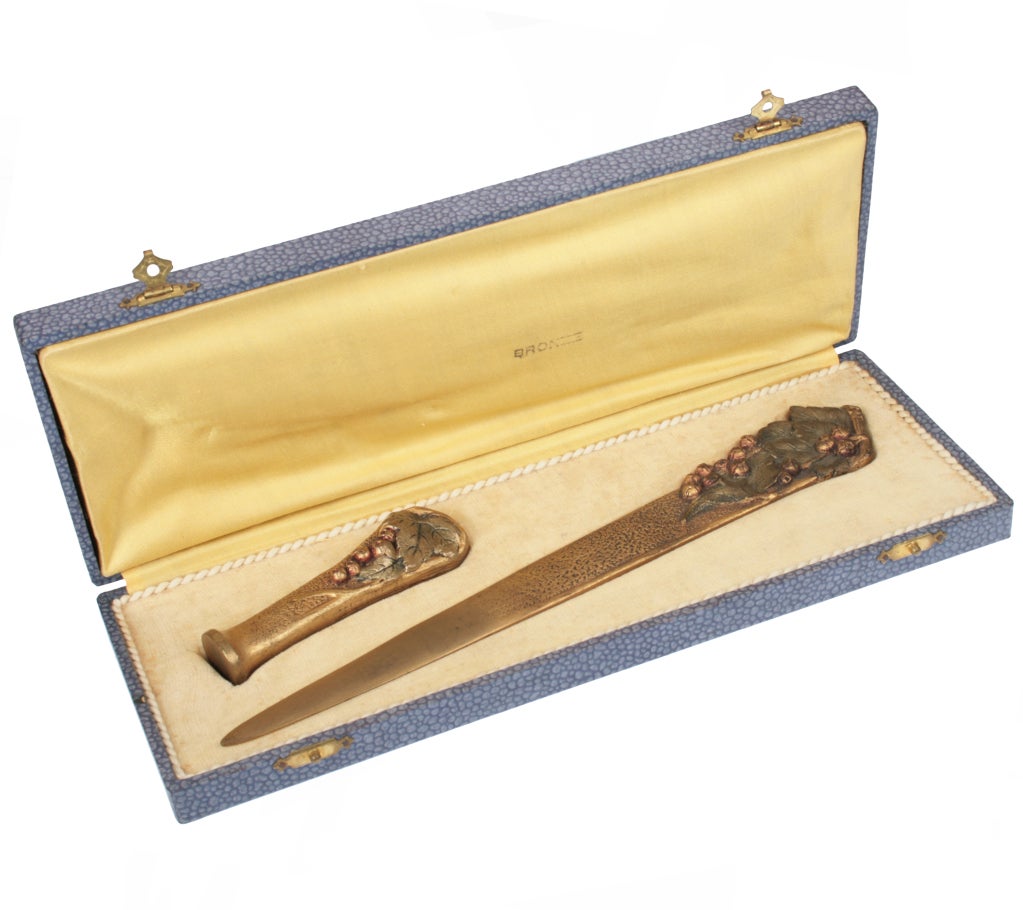
French Art Nouveau Bronze Letter Opener and Seal
Located in Chicago, IL
This is a beautiful Art Nouveau Letter Openerand wax seal in their original Box.
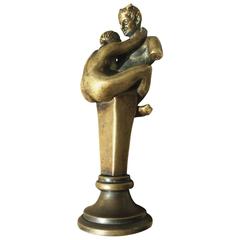

Rare Austrian Miniature Bronze Wax Seal Erotic Subject Matter, 19th Century
Located in Redding, CA
We have not seen this model before buying this, it is very finely cast and quite typical of the work we see in these very popular items that were brought home from visits to Europe...
Bronze
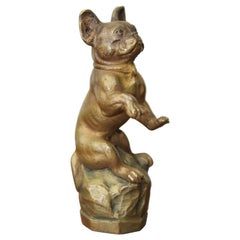

Antique Wax Seal Stamp with Bulldog on Top, Early 20th Century
Located in Retie, BE
Antique figural wax seal stamp - desk stamp with French bulldog on top. Very detailed brass bulldog figurine. Stamp has elegant Initials - Monogram of M and V with Fleur de Lys. A...
Brass
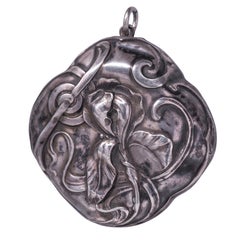
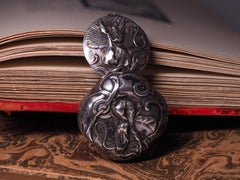
Iris Antique Art Nouveau Silver Locket Mirror French Jewelry 1900
Located in Berlin, DE
French Art Nouveau Silver Locket with mirror locket measurements - 0.75 х 1.73 х 2.05 in / 19 х 44 х 52 mm weight - 14.63 grams
Silver, Sterling Silver
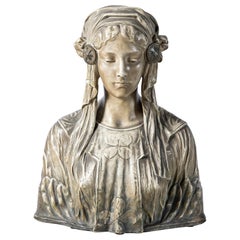
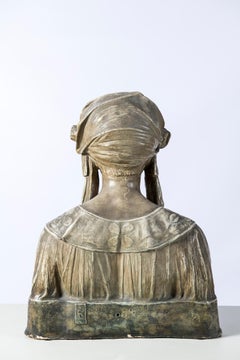
Terracotta Woman Bust Signed Goldscheider, Austria, circa 1900
By Friedrich Goldscheider
Located in Buenos Aires, Buenos Aires
Terracotta woman bust signed Goldscheider, Austria, circa 1900. Friedrich Goldscheider (1845-1897).
Terracotta
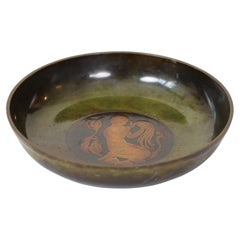
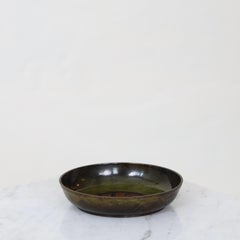
Bronze Bowl designed by Just Andersen, 1920s, Denmark
By Just Andersen
Located in Værløse, DK
Art Nouveau Bronze Bowl with finely chased motif of a woman with a peacock designed by Just Andersen in the late 1920s. * Low bronze bowl with chased decoration depicting a woman w...
Bronze
$1,025
H 6.3 in W 3.55 in D 2.37 in
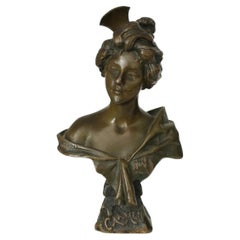
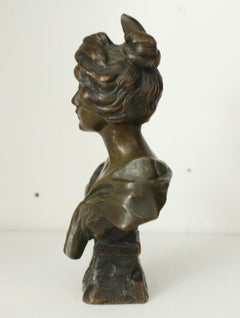
French Art Nouveau Bronze Bust Carmen by Emmanuel Villanis, circa 1900
By Emmanuel Villanis
Located in Boven Leeuwen, NL
A small French Art Nouveau patinated bronze bust titled "Carmen", after a model by Emmanuel Villanis (1858–1914), circa 1900. The bust is signed "E. Villanis" in the bronze along the...
Bronze
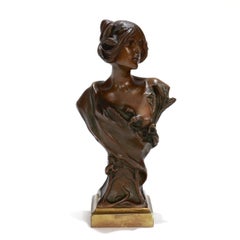
$695
H 6.25 in W 3 in D 1.75 in
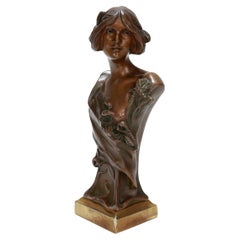
Small Hans Müller Art Nouveau Bronze Cabinet Sculpture/Bust of a Half-Clad Woman
By Hans Muller
Located in Philadelphia, PA
A fine, small-scale antique Art Nouveau cabinet bronze. In the form of a half-naked young woman in three-quarter profile. Likely an allegory to Summer or The Harvest (or possibly a...
Bronze
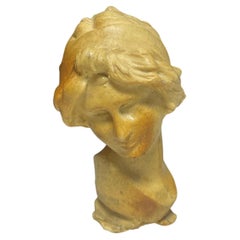
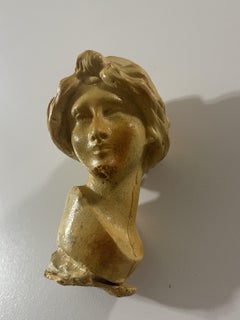
$432Sale Price|20% Off
H 3.9 in W 2.4 in D 2.4 in
Early 20th C. Art Nouveau Hand-Carved Style Resin Female Bust Sculpture
Located in Honolulu, HI
An enchanting early 20th-century Art Nouveau studio artwork, this rare miniature female bust embodies the romantic idealism and fluid elegance of the movement. Originally acquired in...
Polyester
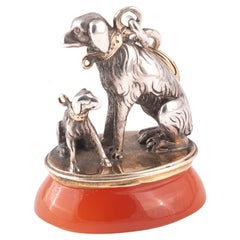
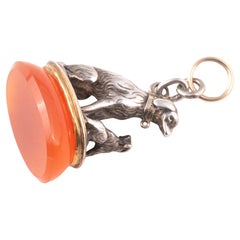
A Large Silver Gold And Hardstone Fob Seal English Circa 1870
Located in Firenze, IT
The urn-shaped handle and cast and chased with two sporting dogs , the carnelian matrix without engraved. English, circa 1870 Height 3cm Weight: 14.40gr.
Carnelian, Silver, Gold
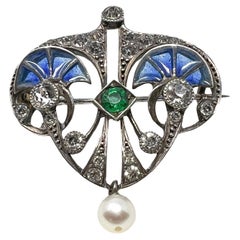
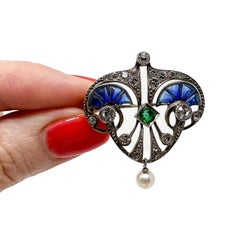
Art Nouveau c.1900 French Silver, Plique-à-Jour and Paste Antique Brooch
Located in Wilmslow, England
This outstanding brooch was made in France and features a wonderfully elegant original Art Nouveau design. Condition Report: Excellent The Details... This brooch is constructed fro...
Silver
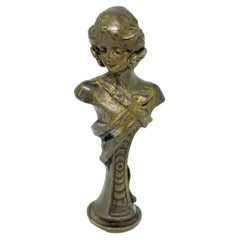
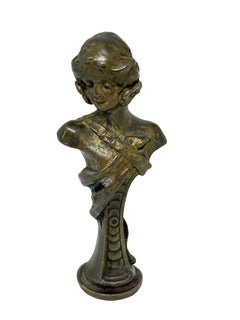
Vienna Bronze Art Nouveau Lady Bust Signet Antique, Austria, 1900s
Located in Nuernberg, DE
This charming early 20th-century Austrian signet is a finely detailed miniature object, engraved with initials that give the piece a distinctly personal and heraldic character. Its c...
Bronze
$295
H 2.68 in W 1.7 in D 0.48 in
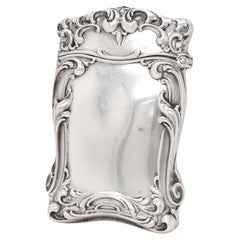
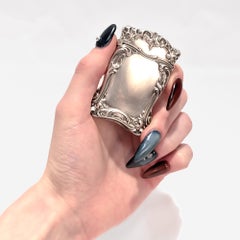
Antique American Art Nouveau Repousse Sterling Silver Matchsafe or Vesta
Located in Philadelphia, PA
A fine antique signed silver Art Nouveau matchsafe. In sterling silver. With repousse decoration of rocaille swags around the edges of both sides. With a striker to the base. Mar...
Sterling Silver
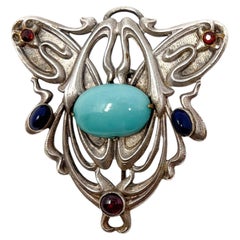
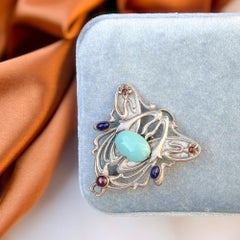
Art Nouveau c.1900 Antique Glass Cabochon Brooch / Pendant
Located in Wilmslow, England
This elegant brooch features an evocative and original Art Nouveau design and dates from c.1900. Condition Report: Very Good - A little darkening to the metal in a couple of small a...
Base Metal
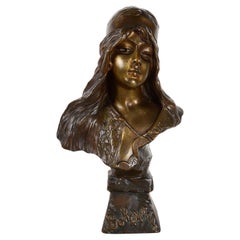
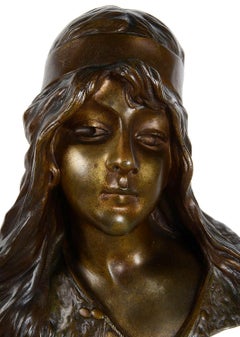
Bronze bust of a Bohemian young girl, 1920
Located in Brighton, Sussex
Enchanting patinated bronze bust of a young Bohemian girl. Batch 81 G340/24 DNYZ
Bronze
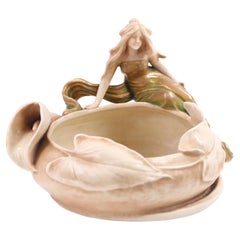
$1,182
H 7.09 in W 9.45 in D 9.45 in
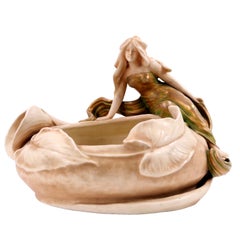
Bernard Bloch Art Nouveau Figural Centrepiece Bowl Designed by Theodor Schoop
Located in Nottingham, GB
A sculpted maiden in flowing drapery reclines along the curving rim of this earthenware centrepiece bowl, peering down into the vessel. The naturalistic form is conceived as a pond h...
Ceramic
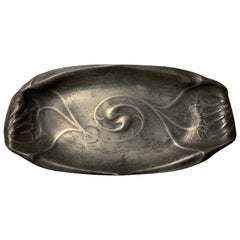
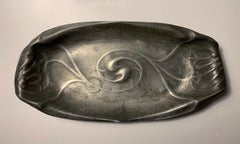
Hugo Leven Kayserzinn Art Nouveau Tray / Dish, Germany, circa 1900
By Hugo Leven, Kayserzinn 1
Located in Chicago, IL
Hugo Leven Kayserzinn Art Nouveau tray / dish, Germany, circa 1900.
Pewter
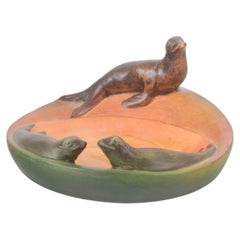
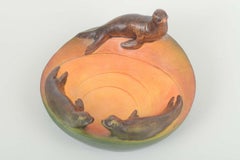
Ipsens Enke, Denmark. Art pottery bowl with three seals. 1920s
Located in København, Copenhagen
Ipsens Enke Art pottery bowl with seals, model 143. Decorative bowl featuring three seals – two reclining and one seated on the rim. Glazed in shades of green and brown with a natura...
Ceramic
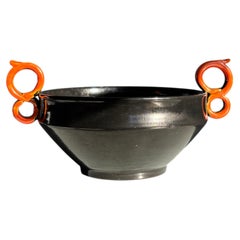
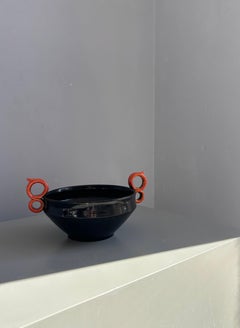
Art Nouveau Earthenware Bowl, Bo Fajans, Sweden, 1940s
By Harald Östergren, Bo Fajans, Anna-Lisa Thomson, Vicke Lindstrand, Berit Ternell
Located in Copenhagen, DK
Black art nouveau ceramic vase manufactured by Bo Fajans in the 1940-50s and attributed to designer Berit Ternell. Soft shaped bowl with a mother of pearl like black shine and sculpt...
Ceramic, Earthenware, Pottery, Stoneware
In its sinuous lines and flamboyant curves inspired by the natural world, antique Art Nouveau furniture reflects a desire for freedom from the stuffy social and artistic strictures of the Victorian era. The Art Nouveau movement developed in the decorative arts in France and Britain in the early 1880s and quickly became a dominant aesthetic style in Western Europe and the United States.
ORIGINS OF ART NOUVEAU FURNITURE DESIGN
CHARACTERISTICS OF ART NOUVEAU FURNITURE DESIGN
ART NOUVEAU FURNITURE DESIGNERS TO KNOW
ANTIQUE ART NOUVEAU FURNITURE ON 1STDIBS
Art Nouveau — which spanned furniture, architecture, jewelry and graphic design — can be easily identified by its lush, flowing forms suggested by flowers and plants, as well as the lissome tendrils of sea life. Although Art Deco and Art Nouveau were both in the forefront of turn-of-the-20th-century design, they are very different styles — Art Deco is marked by bold, geometric shapes while Art Nouveau incorporates dreamlike, floral motifs. The latter’s signature motif is the "whiplash" curve — a deep, narrow, dynamic parabola that appears as an element in everything from chair arms to cabinetry and mirror frames.
The visual vocabulary of Art Nouveau was particularly influenced by the soft colors and abstract images of nature seen in Japanese art prints, which arrived in large numbers in the West after open trade was forced upon Japan in the 1860s. Impressionist artists were moved by the artistic tradition of Japanese woodblock printmaking, and Japonisme — a term used to describe the appetite for Japanese art and culture in Europe at the time — greatly informed Art Nouveau.
The Art Nouveau style quickly reached a wide audience in Europe via advertising posters, book covers, illustrations and other work by such artists as Aubrey Beardsley, Henri de Toulouse-Lautrec and Alphonse Mucha. While all Art Nouveau designs share common formal elements, different countries and regions produced their own variants.
In Scotland, the architect Charles Rennie Mackintosh developed a singular, restrained look based on scale rather than ornament; a style best known from his narrow chairs with exceedingly tall backs, designed for Glasgow tea rooms. Meanwhile in France, Hector Guimard — whose iconic 1896 entry arches for the Paris Metro are still in use — and Louis Majorelle produced chairs, desks, bed frames and cabinets with sweeping lines and rich veneers.
The Art Nouveau movement was known as Jugendstil ("Youth Style") in Germany, and in Austria the designers of the Vienna Secession group — notably Koloman Moser, Josef Hoffmann and Joseph Maria Olbrich — produced a relatively austere iteration of the Art Nouveau style, which mixed curving and geometric elements.
Art Nouveau revitalized all of the applied arts. Ceramists such as Ernest Chaplet and Edmond Lachenal created new forms covered in novel and rediscovered glazes that produced thick, foam-like finishes. Bold vases, bowls and lighting designs in acid-etched and marquetry cameo glass by Émile Gallé and the Daum Freres appeared in France, while in New York the glass workshop-cum-laboratory of Louis Comfort Tiffany — the core of what eventually became a multimedia decorative-arts manufactory called Tiffany Studios — brought out buoyant pieces in opalescent favrile glass.
Jewelry design was revolutionized, as settings, for the first time, were emphasized as much as, or more than, gemstones. A favorite Art Nouveau jewelry motif was insects (think of Tiffany, in his famed Dragonflies glass lampshade).
Like a mayfly, Art Nouveau was short-lived. The sensuous, languorous style fell out of favor early in the 20th century, deemed perhaps too light and insubstantial for European tastes in the aftermath of World War I. But as the designs on 1stDibs demonstrate, Art Nouveau retains its power to fascinate and seduce.
There are ways to tastefully integrate a touch of Art Nouveau into even the most modern interior — browse an extraordinary collection of original antique Art Nouveau furniture on 1stDibs, which includes decorative objects, seating, tables, garden elements and more.
Art Nouveau furniture was a style of furniture that emerged at the end of the 19th century and was characterized by its complex curved lines. The curved details in the furniture were typically carved by hand and finished with lacquer. The unmistakable gloss that is associated with Art Nouveau comes from the thick coat of varnish applied to the furniture as the final step of the production process.
The main difference between Art Nouveau and Art Deco is that the former is detailed and ornate, and the latter is sharp and geometrical. When the movement started at the end of the 19th century, Art Nouveau was heavily influenced by nature and the curved lines of flowers. Art Deco, which became popular in the beginning of the 20th century, was inspired by the geometric abstraction of cubism.
The Art Nouveau design movement used such materials as cast iron and steel, ceramic and glass. This style of architecture, design, art and jewelry was characterized by its use of long, sinuous lines that are reflected in nature.
Aside from his iconic commercial prints, the Czech artist endeavored to make works that spoke to the soul.
From vibrant to subtle, elegant to cheeky, enamel jewelry encompasses a wide range of colors and styles, and there are almost as many techniques for creating these distinctive pieces.
The first art and design movement of the 20th century was all about celebrating beauty of women and nature.