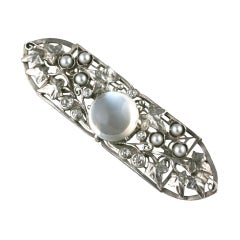
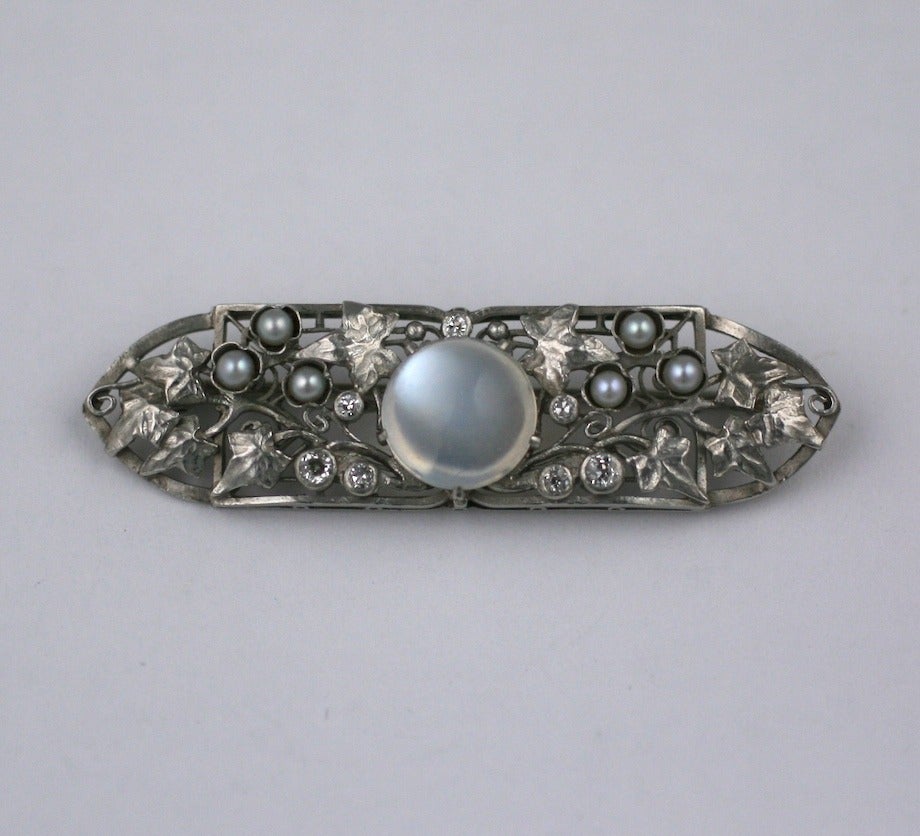
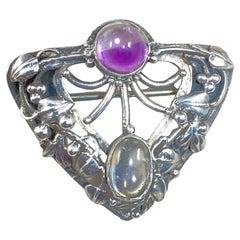
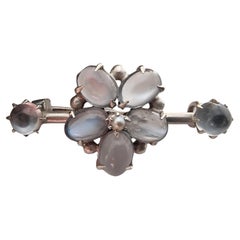
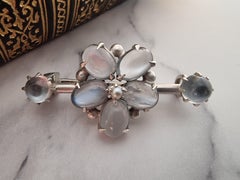
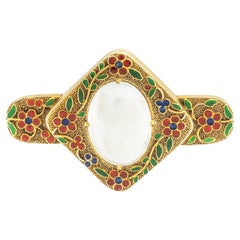
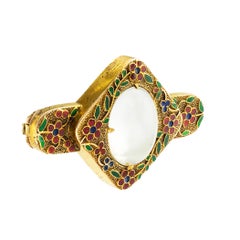
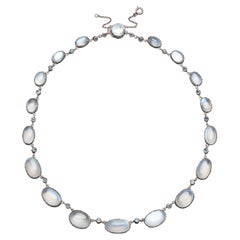
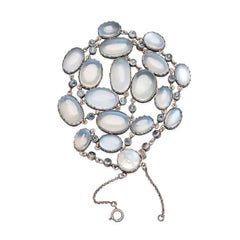
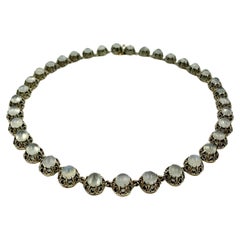
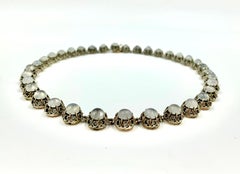
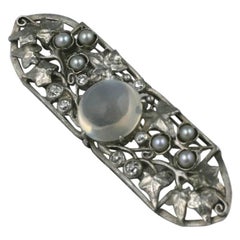
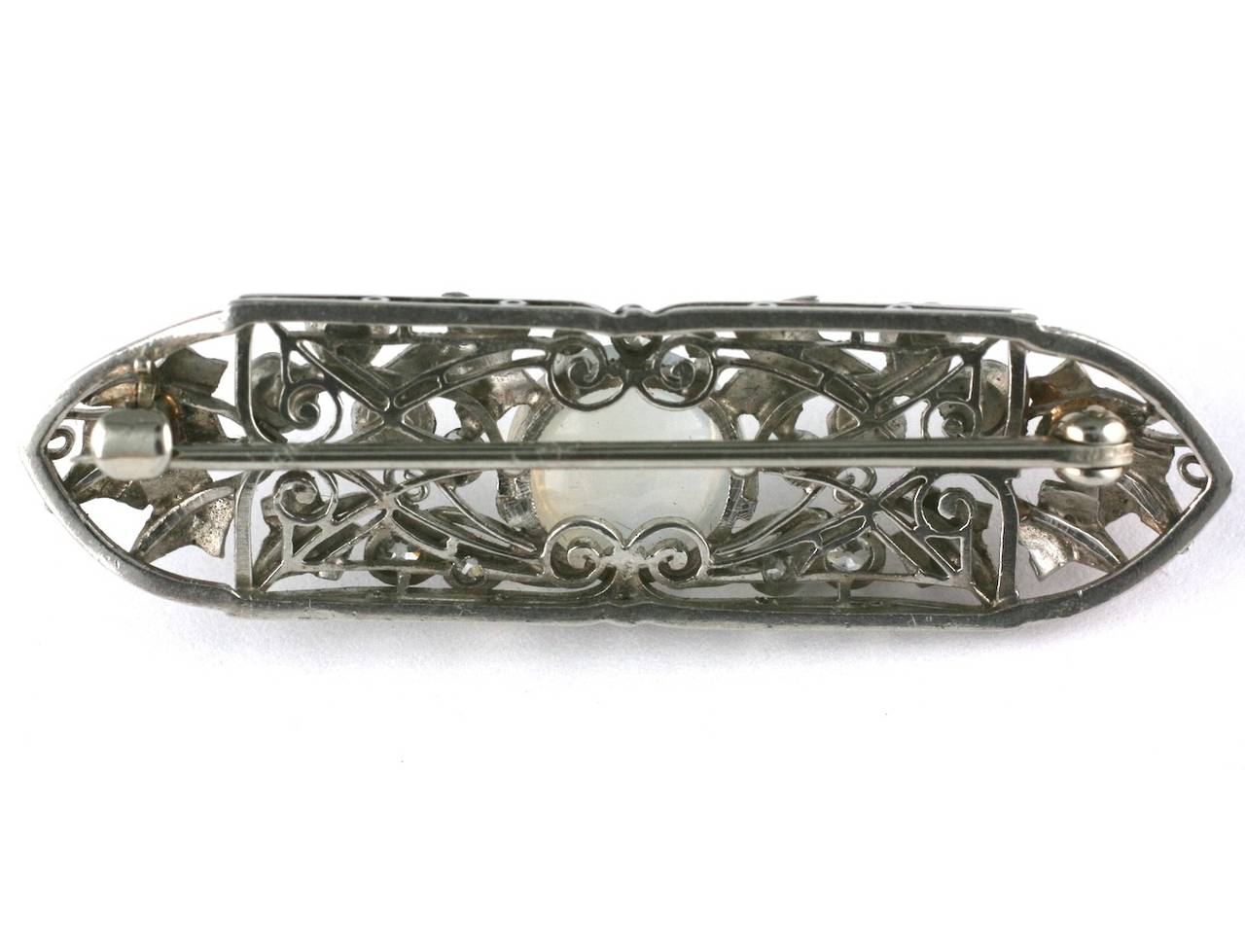
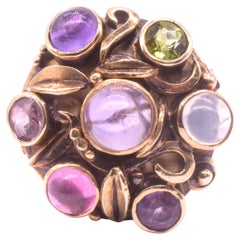
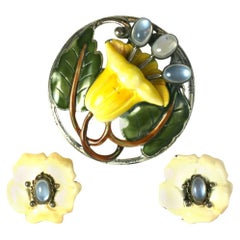
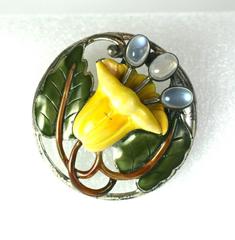
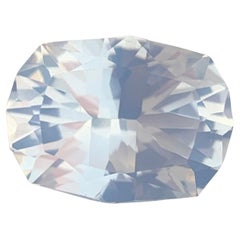
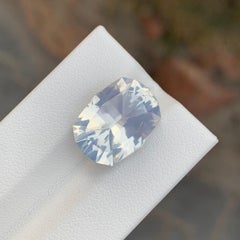
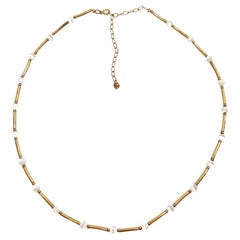
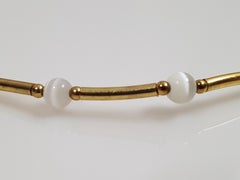
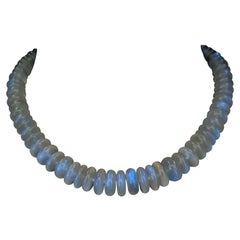
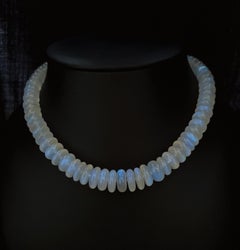
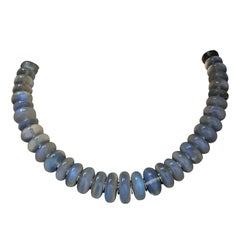
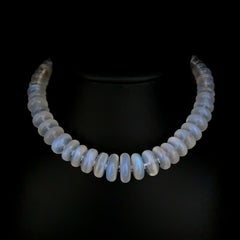
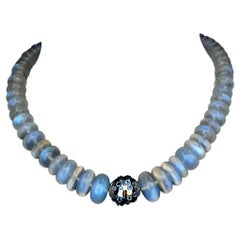
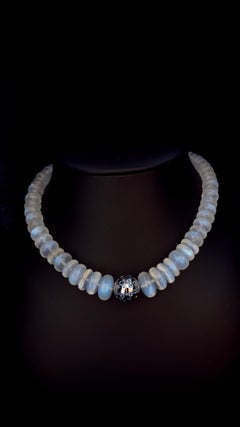
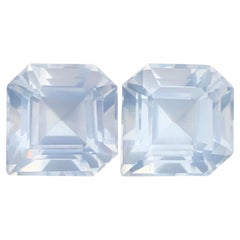
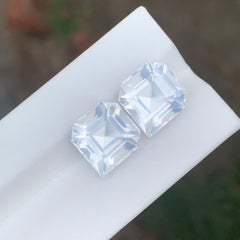
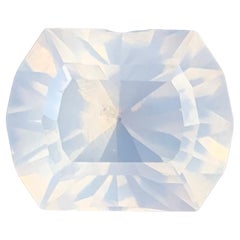
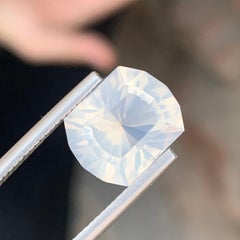
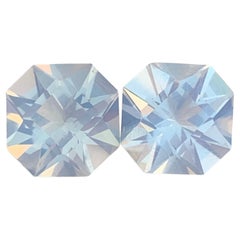
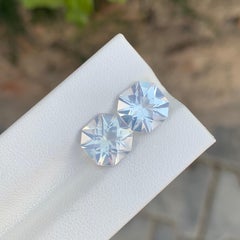
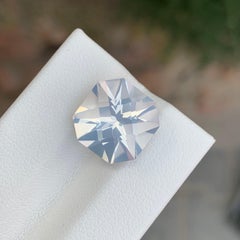
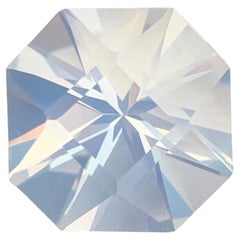
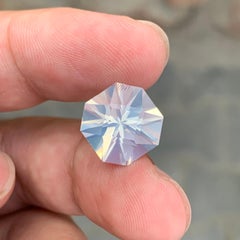
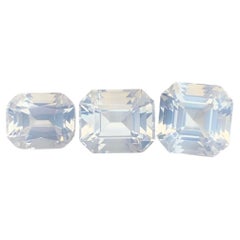
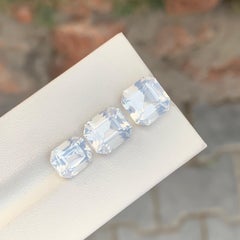
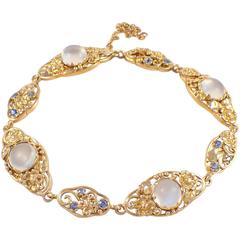
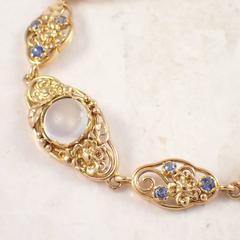
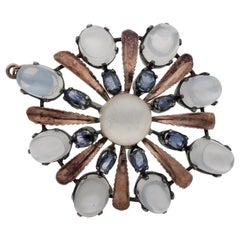
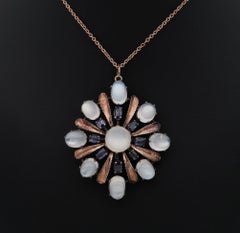
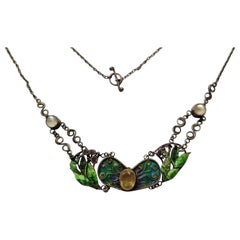
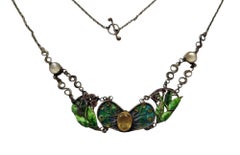
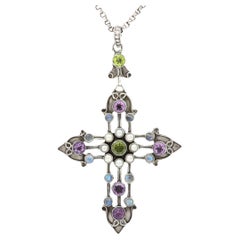
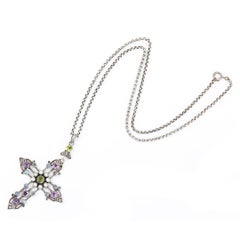
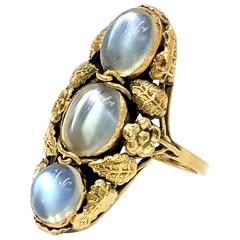
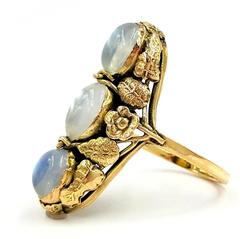
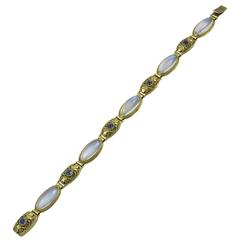
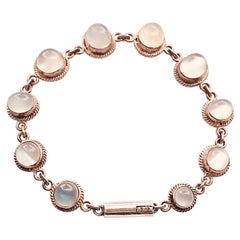
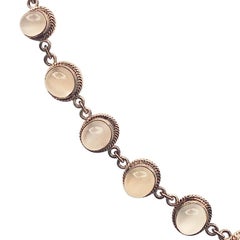
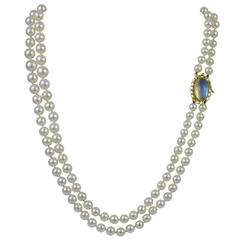
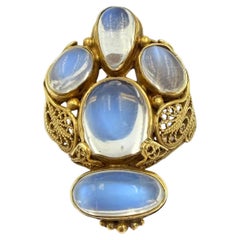
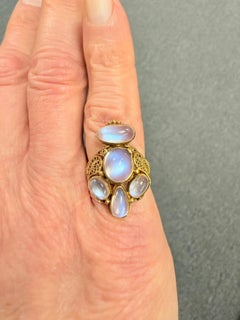
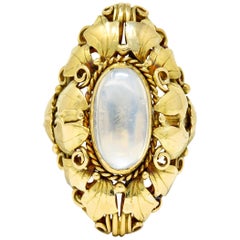
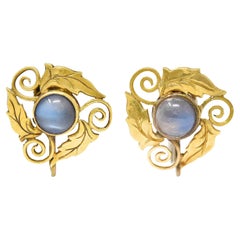
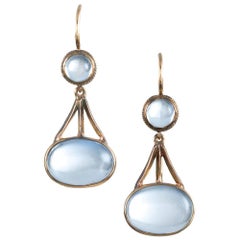
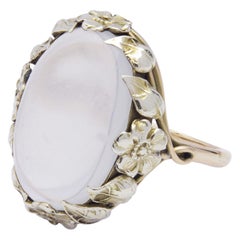
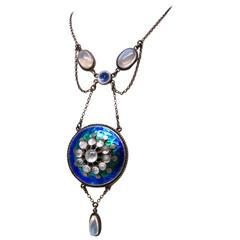
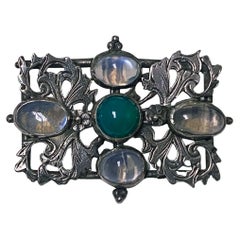
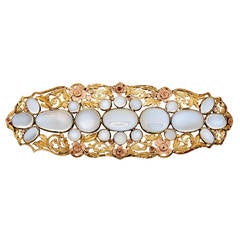
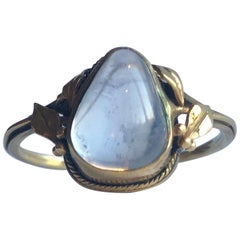
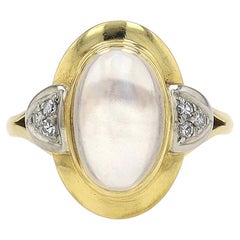
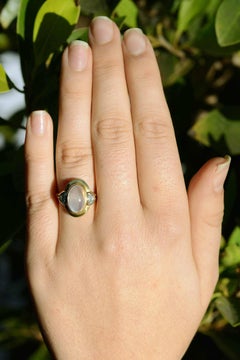
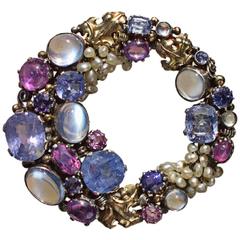
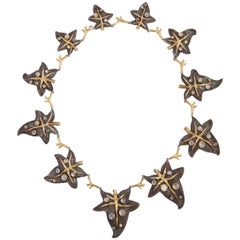
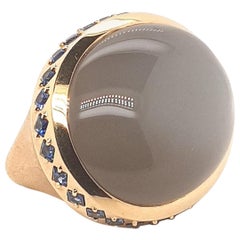
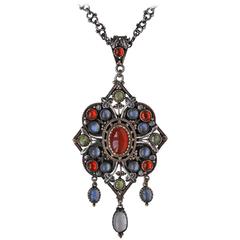
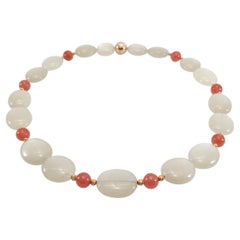
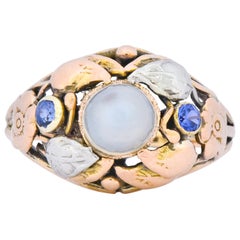
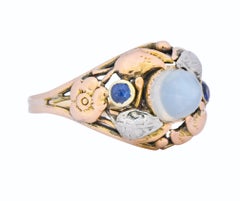
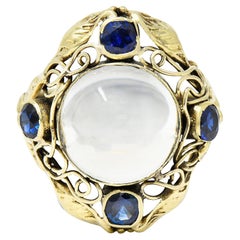
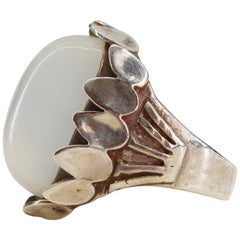
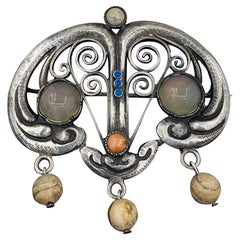
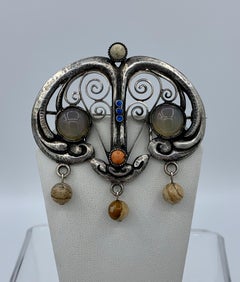
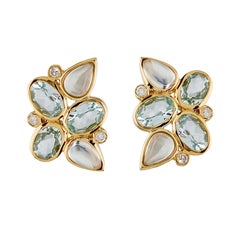
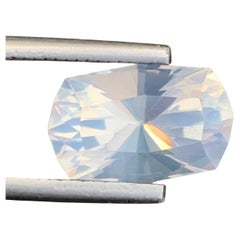
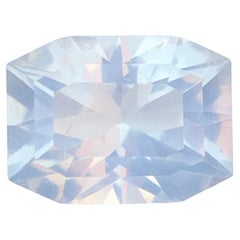
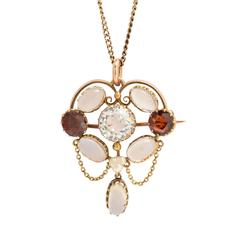
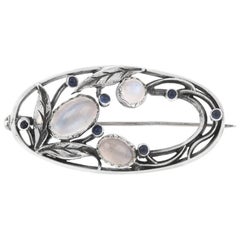
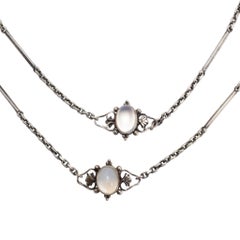
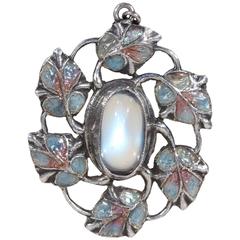
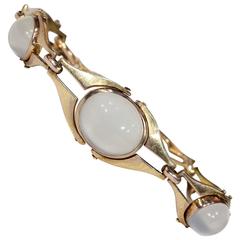
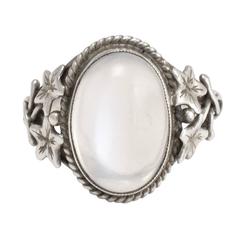
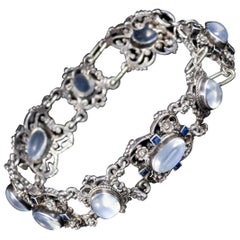
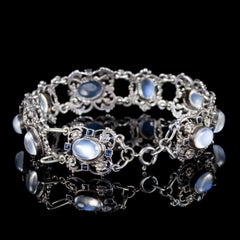
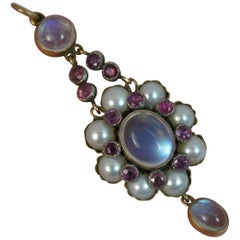
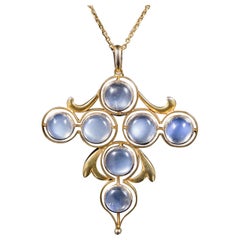
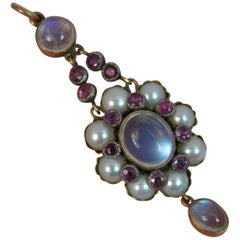
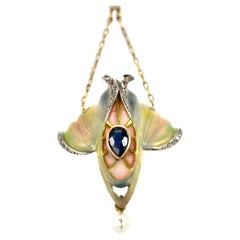
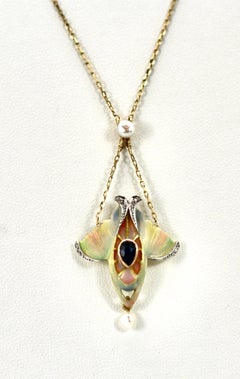
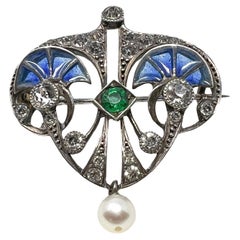
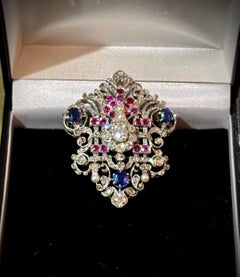
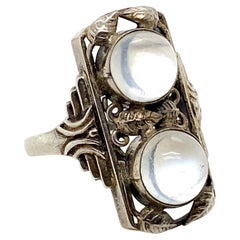
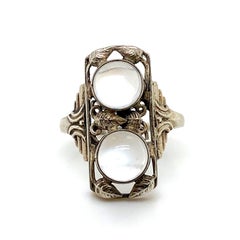
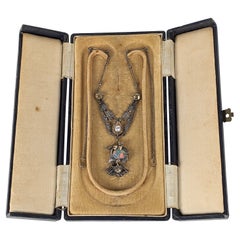
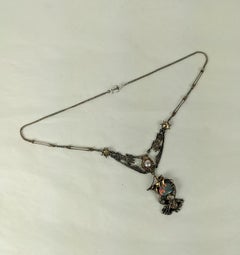
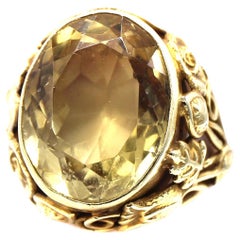
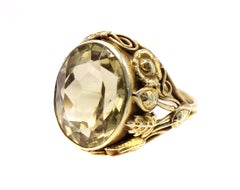
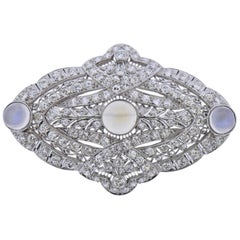
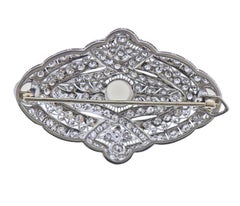
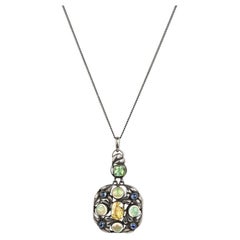
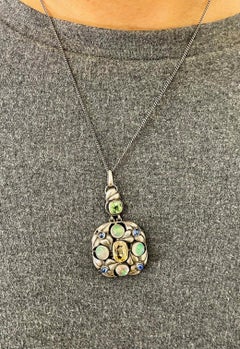
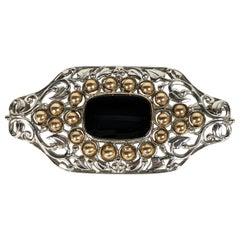
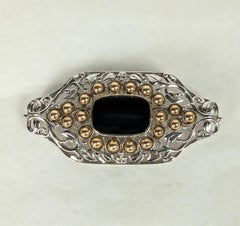
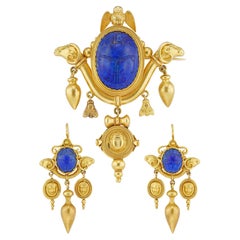
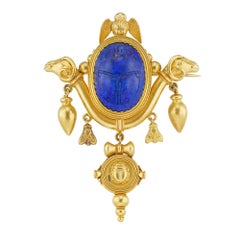
You are likely to find exactly the arts and crafts moonstone you’re looking for on 1stDibs, as there is a broad range for sale. Every item for sale was constructed with extraordinary care, often using
Gold,
Silver and
18k Gold. In our selection of items, you can find a vintage example as well as a contemporary version. Finding the perfect arts and crafts moonstone may mean sifting through those created during different time periods — you can find an early version that dates to the 19th Century and a newer variation that were made as recently as the 21st Century. There have been many well-made iterations of the classic arts and crafts moonstone over the years, but those made by
Artificers Guild,
Dorrie Nossiter and
Georg Jensen are often thought to be among the most beautiful. See these pages for a
cabochon iteration of this accessory, while there are also
bead cut and
oval cut cut versions available here, too. If you’re browsing our inventory for a arts and crafts moonstone, you’ll find that many are available today for
women, but there are still pieces to choose from for unisex and
men.
Prices for a arts and crafts moonstone can differ depending upon size, time period and other attributes — at 1stDibs, these accessories begin at $420 and can go as high as $26,603, while this accessory, on average, fetches $2,400.
The Arts and Crafts movement that emerged in England in the late 19th century saw a dehumanization of design in the rise of industrialization and mass production of objects. Its practitioners prized craftsmanship and a close connection between the artisan and the entire process of what they were making. This included the design of Arts and Crafts jewelry and watches, which evolved as the movement spread to the United States in the early 20th century.
While much of the Arts and Crafts furniture realm was dominated by male designers like William Morris and Gustav Stickley, several women came to prominence in Arts and Crafts jewelry design, including British metalworker Charlotte Newman and American enamelist and metalsmith Elizabeth Copeland. Many creators were part of guilds, encouraging an exchange of ideas, with some focused on jewelry, like England’s Guild and School of Handicraft — founded by Charles Robert Ashbee — and Birmingham Guild of Handicraft.
In contrast to the Victorian era, with its decadent gemstones and heavy mourning jewelry, designers of Arts and Crafts jewelry looked to the past and abroad for inspiration, from simple medieval shapes to East Asian styles. The movement’s emphasis on natural forms overlapped with Art Nouveau. Flourishes like leaves and flowers formed from silver, aluminum and copper can be found in bracelets and necklaces designed in this style, while rings and earrings are adorned with affordable gems such as turquoise and freshwater pearls.
Arts and Crafts jewelry designers used materials that were often simple, such as semiprecious stones and enamel, which is one of the oldest forms of surface decoration. Artisans prioritized the use of artistic techniques to elevate the jewelry rather than expensive components, and every piece was intended to be one of a kind — a work of wearable art.
Find antique Arts and Crafts jewelry boxes and a collection of Arts and Crafts jewelry on 1stDibs.