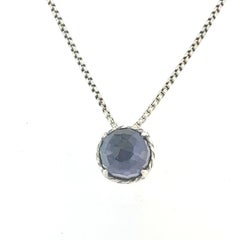
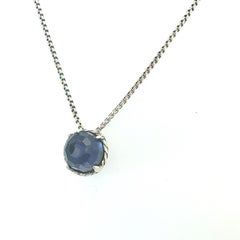
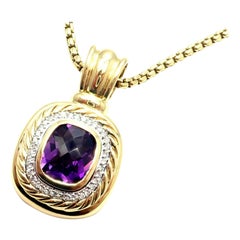
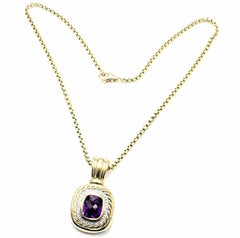
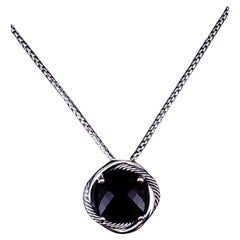
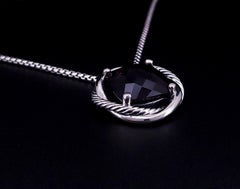
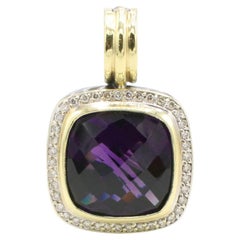
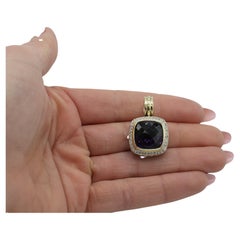
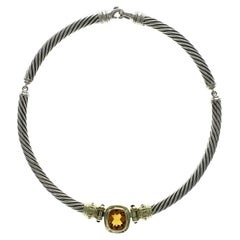
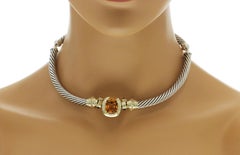
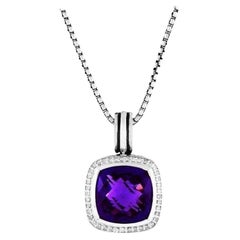
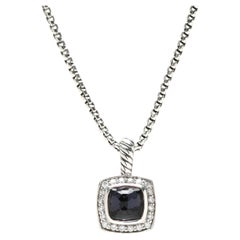
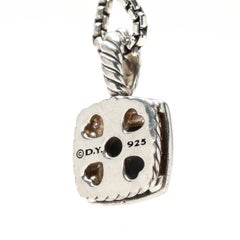
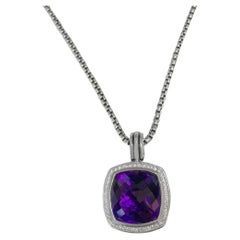
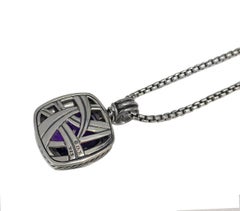
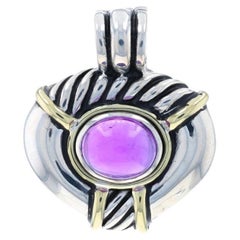
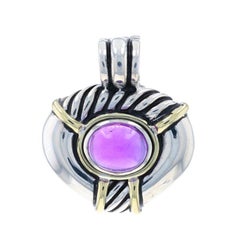
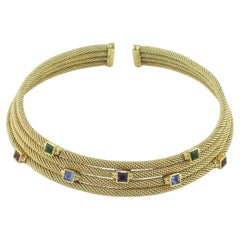
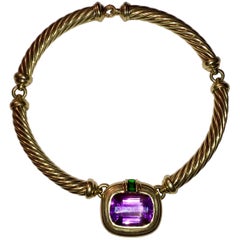
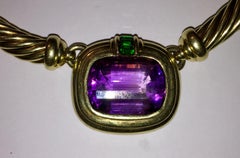
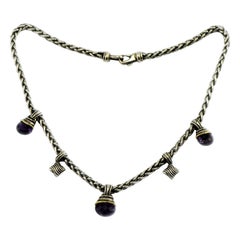
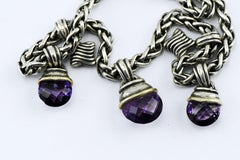
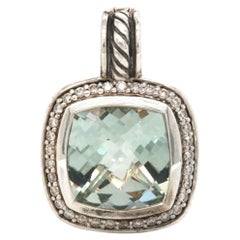
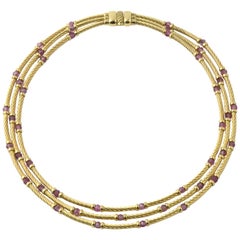
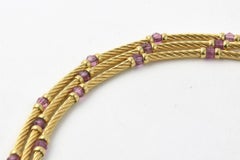
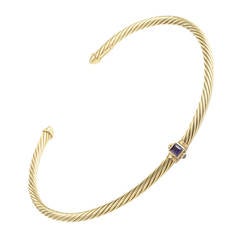
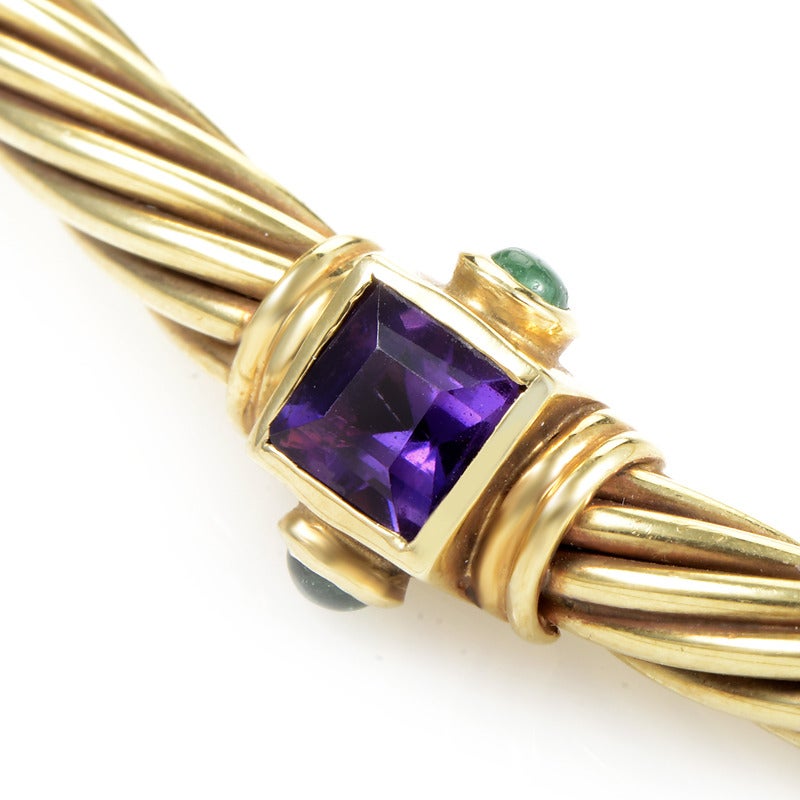
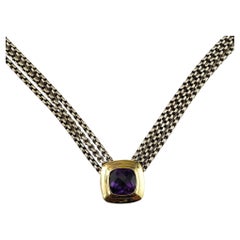
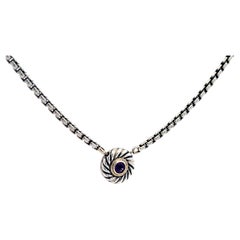
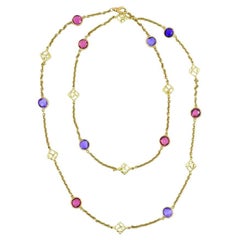
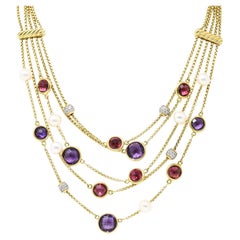
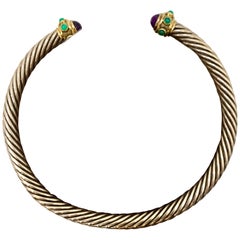
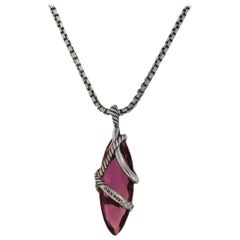
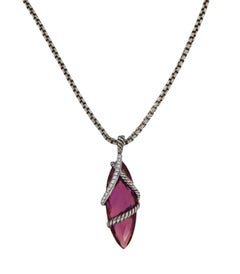
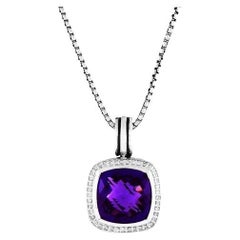
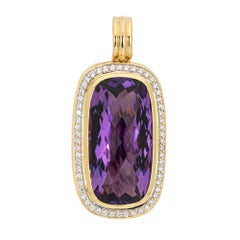
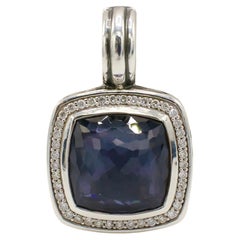
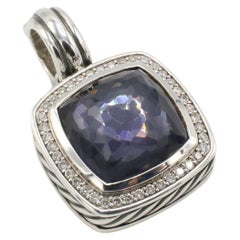
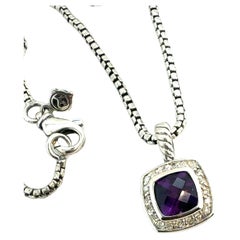
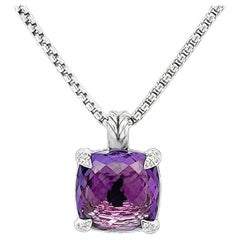
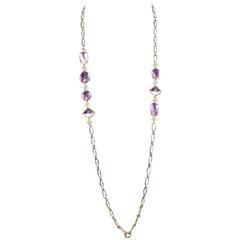
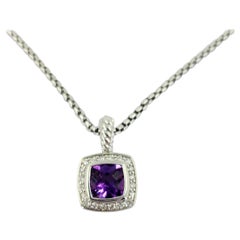
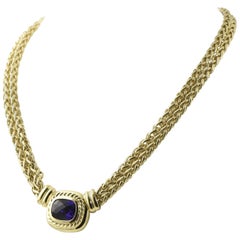
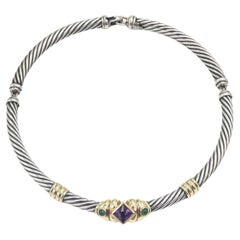
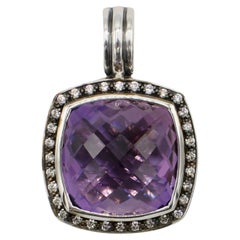
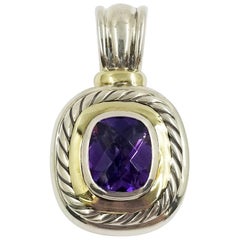
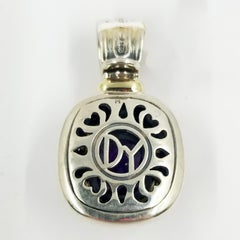
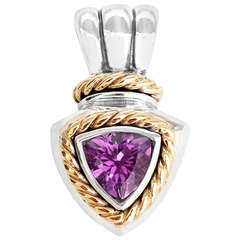
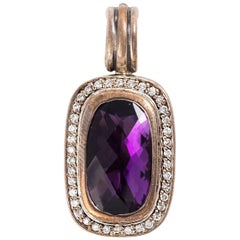
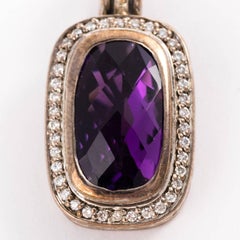
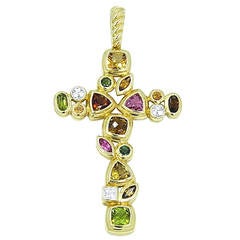
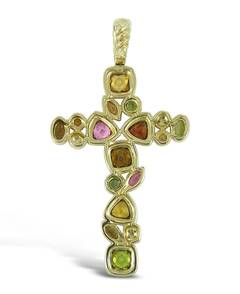
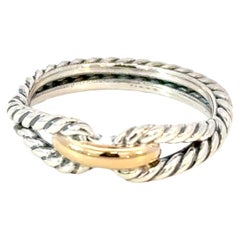
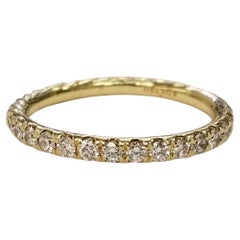
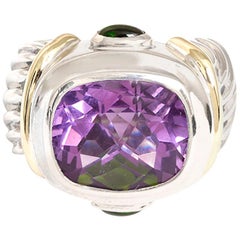
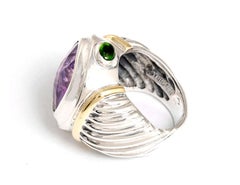
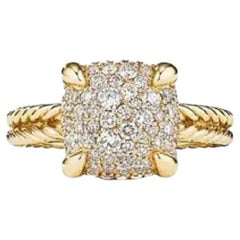
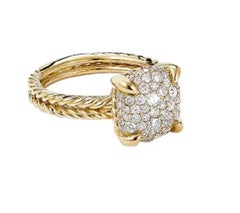
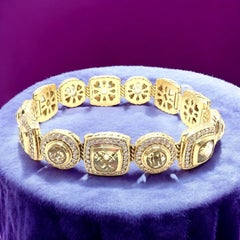
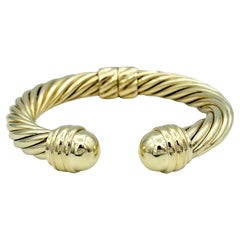
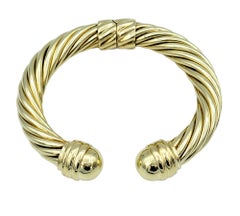
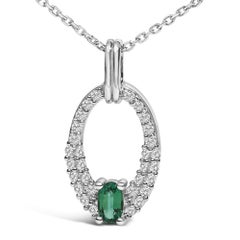
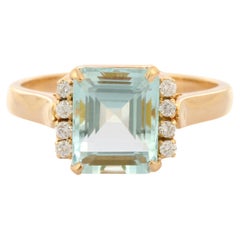
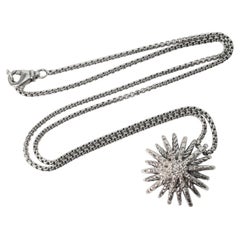
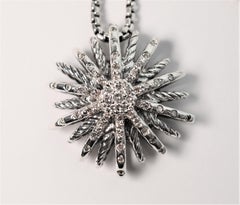
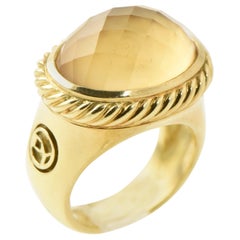
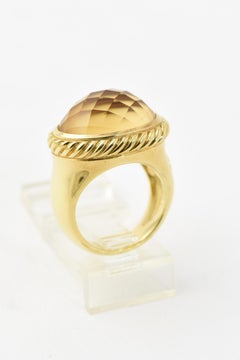
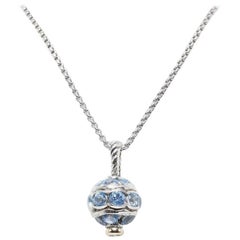
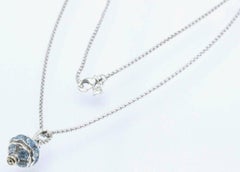
David Yurman Amethyst Necklace For Sale on 1stDibs
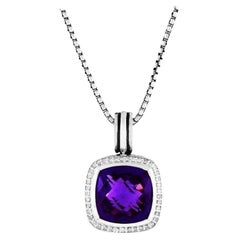
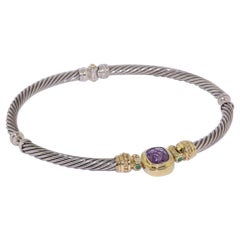
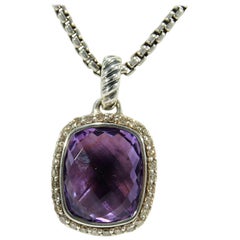
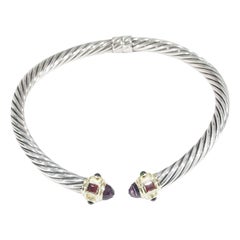
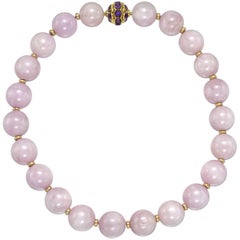
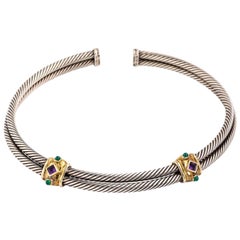
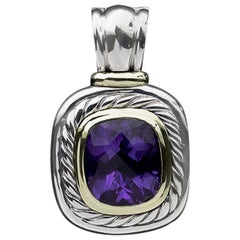
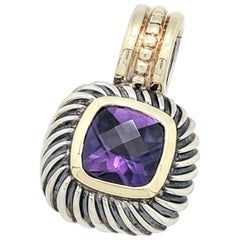
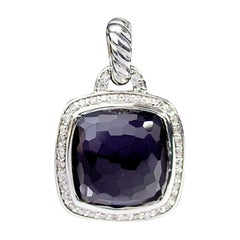
Find the exact david yurman amethyst necklace you’re shopping for in the variety available on 1stDibs. Each design created in this style — which was crafted with great care and often made from
Silver,
Gold and
Sterling Silver — can elevate any look. You can easily find a 9 antique edition and 14 modern creations to choose from as well. Finding the perfect david yurman amethyst necklace may mean sifting through those created during different time periods — you can find an early version that dates to the 20th Century and a newer variation that were made as recently as the 21st Century. A david yurman amethyst necklace can be a stylish choice for most occasions, but
Amethyst rings, from our inventory of 20, can add a particularly distinctive touch to your look, day or night. See these pages for a
cushion cut iteration of this accessory, while there are also
round cut cut and
bead cut versions available here, too. There aren’t many items for
men if you’re seeking a david yurman amethyst necklace, as most of the options available are for
women and unisex.
How Much is a David Yurman Amethyst Necklace?
On average, a david yurman amethyst necklace at 1stDibs sells for $1,295, while they’re typically $95 on the low end and $7,800 for the highest priced versions of this item.
David Yurman for sale on 1stDibs
Perhaps the ultimate artistic couple, sculptor David Yurman (b. 1942) and his wife, painter Sybil Kleinrock (b. 1942), couldn’t have imagined they’d build an internationally renowned fine jewelry empire when they met in 1969 at a sculpture studio in Manhattan’s Greenwich Village.
Eleven years later, in 1980, the duo established the David Yurman brand and it boomed almost instantly, a by-product of the pair’s love for and commitment to making art. (They’ve been known to call their business as well as their relationship “one big art project.”) In fact, Yurman’s most recognizable piece, the Cable bracelet, was inspired by his background in metalworking and direct welding, skills he learned when he was just a teenager. It is a marvelously modern accessory rooted in everything from jewelry motifs of ancient Syria to the natural formations of tree branches that would yield the Cable ring, earrings and other items.
When Long Island, New York–born Yurman was in high school, he spent a summer visiting his sister in Provincetown, Massachusetts, where he met Cuban sculptor Ernesto González, who taught him how to heat and fuse metals. After that fateful summer, Yurman experimented feverishly with bronze sculpture and, eventually, minimalist jewelry design.
Yurman studied briefly at New York University, opting to drop out after a year to hitchhike across the United States, ending up in an artist colony on California’s Big Sur coastline. The bustling artists’ scene in New York during the 1960s eventually drew him back to the East Coast. There, he trained under Cubist sculptor Jacques Lipchitz, and, by 1969, he was a foreman in sculptor Hans Van de Bovenkamp’s Greenwich Village studio. It was in the studio that he met Kleinrock.
Kleinrock and Yurman began a romantic relationship, and he designed her a sculptural welded bronze necklace to wear to an art gallery opening. The gallery owner was so enchanted by the design — Yurman called it the Dante — that she wanted to buy it on the spot. Yurman refused because he considered the gift too personal, but his partner left it with the dealer. Within hours, four necklaces were sold and a brand was born.
A year after the two married in 1979 — the ceremony included simple gold rings Yurman had soldered from gold in his workshop — they officially launched David Yurman. Three years later, one of his most popular designs, the Cable bracelet, hit the market.
Today, David Yurman engagement rings, bracelets, rings, necklaces and earrings are widely treasured, distinctive works of American jewelry design.
The Legacy of Amethyst in Jewelry Design
There are few gemstones in the world that are both affordable and worthy of a duchess’s attention. But then not many stones are as beautiful as amethyst. Indeed, vintage and antique amethyst jewelry has innumerable fans, and February’s birthstone has many unique attributes. For the romantics, there are several tales in Greek mythology that tell the story of Bacchus and Amethyste, a maiden that he pursues yet is rescued by Diane by turning her into a white stone. Bacchus, mourning his love, pours a glass of wine over the sculpture, dyeing her purple.
Amethyst has adorned many royal jewels. One of the most enviable jewelry collections of all time belonged to Wallis Simpson, the Duchess of Windsor. In 1947, the Duke gifted her with a Cartier amethyst and turquoise bib necklace. This special order piece was made with twisted 18-carat and 20-carat gold, platinum, brilliant- and baguette-cut diamonds, one heart-shaped faceted amethyst, 27 emerald-cut amethysts, one oval faceted amethyst, and turquoise cabochons. The Duchess was not the only Royal with a penchant for the purple gemstone. The tiara now owned by Queen Silvia of Sweden is set with amethysts that once belonged to the French Empress Josephine. A stunning 56-carat cushion-cut, square-shaped amethyst set in an 18-karat yellow gold necklace designed by Tiffany & Co. is now in the collection of the Smithsonian National Museum of Natural History.
The Smithsonian also has in its possession an even more rare example of fine amethyst: the 96-carat Morris Amethyst Brooch. The brooch features a deep, rich purple heart-shaped amethyst. The museum states that the piece was likely made during the Edwardian period (1901–15) “when platinum and diamonds were often used, and amethyst, a favorite stone of King Edward VII’s wife, Alexandra, was often included in jewelry of the era.”
Another amethyst necklace, with an even richer story, can be found in the Natural History Museum of London. Known as the Delhi Purple Sapphire (even though the stone is an amethyst), this stone was stolen from the Temple of Indra during the Indian Mutiny of 1857. Anyone in possession of this stone is bound to have terrible luck, including its owner Edward Heron-Allen, who gifted the gemstone to the museum thinking that this would save him but ended up transferring the bad luck to the museum curators overseeing the stone.
Find a wide range of vintage and antique amethyst necklaces, bracelets and other fine jewelry on 1stDibs.
Finding the Right Necklaces for You
We are fortunate to know much of the world’s long and dazzling history of necklaces, as this type of jewelry was so treasured that it was frequently buried with its owners. Today, Van Cleef necklaces, Tiffany necklaces and Cartier necklaces are some of the most popularly searched designer necklaces on 1stDibs.
Lapis lazuli beads adorned necklaces unearthed from the royal graves at the ancient Iraqi civilization of Sumer, while the excavation of King Tut’s burial chamber revealed a sense of style that led to a frenzy of Art Deco designs, with artisans of the 1920s seeking to emulate the elegant work crafted by Ancient Egypt’s goldsmiths and jewelry makers.
In ancient times, pendant necklaces worn by royalty and nobles conferred wealth and prestige. Today, wearing jewelry is about personal expression: Luxury diamond necklaces exude confidence and can symbolize the celebratory nature of a deep romantic relationship, while paper-clip chain-link necklaces designed by the likes of goldsmith Faye Kim are firmly planted in the past as well as the present. Kim works exclusively with eco-friendly gold, and these fashionable, fun accessories owe to the design of 19th-century watch fobs.
For some, necklaces are thought of as being a solely feminine piece, but this widely loved accessory has been gender-neutral for eons. In fact, just as women rarely took to wearing a single necklace during the Renaissance, men of the era layered chains and valuable pendants atop their bejeweled clothing. In modern times, the free-spirited hippie and counterculture movements of the 1960s saw costume-jewelry designers celebrating self-expression through colorful multistrand necklaces and no shortage of beads, which were worn by anyone and everyone.
Even after all of these years, the necklace remains an irrefutable staple of any complete outfit. Although new trends in jewelry are constantly emerging, the glamour and beauty of the past continue to inform modern styles and designs. In a way, the cyclical history of the necklace differs little from its familiar looped form: The celebrated French jewelry house Van Cleef & Arpels found much inspiration in King Tut, and, now, their Alhambra collection is a go-to for modern royals. Vintage David Webb necklaces — whose work landed him on the cover of Vogue in 1950, two years after opening his Manhattan shop — were likely inspired by the ornamental styles of ancient Greece, Mesopotamia and Egypt.
On 1stDibs, browse top designers like Dior, Chanel and Bulgari, or shop by your favorite style, from eye-catching choker necklaces to understated links to pearl necklaces and more.