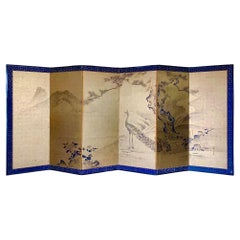
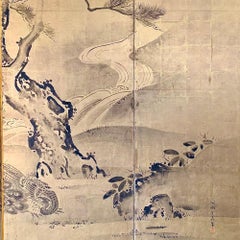
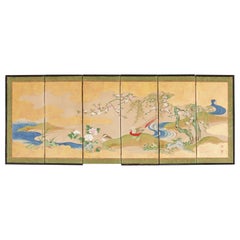
Romantic Edo Peacock Screen
Located in Fukuoka, JP
Romantic Edo Peacock Screen Period: Edo Size: 379x173 cm Step into a world of romance with our
Category
Antique 18th Century Japanese Edo Paintings and Screens
Materials
Gold Leaf
Romantic Edo Peacock Screen
Located in Fukuoka, JP
Romantic Edo Peacock Screen Period: Edo Size: 379x173 cm Step into a world of romance with our
Gold Leaf
$3,496Sale Price|56% Off
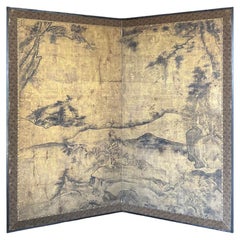
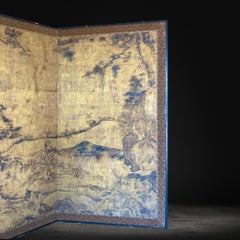
Early Edo Period Chinese-Inspired Screen
Located in Fukuoka, JP
This remarkable screen from the early Edo period, circa the 17th century, showcases the influence
Gold Leaf
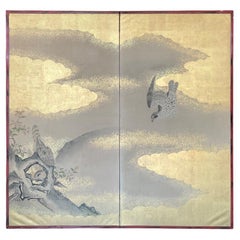
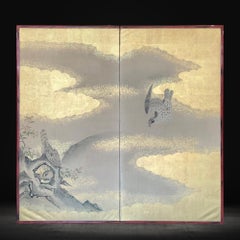
Majestic Hawks Edo Screen by Tosa School
Located in Fukuoka, JP
Majestic Hawks Edo Screen Period: Edo Size: 150x168 cm (59x66 inches) SKU: PTA93 Step back in
Gold Leaf
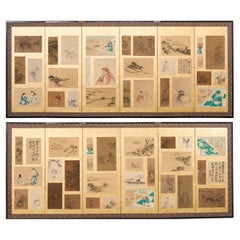
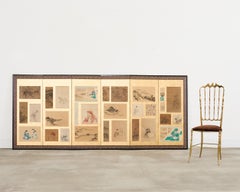
Pair Japanese Edo Six Panel Harimaze Decoupage Screens
Located in Rio Vista, CA
Incredible pair of late 18th/early 19th century Japanese Edo period six panel folding byobu screens
Gold Leaf
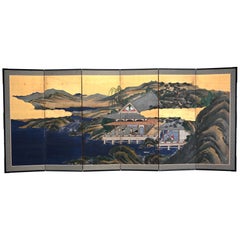
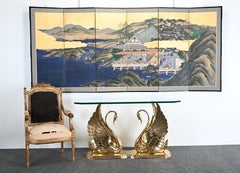
Edo-Style Six-Panel Japanese Byobu Screen with Gold Paint Landscape
Located in Hamburg, PA
This Asian screen print is a stunning six-panel byobu (folding screen) featuring a traditional
Wood, Paint, Paper
$3,120Sale Price|20% Off
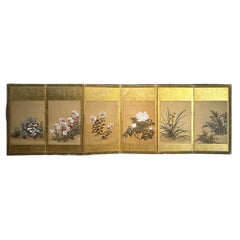
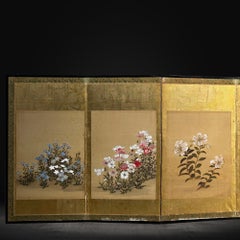
Edo Period Rimpa School Golden Screen - Summer Florals
By Rimpa School
Located in Fukuoka, JP
Edo Period Golden Screen - Summer Florals Period: Edo Size: 285 x 92.5 cm (112.2 x 36.4 inches
Gold Leaf
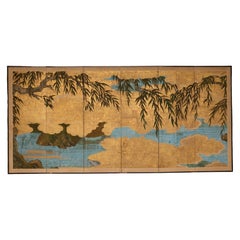
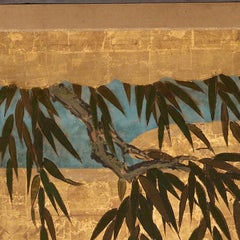
Japanese antique screen - EDO period - Willow over a stream
Located in Prahran, Victoria
Antique Japanese 6 panel screen from the early Edo period (C1650). One of a pair (both available
Gold Leaf
$3,400Sale Price|29% Off
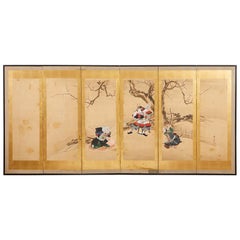
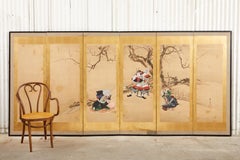
Japanese Edo Six Panel Screen Yoshitsune and Benkei
Located in Rio Vista, CA
Spectacular 19th century Japanese late Edo period six-panel byobu screen depicting Yoshitsune and
Brass, Gold Leaf
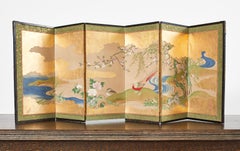
Japanese Edo Six Panel Table Screen After Maruyama Okyo
Located in Rio Vista, CA
Fantastic diminutive Japanese Edo period table top screen depicting a lively water landscape with
Brass, Gold Leaf
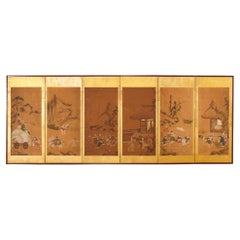
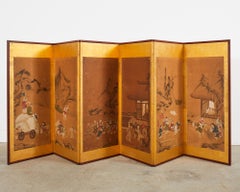
Japanese Edo Six Panel Screen Chinese Children at Play
Located in Rio Vista, CA
Amazing 19th century Japanese Edo period six panel folding byobu screen depicting Chinese children
Gold Leaf
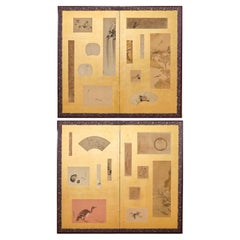

Pair of Japanese Two Panel Screens Edo Period Vignettes
Located in Rio Vista, CA
Impressive pair of Japanese two-panel byobu screens featuring late 18th-century edo period applied
Gold Leaf
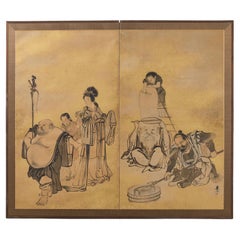
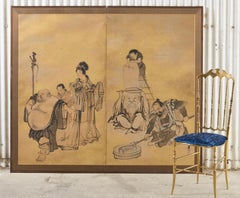
Japanese Edo Two Panel Screen Deities by Yokoyama Kazan
Located in Rio Vista, CA
Whimsical Japanese late Edo period two-panel screen circa 1800 by Yokoyama Kazan (Japanese 1784
Brass, Gold Leaf
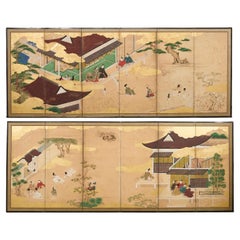
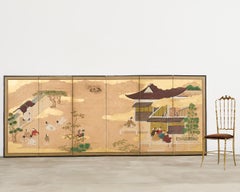
Pair Japanese Edo Six Panel Screens Legend of Minamoto
Located in Rio Vista, CA
Fascinating pair of large Japanese 19th century Edo period six-panel folding byobu screens
Brass, Gold Leaf
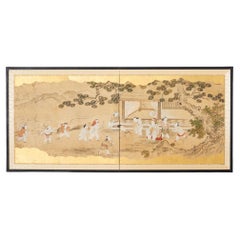
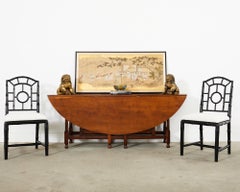
19th Century Japanese Edo Screen Kano School Garden Terrace
Located in Rio Vista, CA
Fantastic 19th century Japanese Edo/Tokugawa period two-panel byobu screen featuring Chinese
Brass, Gold Leaf
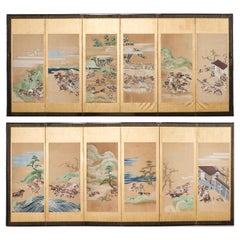
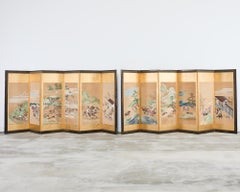
Pair of Japanese Edo/Tokugawa Screens Tale of Heiki
Located in Rio Vista, CA
Monumental pair of late 18th century Japanese Edo/Tokugawa period byobu screens depicting the
Brass, Gold Leaf
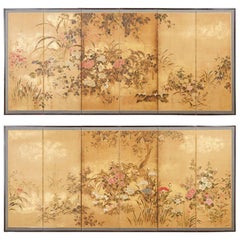
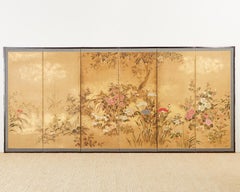
Pair of Japanese Edo Rimpa School Screens after Tawaraya Sōtatsu
Located in Rio Vista, CA
Impressive pair of 17th century Japanese Edo period Rinpa school screens made in the manner and
Gold Leaf
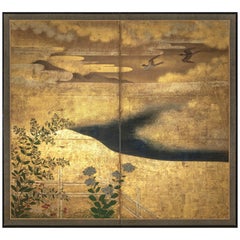
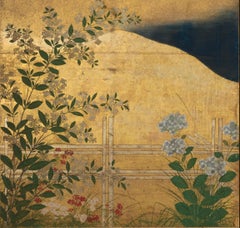
Paravent japonais - A two-fold Japanese screen with nightingales - Edo period
Located in Brussels, BE
A two-fold Japanese paper screen, painted in ink and colour on a buff and gold ground, with a
Gold Leaf
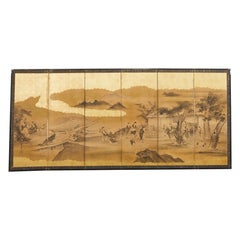

Japanese Edo Six Panel Screen Merrymaking in the Chinese Countryside
Located in Rio Vista, CA
Large 19th century Japanese Edo period six panel folding byobu screen made in the Kano school style
Gold Leaf

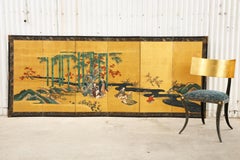
Pair of Japanese Edo Six Panel Screens the Seven Sages
Located in Rio Vista, CA
Fantastic pair of 19th century Japanese late Edo/early Meiji period six-panel screens titled The
Brass, Gold Leaf
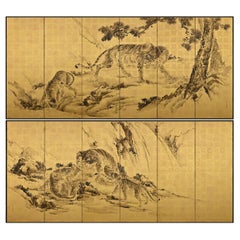
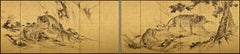
Japanese Screen Pair, Tigers by Kishi Renzan, Late Edo Period
Located in Kyoto, JP
Kishi Renzan (1804-1859) Tigers Pair of six-panel Japanese screens. Ink and gold-leaf on
Gold Leaf
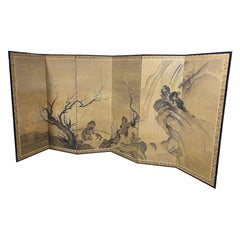
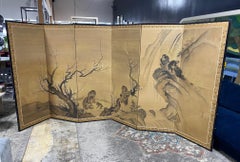
Japanese Asian Large Edo Six-Panel Folding Byobu Screen Landscape Monkeys Trees
Located in Studio City, CA
screen featuring monkeys and done in such fine lifelike detail. The screen also features gold flake/ gold
Gold Leaf
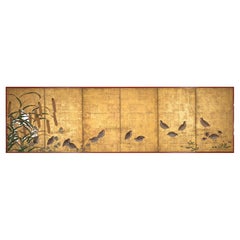
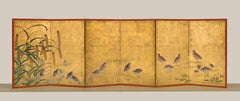
Paravent Japonais - A six-fold Japanese screen with quails - Edo period
Located in Brussels, BE
A six-fold paper screen painted in ink and colour on a gold ground with a covey of uzura (quails
Gold Leaf
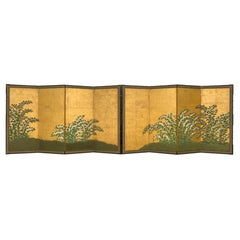
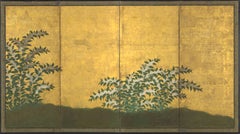
Paravent - A pair of four-fold screens with Japanese chestnut - Edo period
Located in Brussels, BE
A pair of four-fold Japanese screens painted in ink and colour on a gold ground with kuri (Japanese
Gold Leaf
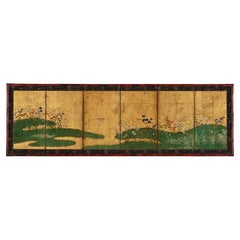
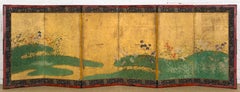
Paravent - A small six-fold Japanese screen with autumn flowers - Edo period
Located in Brussels, BE
A six-fold paper screen painted in ink and colour on a gold ground with autumn flowers and grasses
Gold Leaf

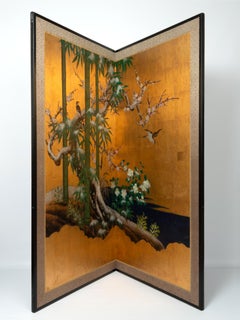
Antique 19th Century Japanese Two-Panel Screen ‘Byobu’, Kano School, Edo Period
Located in London, GB
Japanese Kano School Edo period two-panel screen depicting flowering prunus and bamboo on a rock
Gold Leaf
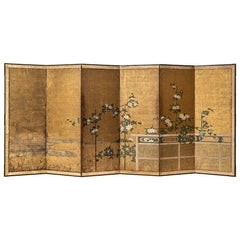
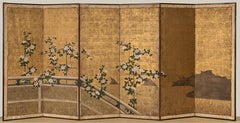
Paravent japonais- A pair of six-fold Japanese screens with clematis- Edo period
Located in Brussels, BE
A pair of six-fold Japanese screens depicting white and bluish-purple clematis on trellises behind
Gold Leaf
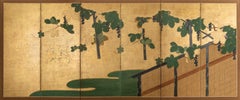
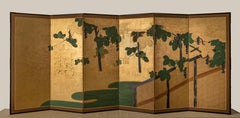
Paravent - A six-fold Japanese screen with grape vines - 17th/18th century, Edo
Located in Brussels, BE
A six-fold paper screen painted in ink and colour on a gold ground with grape vines hanging from a
Enamel, Gold Leaf
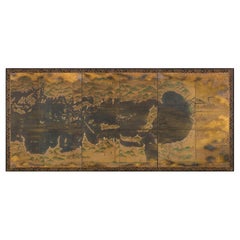
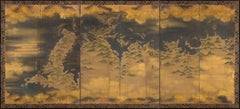
Paravents -A pair of six-fold screens depicting maritime routes in Seto sea, Edo
Located in Brussels, BE
A pair of Japanese six-fold screens depicting the maritime routes of the Seto Inland Sea and of the
Gold Leaf
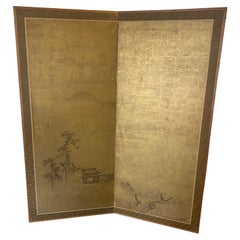
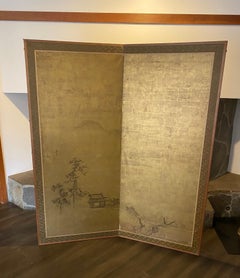
Japanese Asian Signed Two Panel Meiji Edo Folding Byobu Landscape House Screen
Located in Studio City, CA
A gorgeous, large two-panel antique Japanese Byobu folding screen depicting a nature landscape
Gold Leaf
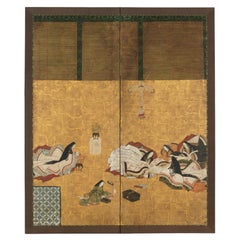

Paravent - A two-fold paper screen with court ladies, 17th century, Edo period
Located in Brussels, BE
A two-fold Japanese paper screen painted in ink and colour on a gold ground, with court ladies at
Gold Leaf
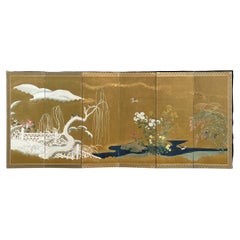
$5,040Sale Price|20% Off
Japanese Screen: Flow of Time in Gold
Located in Fukuoka, JP
tranquil scene. This Edo-period screen embodies harmony between nature and time — a visual journey from
Wood, Paper
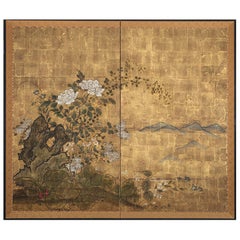
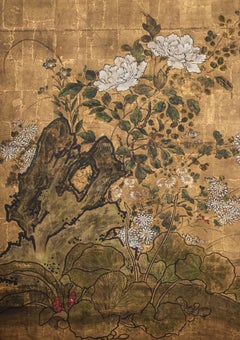
Japanese Two-Panel Screen, Floral Garden on Gold
Located in Hudson, NY
. Late Edo (1603 - 1868) period painting in mineral pigments on gold leaf with a silk brocade border.
Gold Leaf
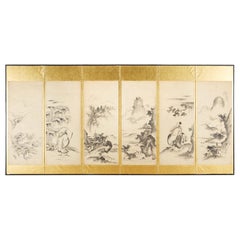
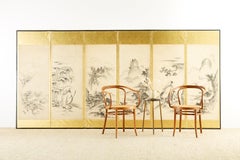
Japanese Edo Six-Panel Haboku Landscapes of Seasons
Located in Rio Vista, CA
19th century Japanese Edo period six-panel screen painted in Haboku (splashed ink) style. Depicts
Gold Leaf
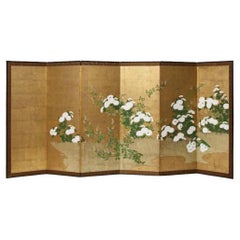
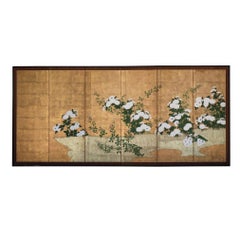
Kiku to Hagi Byobu, Rinpa School Style, Edo Period.
Located in Point Richmond, CA
A Chrysanthemum and Bush Clover painting on gold leaf six-panel folding screen, painted with
Gold Leaf
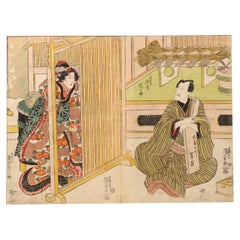

$1,648Sale Price|20% Off
Antique Japanese Woodblock - Utagawa Kunisada I (Honjo, Edo 1786-1865 Edo)
Located in Amsterdam, Noord Holland
Utagawa Kunisada I (Honjo, Edo 1786-1865 Edo), Diptych, Ichikawa Danjuro as Kudo Saemon
Bronze
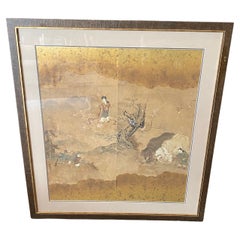
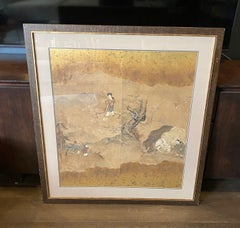
Japanese Asian Signed Edo Period Kano School Painting of Mythical Landscape
Located in Studio City, CA
A beautiful, wonderfully composed and engaging original hand-painted large Japanese Edo period Kano
Gold Leaf
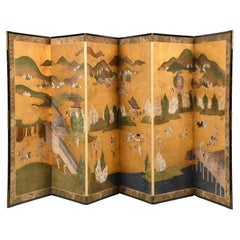
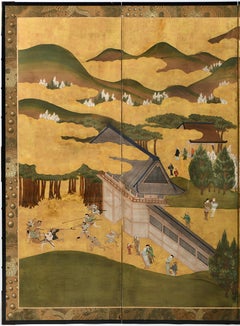
17th Century Japanese Folding Screen
Located in Camarate, PT
A six-panel folding screen with a narrative painting showing from a bird’s-eye view a spring
Gold Leaf
$846Sale Price|20% Off
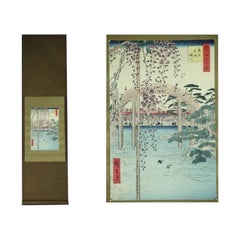
Hiroshige Utagawa "One Hundred Famous Views of Edo Kameido" Woodblock Ukiyo-e
Located in Amsterdam, Noord Holland
Hiroshige Utagawa "One Hundred Famous Views of Edo Kameido" Condition vertical width /114.5cm
Bronze
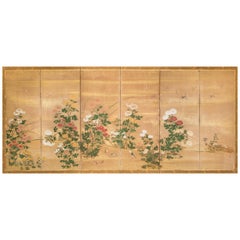
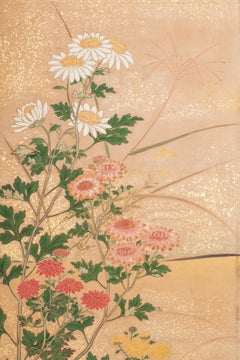
Japanese Six-Panel Screen, Chrysanthemums
Located in Hudson, NY
Japanese six-panel screen: Chrysanthemums, Edo period (circa 1800) painting of a variety of
Gold Leaf
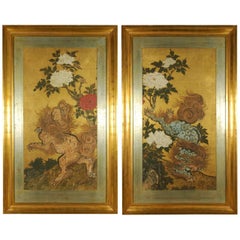
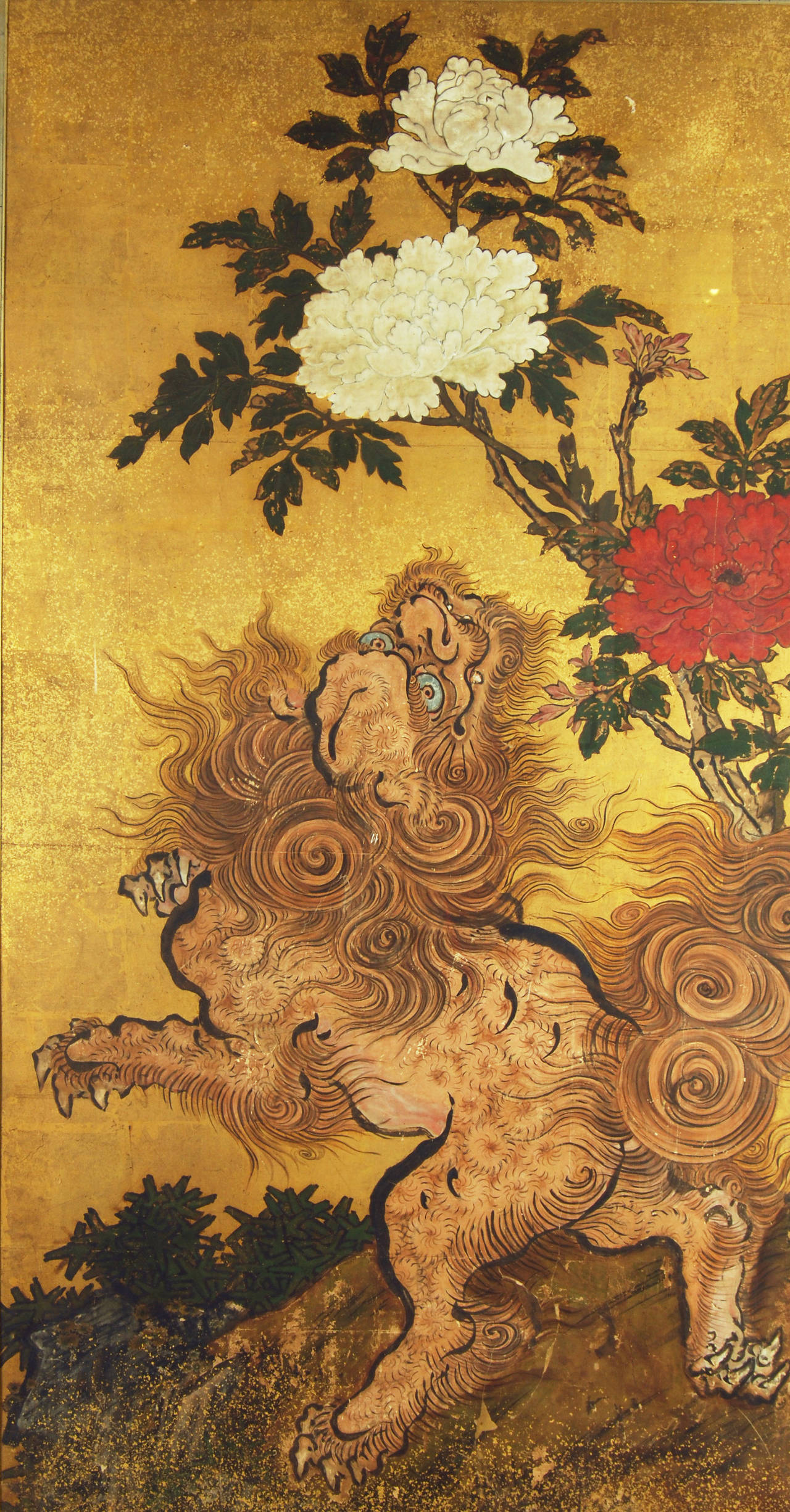
Pair of Antique Japanese Paintings of Karashishi, Edo Period, 18th Century
Located in Prahran, Victoria
gold leaf ground in fine handmade frames, Edo period, early 18th century. The Karashishi (Chinese lion
Gold Leaf

18th Century Japanese Two-Panel Screen Collection of Fans on Gold
Located in Hudson, NY
painting subjects, this screen was most likely made from someone's collection of fans. Fans applied to gold
Gold Leaf
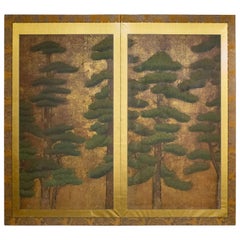
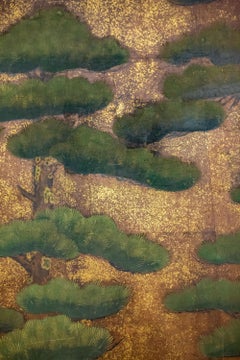
Japanese 17th Century Two Panel Screen, Pine with Gold Dust
Located in Hudson, NY
. Mineral pigments and gold dust on mulberry paper with nice old brocade. Can be mounted as 2 separate
Paper
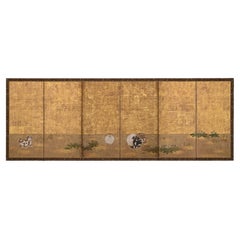
Late 17th Century Japanese Screen. Puppy and Kittens on Gold Leaf.
Located in Kyoto, JP
Anonymous Late 17th century Puppy & Kittens A six-panel Japanese screen. Ink, color, gofun, gold
Gold Leaf
$5,304Sale Price|38% Off
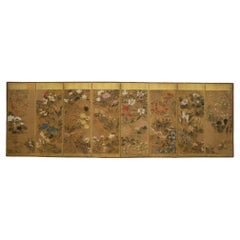
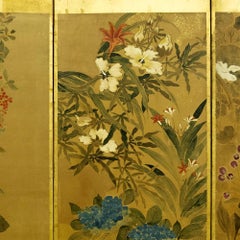
Summer Flowers Eight-Panel Botanical Screen
Located in Fukuoka, JP
Summer Flowers Eight-Panel Botanical Screen Period: Late Edo Size: 352x117 cm (138x46 inches) SKU
Gold Leaf
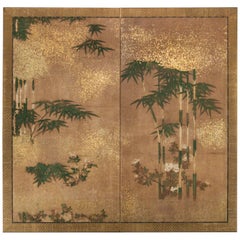
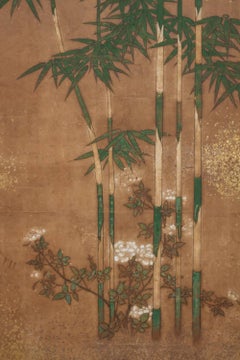
Japanese Two Panel Screen: Bamboo Grove on Mulberry Paper with Gold Dust
Located in Hudson, NY
Kano School painting of a bamboo grove with blooming flowers and gold dust mists. Painted in
Gold
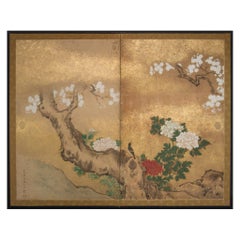
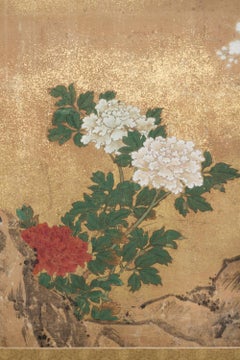
Japanese Two-Panel Screen Peony and Cherry
Located in Hudson, NY
Japanese two-panel screen: Peony and Cherry, Edo period (circa 1800) painting, formerly fusuma
Gold Leaf
$2,600Sale Price|38% Off
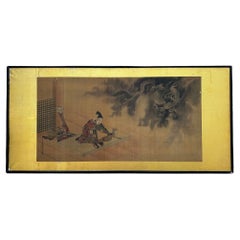
Elegant Edo period painting by Reizei Tamechika (1823-1864) 冷泉為恭
Located in Fukuoka, JP
Elegant Edo period painting by Reizei Tamechika (1823-1864) Period: Edo Size: 113x53 cm Indulge
Gold Leaf
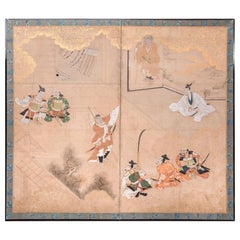
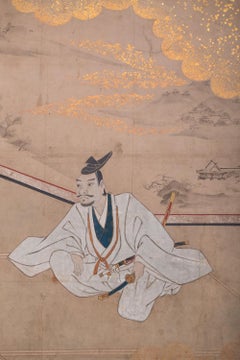
Japanese Two Panel Screen: Genpei Warriors
Located in Hudson, NY
gain control several times before succeeding. This screen depicts a nobleman with his samurai officers
Gold Leaf
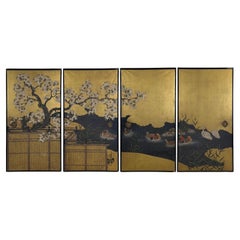
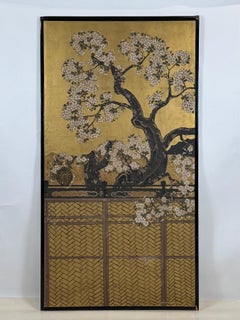
Stunning Set of Four 19th Century Edo Period Fusuma Door Decorative Panels
Located in Los Angeles, CA
A set of four fusuma (sliding door) panels from the 19th century, painted in ink and colors on gold
Gold Leaf, Brass
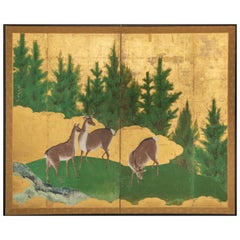
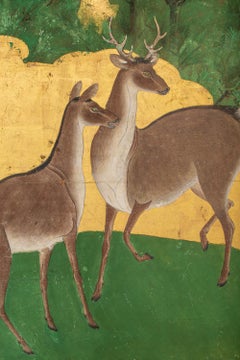
Japanese Two-Panel Screen, Deer in Cedar Landscape
Located in Hudson, NY
Edo period painting in mineral pigments on gold leaf with a silk brocade border.
Gold
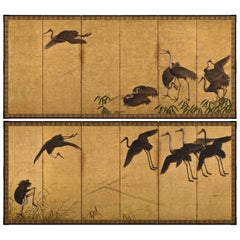
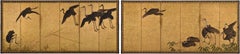
17th Century Japanese Screen Pair. Flock of Cranes. Ink and color on gold leaf.
Located in Kyoto, JP
A pair of six-fold Japanese screens from the 17th century depicting a flock of cranes arriving at
Gold Leaf
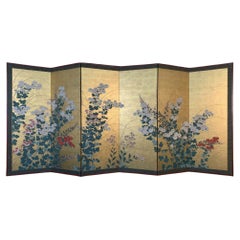
$13,260Sale Price|25% Off
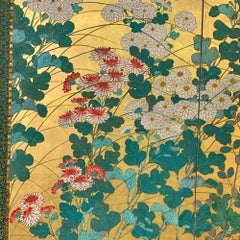
Early 19th Century Rimpa School Floral Screen
By Rimpa School
Located in Fukuoka, JP
(144.5x67.3 inches) SKU: RJ118 This 6-panel gold-leafed screen is a splendid representation of the Rimpa
Gold Leaf
$13,260Sale Price|25% Off
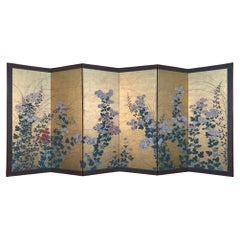
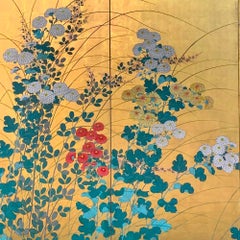
Early 19th Century Rimpa School Floral Screen
By Rimpa School
Located in Fukuoka, JP
(144.5x67.3 inches) SKU: RJ118/2 This 6-panel gold-leafed screen is a splendid representation of the Rimpa
Gold Leaf
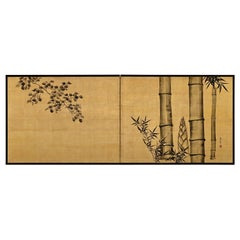
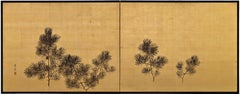
19th Century Japanese Screen for Tea-Ceremony, Ink Bamboo and Plum on Gold Leaf
Located in Kyoto, JP
gold leaf on paper. This is a double-sided Japanese Furosaki or tea-ceremony screen from the mid
Gold Leaf
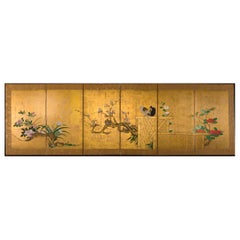
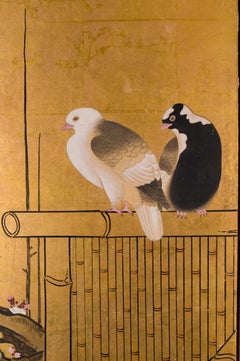
Japanese Six-Panel Screen Late Winter into Early Spring
Located in Hudson, NY
sized, Edo period (first half of the 19th century) six-panel screen painted in mineral pigments on gold
Gold Leaf
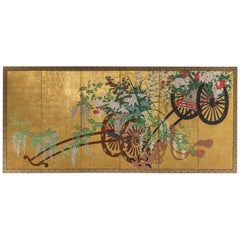
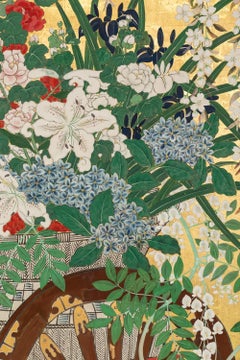
Japanese Six Panel Screens: Pair of Festival Carts
Located in Hudson, NY
Antique Japanese screen with Festival Cart design. Edo period painting (First half of the 19th
Gold Leaf
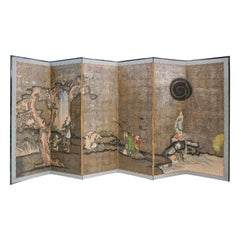
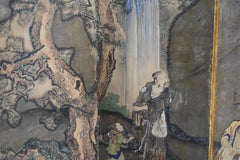
Japanese Chinese Asian Large Six-Panel Folding Byobu Screen Mythical Landscape
Located in Studio City, CA
Japanese/Asian Byobu folding screen depicting an almost magical/ mythical nature scene with flowing
Gold Leaf
Edo furniture was created during a flourishing time for the decorative arts owing to the stability of the Tokugawa shogunate rule in Japan. Spanning from 1603 to 1867, this era of peace and economic growth supported artistic advancements in lacquer, woodblock printing, porcelain and other artisanal trades. Because the country was largely isolated, there was little outside influence, leading to centuries of exceptional attention to the design of its furnishings and the quality of its traditional arts.
Unlike during the Meiji period that followed, with an increase in domestic and international markets, furniture during the Edo period was predominately commissioned by the ruling class, although people from across social groups benefited from the burgeoning metropolitan hubs for artisanal trades. For instance, Kyoto became a major center for lacquer art. Most furniture pieces were made from wood such as cedar or ash, including the era’s sashimono cabinets, which involved fine joinery and were rooted in the Heian period.
Sashimono cabinets, which were built by master craftsmen in a range of different wood types owing to the various trees that populate Japan, occasionally featured a stack of slender drawers as well as sliding doors. They were popular with everyone from samurai to kabuki actors. Tansu storage chests crafted from wood with metal fittings were also common in Edo-period homes. Some were designed to be easily portable while others were made to double as staircases.
Painted folding screens, called byōbu, were also fashionable, with Japanese artists inspired by nature, literature and scenes of history and daily life to create vivid works. In Buddhist temples and the palatial homes of the aristocratic class, fusuma, or large sliding panels, would sometimes be adorned with gold or silver leaf. These dividers allowed interiors to change throughout the day, closing in small spaces for personal use or reflecting candlelight to illuminate communal spaces after dark.
Find a collection of Edo tables, lighting, decorative objects, wall decorations and more furniture on 1stDibs.
Traditional Asian paintings were often created on scrolls and folding screens. Artisans made screens that could be folded up or spread out by connecting several panels using hinges. Today, antique Asian folding screens and paintings are sophisticated decorative accents that can serve as makeshift partitions to ensure privacy.
The original folding screens were created by Chinese artists. The earliest record of screens comes from the 2nd century B.C., and surviving examples date back to the Ming dynasty. Chinese painting utilizes many of the same tools as calligraphy — these screens were crafted from wood with painted panels featuring striking art or calligraphy that told cultural stories or represented nature and life in the area.
The practice was introduced to Japan, where paintings for screens were made on paper and silk, in the 8th century. These paintings frequently feature subjects such as landscapes, animals, flowers and Buddhist religious themes. Along with screens for tea ceremonies and dance backgrounds, there were screens for use in Shinto and Buddhist temples.
In the 17th century, screens began to be imported to Europe where their popularity grew. Coco Chanel famously collected Coromandel folding screens.
Traditional Asian paintings can make a tasteful addition to any wall, and screens can be used as decoration or, in the case of larger iterations, as an aesthetic way to divide a large room. Browse the selection of antique Asian paintings and screens from a variety of styles and eras on 1stDibs.