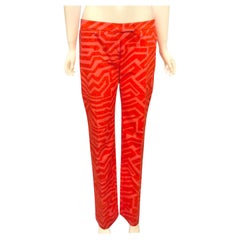
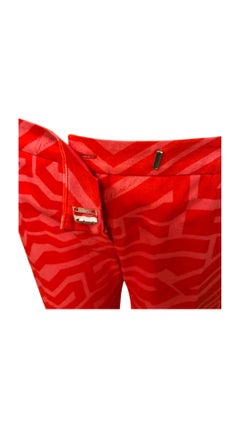
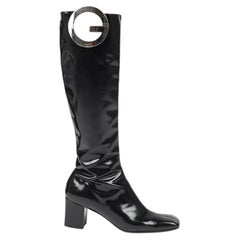
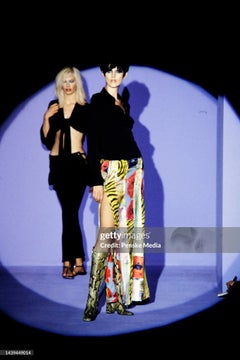
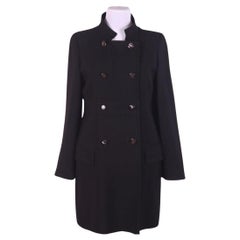
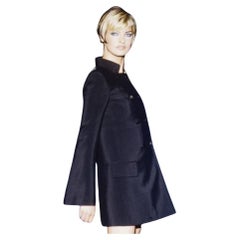
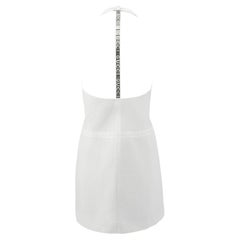
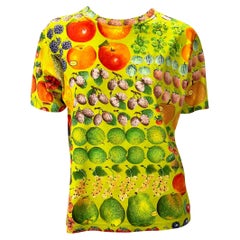
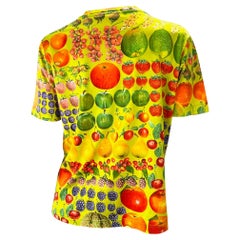
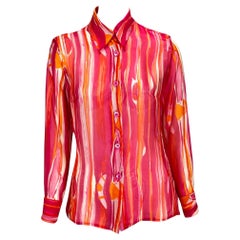
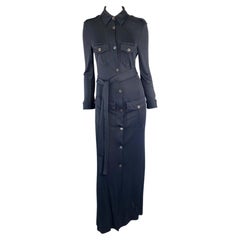
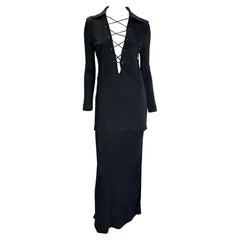
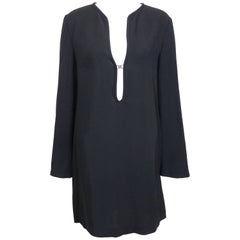
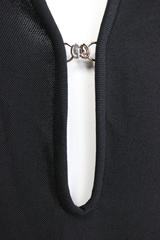
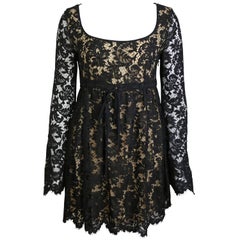
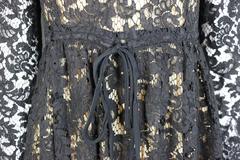
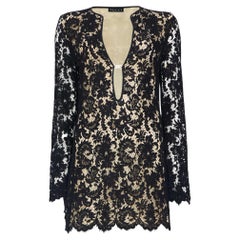
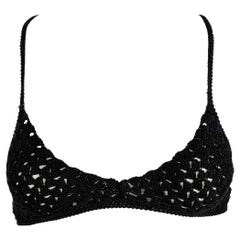
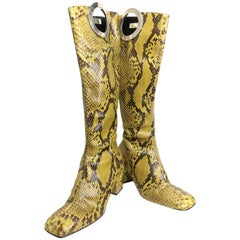
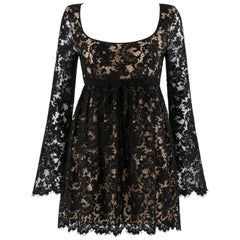
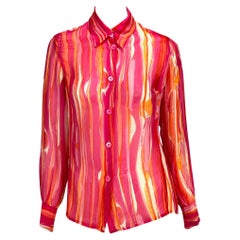
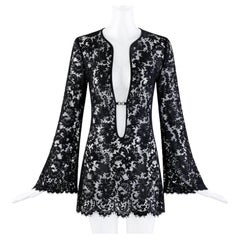
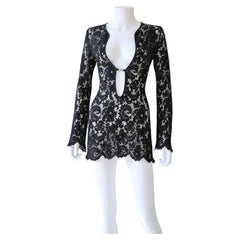
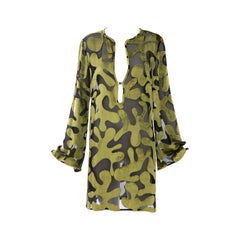
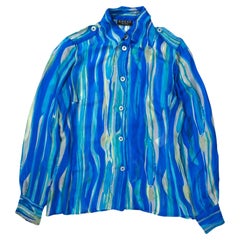
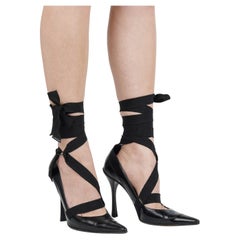
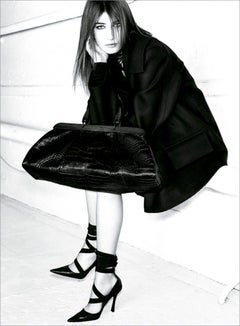
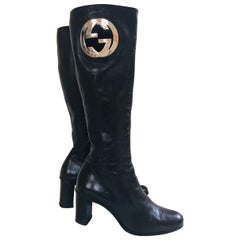
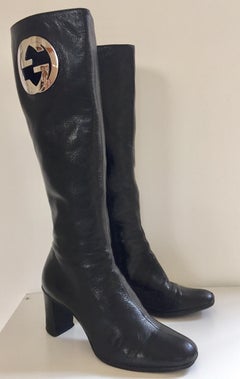
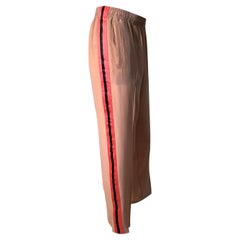
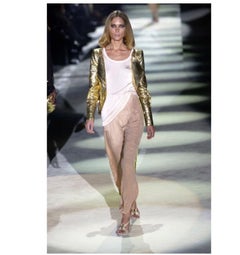
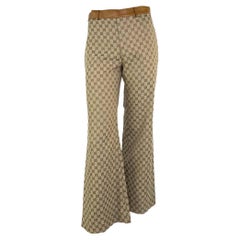
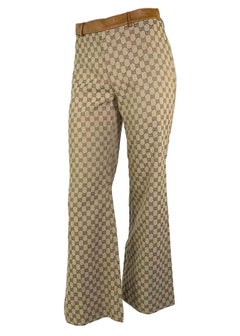
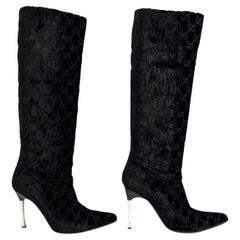
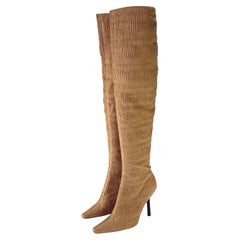
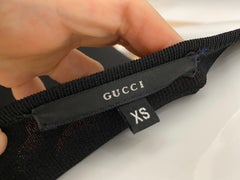
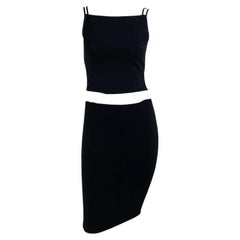
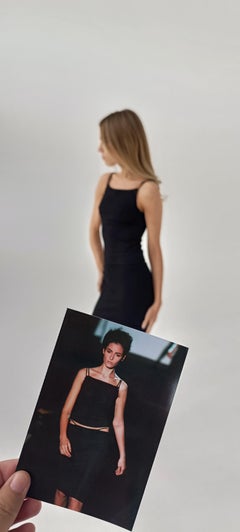
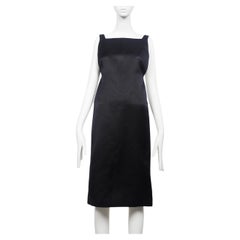
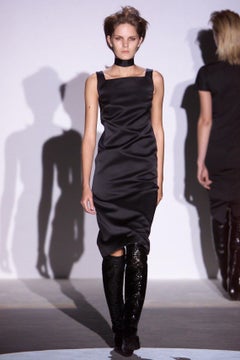
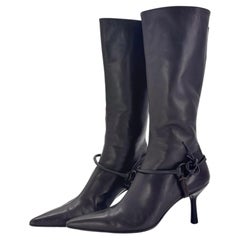
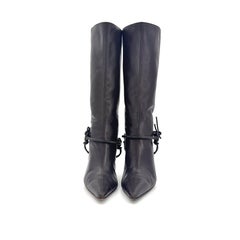
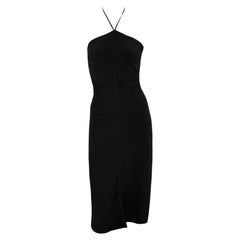
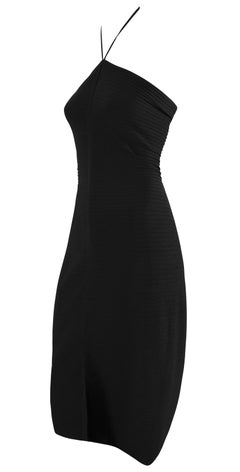
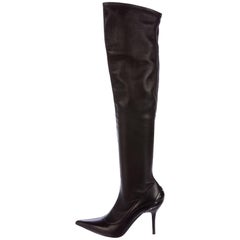
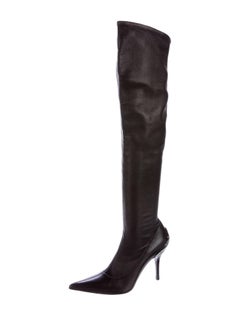
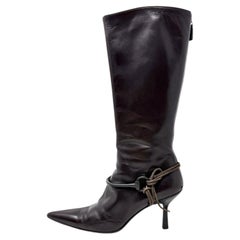
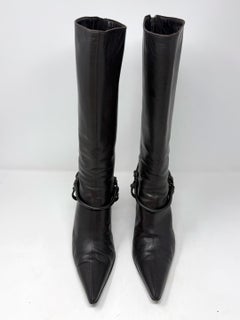
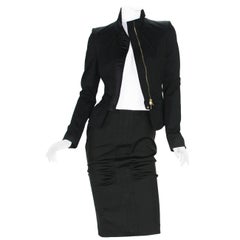
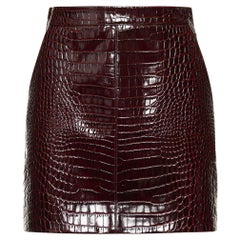
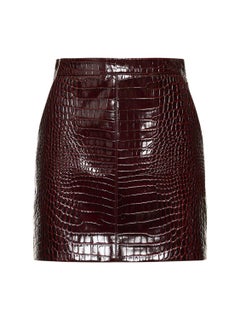
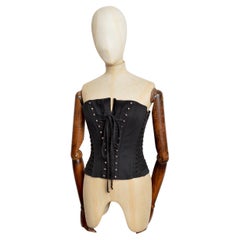
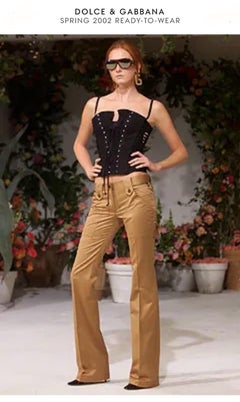
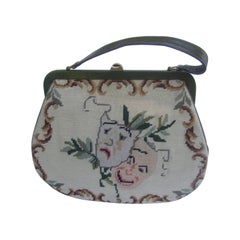
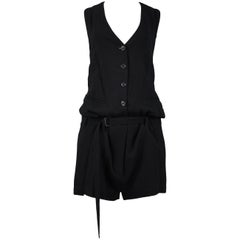
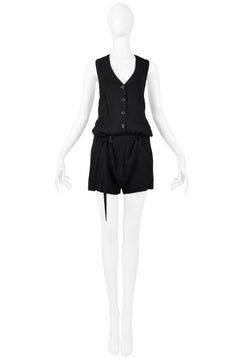
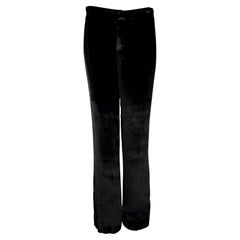
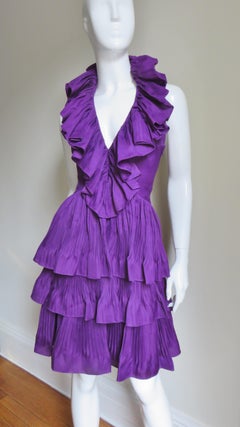
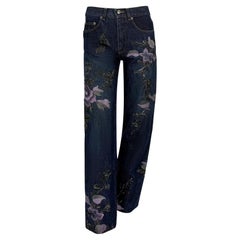
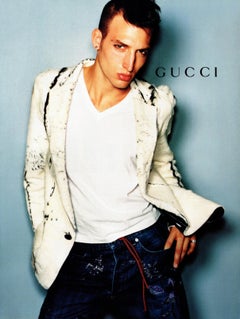
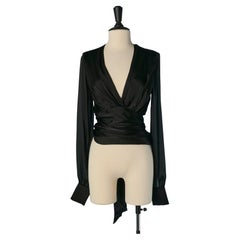
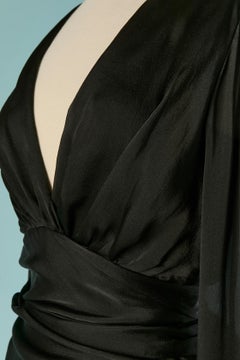
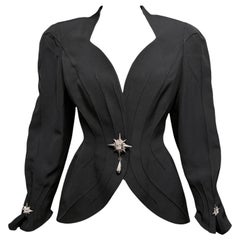
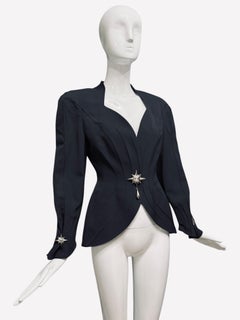
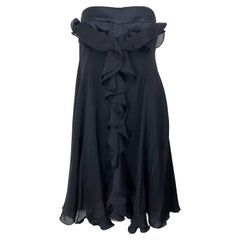
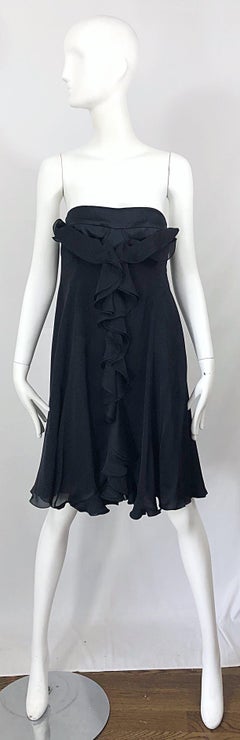
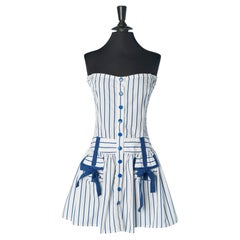
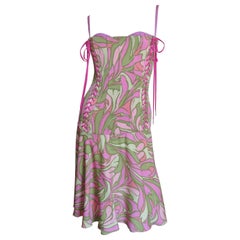
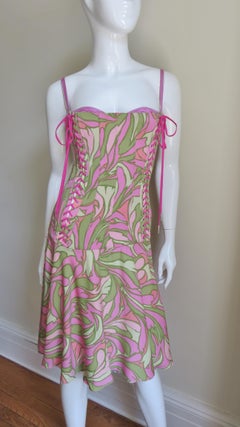
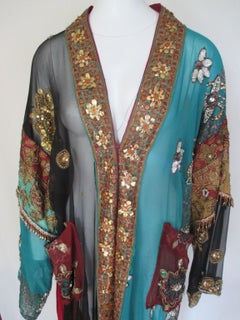
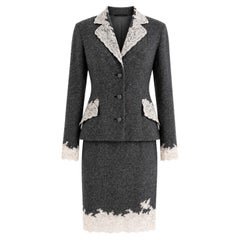
You are likely to find exactly the vintage or contemporary gucci spring 1996 you’re looking for on 1stDibs, as there is a broad range for sale. Many people prefer
black, but fashion is all about individuality — you can find
red,
beige and more options on these pages. When shopping for these accessories, you’ll find that there are less available pieces for
men or unisex today than there are for
women.
Prices for a gucci spring 1996 can differ depending upon size, designer and other attributes — on 1stDibs, these accessories begin at $580 and can go as high as $10,320, while, on average they fetch $2,225.
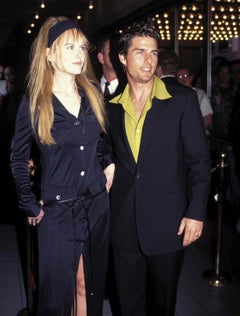
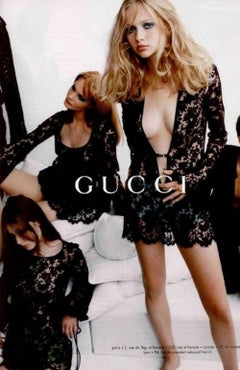
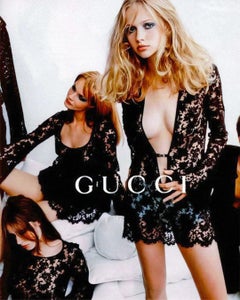
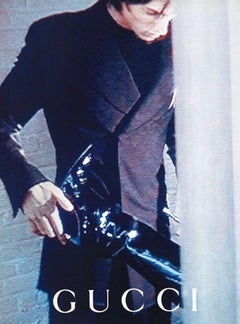
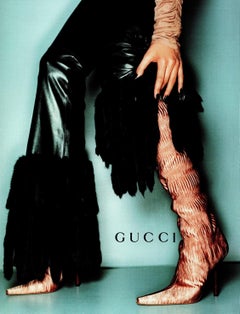
No one understands sex appeal quite like Tom Ford, who joined Gucci as a womens-wear designer in 1990.
At the time, the internationally renowned Italian label was better known for leather goods than luxury fashion. It was also nearly bankrupt. After creative director Dawn Mello left in 1994, following a Bahrain-based investment group becoming Gucci’s majority shareholder, Ford was named creative director. The American designer soon infused the brand with a fresh sensuality and bold style.
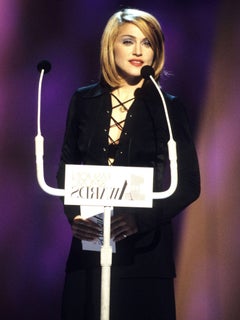
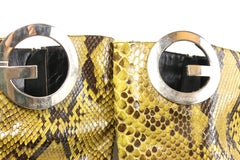
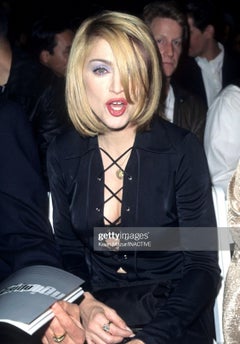
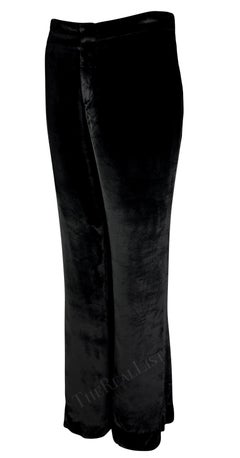
Ford's potent vision of sexed-up femininity spanned everything from shirts to shoes to handbags and other accessories at Gucci — he reimagined the house's iconic double-ring-and-bar Horsebit hardware, a reference to the brand’s equestrian history, as a seductive low-slung belt, worn by Madonna when accepting an MTV video music award in 1995. For his fall show during that year, in which Kate Moss walked down the runway in an unbuttoned satin shirt, velvet hip-huggers and tousled hair, heralded an exciting, glammed-up era for the once fusty brand. Vogue critic Sarah Mower called it “one of those hitting-in-the-solar-plexus moments.”
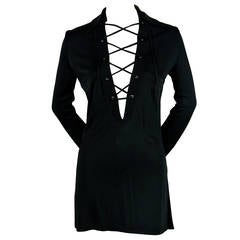
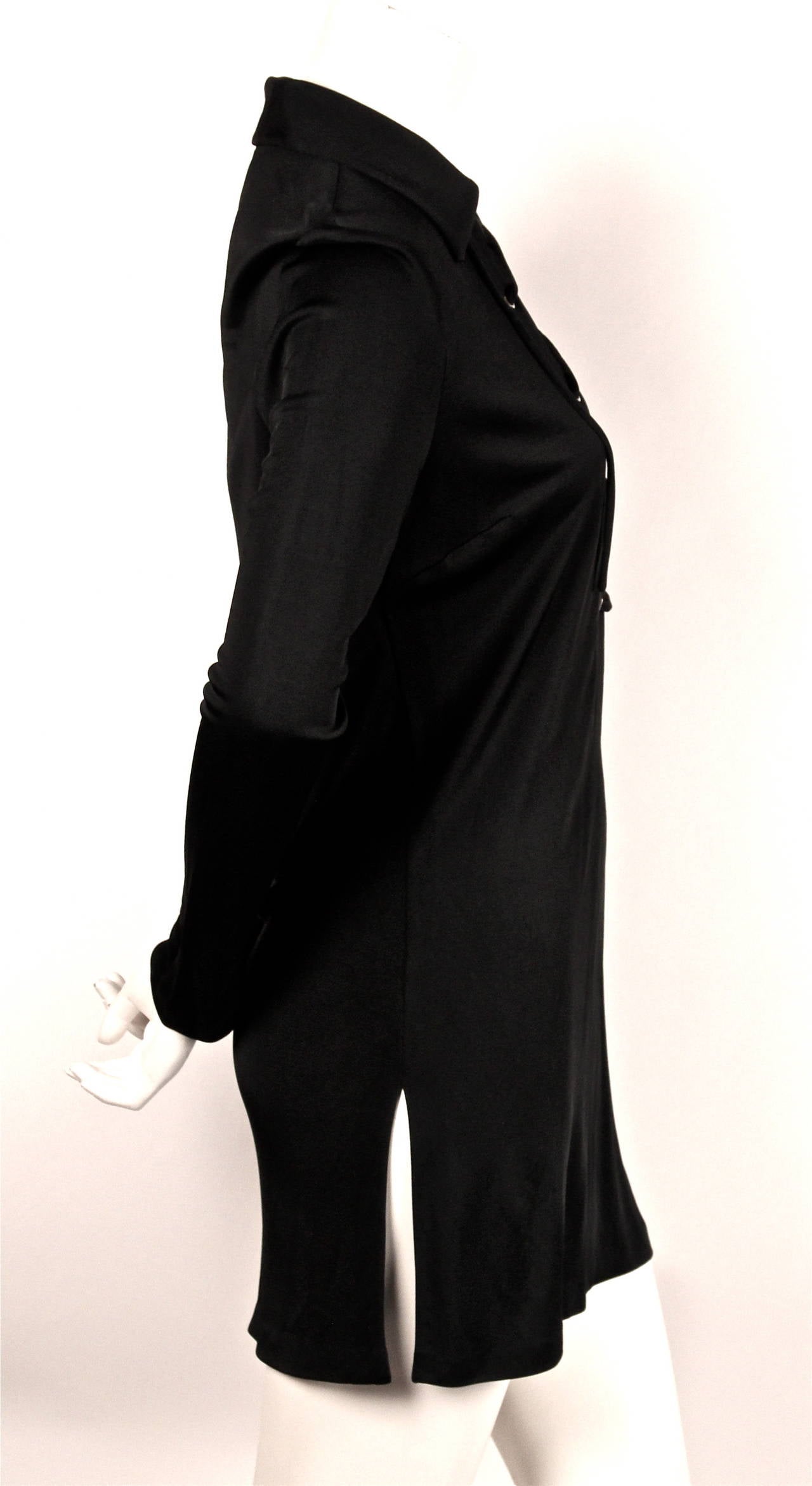
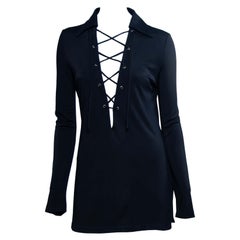
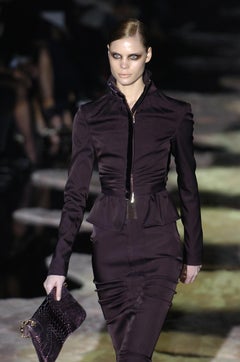
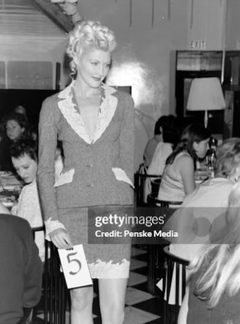
As Ford shot to fame, he continued to explore plunging necklines, such as in the black and white looks of the Fall 1996 collection, and sumptuous fabrics like leather and tweed, with the Fall 2000 ready-to-wear collection ranging from sultry silk evening dresses to plush belted coats.
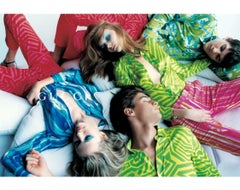
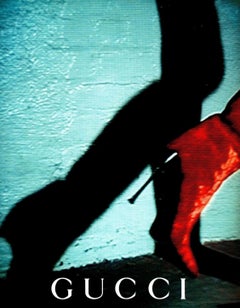
Ford also cranked up the seduction in the provocative ads for Gucci, particularly with regard to campaigns for Yves Saint Laurent, which the fashion house acquired in 1999 (Ford was also named creative director for YSL and designed the brand’s ready-to-wear collection). Gucci's Fall/Winter 1997 campaign featured Carolyn Murphy grasping Angela Lindvall in what looked like a video still; in another shot, a face pressed against a foot in a lipstick-red heel. Each promoted a vision of modern fashion where women were sexually confident, the materials were luxurious and the styles were fearless.
In 2004, Ford and Gucci president Domenico De Sole left the company after failing to agree on the renewal of their contracts. In 2006, with De Sole as chairman, Ford launched his wildly successful eponymous menswear label. Today Ford is also an author, film director and chairman of the Council of Fashion Designers of America.
Find vintage Tom Ford Gucci day dresses, jackets and shoulder bags on 1stDibs.
For fashion lovers, the 1990s have become associated with styles adopted by today’s supermodels and influencers, who never wear the same thing twice. And because fast fashion didn’t yet exist, the design associated with 1990s fashion — vintage '90s handbags, clothing and accessories — has a quality appreciated by the millennial generation: authenticity.
If there was one concept unifying fashion in the 1990s, it was the lean silhouette. “Fashion is a game of proportion,” Alexander Fury wrote in the New York Times in 2016. “Narrow-shouldered and narrow-hipped, the ’90s were skinny.”
If it takes a practiced eye to identify that single concept, that’s because in truth, ’90s fashion was many things to many people. After the 1980s era of strong-shouldered working women, glossy aerobicized bodies and Madonna, fashion branched out.
The industry gained momentum from big-money relaunches of the great Paris houses Dior, Givenchy and Balenciaga, rescued at long last from the constraints of licensing. Japan and Belgium gave fashion new avant-garde ideas to play with. From America came denim, minimalism, '90s grunge fashion and hip-hop. From Italy came sex appeal. And Prada.
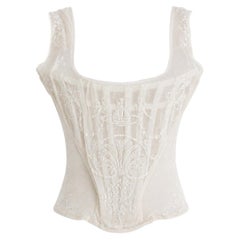
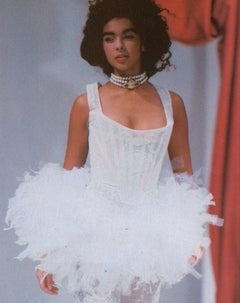
For the colorful corsets of her 1990 Portrait collection, audacious British designer Dame Vivienne Westwood drew on 18th-century oil paintings — her models donned the pearl choker necklaces that have become a social media star and a favorite of influencers and fashion lovers all over the world. For a jacket-and-shorts suit from her Fall/Winter 1996–97 Storm in a Teacup line, the designer used the extreme asymmetry of a tartan mash-up to confront, according to Westwood, “the horror of uniformity and minimalism.”
“The ethos of the time was, you could have style, you could be into all kinds of cool stuff. It wasn’t about money, it wasn’t about status,” says Katy Rodriguez, cofounder of Resurrection. In contrast, “our last 10 years have seen the domination of nonstop luxury, money and status.”
Vintage 1990s Chanel bags, for example, are among the most prized of the brand’s offerings — at Newfound Luxury, proprietor L. Kiyana Macon has "clients who only buy ’90s Chanel because they recognize that it is the best quality.”
Things were different in the ’90s, and the difference is reflected in the clothes. Pull up any recent “How to Do the 1990s” fashion article (or look at photos of current supermodels Gigi, Kendall and Bella), and you’ll see iconic '90s outfits — knee socks, cardigans, fanny packs, fishnet stockings, slip dresses, flannel shirts and combat boots.
Rodriguez has recently noticed something similar happening. Before COVID, customers searched 1990s stock “for very sexy Galliano, Dior, Cavalli — that kind of thing,” she explains, noting that just a few months ago, “people were posting [on social media] the poshest things they could.” Now, in the age of shutdown, “that would just look out of touch.”
Instead, people are looking for “things that are cool but also easy and comfortable, not necessarily super-luxe,” Rodriguez continues. They’re “heading back to the more avant-garde, anti-fashion designers, like Helmut Lang, [Martin] Margiela and [Ann] Demeulemeester.”
Late designer Franco Moschino shocked and titillated the ’80s fashion elite with his whimsical, irreverent parodies of bourgeois finery. Whether emblazoning a sober blazer with smiley faces or embellishing a skirt suit with cutlery, Moschino rendered high style with a hearty wink. He famously said, “If you can’t be elegant, at least be extravagant” — words that, with all due respect to Susan Sontag, epitomize the essence of camp.
Vintage Moschino pants, jackets and other '90s Moschino garments remain so bold and fresh today that even the house's former creative director, Jeremy Scott, drew on the brand's past and the pop culture of the decade for his debut collection in 2014.
Find vintage 90s dresses, skirts, sweaters and other clothing and accessories on 1stDibs — shop Thierry Mugler, Miuccia Prada, Jean Paul Gaultier and more today.
Start building your collection of covetable and iconic vintage clothing today — no matter where you roam, there is a curated selection of designer dresses and gowns, sweaters, shirts, dazzling shoes and more on 1stDibs that will keep you covered in the hottest styles from head to toe.
From elegant museum-worthy vintage Chanel dresses and jackets to audacious T-shirts and trousers from provocative punk designer Vivienne Westwood, one thing is abundantly clear: If the clothing for sale on 1stDibs could talk, it would certainly make a statement.
For fashion lovers, the 1990s have become associated with styles adopted by today’s supermodels and influencers — think John Galliano and Roberto Cavalli — but maybe ‘80s accessories are among your (guilty?) pleasures.
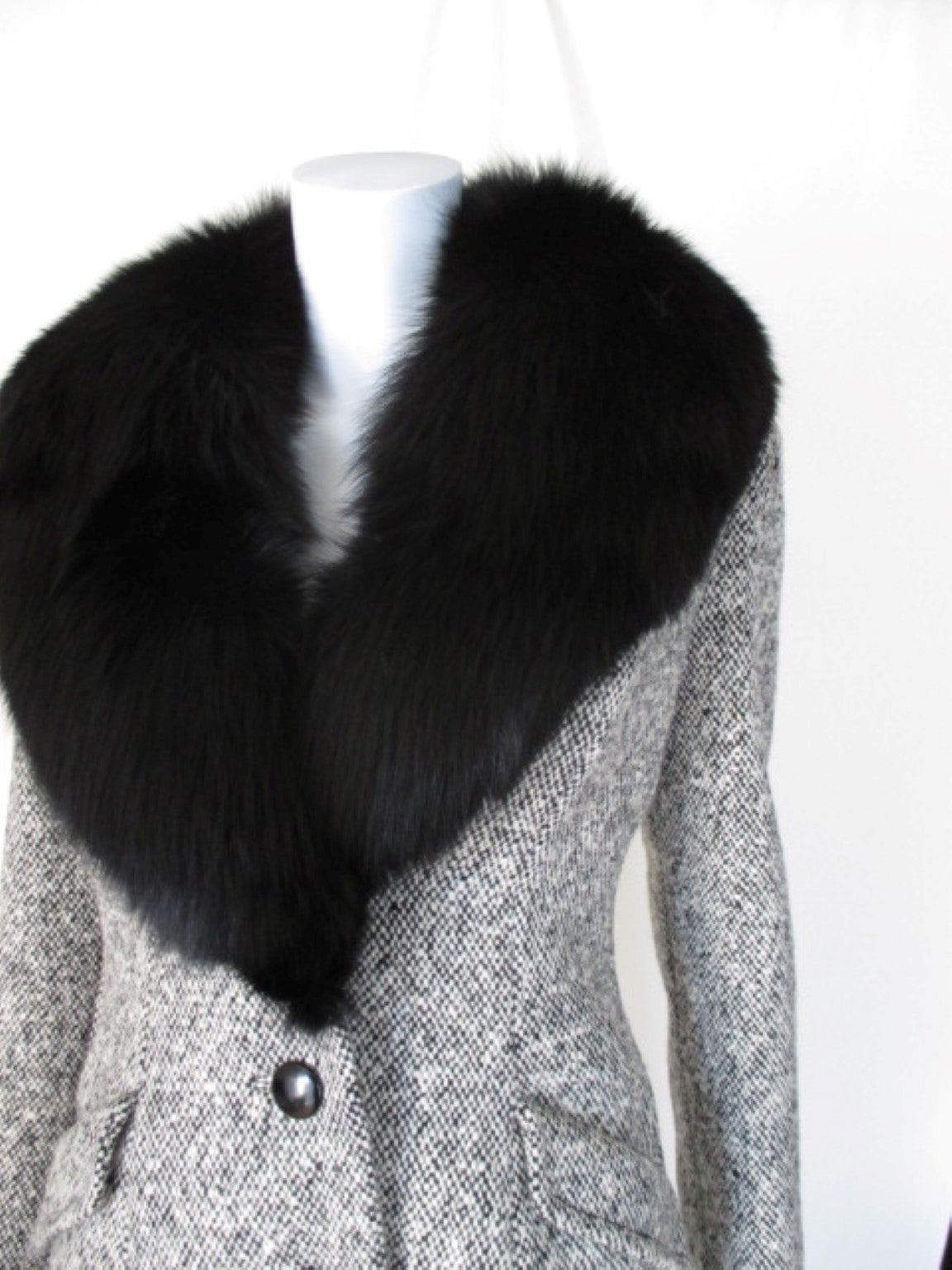
Playful, boldly colored coats and outerwear from Moschino, Ralph Lauren and other titans of the era can take a simpler ensemble to the next level, while chic and practical suits from the likes of Christian Dior and Balmain endure for haute couture advocates and beyond.
And vintage is the name of the game on today’s red carpets, too. Celebrity stylists are turning to archival pieces created by the likes of Bob Mackie, Thierry Mugler and Jean-Paul Gaultier as alternatives to new gowns plucked straight off the runway. Wearing such sought-after items gives celebrities instant allure and suggests a personal style that’s not only achingly glamorous but intellectually informed and influenced by a love of craftsmanship.
Those seeking contemporary luxury looks and in-demand street-style fits can indulge in designs by Bottega Veneta, Miu Miu and Loro Piana, while pieces from Gucci, Yves Saint Laurent and Versace endure as examples of fashion’s most covetable goods.
The future — and glamorous past — of fashion is yours for the wearing. Find vintage clothing and accessories for sale on 1stDibs, including designs by Balenciaga, Valentino, Celine, Loewe and more.