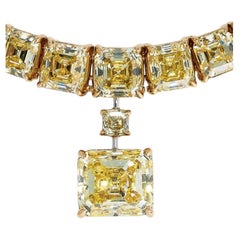
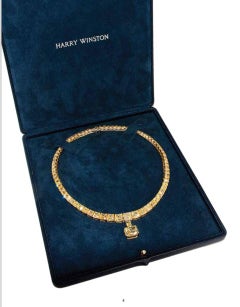
Harry Winston Diamond Necklace
$2,500,000
Harry Winston Diamond Necklace
By Harry Winston
Located in Sausalito, CA
Gorgeous 18k yellow gold necklace, containing total of 75 emerald cut fancy yellow diamonds signed by Harry Winston.
Category
$2,500,000
Harry Winston Diamond Necklace
By Harry Winston
Located in Sausalito, CA
Gorgeous 18k yellow gold necklace, containing total of 75 emerald cut fancy yellow diamonds signed by Harry Winston.
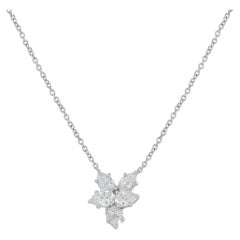
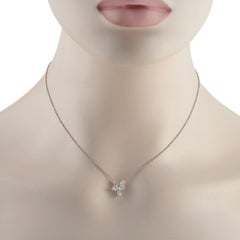
Harry Winston Platinum 1.0ct Diamond Necklace
By Harry Winston
Located in Southampton, PA
Add timeless luxury to any ensemble with this classic Harry Winston necklace. A cluster of Diamonds with a total weight of 1.0 carats effortlessly catch the light along with your eve...
Diamond, Platinum
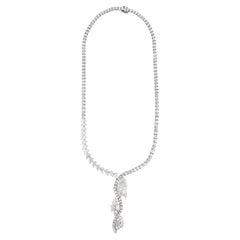
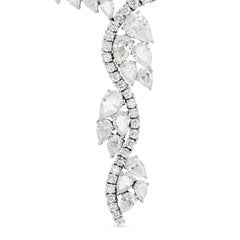
Harry Winston Platinum Diamond Vine Necklace
By Harry Winston
Located in Philadelphia, PA
This elegant Harry Winston necklace features a classic line of brilliant-cut diamonds, culminating in a graceful cascade of larger pear-shaped and marquise diamonds that form a capti...
Diamond, Platinum
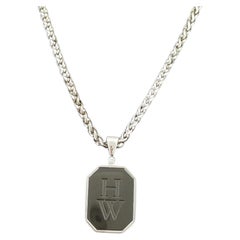
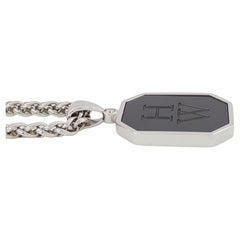
$16,000Sale Price|20% Off
Harry Winston Round Cut Diamond Necklace
By Harry Winston
Located in Chicago, IL
Harry Winston 18K White Gold 0.04 ct Total Weight Round Cut Diamond & Zalium Pendant Necklace 30".
Diamond, White Diamond, White Gold, 18k Gold
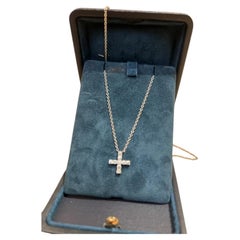
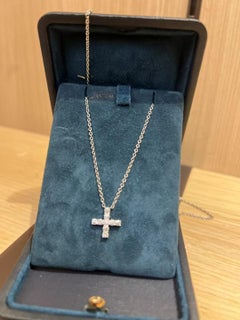
Harry Winston (HW) Mini Cross Diamond Necklace
By Harry Winston
Located in Guangzhou, CN
Harry Winston (HW) Mini Cross Diamond Necklace
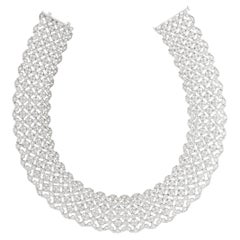
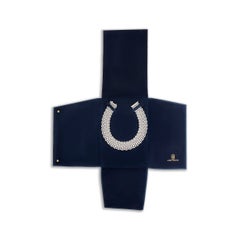
Harry Winston Platinum Diamond Floral Lattice Collar Necklace
By Harry Winston
Located in Philadelphia, PA
This Harry Winston collar necklace features an intricately woven lattice of sparkling round diamonds forming a continuous, fluid web of delicate floral motifs.
Diamond, Platinum
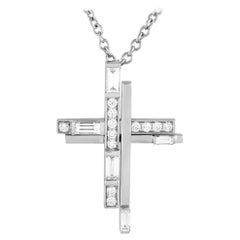
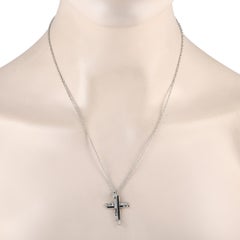
Harry Winston Symbols Platinum 0.72ct Diamond Cross Necklace
By Harry Winston
Located in Southampton, PA
It is exquisitely crafted in 950 platinum and embellished with 12 round brilliant diamonds and five baguette diamonds. The pendant measures 1.15 by 0.75 inches and suspends from a 20...
Diamond, Platinum
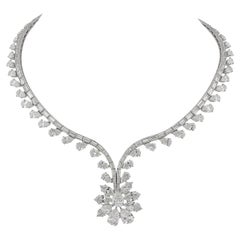
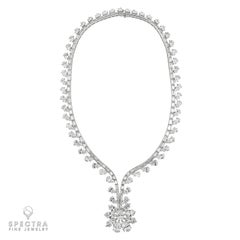
Harry Winston 47.48ct Diamond Necklace in Platinum, Circa 1952
By Harry Winston
Located in New York, NY
Color/Clarity: G-I, VS Certifications: Harry Winston Papers Size: 38.0 cm Creator: Harry Winston Metal: Platinum Weight: 61.10 grams Period: 1952 Condition: Pre-owned, Excellent A r...
Diamond, Platinum
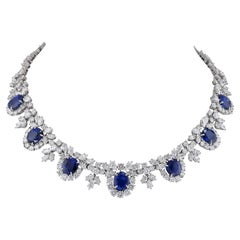
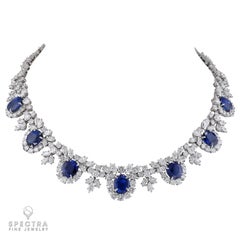
Harry Winston 32.63 cts. Ceylon Sapphire Diamond Platinum Necklace
By Harry Winston
Located in New York, NY
Carat Weight: Sapphire 5.30 cts. center stone Color/Clarity: Ceylon Certifications: 7 SSEF & Harry Winston Certificate Creator: Harry Winston Metal: Platinum Weight: 93.28 gram...
Diamond, Sapphire, Platinum
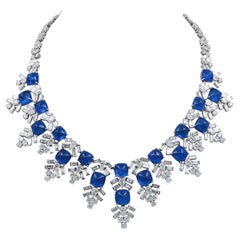
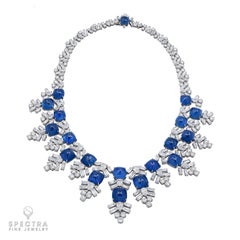
Harry Winston Jacques Timey Vintage Sapphire Diamond Bib Necklace
By Harry Winston
Located in New York, NY
Gemstone Details: 19 Sugarloaf Burma No Heat sapphires Total Weight: 135-145 carats Origin: Burma Certification: SSEF Diamonds: Total Weight: 45-50 carats Color/Clarity: G-H/VS Metal...
Diamond, Sapphire, Platinum
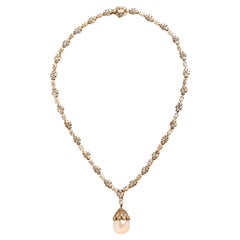
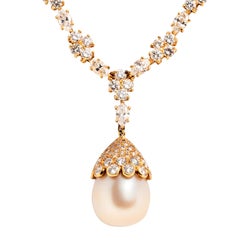
Harry Winston Diamond Flower Necklace with Cultured Pearl Drop
By Harry Winston
Located in Weston, MA
The master craftsmen of Harry Winston have used over 20 carats of diamonds to create this elegant flower garland necklace which centers on an acorn-form cultured pearl drop.
Diamond, Cultured Pearl, Gold, 18k Gold, Yellow Gold
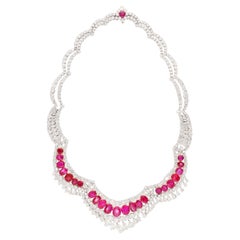
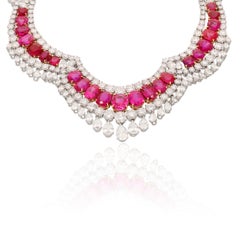
HARRY WINSTON No Heat Burmese Ruby and Diamond Necklace
By Harry Winston
Located in New York, NY
An extraordinary high jewelry creation from Harry Winston, this magnificent necklace exemplifies the house’s unrivaled command of colored gemstones and diamond artistry during the go...
Diamond, Ruby, Pink Sapphire, 18k Gold, Yellow Gold, Platinum
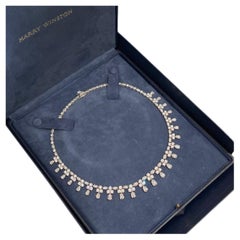
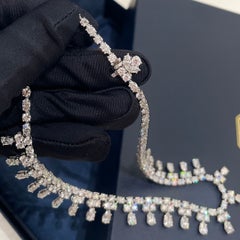
HARRY WINSTON Winston Cluster Pear Diamond Fringe 18K Gold Necklace High Jewelry
By Harry Winston
Located in Guangzhou, CN
Handcrafted by the master artisans of the "King of Diamonds," this Harry Winston Diamond Fringe Necklace represents the absolute pinnacle of high society glamour.A flawless, continuo...
18k Gold
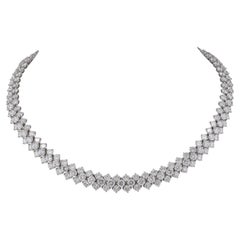
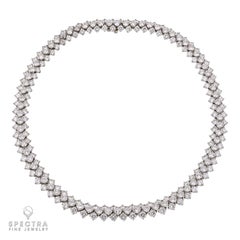
Harry Winston 44.50ct Round Diamond Platinum Necklace, Signed Jacques Timey
By Harry Winston
Located in New York, NY
Color/Clarity: F-H VS Certifications: HW papers Size: 16.75 inches Creator: Harry Winston Metal: Platinum Weight: 68.89 grams Period: 1980s Condition: Used - Previously owned, lightl...
Diamond, Platinum
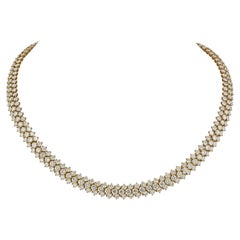
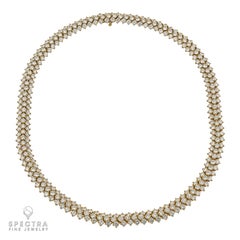
Harry Winston 33.39 cts. Diamond Necklace in 18k Yellow Gold
By Harry Winston
Located in New York, NY
Color/Clarity: G-H, VS Certifications: Harry Winston Certificate of authenticity Size: 16.12 inches Creator: Harry Winston Metal: 18K Yellow gold Weight: 48.67 grams Period: 1980s A...
Diamond, 18k Gold, Yellow Gold
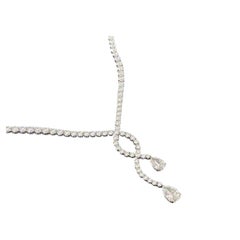
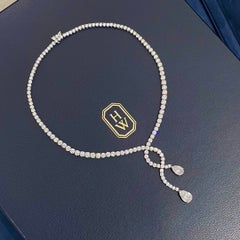
HARRY WINSTON Cascading Pear Diamond Platinum Statement Drop Necklace
By Harry Winston
Located in Guangzhou, CN
Conceived by the master artisans of the "King of Diamonds," the Harry Winston Cascading Diamond Necklace turns liquid light into an eternal piece of high jewelry.A flawless string of...
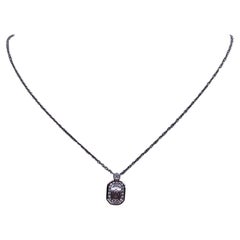
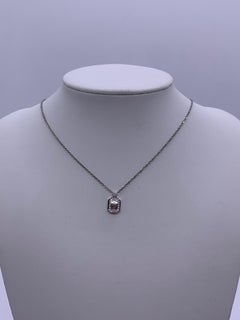
Harry Winston Winestop Collection Bottle Diamonds Platinum Pendant Necklace
By Harry Winston
Located in Guangzhou, CN
Harry Winston Winestop Collection Small Platinum Bottle Necklace. Very rare and hard to obtain from boutique. Elegant and low-profile style. Purchased in 2021. Comes with original bo...
Platinum
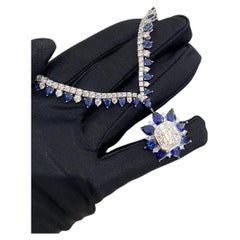
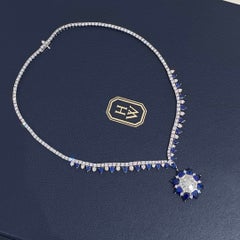
HARRY WINSTON 718 Marble Marquetry Sapphire Diamond Platinum Necklace
By Harry Winston
Located in Guangzhou, CN
An Architectural Romance in Light and SapphireDeeply intertwined with the heritage of the "King of Diamonds," the Harry Winston 718 Marble Marquetry Collection pays a breathtaking ho...
Platinum
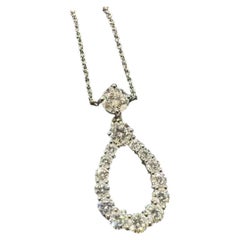
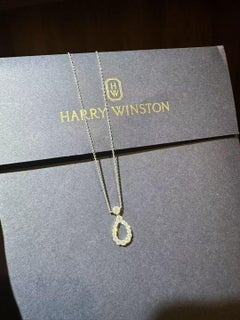
Harry Winston 15 round Diamond Loop Platinum Necklace Medium
By Harry Winston
Located in Guangzhou, CN
Diamond Loop Pendant from the luxury brand Harry Winston.
Platinum
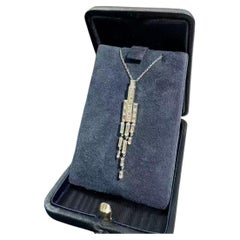
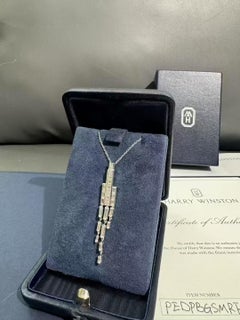
Harry Winston Reflection Pendant Diamonds Necklace 1.46ct 18K White Gold
By Harry Winston
Located in Guangzhou, CN
Harry Winston Reflection Pendant Necklace from the Made in New York collection.
Diamond, White Gold
$48,000Sale Price|20% Off
Harry Winston 2.15 CT Heart Brilliant Cut Diamond Solitaire Pendant Necklace
By Harry Winston
Located in Chicago, IL
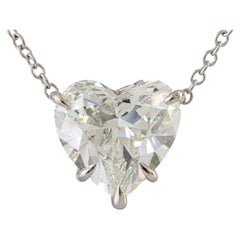
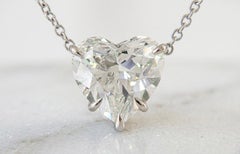
Elegant and timeless, this authentic vintage Harry Winston solitaire pendant necklace features a stunning 2.15 carat natural Heart Brilliant Cut diamond set in platinum.
Diamond, White Diamond, Platinum
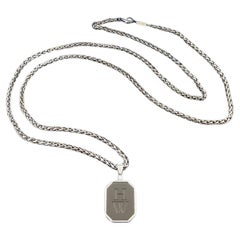
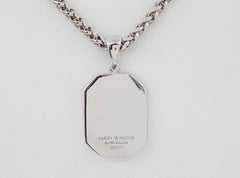
Harry Winston HW Logo Diamond Pendant Necklace 18K White Gold
By Harry Winston
Located in Guangzhou, CN
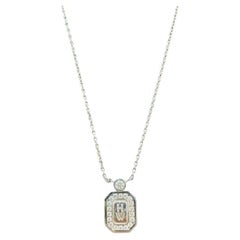
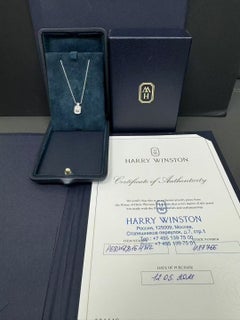
Every masterpiece tells a story, and this Harry Winston "HW Logo" pendant necklace is a beautiful chapter waiting for its next keeper.Inspired by the ultimate "King of Diamonds," Mr.
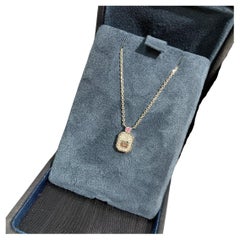
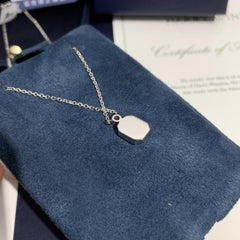
Harry Winston HW Logo Pink Sapphire Diamond Pendant Necklace PT950
By Harry Winston
Located in Guangzhou, CN
Celebrate timeless romance with this exquisite Harry Winston HW Logo pendant necklace, a rare Valentine's Day limited edition.
$12,000Sale Price|20% Off
Harry Winston 18K White Gold & Zalium Pendant Necklace 30
By Harry Winston
Located in Chicago, IL
Harry Winston 18K White Gold & Zalium Pendant Necklace 30" 0.04 ct Diamond Signed & Numbered A bold yet refined statement piece by Harry Winston, this 30-inch necklace combines in...
Diamond, 18k Gold, White Gold
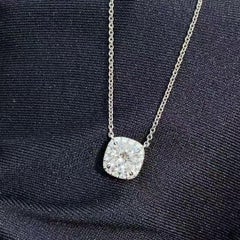
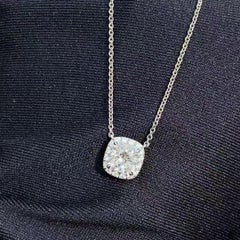
GIA Harry Winston 1.01ct VS2 Color F Diamond Luxuriously Set Necklace
By Harry Winston
Located in Guangzhou, CN
HW Harry Winston 1.01ct luxury setting necklace, main diamond 1.01ct, color F, clarity VS2.
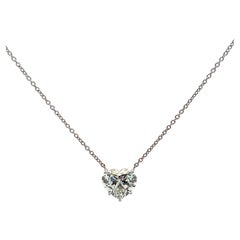
Harry Winston 3.63 Carat Heart Shape D VS1 Diamond Platinum Pendant Necklace
By Harry Winston
Located in New York, NY
Designer: Harry Winston Title: Harry Winston 3.63 Carat Heart Shape D VS1 Diamond Platinum Pendant Necklace Style: Pendant Metal: Platinum Gemstone 1: 3.63 Carat Diamond Nu...
Diamond, Platinum
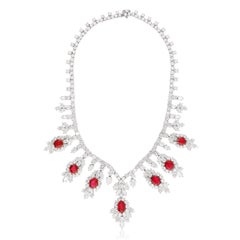
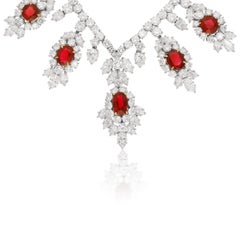
HARRY WINSTON Platinum & 18K White Gold No Heat Ruby and Diamond Necklace
By Harry Winston
Located in New York, NY
An exceptional Harry Winston necklace set with vibrant natural rubies surrounded by a spectacular arrangement of brilliant and pear-shaped diamonds.
Diamond, Ruby, 18k Gold, White Gold, Platinum
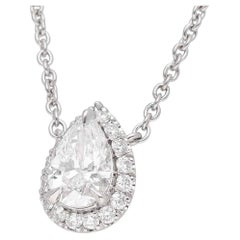
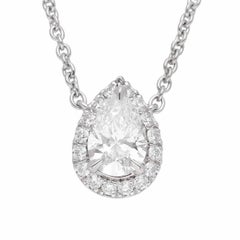
Harry Winston Pear-Shaped Diamond Pendant, PT950, 0.50ct E-VVS1
By Harry Winston
Located in Tokyo, JP
■ Item Number: 31420601 ■ Brand: HARRY WINSTON ■ Product Name: Pear-Shaped Diamond Micropave Pendant ■ Reference Number: - ■ Material: 0.50ct Diamond (E-VVS1) / Side Diamonds / PT950...
Diamond, Platinum
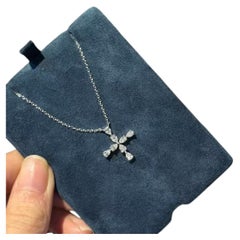
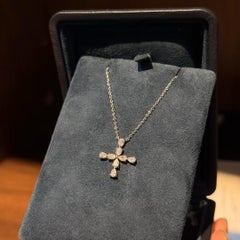
Harry Winston Symbols Pear-Shaped Diamond Cross Pendant Size S
By Harry Winston
Located in Guangzhou, CN
Symbols Pear-Shaped Diamond Cross Pendant from the luxury jeweler Harry Winston. Key Features Gemstones: The design features 8 pear-shaped diamonds arranged in a cross symbol. Desi...
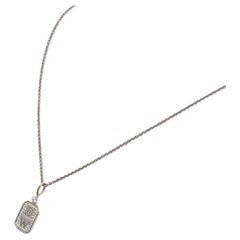
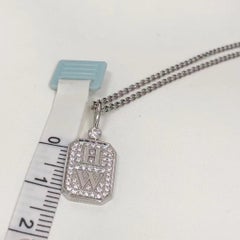
Harry Winston HW Logo Diamond Pendant 18K White Gold Size L
By Harry Winston
Located in Guangzhou, CN
Product Details Material: 18K White Gold. Design: Features an engraved "HW" logo at the center, surrounded by a border of pavé-set round brilliant diamonds. This piece is part of the...
Diamond, White Gold
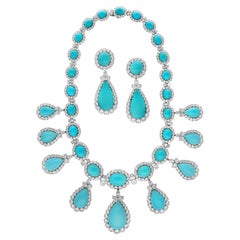
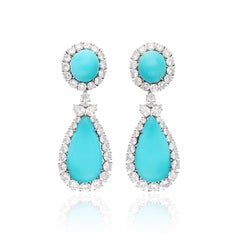
HARRY WINSTON Turquoise and Diamond Necklace and Ear Clips
By Harry Winston
Located in New York, NY
Circa - 1960 Platinum and 18K White Gold Necklace Approximate Diamond Weight - 84.80 CTS 22 oval-shaped and 9 pear-shaped turquoises 483 round brilliant-cut diamonds 27 pear-shaped d...
Diamond, Turquoise, 18k Gold, White Gold, Platinum
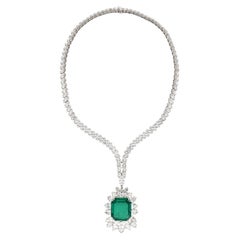
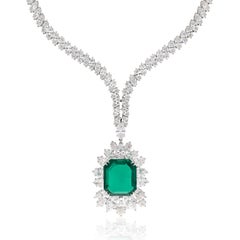
HARRY WINSTON Platinum And 18K White Gold Diamond And Emerald Necklace
By Harry Winston
Located in New York, NY
A magnificent design by Harry Winston, this iconic necklace captures the essence of 1960s glamour with its striking cluster motif and exceptional gemstone quality.
Diamond, Emerald, 18k Gold, White Gold
$168,750Sale Price|25% Off
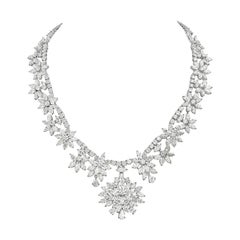
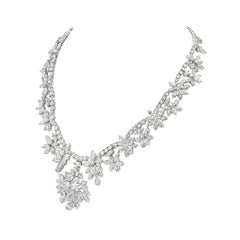
Diamond and Platinum Cluster Wreath Necklace
Located in New York, NY
This Harry Winston style diamond cluster wreath necklace with flower drop features 125.8 carats of F-G VS diamonds set in platinum.
Diamond, 18k Gold
HARRY WINSTON Diamond Necklace, Bracelet Combination
Located in NY, NY
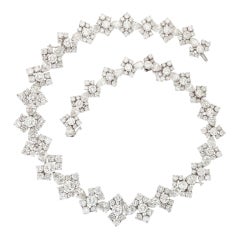
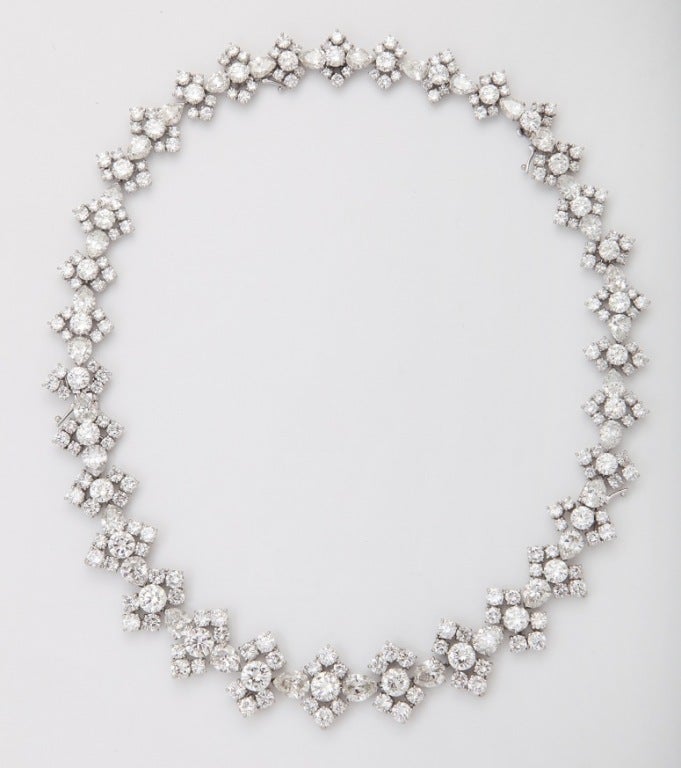
HARRY WINSTON Diamond Necklace, Bracelet Combination This necklace is quintessential example of the Harry Winston style.
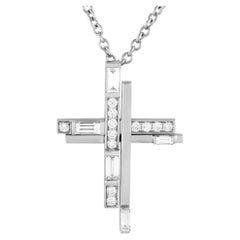
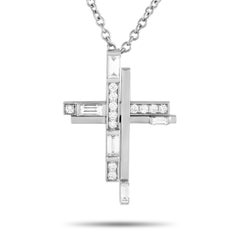
Harry Winston Symbols Platinum Diamond Cross Necklace
By Harry Winston
Located in Broomall, PA
This Harry Winston Symbols cross necklace offers a refined way to wear a meaningful symbol of faith.
Diamond, Platinum
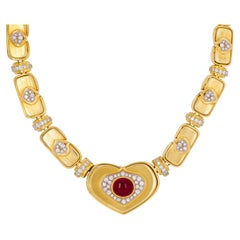
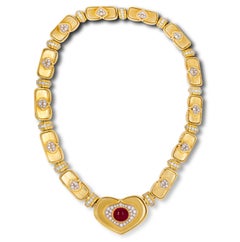
Harry Winston 18K Gold Diamond Cabochon Burma Ruby Heart Pendant Choker Necklace
By Harry Winston
Located in Boca Raton, FL
Harry Winston 18K Gold Diamond Cabochon Burma Ruby Heart Pendant Choker Necklace An incredible piece by Harry Winston, this necklace features a cabochon-cut ruby with diamonds surro...
Diamond, Ruby, 18k Gold, Yellow Gold
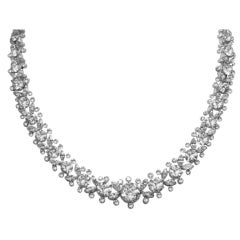
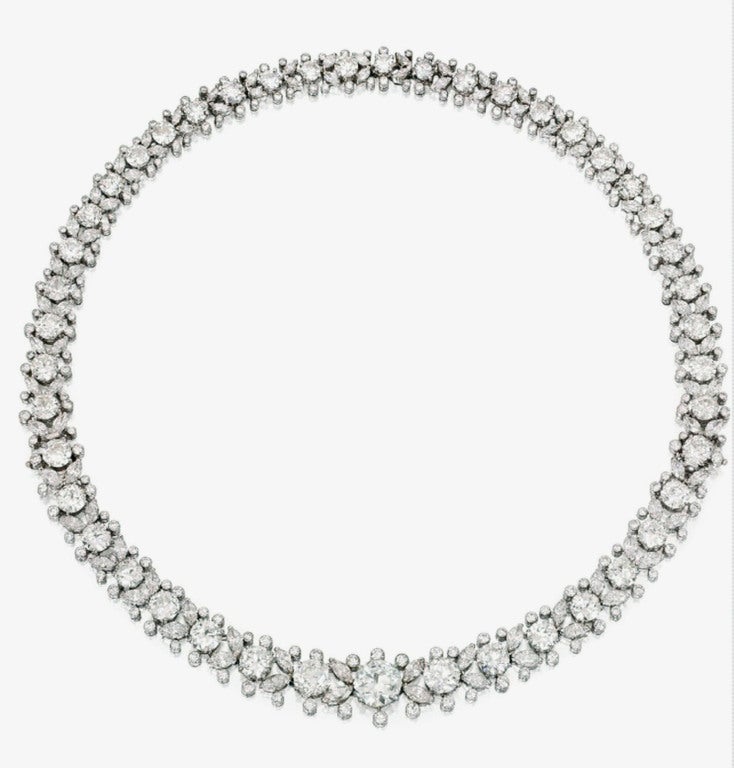
HARRY WINSTON 55 carats Diamond Necklace
Located in New York City, NY
Harry Winston signed piece platinum diamond necklace features F color and VS clarity that weights 55 carats of quality diamond.This necklace can be also bracelet.
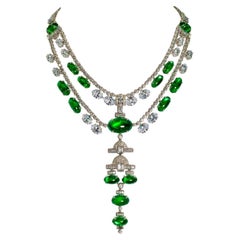
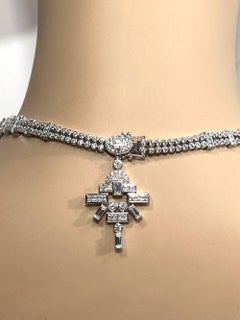
Harry Winston Smithsonian Spanish Inquisition Costume Jewelry Replica Necklace
By Magnificent Costume Jewelry
Located in New York, NY
Harry Winston Smithsonian Spanish Inquisition Necklace Costume Jewelry Replica.
Diamond, Emerald, Sterling Silver
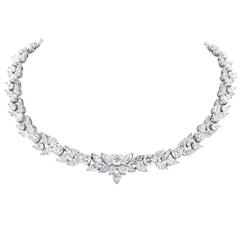
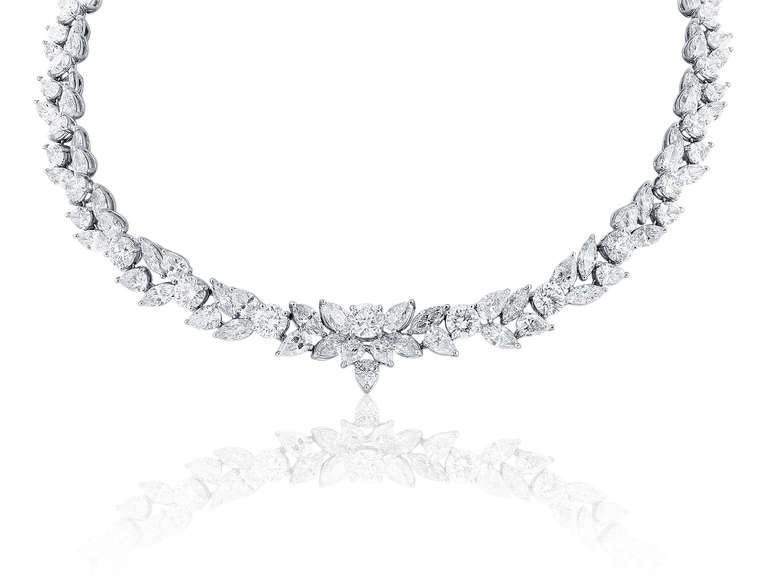
48.95 Carat Fancy Shape Diamonds Platinum Necklace
Located in Chestnut Hill, MA
One ladies platinum fancy shape diamond Harry Winston style wreath necklace consisting 7 GIA certified round brilliant cuts along with a mixture of marquise cut, and pear shape diamo...
Diamond, Platinum
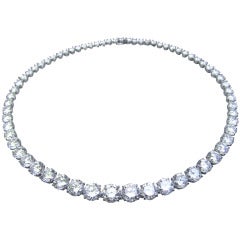
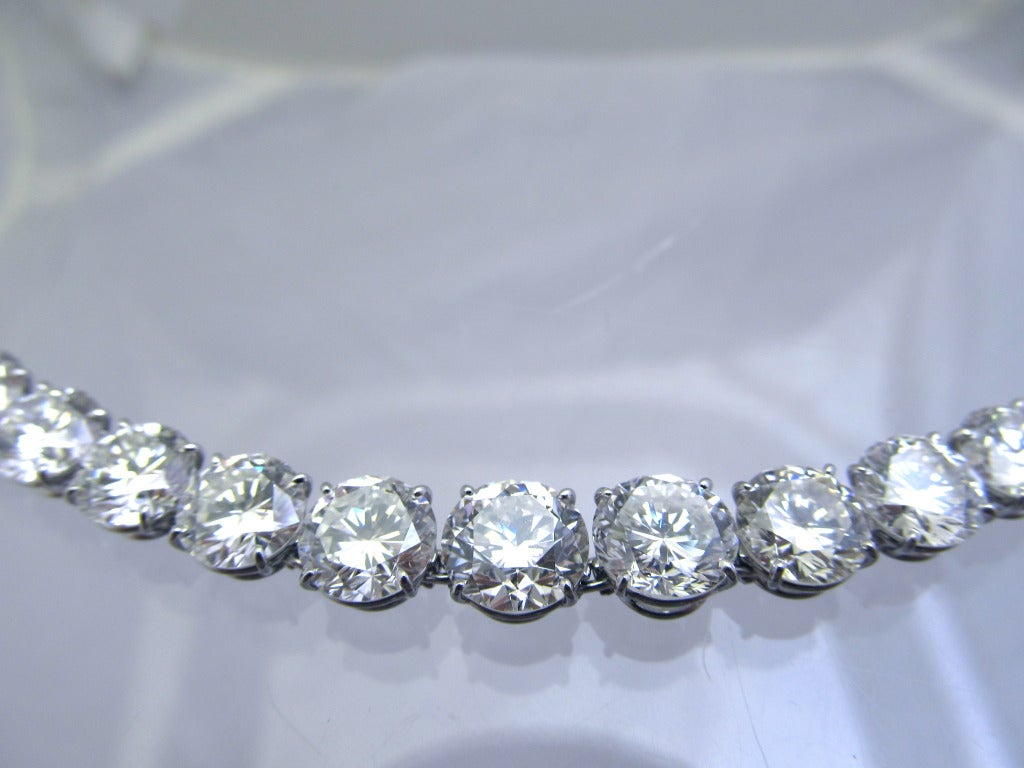
Harry Winston Diamond Riviere Necklace
By Harry Winston
Located in New York, NY
Stunning! Timeless!!!! Harry Winston Riviera Diamond Necklace. 55 Graduated Finest quality brilliant shape diamonds set in platinum.
Diamond, Platinum
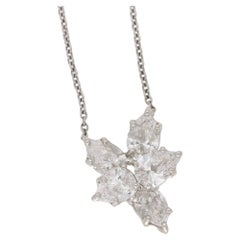

Harry Winston Pear Diamond Necklace
By Harry Winston
Located in London, England
A beautiful Winston Cluster by Harry Winston diamond cluster pendant, featuring five pear shaped diamonds set in fine five claw double gallery settings at varying angles to form a fl...
Diamond, Platinum
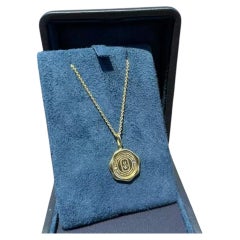
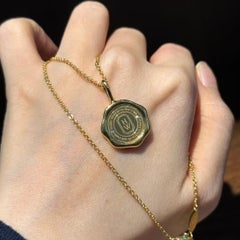
Harry Winston Diamond Charm Pendant Necklace
By Harry Winston
Located in Guangzhou, CN
Charms by Harry Winston "Shield" Pendant, a piece from the brand's iconic Charms collection.
Diamond, 18k Gold
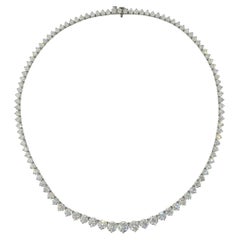
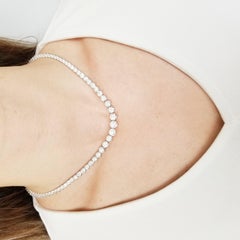
Diamond Riviere Necklace by Harry Winston
By Harry Winston
Located in New York, NY
A Diamond Riviere Necklace by Harry Winston The graduates straight line necklace prong-set with 103 round brilliant-cut diamonds weighing 21.98 carats, mounted in platinum.
Diamond, Platinum
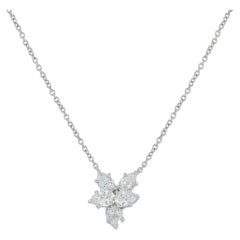
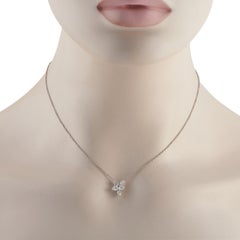
Harry Winston Platinum 1.0ct Diamond Necklace
By Harry Winston
Located in Southampton, PA
Add timeless luxury to any ensemble with this classic Harry Winston necklace. A cluster of Diamonds with a total weight of 1.0 carats effortlessly catch the light along with your eve...
Diamond, Platinum
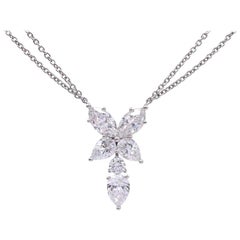

Harry Winston Diamond "Marquesa" Pendant Necklace
By Harry Winston
Located in New York, NY
Diamond "Marquesa" Pendant Necklace by Harry Winston This pendant designed as a cluster of two pear- shaped diamonds weighting 1.09ct and two marquise-shaped diamonds weighing 1.64...
Diamond, Platinum
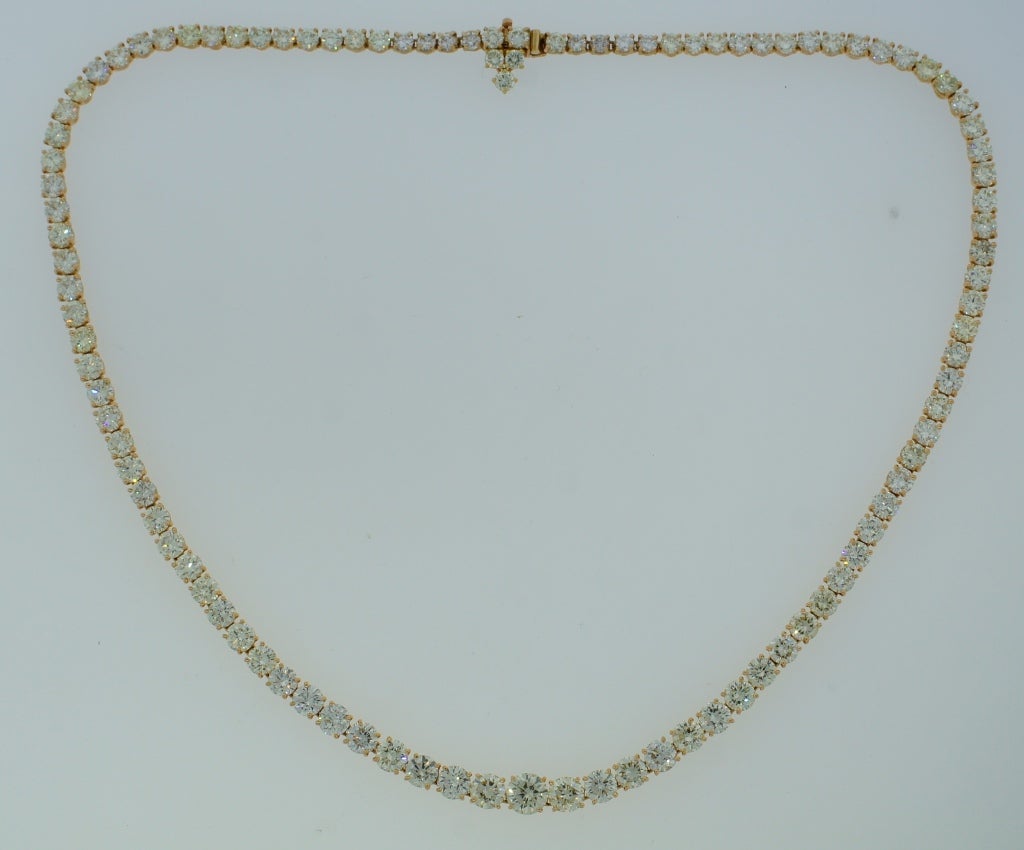
Harry Winston Diamond Yellow Gold Riviere Necklace
By Harry Winston
Located in Beverly Hills, CA
Fabulous diamond Riviere necklace created by exquisite Harry Winston jewelry house.
Diamond, 18k Gold
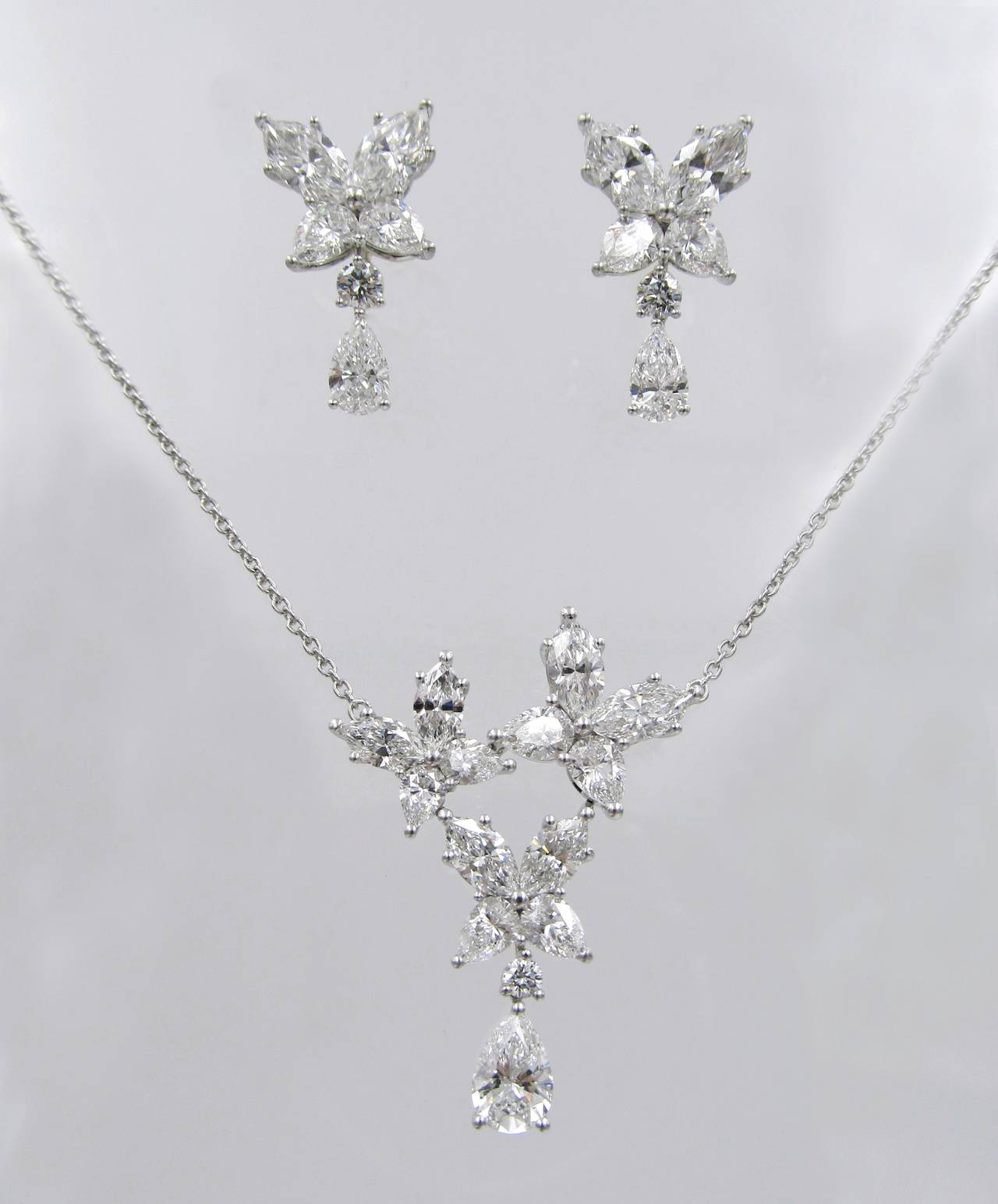
Harry Winston Diamond Platinum Necklace and Earrings
By Harry Winston
Located in New York, NY
The Winston Cluster is the ultimate embodiment of timeless glamour and style. These exquisite jewels feature pear-shaped , marquise & round diamonds set with minimal metal and at v...
Diamond, Platinum
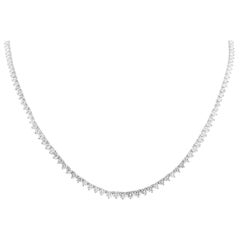

Harry Winston Platinum 12.00 Carat Diamond Rivière Necklace
By Harry Winston
Located in Southampton, PA
This Harry Winston rivière necklace is crafted from platinum and weighs 25 grams, measuring 15.50” in length.
Diamond, White Diamond, Platinum
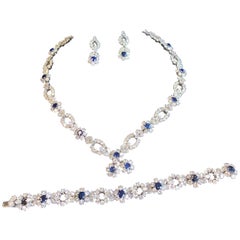
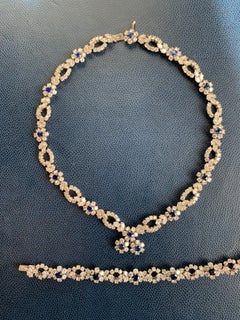
Harry Winston Diamond Sapphire Necklace Bracelet Earrings Set
By Harry Winston
Located in New York, NY
Leave it to Harry Winston to create a remarkable flower inspired necklace, bracelet and earrings set.
Diamond, Sapphire, Platinum
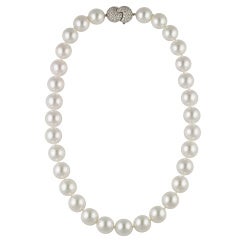
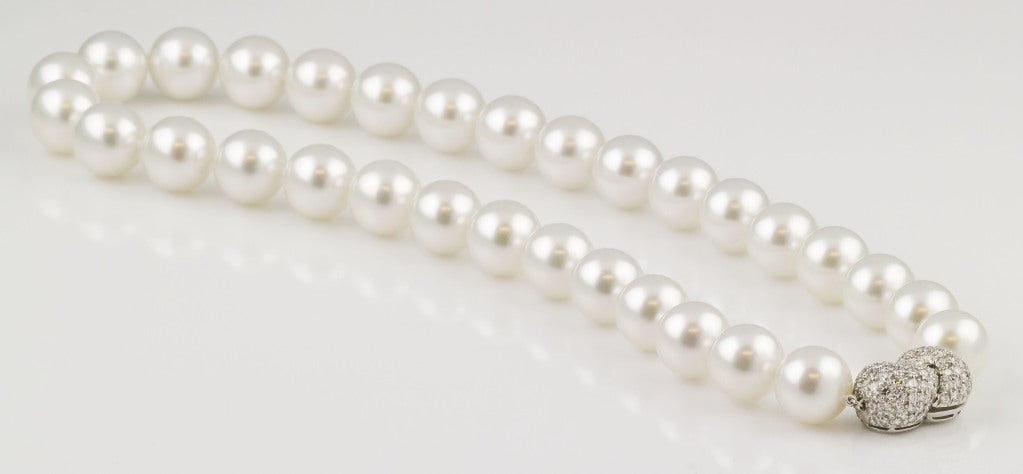
HARRY WINSTON Fine Diamond Platinum and Pearl Necklace
By Harry Winston
Located in New York City, NY
Exceptionally fine and rare Harry Winston pearl necklace with diamond set platinum clasp.
Diamond, Cultured Pearl, Platinum
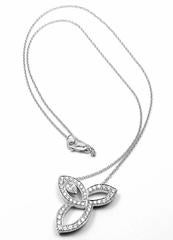
Harry Winston Diamond Platinum Lily Cluster Pendant Necklace
By Harry Winston
Located in Southampton, PA
Platinum Diamond Lily Cluster Pendant Necklace by Harry Winston.
Diamond, Platinum
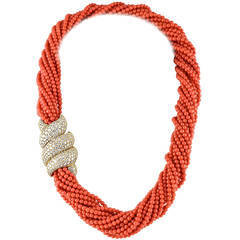
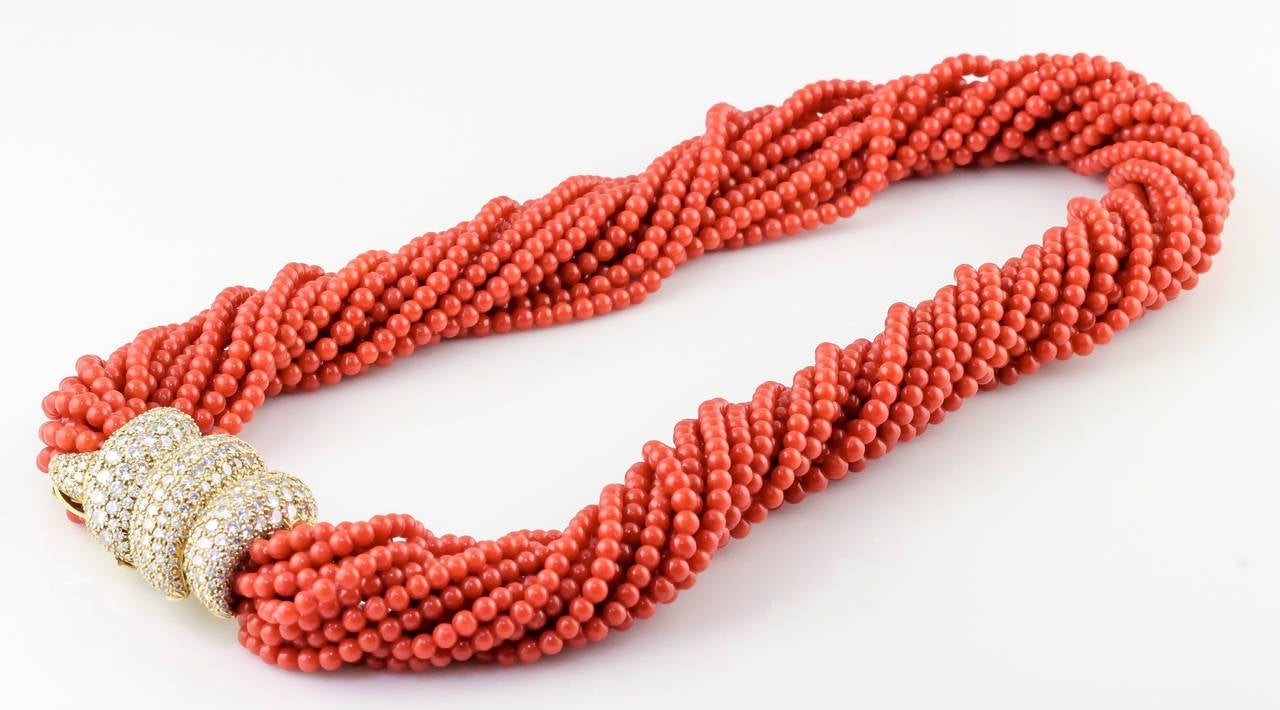
Harry Winston Coral Diamond Gold Torsade Necklace
By Harry Winston
Located in New York City, NY
Chic and interesting coral, diamond and 18K yellow gold necklace by Harry Winston, circa 1980s.
Coral, Diamond, 18k Gold
Harry Winston Diamond Platinum Pear Shape Pendant Necklace
By Harry Winston
Located in Southampton, PA
An epitome of refined elegance, this sublime platinum necklace offers a splendidly classy appearance. Designed by Harry Winston, the necklace features a pendant that is set with a ma...
White Diamond, Platinum
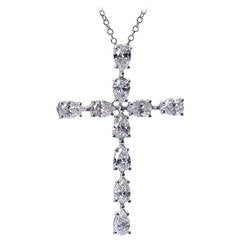
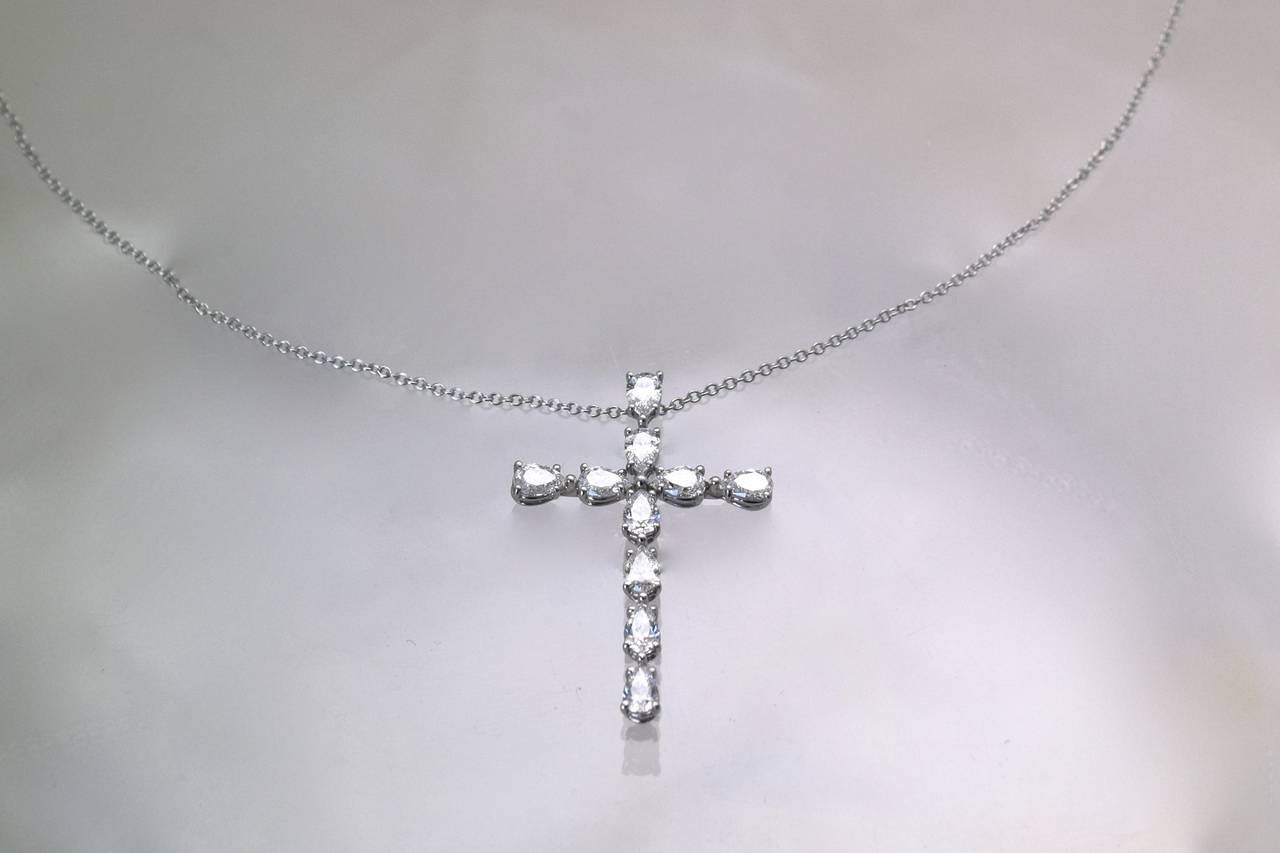
Harry Winston Diamond Platinum Cross
By Harry Winston
Located in New York, NY
Diamond Cross by Harry Winston ! 10 top quality pear shape diamonds set in platinum. Diamonds are D/E Color & VS clarity. Chain is 16 inches long with hidden clasp. Maker's hal...
Diamond, Platinum
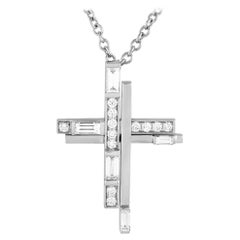

Harry Winston Symbols Platinum 0.72ct Diamond Cross Necklace HW21-112624
By Harry Winston
Located in Southampton, PA
It is exquisitely crafted in 950 platinum and embellished with 12 round brilliant diamonds and five baguette diamonds. The pendant measures 1.15 by 0.75 inches and suspends from a 20...
Diamond, Platinum
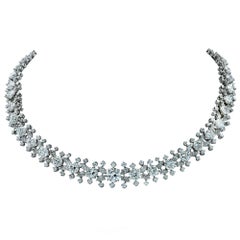

Important Midcentury Harry Winston 52 Carat Diamond Necklace Bracelet Set
By Harry Winston
Located in Miami, FL
From the legendary house of Harry Winston, this exquisite necklace, expertly crafted in fine platinum by the renowned French jeweler, Francois Tavernier, showcases 52 carats total we...
Diamond, Platinum
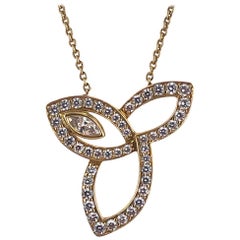
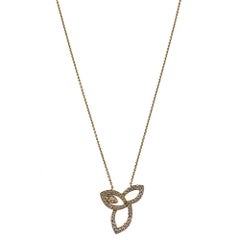
Harry Winston Lily Diamond Pendant Necklace 18 Karat Yellow Gold
By Harry Winston
Located in Boca Raton, FL
Beautiful necklace by Harry Winston draws upon nature's elegance and inspiration.
White Diamond, 18k Gold, Yellow Gold
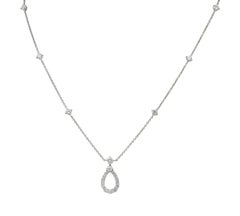
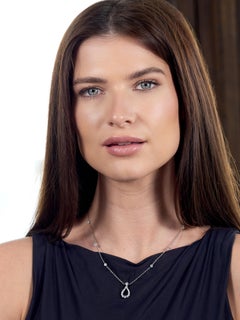
Harry Winston 2.65 CTW Diamond Platinum Contemporary Loop Station Necklace
By Harry Winston
Located in Philadelphia, PA
Comprised of a 1.0 mm cable link chain suspending a pear-shaped loop motif pendant With additional diamonds-by-the-yard style stations throughout Pendant and stations are prong set w...
Diamond, Platinum
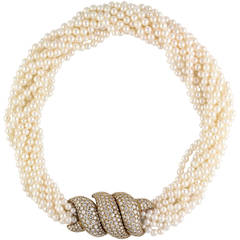
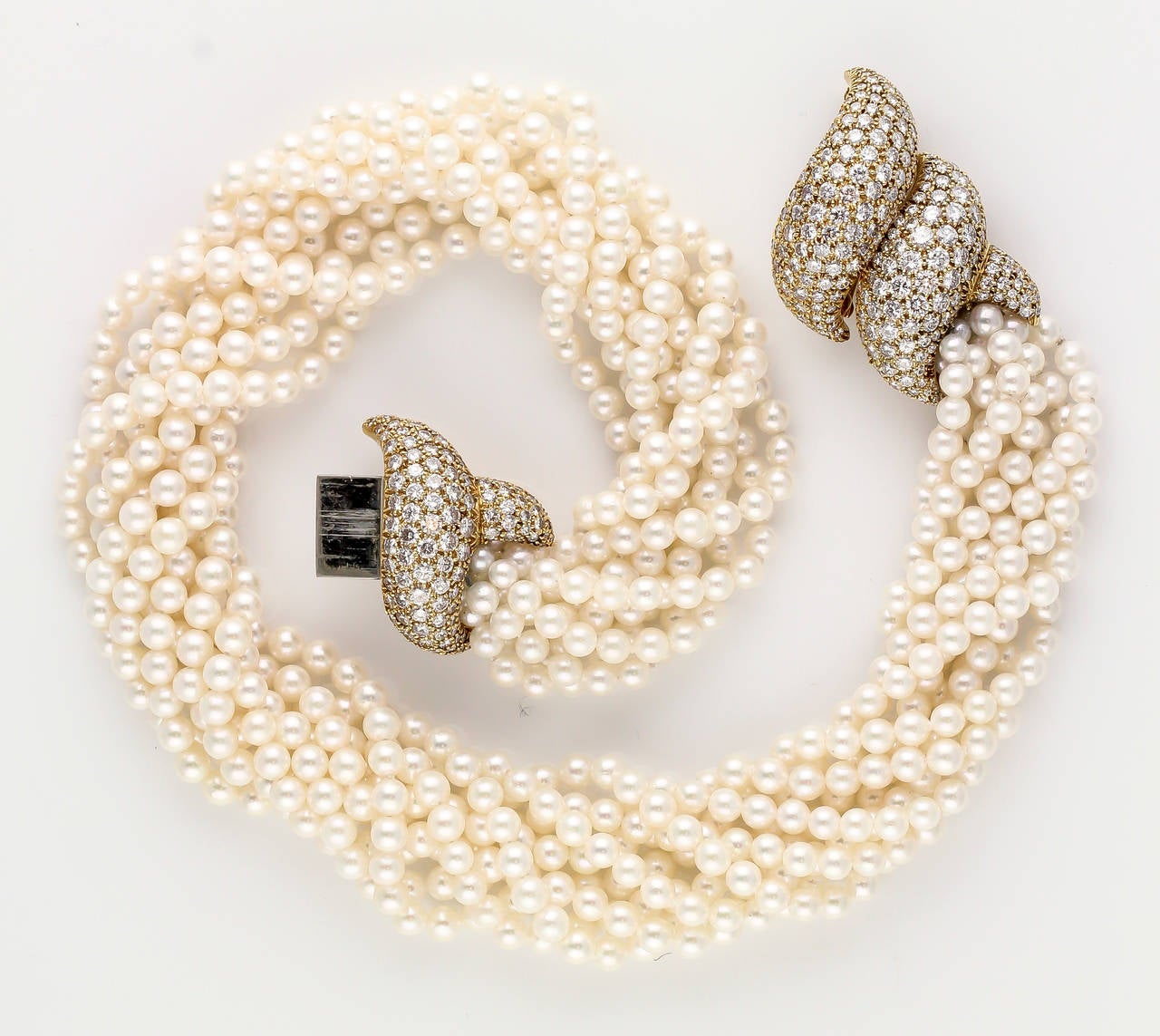
HARRY WINSTON Pearl Diamond and Gold Torsade Choker Necklace
By Harry Winston
Located in New York City, NY
Chic and interesting choker necklace by Harry Winston. It is known as the "Torsade" due to its twisting nature.
Diamond, Pearl, 18k Gold
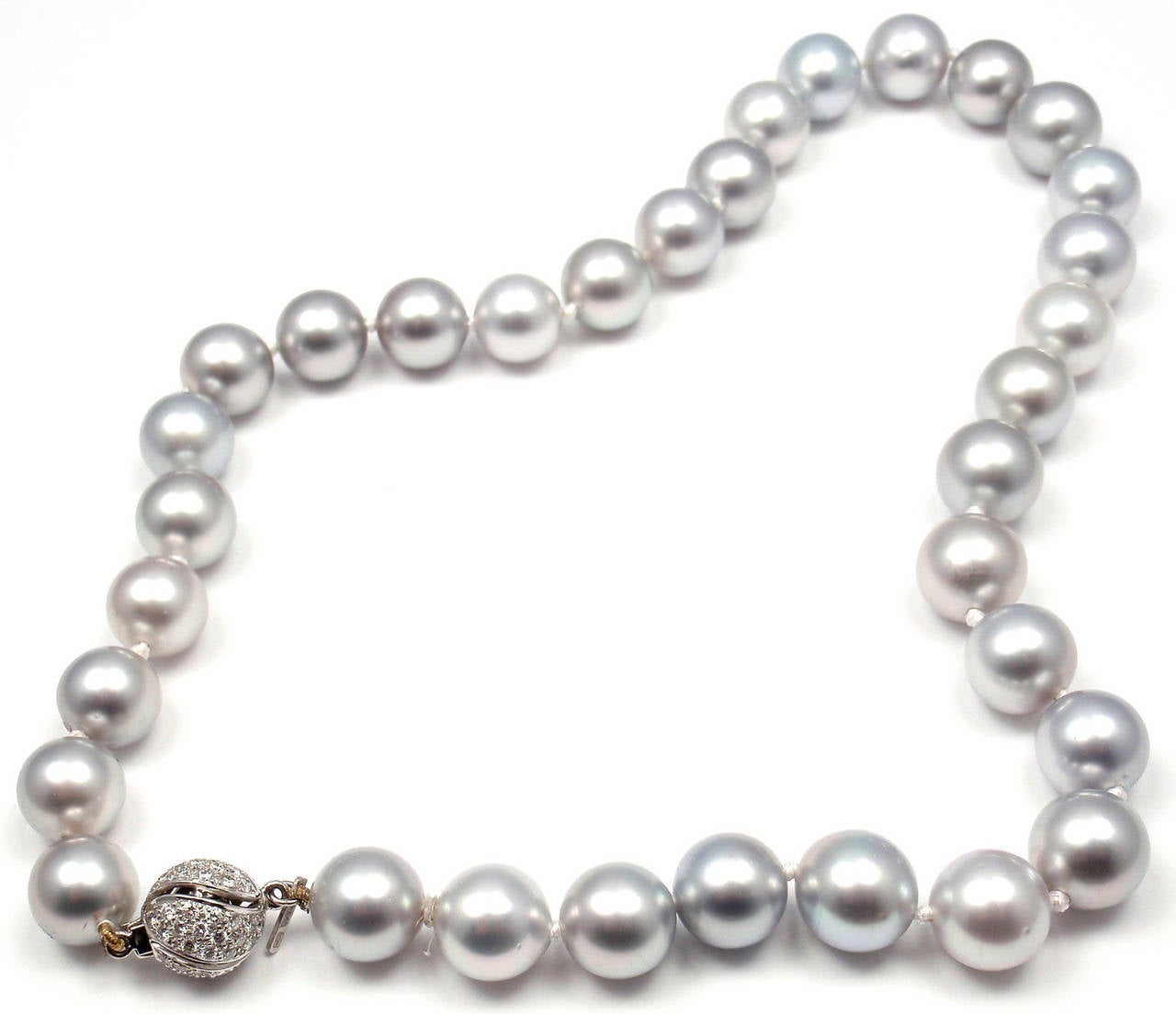
Harry Winston Grey Tahitian 10mm - 12mm Pearl Necklace
By Harry Winston
Located in Southampton, PA
18k White Gold & Platinum Diamond One Strand Pearl Necklace by Harry Winston.
Cultured Pearl, Diamond, 18k Gold, Platinum
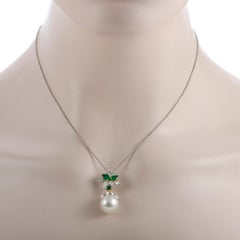
Harry Winston Diamond, Emerald and Pearl Platinum Dangle Pendant Chain Necklace
By Harry Winston
Located in Southampton, PA
This Harry Winston necklace is crafted from platinum and weighs 10.3 grams, featuring a 17” chain and a 1.15” by 0.65” pendant.
White Diamond, Emerald, Platinum
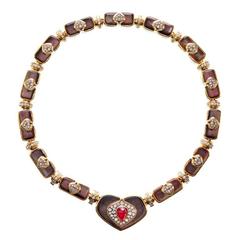
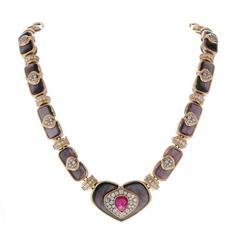
Harry Winston Black Mother of Pearl Ruby Diamond Gold Necklace
By Harry Winston
Located in Carmel-by-the-Sea, CA
Smokey, black mother of pearl backdrop gives a dramatic look to this finely rendered "Harry Winston" necklace. The center heart pendant features a 4 carat cabochon red ruby and detac...
Natural Pearl, Ruby, 18k Gold
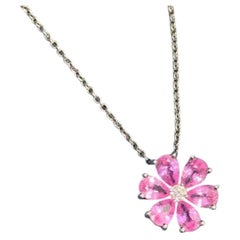
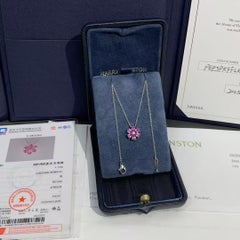
Harry Winston Forget-Me-Not Pink Sapphire Diamond Pendant Necklace PT950
By Harry Winston
Located in Guangzhou, CN
Condition signs of wear Accessories Box&Invoice Designer Harry Winston Exterior Material 18K Gold
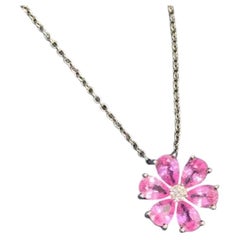
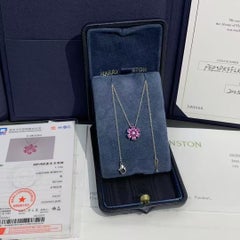
Harry Winston Forget-Me-Not Pink Sapphire Diamond Pendant Necklace PT950
By Harry Winston
Located in Guangzhou, CN
Condition signs of wear Accessories Box&Invoice Designer Harry Winston Exterior Material 18K Gold
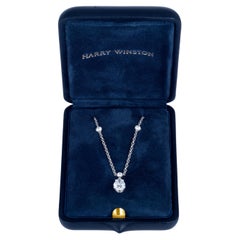
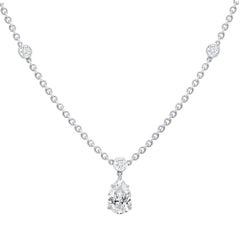
Harry Winston Platinum 1.52CT Pear Shape Center W/ Diamond by Yard Necklace
By Harry Winston
Located in Montgomery, AL
Harry Winston Platinum Pear Shape Diamond Center Diamond By Yard Necklace 8.7 Grams 1.52 Carat Pear Shape Diamond Color: F Clarity: VS1 9 Round White Brilliant Cut Diamonds 0.86 C...
Diamond, Platinum
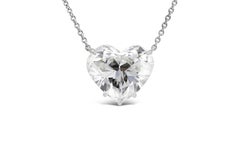
Harry Winston 5.63 Carat Heart Shaped Diamond Pendant
By Harry Winston
Located in New York, NY
Finely crafted in platinum featuring a heart-shaped diamond weighing 5.63 carats with E color and VS1 clarity. Signed by Harry Winston. Accompanied by GIA Report #16836660 and Harry ...
Diamond, Platinum
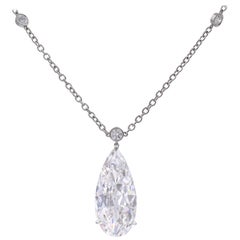
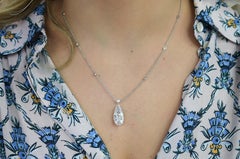
Harry Winston D Color IF Clarity GIA Certified Diamond Pendant or Necklace
By Harry Winston
Located in New York, NY
Simply the best! Harry Winston Diamond pendant necklace. GIA certified 10.40carat Pear Shape Diamond with Color: D and Clarity IF ( internally flawless) with GIAi# xxxxxxxx , set...
Diamond, Platinum
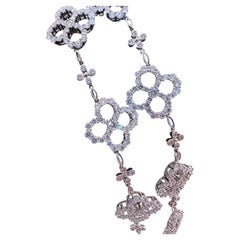
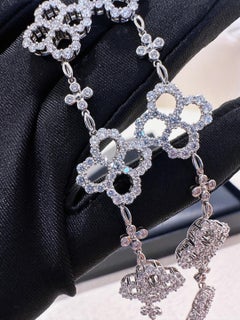
Harry Winston 18k White Gold Diamond "Loop" Open Motif 13-Flower Necklace
By Harry Winston
Located in Guangzhou, CN
A stunning embodiment of the "King of Diamonds," this Harry Winston Loop necklace celebrates one of the Maison's most beloved silhouettes.
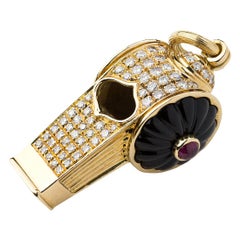

Diamond and Ruby Whistle Pendant by Harry Winston
By Harry Winston
Located in San Antonio, TX
18k gold diamond set whistle pendant set with 1.08 carats of diamonds and .61 carat of rubies. Signed 750 with makers mark.
Diamond, Ruby, 18k Gold
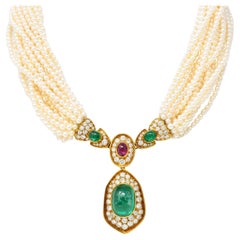
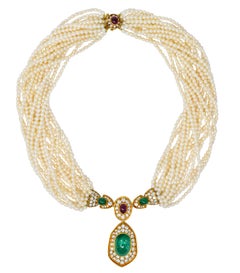
Harry Winston Pearl 26.35 Carats Colombian Emerald Ruby Diamond 18K Necklace
By Harry Winston
Located in Philadelphia, PA
Necklace is comprised of multiple and malleable strung strands of 3.0 mm round beads. Very well matched in cream body color with strong rosé overtones and excellent luster. Featuring...
Diamond, White Diamond, Emerald, Pearl, Ruby, Gold, 18k Gold, Yellow Gold
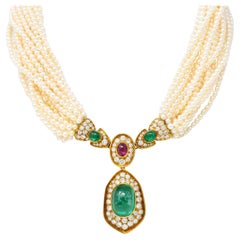
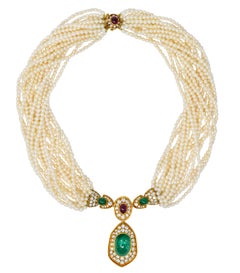
Harry Winston Pearl 26.35 Carats Colombian Emerald Ruby Diamond 18K Necklace
By Harry Winston
Located in Philadelphia, PA
Necklace is comprised of multiple and malleable strung strands of 3.0 mm round beads. Very well matched in cream body color with strong rosé overtones and excellent luster. Featuring...
Diamond, White Diamond, Emerald, Pearl, Ruby, Gold, 18k Gold, Yellow Gold
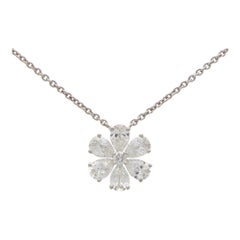
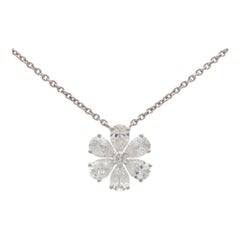
Vintage Harry Winston 'Forget Me Not' Diamond Flower Pendant in Platinum
By Harry Winston
Located in London, England
A vintage Harry Winston ‘Forget Me Not’ diamond flower pendant necklace set in platinum.
Diamond, Platinum
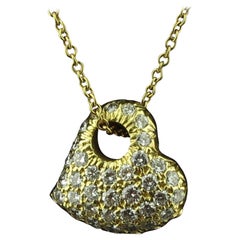
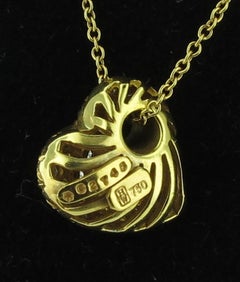
Harry Winston Diamond Heart Pendant, Set in 18 Karat Yellow Gold
By Harry Winston
Located in Palm Desert, CA
Signed petite Harry Winston diamond heart pendant, with 29 round brilliant diamonds weighing 0.59 carats. Set in 18 karat yellow gold.
Diamond, 18k Gold
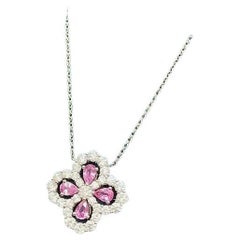
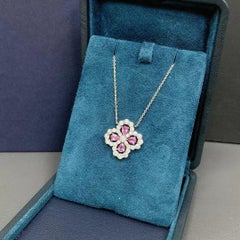
Harry Winston Diamond Loop Full Motif Pink Sapphire and Diamond Pendant
By Harry Winston
Located in Guangzhou, CN
4 pear-shaped pink sapphires weighing a total of approximately 0.77 carats and 29 round brilliant diamonds weighing a total of approximately 1.33 carats, set in platinum.Inquire for...
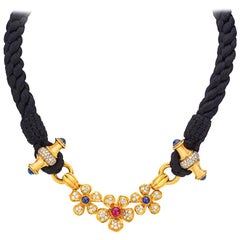
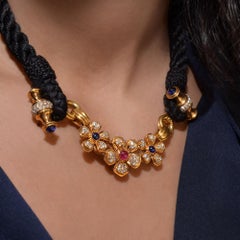
Harry Winston Forget me Not Gold Choker with Diamonds, Ruby and Sapphires
By Harry Winston
Located in New York, NY
This is an estate piece that was purchased at The Harry Winston Petite Salon, unfortunately it is not signed.
Diamond, Ruby, Blue Sapphire, 18k Gold
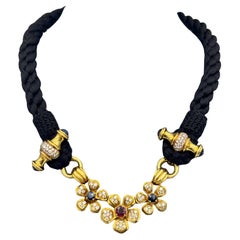
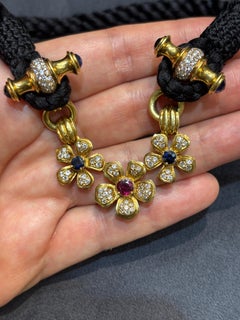
1970s Harry Winston 18k gold, ruby, sapphire and diamond choker on a black rope
By Harry Winston
Located in London, GB
This floral choker by Harry Winston is made of 18k gold and adorned with 6 sapphires, a ruby and round cut diamonds. It is unusual and made most striking by the fact that the choker ...
Ruby, Sapphire, 18k Gold
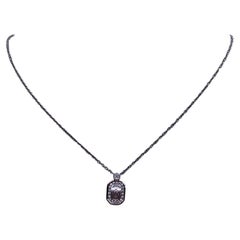
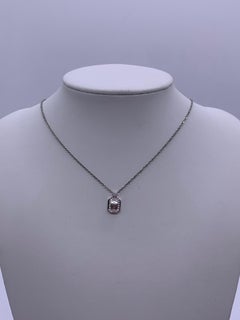
Harry Winston Winestop Collection Bottle Diamonds Platinum Pendant Necklace
Located in Guangzhou, CN
Harry Winston Winestop Collection Small Platinum Bottle Necklace. Very rare and hard to obtain from boutique. Elegant and low-profile style. Purchased in 2021. Comes with original bo...
Platinum
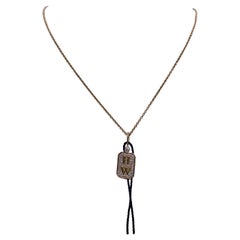
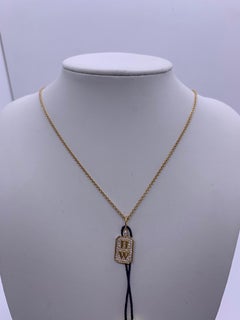
Harry Winston Large Bottle Full Pavé Diamond Necklace in Yellow Gold
Located in Guangzhou, CN
Harry Winston Large Bottle Full Pavé Diamond Necklace in Yellow Gold Comes with original box and certificate.
Yellow Gold
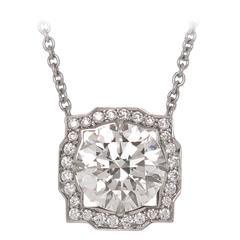
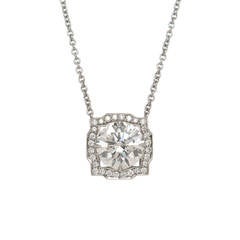
Harry Winston Diamond Platinum Solitaire Pendant Necklace
By Harry Winston
Located in Chicago, IL
Circa 2013 Harry Winston Belle Collection Diamond Solitaire Platinum pendant necklace, center stone weighing 1.52 Carat and GIA certified as F in Color and VS2 in Clarity, further s...
Diamond, Platinum
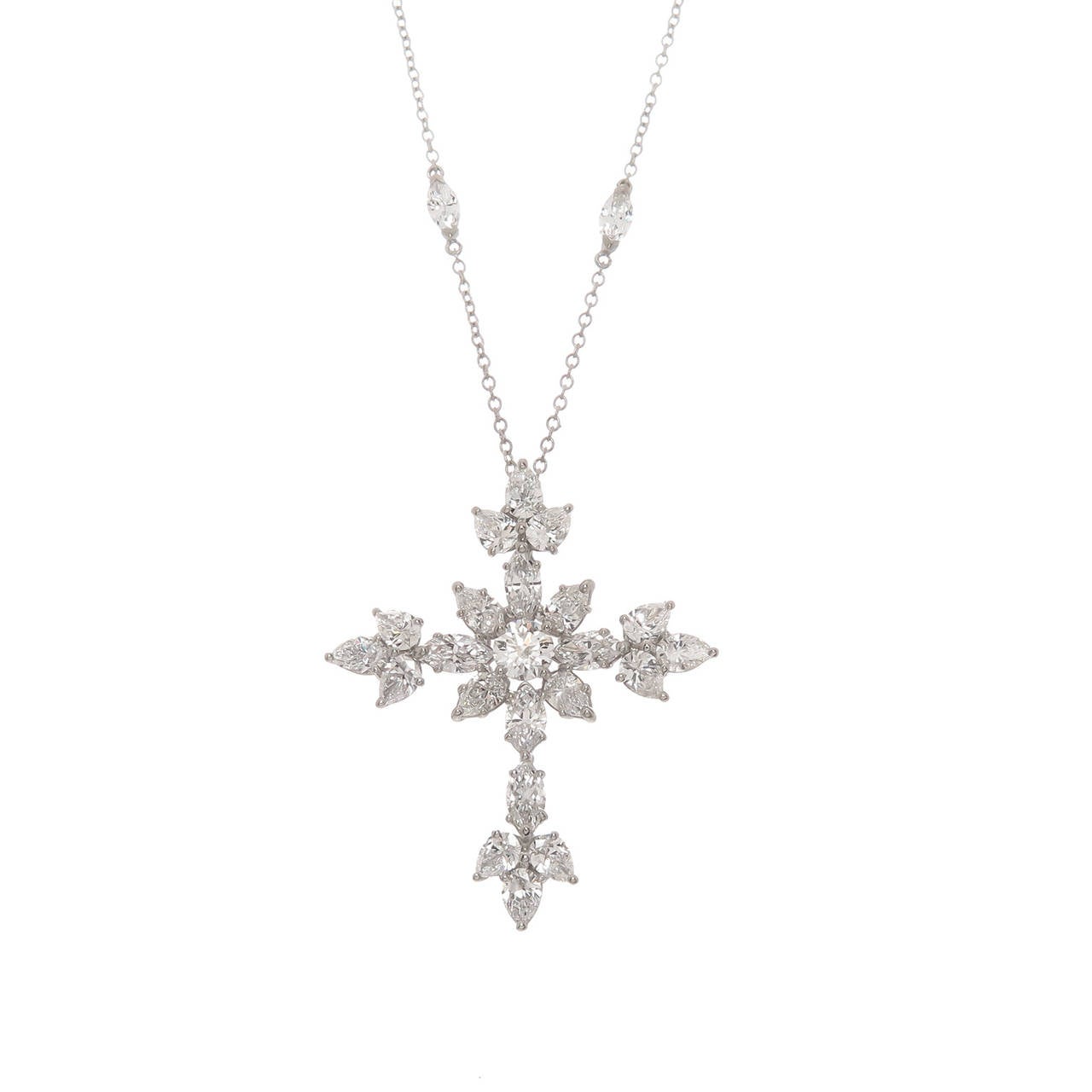
Harry Winston Diamond Platinum Marquise Cross Necklace
By Harry Winston
Located in Chicago, IL
Circa 2014 Harry Winston Platinum mounted Diamond Cross from the Marquise collection. Containing 30 Round, Pear and Marquise shape Diamonds totaling 3.68 Carats, the diamonds all gra...
Diamond, Platinum
Harry Winston Lily Cluster Diamond Platinum Pendant Necklace
By Harry Winston
Located in Chicago, IL
Circa 2015 Harry Winston "Lilly Cluster" Pendant, necklace Platinum and suspended from an 18 inch Platinum chain, containing 37 Round Brilliant cut Diamonds totaling .20 Carat.
Diamond, Platinum
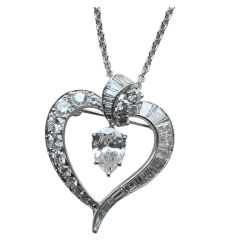
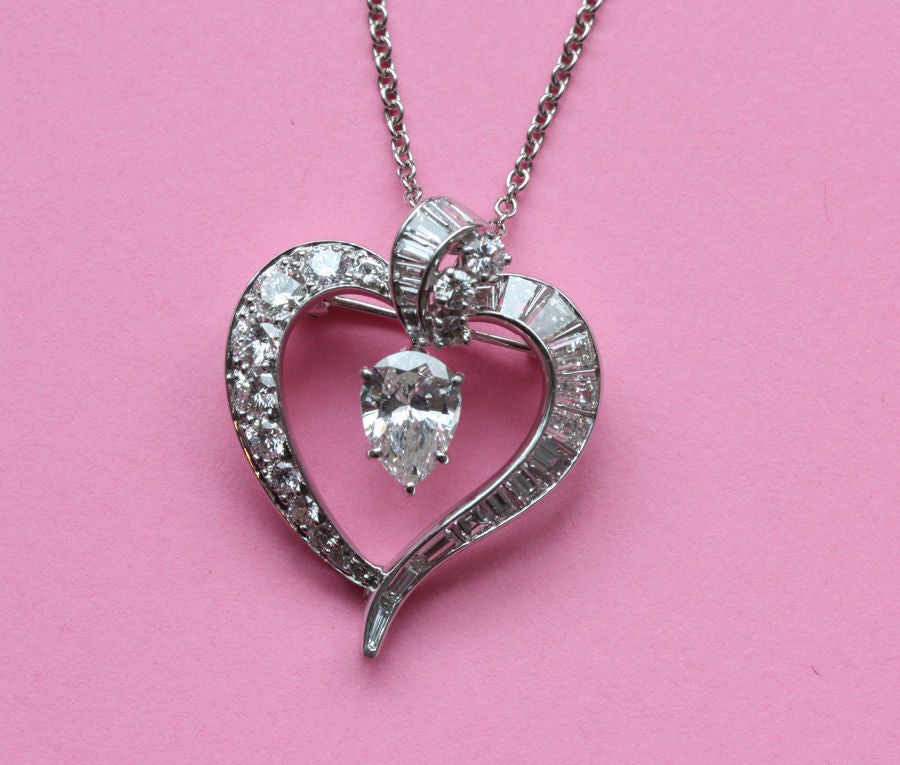
HARRY WINSTON Diamond Heart Pendant
By Harry Winston
Located in Amsterdam, NL
A platinum pendant or brooch in the shape of a heart, set with 14 brilliant cut diamonds, 19 baguettes and one pear shaped diamond (2.69 carats in total, with the pear measuring 0.94...
Diamond, Platinum
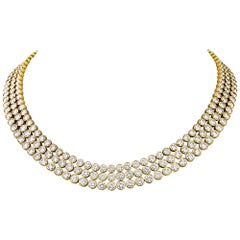
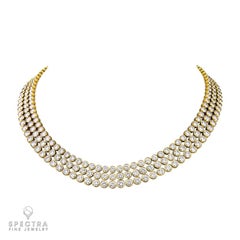
Harry Winston 3-Row Bezel Set Diamond Gold Necklace
By Harry Winston
Located in New York, NY
This understated yet grand Harry Winston Diamond 3-Row Riviere Necklace, made in the late XX century, is crafted in 18K yellow gold and features 282 round brilliant bezel-set diamond...
Diamond, 18k Gold, Yellow Gold

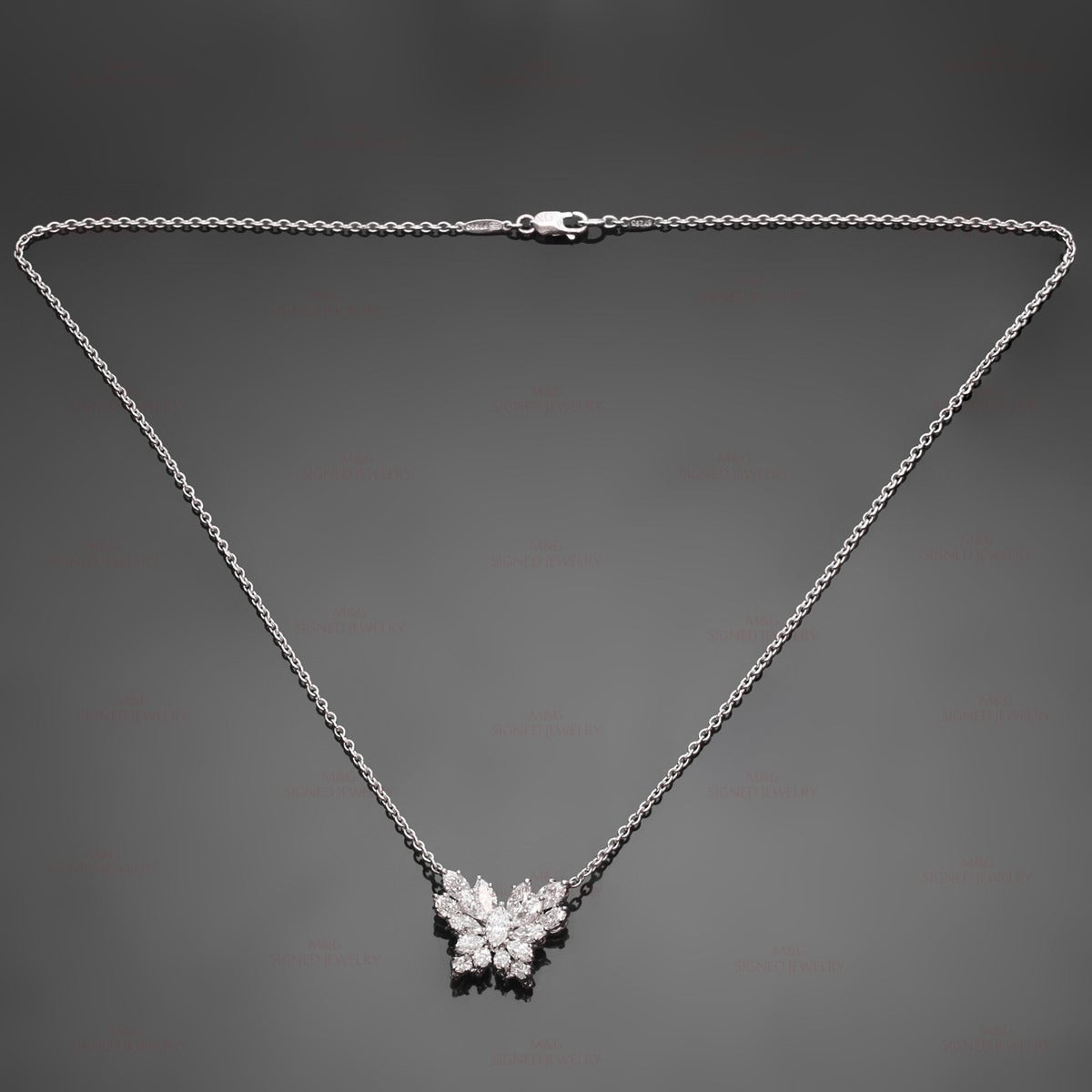
Harry Winston Diamond Platinum Pendant Necklet
By Harry Winston
Located in New York, NY
This gorgeous modern Harry Winston necklace features a delicate fine platinum pendant set with marquise-cut E-F VVS2-VS1 diamonds of an estimated 2,5 carats and suspended from a plat...
Diamond, Platinum
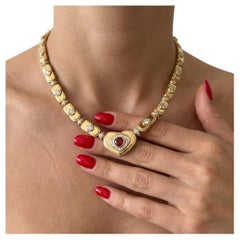
Harry Winston 18K Yellow Gold Burma Ruby & Diamond Necklace
By Harry Winston
Located in Chicago, IL
Harry Winston 18K Yellow Gold Burma Ruby & Diamond Necklace An exceptional and rare Harry Winston creation, crafted in rich 18k yellow gold and set with a magnificent Burmese ruby a...
Diamond, White Diamond, Ruby, 18k Gold, Yellow Gold
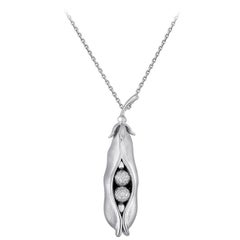

Harry Winston "Two Peas in a Pod" Diamond Gold Platinum Necklace
By Harry Winston
Located in New York, NY
Harry Winston Two Peas in a Pod Necklace. The pendant is 18K White Gold with a Satin Finish.
Diamond, White Diamond, 18k Gold, White Gold, Platinum, Gold
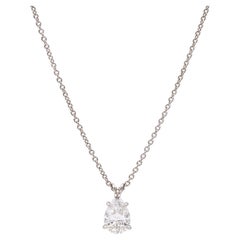
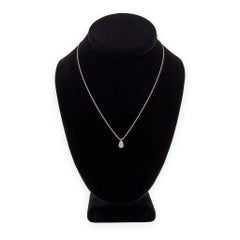
Harry Winston Platinum Pear Shape Diamond Solitaire Pendant Necklace .85ct DVVS2
By Harry Winston
Located in New York, NY
Hallmarks clear, crisp, and fully legible. Details Brand: Harry Winston Style: Solitaire Diamond Pendant Metal: Platinum (Pt950) Hallmarks: HW, Pt950, Serial Number Chain Length: 17...
Diamond, Platinum
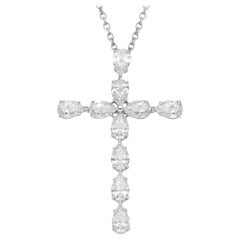
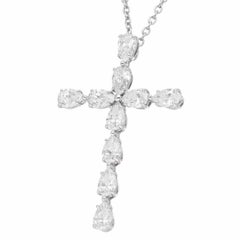
HARRY WINSTON Symbols Pear Shaped Diamond 1.90ct Cross Platinum Pendant Necklace
By Harry Winston
Located in Tokyo, JP
■ Product Number: 24020101 ■ Reference Retail Price: JPY 3,058,000 (February 2024) ■ Brand: Harry Winston ■ Product Name: Symbols by Harry Winston,Pear-Shaped Diamond Cross Pendant ■...
Diamond, Platinum
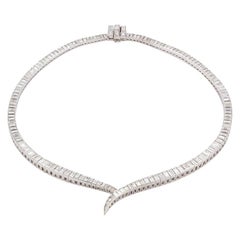
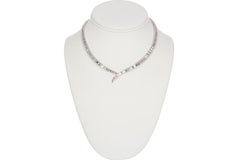
Vintage Harry Winston Platinum 20.00ct Step Cut Diamond Riviere Line Necklace
By Harry Winston
Located in Newport Beach, CA
We are pleased to offer this Vintage Harry Winston Platinum Step Cut Diamond Riviere Line Necklace .
White Diamond, Platinum
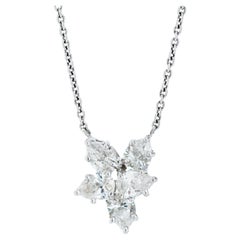
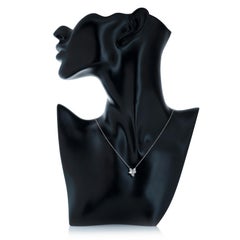
Harry Winston 1.00 Carat Pear Shape Diamond Cluster Pendant Necklace in Platinum
By Harry Winston
Located in Philadelphia, PA
Harry Winston diamond cluster pendant necklace in platinum.
Diamond, Platinum
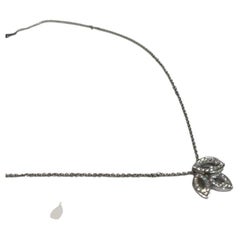
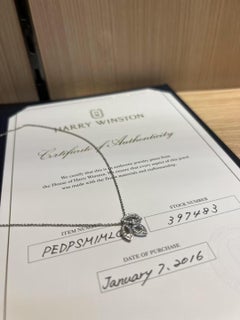
Harry Winston Lily Cluster 18k White Gold Diamonds Small Pendant Necklaces
By Harry Winston
Located in Guangzhou, CN
Lily Cluster Diamond Pendant from the luxury brand Harry Winston. This piece is part of the Lily Cluster collection, which is inspired by the natural beauty of a lily flower in bl...
White Gold
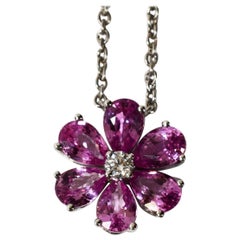
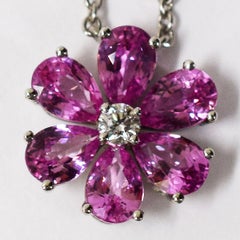
Harry Winston Pink Sapphire Diamond Platinum Forget Me Not by HW Pendant
By Harry Winston
Located in Tokyo, JP
Brand:HARRY WINSTON Retail Price:JPY913,000YEN(included tax) Name:Forget Me Not By Harry Winston Pendant Material:Pear Shape Pink Sapphire (S1.47ct), Diamond (D0.04ct), PT950 Platinu...
Diamond, Pink Sapphire, Platinum
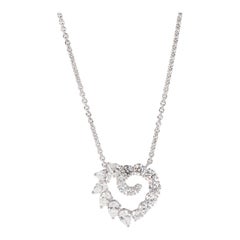

Harry Winston Garland Diamond Fashion Pendant in 950 Platinum 2 CTW
By Harry Winston
Located in New York, NY
Harry Winston Garland Diamond Fashion Pendant in 950 Platinum 2 CTW PRIMARY DETAILS SKU: 121193 Listing Title: Harry Winston Garland Diamond Fashion Pendant in 950 Platinum 2 CTW Co...
Platinum

$1,454Sale Price|20% Off
Size: 37
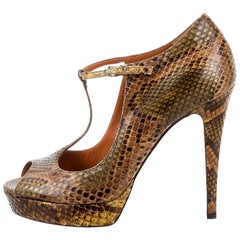
New Gucci 90th Anniversary Ad Runway Python Snakeskin Pump Heels Sz 37
By Gucci
Located in Conroe, TX
Gucci Brand New From Gucci's 90th anniversary Fall Runway show, Frida Giannini cited her influence was Anjelica Huston $1815 * Python Heels * Rare Ad Runway Heels * Size: 37 * Yel...
Sold|$13,000
Size: Fits Small + Medium
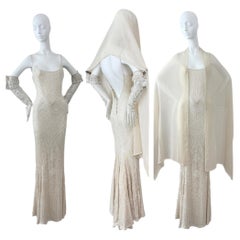
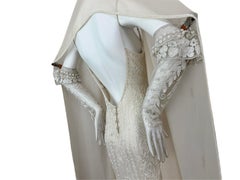
LES HABITUDES 90's Vintage Couture Hand Beaded Bridal Gown w. Gloves + Shawl
By Eavis & Brown
Located in Leonardo, NJ
Les Habitudes / Eavis & Brown Couture created, entirely hand-made in a London atelier Wedding gown in an art deco print with matching gloves and shawl Vintage 1990's 100% ivory s...
$650
Size: Medium / Large
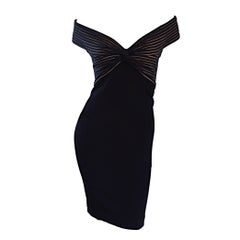
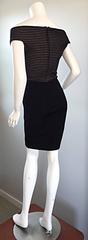
1990s Vintage Tadashi Shoji Black + Nude 90s Sexy Body Con Dress LBD Sz Medium
By Tadashi Shoji
Located in San Diego, CA
Sexy 1990s Tadashi Shoji dress! Black stretch that hugs the body in all the right places! Black, with nude peeks of fabric in between at the bust, which evokes just the right amount ...
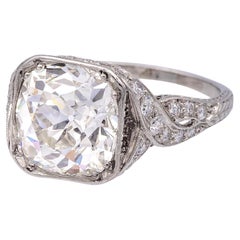
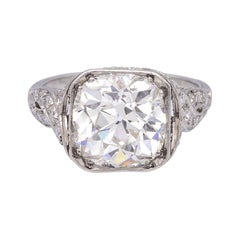
Handmade Art Deco Platinum Ring 4.11 Ct Old Mine Cut Diamond – I/VS2 GIA
Located in New York, NY
This elegant handmade Art Deco ring features a stunning 4.11-carat Old Mine cut diamond, ( Dating pre-1900’s) graded I color and VS2 clarity (GIA certified). The platinum setting, cr...
Diamond, Platinum
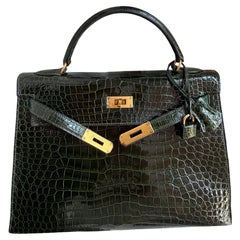
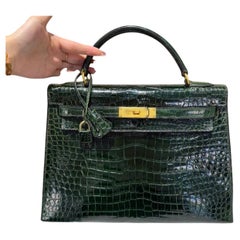
Hermes Kelly 32 shiny Porosus Crocodile Vert Fonce bag
By Hermès
Located in New York, NY
Hermes Kelly 32 shiny Porosus Crocodile Vert Fonce bag. X vintage stamp. Bag is vintage- comes with dust bag, keys,Clochette and locker. No strap. Bag is in very good condition.Gol...
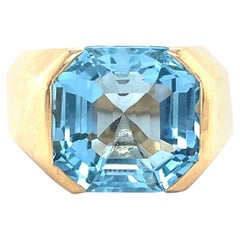
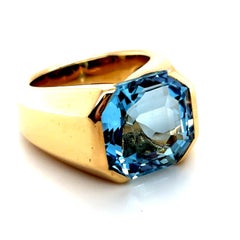
Vintage Cartier Aquamarine 18 Karat Yellow Gold Single Stone Ring, Circa 1960
By Cartier
Located in London, GB
A vintage Cartier aquamarine 18 karat yellow gold single stone ring, circa 1960 This ring is set with an impressive emerald cut aquamarine of 8.77 carats approximately in a half bez...
Aquamarine, Gold, 18k Gold, Yellow Gold
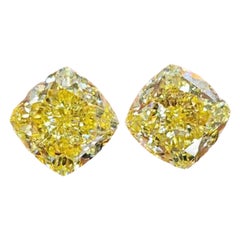
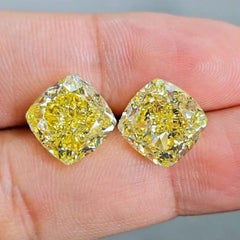
Emilio Jewelry Gia Certified 20.00 Carat Fancy Intense Diamond Earring
By Emilio!
Located in New York, NY
From Emilio Jewelry, a well known and respected wholesaler/dealer located on New York’s iconic Fifth Avenue, Mind blowing perfect matching pair of Gia Certified Natural Fancy Intens...
Yellow Diamond
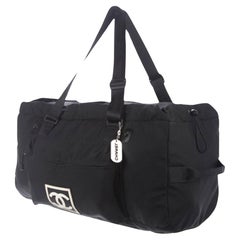
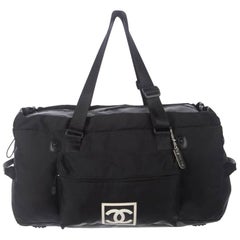
Chanel CC Sport Line Duffle Travel Bag
By Chanel
Located in Miami, FL
CHANEL CC Sport Line Duffle Travel Bag Year: 2001 {VINTAGE 21 Years} Black nylon Dual flat canvas shoulder straps Logo embroidery Dual rolled handles at sides Sip pocket at front To...
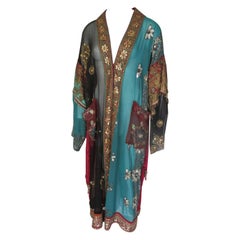
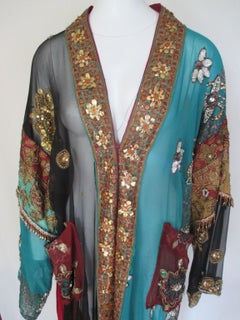
Hippy Style Gold Brocade Robe Coat with Embroidery and Pockets
Located in Amsterdam, NL
Unique hand made one- off a kind vintage colorful robe manteau. We offer more excluisive items, view our frontstore Embroidered with sequins and vintage Indian pieces gold brocade...
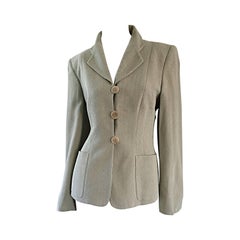
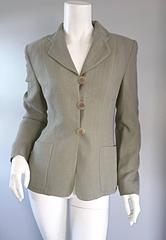
Giorgio Armani 1990s 90s Vintage Khaki / Light Green Herringbone Blazer Jacket
By Giorgio Armani
Located in San Diego, CA
Beautifully tailored vintage Giorgio Armani blazer! This fitted blazer is a khaki/ on the verge of light green, with herringbone print throughout. Two pockets at each side of the wai...
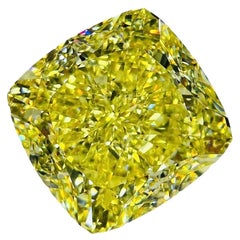
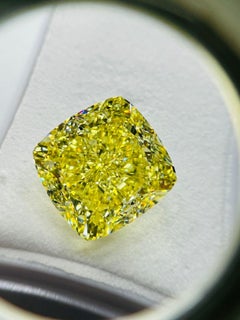
Emilio Jewelry 20.00 Carat Gia Certified Fancy Intense Yellow Diamond
By Emilio!
Located in New York, NY
From Emilio Jewelry, a well known and respected wholesaler/dealer located on New York’s iconic Fifth Avenue, A perfect gorgeous Gia Certified Fancy Intense Yellow Diamonds weighing j...
Yellow Diamond
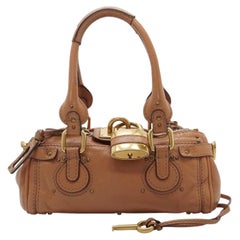
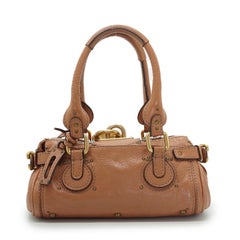
Chloe Tan Leather Paddington Small Handbag Satchel Bag
By Chloé
Located in Rome, Rome
Elevate your style with this authentic Chloé Paddington small handbag satchel bag, expertly crafted in Italy. Debuting in 2005 under creative director Phoebe Philo, the Paddington qu...
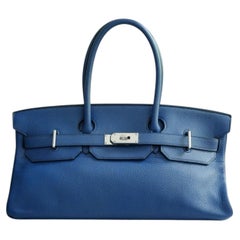
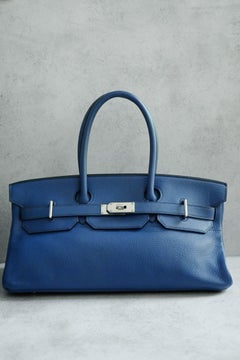
$17,647
H 7.75 in W 16.5 in D 7.75 in
Hermes Birkin Shoulder 42 Blue Sapphire Clemence Leather PHW - Preowned
By Hermès
Located in Forest Park, GA
Hermes Birkin Shoulder 42 Blue Sapphire Clemence Leather Palladium Hardware - Preowned An extraordinary celebration of architectural silhouette and deep color, this rare Shoulder Bi...
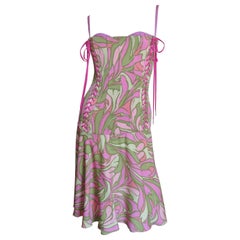
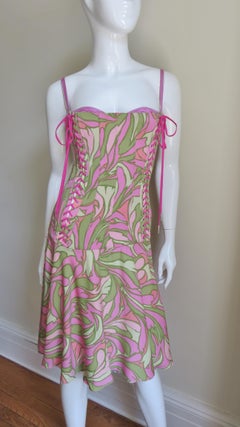
Dolce & Gabbana Pink Green Geometric Print Lace up Sides Silk Dress 1990s
By Dolce & Gabbana
Located in Water Mill, NY
A beautiful silk dress in a pink and green geometric print from Dolce & Gabbana. The bodice is vertically boned, fitted through to the hips and has an attached matching pink adj...
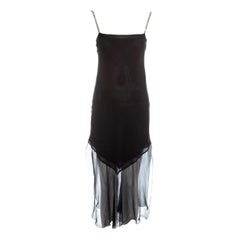
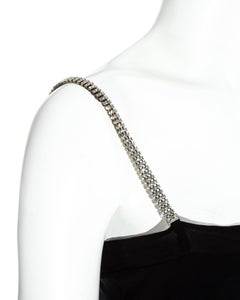
John Galliano black silk chiffon flapper dress with rhinestone straps, fw 1998
By John Galliano
Located in London, GB
John Galliano black silk chiffon flapped dress with rhinestone straps Fall-Winter 1998
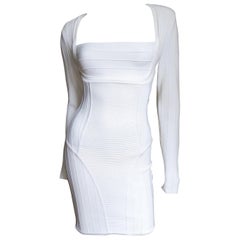
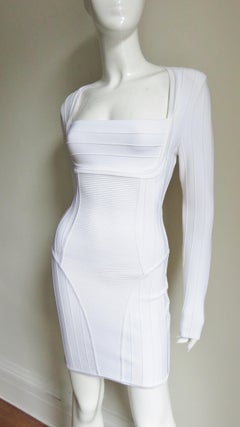
Pierre Balmain White Bodycon Dress
By Pierre Balmain, Balmain
Located in Water Mill, NY
A fabulous white body conscious bandage dress from Pierre Balmain. It has long sleeves, a square cut neckline, and fabulous ribbed panels accentuating the waist and bust. It is unl...
Among the famed gemstones that Harry Winston (1896–1978) encountered over the course of his career was the Hope diamond, which he donated to the Smithsonian Institution in 1958. Today, Winston is regarded as the “King of Diamonds” and the “Jeweler to the Stars” as one of the first to recognize the branding power of lending glitzy earrings, necklaces and other fine jewelry for red-carpet events.
Winston’s father had immigrated to New York from Ukraine and ran a small jewelry shop where a young Harry learned about precious stones, enough, the story goes, to identify a real emerald in a heap of pawnshop jewelry at the age of 12. His early success involved turning that eye to estate sale collections that he transformed by freeing gemstones from dated ornamentation, giving them new cuts and modern settings. He opened Harry Winston Inc. in 1932, where he influenced 20th-century-jewelry trends by always elevating the stones rather than adding the lavish decorations that had pervaded jewelry in the 19th century.
The first of the celebrated diamonds to be purchased by Winston was the 726-carat uncut Jonker, acquired in 1935. Many others followed, including the 726.60-carat Vargas from Brazil which, in 1938, he tracked down across multiple continents after he read a brief newspaper notice about its discovery. The rarity and beauty of the gemstones he pursued and presented in his boutiques made the Winston brand synonymous with excellence.
Winston was also a pioneer of marketing as the first jeweler to dress an Academy Awards nominee when he loaned some diamond jewelry to Jennifer Jones for the 1944 Oscar ceremony. Winston was renowned for his eye for the finest of gemstones and the ability to design pieces in order to best flaunt their natural dazzle. He regularly showed off his collection in touring exhibitions, such as the 1949 “Court of Jewels,” which featured the Hope diamond. His storied past and long legacy is continued by the House of Harry Winston and its salons in Japan, the United Kingdom and elsewhere.
On 1stDibs, find a stunning collection of Harry Winston jewelry that includes bracelets, wedding rings, engagement rings and other accessories.
We are fortunate to know much of the world’s long and dazzling history of necklaces, as this type of jewelry was so treasured that it was frequently buried with its owners. Today, Van Cleef necklaces, Tiffany necklaces and Cartier necklaces are some of the most popularly searched designer necklaces on 1stDibs.
Lapis lazuli beads adorned necklaces unearthed from the royal graves at the ancient Iraqi civilization of Sumer, while the excavation of King Tut’s burial chamber revealed a sense of style that led to a frenzy of Art Deco designs, with artisans of the 1920s seeking to emulate the elegant work crafted by Ancient Egypt’s goldsmiths and jewelry makers.
In ancient times, pendant necklaces worn by royalty and nobles conferred wealth and prestige. Today, wearing jewelry is about personal expression: Luxury diamond necklaces exude confidence and can symbolize the celebratory nature of a deep romantic relationship, while paper-clip chain-link necklaces designed by the likes of goldsmith Faye Kim are firmly planted in the past as well as the present. Kim works exclusively with eco-friendly gold, and these fashionable, fun accessories owe to the design of 19th-century watch fobs.
For some, necklaces are thought of as being a solely feminine piece, but this widely loved accessory has been gender-neutral for eons. In fact, just as women rarely took to wearing a single necklace during the Renaissance, men of the era layered chains and valuable pendants atop their bejeweled clothing. In modern times, the free-spirited hippie and counterculture movements of the 1960s saw costume-jewelry designers celebrating self-expression through colorful multistrand necklaces and no shortage of beads, which were worn by anyone and everyone.
Even after all of these years, the necklace remains an irrefutable staple of any complete outfit. Although new trends in jewelry are constantly emerging, the glamour and beauty of the past continue to inform modern styles and designs. In a way, the cyclical history of the necklace differs little from its familiar looped form: The celebrated French jewelry house Van Cleef & Arpels found much inspiration in King Tut, and, now, their Alhambra collection is a go-to for modern royals. Vintage David Webb necklaces — whose work landed him on the cover of Vogue in 1950, two years after opening his Manhattan shop — were likely inspired by the ornamental styles of ancient Greece, Mesopotamia and Egypt.
On 1stDibs, browse top designers like Dior, Chanel and Bulgari, or shop by your favorite style, from eye-catching choker necklaces to understated links to pearl necklaces and more.