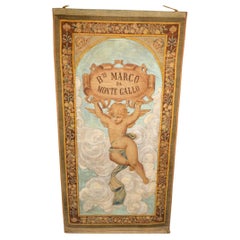
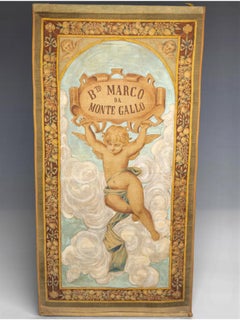
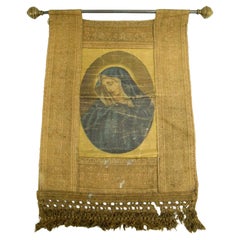
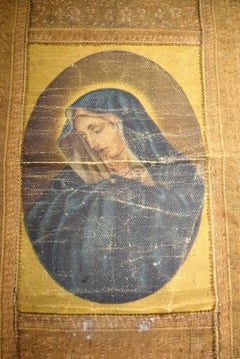
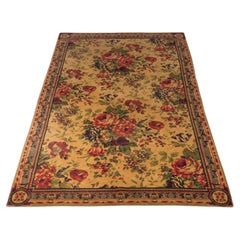
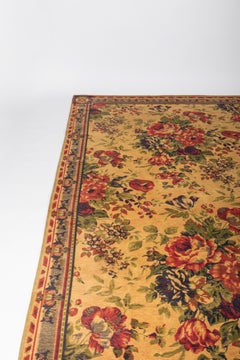
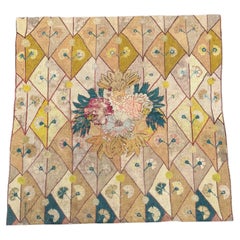
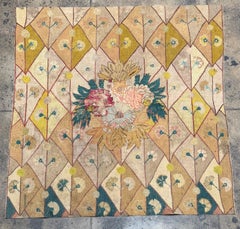
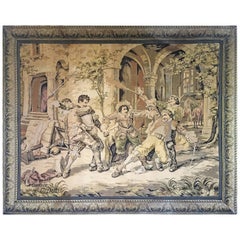
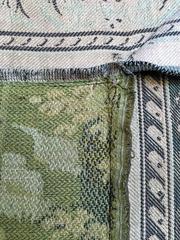
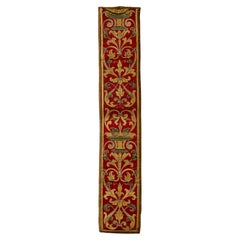
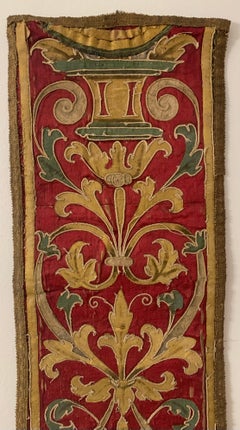
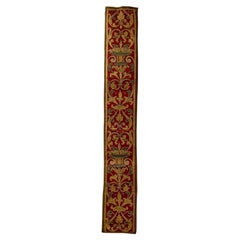
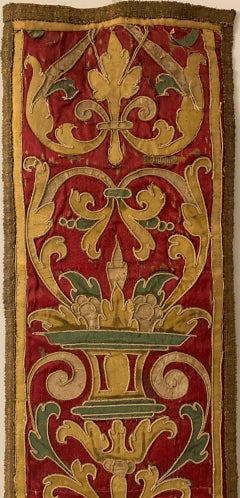
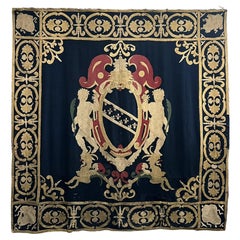
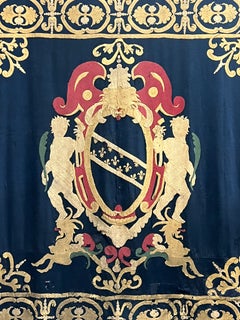
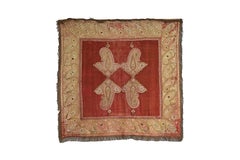
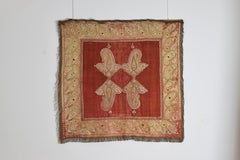
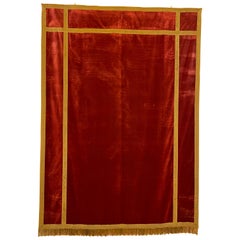
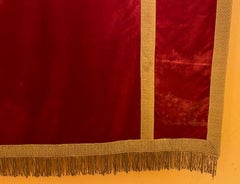
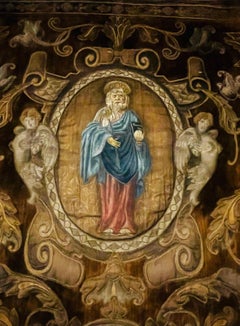
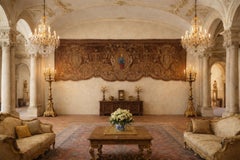
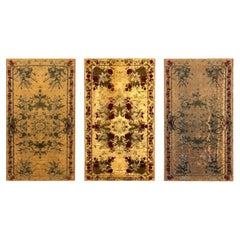
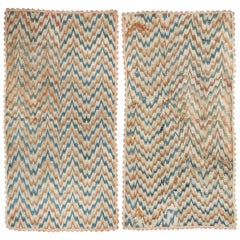
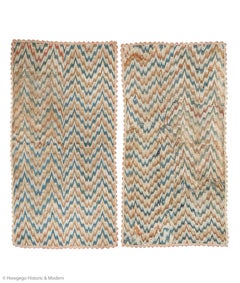
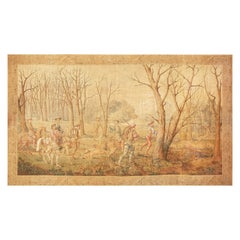
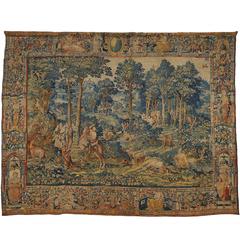
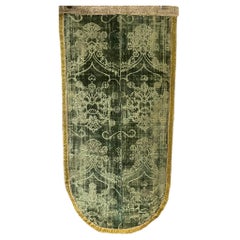
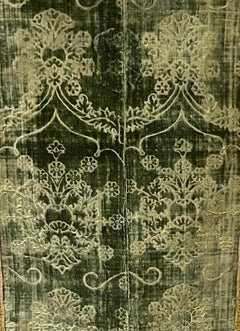
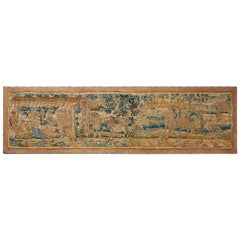
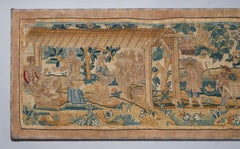
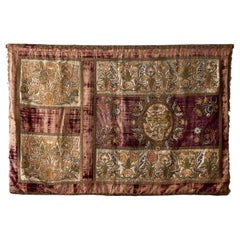
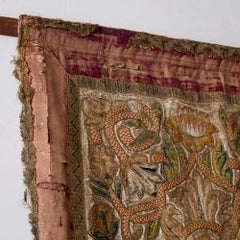
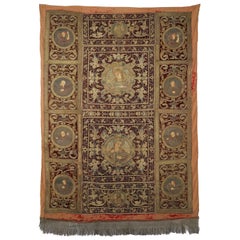
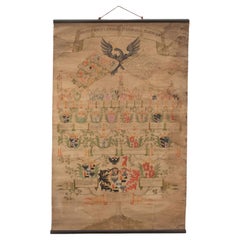
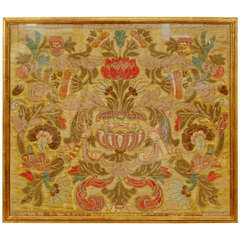
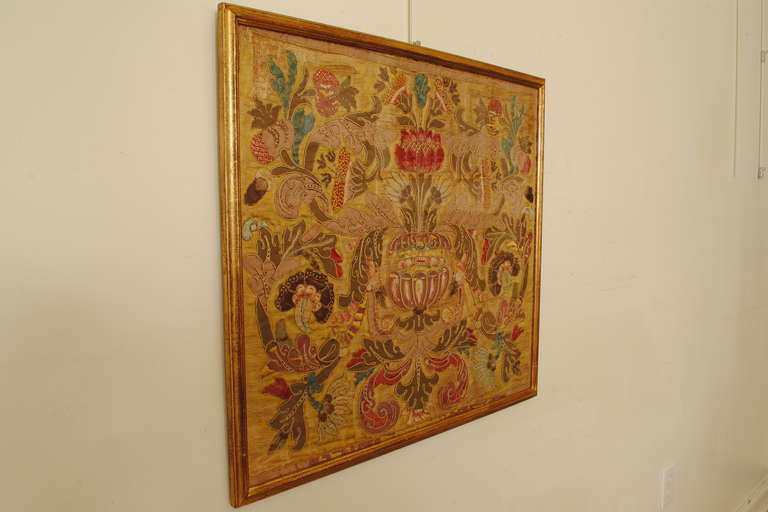
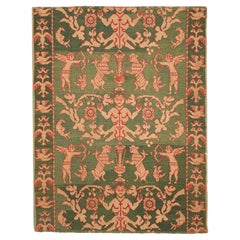
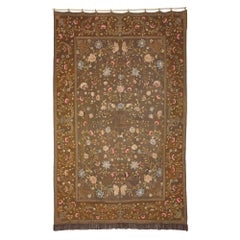
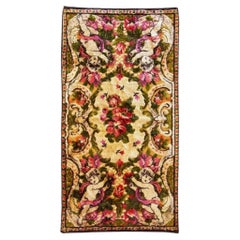
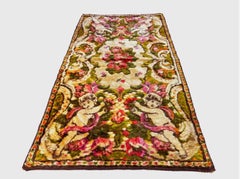
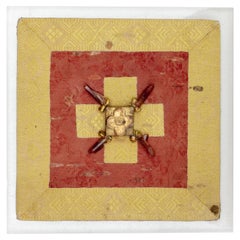
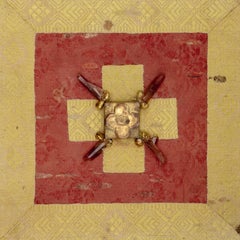
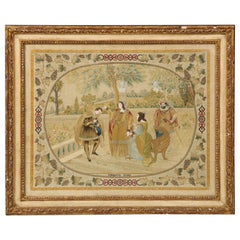
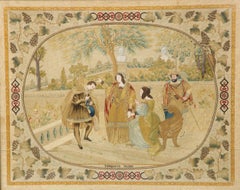
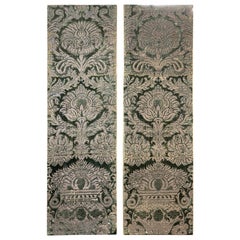
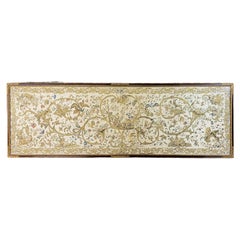
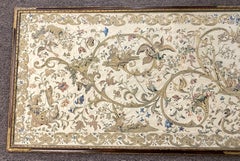
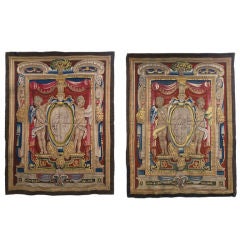
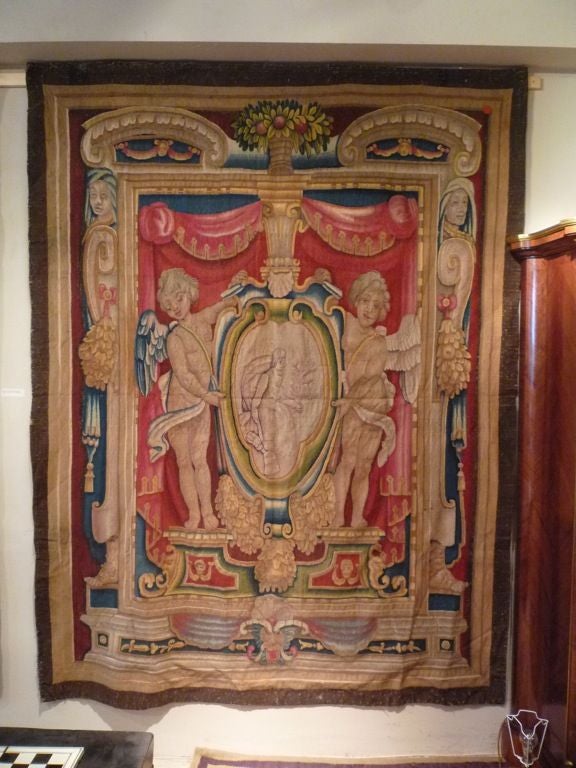
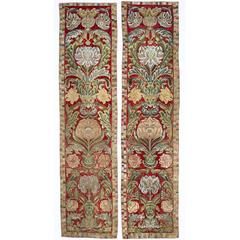
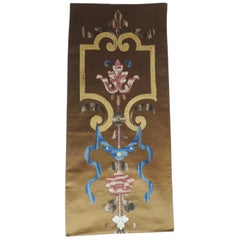
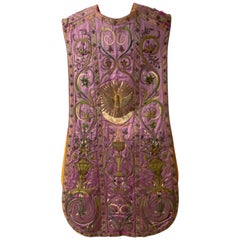
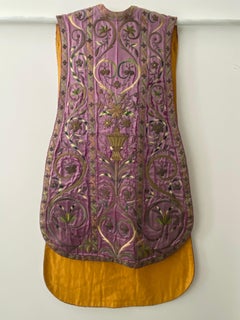
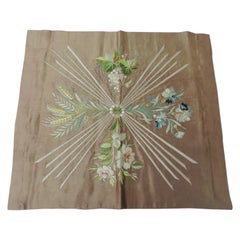
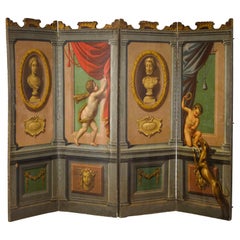
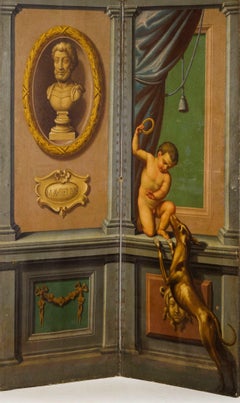
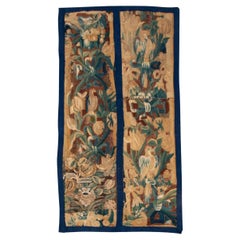
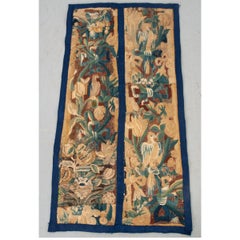
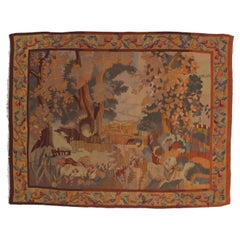
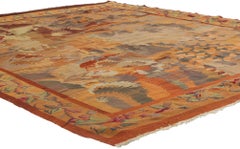
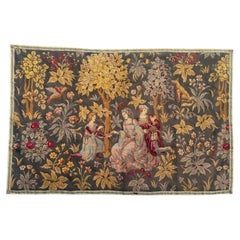
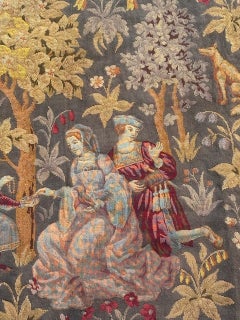
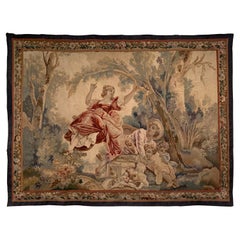
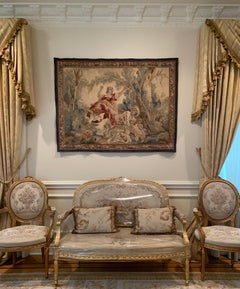
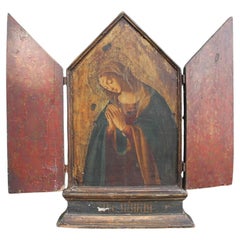
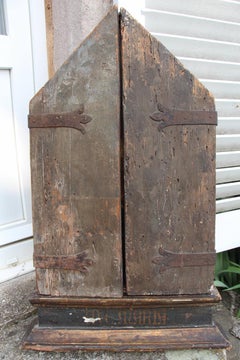
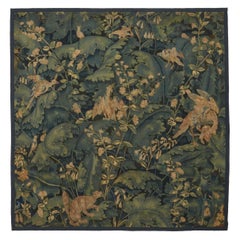
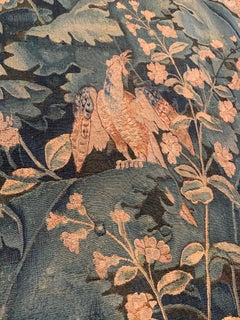
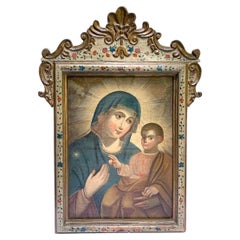
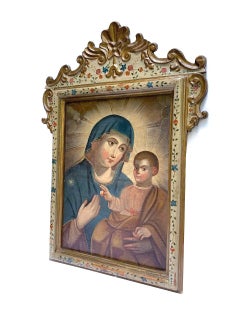
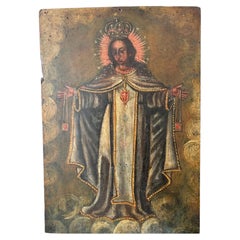
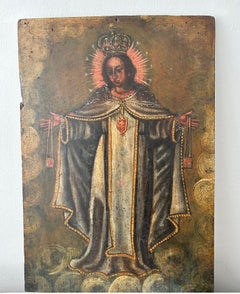
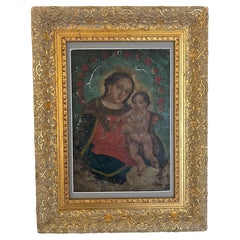
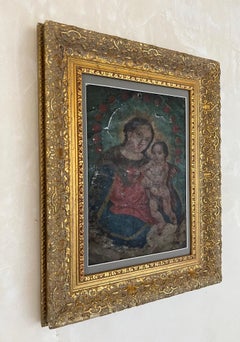
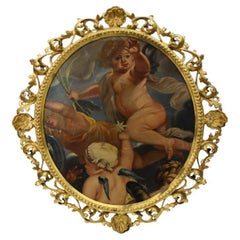
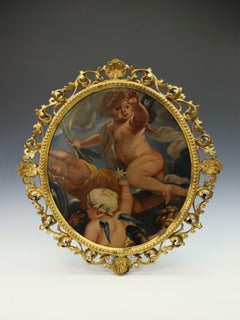
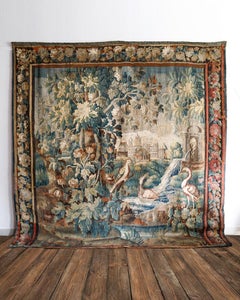
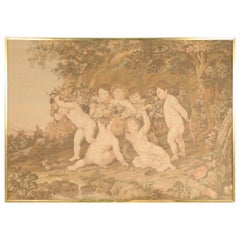
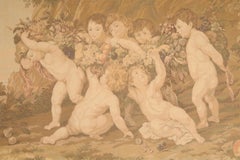
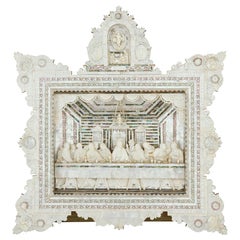
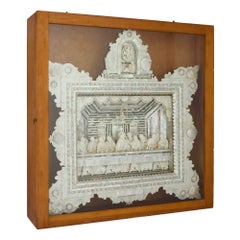
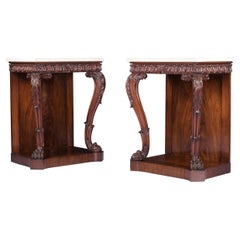
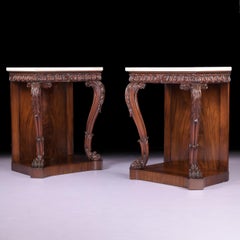
Find many varieties of an authentic Italian baroque wall tapestry available at 1stDibs. Frequently made of
fabric,
silk and
wool, every Italian baroque wall tapestry was constructed with great care. Whether you’re looking for an older or newer Italian baroque wall tapestry, there are earlier versions available from the 18th Century and newer variations made as recently as the 20th Century. An Italian baroque wall tapestry, designed in the
Baroque style, is generally a popular piece of furniture.
The decadence of the Baroque style, in which ornate furnishings were layered against paneled walls, painted ceilings, stately chandeliers and, above all, gilding, expressed the power of the church and monarchy through design that celebrated excess. And its influence was omnipresent — antique Baroque furniture was created in the first design style that truly had a global impact.
Theatrical and lavish, Baroque was prevalent across Europe from the 17th to mid-18th century and spread around the world through colonialism, including in Asia, Africa and the Americas. While Baroque originated in Italy and achieved some of its most fantastic forms in the late-period Roman Baroque, it was adapted to meet the tastes and materials in each region. French Baroque furniture informed Louis XIV style and added drama to Versailles. In Spain, the Baroque movement influenced the elaborate Churrigueresque style in which architecture was dripping with ornamental details. In South German Baroque, furniture was made with bold geometric patterns.
Compared to Renaissance furniture, which was more subdued in its proportions, Baroque furniture was extravagant in all aspects, from its shape to its materials.
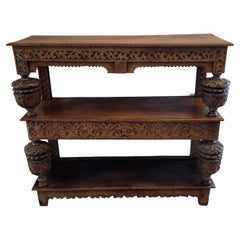
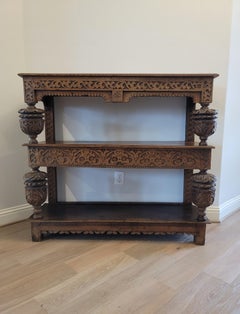
Allegorical and mythical figures were often sculpted in the wood, along with motifs like scrolling floral forms and acanthus leaves that gave the impression of tangles of dense foliage. Novel techniques and materials such as marquetry, gesso and lacquer — which were used with exotic woods and were employed by cabinetmakers such as André-Charles Boulle, Gerrit Jensen and James Moore — reflected the growth of international trade. Baroque furniture characteristics include a range of decorative elements — a single furnishing could feature everything from carved gilded wood to gilt bronze, lending chairs, mirrors, console tables and other pieces a sense of motion.
Find a collection of authentic antique Baroque tables, lighting, decorative objects and other furniture on 1stDibs.
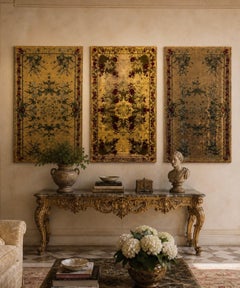
Whether you hang them behind your bed as a dazzling alternative to a headboard or over the sofa as a large-scale focal point in the living room, vintage tapestries can introduce an array of textures and colors to any space in your home.
Woven wall hangings haven’t consistently enjoyed the popularity or earned the highbrow status that other types of wall decorations have over the years, at least not since the 1970s, which was somewhat of a heyday for tapestries. Today, however, these tactile works of art are seeing a renaissance, as modern weavers are forging new paths in the medium while the demand for antique and vintage tapestries continues to grow.
“We are drawn to texture in environments, and we see tapestries as a subtle layer of soft ornament,” says Lauren Larson of the New York design duo Material Lust. Indeed, and a lot of opportunity comes along when decorating with this distinctive brand of soft ornament.
Think of wall hangings as paintings created by hand with fabric instead of oil or watercolors. If you’re not simply securing your treasure to a wall with nails, pushpins or Velcro, tapestries can be stretched over a frame, used to create a canopy in a cozy living-room corner, hung from a rod or placed inside a shadowbox. And because this kind of textile art is hundreds of years old, options abound with respect to subjects and designs.
For richly detailed depictions of landscapes and garden scenes, look to antique Chinese tapestries and Japanese tapestries. Aubusson tapestries are ornate wall hangings manufactured in central France that are also characterized by romantic portrayals of nature. For weavers of mid-century modern tapestries, as well as those working in textile arts today, the styles and subject matter are too numerous to mention, with artists exploring experimental shapes, bold colors and provocative abstract designs.
Antique, new and vintage tapestries can make a room feel warm and welcoming — find yours on 1stDibs now.