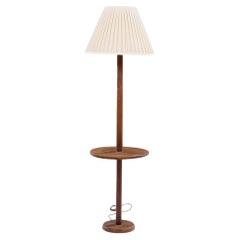
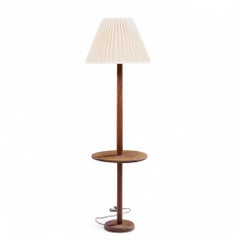
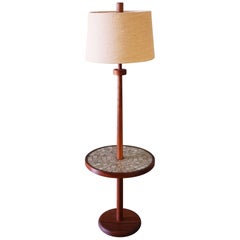
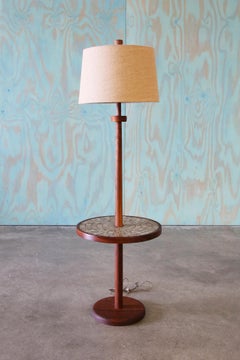
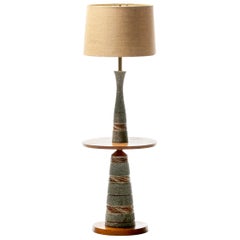
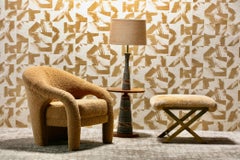
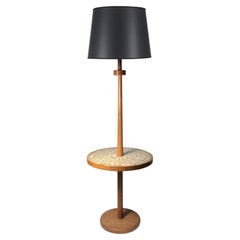
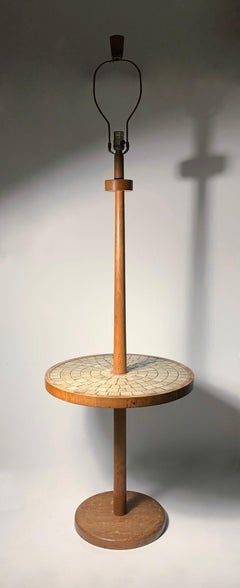
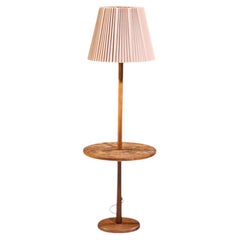
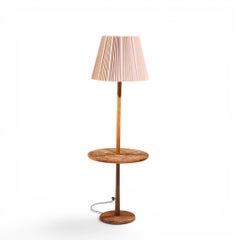
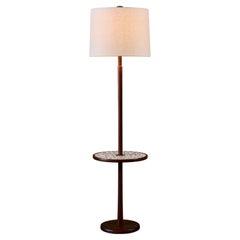
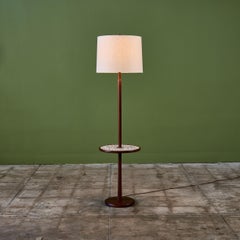
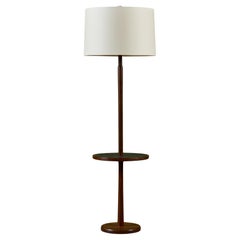
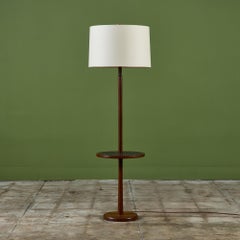
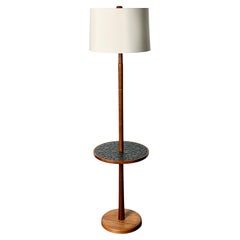
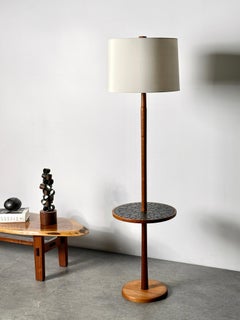
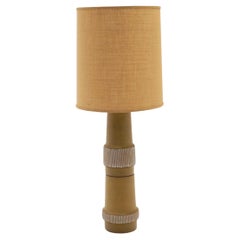
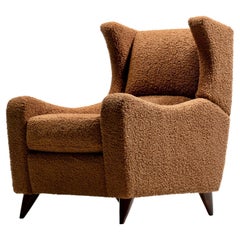
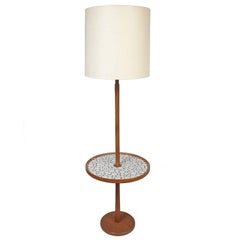
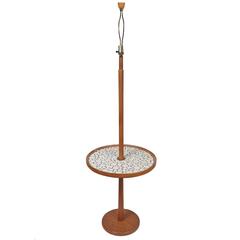
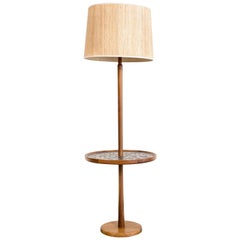
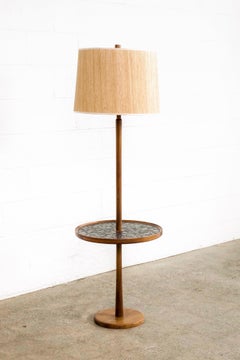
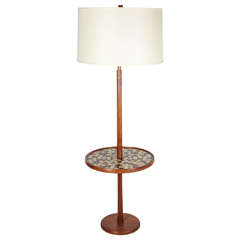
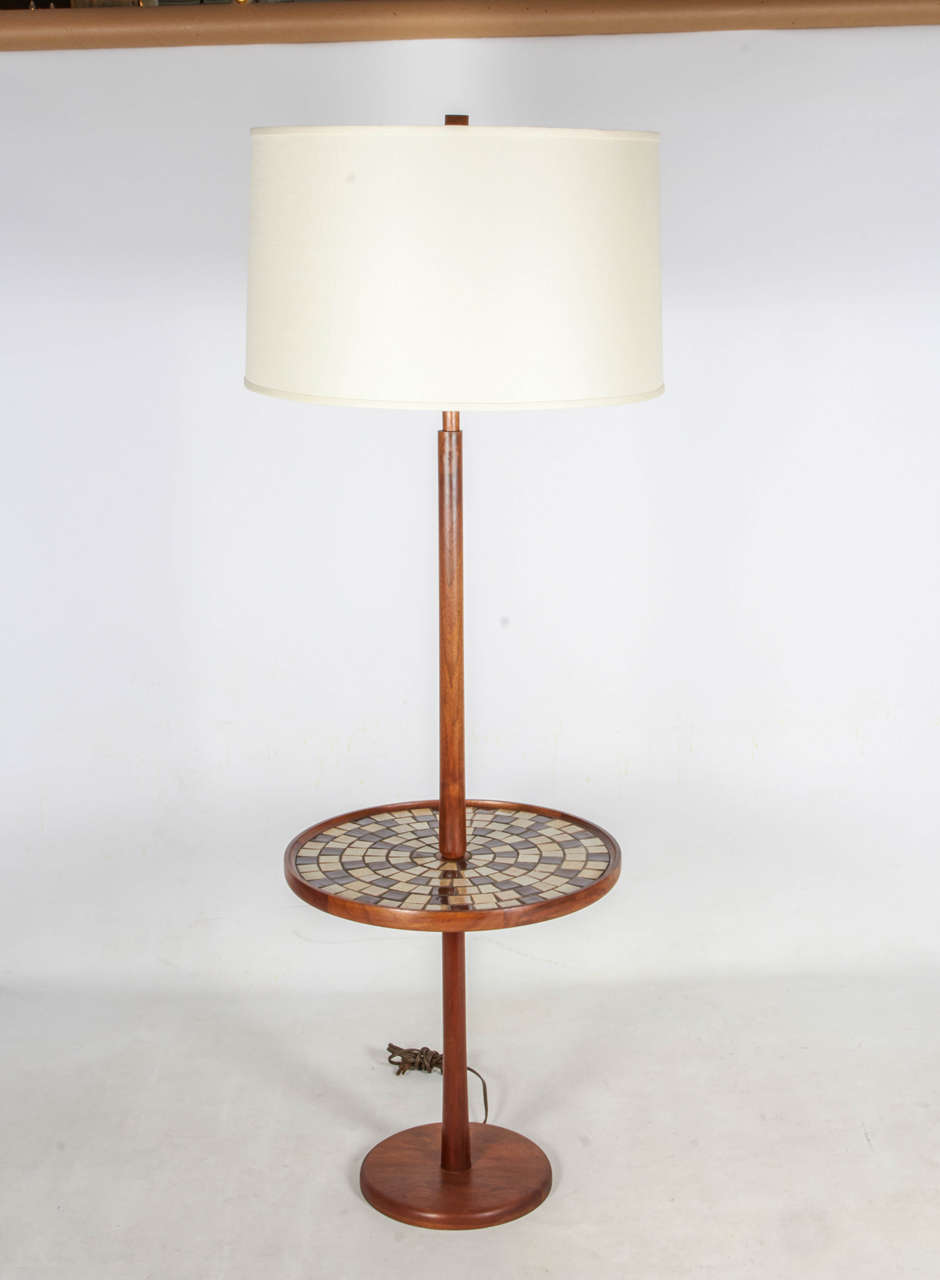
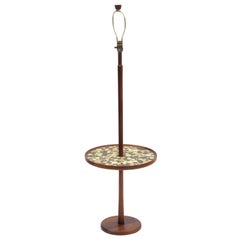
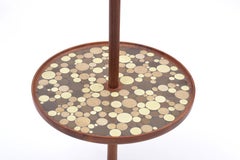
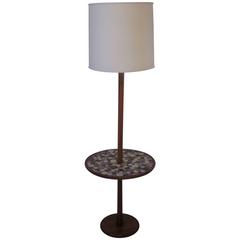
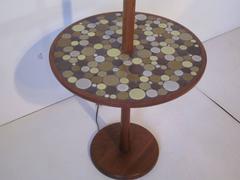
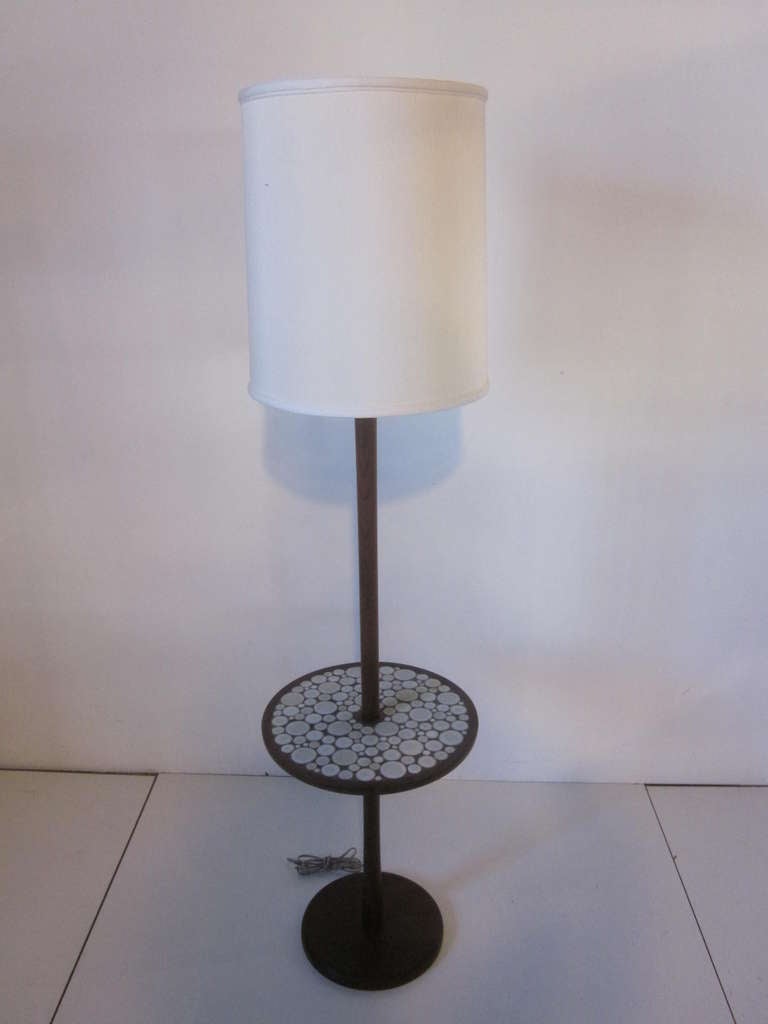
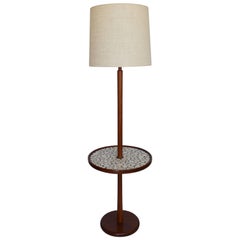
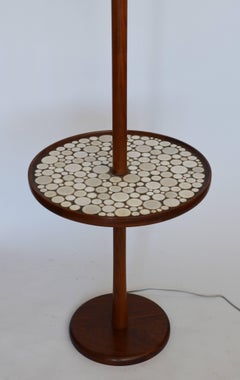
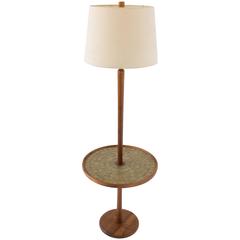
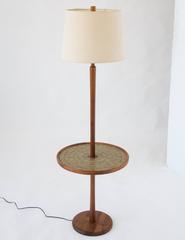
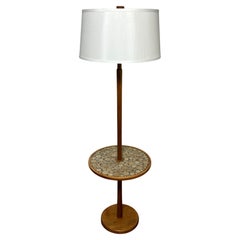
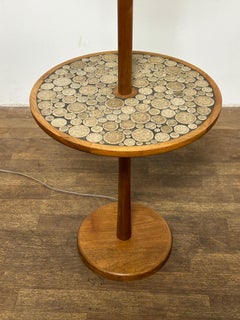
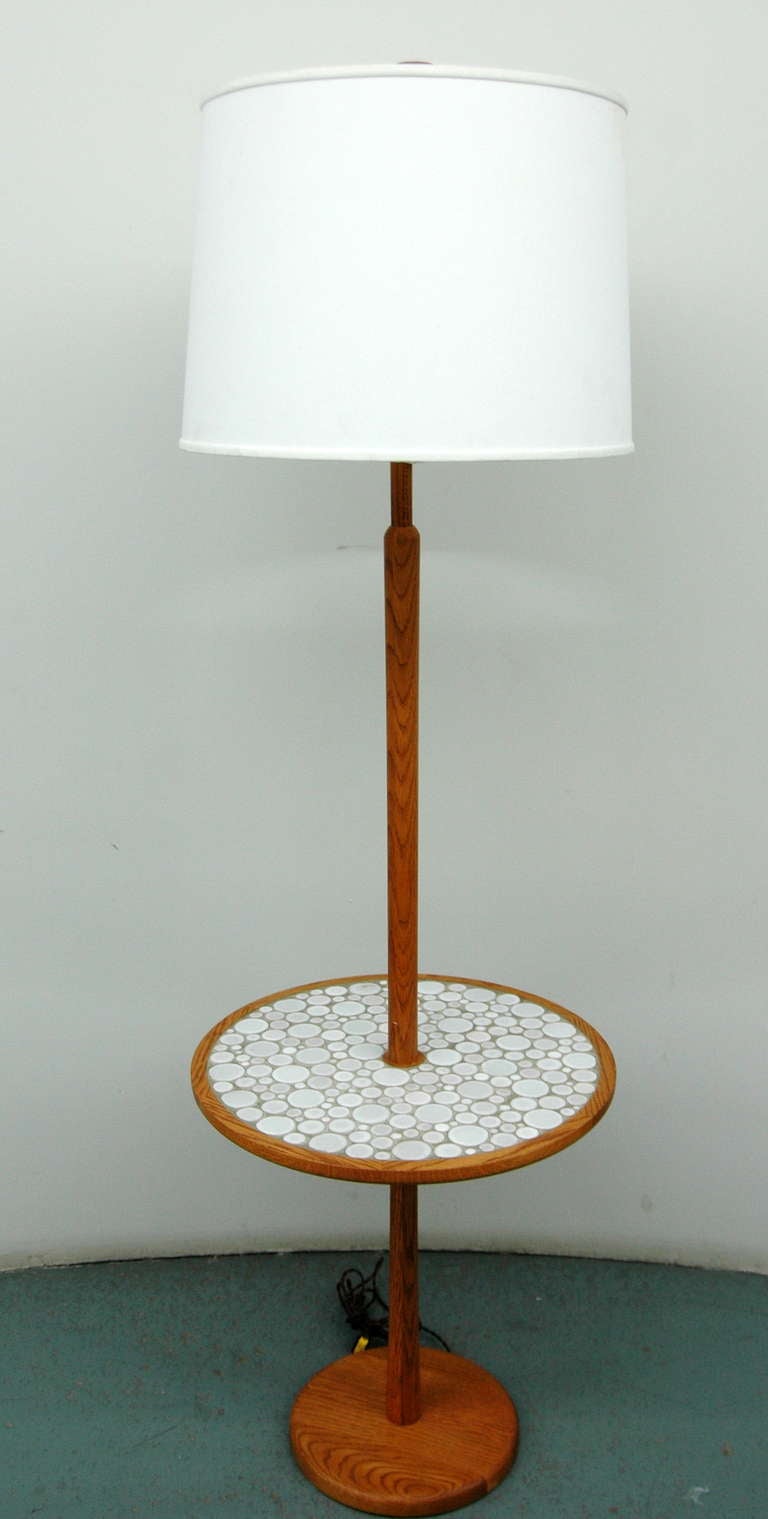
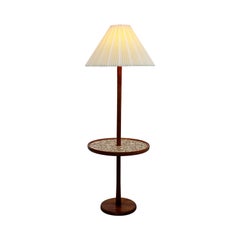
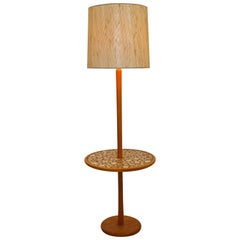
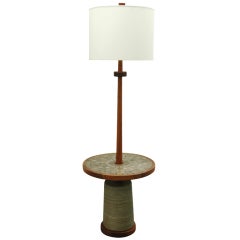
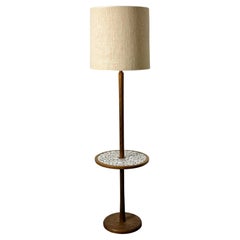
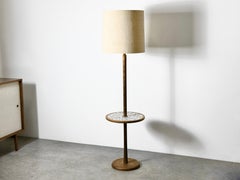
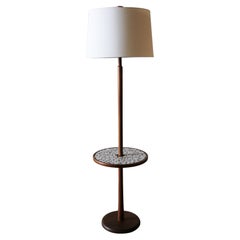
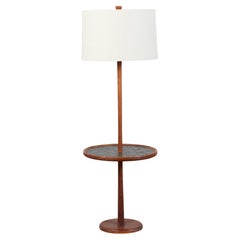
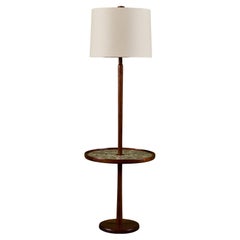
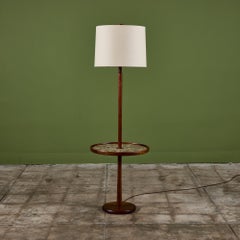
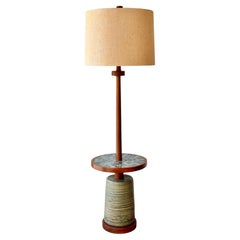
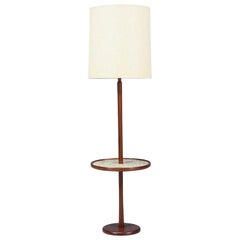
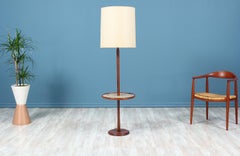
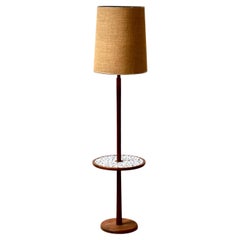
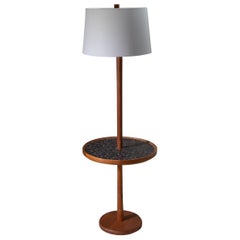
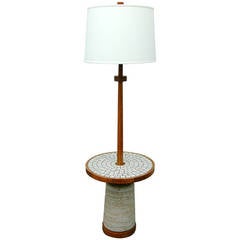
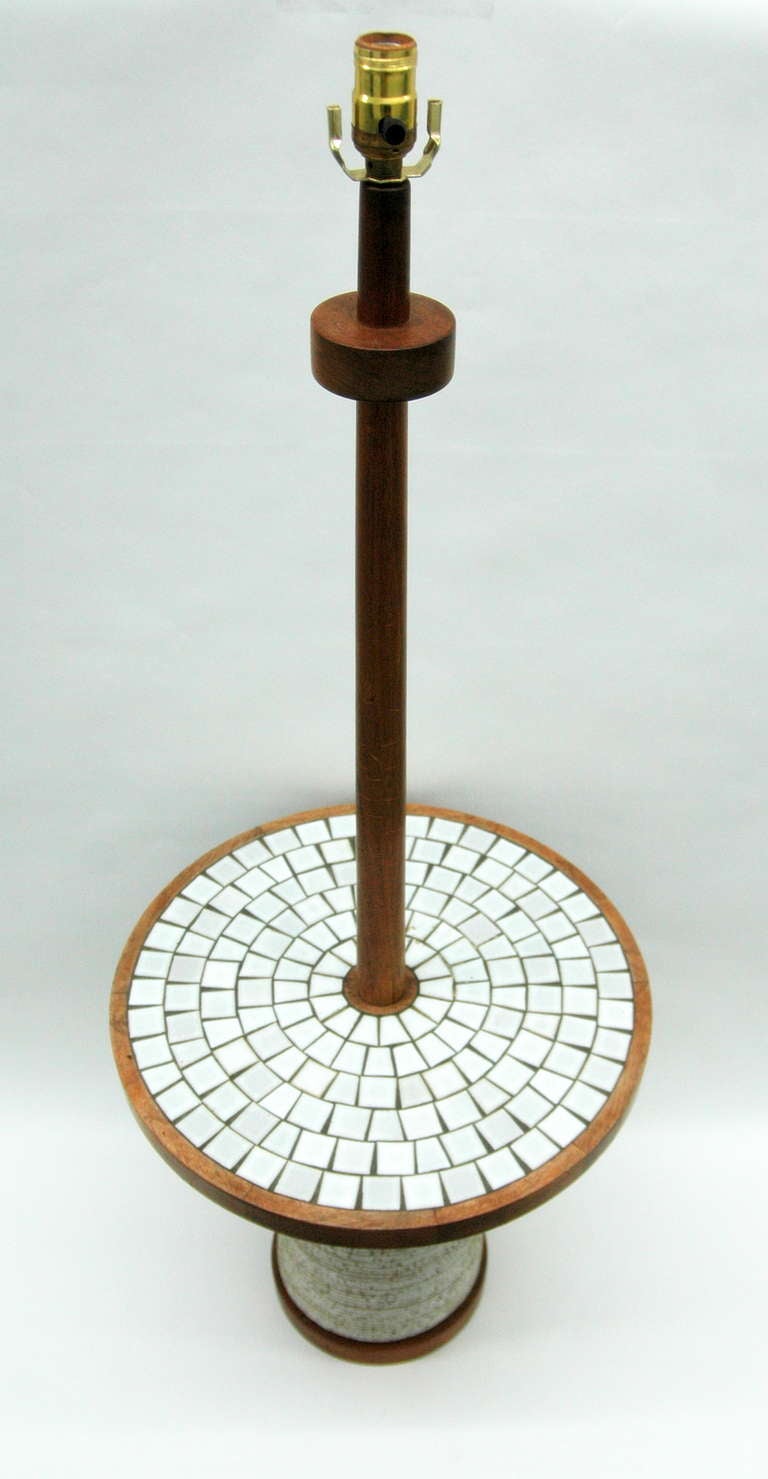
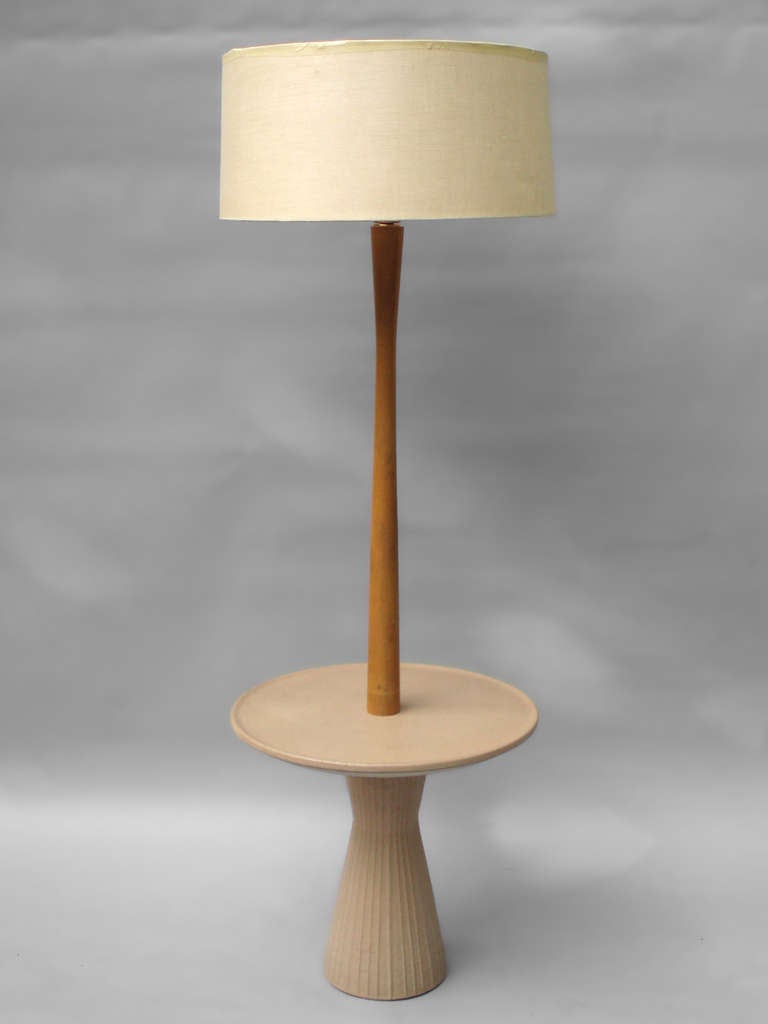
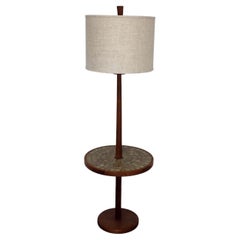
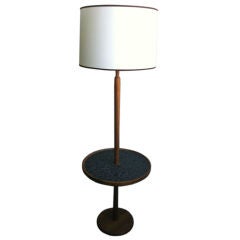
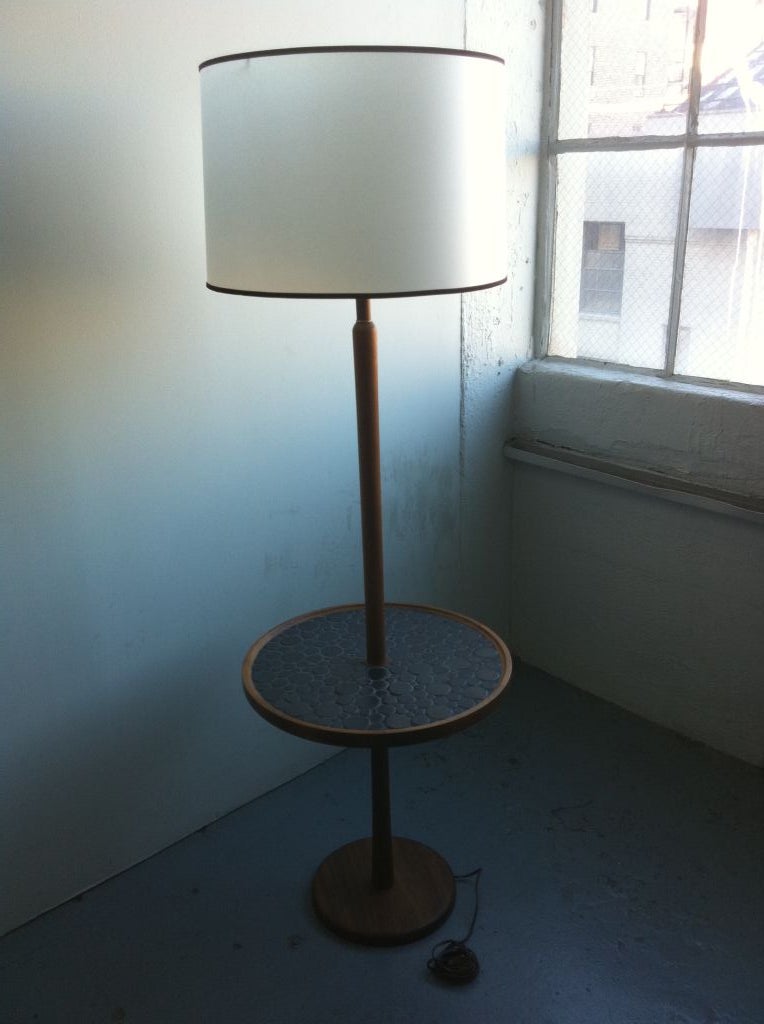
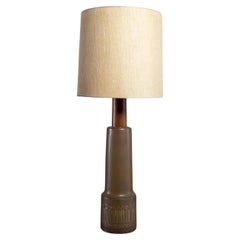
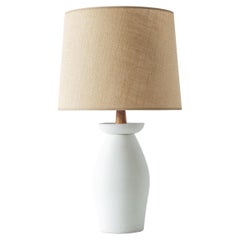
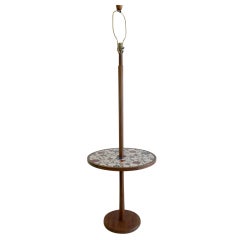
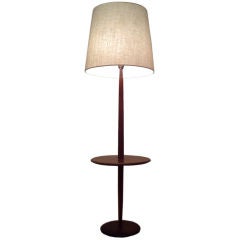
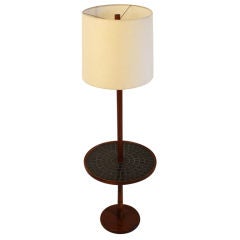
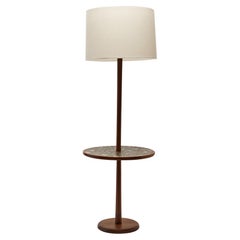
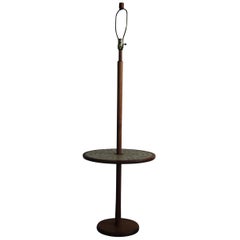
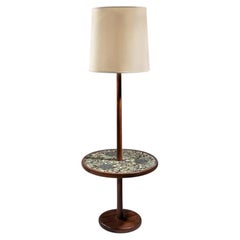
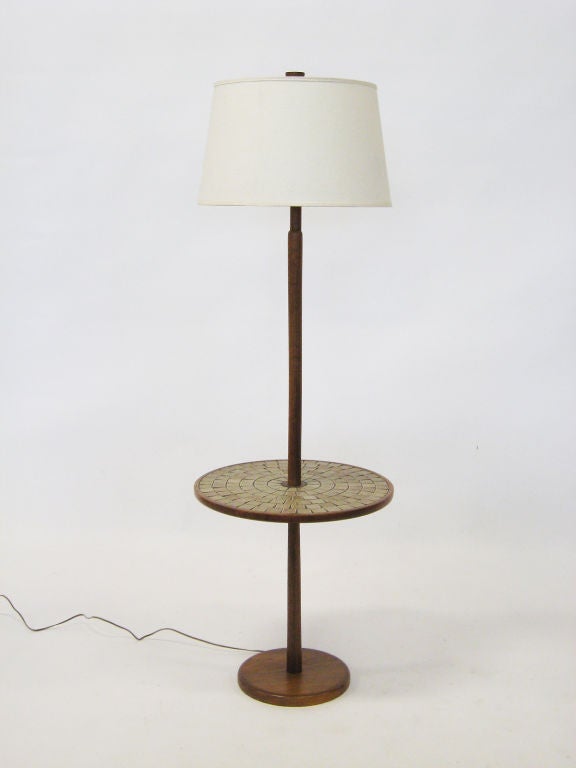
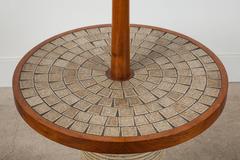
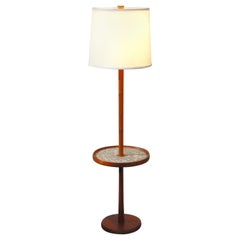
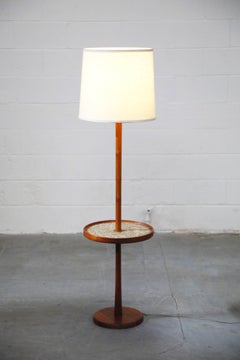
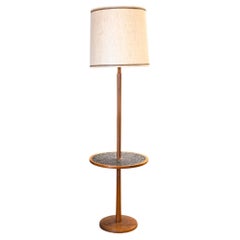
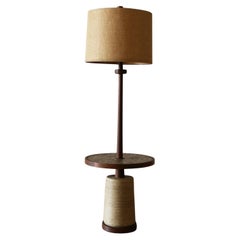
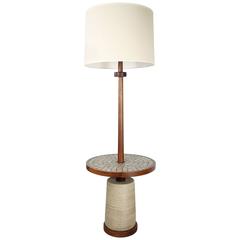
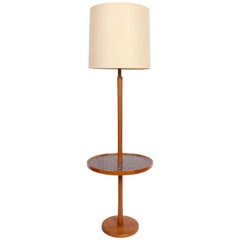
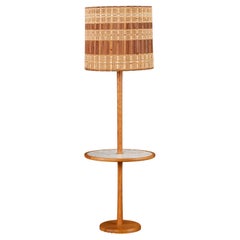
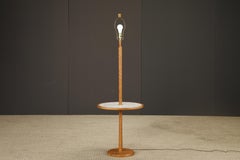
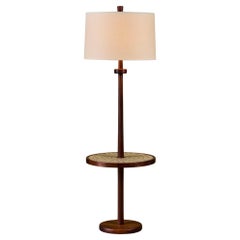
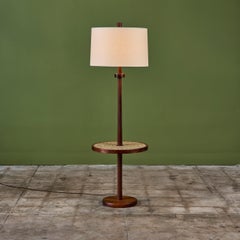
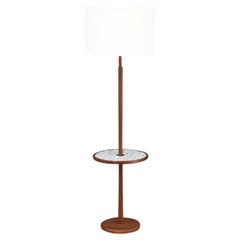
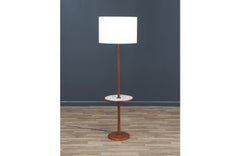
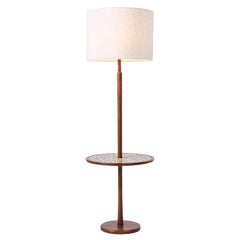
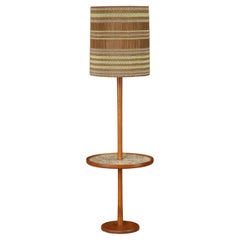
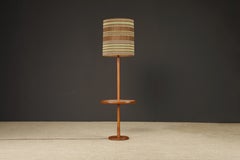
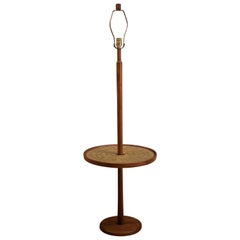
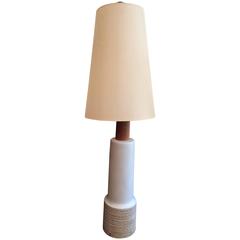
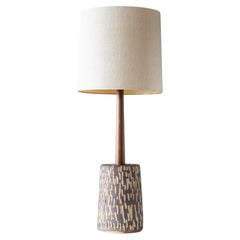
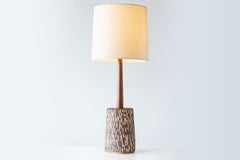
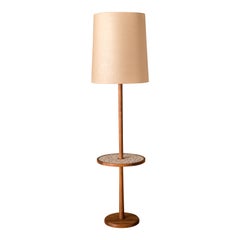
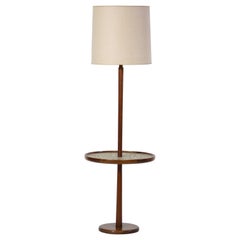
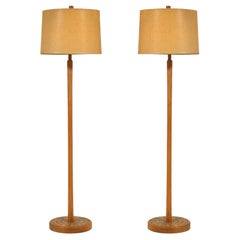
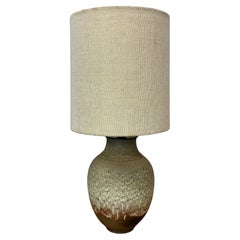
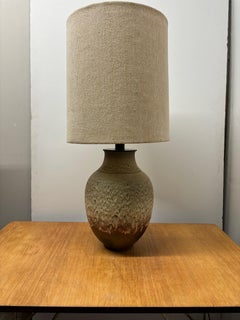
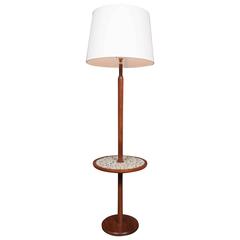
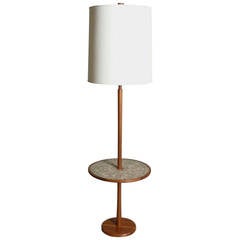
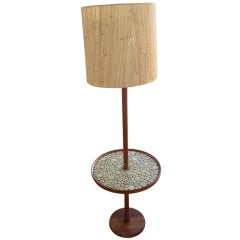
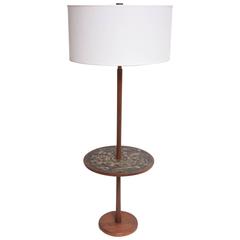
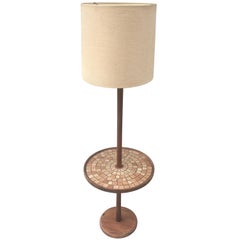
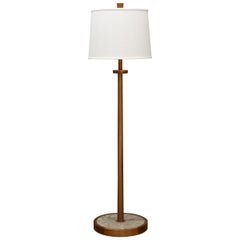
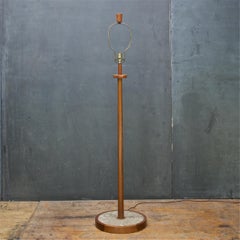
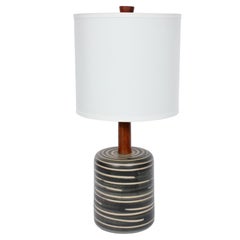
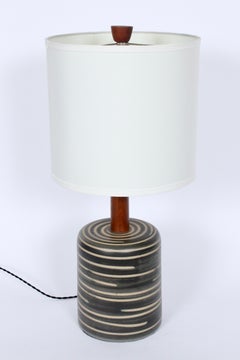
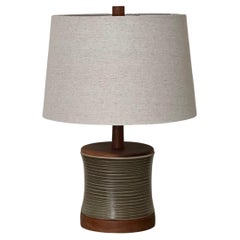
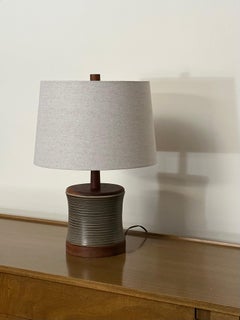
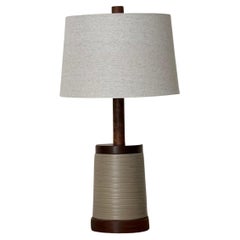
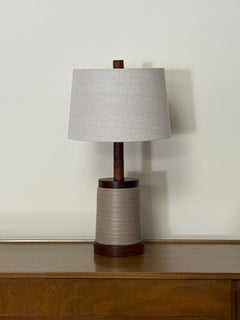
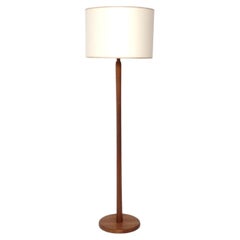
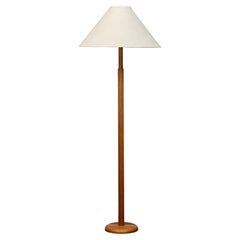
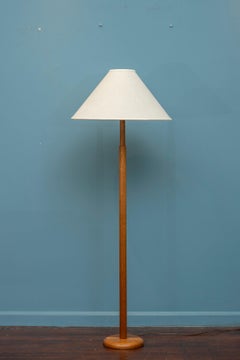
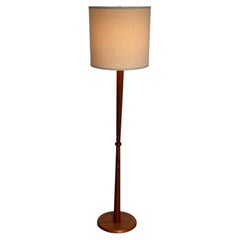
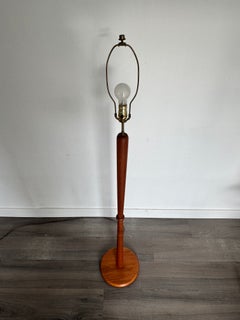
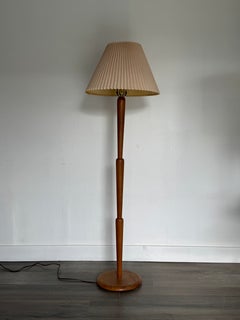
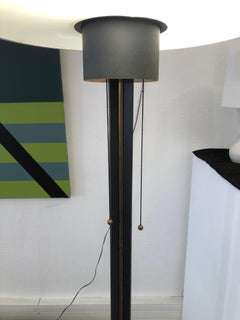
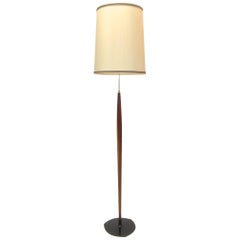
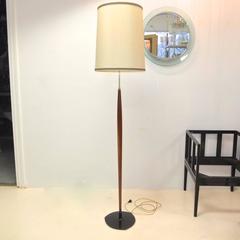
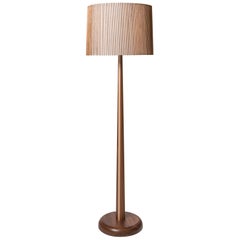
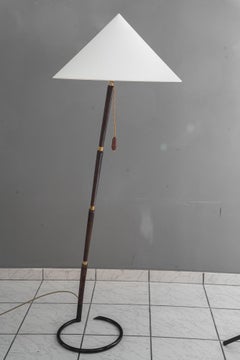
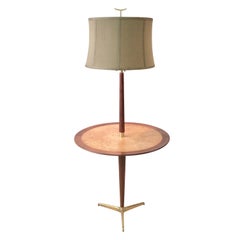
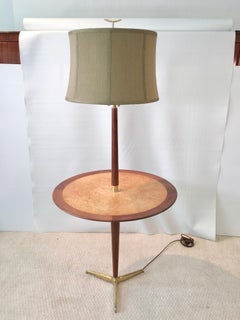
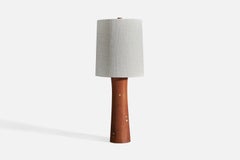
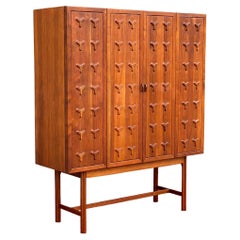
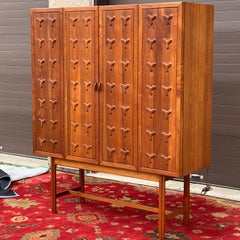
Choose from an assortment of styles, material and more with respect to the jane and gordon martz floor lamp table you’re looking for at 1stDibs. A jane and gordon martz floor lamp table — often made from
ceramic,
wood and
walnut — can elevate any home. Whether you’re looking for an older or newer jane and gordon martz floor lamp table, there are earlier versions available from the 20th Century and newer variations made as recently as the 20th Century. Each jane and gordon martz floor lamp table bearing
mid-century modern hallmarks is very popular. Many designers have produced at least one well-made jane and gordon martz floor lamp table over the years, but those crafted by
Gordon & Jane Martz,
Marshall Studios and
Weiman Preview Furniture are often thought to be among the most beautiful.
A jane and gordon martz floor lamp table can differ in price owing to various characteristics — the average selling price 1stDibs is $3,700, while the lowest priced sells for $895 and the highest can go for as much as $15,500.
Gordon and Jane Martz were prominent designers and creators of simple, elegant, handcrafted ceramic goods. Their vintage mid-century modern designs for table lamps, floor lamps, chandeliers and pendants are daring but relaxed and make for versatile additions to any space.
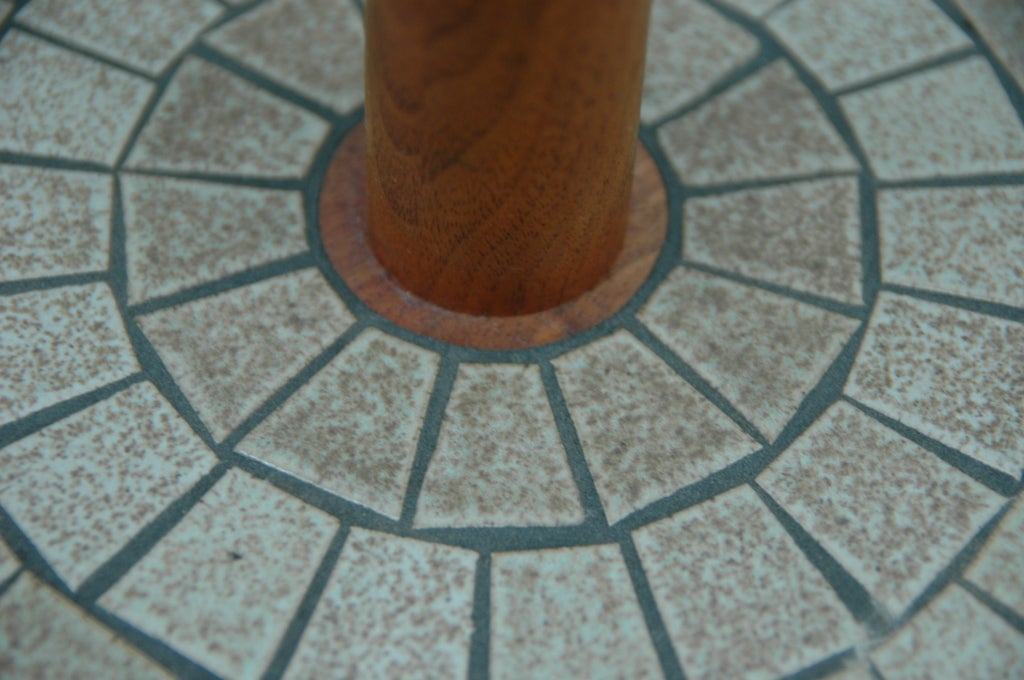
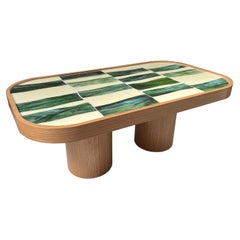
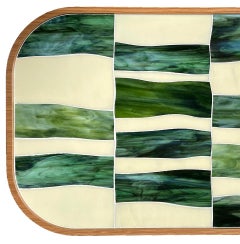
Jane Martz’s grandmother established the family-owned American lampshades company Marshall Studios in Indianapolis, Indiana, in 1922. Jessie “Muz” Marshall produced hand-painted lampshades out of her home, then expanded to include lamp bases made of wood. The business later moved to Veedersburg. After studying at New York State College of Ceramics at Alfred University, Gordon and Jane joined the company in the early 1950s and stepped in to run Marshall Studios after it had been managed by Jane’s parents. Gordon and Jane instilled the brand with fresh energy and new ideas. They introduced innovative modernist stoneware lamps, decorative accessories and more that became immediately popular with new homeowners of the era. Later, there was a return to lamp bases made solely of wood, and floor lamps, bookends and tables with tile tops appeared in the company catalogs.
The Marshall Studios M101 lamp was featured in the Museum of Modern Art’s “Good Design” exhibit in 1953, which also featured the work of other mid-century luminaries such as Jens Risom, Paul McCobb, George Nelson and more.
Gordon and Jane explored color and texture at the company during the 1950s and ‘60s and continued the rich legacy of craftsmanship for which Marshall Studios had become known. The manufacturer secured government contracts and their works were featured in Interiors magazine. Etchings and other decoration continued to be done by hand, and Jane eventually also took an interest in the fabric and textiles used to hand-cover the paper shades, producing a complementary line of hand-woven pillows and other goods.
Find vintage Gordon and Jane Martz lighting, tables and ceramics on 1stDibs.
The modern floor lamp is an evolution of torchères — tall floor candelabras that originated in France as a revolutionary development in lighting homes toward the end of the 17th century. Owing to the advent of electricity and the introduction of new materials as a part of lighting design, floor lamps have taken on new forms and configurations over the years.
In the early 1920s, Art Deco lighting artisans worked with dark woods and modern metals, introducing unique designs that still inspire the look of modern floor lamps developed by contemporary firms such as Luxxu.
Popular mid-century floor lamps include everything from the enchanting fixtures by the Italian lighting artisans at Stilnovo to the distinctly functional Grasshopper floor lamp created by Scandinavian design pioneer Greta Magnusson-Grossman to the Paracarro floor lamp by the Venetian master glass workers at Mazzega. Among the more celebrated names in mid-century lighting design are Milanese innovators Achille and Pier Giacomo Castiglioni, who, along with their eldest brother, Livio, worked for their own firm as architects and designers. While Livio departed the practice in 1952, Achille and Pier Giacomo would go on to design the Arco floor lamp, the Toio floor lamp and more for legendary lighting brands such as FLOS.
Today’s upscale interiors frequently integrate the otherworldly custom lighting solutions created by a wealth of contemporary firms and designers such as Spain’s Masquespacio, whose Wink floor lamps integrate gold as well as fabric fringes.
Visual artists and industrial designers have a penchant for floor lamps, possibly because they’re so often a clever marriage of design and the functions of lighting. A good floor lamp can change the mood of any room while adding a touch of elegance to your entire space. Find yours now on 1stDibs.