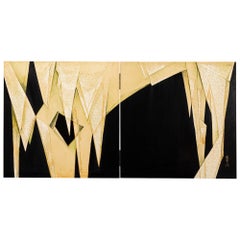
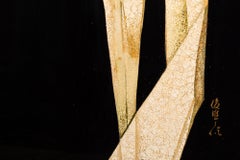
Japanese Two Panel Screen Abstract Design
Located in Hudson, NY
Lacquer on wood. Signature reads: Toshimasa. Solid black lacquer on reverse. Signed original box.
Category
Mid-20th Century Japanese Paintings and Screens
Materials
Lacquer
Japanese Two Panel Screen Abstract Design
Located in Hudson, NY
Lacquer on wood. Signature reads: Toshimasa. Solid black lacquer on reverse. Signed original box.
Lacquer
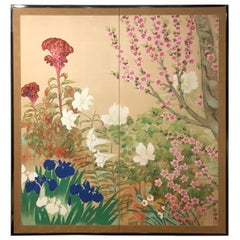
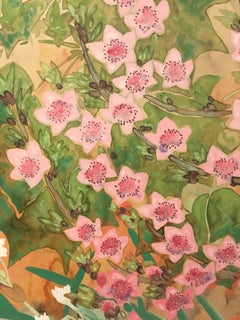
Japanese Two-Panel Screen Spring Flowers
Located in Hudson, NY
with a silk brocade border. Signed: Oshu saku
Silk, Paper
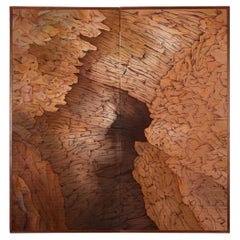
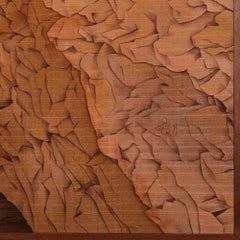
Japanese Two Panel Screen: White Tiger Grotto
Located in Hudson, NY
fabric mounted with a natural wood trim. Signed on back and lower right corner. Signature reads
Fabric, Wood
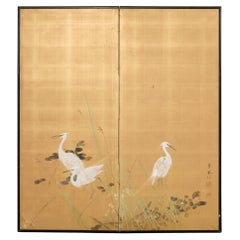
Japanese Showa Two Panel Screen Egrets in Grass
Located in Rio Vista, CA
Stunning Japanese Showa period two-panel folding byobu screen depicting three egrets in the grass
Wood, Paper
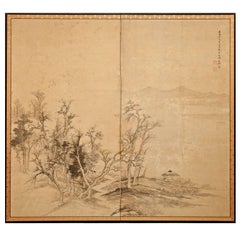
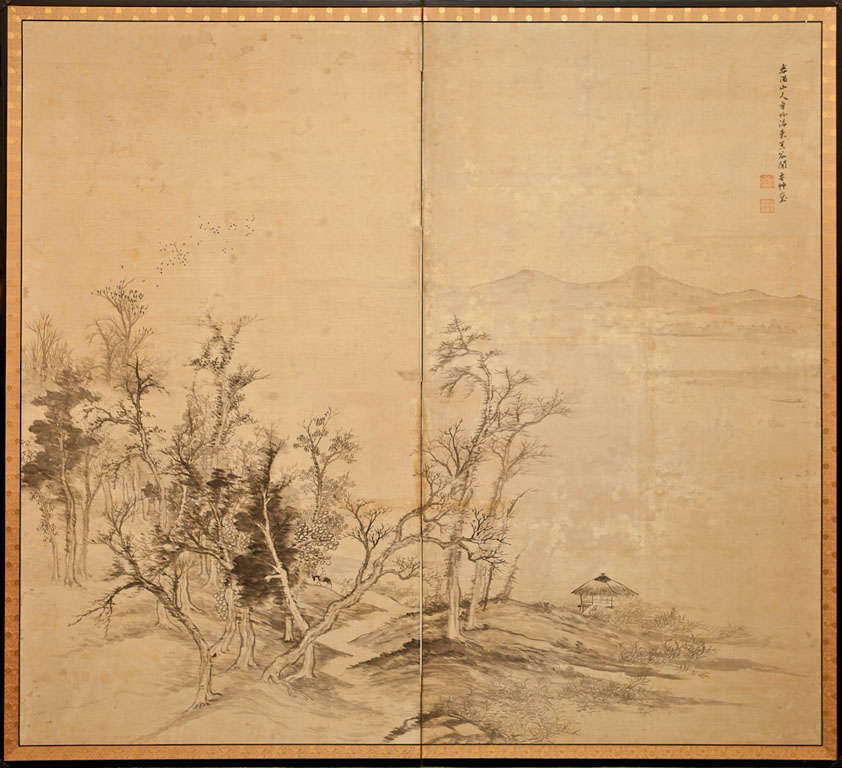
Japanese Two-Panel Screen: Ink Landscape on Silk
By Shunyu
Located in Hudson, NY
Japanese Two Panel Screen: Ink Landscape on Silk, Meiji period (1868 - 1912) painting of a man
Silk, Wood
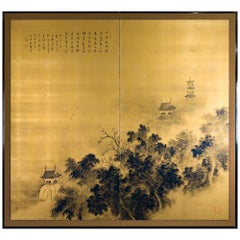
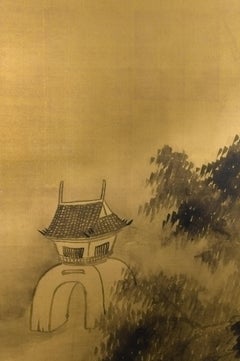
Japanese Two-Panel Screen Temples Through Misty Forest
Located in Hudson, NY
Japanese two-panel screen: Temples Through Misty Forest. Chinese School landscape ink painting on
Silk, Wood
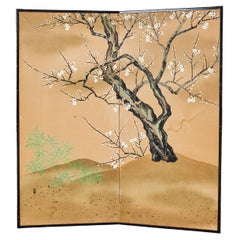
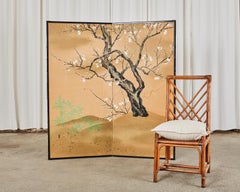
Japanese Showa Two Panel Screen Blossoming Prunus Tree
Located in Rio Vista, CA
Serene Japanese Showa period two-panel folding byobu screen depicting a large spring blossoming
Brass
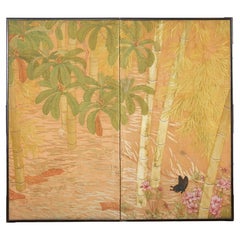
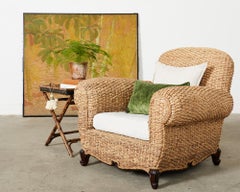
Japanese Taisho Two Panel Screen Bamboo Butterfly Landscape
Located in Rio Vista, CA
Serene Japanese late Taisho period early Showa period two-panel byobu screen featuring a colorful
Brass
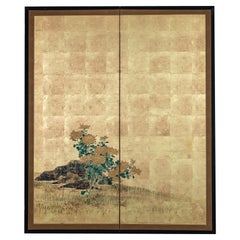
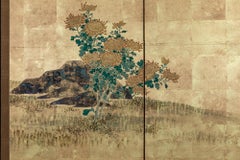
Japanese Two Panel Screen: Simple Chrysanthemums on Gold
Located in Hudson, NY
Mineral pigments on gold leaf. Not signed, by: Baikei Hitsu.
Gold Leaf
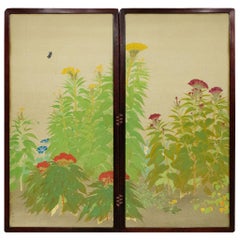
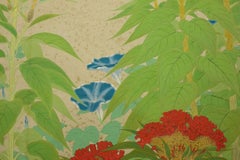
Japanese Two-Panel Screen, Cockscomb and Morning Glories
Located in Hudson, NY
. Signed and sealed: "Seichu". Real name: Aoki Keinosuke (1891-1973), born in Kyoto, studied Shijo school
Cotton, Silk, Lacquer
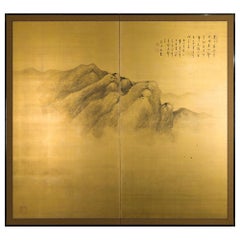
Japanese Two Panel Screen: Mountains in the Mist
Located in Hudson, NY
Chinese School landscape ink painting on gilded silk by Yukimatsu Shunpo, signed and dated 1924
Silk
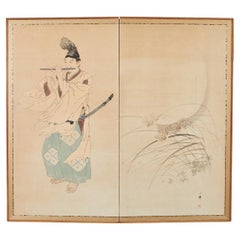
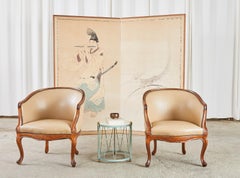
Japanese Taisho Two Panel Screen Heian Period Flute Player
Located in Rio Vista, CA
Extraordinary Japanese Taisho period two panel byobu screen depicting Fujiwara Yasumasa playing the
Silk, Wood, Paper
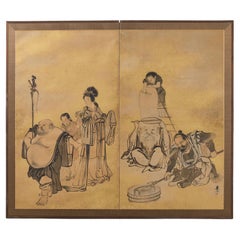
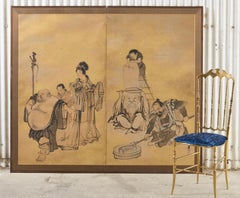
Japanese Edo Two Panel Screen Deities by Yokoyama Kazan
Located in Rio Vista, CA
Whimsical Japanese late Edo period two-panel screen circa 1800 by Yokoyama Kazan (Japanese 1784
Brass, Gold Leaf
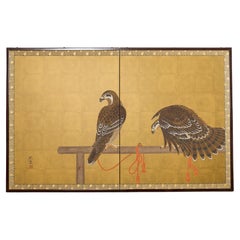
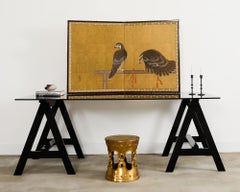
Japanese Showa Two Panel Screen Pair of Tethered Hawks
Located in Rio Vista, CA
Captivating Japanese Showa period two-panel folding byobu screen featuring a pair of hawks or birds
Brass
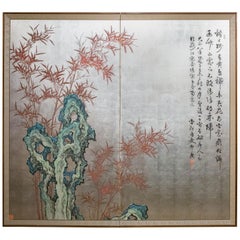
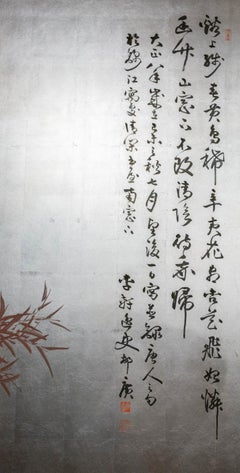
Japanese Two-Panel Screen Chinese Style Painting with Calligraphy
Located in Hudson, NY
, "Returning home to my grass hut on a spring evening," by the Tang-poet Qian Qi. Screen is signed: Riken isshi
Silk, Paper, Wood
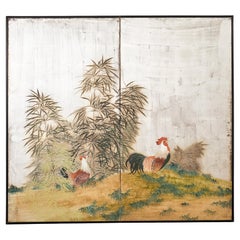
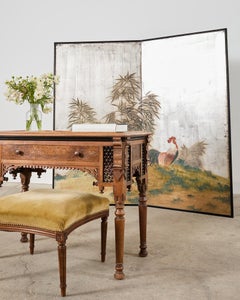
Japanese Taisho Two Panel Screen Rooster and Hen by Kocho
Located in Rio Vista, CA
Amazing Japanese Taisho period two-panel byobu screen depicting a colorful rooster and hen in a
Silver Leaf
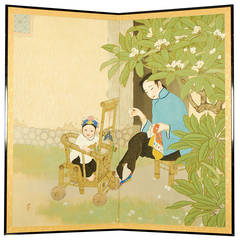
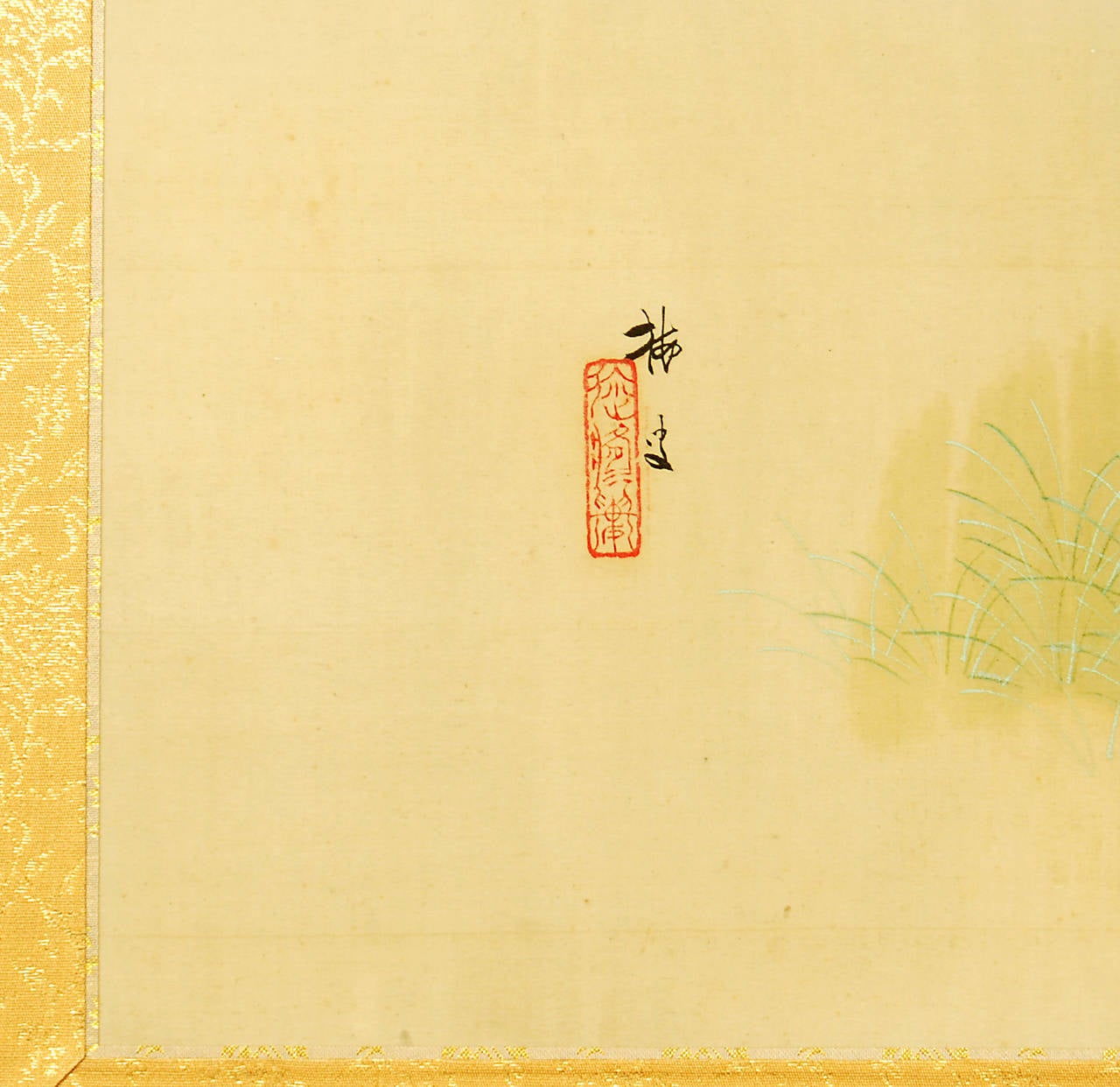
Vintage Japanese Two-Panel Screen, Taisho Period, Early 20th Century
Located in Prahran, Victoria
Japanese two-panel screen, study of an Okinawan mother and child, Taisho period early 20th century
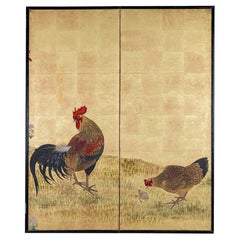
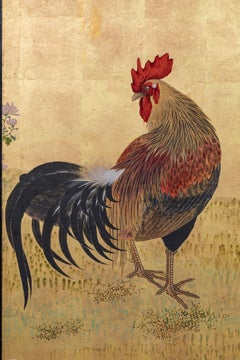
Japanese Two Panel Screen: Family of Chickens on Gold Leaf
Located in Hudson, NY
Mineral pigments on gold. Not signed, by Baikei Hitsu.
Gold Leaf
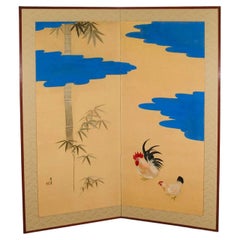
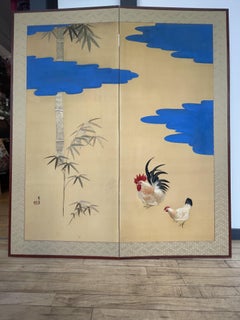
Japanese Meiji Two-Panel Embroidery Screen w/ Rooster and Chicken, Ca. 1890s
Located in New York, NY
Japanese Meiji Period Two-Panel Embroidery Screen with Rooster and Chicken, Ca. 1890s
Silk
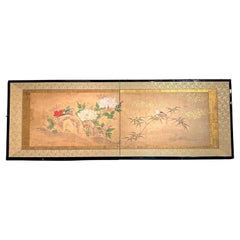
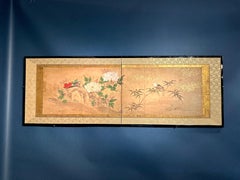
Japanese "Magpie and Peony" Two Panel Screen, Edo Period, 18th/19th century
Located in Austin, TX
A sublime Japanese two panel "Magpie and Peony" screen, ink and color on paper, Edo Period, late
Copper
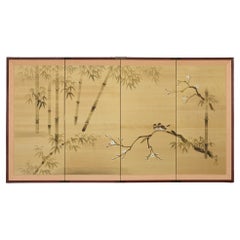
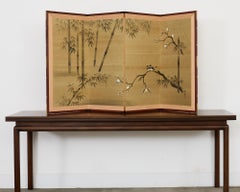
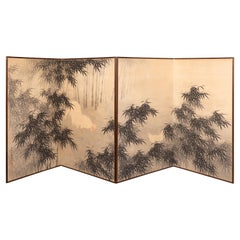
Japanese Showa Four Panel Screen Spring Bamboo Landscape
Located in Rio Vista, CA
Serene mid-20th century Showa period Japanese four-panel folding byobu screen made in the Nihonga
Brass
$3,400Sale Price|29% Off
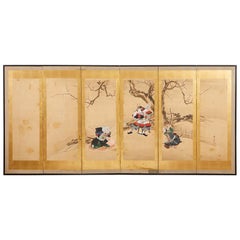
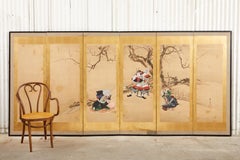
Japanese Edo Six Panel Screen Yoshitsune and Benkei
Located in Rio Vista, CA
Spectacular 19th century Japanese late Edo period six-panel byobu screen depicting Yoshitsune and
Brass, Gold Leaf
$6,800 / set
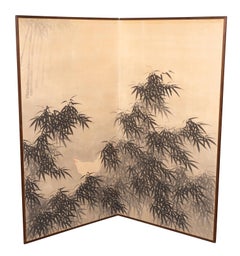
Japanese Four Panel Paper Screen
Located in Essex, MA
Pair of two panel screens with a rooster and a hen in amongst bamboo. Signed by the artist Ema
Paper
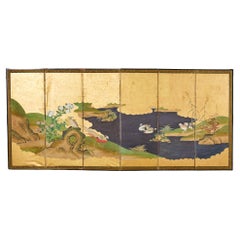
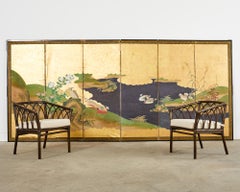
Japanese Meiji Six Panel Screen Kano School Bird Waterscape
Located in Rio Vista, CA
Stunning late 19th century Japanese Meiji period six panel byobu screen featuring a deep blue
Brass, Gold Leaf
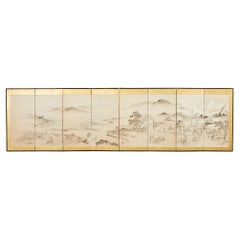
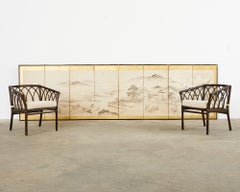
Japanese Meiji Eight Panel Screen Village Landscape with Figures
Located in Rio Vista, CA
Large 19th century Japanese Meiji period eight panel byobu screen featuring a panoramic village
Gold Leaf
$880Sale Price|71% Off
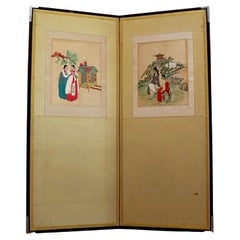
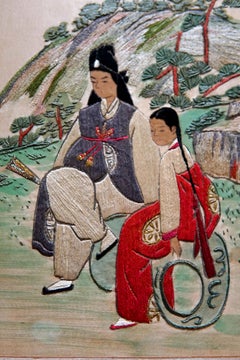
Korean Two-Panel Silk Screen from 1975
Located in Lomita, CA
This authentic two-panel Korean screen is from the 20th Century and is highlighted with the design
Silk
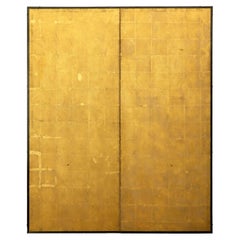
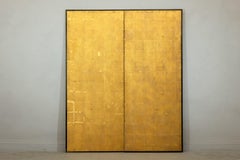
Antique Early 20th-Century Japanese Two-Panel Gold-Leaf Byōbu Screen
Located in Yonkers, NY
This elegant two-panel byōbu screen likely dates to the early 20th century and embodies the
Gold Leaf
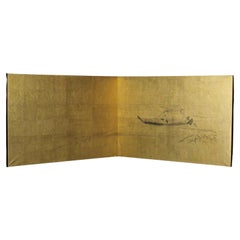
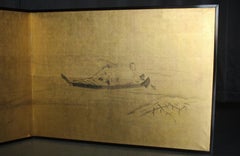
B84 Japanese art, Ink painting on gold folding screen, Sailor, 2-panel
Located in Niiza, JP
, 14kg A small two-panel folding screen. A sailor painted in ink on a gold background. The seal "Tōji
Paper
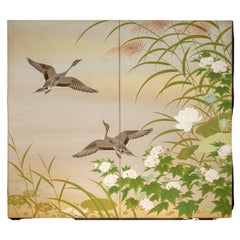
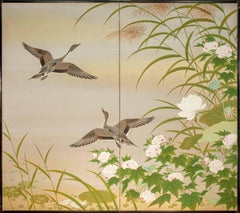
A Two-panel Screen Painted On Paper Depicting A Naturalistic Scene
Located in Milano, IT
Two-panel screen painted on paper, depicting a naturalistic scene with two pintail ducks in flight
Paper
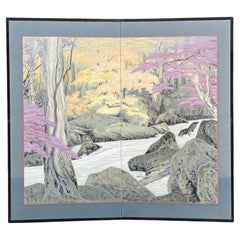
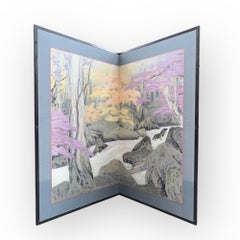
Two-panel folding screen, Nihonga, Hirai Baisen (1889–1969), early Shōwa era (19
Located in PARIS, FR
Two-panel folding screen, Nihonga, Hirai Baisen (1889–1969), early Shōwa era (1940s) This two
Paper
$2,400Sale Price / set|20% Off
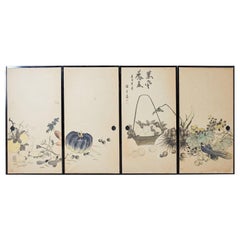
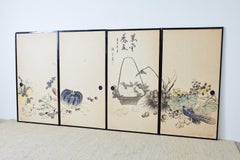
Set of Four Japanese Fusuma Painted Door Panels
Located in Rio Vista, CA
Rare set of four Japanese Showa period door panels known as Fusuma in Japanese architecture
Brass
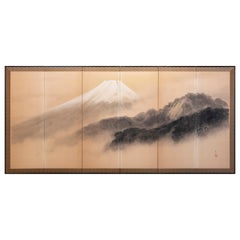
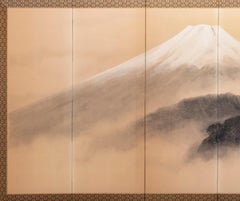
A six-panel paper folding screen of Mount Fuji shrouded in mist
Located in Milano, IT
A Japanese six-panel screen painted on paper, depicting Mount Fuji emerging from the clouds, its
Paper
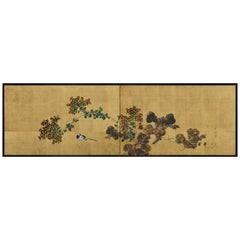
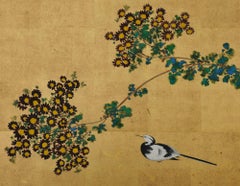
Japanese Screen, Early 20th Century Wagtail & Chrysanthemum by Ishizaki Koyo
Located in Kyoto, JP
-panels. Ink, pigments and gofun on gold leaf. Sign: Koyo Seal: Koyo This small two-panel folding
Gold Leaf
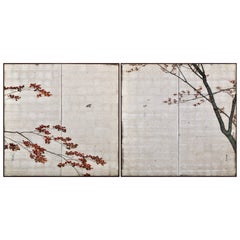
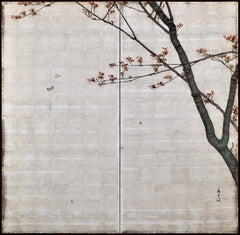
1895 Meiji Japanese Screen Pair. Cherry Blossoms & Autumn Maples on Silver Leaf
Located in Kyoto, JP
two-panel Japanese screens; ink and pigments on silver leaf This refined pair of screens by Isobe
Silver Leaf
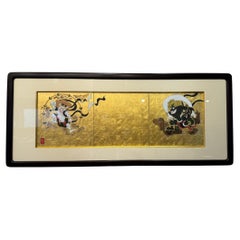
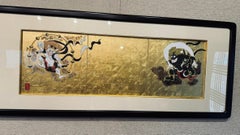
Japanese Three Panel Framed Gold Black White Porcelain Artwork by Master Artist
Located in Takarazuka, JP
a Japanese National Treasure. It is a pair of two-folded screens using ink and color on gold-foiled
Gold Leaf
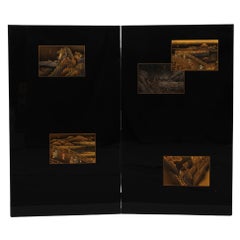
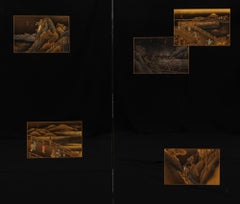
Tall, Japanese lacquer byôbu 屏風 (folding screen) by Mitsuo Takana 高名光夫 (1956)
By Mitsuo Takana
Located in Amsterdam, NL
Refined, tall two-panel byôbu (folding screen) completely adorned with ‘Wajima Ryûsaku’ lacquer by
Wood, Giltwood, Lacquer
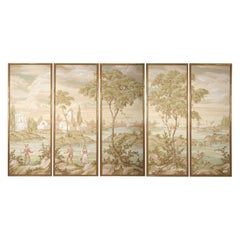
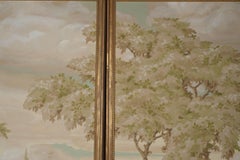
Robert Crowder Signed 5 Panel Large Japanese Nihonga Lanscape Pastoral Painting
By Robert Crowder
Located in Studio City, CA
-2010). Crowder lived in Japan in the 1930s (until he was abruptly expelled in 1943 after spending two
Wood, Paint, Paper
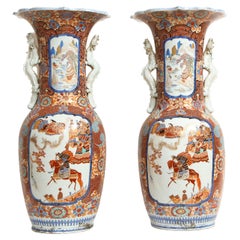
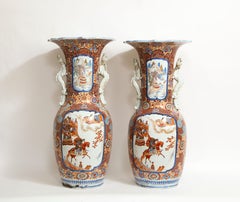
Pair of Japanese Meiji Period Imari Vases with Dragon Handles
Located in New York, NY
bottoms are signed with Japanese Porcelain Studio marks. Japan, Circa: 1880.
Porcelain
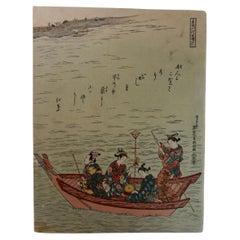
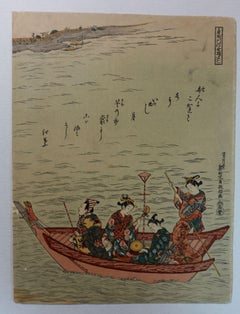
Japanese Woodblock Print by Okumura Masanobu '奥村政信'
Located in Norton, MA
Okumura Masanobu (????) (artist late 1680s - early 1760s) Signed: Hogetsudo shomei Okumura
Paper
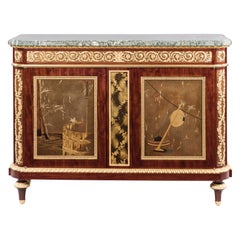
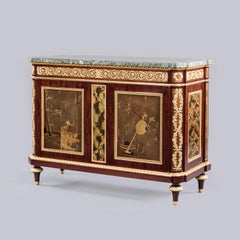
Louis XVI Style Commode À Vantaux by Beurdeley, 1890
By Alfred Emmanuel Louis Beurdeley
Located in Brighton, West Sussex
doors inset with rare Edo period Japanese lacquer panels, opening to an interior fitted with a shelf and
Marble, Ormolu
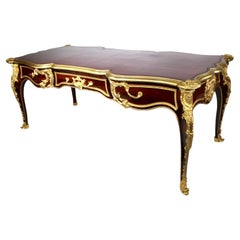
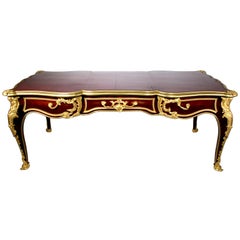
French 19th C.Louis XV Style Ormolu Mounted Bureau-Plat Desk Attr. Paul Sormani
By Paul Sormani
Located in Los Angeles, CA
veneered with panels of Japanese lacquer, another sure indication of the intervention of a marchand-mercier
Bronze, Ormolu
Unavailable|$24,884
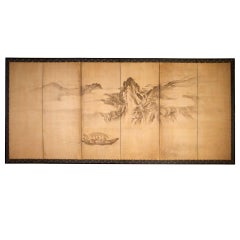
19th Century, Japanese Screen, Rimpa School
By Sakai Hoitsu
Located in London, GB
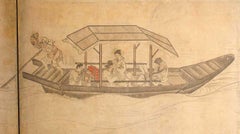
Eight-panel folding screen. paper, ink, watercolours and gold. Signed; Hoitsu-Hitsu and red seal
Paper
Unavailable|$16,000
Japanese Nanga School Ink on Paper Six-Panel Folding Screen
Located in New York, NY
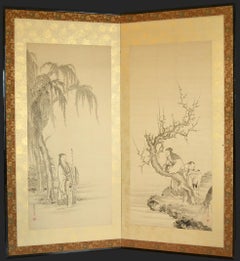
Japanese Nanga school six-panel screen, inks on paper in the idealized Chinese literati mode
Paper
Unavailable|$7,730 / set
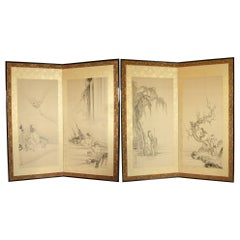
19th Century Japanese Ink Painted Screens with Chinese Poets by Kano Eigaku
Located in Berlin, Berlin
Pair of two-panel folding screens with four single paintings by Kanô Eigaku (1790-1867), 9th
Paper
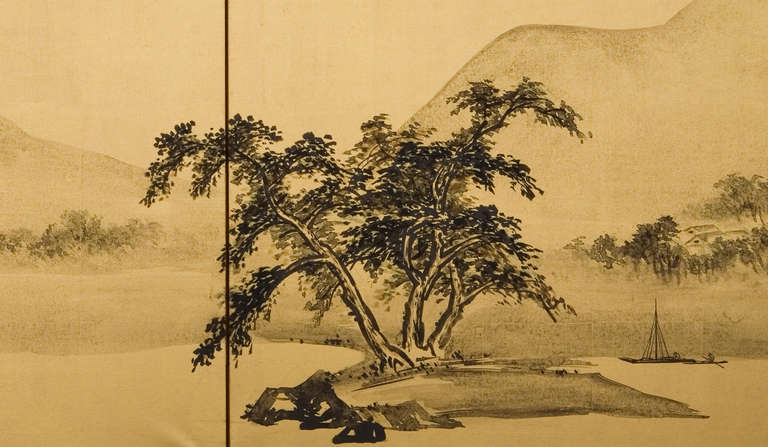
Unavailable
Summer Tea Screen, Taisho Era
Located in New York, NY
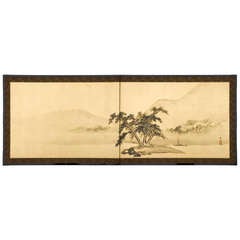
Two-panel folding screen, painting in ink on paper with gold leaf of a summer scene with a fishing
Gold Leaf
Unavailable|$27,000 / set
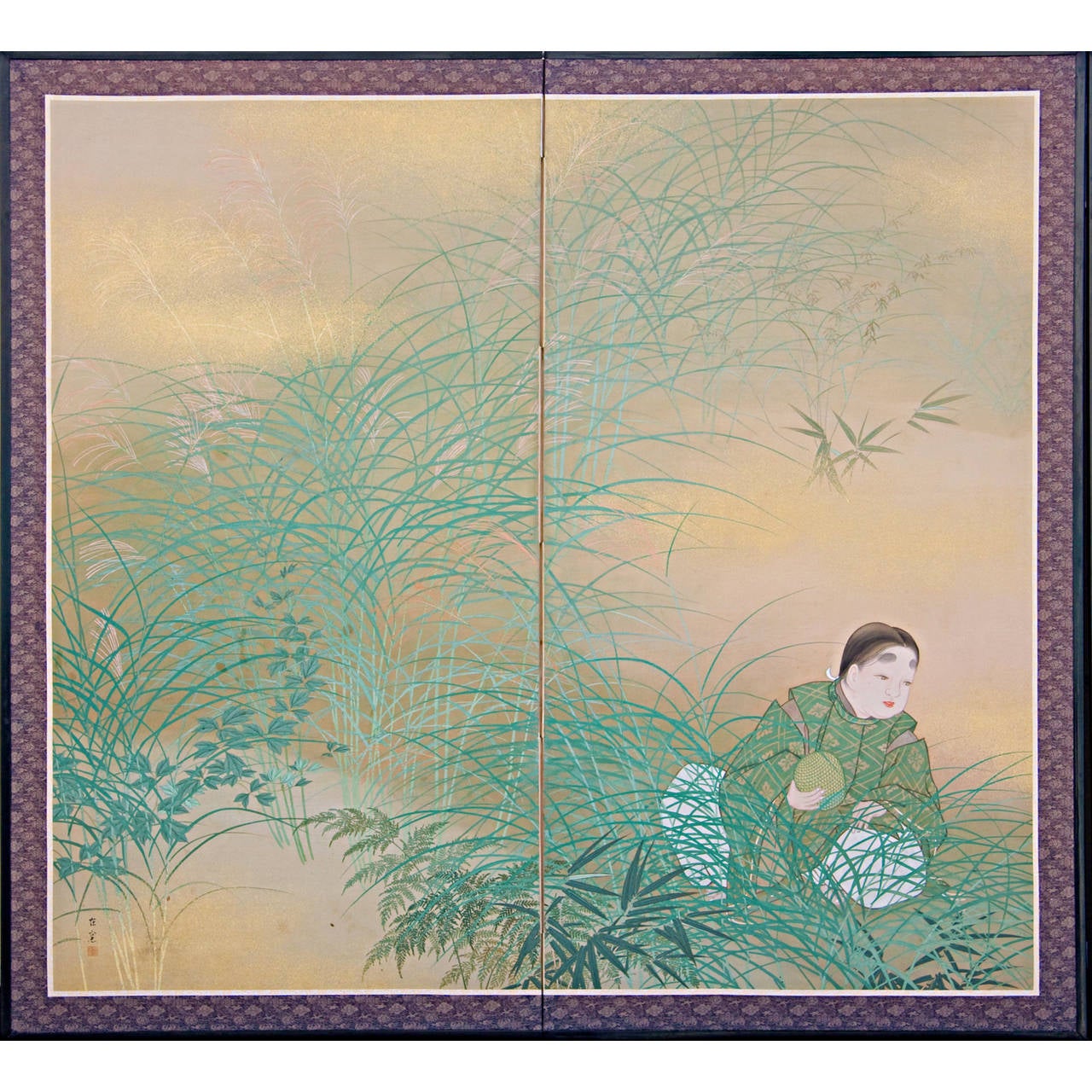
Taisho Period Silk Painting Screen of Nobleman and Children Catching Crickets
Located in Honolulu, HI
Pair of Taisho Period (1912-1926) 2-panel screens showing a nobleman on a day outing with two
Silk
Unavailable|$422,757 / set
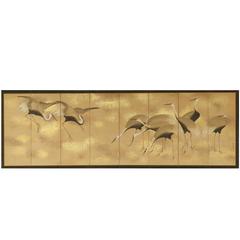
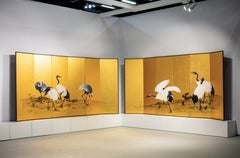
Meiji Period Painted Golden Screen with Cranes by Mochizuki Gyokkei from 1906
Located in Berlin, Berlin
A striking pair of Meiji period six-panel folding screens by Mochizuki Gyokkei (1874-1939) showing
Gold Leaf
Unavailable
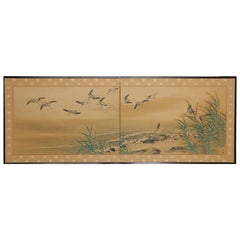
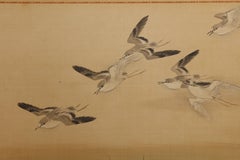
Plovers by Reeds
By Murase Gyokuden
Located in New York, NY
Two-panel furosaki tea screen. Ink and mineral colors on silk. Signed Gyokuden, and red artist's
Silk
Unavailable
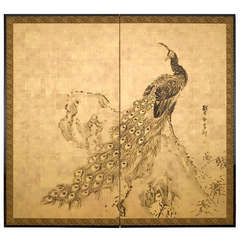
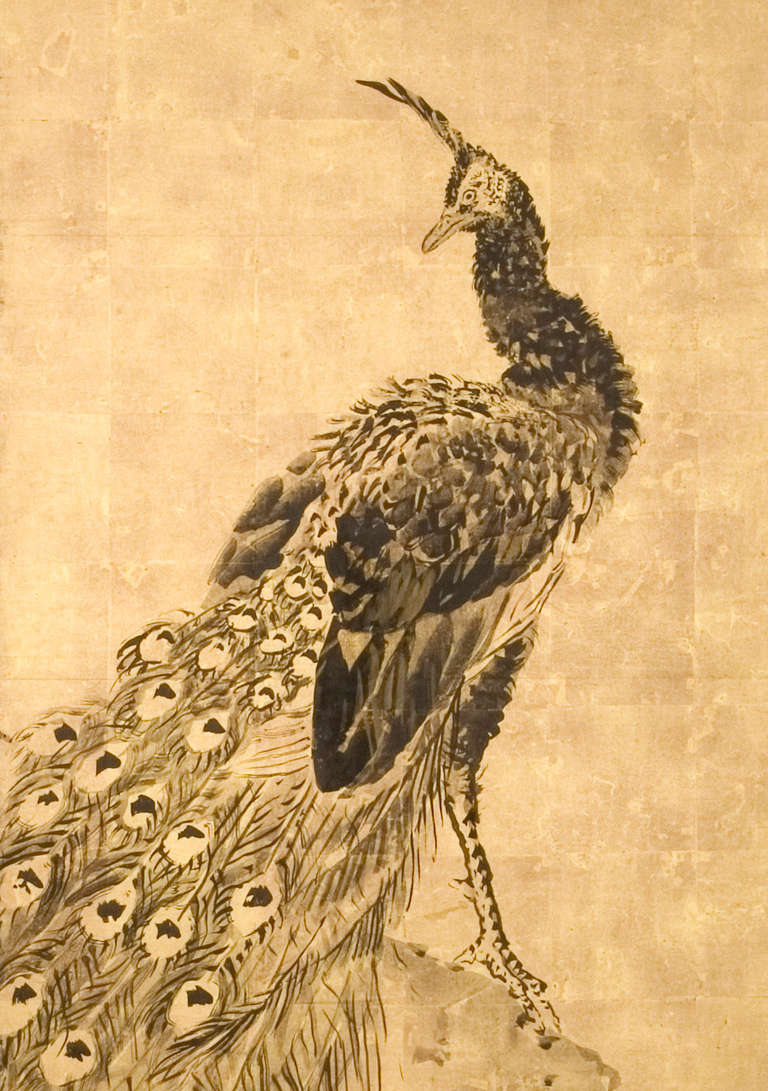
Peacock on Rock
Located in New York, NY
Two-panel folding screen with a large peacock standing on a rock by bamboo; bold painting in ink on
Gold Leaf
Unavailable
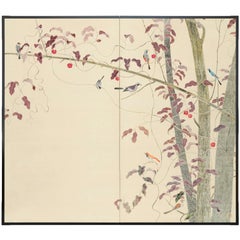
Two-Panel Screen, Birds and Autumn Trees
By Takeo Kimura
Located in New York, NY
Two-panel folding screen; ink and mineral colors on paper. Signed and sealed: Takeo.
Paper
Unavailable|$622,124
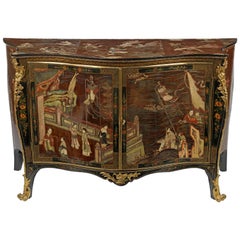
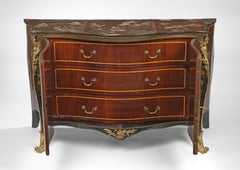
George III Coromandel Lacquer, Gilt Brass-Mounted Serpentine Commode
By Pierre Langlois
Located in London, Middlesex
.,p69 records the import of such panels which 'were described in old bills of lading as 'Japan' or
Lacquer
Sold|$13,500
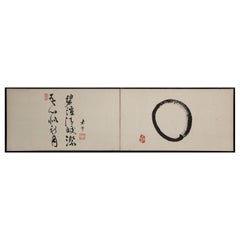
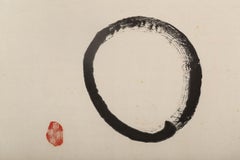
Japanese Two-Panel Screen, Enso
Located in Hudson, NY
universe. Furosaki screen, or tea screen, painted by Sohan Gempo (shoun). Calligraphy reads: Pristine blue

Sold|$15,500
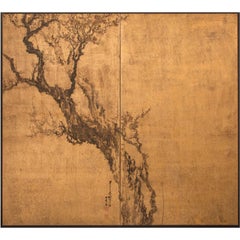
Japanese Two-Panel Screen, Venerable Old Plum
Located in Hudson, NY
Flowering plum tree, signed and sealed: Shunpaku. Mineral pigments painted on gold paper.
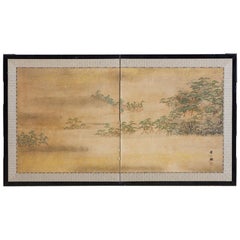

Japanese Meiji Period Two-Panel Landscape Screen
Located in Rio Vista, CA
Diminutive Japanese late Meiji period two-panel landscape screen. Featuring a small village with
Brass
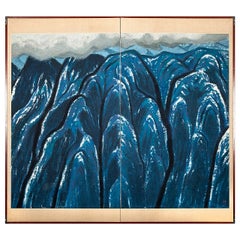
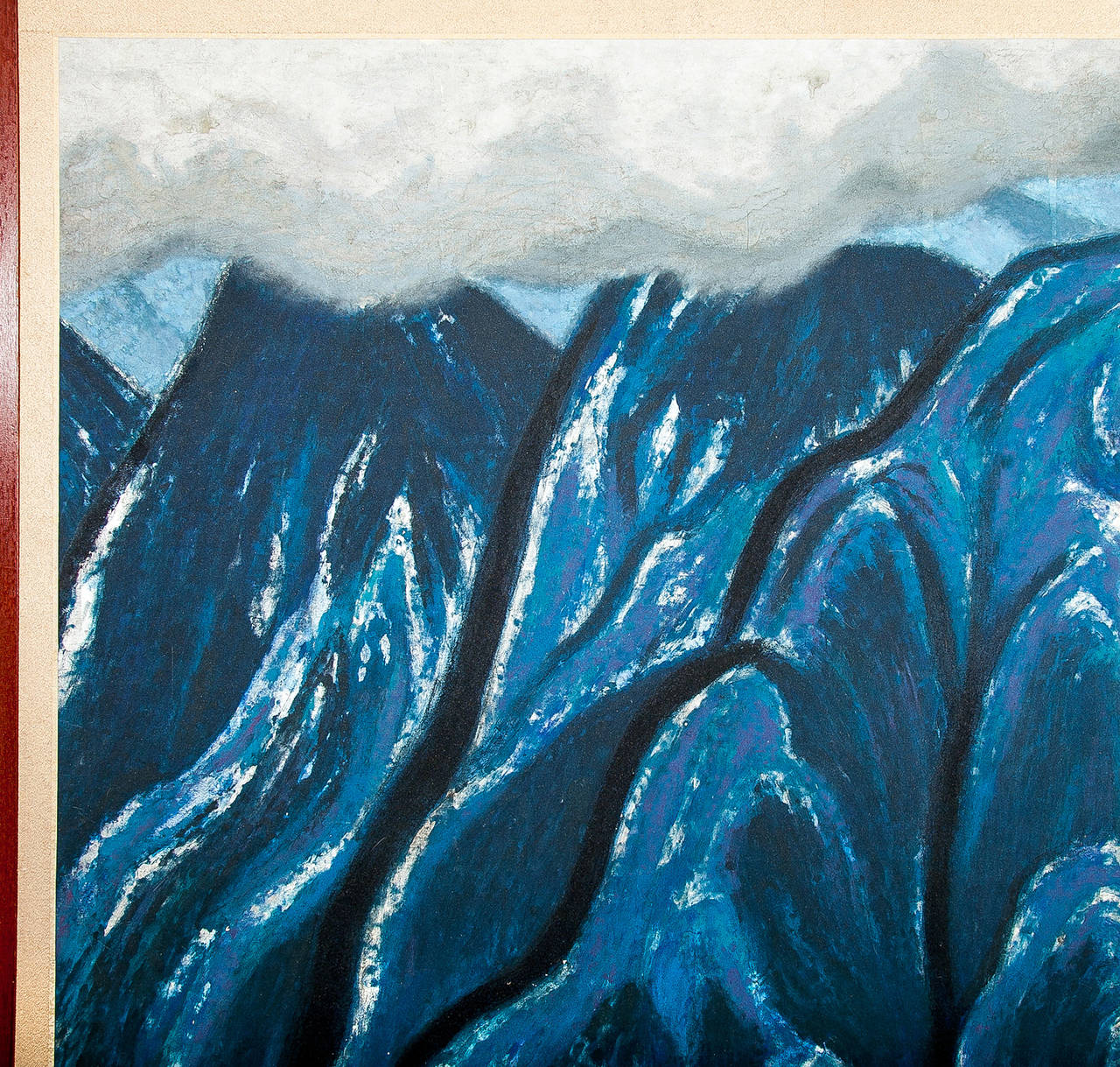
Japanese Two Panel Screen: Blue Mountain Landscape
Located in Hudson, NY
Colored pigments on paper by Koichi Okumura (1904-1974) signed and with a seal.
Paper
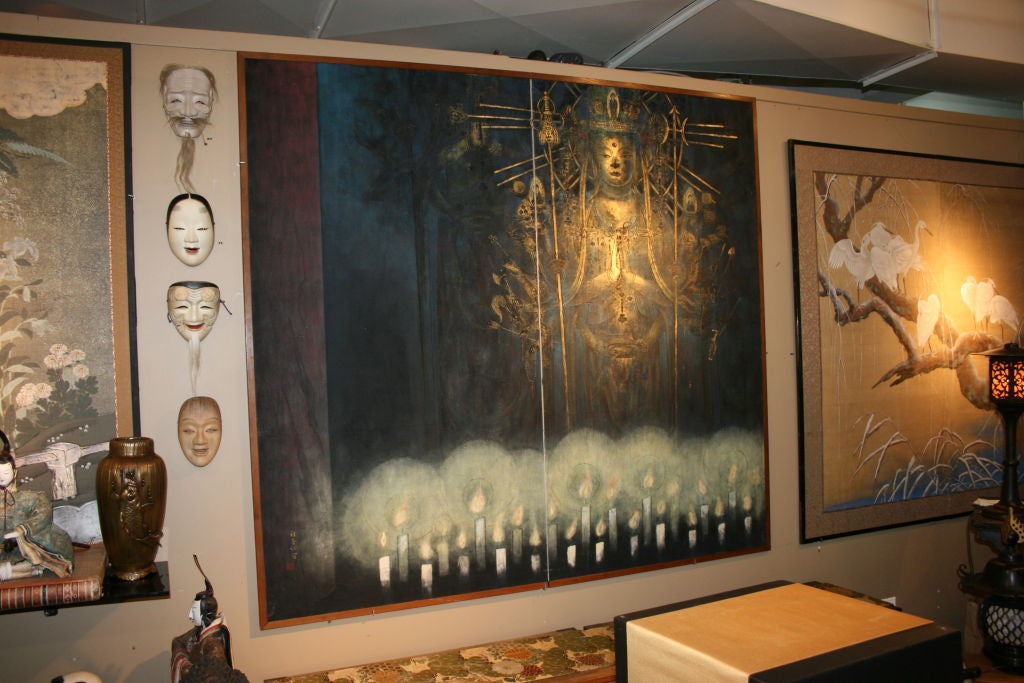
Sold|$22,000
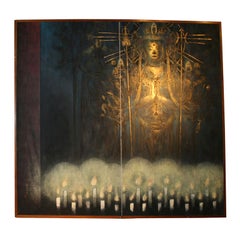
Japanese Two-Panel Painted Screen
Located in Astoria, NY
A Nihonga (traditional Japanese painting style) two-panel screen depicting Kanon Inori Meditation

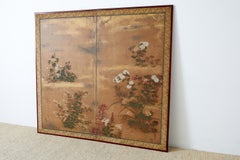
Japanese Edo Two-Panel Screen Flowers of Autumn
Located in Rio Vista, CA
Impressive early 19th century Japanese Edo period two-panel screen featuring flowering plants and
Silk, Wood, Paper
Traditional Asian paintings were often created on scrolls and folding screens. Artisans made screens that could be folded up or spread out by connecting several panels using hinges. Today, antique Asian folding screens and paintings are sophisticated decorative accents that can serve as makeshift partitions to ensure privacy.
The original folding screens were created by Chinese artists. The earliest record of screens comes from the 2nd century B.C., and surviving examples date back to the Ming dynasty. Chinese painting utilizes many of the same tools as calligraphy — these screens were crafted from wood with painted panels featuring striking art or calligraphy that told cultural stories or represented nature and life in the area.
The practice was introduced to Japan, where paintings for screens were made on paper and silk, in the 8th century. These paintings frequently feature subjects such as landscapes, animals, flowers and Buddhist religious themes. Along with screens for tea ceremonies and dance backgrounds, there were screens for use in Shinto and Buddhist temples.
In the 17th century, screens began to be imported to Europe where their popularity grew. Coco Chanel famously collected Coromandel folding screens.
Traditional Asian paintings can make a tasteful addition to any wall, and screens can be used as decoration or, in the case of larger iterations, as an aesthetic way to divide a large room. Browse the selection of antique Asian paintings and screens from a variety of styles and eras on 1stDibs.
Decorated with white cranes and the sought-after thousand-butterflies motif, the Meiji-period vessel offers both a celebration of traditional aesthetics and a clear reflection of the era’s appetite for exquisite export pieces.
For 25 years, gallerist Betsy Nathan has leveraged her keen eye and key connections to bring a unique selection of rare finds to the market.
Now working alongside his daughter Bianca, dealer Joel Chen has presented a most covetable array of antiques, art and contemporary creations for more than 40 years.
From cherry-blossom-adorned walls paired with glamorous lighting to wood-paneled ceilings above checkerboard-patterned chairs, these 12 spaces seamlessly blend Eastern and Western aesthetics.
The dealer and curator has spent the past 50 years amassing a collection of exceptional art, furniture and architectural elements that trace the cultural influence of the Spanish empire from Europe to the Americas and beyond.
These spaces exemplify how Eastern elements elevate a home's decor.