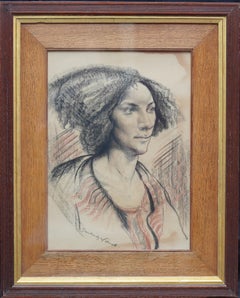
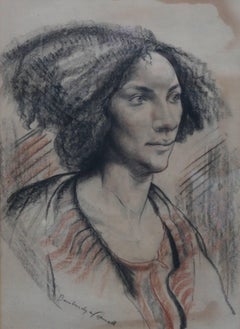
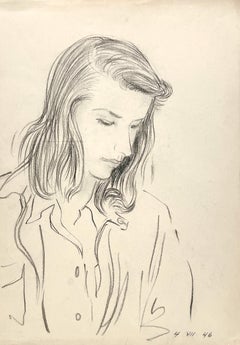
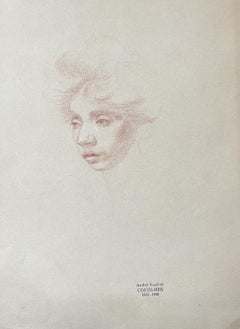
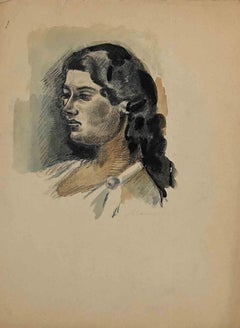
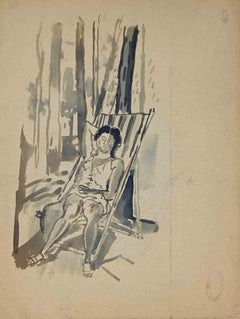
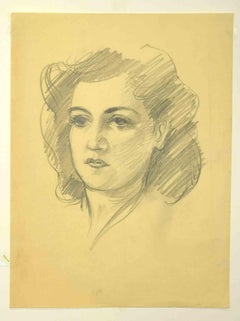
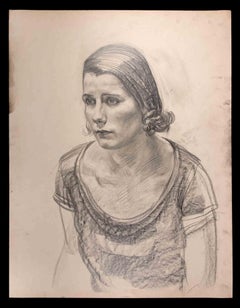
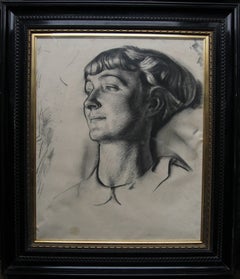
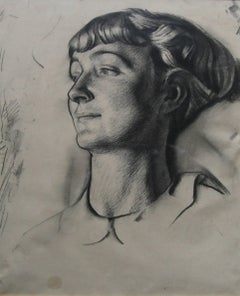
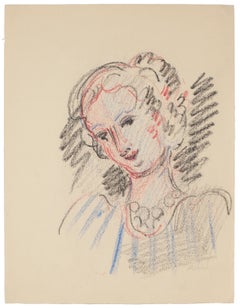
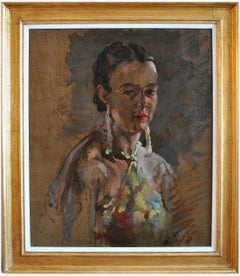
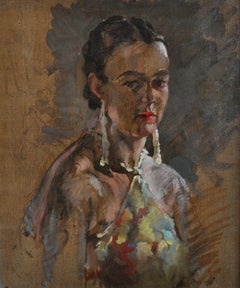
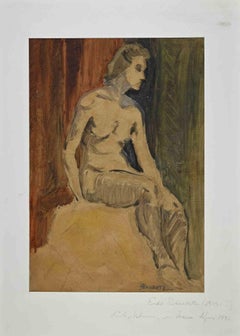
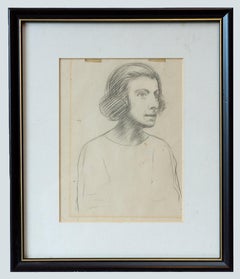
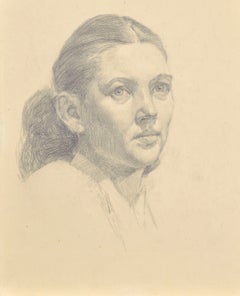
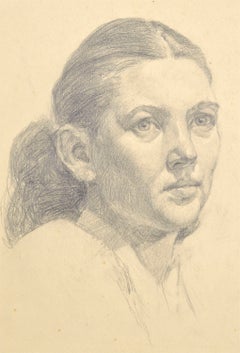
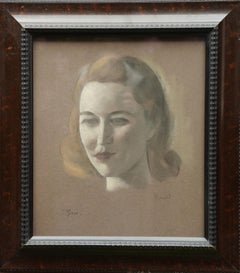
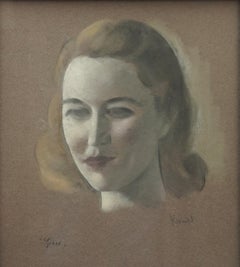
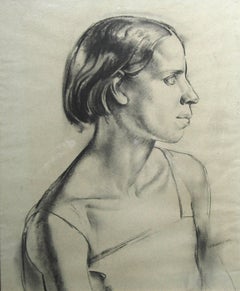
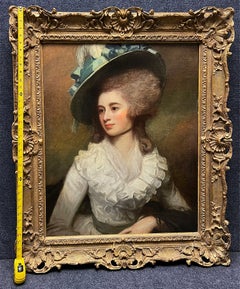
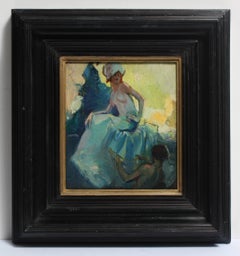
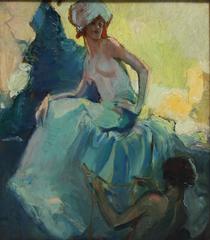
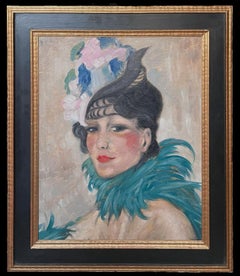
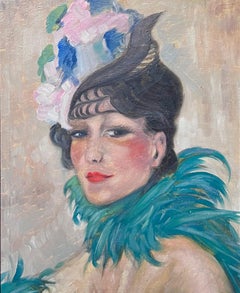
Edward Bainbridge Copnall was born in Cape Town, South Africa in 1903, and moved to Horsham, West Sussex in England as a young child after the death of his mother. His father, photographer Edward White Copnall (born 1878, Isle of Wight), lived and worked in Horsham from 1915–62. Copnall's uncle was Liverpool-based portrait painter Frank Thomas Copnall (1870-1948). The Copnall family have a long association with Horsham, the street Copnall Way is named after them. The exterior sculptural scheme for the Royal Institute of British Architects new building in Portland Place, London, completed in 1934, was an important early commission. In the Second World War, he worked as a camouflage officer in the Middle East, building dummies as part of the military deception for Operation Crusader. Copnall lived in Burma from 1955 to 1956, and completed 50–60 paintings, mainly portraits, during that time. He was also commissioned to do a memorial of General Aung San, the first Prime Minister of Free Burma. The statue was unveiled in Burma in 1955. Copnall was the president of the Royal Society of British Sculptors from 1961 to 1966. He wrote A Sculptor's Manual, published in 1971, and Cycles: An Autobiography - The Life and Work of a Sculptor, published in 2001. Copnall’s son is artist John Copnall (1928–2007).
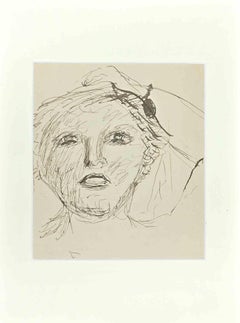
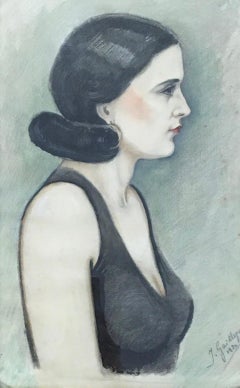
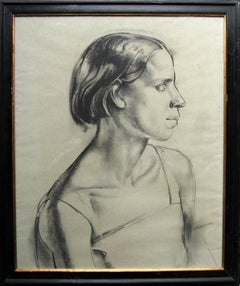
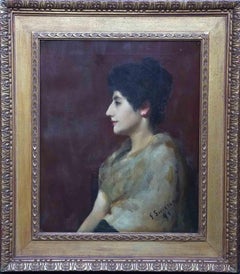
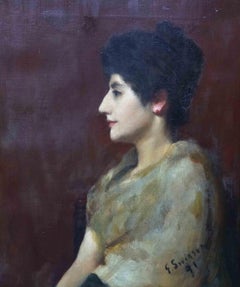
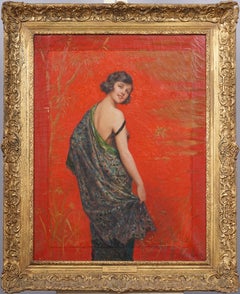
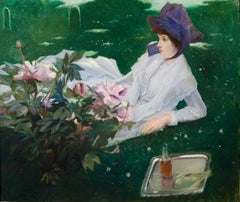
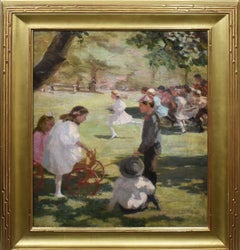
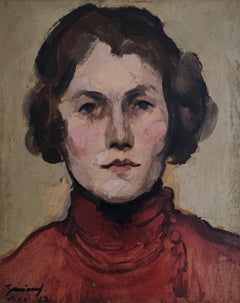
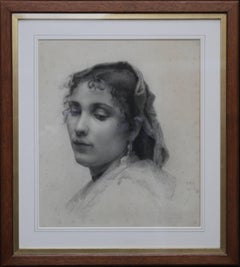
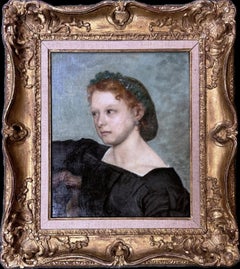
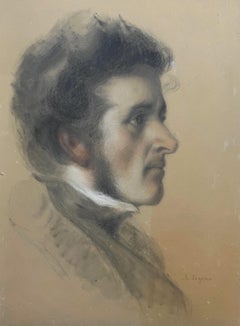
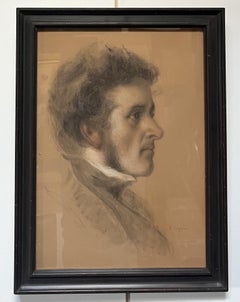
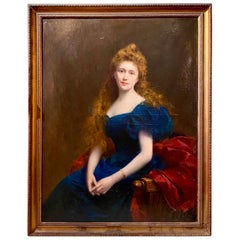
Realist art attempts to portray its subject matter without artifice. Similar to naturalism, authentic realist paintings and prints see an integration of true-to-life colors, meticulous detail and linear perspectives for accurate portrayals of the world.
Work that involves illusionistic techniques of realism dates back to the classical world, such as the deceptive trompe l’oeil used since ancient Greece. Art like this became especially popular in the 17th century when Dutch artists like Evert Collier painted objects that appeared real enough to touch. Realism as an artistic movement, however, usually refers to 19th-century French realist artists such as Honoré Daumier exploring social and political issues in biting lithographic prints, while the likes of Gustave Courbet and Jean-François Millet painting people — particularly the working class — with all their imperfections, navigating everyday urban life. This was a response to the dominant academic art tradition that favored grand paintings of myth and history.
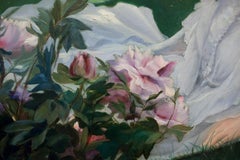
By the turn of the 20th century, European artists, such as the Pre-Raphaelites, were experimenting with nearly photographic realism in their work, as seen in the attention to every botanical attribute of the flowers surrounding the drowned Ophelia painted by English artist John Everett Millais.
Although abstraction was the guiding style of 20th-century art, the realism trend in American modern art endured in Edward Hopper, Andrew Wyeth and other artists’ depictions of the complexities of the human experience. In the late 1960s, Photorealism emerged with artists like Chuck Close and Richard Estes giving their paintings the precision of a frame of film.
Contemporary artists such as Jordan Casteel, LaToya Ruby Frazier and Aliza Nisenbaum are now using the unvarnished realist approach for honest representations of people and their worlds. Alongside traditional mediums, technology such as virtual reality, artificial intelligence and immersive installations are helping artists create new sensations of realism in art.
Find authentic realist paintings, sculptures, prints and more art on 1stDibs.
Revitalize your interiors — introduce drawings and watercolor paintings to your home to evoke emotions, stir conversation and show off your personality and elevated taste.
Drawing is often considered one of the world’s oldest art forms, with historians pointing to cave art as evidence. In fact, a cave in South Africa, home to Stone Age–era artists, houses artwork that is believed to be around 73,000 years old. It has indeed been argued that cave walls were the canvases for early watercolorists as well as for landscape painters in general, who endeavor to depict and elevate natural scenery through their works of art. The supplies and methods used by artists and illustrators to create drawings and paintings have evolved over the years, and so too have the intentions. Artists can use their drawing and painting talents to observe and capture a moment, to explore or communicate ideas and convey or evoke emotion. No matter if an artist is working in charcoal or in watercolor and has chosen to portray the marvels of the pure human form, to create realistic depictions of animals in their natural habitats or perhaps to forge a new path that references the long history of abstract visual art, adding a drawing or watercolor painting to your living room or dining room that speaks to you will in turn speak to your guests and conjure stimulating energy in your space.
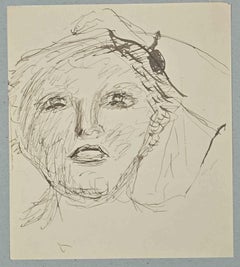
When you introduce a new piece of art into a common area of your home — a figurative painting by Italian watercolorist Mino Maccari or a colorful still life, such as a detailed botanical work by Deborah Eddy — you’re bringing in textures that can add visual weight to your interior design. You’ll also be creating a much-needed focal point that can instantly guide an eye toward a designated space, particularly in a room that sees a lot of foot traffic.
When you’re shopping for new visual art, whether it’s for your apartment or weekend house, remember to choose something that resonates. It doesn’t always need to make you happy, but you should at least enjoy its energy. On 1stDibs, browse a wide-ranging collection of drawings and watercolor paintings and find out how to arrange wall art when you’re ready to hang your new works.