Kinkozan Plates

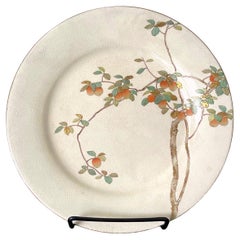
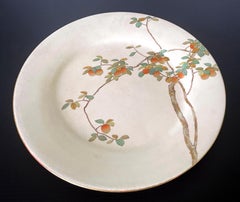
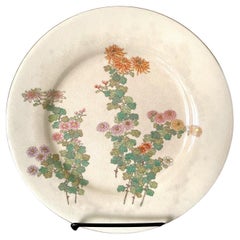
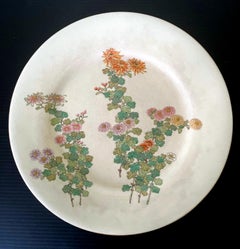
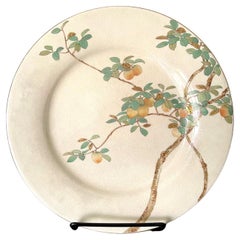
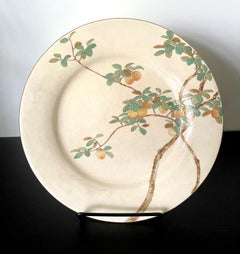
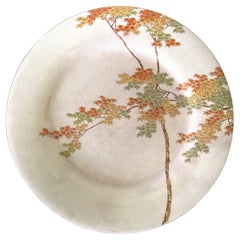
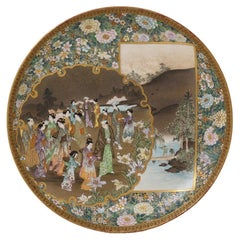
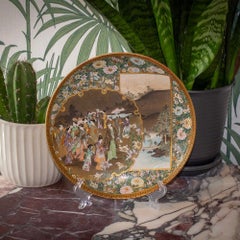
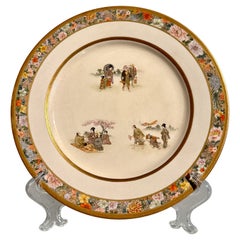
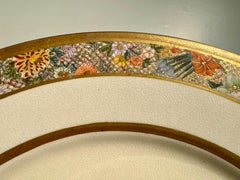
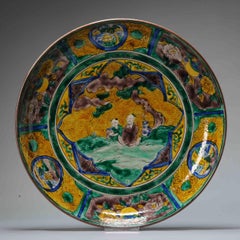
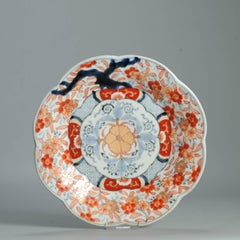
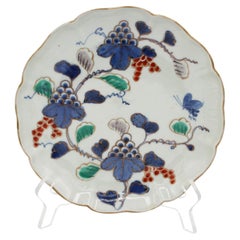
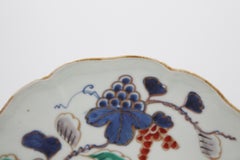
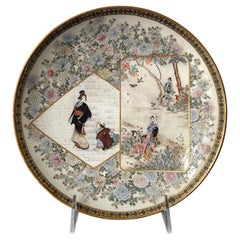
Fine Japanese Ceramic Plate by Kinkozan for Yamanaka & Co.

Fine Japanese Ceramic Plate by Kinkozan for Yamanaka & Co.

By Kinkozan

Located in Atlanta, GA

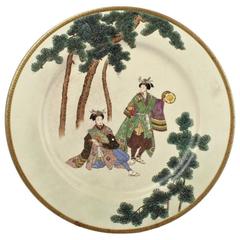
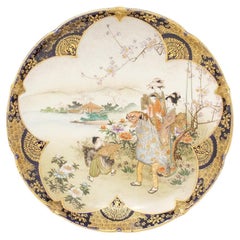
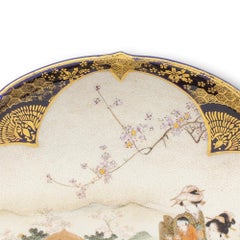
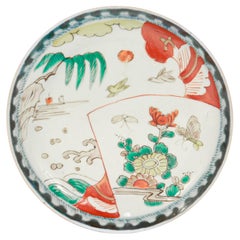
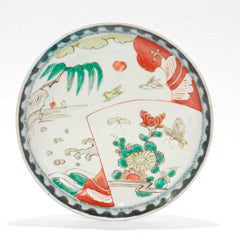
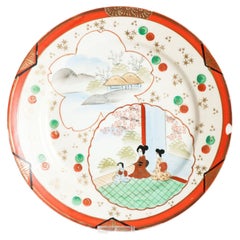
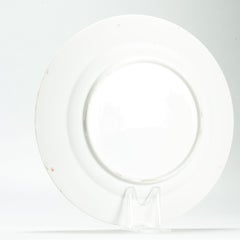
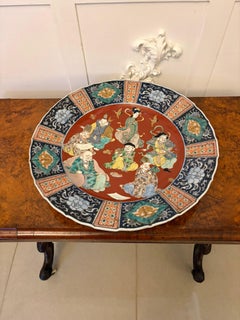
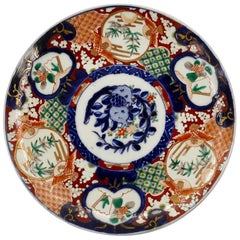
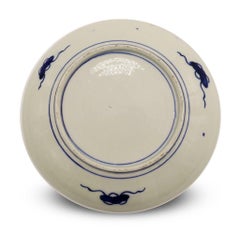
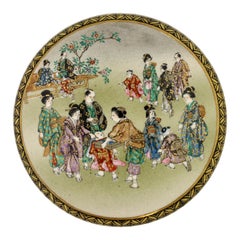
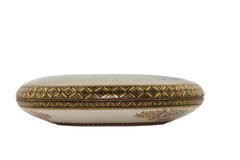
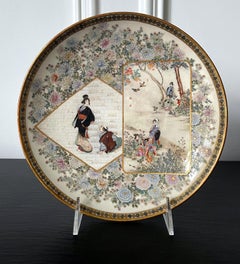
A fine Japanese ceramic satsuma plate made by Kinkozan and retailed by Yamanaka & Co. circa 1900-20s (late Meiji to early Tasho Period).

Category

Early 20th Century Japanese Meiji Ceramics

Materials

Ceramic

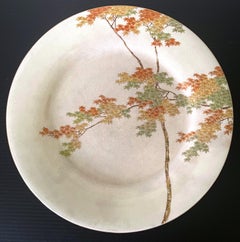
Fine Japanese Ceramic Plate by Kinkozan for Yamanaka & Co.

Fine Japanese Ceramic Plate by Kinkozan for Yamanaka & Co.

By Kinkozan

Located in Atlanta, GA

A fine Japanese ceramic satsuma plate made by Kinkozan and retailed by Yamanaka & Co. circa 1900-20s (late Meiji to early Tasho Period).

Category

Early 20th Century Japanese Meiji Ceramics

Materials

Ceramic

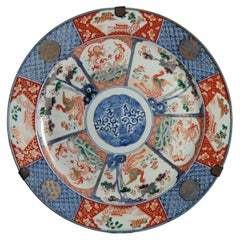
Fine Japanese Ceramic Plate by Kinkozan for Yamanaka & Co.

Fine Japanese Ceramic Plate by Kinkozan for Yamanaka & Co.

By Kinkozan

Located in Atlanta, GA

A fine Japanese ceramic satsuma plate made by Kinkozan and retailed by Yamanaka & Co. circa 1900-20s (late Meiji to early Tasho Period).

Category

Early 20th Century Japanese Meiji Ceramics

Materials

Ceramic

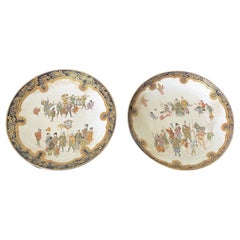
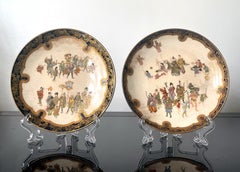
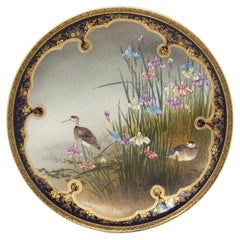
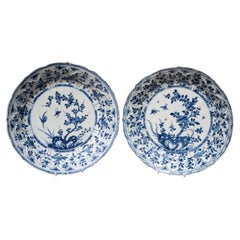
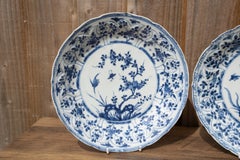
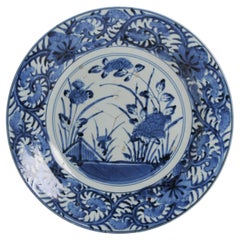
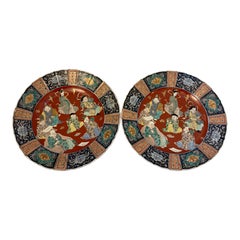
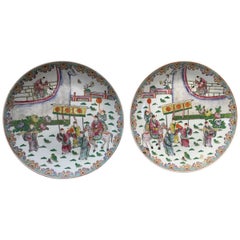
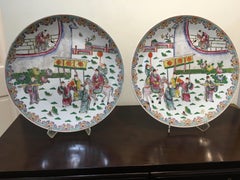
Pair Japanese Satsuma Plates with Miniature Decoration by Kinkozan

Pair Japanese Satsuma Plates with Miniature Decoration by Kinkozan

By Kinkozan

Located in Atlanta, GA

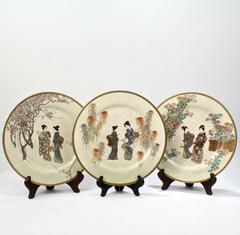
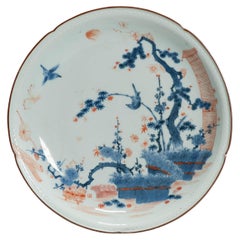
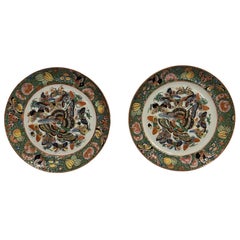
A pair of Satsuma ceramic plates made by Kinkozan studio circa 1880-1900s during the late Meiji Period.

Category

Antique Late 19th Century Japanese Meiji Ceramics

Materials

Ceramic

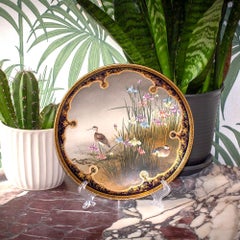
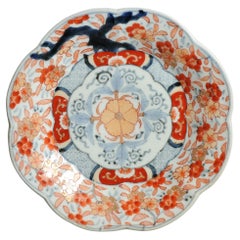
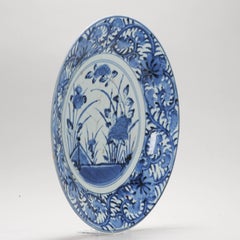
Fine Japanese Ceramic Plate by Kinkozan for Yamanaka & Co.

Fine Japanese Ceramic Plate by Kinkozan for Yamanaka & Co.

By Kinkozan

Located in Atlanta, GA

A fine Japanese ceramic satsuma plate made by Kinkozan and retailed by Yamanaka & Co. circa 1900-20s (late Meiji to early Tasho Period).

Category

Early 20th Century Japanese Meiji Ceramics

Materials

Ceramic

Recent Sales

Japanese Meiji Period Satsuma Plate by Kinkozan

Japanese Meiji Period Satsuma Plate by Kinkozan

By Kinkozan

Located in Newark, England

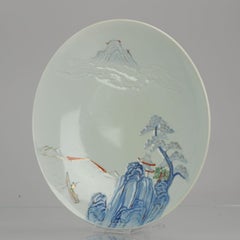
The rear of the plate also features a Kinkozan blind mark stating that the plate was an original Kinkozan workshop potted plate and not bought in and finally a collectors label.

Category

Antique Late 19th Century Japanese Meiji Ceramics

Materials

Ceramic, Earthenware, Pottery

Japanese Earthenware Meiji Period Satsuma Plate by Kinkozan

Japanese Earthenware Meiji Period Satsuma Plate by Kinkozan

By Kinkozan

Located in Newark, England

The rear of the Satsuma Plate features the Kinkozan workshop blind mark ( 錦光山) indicating it was originally potted at the Kinkozan workshop and the Kinkozan mark ( 錦光山) indicating th...

Category

Antique Late 19th Century Japanese Meiji Ceramics

Materials

Earthenware

Kinkozan Satsuma Plate with Miniature Figures, Meiji Period, circa 1900, Japan

Kinkozan Satsuma Plate with Miniature Figures, Meiji Period, circa 1900, Japan

By Kinkozan

Located in Austin, TX

A very finely painted Japanese Satsuma plate with miniature figural paintings, signed Kinkozan for the Kinkozan workshops, Meiji Period, circa 1900, Japan.

Category

Antique Early 1900s Japanese Meiji Ceramics

Materials

Ceramic, Stoneware

Set of 12 Japanese Satsuma Pottery Calendar Cabinet Plates Marked Kinkozan

Set of 12 Japanese Satsuma Pottery Calendar Cabinet Plates Marked Kinkozan

By Kinkozan

Located in Philadelphia, PA

A remarkable full set of 12 Meiji period Satsuma pottery calendar cabinet plates produced by the renowned Kinkozan studios of Kyoto.

Category

Early 20th Century Japanese Meiji Ceramics

Materials

Pottery

Satsuma Pottery Dish, Kinkozan, circa 1900, Meiji Period

Satsuma Pottery Dish, Kinkozan, circa 1900, Meiji Period

By Kinkozan

Located in Gargrave, North Yorkshire

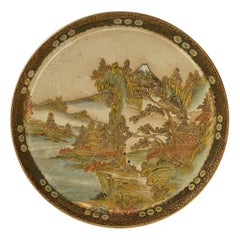
Satsuma pottery plate, Kinkozan, Japan, circa 1900. Meiji period.

Category

Antique Early 1900s Japanese Meiji Ceramics

Materials

Earthenware

People Also Browsed

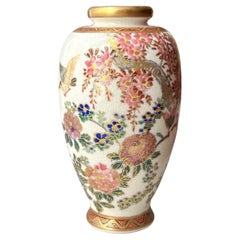
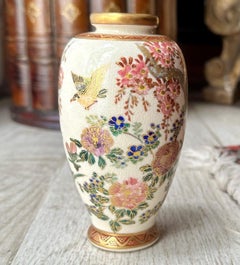
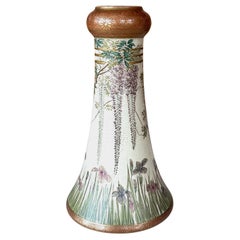
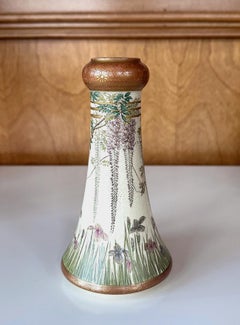
Exquisite Japanese Satsuma Vase by Seikozan

Exquisite Japanese Satsuma Vase by Seikozan

Located in Atlanta, GA

A miniature vase in elegant upright form reminiscent of the Chinese imperial Willow Leaf form made by Japanese studio Seikozan circa 1890-1910s (late Meiji Period). One of the many a...

Category

Antique 1880s Japanese Meiji Ceramics

Materials

Ceramic

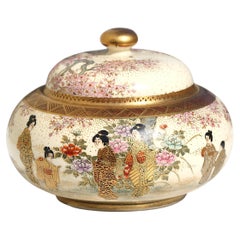
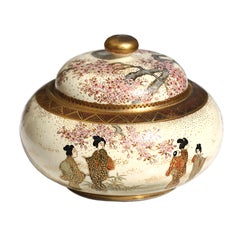
Japanese Meiji Satsuma Finely Decorated and Gilded Scenic Box

Japanese Meiji Satsuma Finely Decorated and Gilded Scenic Box

By Satsuma

Located in Sarasota, FL

Japanese Meiji satsuma finely hand decorated and gilded box. The box depicts a different scene on each side. Marked with a maker's mark on the bottom.

Category

Antique Late 19th Century Japanese Meiji Ceramics

Materials

Pottery

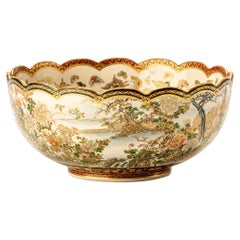
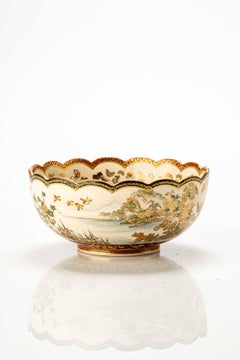
Satsuma ceramic lobed bowl, signed Juzan under the base

Satsuma ceramic lobed bowl, signed Juzan under the base

Located in Milano, IT

Satsuma ceramic lobed bowl adorned with raised enamels and fine gold details, depicting a vibrant landscape within. Characters and traditional Japanese homes emerge from the landscap...

Category

Antique Late 19th Century Japonisme Ceramics

Materials

Ceramic

Japanese Meiji Period (1868-1912) Satsuma Vase by Kinkozan

Japanese Meiji Period (1868-1912) Satsuma Vase by Kinkozan

By Kinkozan

Located in Newark, England

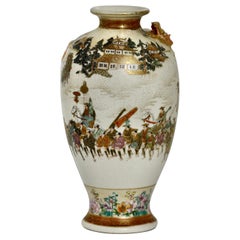
JAPANESE SATSUMA PROCESSIONAL VASE From our Japanese collection, we are delighted to introduce to the market this Japanese Satsuma Vase by Kinkozan. The vase with a compressed body ...

Category

Antique Late 19th Century Japanese Meiji Ceramics

Materials

Ceramic, Earthenware, Pottery

Japanese Satsuma Earthenware Vase, Meiji Period

Japanese Satsuma Earthenware Vase, Meiji Period

Located in West Palm Beach, FL

Japanese Satsuma Earthenware Vase, Meiji Period, 1868-1912, of baluster form, the decorated in poly-chrome enamels and gilt on a clear crackle glaze with a Daimyo procession, the nec...

Category

20th Century Ceramics

Materials

Ceramic

A Japanese Satsuma Earthenware Circular Box and Cover

A Japanese Satsuma Earthenware Circular Box and Cover

By Satsuma

Located in West Palm Beach, FL

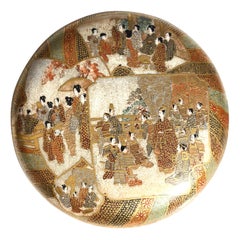
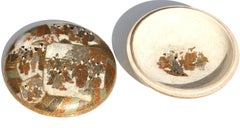
A Japanese Satsuma earthenware circular box and cover, MEIJI PERIOD (1868-1912), the interior and exterior decorated with gilt and contrasting figural scenes, signed Satsuma yaki se...

Category

20th Century Ceramics

Materials

Porcelain

Small Japanese Satsuma Incense Burner, Koro, Meiji Period, Late 19th Century

Small Japanese Satsuma Incense Burner, Koro, Meiji Period, Late 19th Century

Located in Austin, TX

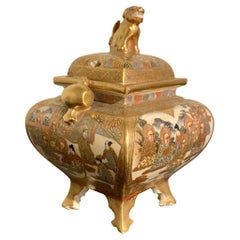
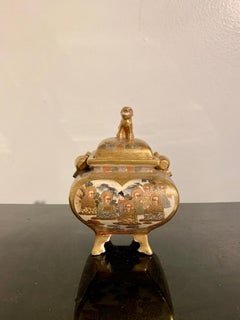
A fine Japanese Satsuma stoneware incense burner, koro, Meiji Period, late 19th century, Japan. The koro of square shape with curved sides, supported by four shaped and splayed le...

Category

Antique 1890s Ceramics

Materials

Enamel

Antique Nicely Shaped Meiji Period Japanese Satsuma Vase with Mark Satsuma

Antique Nicely Shaped Meiji Period Japanese Satsuma Vase with Mark Satsuma

Located in Amsterdam, Noord Holland

Fabulous japanese earthenware Satsuma Vase of great shape and scene. With animal head 'handles' Marked: Satsuma Additional information: Material: Porcelain & Pottery Japanese Style...

Category

Antique 19th Century Japanese Vases

Materials

Porcelain

Fine Japanese Satsuma Vase by Ryozan Okamoto for Yasuda Company Meiji Period

Fine Japanese Satsuma Vase by Ryozan Okamoto for Yasuda Company Meiji Period

Located in Atlanta, GA

A finely decorated Japanese satsuma ceramic vase by Ryozan Okamoto (c.1820s-1910s) for Yasuda. Ryozan is the head artist working for Yasuda company, a Japanese ceramic makers and dea...

Category

Antique Early 1900s Japanese Meiji Ceramics

Materials

Ceramic

Large Japanese Meiji Period Cloisonné Enamel Vase with a Stand

Large Japanese Meiji Period Cloisonné Enamel Vase with a Stand

Located in London, GB

Large Japanese Meiji period cloisonné enamel vase with a stand Japanese, Late 19th Century Vase: Height 155cm, diameter 70cm Base: Height 45cm, width 51cm, depth 51cm Total: Height 2...

Category

Antique Late 19th Century Japanese Meiji Vases

Materials

Metal, Enamel

Japanese Meiji Satsuma Polygonal Vase

Japanese Meiji Satsuma Polygonal Vase

$1,450

H 6.25 in W 3 in D 3 in

Japanese Meiji Satsuma Polygonal Vase

By Kyoto Pottery

Located in Sarasota, FL

Japanese Meiji Satsuma polygonal vase with four panels. Each panel shows a different scene. Fine gilding and hand enameling. Marked on the bottom with shimadzu mon.

Category

Antique Late 19th Century Asian Meiji Ceramics

Materials

Pottery

Fine Japanese Satsuma Vase with Superb Decoration by Seikozan

Fine Japanese Satsuma Vase with Superb Decoration by Seikozan

Located in Atlanta, GA

A ceramic vase in tapered square form made by Japanese studio Seikozan circa 1890-1910s (late Meiji Period). One of the many artist studios that specialized in satsuma ware, Seikozan...

Category

Antique 1880s Japanese Meiji Ceramics

Materials

Ceramic

Satsuma Earthenware Covered Box, by Kinkozan

Satsuma Earthenware Covered Box, by Kinkozan

By Satsuma

Located in West Palm Beach, FL

A Satsuma Earthenware covered box, by Kinkozan, Japanese, Meiji period (1868-1912) decorated in polychrome enamels and gilt over a clear, crackled glaze, delicately painted with s...

Category

Antique Early 1900s Ceramics

Materials

Earthenware

Japanese Satsuma Ceramic Ewer Yabu Meizan

Japanese Satsuma Ceramic Ewer Yabu Meizan

$12,000

H 4.75 in W 4 in D 2.2 in

Japanese Satsuma Ceramic Ewer Yabu Meizan

By Yabu Meizan

Located in Atlanta, GA

A Satsuma ware miniature ewer from the studio of Yabu Meizan (birth name Yabu Masashichi; 1853-1934), who was one of the most celebrated and collectible Satsuma artists from the Meij...

Category

Early 20th Century Japanese Japonisme Ceramics

Materials

Ceramic

A Japanese Satsuma earthenware circular box and cover

A Japanese Satsuma earthenware circular box and cover

By Satsuma

Located in West Palm Beach, FL

A Japanese Satsuma earthenware circular box and cover, 19th/early 20th century sealed with Satsuma

Category

20th Century Ceramics

Materials

Porcelain

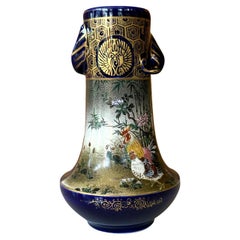
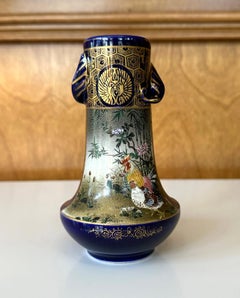
Fine Japanese Ceramic Satsuma Vase by Kinkozan

Fine Japanese Ceramic Satsuma Vase by Kinkozan

By Kinkozan

Located in Atlanta, GA

A miniature Japanese ceramic vase from the end of Meiji period circa 1880s- 1910s by Kinkozan (1645-1927). One of the largest studio manufacturers of the export ceramics at the time ...

Category

Early 20th Century Japanese Meiji Ceramics

Materials

Ceramic

Get Updated with New Arrivals
Save "Kinkozan Plates", and we’ll notify you when there are new listings in this category.

A Close Look at Meiji Furniture

From 1868 to 1912, Emperor Mutsuhito oversaw an era of transformation in Japan. Formerly a country of feudalism and isolation, Japan entered an age of modernization influenced by newly established trade and exchange with the West. The Meiji period, or period of “enlightened rule,” also saw the global impact of the East Asian country’s culture. Japanese Meiji furniture was exhibited at expositions from Paris to San Francisco and created for export.

Prior to the Meiji era, furniture was mostly made by commission for the ruling class; now there were new domestic and international markets. European styles like Japonisme appropriated Japanese design while craftsmen in places like Wales and England employed japanning, a varnishing technique that approximated the appearance of lacquer for the surfaces of furnishings.

Meiji furniture made for Japanese homes and buildings constructed in Western styles resulted in taller tables, chairs, cabinets with large drawers and other features. The government invested in areas such as transportation and communication, and because people could freely choose occupations after the restrictions of feudalism, industries of various types were energized by expressive new ideas during those years. Art schools were formed and, for the first time, design was an area of study in the country, leading to the evolution of professional design as a career by the 1890s.

The work of Japanese designers was transmitted widely through lavishly illustrated pattern books that included designs for screens and lacquerware for the home. While screens today may be of use as decorative accents or partitions to ensure privacy in one’s space, Japanese screens were adorned with paintings and were featured in performing arts such as concerts, tea ceremonies and more. The color illustrations that characterize Meiji woodblock prints, a genre of Japanese art that grew out of 17th-century developments in printing and book publishing, depicted the sweeping changes that the era brought to East Asia.
Although it was a time of societal and cultural shifts, a bolstered interest in art and design elevated Japanese craft traditions. From colorful porcelain table lamps with silk shades and hardwood tables decorated with dark lacquer to cabinets featuring iron hardware and inlaid with mother-of-pearl, Meiji furniture showcased Japan’s artistic heritage to the world.

Find a collection of antique Japanese Meiji period case pieces and storage cabinets, decorative objects, wall decorations and more furniture on 1stDibs.

Finding the Right Ceramics for You

With their rich and diverse history, antique, new and vintage Asian ceramics offer colorful and sophisticated ways to add flair to any space.

Japanese pottery dates back at least 13,000 years to the Jōmon period. Pieces from the Late Jōmon era display a rope-cord pattern encircling a pot or jug. During the Muromachi period, potters created simple bowls and utensils frequently used in tea ceremonies and were made as both functional and aesthetic objects.

Ceramics made during Japan’s Meiji period, from 1868 to 1912, reflected an explosion of artistic expression propelled by new access to international trade. Details became more intricate and refined, and colors were enhanced with new glazing practices.

Chinese porcelain, meanwhile, is often identified by its shape. Each reign and dynasty had specific shapes and styles that were encouraged by the imperial ruler. During the Song dynasty, for instance, there were four dominant types of ceramic vase shapes: plum-shaped, pear-shaped, cong-shaped (tall and square) and double-gourd.

Chinese ceramics that were made during the Qing dynasty were demonstrative of an expanded artistic expression, with more delicate shapes and a focus on intricate detailing. The shapes of ceramics from this era are thinner, taller and have subtle features like a gentle flare, such as on the mallet-shaped vase.

Later, the 17th- and 18th-century interior design trend of chinoiserie brought Asian paintings and screens, textiles and other art and furniture from the continent into many European homes.

Explore an extensive range of antique, new and vintage Asian ceramics on 1stDibs to find the perfect piece for your home.