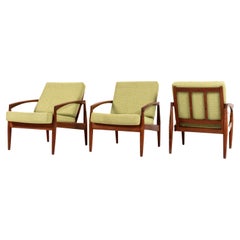
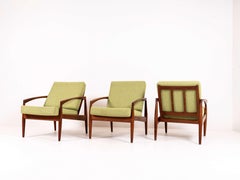
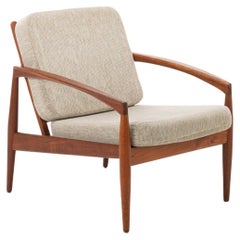
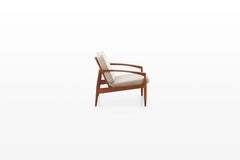
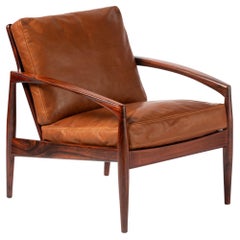
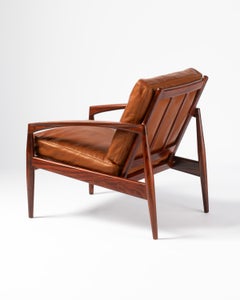
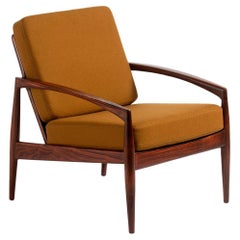
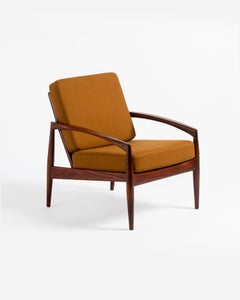
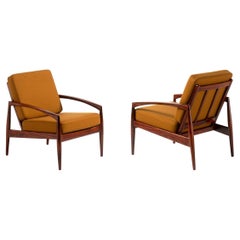
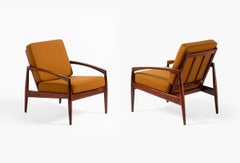
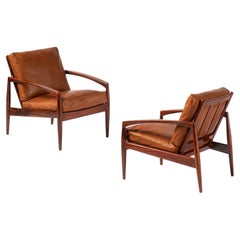
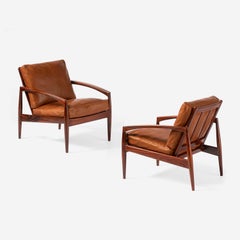
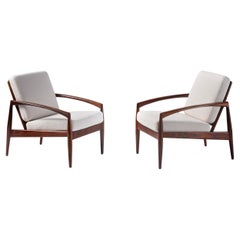
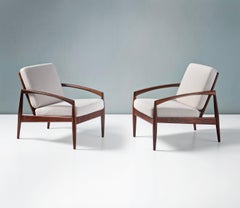
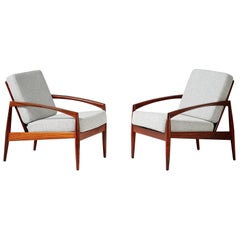
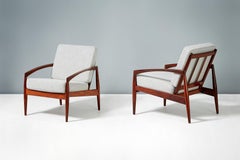
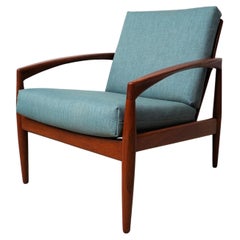
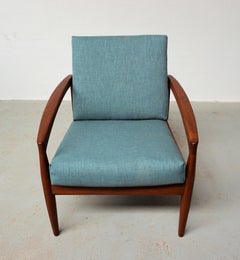
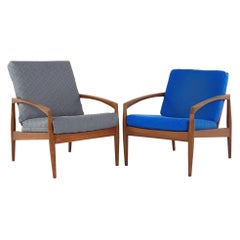
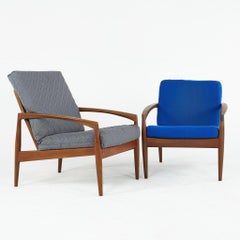
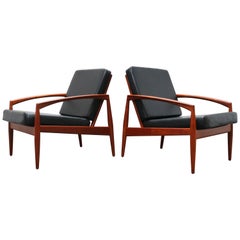
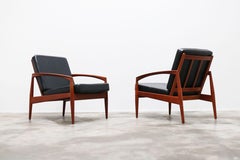
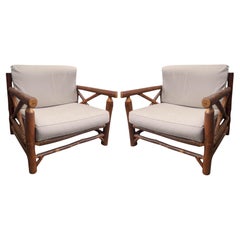
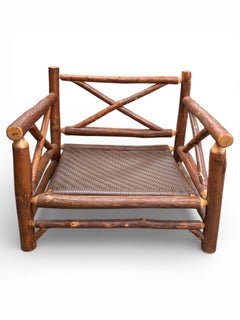
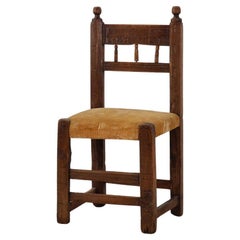
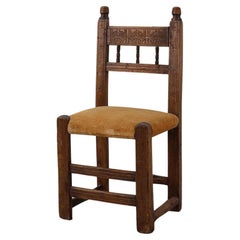
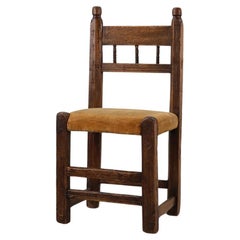
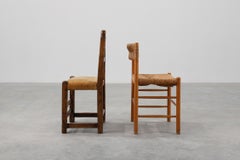
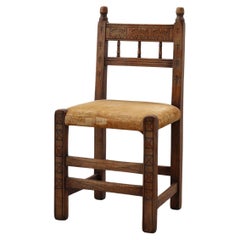
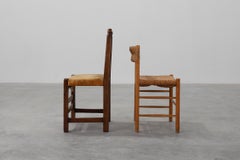
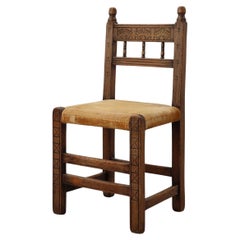
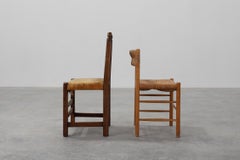
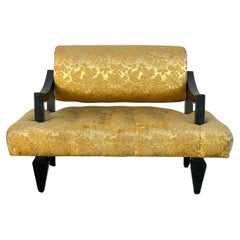
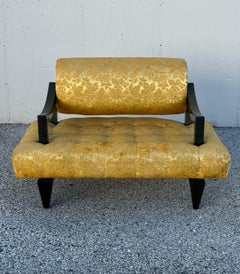
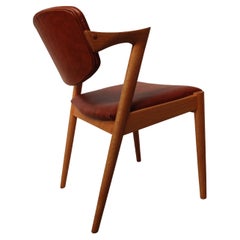
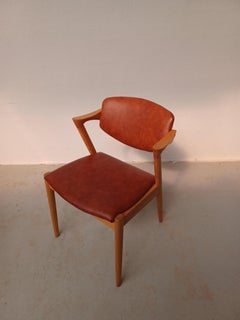
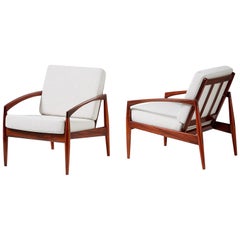
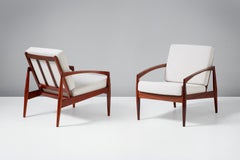
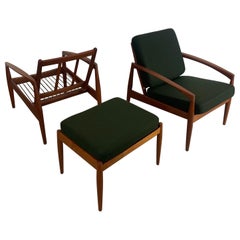
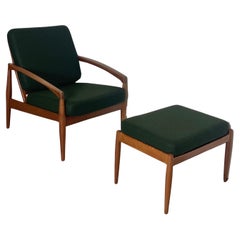
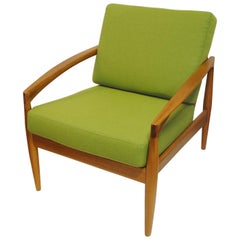
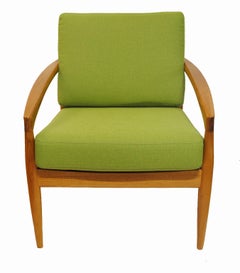
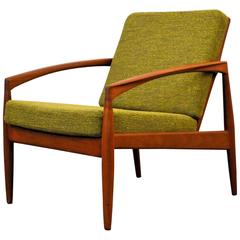
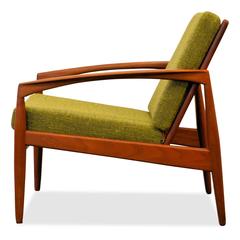
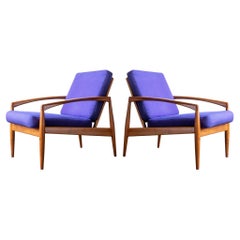
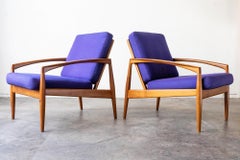
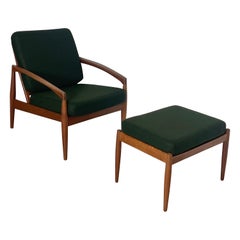
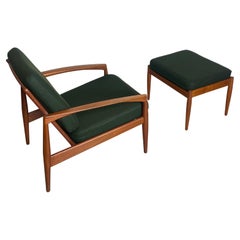
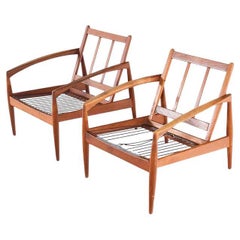
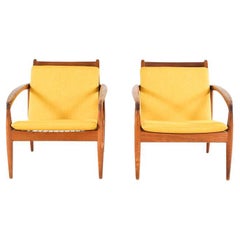
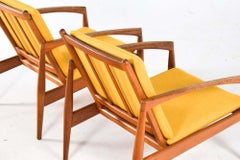
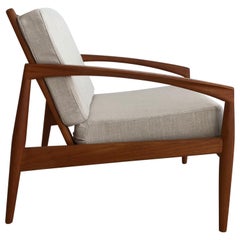
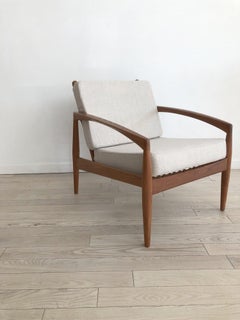
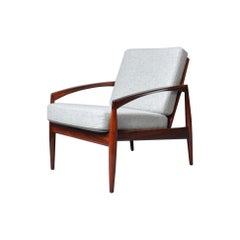
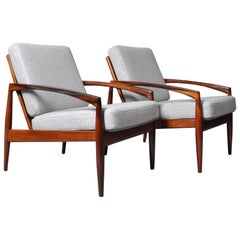
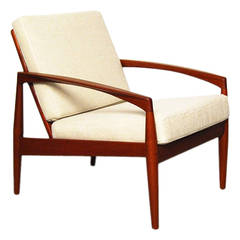
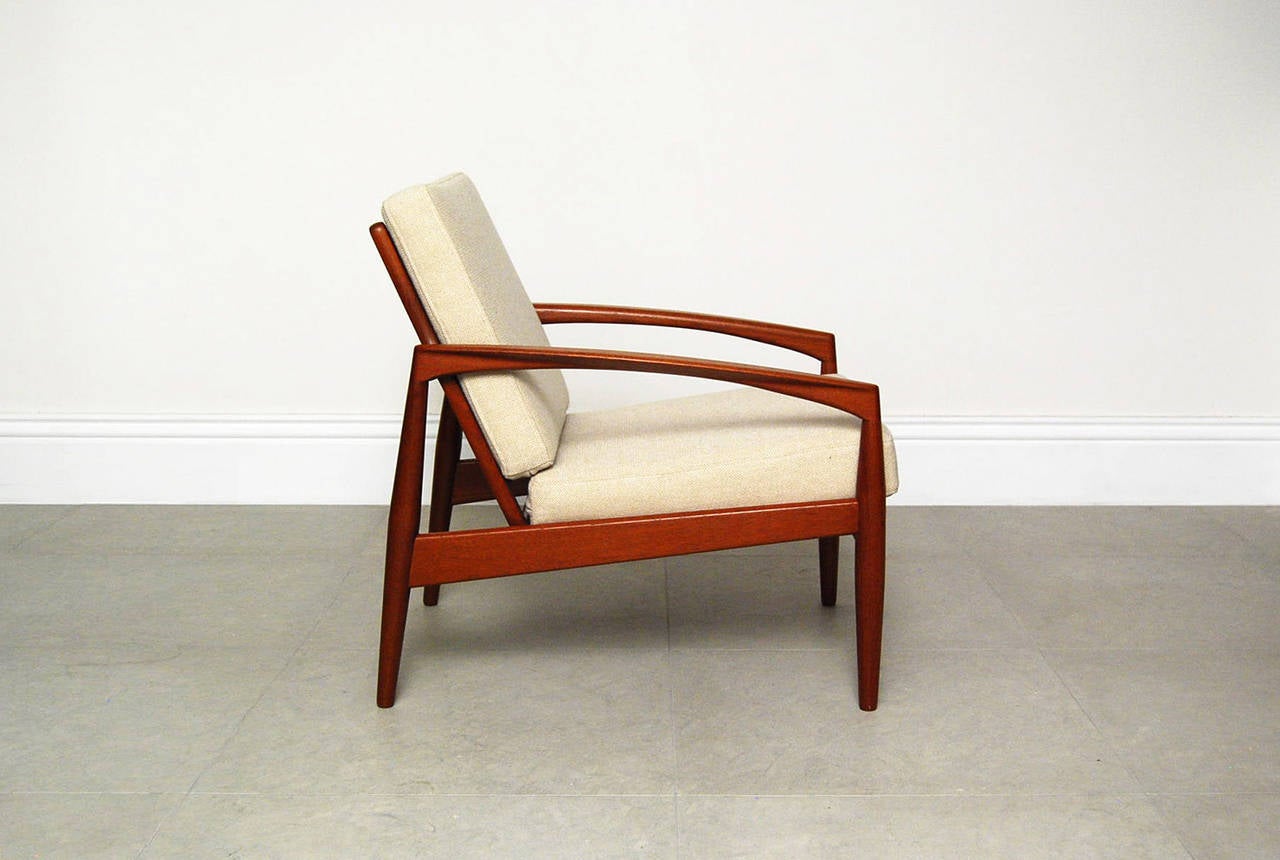
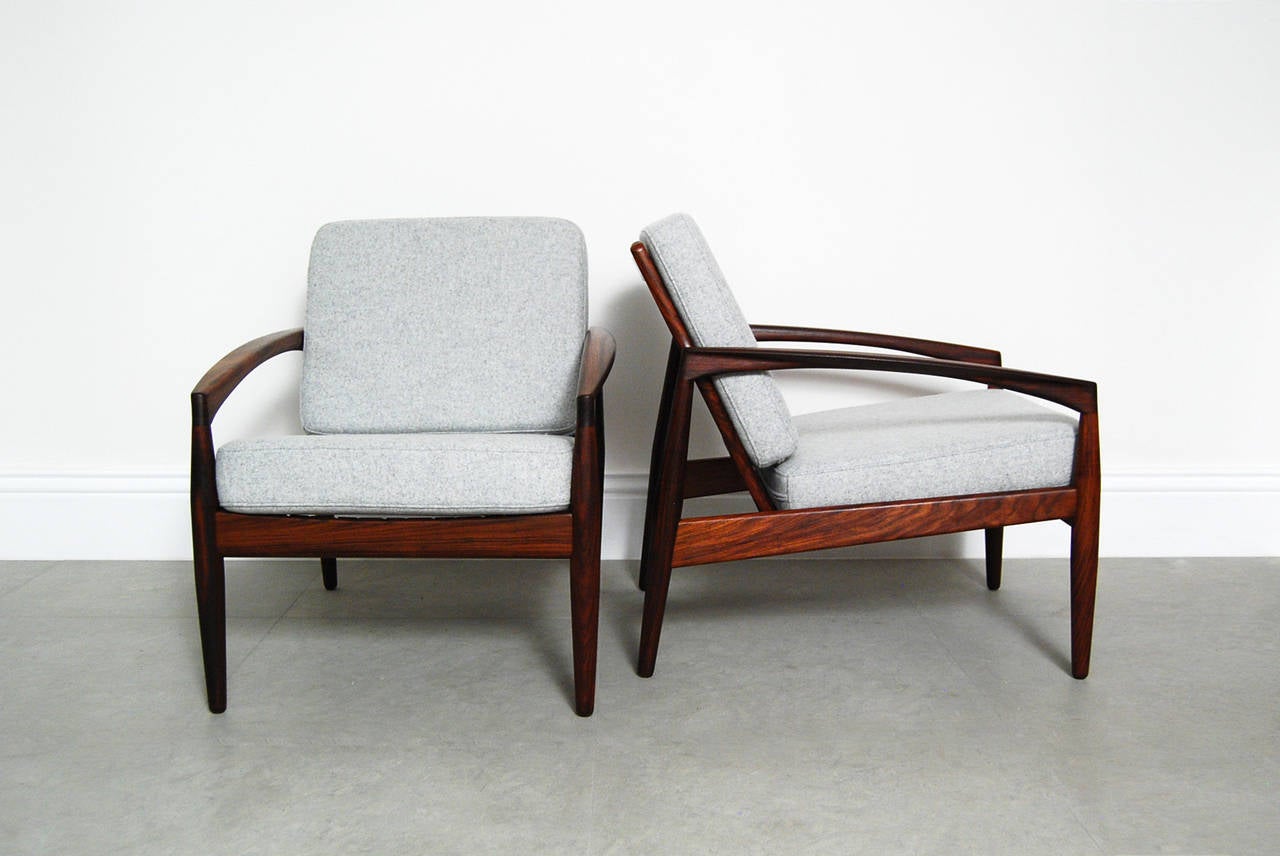
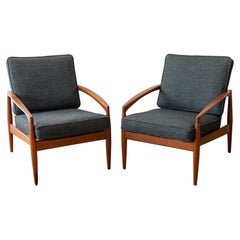
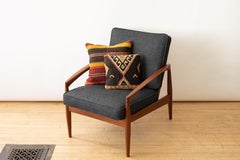
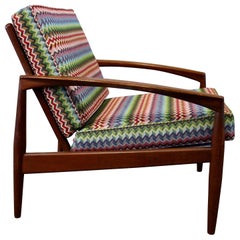
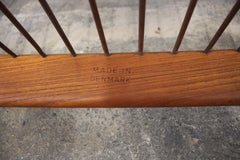
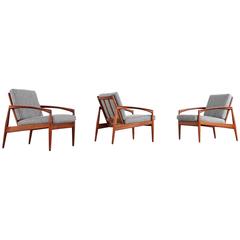
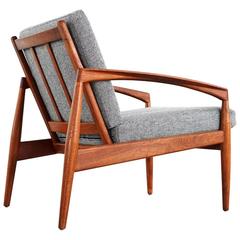
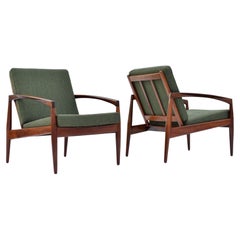
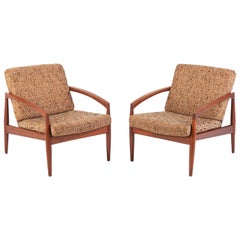
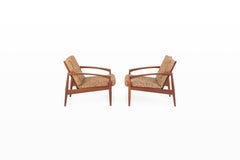
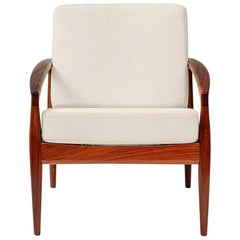
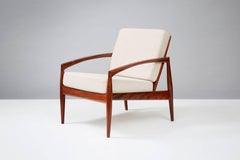
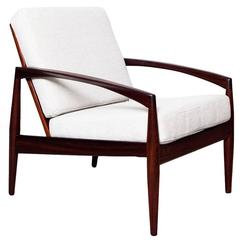
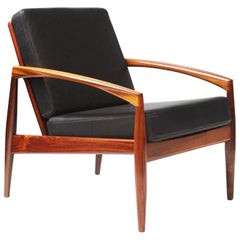
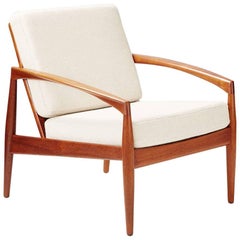
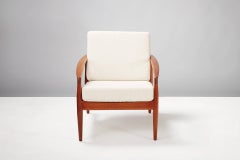
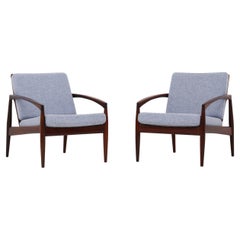
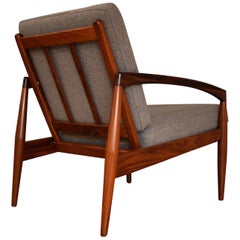
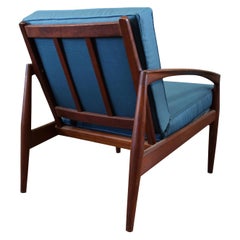
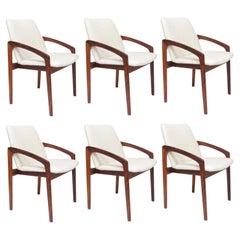
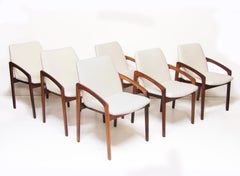
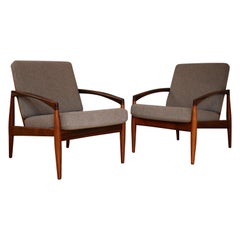
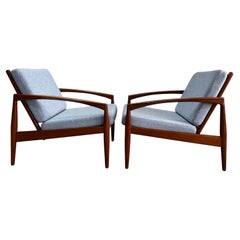
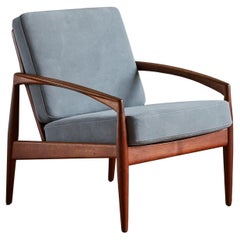
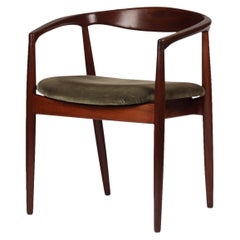
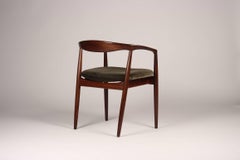
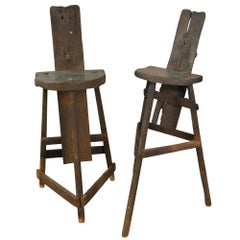
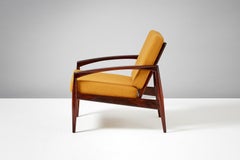
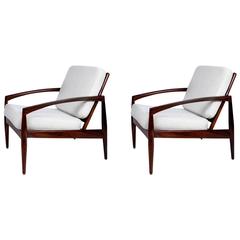
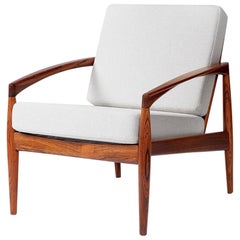
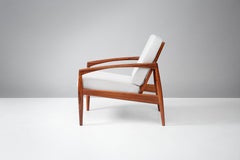
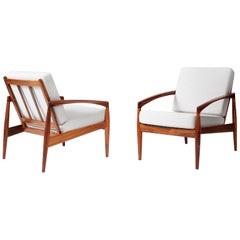
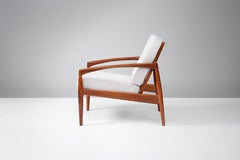
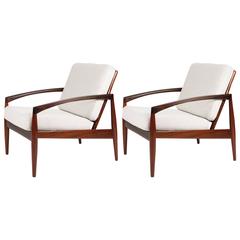
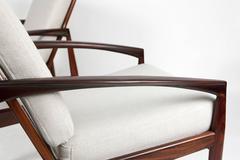
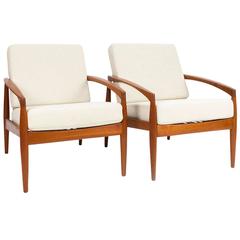
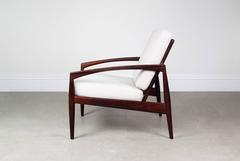
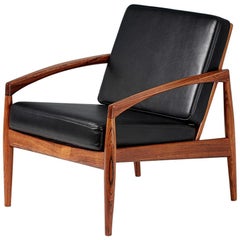
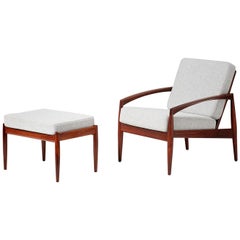
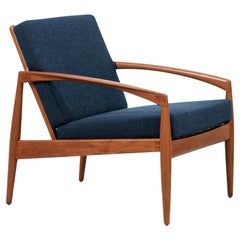
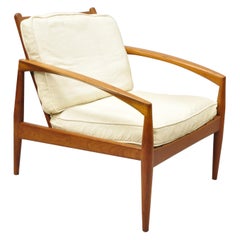
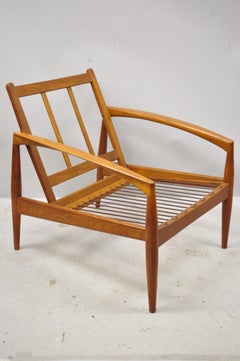
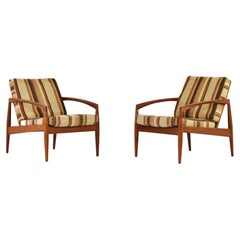
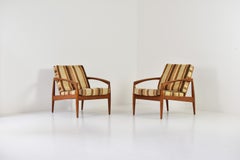
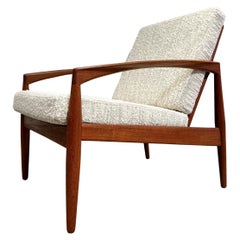
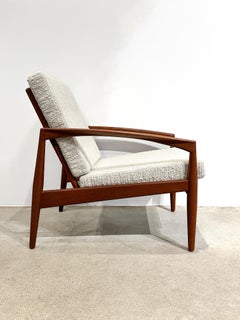
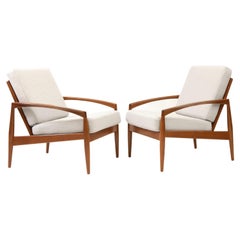
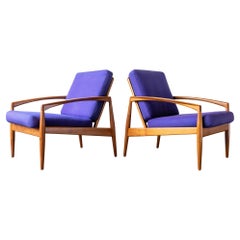
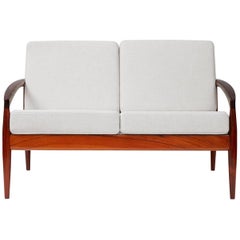
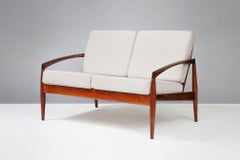
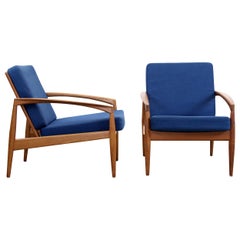
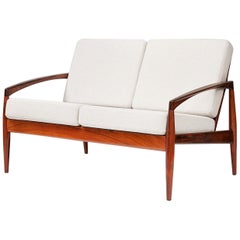
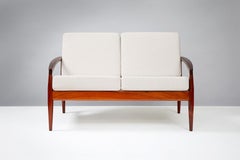
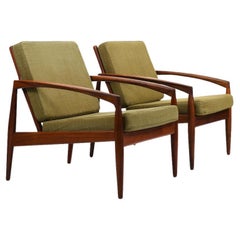
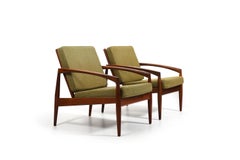
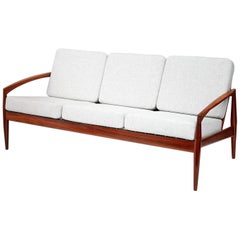
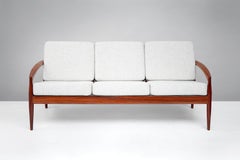
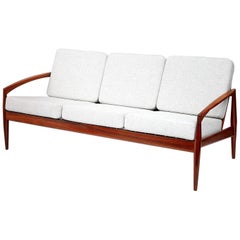
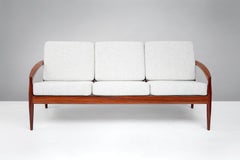
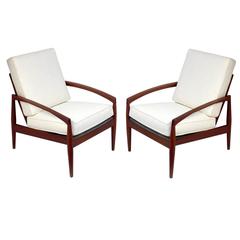
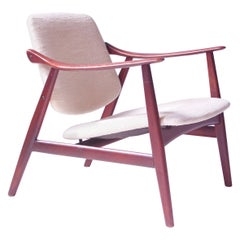
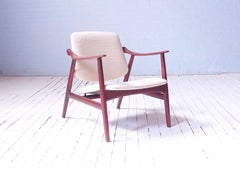
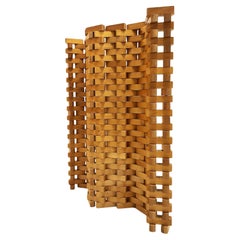
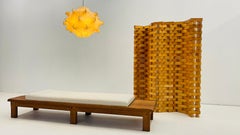
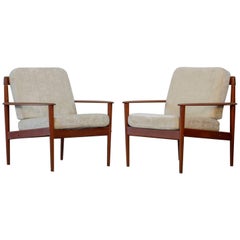
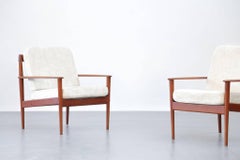
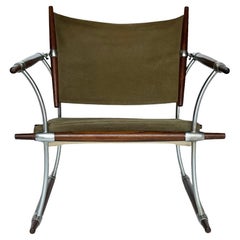
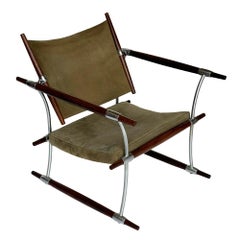
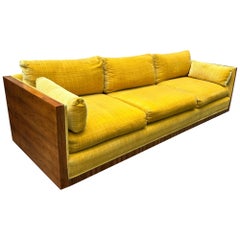
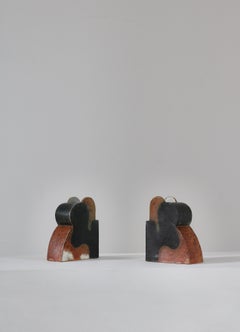
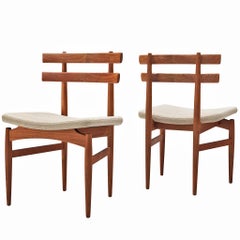
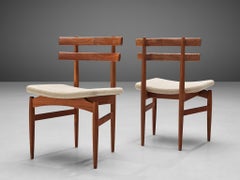
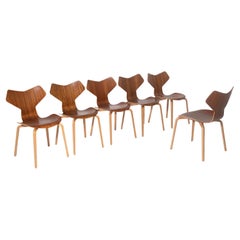
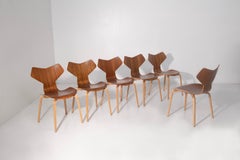
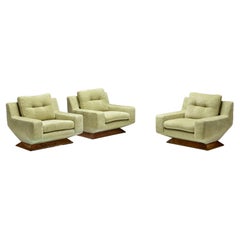
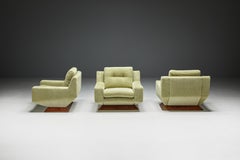
At 1stDibs, there are many versions of the ideal knife chair for your home. Each knife chair for sale was constructed with extraordinary care, often using
wood,
fabric and
hardwood. Your living room may not be complete without a knife chair — find older editions for sale from the 19th Century and newer versions made as recently as the 20th Century. When you’re browsing for the right knife chair, those designed in
Scandinavian Modern and
Mid-Century Modern styles are of considerable interest.
With a passion for math and engineering, Kai Kristiansen has created high-quality wood furniture for decades. Beginning in the 1950s, his coffee tables, chairs, modular shelving and other furnishings were made in the style that would become internationally renowned as Danish modern and boasted clean lines, perfected functionality and exacting craftsmanship.
Born in Denmark, Kristiansen trained in cabinetmaking before studying with Kaare Klint, often cited as the “father of modern Danish design,” at the Royal Danish Academy of Fine Arts in Copenhagen. At just 26 years old, Kristiansen opened his own studio.
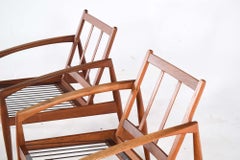
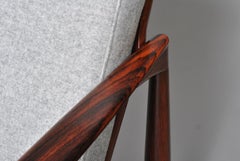
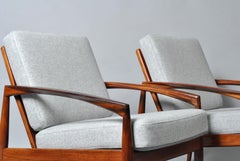
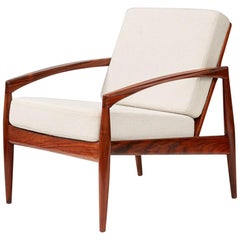
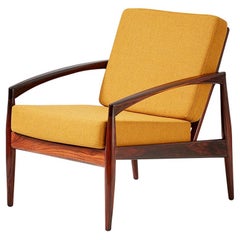
Kristiansen had his mid-century breakthrough in 1956 with the Chair #42, which he made with Schou Andersen. Unlike most other chairs at the time, Chair #42’s armrests, with their wealth of radical angles, were connected to the back rather than the front legs. This unconventional flourish makes the backrest appear as though it is floating in midair above the seat.
Kristiansen’s next innovation was a modular wall system in 1957 — three years ahead of Dieter Rams’s more famous 606 Universal Shelving System. Called the Reolsystem Wall Unit, produced by SB Feldballes Møbelfabrik, it’s also known as the FM Wall Unit as FM/Fornem Møbelkunst began producing it in the 1960s.
Kristiansen would go on to work with other leading Danish furniture manufacturers such as Magnus Olesen, Fritz Hansen and Vildbjerg Møbelfabrik, designing everything from chairs and desks to sideboards and cabinets, frequently in rosewood and teak. (The latter was a sought-after wood by Scandinavian modern designers.)
While many of Kristiansen’s timeless designs remain in production, such as his Paper Knife sofa, which was reintroduced by Miyazaki Chair Factory in 2008, and his 1950s Entré collection, which was relaunched with Great Dane Furniture in 2016, others are prized as vintage mid-century pieces.
Today, Kristiansen is still at work on new furniture with an expert eye to thoughtfully functional designs that are made to last.
Find a collection of vintage Kai Kristiansen furniture on 1stDibs.
While this specific seating is known to all for its comfort and familiar form, the history of how your favorite antique or vintage lounge chair came to be is slightly more ambiguous.
Although there are rare armchairs dating back as far as the 17th century, some believe that the origins of the first official “lounge chair” are tied to Hungarian modernist designer-architect Marcel Breuer. Sure, Breuer wasn’t exactly reinventing the wheel when he introduced the Wassily lounge chair in 1925, but his seat was indeed revolutionary for its integration of bent tubular steel.
Officially, a lounge chair is simply defined as a “comfortable armchair,” which allows for the shape and material of the furnishings to be extremely diverse. Whether or not chaise longues make the cut for this category is a matter of frequent debate.
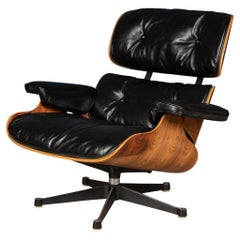
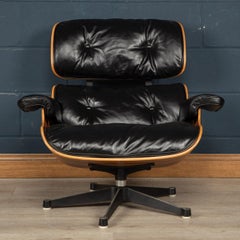
The Eames lounge chair, on the other hand, has come to define somewhat of a universal perception of what a lounge chair can be. Introduced in 1956, the Eames lounger (and its partner in cozy, the ottoman) quickly became staples in television shows, prestigious office buildings and sumptuous living rooms. Venerable American mid-century modern designers Charles and Ray Eames intended for it to be the peak of luxury, which they knew meant taking furniture to the next level of style and comfort. Their chair inspired many modern interpretations of the lounge — as well as numerous copies.
On 1stDibs, find a broad range of unique lounge chairs that includes everything from antique Victorian-era seating to vintage mid-century modern lounge chairs by craftspersons such as Hans Wegner to contemporary choices from today’s innovative designers.