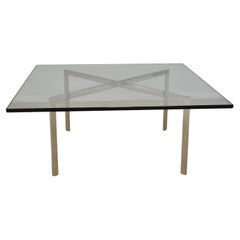
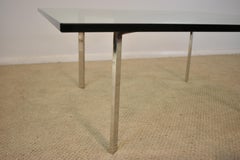
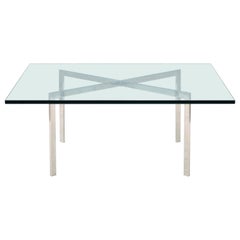
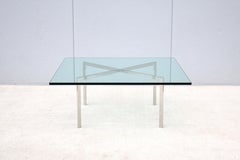
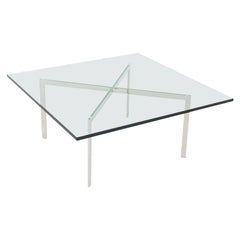
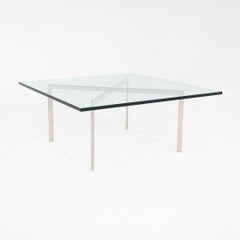
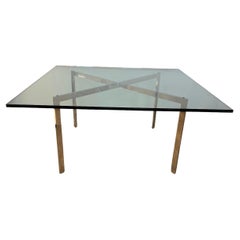
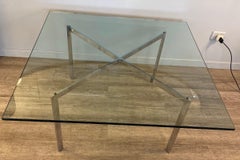
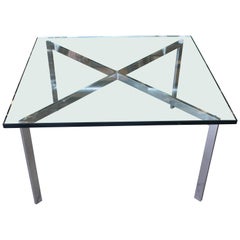
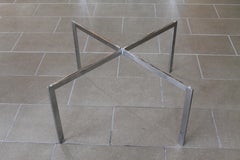
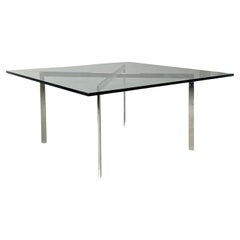
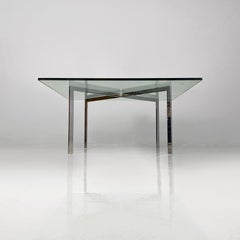
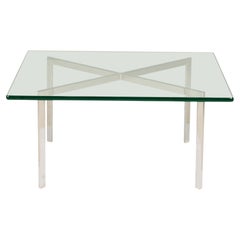
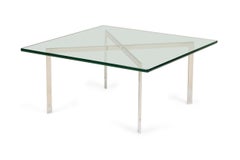
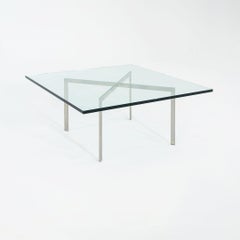
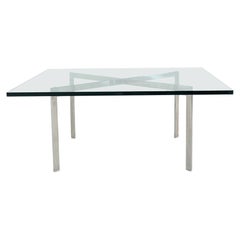
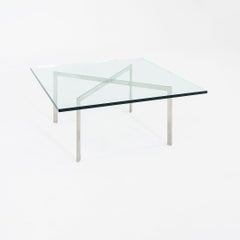
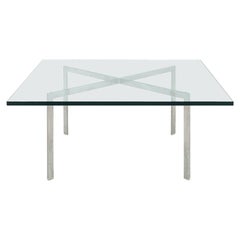
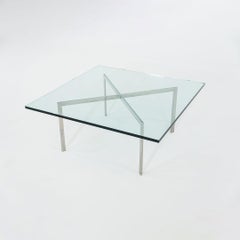
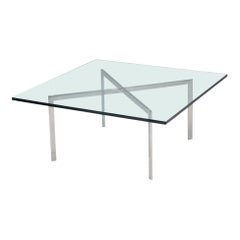
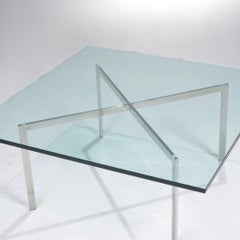
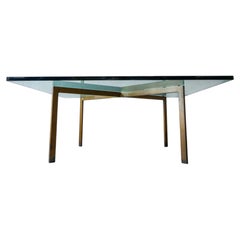
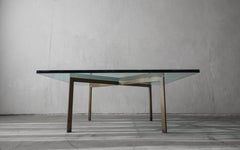
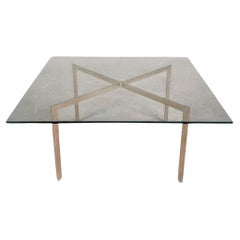
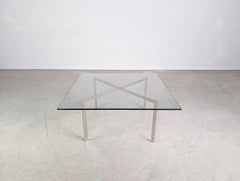
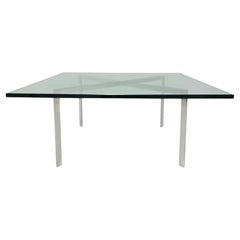
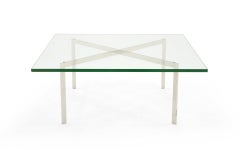
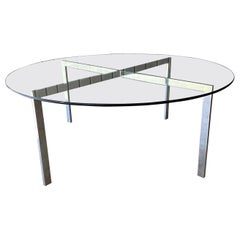
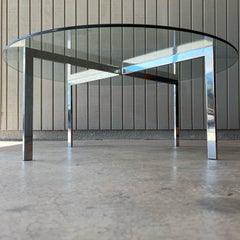
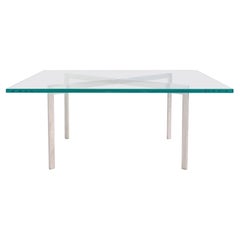
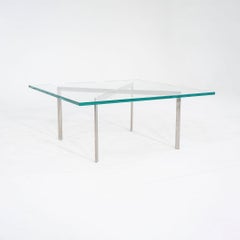
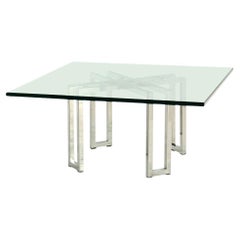
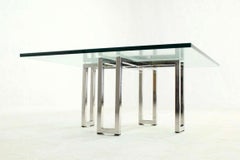
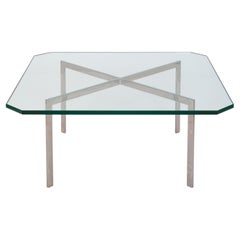
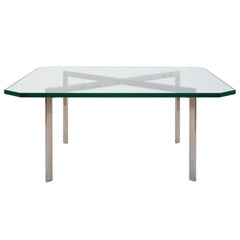
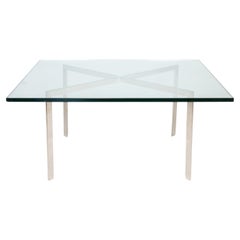
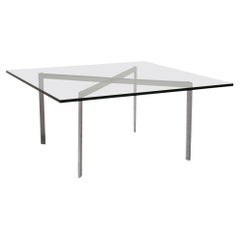
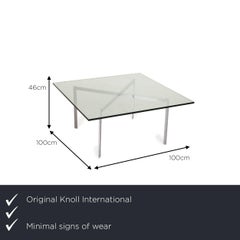
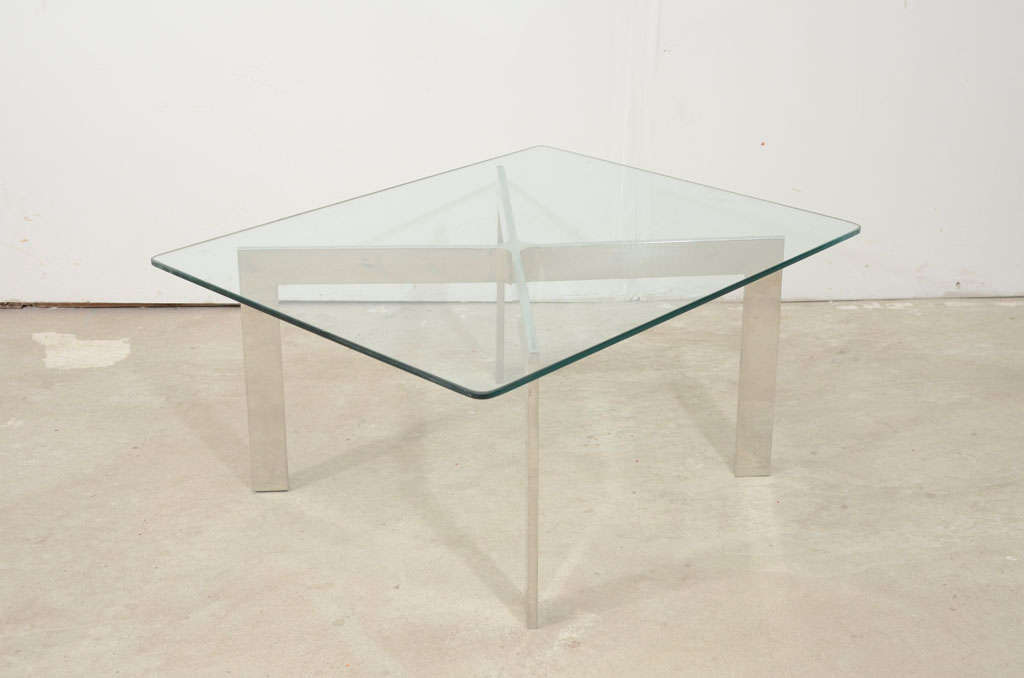
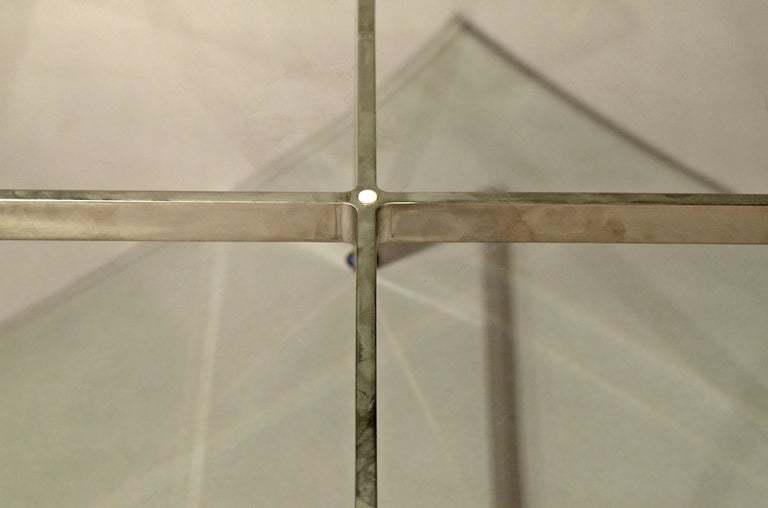
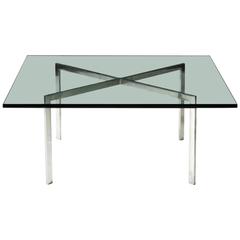
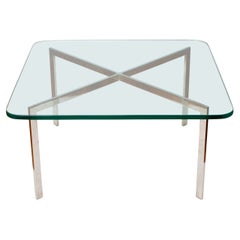
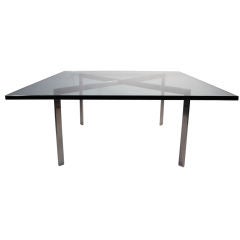
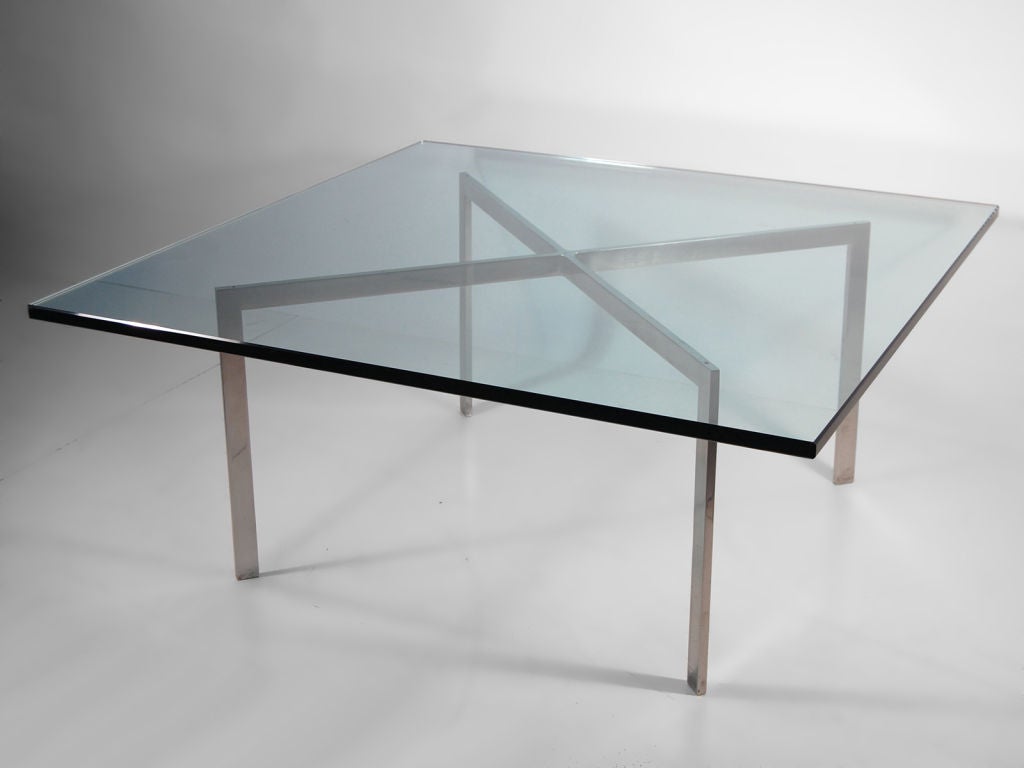
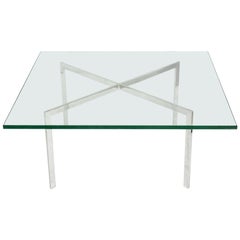
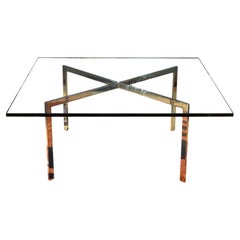
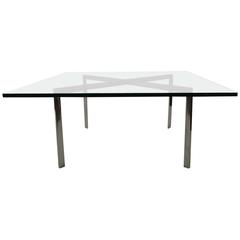
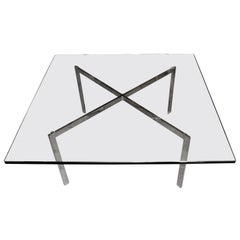
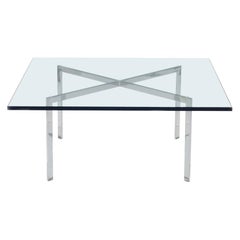
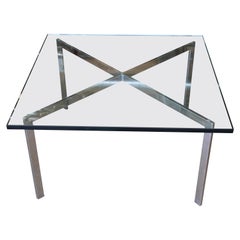
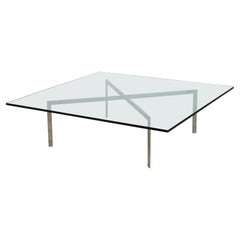
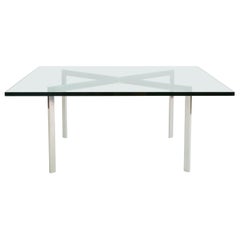
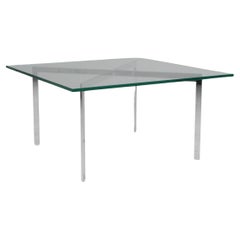
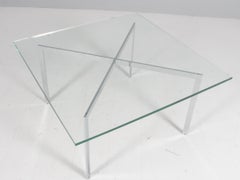
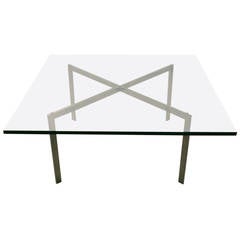
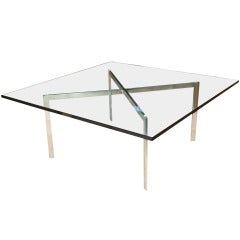
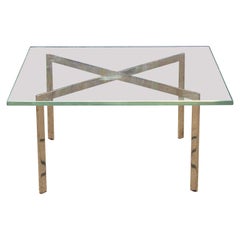
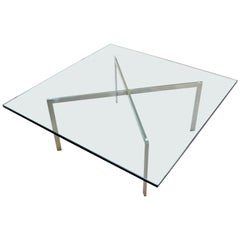
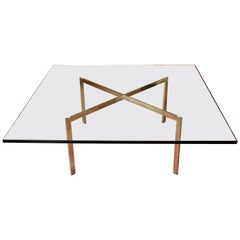
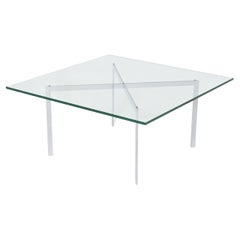
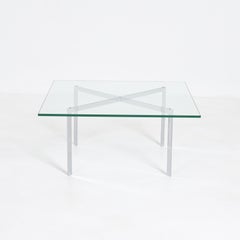
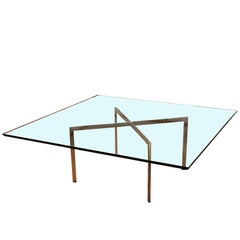
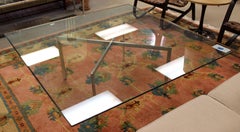
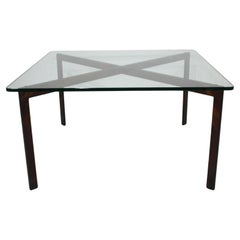
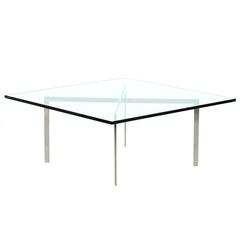
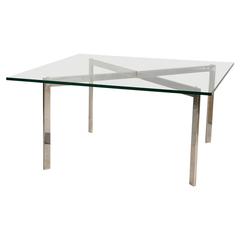
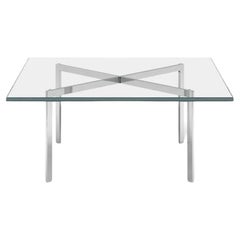
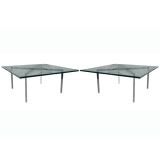
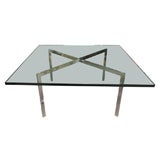
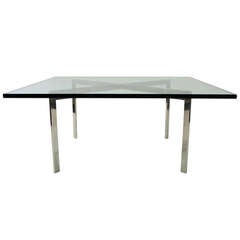
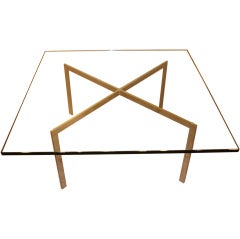
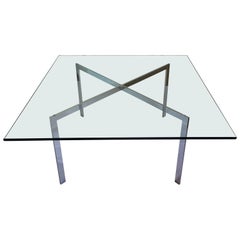
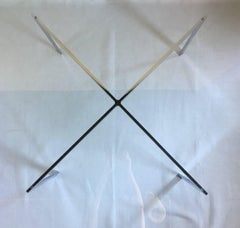
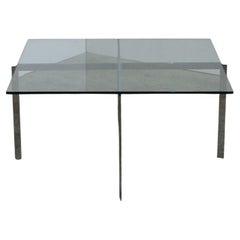
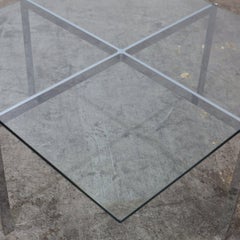
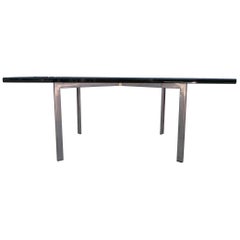
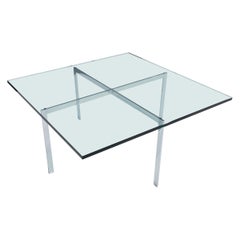
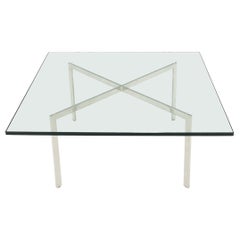
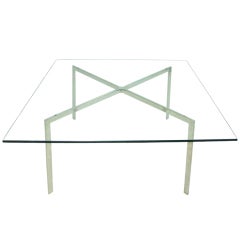
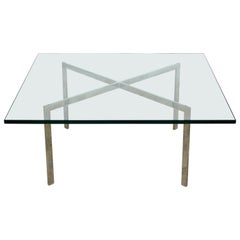
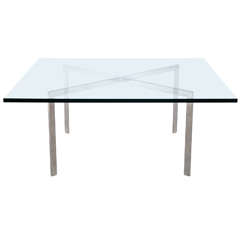
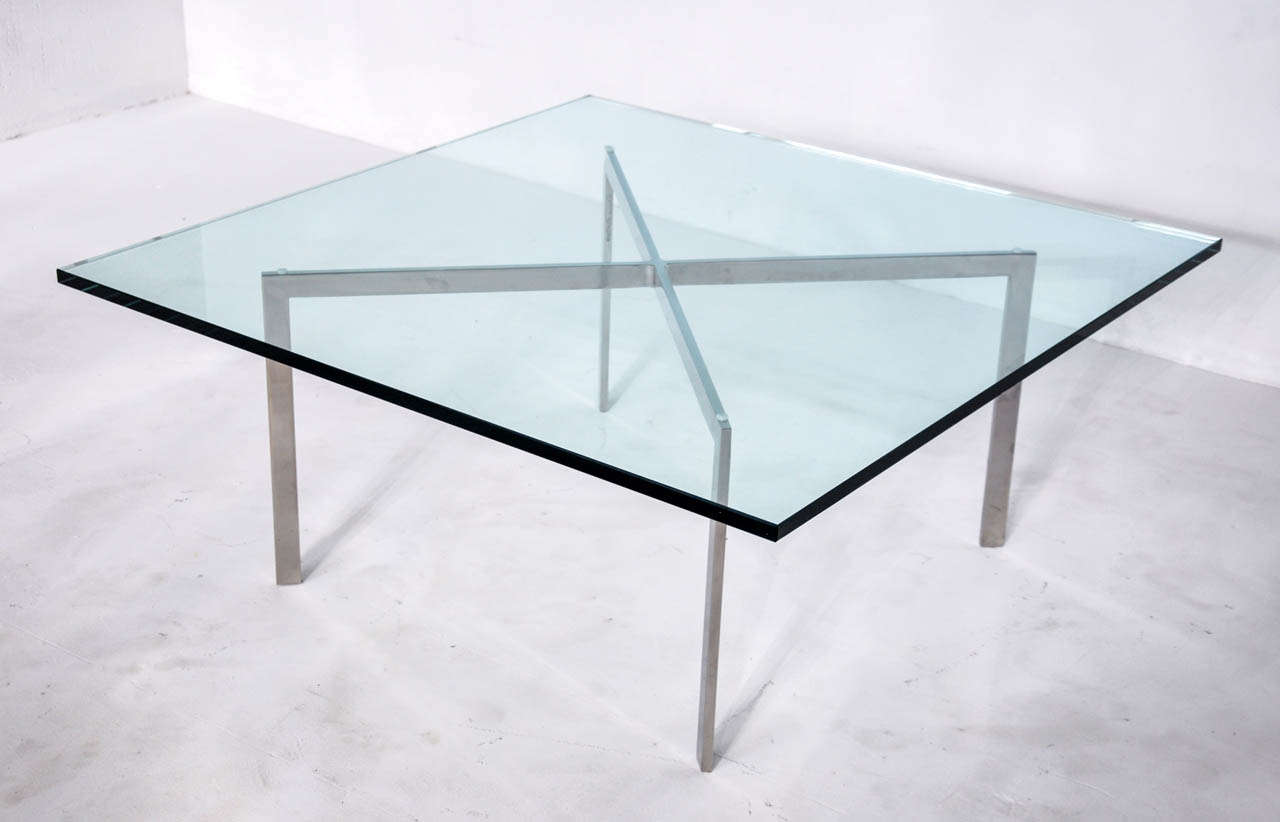
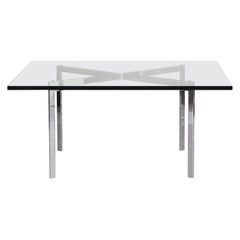
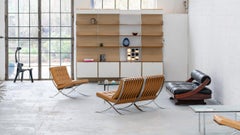
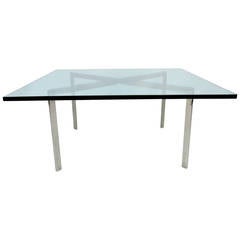
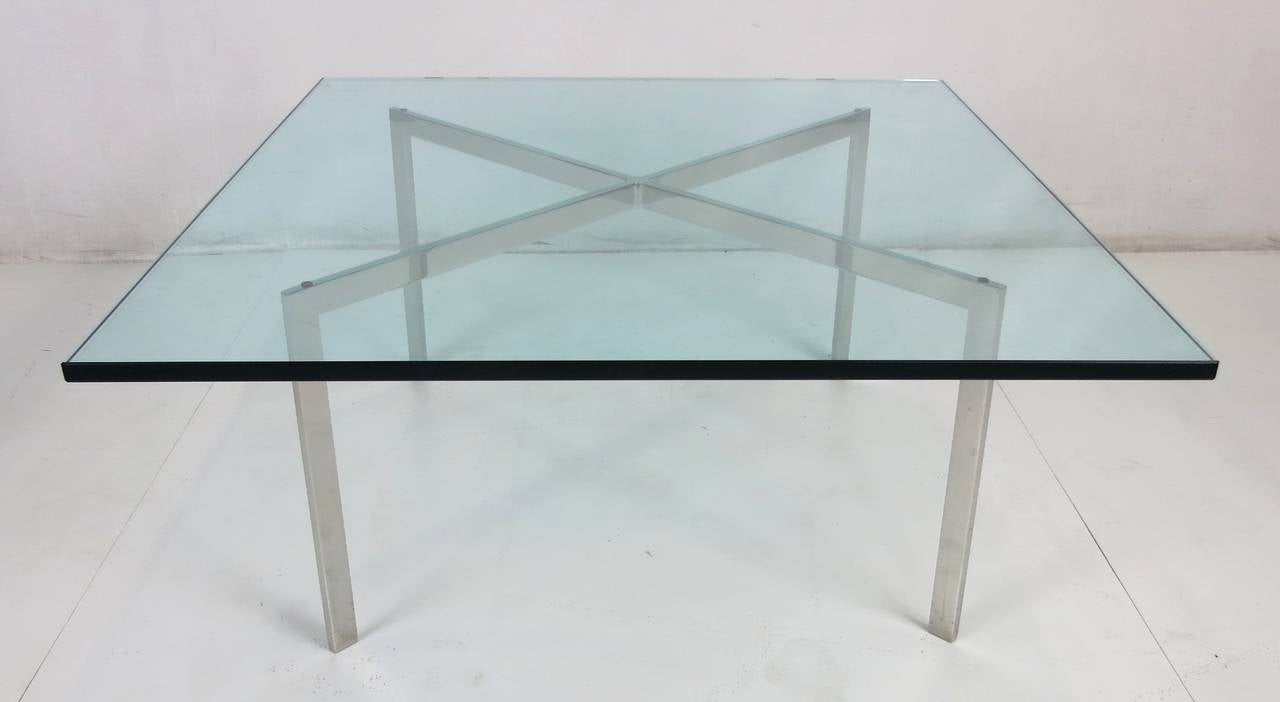
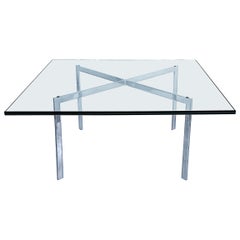
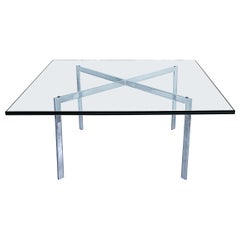
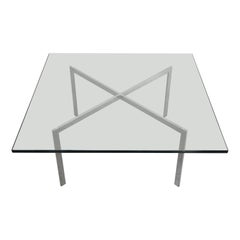
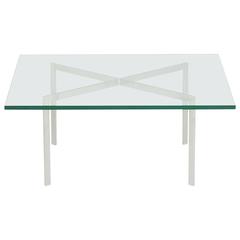
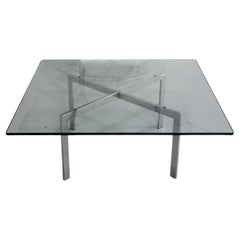
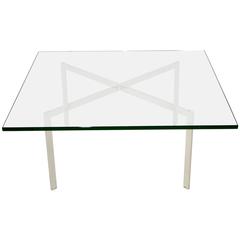
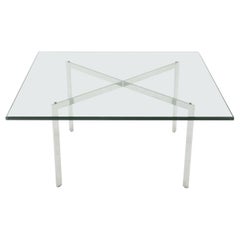
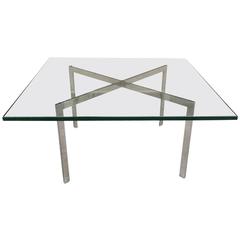
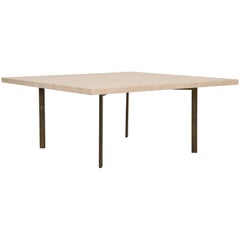
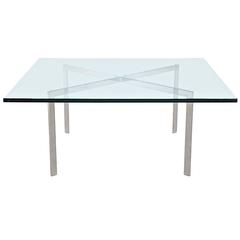
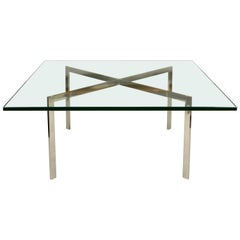
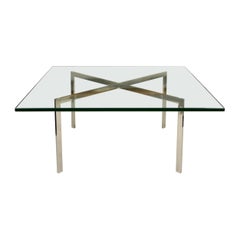
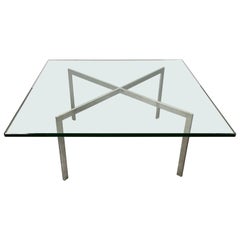
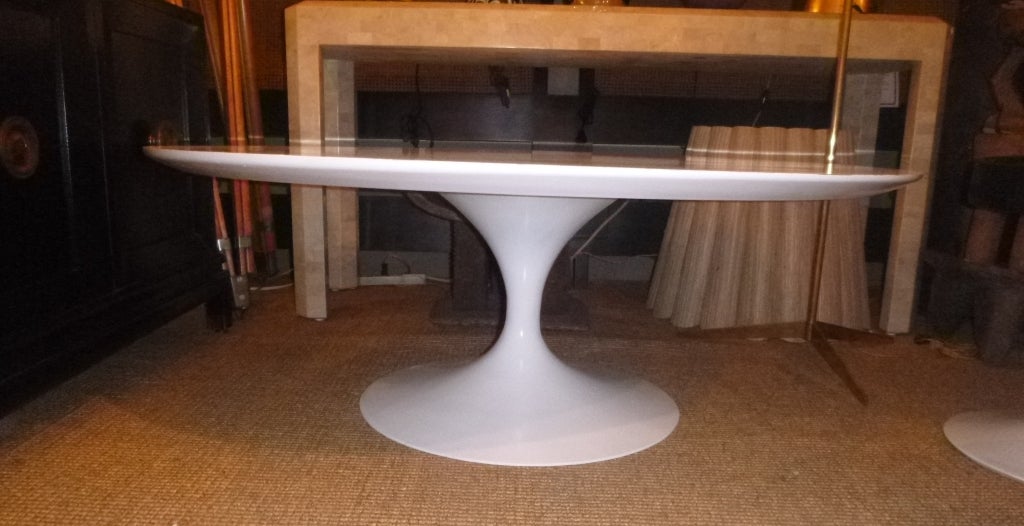
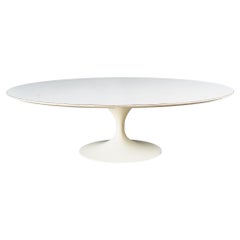
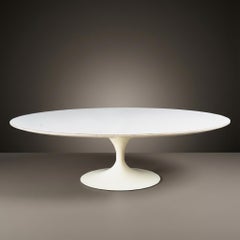
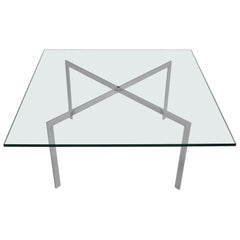
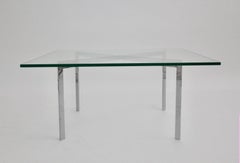
At 1stDibs, there are many versions of the ideal knoll barcelona coffee table for your home. Frequently made of
metal,
glass and
stainless steel, every knoll barcelona coffee table was constructed with great care. Your living room may not be complete without a knoll barcelona coffee table — find older editions for sale from the 20th Century and newer versions made as recently as the 21st Century. A knoll barcelona coffee table is a generally popular piece of furniture, but those created in
Mid-Century Modern and
Modern styles are sought with frequency.
Ludwig Mies van der Rohe,
Knoll and
Florence Knoll each produced at least one beautiful knoll barcelona coffee table that is worth considering.
Prices for a knoll barcelona coffee table can differ depending upon size, time period and other attributes — at 1stDibs, they begin at $895 and can go as high as $14,000, while the average can fetch as much as $1,900.
Architect, furniture designer and educator, Ludwig Mies van der Rohe was a central figure in the advancement and promotion of modernist design and architectural theory and practice. Like Frank Lloyd Wright and Le Corbusier, he was a hugely influential presence in the field, who shaped the course of 20th-century architecture both through his buildings and his teaching of rationalist design principles.
Born in the medieval German city of Aachen, Mies found an interest in architecture as a boy while working for his father, a master stonemason. He had no formal education as an architect, but learned his skills as an apprentice to the designer Bruno Paul, and as a staffer in the office the proto-modernist architect and designer Peter Behrens. Following World War I, Mies rose to prominence in his field amid the liberal atmosphere of the Weimar Republic. His reputation was secured by his work on the German Pavilion at the 1929 International Exposition in Barcelona (commonly referred to as the Barcelona Pavilion) — which Mies codesigned with Lilly Reich, his creative and romantic partner — a radically simple, poetic, open-plan building pared down to its architectural essentials. Mies would go on to direct the Bauhaus from 1930 until 1933, when Nazi-government interference forced the closure of the progressive art and design school. Later that decade, he made his way to Chicago, where he remained for the rest of his career as a practicing architect and a dean of the Illinois Institute of Technology.
Mies’s famed dictum “less is more” grew from his belief that architecture both guides and expresses the spirit of the times, and he envisioned the 20th century as open-minded, logical, transparent and liberated by technology. His best-known buildings — residences such as the Villa Tugendhat in Czechoslovakia and the Farnsworth House in rural Illinois; skyscrapers like the 860–880 Lake Shore Drive apartment towers in Chicago and the Seagram Building in New York — reflect that philosophy. As do the most famous furniture designs authored by him or codesigned with Reich.
Pieces designed by Mies and Reich such as the Barcelona chair (the authorized version is produced by Knoll today), stools and daybed, or the cantilevered Brno chairs, deliver a maximum of comfort and support from a minimum of materials: their “lavishness” derives from the precision with which they are engineered and constructed. For the collector, the allure of Mies’s furniture is at once practical and idealistic. Useful and functional, his works embody the highest aspirations of modernism.
Find vintage Mies van der Rohe chairs, tables and other furniture on 1stDibs.
As a practical focal point in your living area, antique and vintage coffee tables and cocktail tables are an invaluable addition to any interior.
Low tables that were initially used as tea tables or coffee tables have been around since at least the mid- to late-1800s. Early coffee tables surfaced in Victorian-era England, likely influenced by the use of tea tables in Japanese tea gardens. In the United States, furniture makers worked to introduce low, long tables into their offerings as the popularity of coffee and “coffee breaks” took hold during the late 19th century and early 20th century.
It didn’t take long for coffee tables and cocktail tables to become a design staple and for consumers to recognize their role in entertaining no matter what beverages were being served. Originally, these tables were as simple as they are practical — as high as your sofa and made primarily of wood. In recent years, however, metal, glass and plastics have become popular in coffee tables and cocktail tables, and design hasn’t been restricted to the conventional low profile, either.
Visionary craftspeople such as Paul Evans introduced bold, geometric designs that challenge the traditional idea of what a coffee table can be. The elongated rectangles and wide boxy forms of Evans’s desirable Cityscape coffee table, for example, will meet your needs but undoubtedly prove imposing in your living space.
If you’re shopping for an older coffee table to bring into your home — be it an antique Georgian-style coffee table made of mahogany or walnut with decorative inlays or a classic square mid-century modern piece comprised of rosewood designed by the likes of Ettore Sottsass — there are a few things you should keep in mind.
Both the table itself and what you put on it should align with the overall design of the room, not just by what you think looks fashionable in isolation. According to interior designer Tamara Eaton, the material of your vintage coffee table is something you need to consider. “With a glass coffee table, you also have to think about the surface underneath, like the rug or floor,” she says. “With wood and stone tables, you think about what’s on top.”
Find the perfect centerpiece for any room, no matter what your personal furniture style on 1stDibs — shop Art Deco coffee tables, travertine coffee tables and other antique and vintage coffee tables and cocktail tables today.