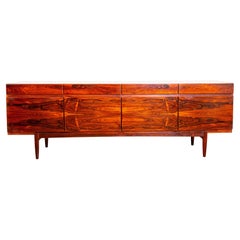
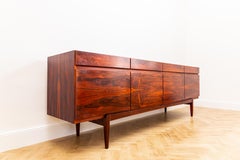
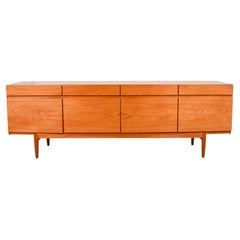
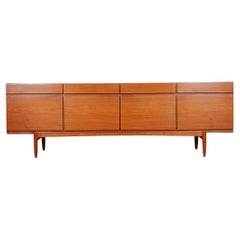
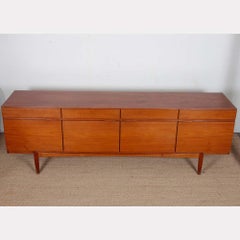
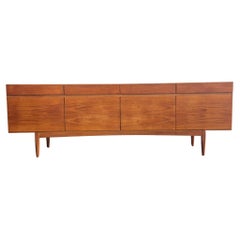
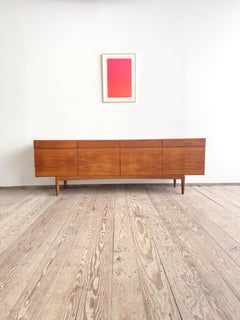
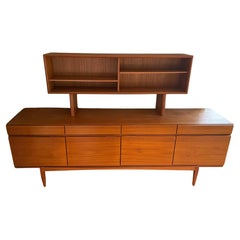
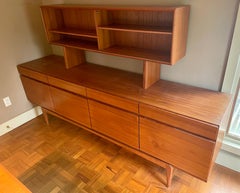
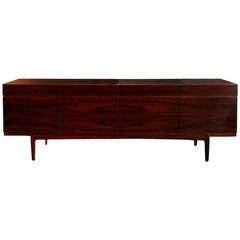
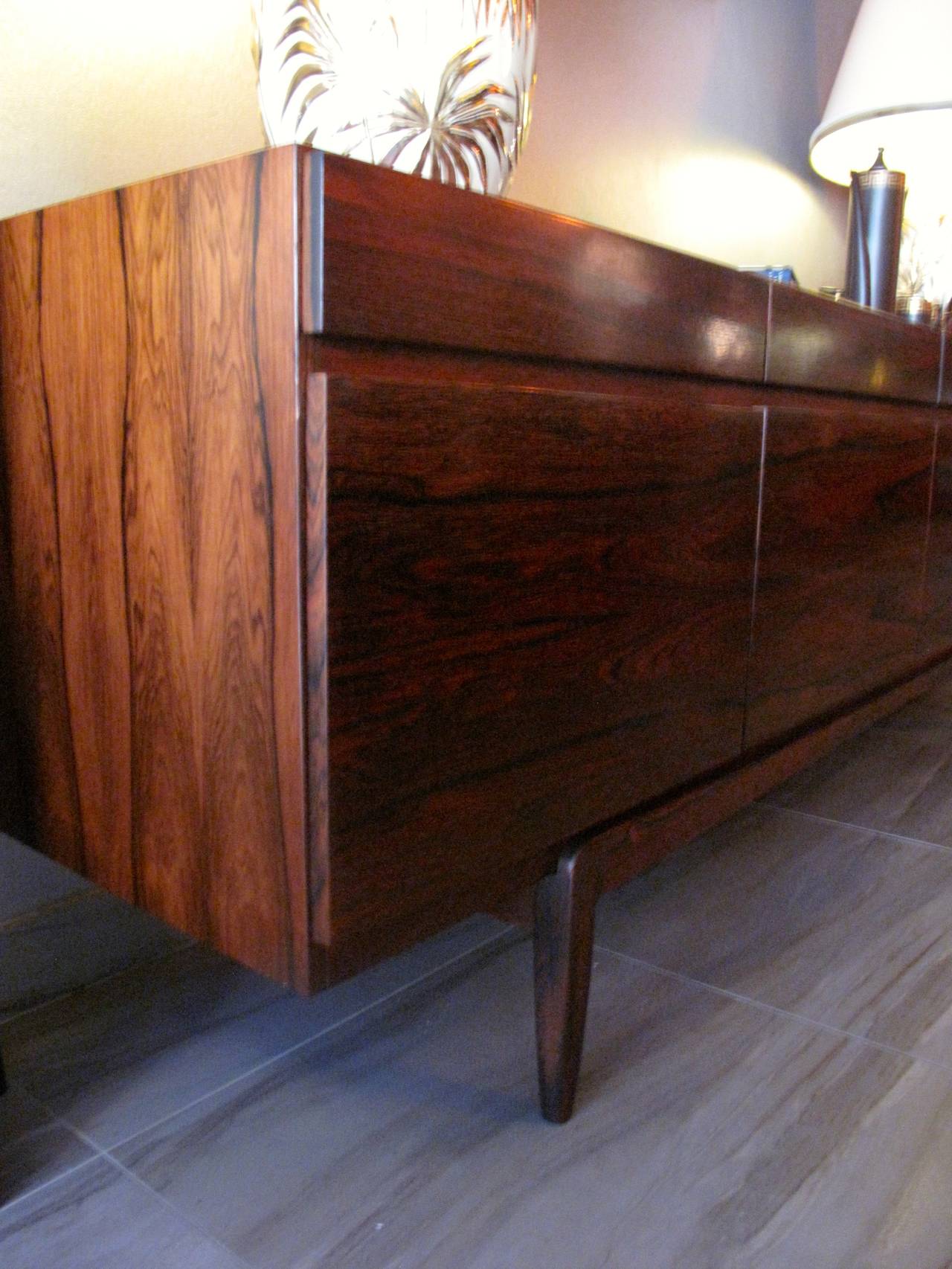
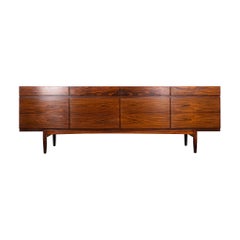
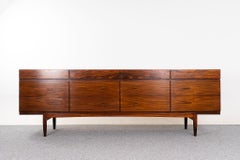
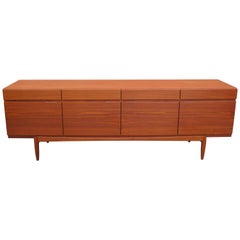
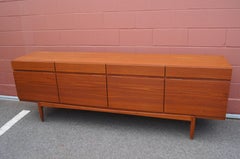
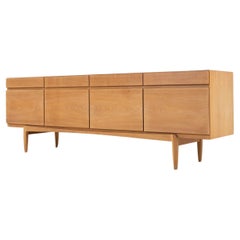
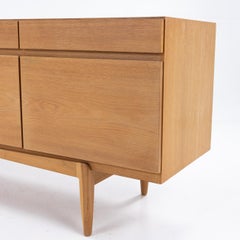
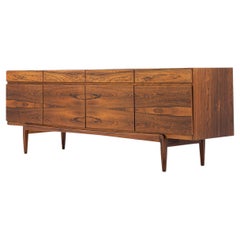
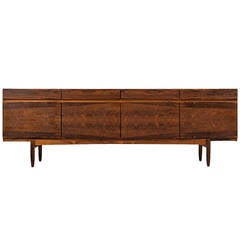
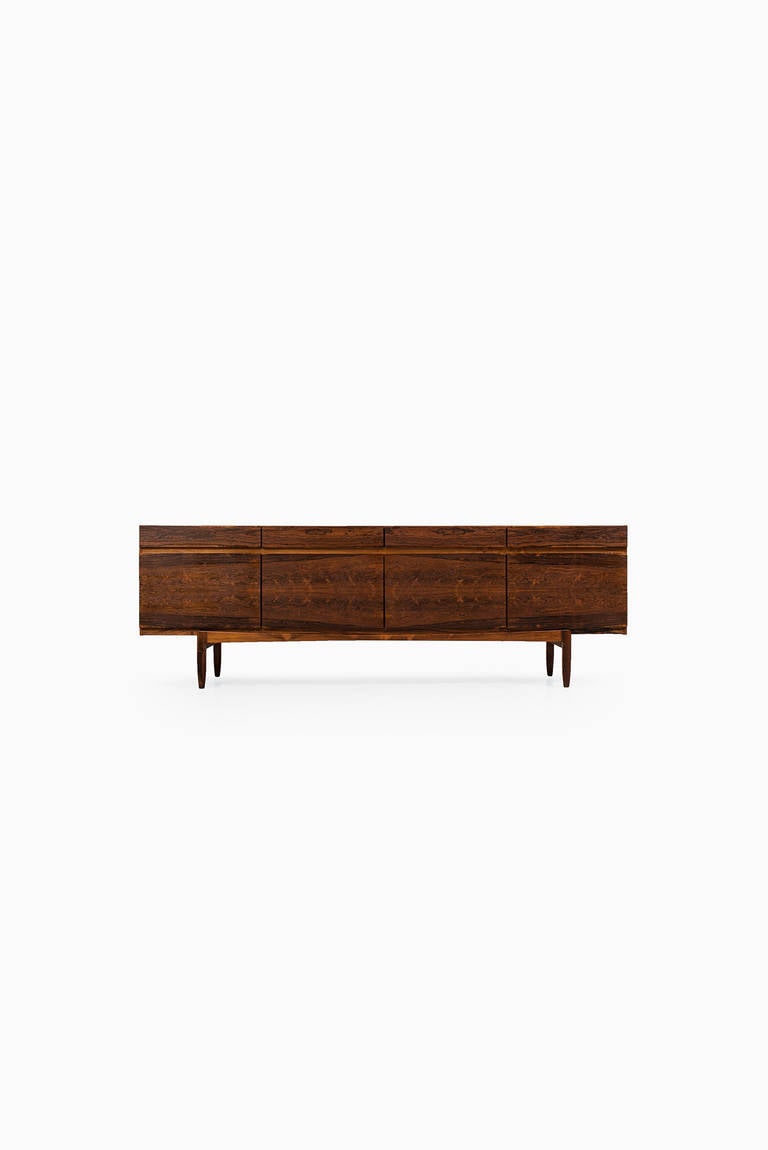
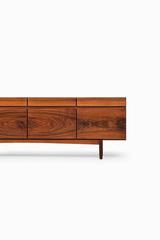
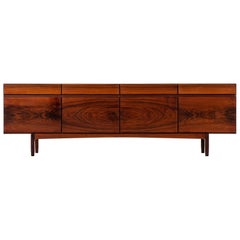
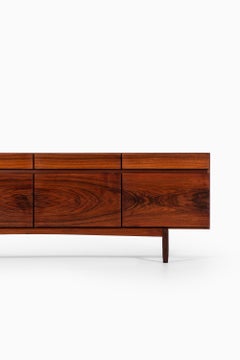
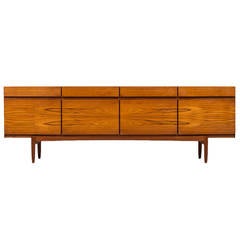
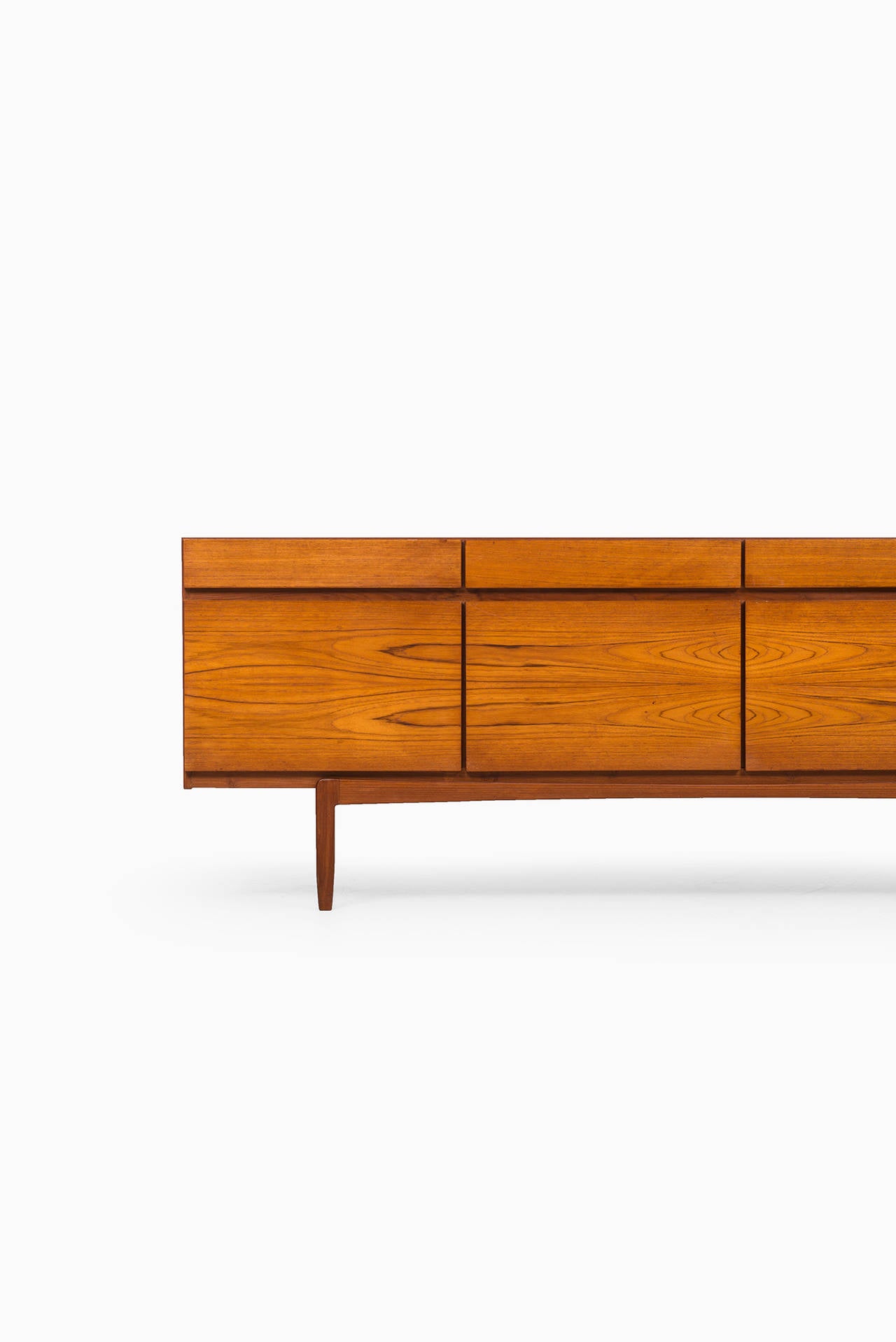
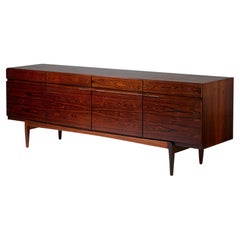
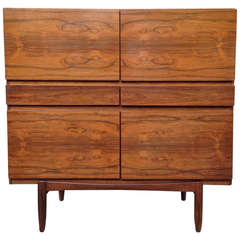
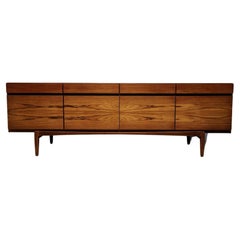
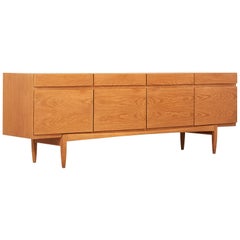
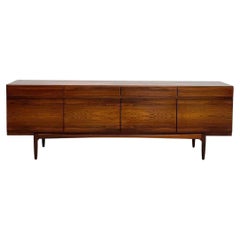
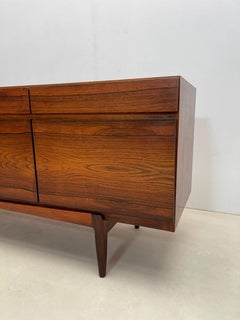
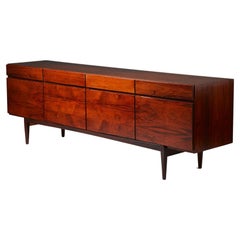
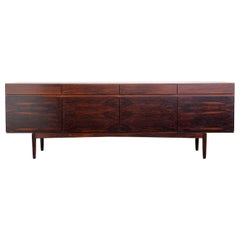
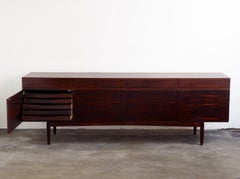
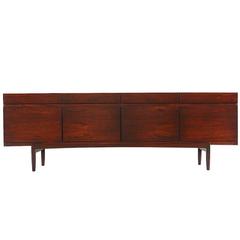
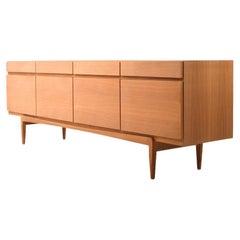
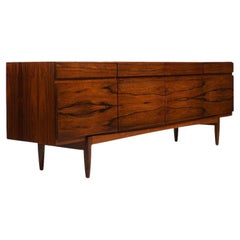
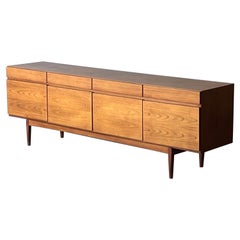
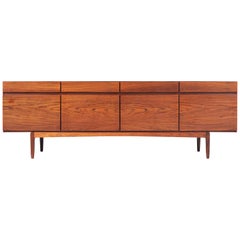
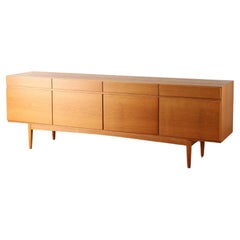
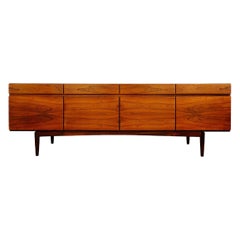
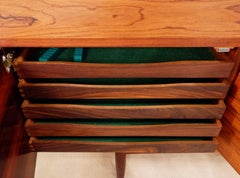
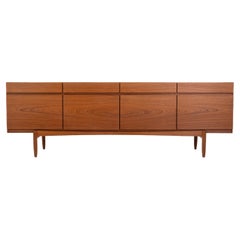
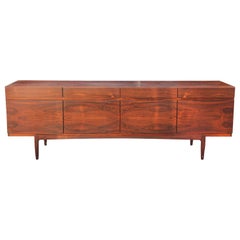
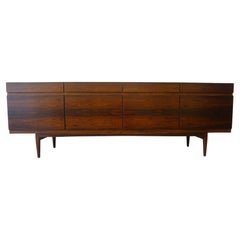
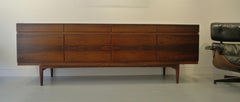
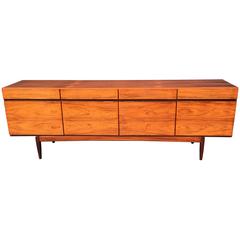
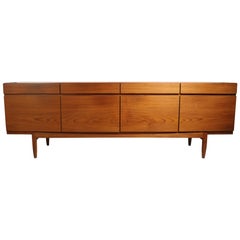
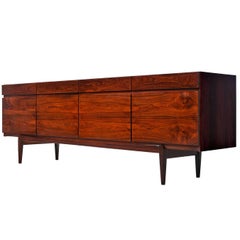
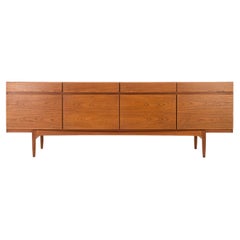
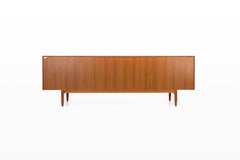
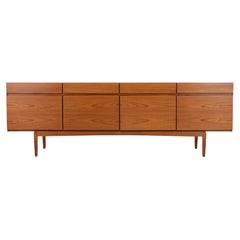
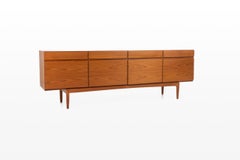
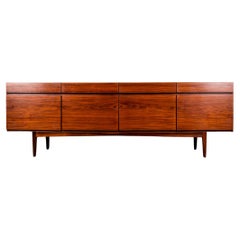
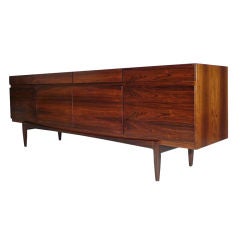
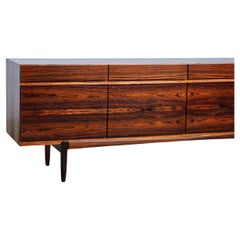
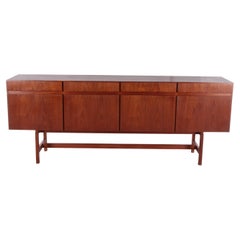
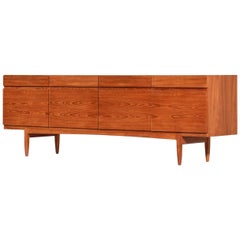
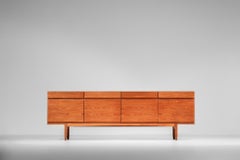
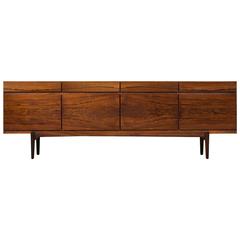
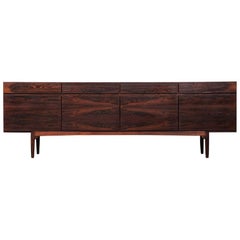
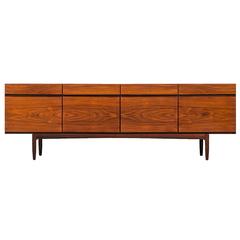
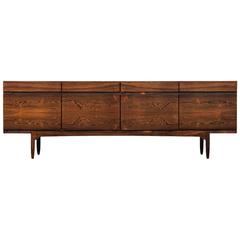
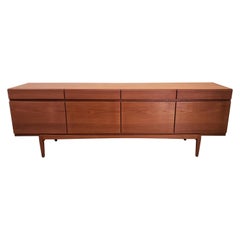
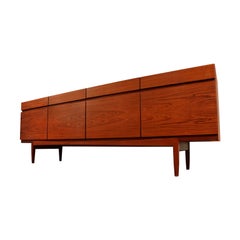
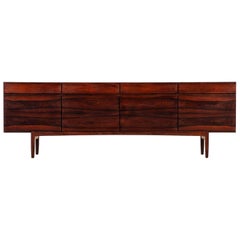
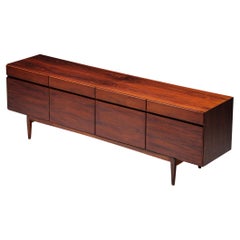
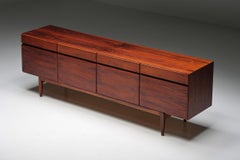
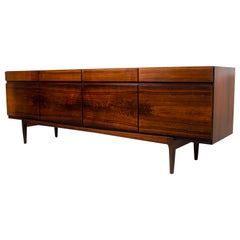
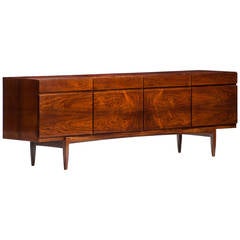
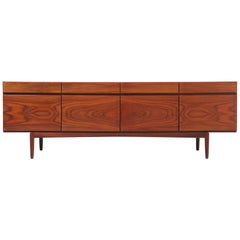
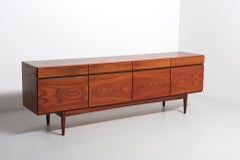
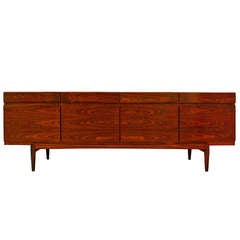
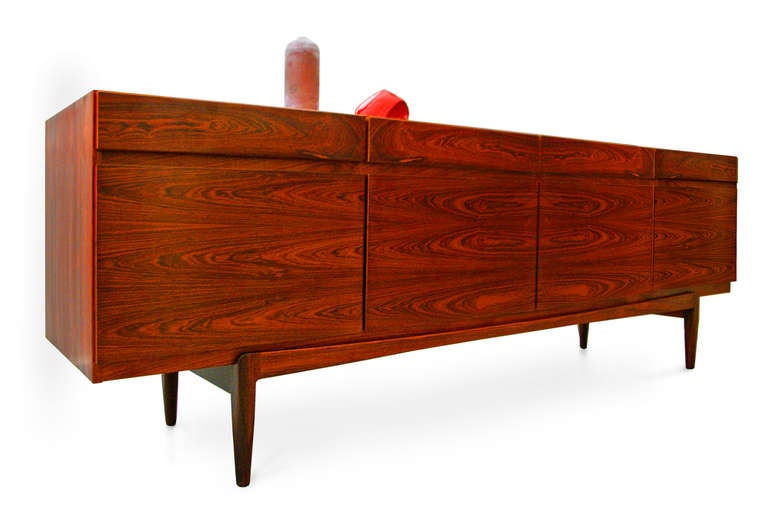
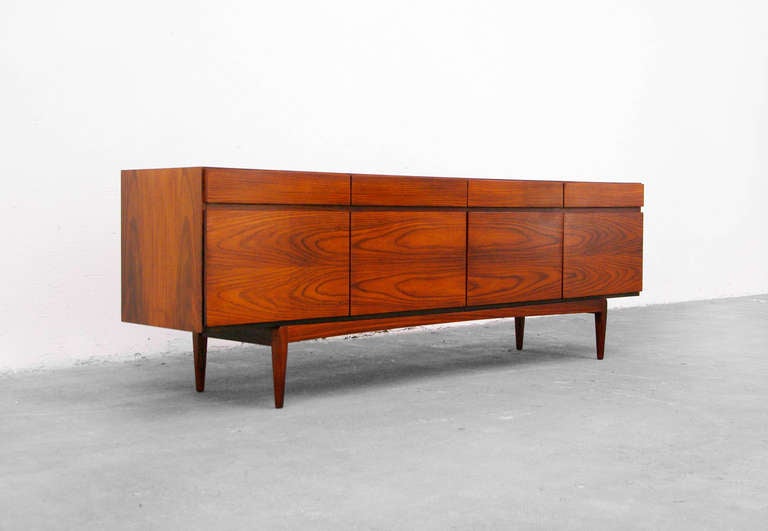
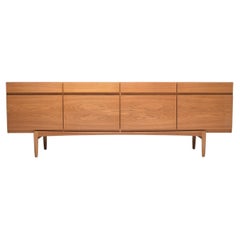
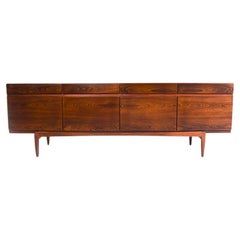
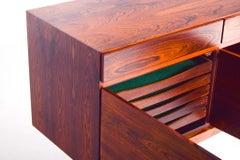
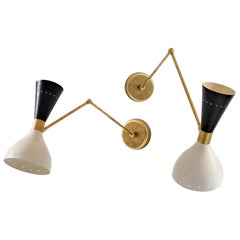
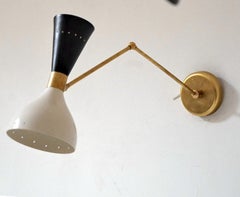
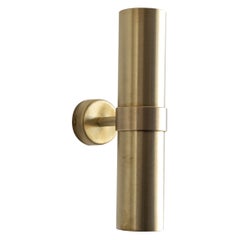
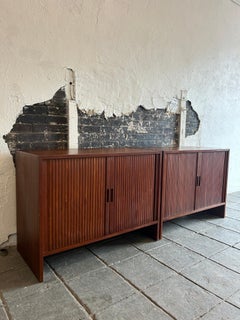
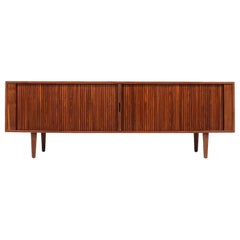
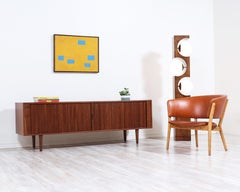
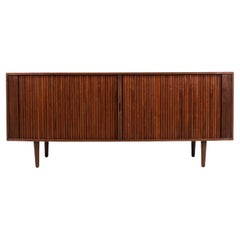
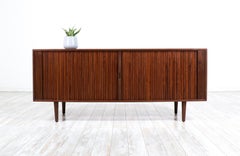
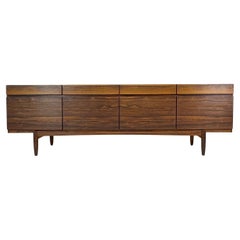
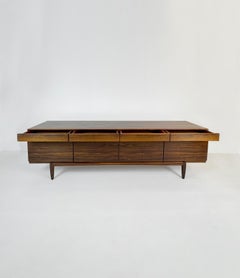
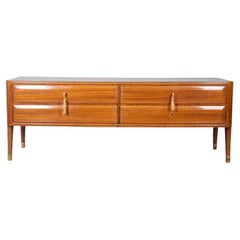
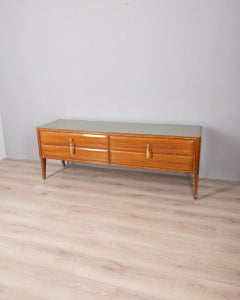
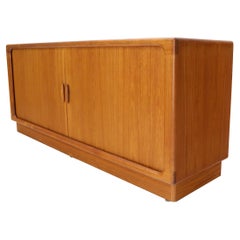
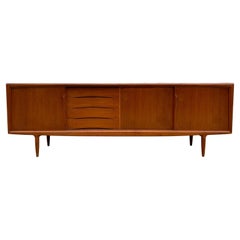
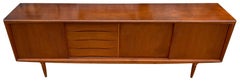
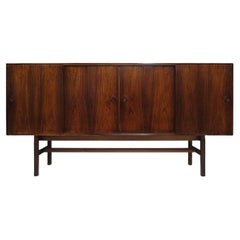
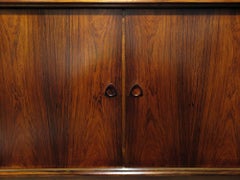
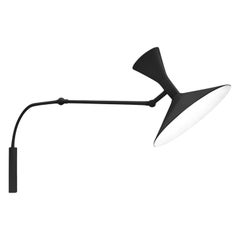
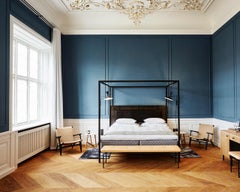
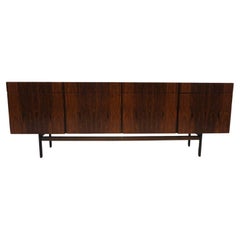
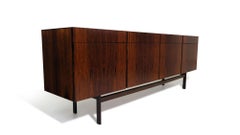
At 1stDibs, there are many versions of the ideal kofod larsen 66 for your home. Frequently made of
wood,
rosewood and
hardwood, every kofod larsen 66 was constructed with great care. Your living room may not be complete without a kofod larsen 66 — find older editions for sale from the 20th Century and newer versions made as recently as the 20th Century. A kofod larsen 66, designed in the
Scandinavian Modern or
Mid-Century Modern style, is generally a popular piece of furniture.
Furniture maker and architect Ib Kofod-Larsen was one of the greatest design minds to emerge from mid-century Denmark, and his impact was felt across the world, especially in the United States. Kofod-Larsen, who is known for his exemplary seating, tables and storage solutions, understood that the attention to detail, quality materials and functional design ethos of the Scandinavian modernism style he followed would become part of a major international movement.
Due to his foresight and innovation, Kofod-Larsen was one of the best-selling Danish designers in the U.S. in the 1950s, when mid-century modernism was at its most popular.
Originally trained as a cabinetmaker, Kofod-Larsen later studied at the Royal Danish Academy of Fine Arts and was most interested in designing practical yet graceful furniture, although he also dabbled in things like wallpaper and textiles. He favored natural grains and woods like teak and rosewood combined with leather, steel and fabric upholsteries to create inviting pieces. Working with manufacturers such as Faarup Møbelfabrik, Christensen & Larsen and Bovenkamp, he brought his sculptural aesthetic to the world.
Some of his seating designs have earned legendary status: The U-56 chair (1956) was renamed the Elizabeth because England’s Queen Elizabeth II is said to have picked up a pair during a 1958 trip to Denmark. With OPE Möbler, he created the Seal chair (1956) with a wooden frame shaped around leather upholstery. The sculptural Penguin chair (1953), produced by Selig and named for its curved back, became Denmark’s most frequently exported piece of furniture to the U.S. at the time. Its bentwood shell echoes the work of Kofod-Larsen’s modernist contemporaries Eero Saarinen and Charles and Ray Eames, while its options as a dining, lounging and rocking chair offer versatility for the home.
As mid-century modern furniture experiences a fresh wave of popularity in the U.S. — although, one could argue that it never really went away — Kofod-Larsen’s timeless pieces are among the most coveted vintage finds. Several of his designs continue to be produced, such as the Penguin chair, which has been manufactured by Brdr. Petersen since 2012.
Find vintage Ib Kofod-Larsen furniture today on 1stDibs.
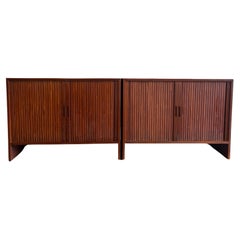
An antique or vintage sideboard today is a sophisticated and stylish component in sumptuous dining rooms of every shape, size and decor scheme, as well as a statement of its own, showcased in art galleries and museums.
Once simply boards made of wood that were used to support ceremonial dining, sideboards have taken on much greater importance as case pieces since their modest first appearance. In Italy, the sideboard was basically a credenza, a solid furnishing with cabinet doors. It was initially intended as an integral piece of any dining room where the wealthy gathered for meals in the southern European country.
Later, in England and France, sideboards retained their utilitarian purpose — a place to keep hot water for rinsing silverware and from which to serve cold drinking water — but would evolve into double-bodied structures that allowed for the display of serveware and utensils on open shelves. We would likely call these buffets, as they’re taller than a sideboard. (Trust us — there is an order to all of this!)
The sideboard is often deemed a buffet in the United States, from the French buffet à deux corps, which referred to a storage and display case. However, a buffet technically possesses a tiered or shelved superstructure for displaying attractive kitchenware and certainly makes more sense in the context of buffet dining — abundant meals served for crowds of people.
Every imaginable iteration of the sideboard has taken shape over the years. Furniture maker and artist Paul Evans, whose work has been the subject of various celebrated museum exhibitions, created ornamented, welded and patinated sideboards for Directional Furniture, collections such as the Cityscape series that speak to his place in revolutionary brutalist furniture design as much as they echo the origins of these sturdy, functional structures centuries ago.
If mid-century modern sideboards or vintage Danish sideboards are more to your liking than an 18th-century mahogany sideboard with decorative inlays in the Hepplewhite style, the particularly elegant pieces crafted by designers Hans Wegner, Edward Wormley or Florence Knoll are often sought by today’s collectors.
Whether you have a specific era or style in mind or you’re open to browsing a vast collection to find the right fit, 1stDibs has a variety of antique and vintage sideboards to choose from.