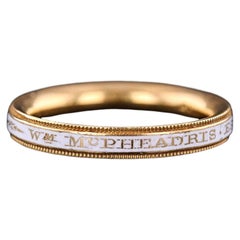
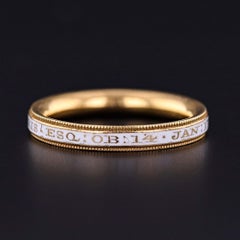
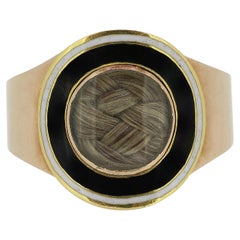
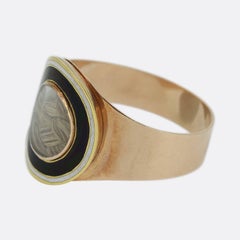
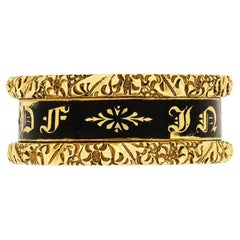
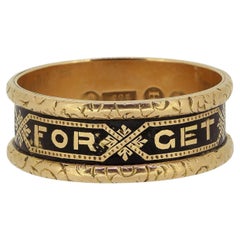
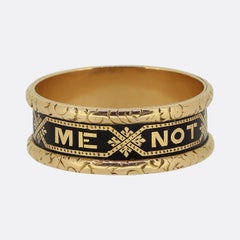
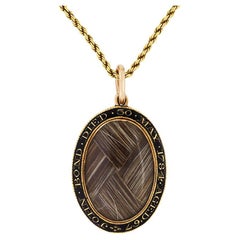
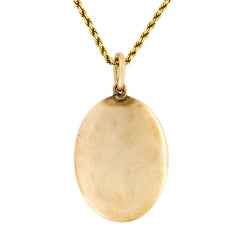
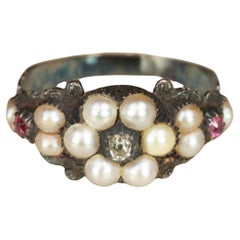
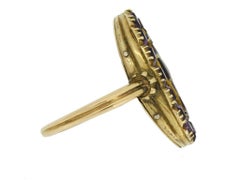
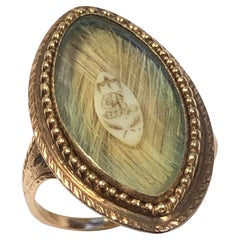
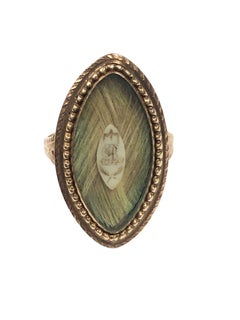
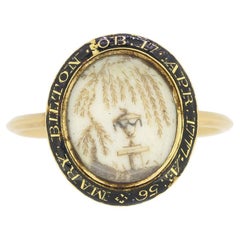
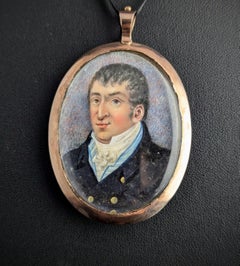
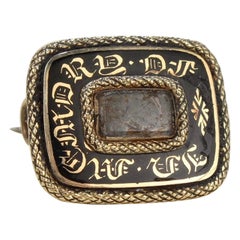
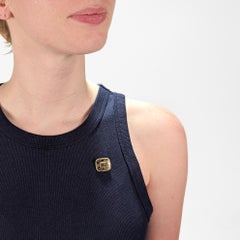
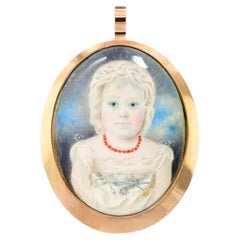
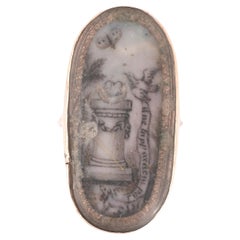
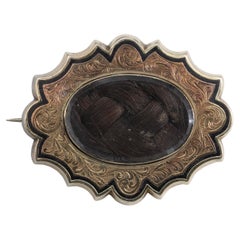
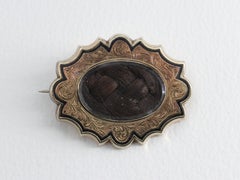
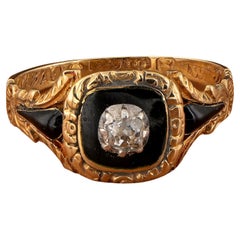
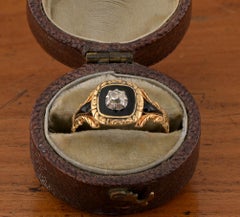
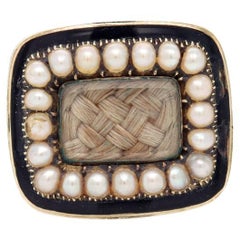
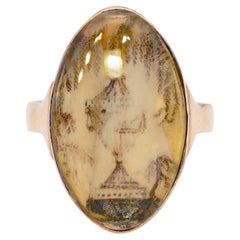
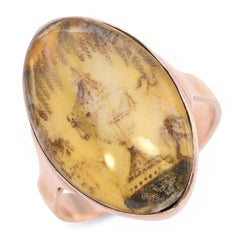
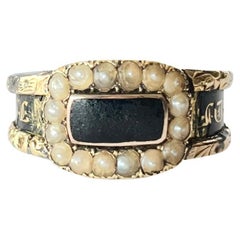
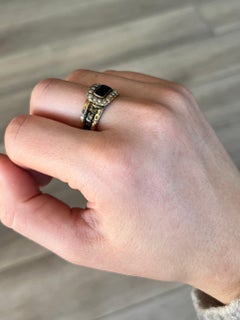
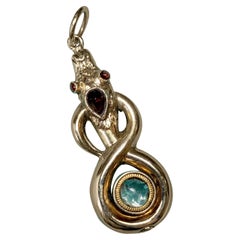
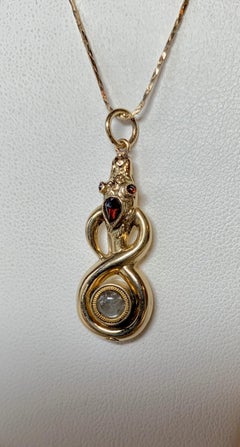
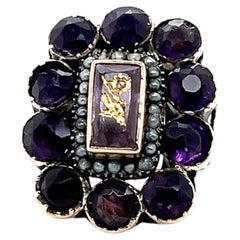
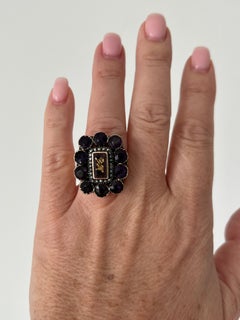
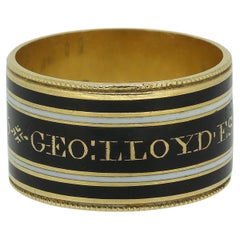
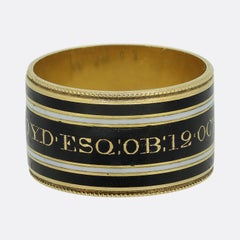
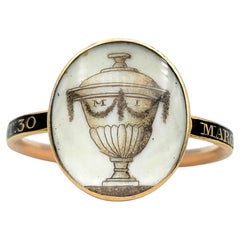
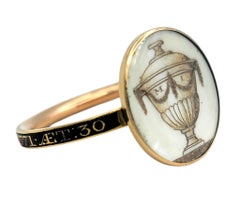
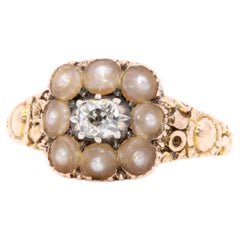
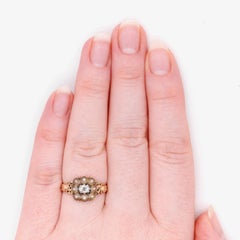
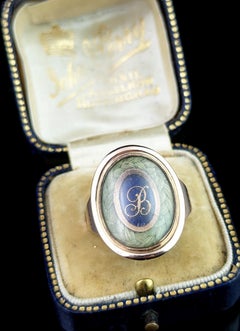
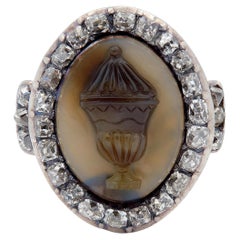
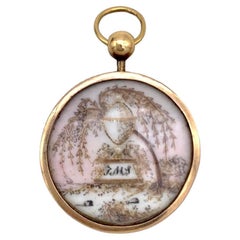
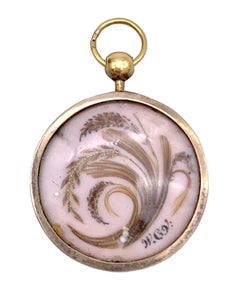
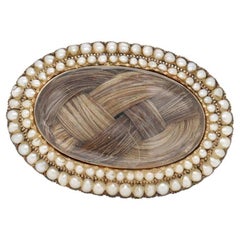
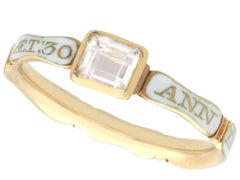
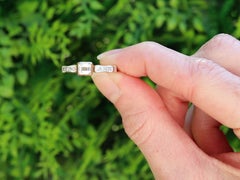
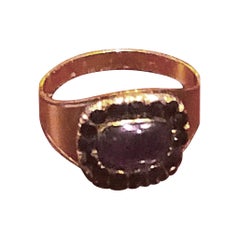
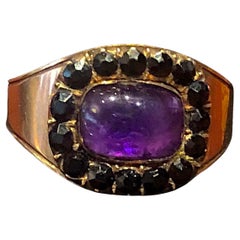
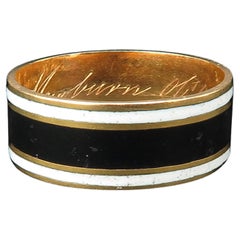
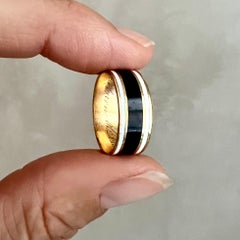
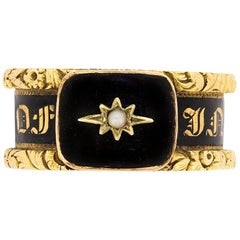
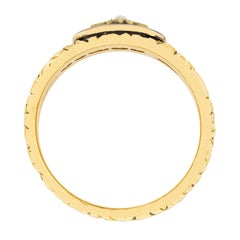
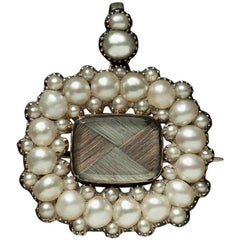
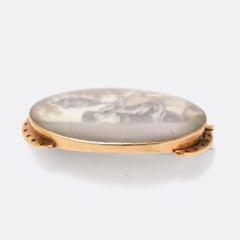
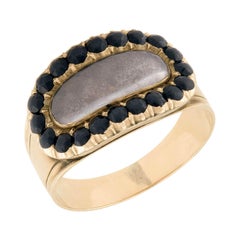
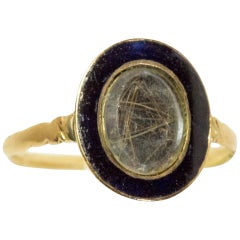
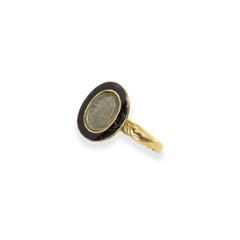
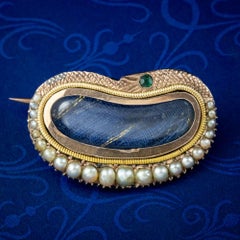
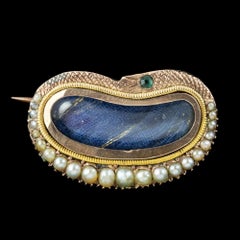
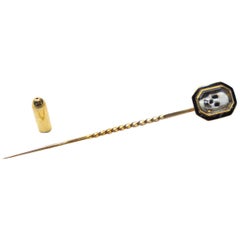
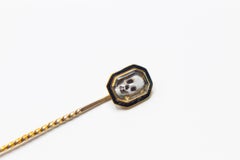
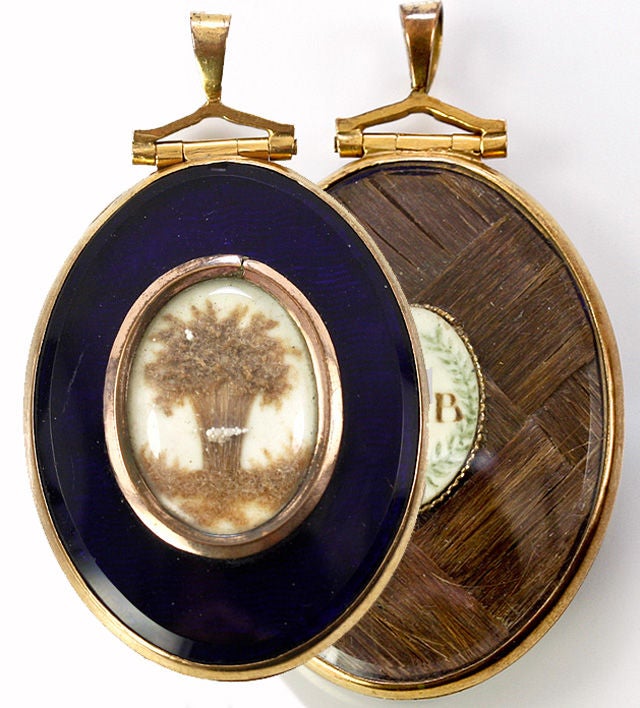
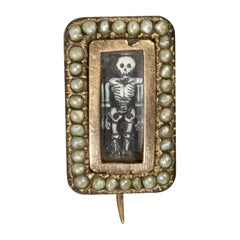
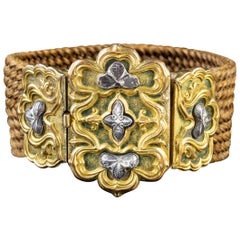
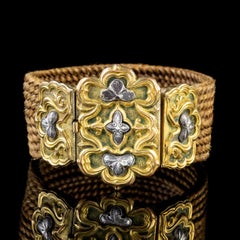
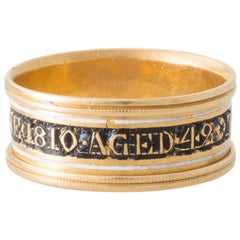
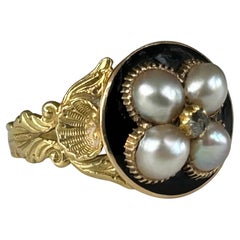
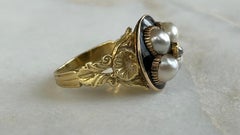
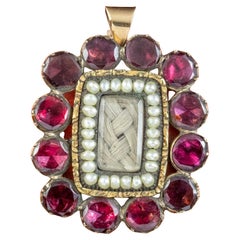
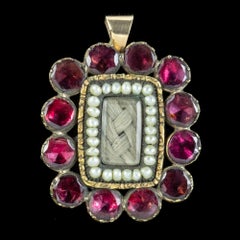
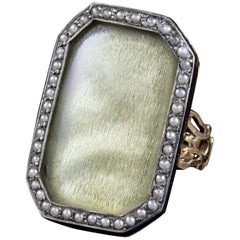
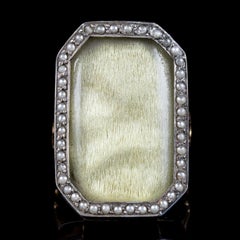
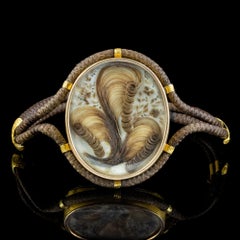
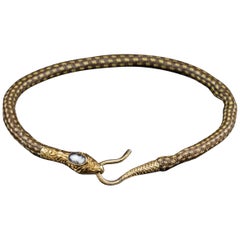
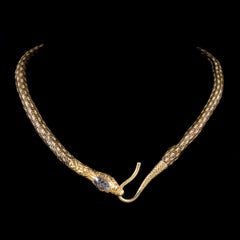
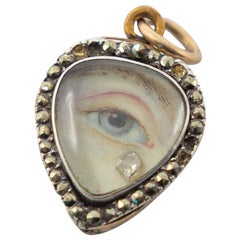
While it first came into fashion during the Georgian period, mourning jewelry had a resurgence during the Victorian era. With respect to Victorian jewelry, the era’s Grand Period (ca. 1860–80) is most often associated with antique mourning jewelry.
Scholars note that Romantic period jewelry was a celebration of the young monarch’s love. But everything changed with the premature death of Prince Albert in 1861. This traumatic event changed the way the Queen’s public perceived her and in the way she presented herself. The heartbroken Queen donned black clothing and went into mourning. Her taste for jewelry reflected her deep sorrow as well.
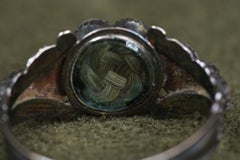
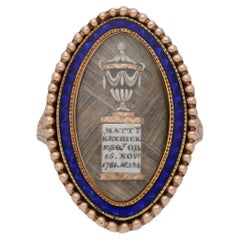
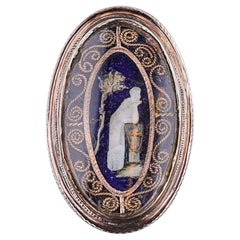
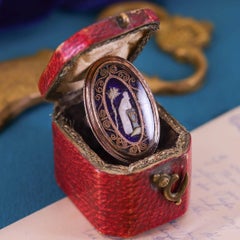
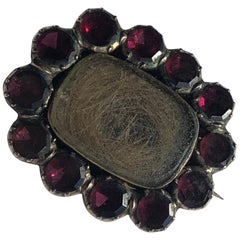
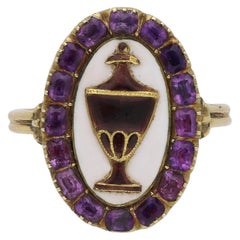
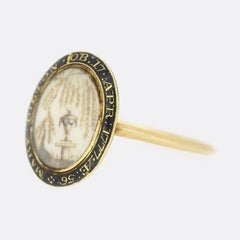
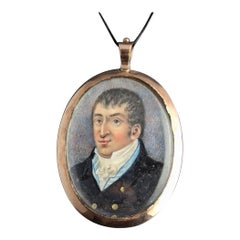
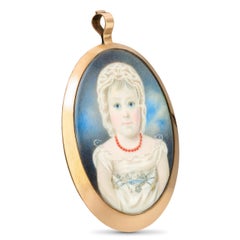
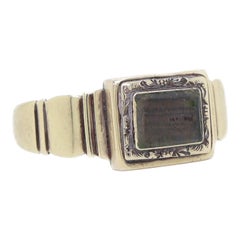
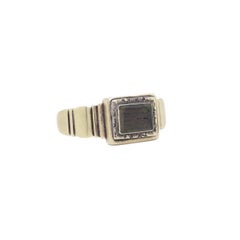
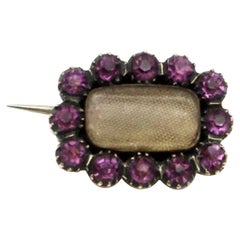
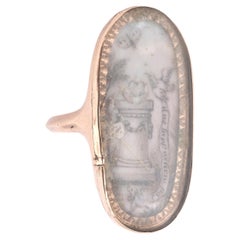
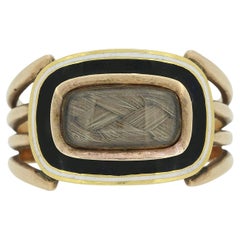
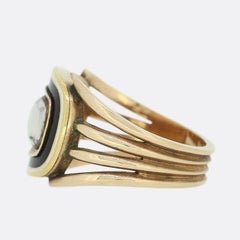
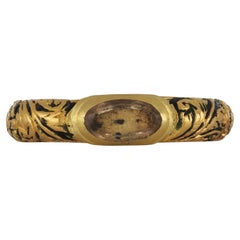
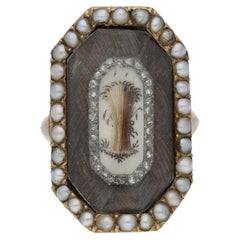
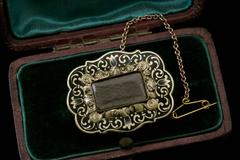
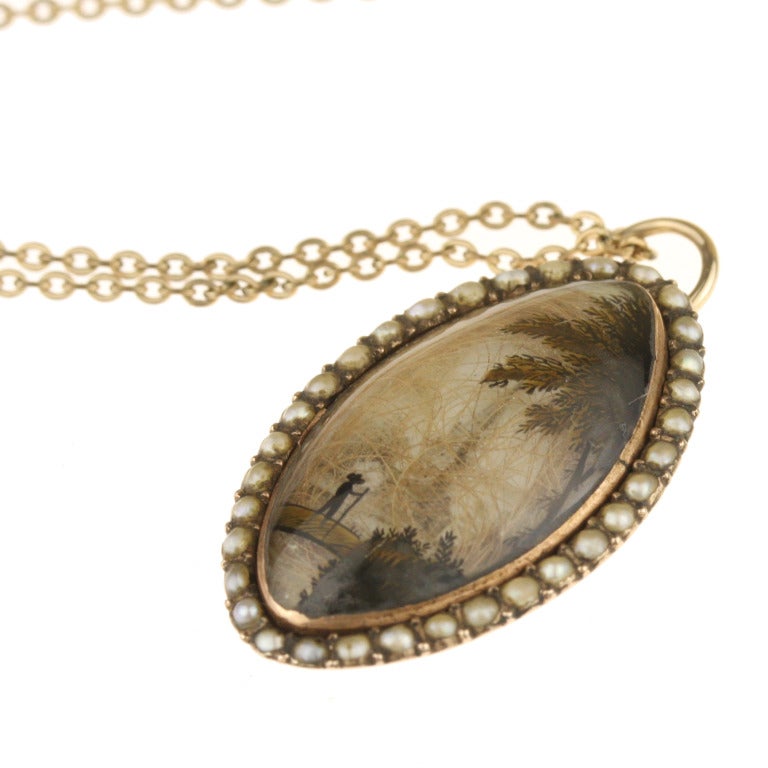
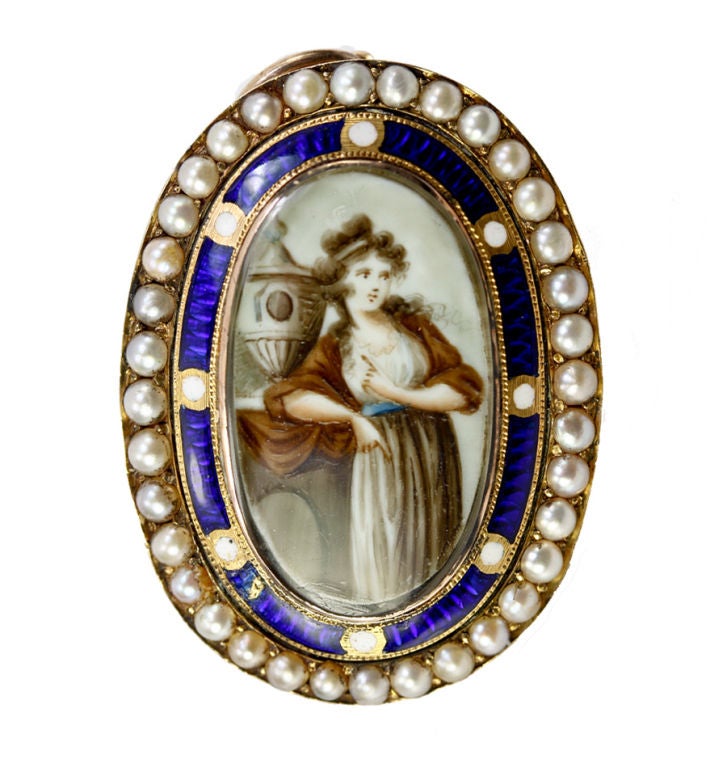
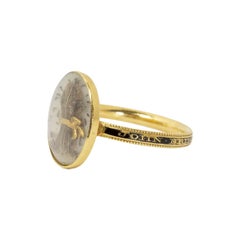
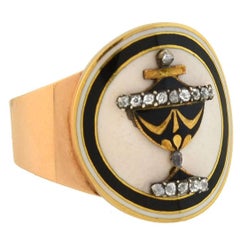
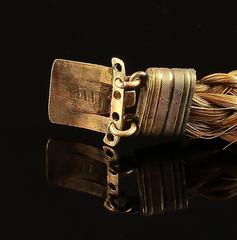
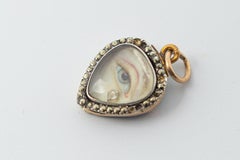
Victorian mourning jewelry still tends to be romantic, a way to honor the memory of the departed, while Georgian mourning jewelry was more focused on the macabre. During the Georgian era, portrait miniatures, hair jewelry, cameos, enamels and micromosaics were fashionable.
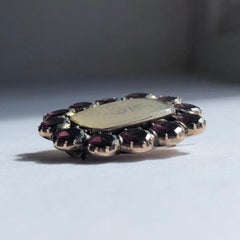
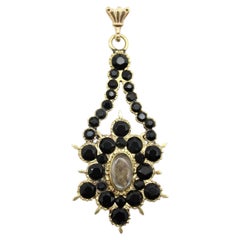
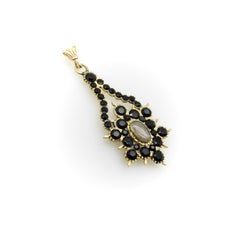
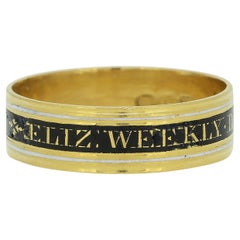
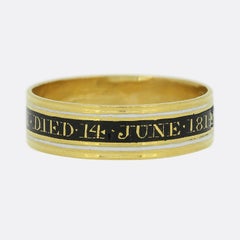
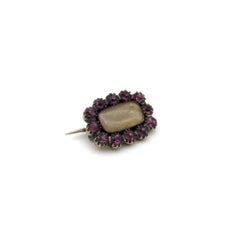
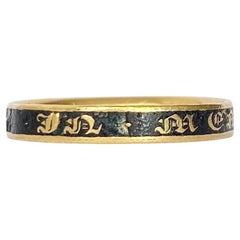
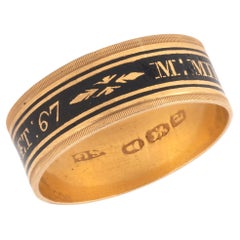
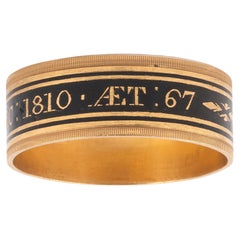
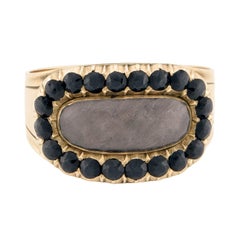
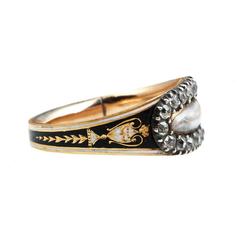
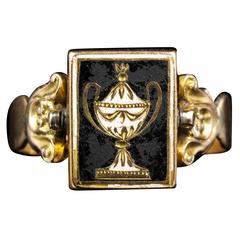
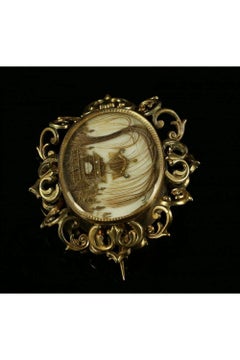
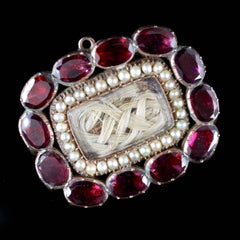
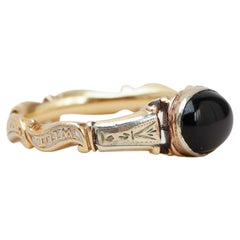
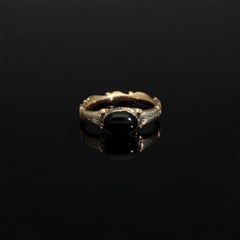
Most materials used in antique mourning jewelry were also black, the universal signifier of grief. Naturally jet, onyx and gutta percha were the most popular. Dark red garnets and black enamel were often used in combination with these materials (enameling is one of the oldest forms of surface decoration). Hair jewelry became incredibly intricate, and some pieces were made with strands from various family members woven into a complex floral pattern.
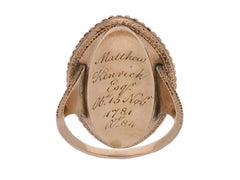
“Unlike most other pieces of antique jewelry, mourning jewelry has an easily accessible history,” Lindsay Salmon, part of the duo behind jewelry line Erica Weiner.
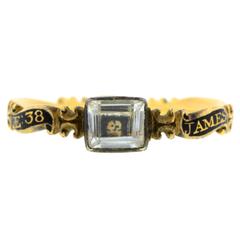
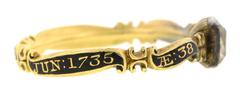
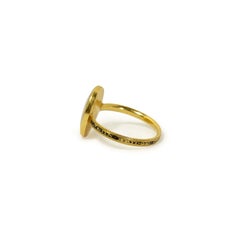
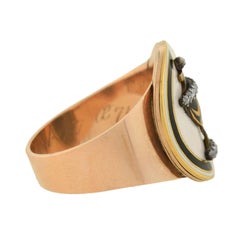
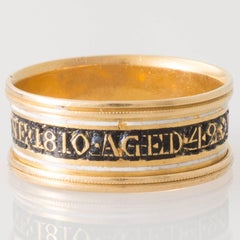
“These pieces are often inscribed with a name, a date of death and the age of the deceased. For many people, myself included, having this information about the person a piece of jewelry was made to commemorate is both fascinating and romantic; it grounds the piece in a historical and personal context.”
Find a collection of antique Georgian mourning jewelry on 1stDibs.