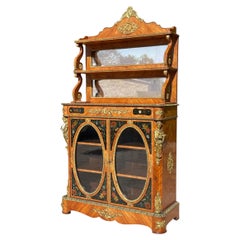
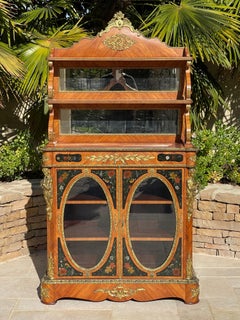
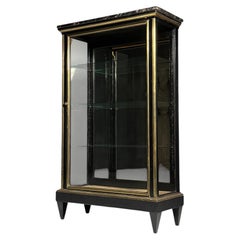
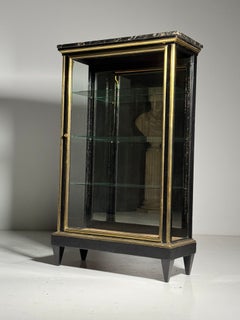
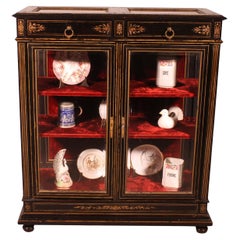
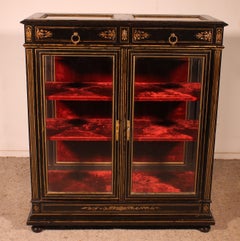
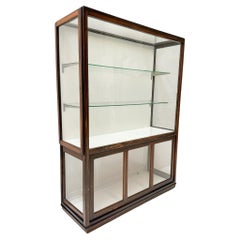
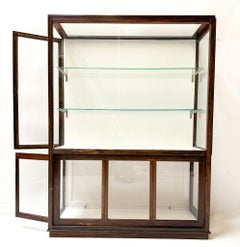
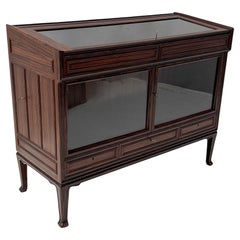
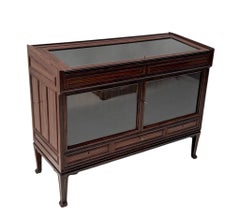
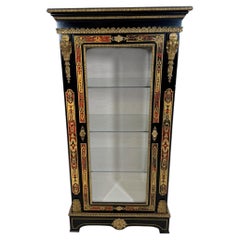
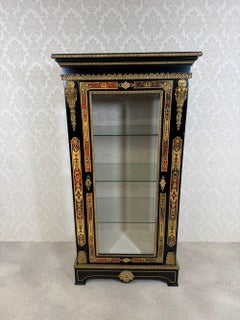
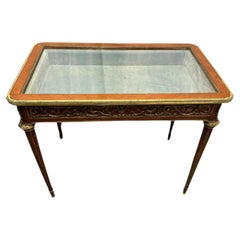
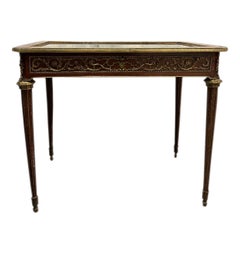
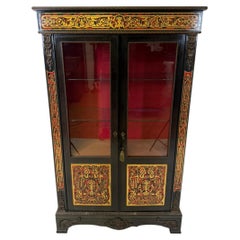
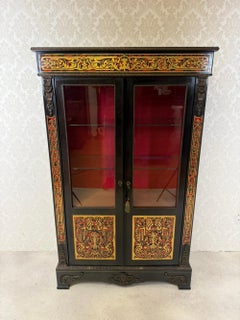
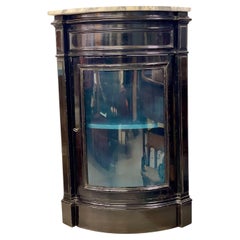
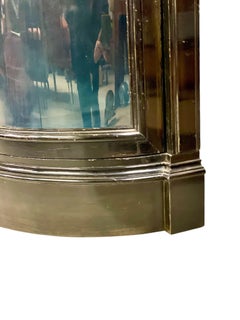
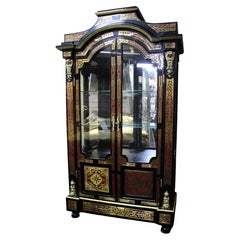
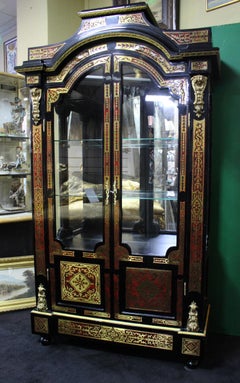
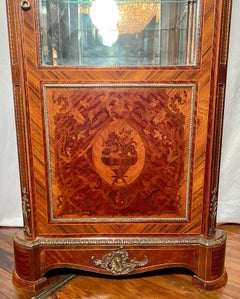
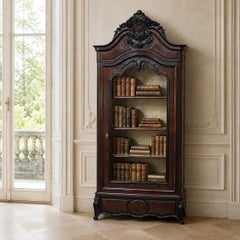
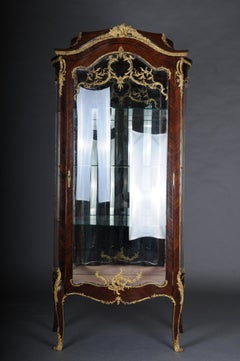
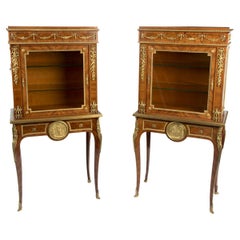
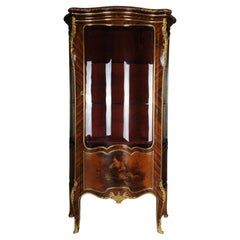
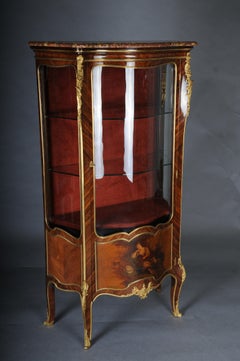
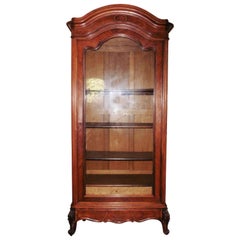
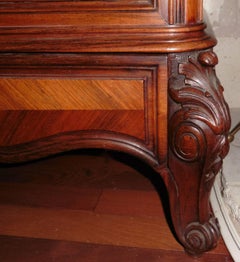
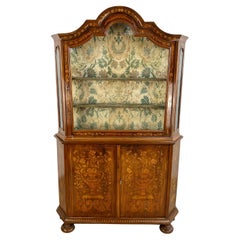
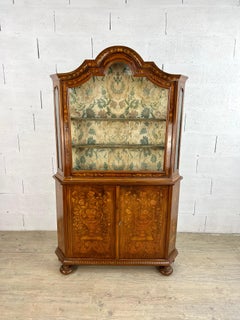
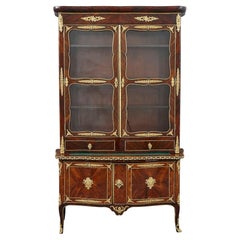
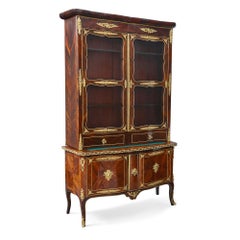
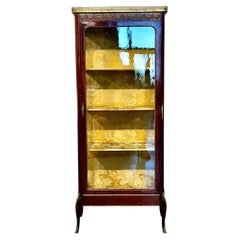
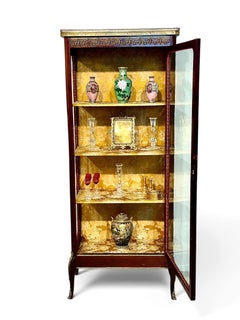
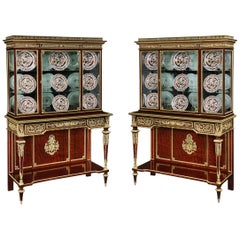
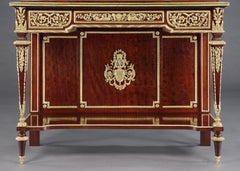
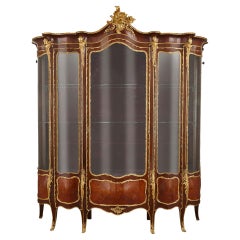
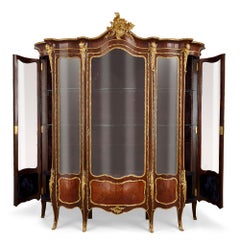
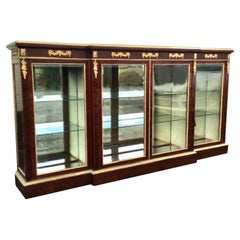
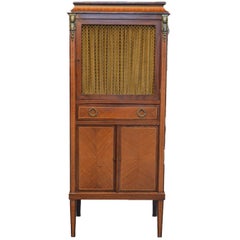
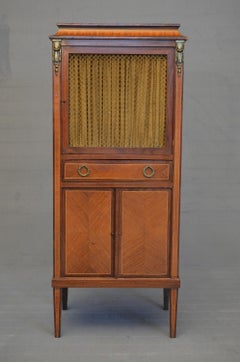
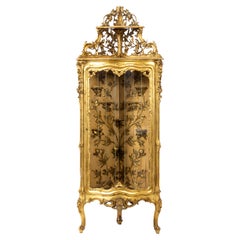
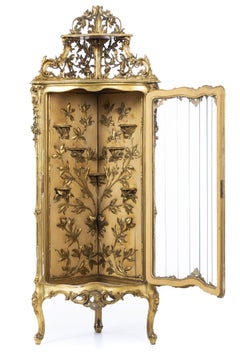
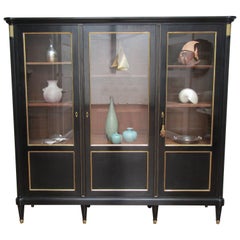
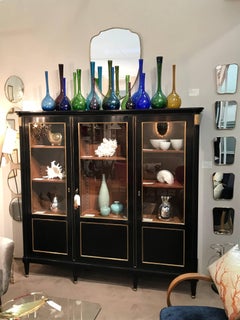
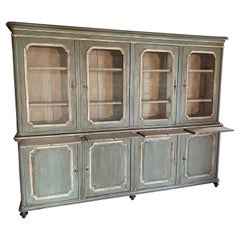
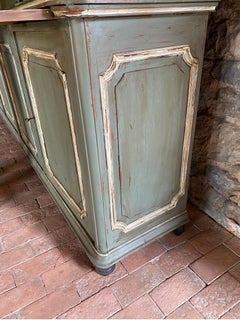
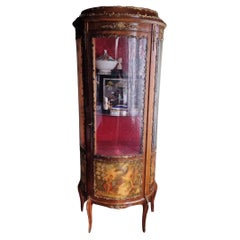
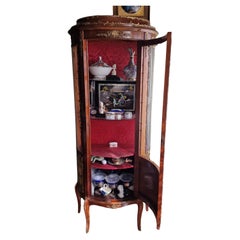
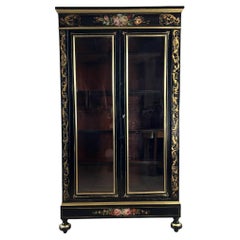
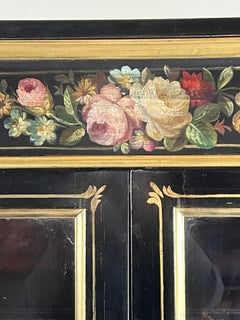
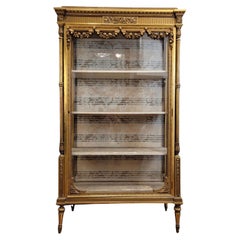
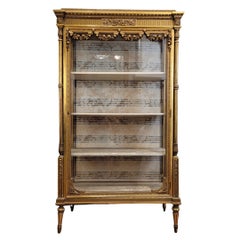
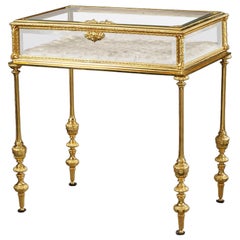
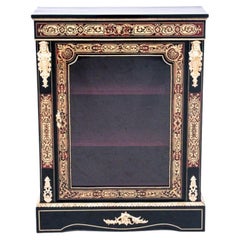
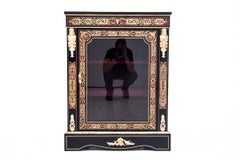
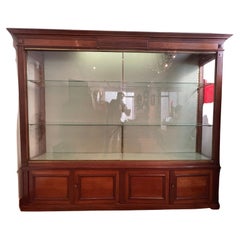
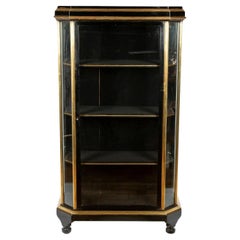
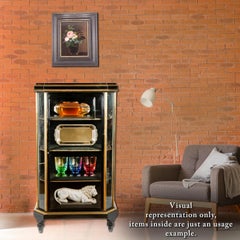
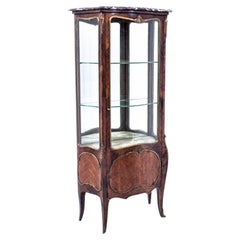
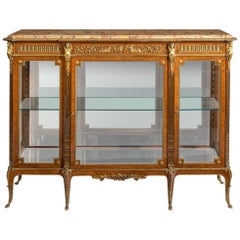
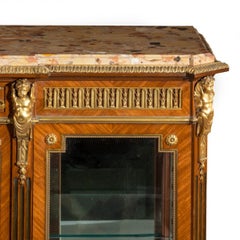
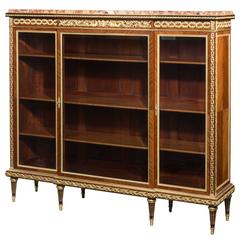
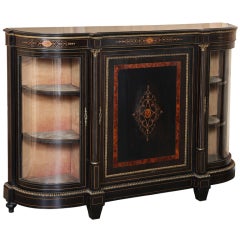
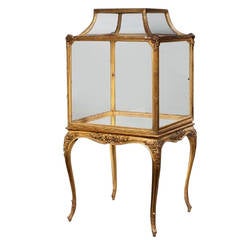
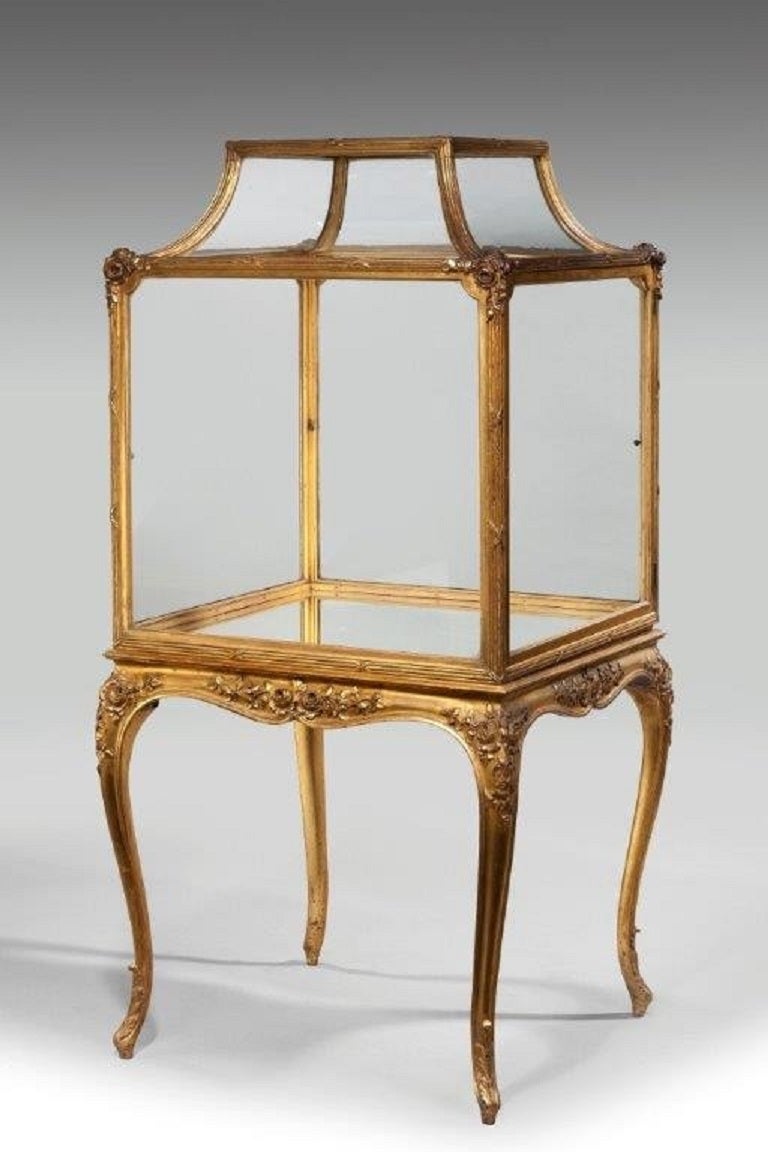
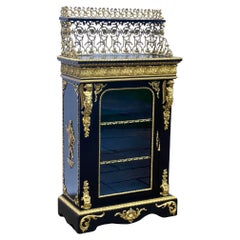
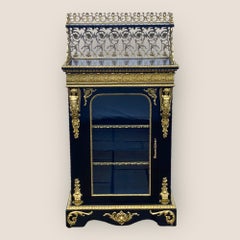
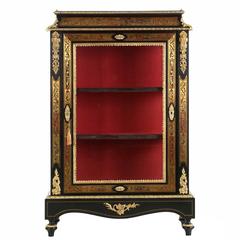
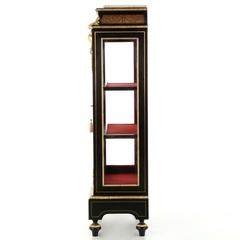
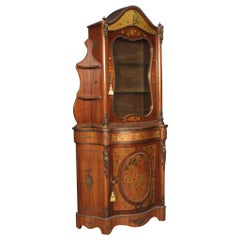
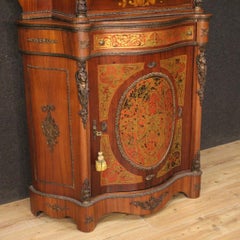
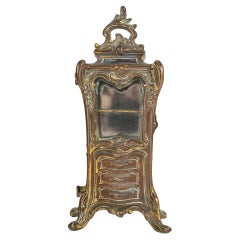
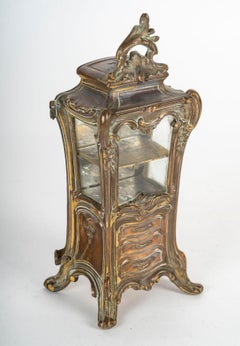
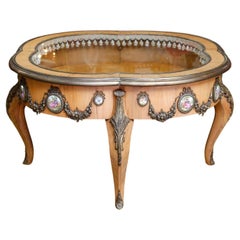
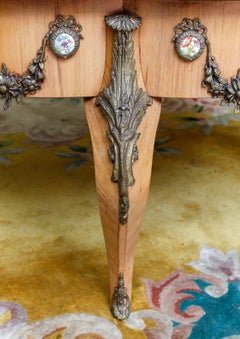
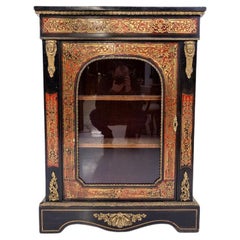
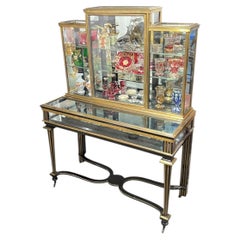
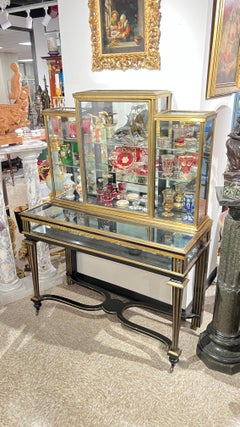
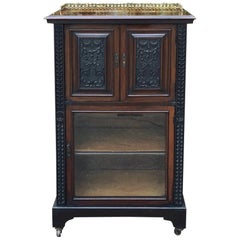
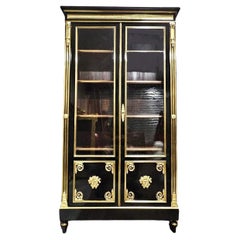
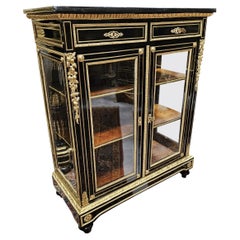
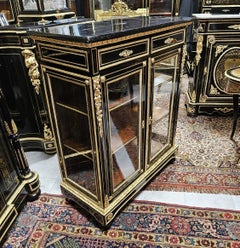
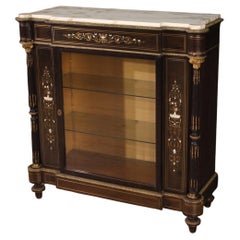
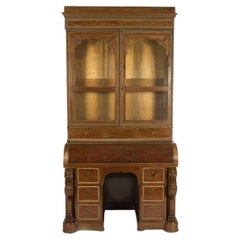
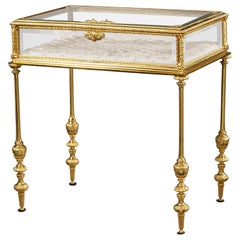
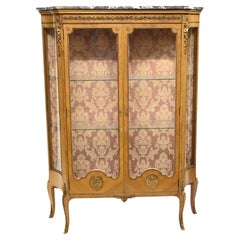
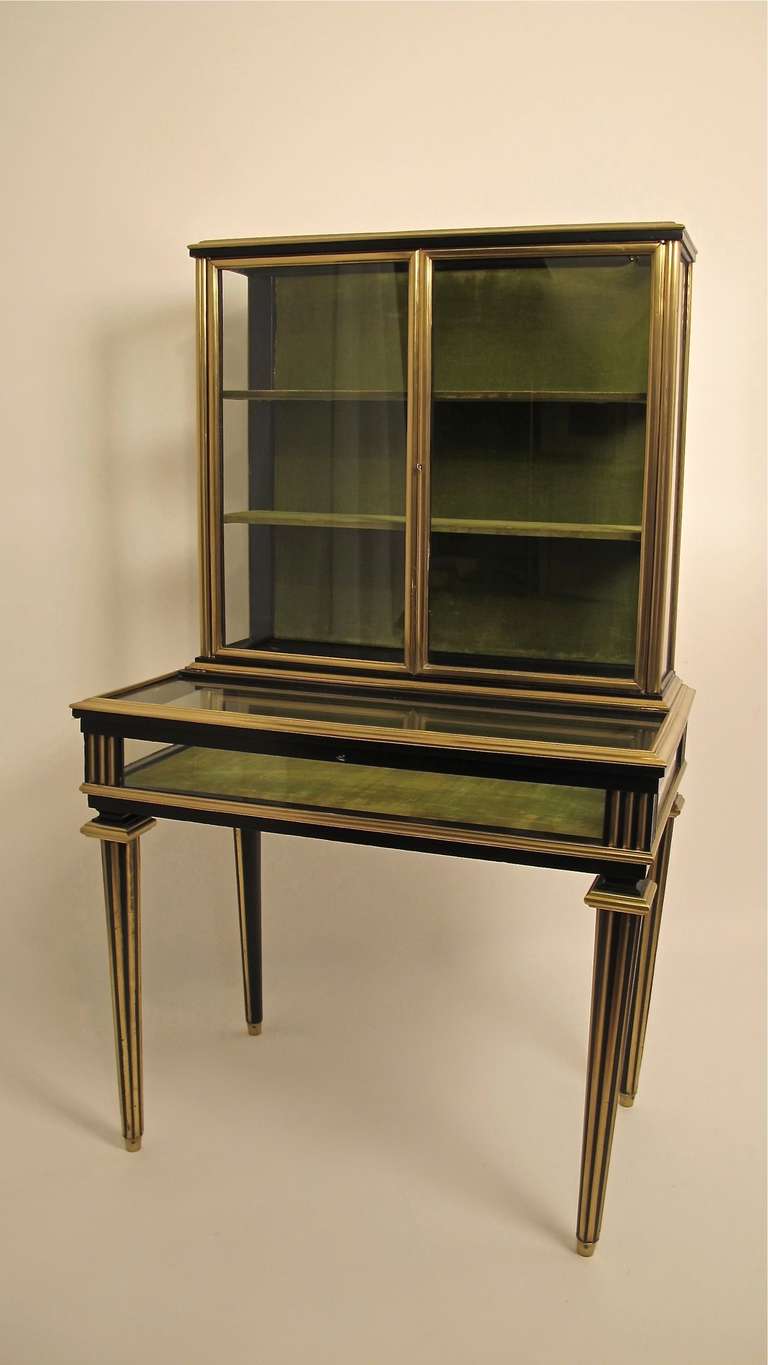
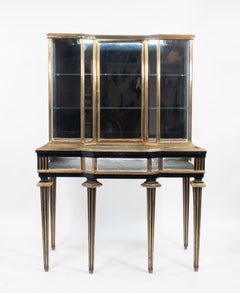
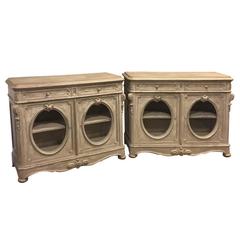
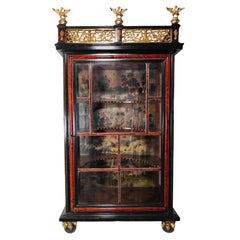
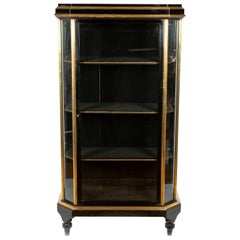
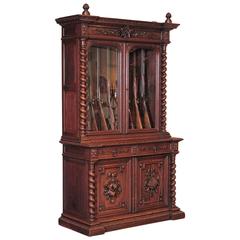
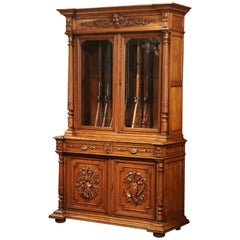
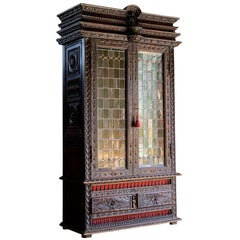
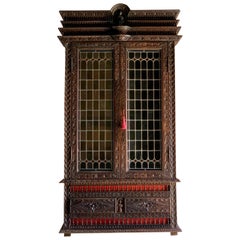
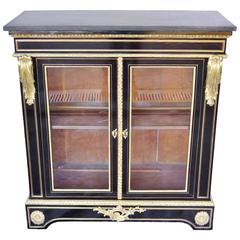
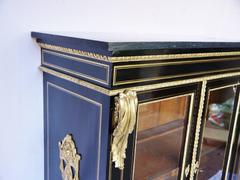
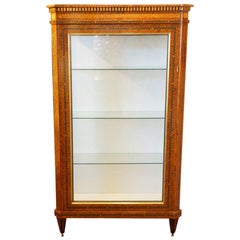
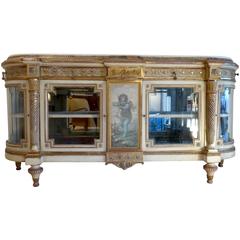
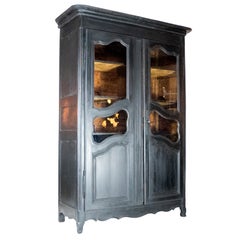
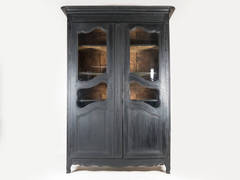
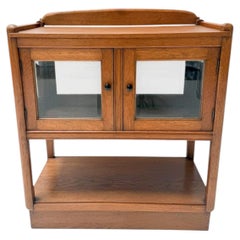
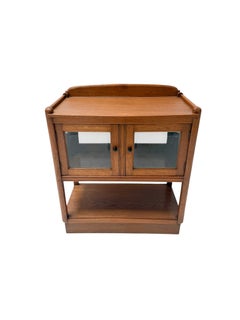
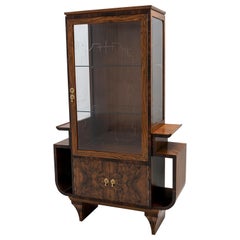
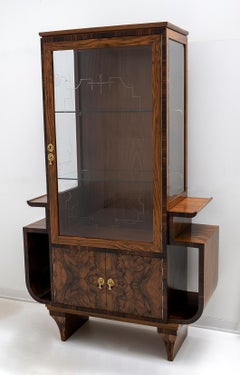
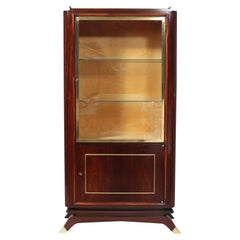
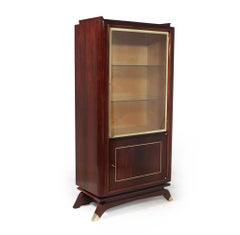
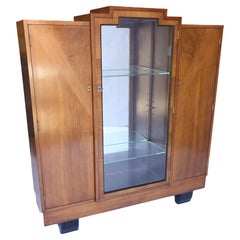
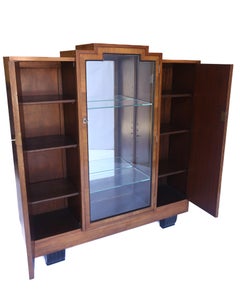
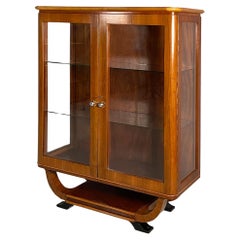
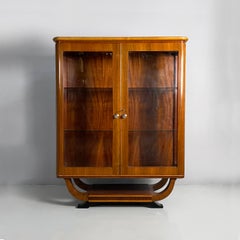
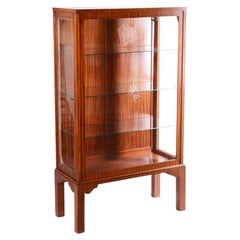
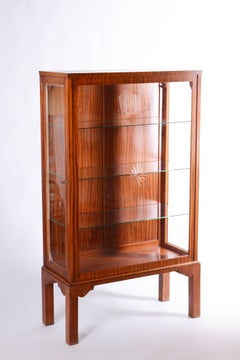
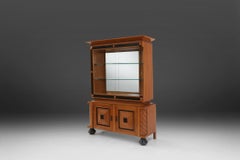
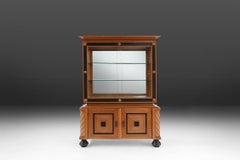
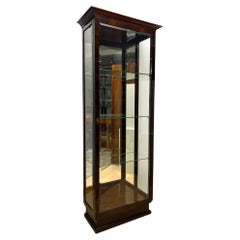
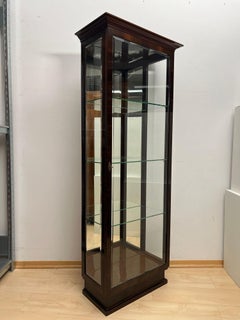
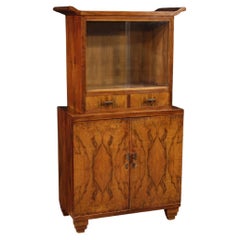
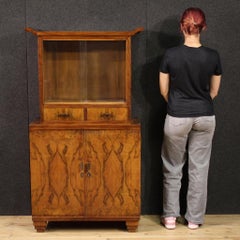
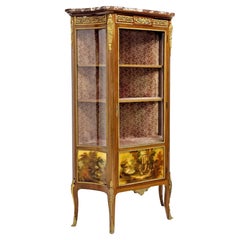
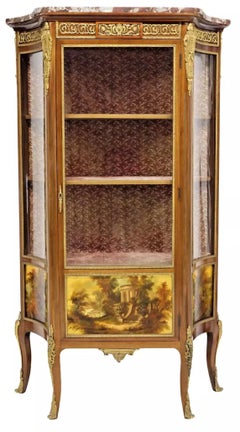
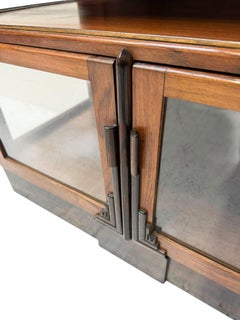
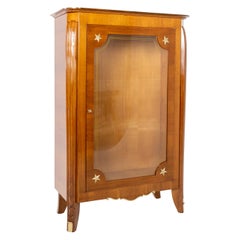
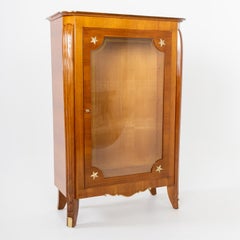
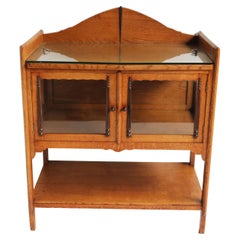
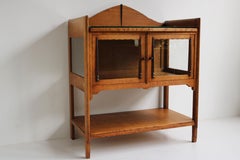
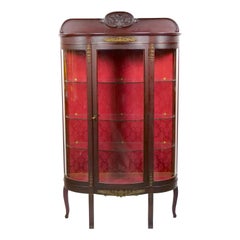
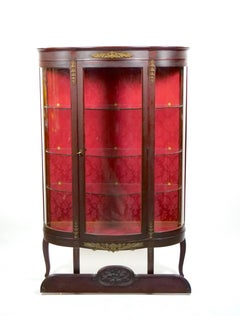
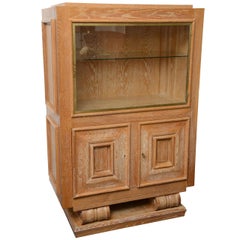
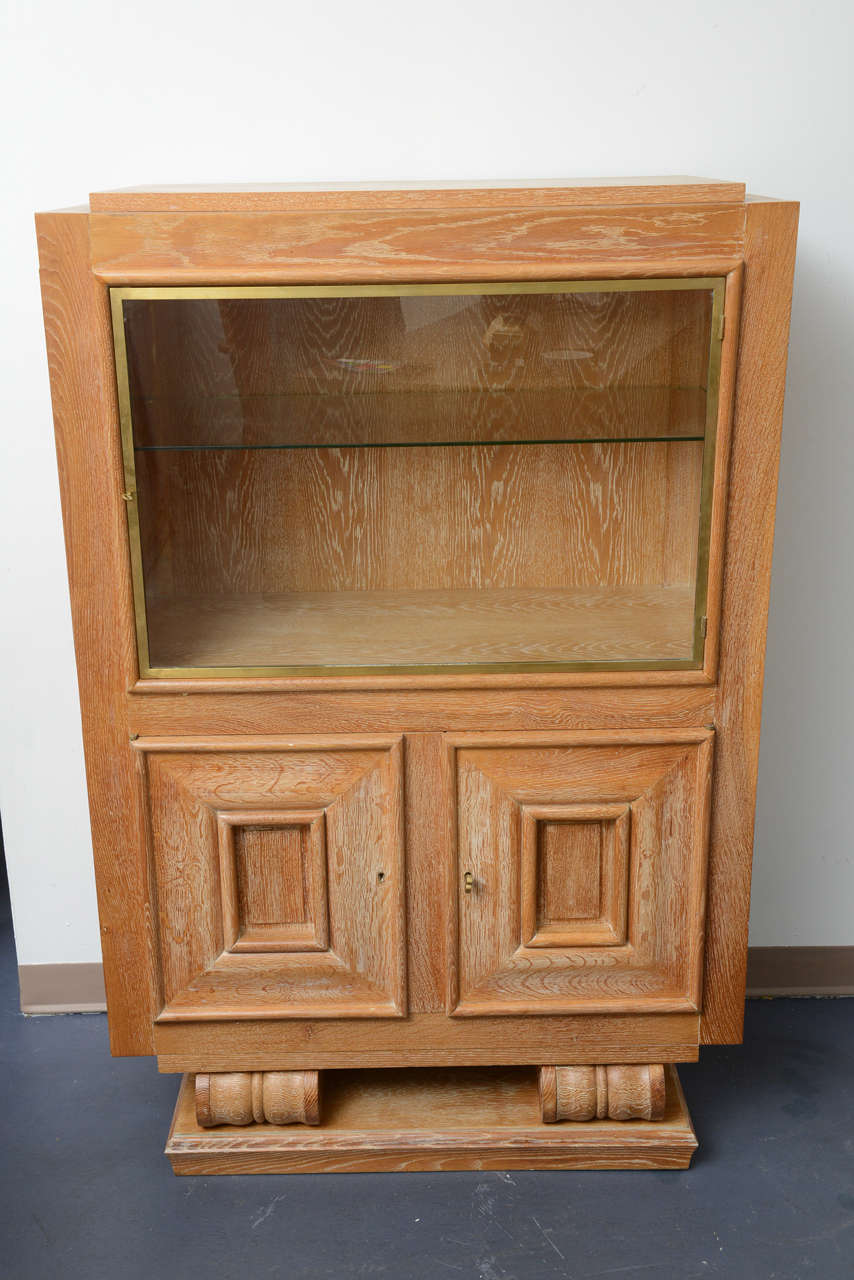
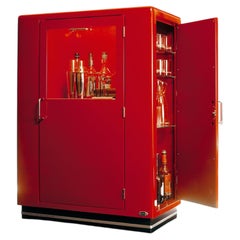
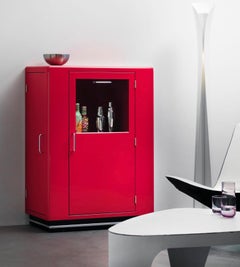
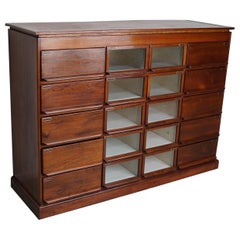
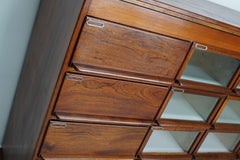
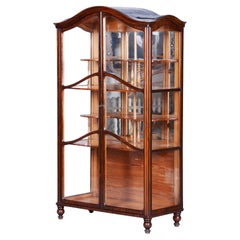
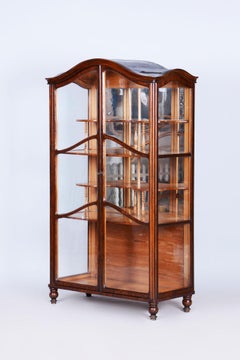
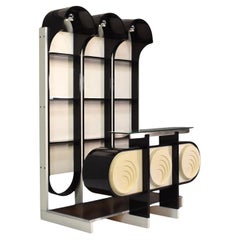
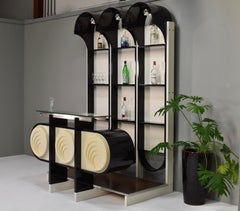
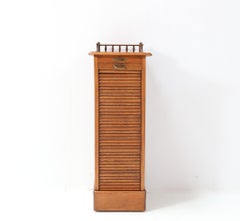
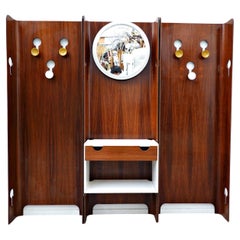
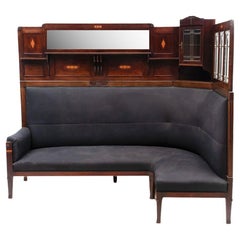
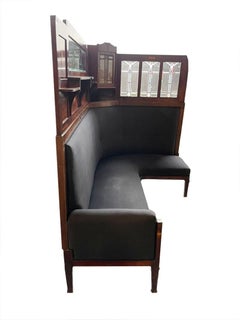
With a vast inventory of beautiful furniture at 1stDibs, we’ve got just the napoleon display case you’re looking for. Frequently made of
wood,
metal and
glass, every napoleon display case was constructed with great care. Whether you’re looking for an older or newer napoleon display case, there are earlier versions available from the 19th Century and newer variations made as recently as the 20th Century. A napoleon display case made by
Neoclassical designers — as well as those associated with
Arts and Crafts — is very popular. Many designers have produced at least one well-made napoleon display case over the years, but those crafted by
Henri Picard and
Napoleon le Grand are often thought to be among the most beautiful.
Under Napoleon III’s rule, Paris underwent a great rebuilding overseen by Baron Georges-Eugène Haussmann, which created grand avenues and lavish landmarks like the Paris Opera. Antique Napoleon III–style furniture was flamboyant and eclectic. It was also known as Second Empire style since it followed and referenced the Empire style of his uncle Napoleon I.
Developing from 1852–70, Napoleon III furniture was plush and ornate, matching the fashion for masked balls and socializing in salons. It borrowed freely from earlier French styles including Louis XIV, Louis XV and Louis XVI as well as aesthetics from around the world, from antiquity to Asian art. As writer Gustave Claudin remarked in 1867, the country’s architects worked in “a style which one would be tempted to call neo-Greco-Gothico-Pompadour-Pompeian.”
Napoleon III chairs were completely covered with velvet and lined with tassels; pouf footstools invited people to put up their feet. Sofas were upholstered with tapestries, and beds were adorned with gilt bronze and theatrical canopies. The addition of conservatories to homes led to new indoor-outdoor furniture, while the spirit of hygiene promoted by Baron Haussmann inspired bright, floral motifs.
Although the most ostentatious designs were for the elite, as seen in the Napoleon III apartments preserved in the Louvre, where red velvet, gilding and chandeliers create a cacophony of luxury, these trends influenced homes across classes as manufacturing made design increasingly accessible. Papier-mâché furniture allowed for elaborate shapes that would have been difficult to carve in wood. The malleable material was painted with chinoiserie patterns and decorative designs. It was mass-produced by factories such as Jennens and Bettridge with varnishing and mother-of-pearl inlays creating an effect reminiscent of Asian lacquer. (Surfaces that had been “japanned” — a specialty of Jennens and Bettridge — were intended to resemble lacquer work that was created in East Asia.)
Find a collection of antique Napoleon III decorative objects, tables, seating and other furniture on 1stDibs.
Of all the vintage storage cabinets and antique case pieces that have become popular in modern interiors over the years, dressers, credenzas and cabinets have long been home staples, perfect for routine storage or protection of personal items.
In the mid-19th century, cabinetmakers would mimic styles originating in the Louis XIV, Louis XV and Louis XVI eras for their dressers, bookshelves and other structures, and, later, simpler, streamlined wood designs allowed these “case pieces” or “case goods” — any furnishing that is unupholstered and has some semblance of a storage component — to blend into the background of any interior.
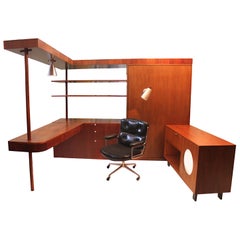
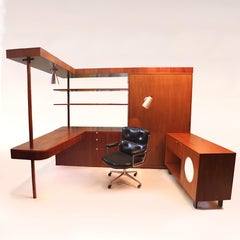
Mid-century modern furniture enthusiasts will cite the tall modular wall units crafted in teak and other sought-after woods of the era by the likes of George Nelson, Poul Cadovius and Finn Juhl. For these highly customizable furnishings, designers of the day delivered an alternative to big, heavy bookcases by considering the use of space — and, in particular, walls — in new and innovative ways. Mid-century modern credenzas, which, long and low, evolved from tables that were built as early as the 14th century in Italy, typically have no legs or very short legs and have grown in popularity as an alluring storage option over time.
Although the name immediately invokes images of clothing, dressers were initially created in Europe for a much different purpose. This furnishing was initially a flat-surfaced, low-profile side table equipped with a few drawers — a common fixture used to dress and prepare meats in English kitchens throughout the Tudor period. The drawers served as perfect utensil storage. It wasn’t until the design made its way to North America that it became enlarged and equipped with enough space to hold clothing and cosmetics. The very history of case pieces is a testament to their versatility and well-earned place in any room.
In the spirit of positioning your case goods center stage, decluttering can now be design-minded.
A contemporary case piece with open shelving and painted wood details can prove functional as a storage unit as easily as it can a room divider. Alternatively, apothecary cabinets are charming case goods similar in size to early dressers or commodes but with uniquely sized shelving and (often numerous) drawers.
Whether you’re seeking a playful sideboard that features colored glass and metal details, an antique Italian hand-carved storage cabinet or a glass-door vitrine to store and show off your collectibles, there are options for you on 1stDibs.