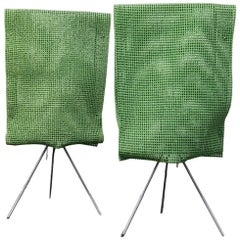
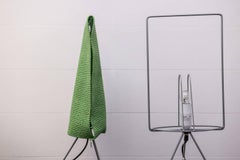
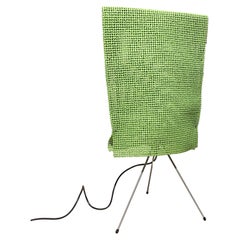
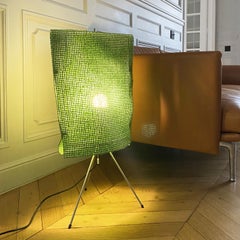
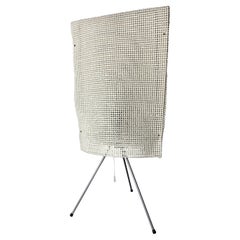
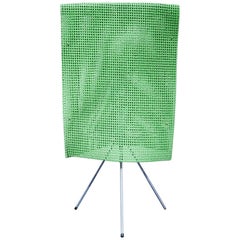
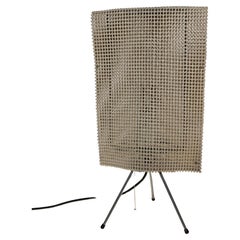
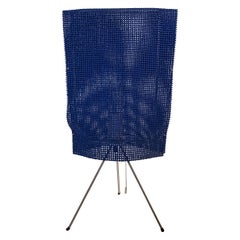
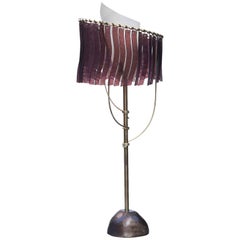
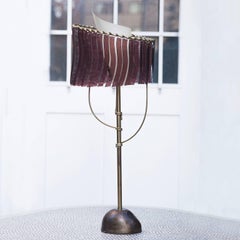
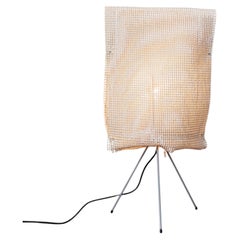
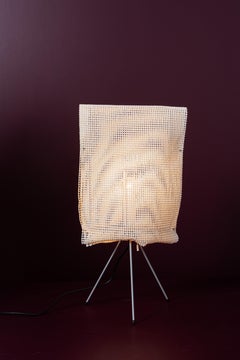
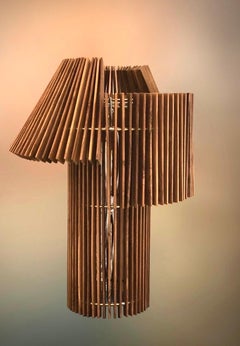
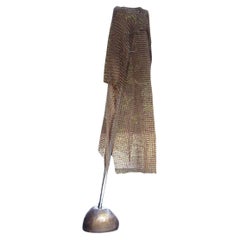
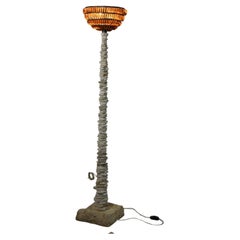
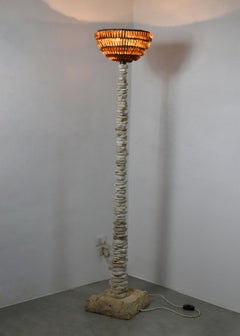
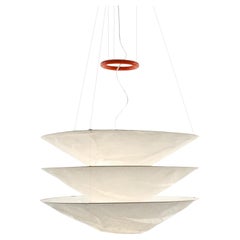
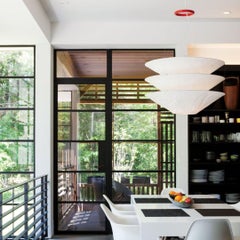
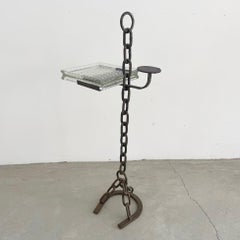
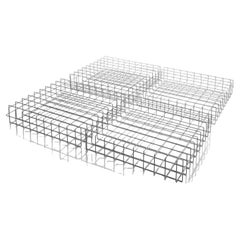
The Campana Brothers were among Brazil’s foremost contemporary furniture designers. Inspired by their country’s vernacular culture, Humberto and Fernando Campana (b. 1953; 1961–2022) combined everyday objects in unexpected ways — often waste materials like rope, cardboard, plastic tubing, and aluminum wire — to make their singular chairs, decor, lighting and other items. Their designs have been manufactured by such companies as Alessi, Swarovski and Cappellini. And they received numerous honors, including being named Designer of the Year both at Design Miami in 2008, and by Maison & Objet in Paris in 2012.
Humberto Campana was born in Rio Claro in 1953 and earned a bachelor’s degree in law from the University of São Paulo. Fernando was born in 1961 in Brotas, and graduated from the São Paulo School of Fine Arts with a bachelor’s degree in architecture.
The Campana brothers started working together in 1983, crafting furniture using their signature method of adaptive reuse. Their pieces frequently refer to Brazilian social and cultural traditions and entities. Among these are the country’s favelas, or shantytowns, that have grown up around major cities. An homage to the resourcefulness with which the residents of São Paulo’s favelas make use of the materials at hand, repurposing cast-off objects in ingenious designs and constructions, their Favela armchair is made of cast-off strips of wood (the first one was made from discarded slats from a fruit market), which are glued and nailed together seemingly at random. The end result, however, is a compact, solid and well-proportioned chair.
By 1997, some of the Campanas’ pieces were being produced and sold in Italy, including the Edra Vermelha armchair, constructed of cord handwoven around a steel frame. In 1998, the brothers became the first Brazilian designers to have their work exhibited at the Museum of Modern Art in New York. Today their furniture is included in MoMA’s permanent collection and in those of numerous other major institutions, such as the Metropolitan Museum of Art, the Philadelphia Museum of Art, and the Vitra Design Museum.
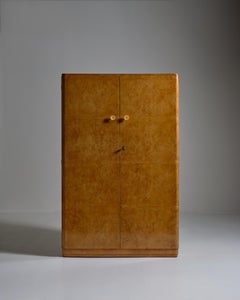
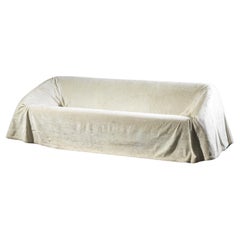
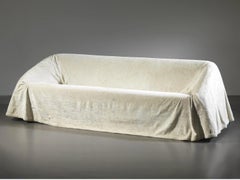
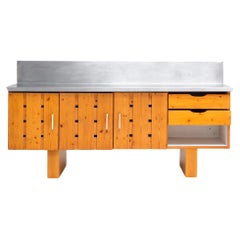
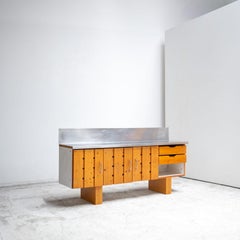
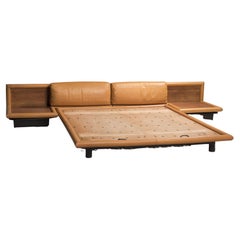
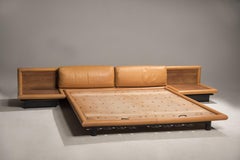
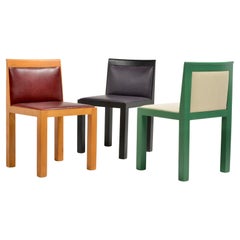
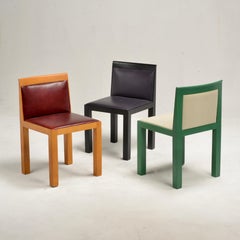
On 1stDibs, find a collection of Campana Brothers armchairs, case pieces and other furniture.
Antique table lamps became a category of their own once electricity moved light off the wall and onto furniture. The form split quickly: task-driven designs like the Anglepoise on one side, decorative ceramic and glass on the other.
Styles to Know
Base material shapes the light as much as the shade does: ceramic and glass diffuse a softer glow, while brass and metal read more directional. Layer the look with a mid-century modern floor lamp for ambient light, or set a pair on a mid-century modern nightstand for a bedroom.
How to Choose the Right Vintage Table Lamp
Buying individually rather than as a pair allows more flexibility when mixing eras across a room. For those shopping by name rather than by shape, the history of the Anglepoise lamp is worth a read. Each piece comes from a vetted 1stDibs seller, with era, designer and condition detailed, and the 1stDibs Promise stands behind every purchase.