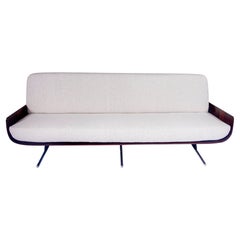
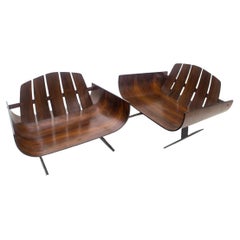
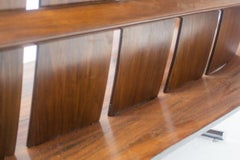
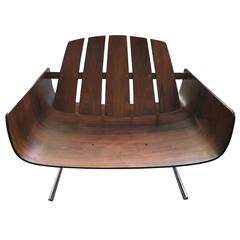
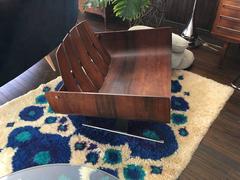
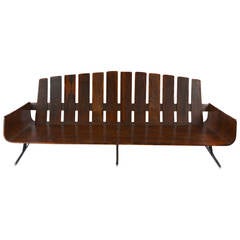
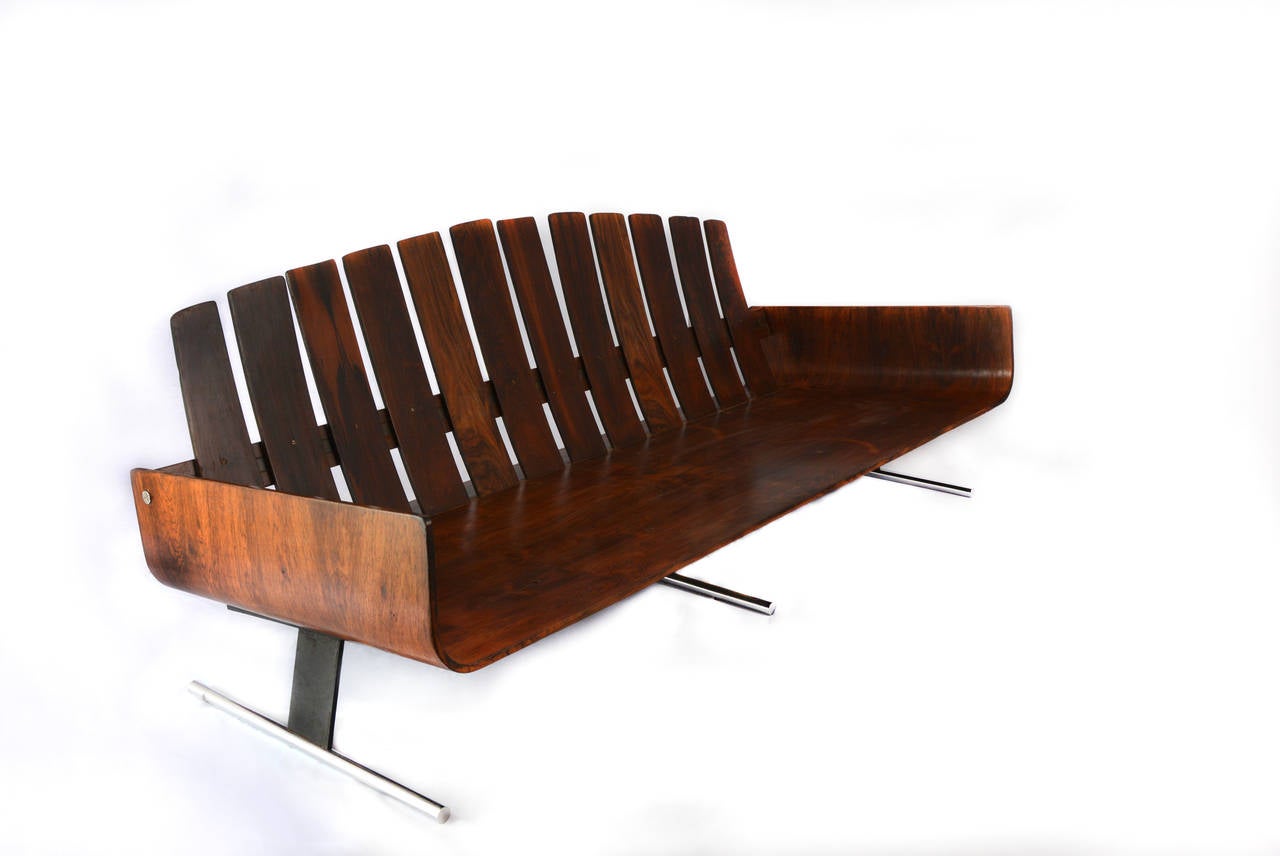
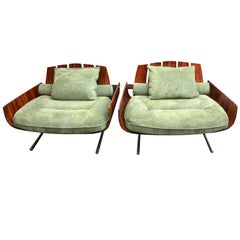
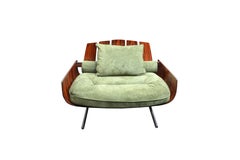
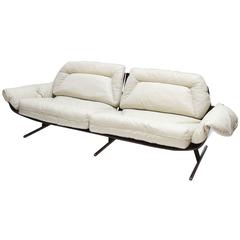
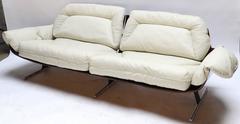
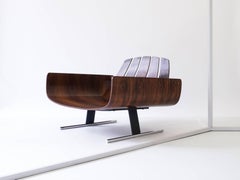
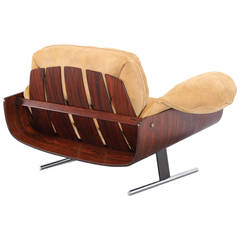
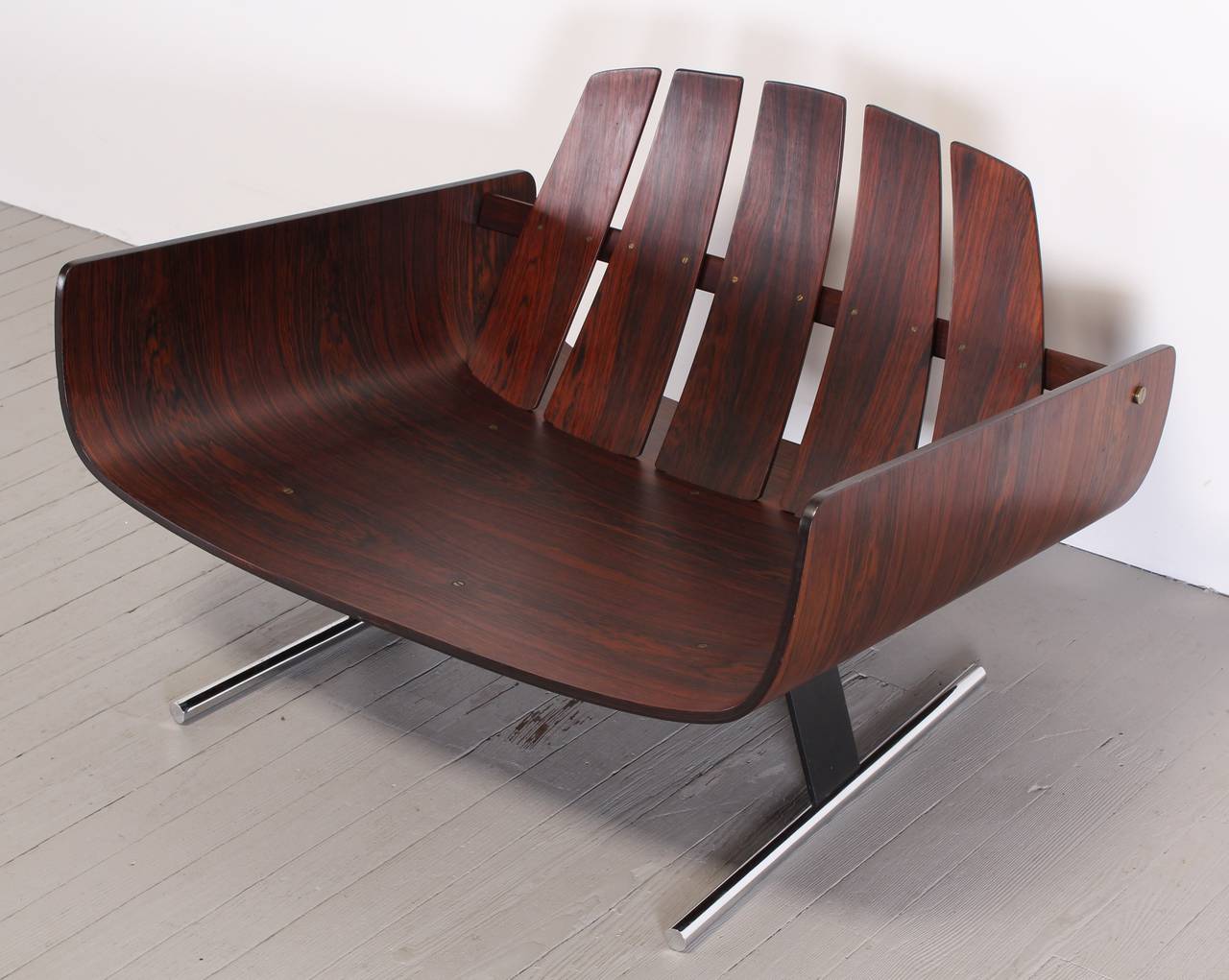
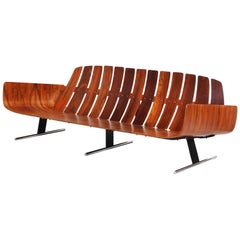
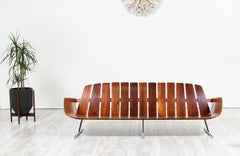
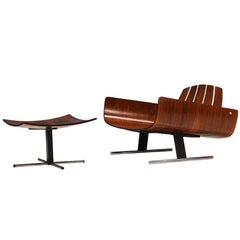
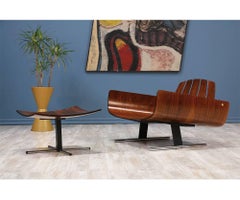
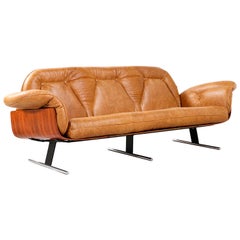
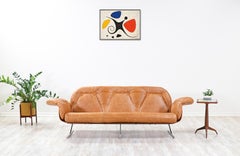
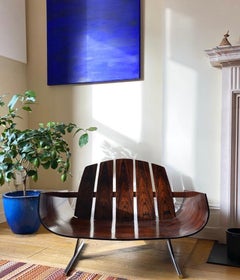
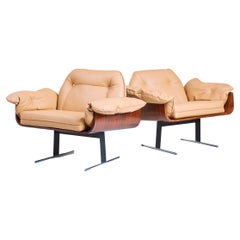
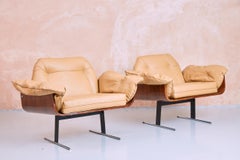
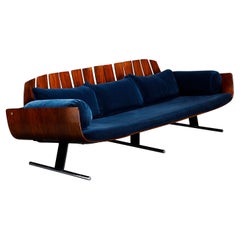
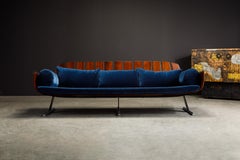
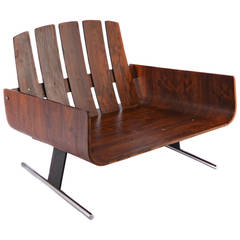
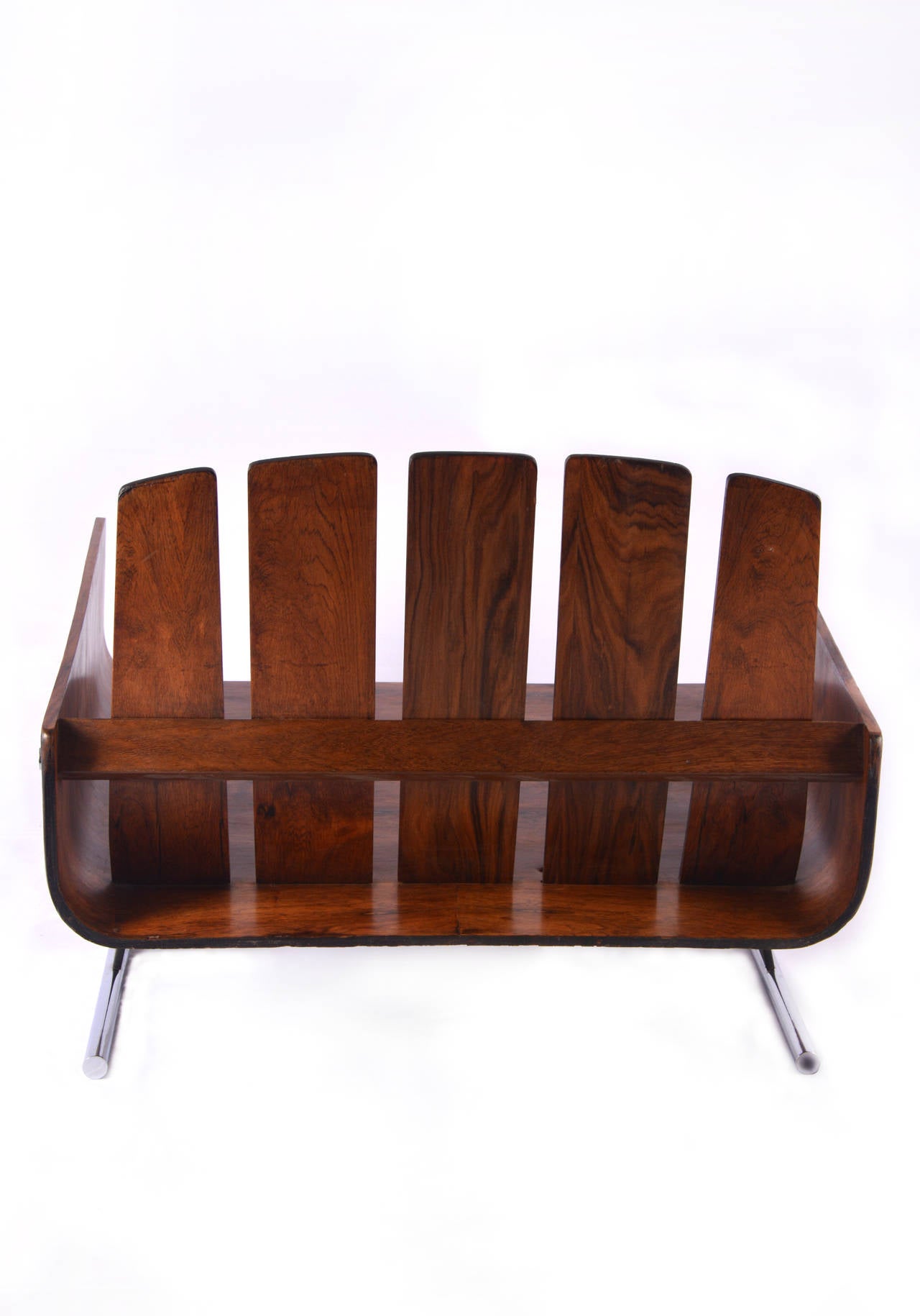
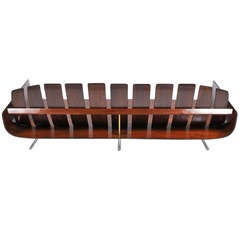
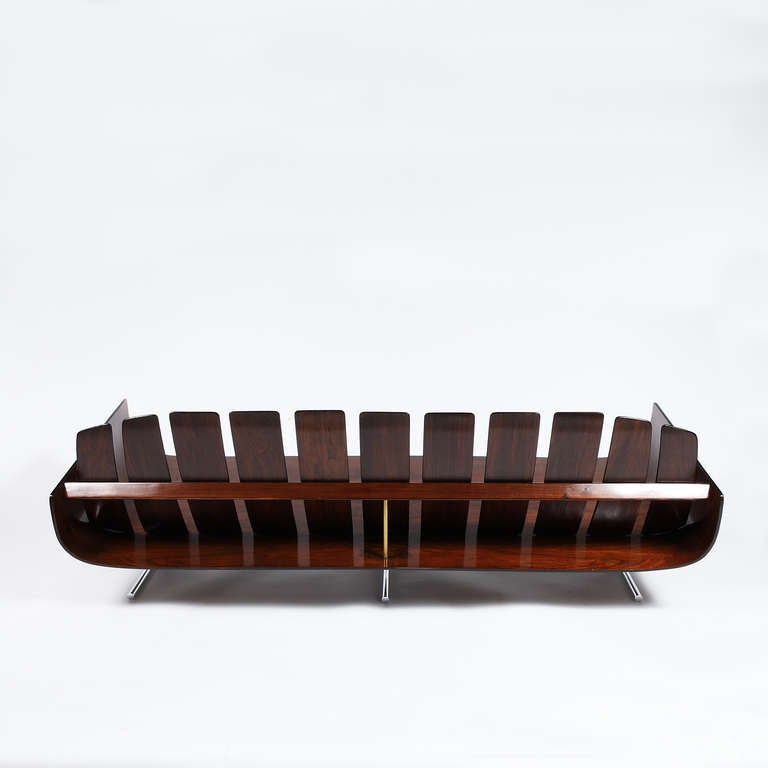
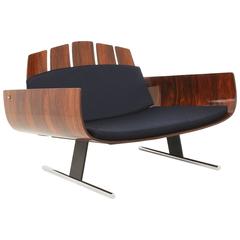
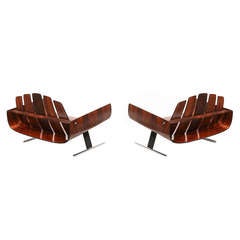
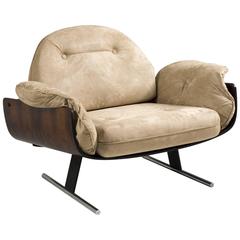
Find many varieties of an authentic presidencial zalszupin available at 1stDibs. Each presidencial zalszupin for sale was constructed with extraordinary care, often using
wood,
metal and
rosewood. Your living room may not be complete without a presidencial zalszupin — find older editions for sale from the 20th Century and newer versions made as recently as the 20th Century. When you’re browsing for the right presidencial zalszupin, those designed in
Mid-Century Modern styles are of considerable interest. Many designers have produced at least one well-made presidencial zalszupin over the years, but those crafted by
Jorge Zalszupin,
L’Atelier and
L'Atelier San Paulo are often thought to be among the most beautiful.
A presidencial zalszupin can differ in price owing to various characteristics — the average selling price 1stDibs is $28,000, while the lowest priced sells for $6,500 and the highest can go for as much as $51,511.
Just as emigrant Europeans — from Kem Weber and Paul Frankl to Marcel Breuer and Ludwig Mies van der Rohe — helped establish modernist design and architecture in the United States, so too did many of their peers foster the new design aesthetic in Brazil in the middle decades of the 20th century. Along with architect Lina Bo Bardi (from Italy) and Joaquim Tenreiro (from Portugal) — both of whom helped popularize Brazilian modern design and influenced today's generation of Brazilian designers — there was Jorge Zalszupin, who arrived from Poland in 1949 and created consistently sleek and elegant chairs, tables and case pieces using the South American country’s vibrantly grained tropical hardwoods.
Zalszupin was born in Warsaw (his given first name is Jerzy) and went on to study architecture at the École des Beaux Arts in Bucharest, Romania, graduating in 1945. Zalszupin moved to Paris but found few opportunities in the postwar City of Light. He was impressed by articles on the work of Brazilian architect Oscar Niemeyer that he saw in the André Bloc–edited magazine L’Architecture d’Aujourd’hui (Architecture Today). And after sailing to South America, Zalszupin went to work with his fellow Pole and architect Luciano Korngold in São Paulo. Zalszupin began designing furniture as part of his architectural commissions and created several pieces for Niemeyer for use in the new capital city, Brasília. He opened his own design and manufacturing firm, L’Atelier, in 1959.
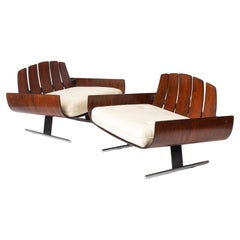
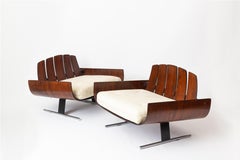
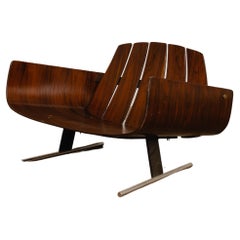
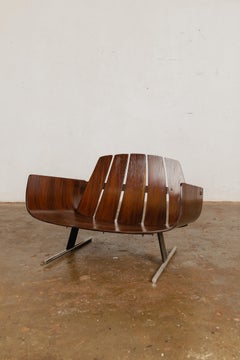
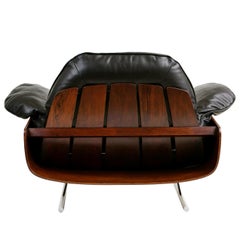
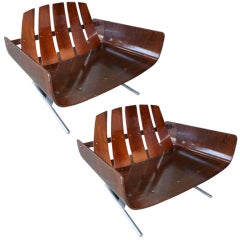
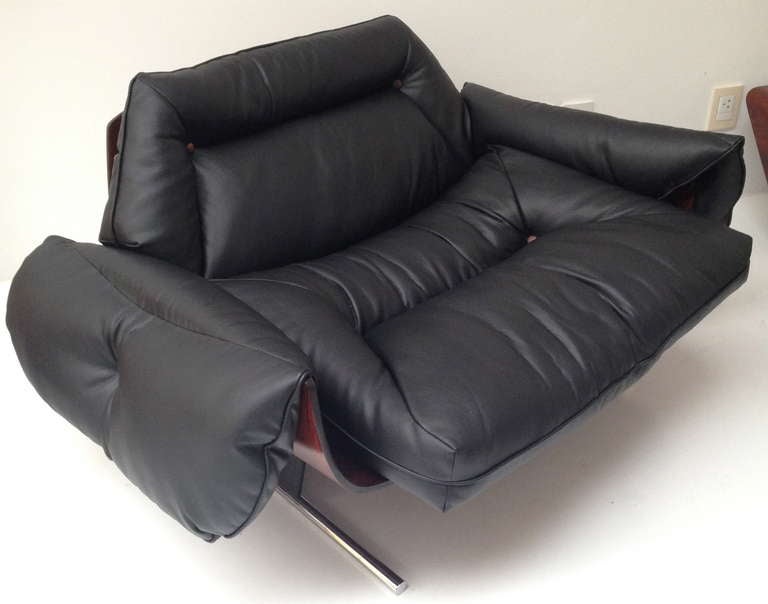
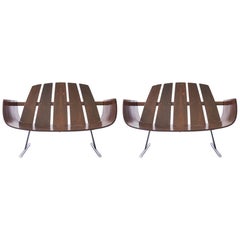
While Zalszupin cannot be said to have had a signature style, his furniture designs all share a characteristic simplicity and purity of line and form. His work is often compared to that of Danish designers, most especially in their shared commitment to quality construction. He was a master of many materials: travertine marble for tabletops, slung leather for seating, man-made fabrics for upholstery and — his forte — highly figured woods such as jacaranda and rosewood. The latter plays prominently in two of Zalszupin’s best-known lounge chairs: the Brasiliana, with its austere, angular wood frame, and the Presidencial, with its curved seating shell and slatted backrest. Both chairs feature deep cushions and generous proportions in deference to the Brazilian proclivity for long and languid conversations. Yet both pieces — like all Zalszupin designs — possess a striking, tailored grace that would be perfect in any environment.
Find vintage Jorge Zalszupin furniture on 1stDibs.
With entire areas of our homes reserved for “sitting rooms,” the value of quality antique and vintage seating cannot be overstated.
Fortunately, the design of side chairs, armchairs and other lounge furniture — since what were, quite literally, the early perches of our ancestors — has evolved considerably.
Among the earliest standard seating furniture were stools. Egyptian stools, for example, designed for one person with no seat back, were x-shaped and typically folded to be tucked away. These rudimentary chairs informed the design of Greek and Roman stools, all of which were a long way from Sori Yanagi's Butterfly stool or Alvar Aalto's Stool 60. In the 18th century and earlier, seats with backs and armrests were largely reserved for high nobility.
The seating of today is more inclusive but the style and placement of chairs can still make a statement. Antique desk chairs and armchairs designed in the style of Louis XV, which eventually included painted furniture and were often made of rare woods, feature prominently curved legs as well as Chinese themes and varied ornaments. Much like the thrones of fairy tales and the regency, elegant lounges crafted in the Louis XV style convey wealth and prestige. In the kitchen, the dining chair placed at the head of the table is typically reserved for the head of the household or a revered guest.
Of course, with luxurious vintage or antique furnishings, every chair can seem like the best seat in the house. Whether your preference is stretching out on a plush sofa, such as the Serpentine, designed by Vladimir Kagan, or cozying up in a vintage wingback chair, there is likely to be a comfy classic or contemporary gem for you on 1stDibs.
With respect to the latest obsessions in design, cane seating has been cropping up everywhere, from sleek armchairs to lounge chairs, while bouclé fabric, a staple of modern furniture design, can be seen in mid-century modern, Scandinavian modern and Hollywood Regency furniture styles.
Admirers of the sophisticated craftsmanship and dark woods frequently associated with mid-century modern seating can find timeless furnishings in our expansive collection of lounge chairs, dining chairs and other items — whether they’re vintage editions or alluring official reproductions of iconic designs from the likes of Hans Wegner or from Charles and Ray Eames. Shop our inventory of Egg chairs, designed in 1958 by Arne Jacobsen, the Florence Knoll lounge chair and more.
No matter your style, the collection of unique chairs, sofas and other seating on 1stDibs is surely worthy of a standing ovation.