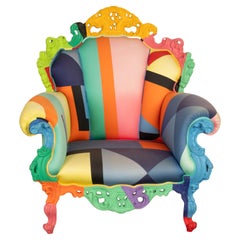
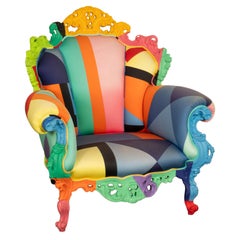
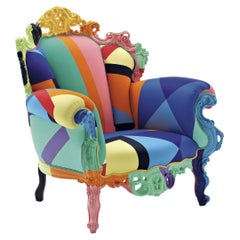
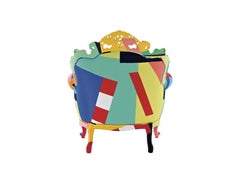
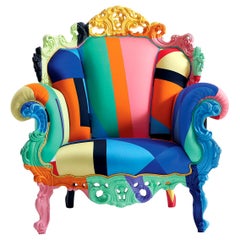
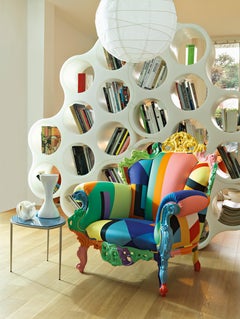
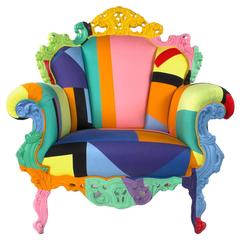
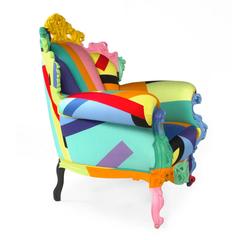
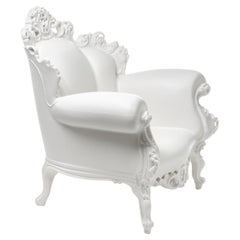
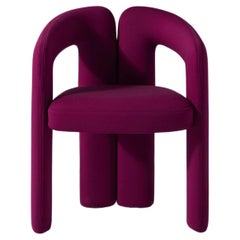
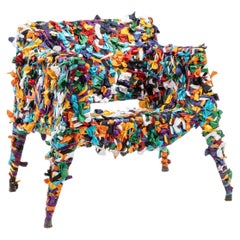
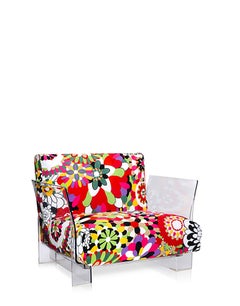
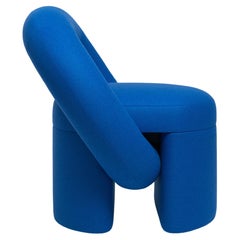
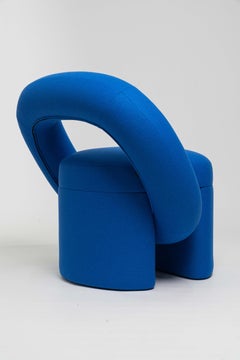
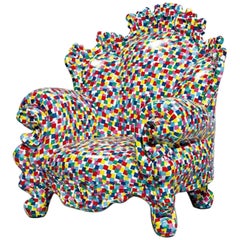
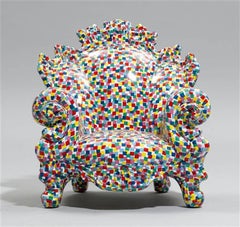
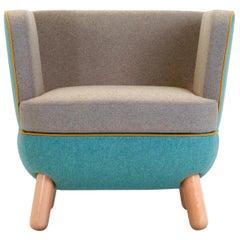
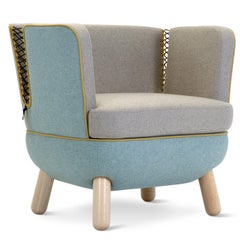
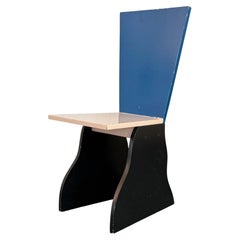
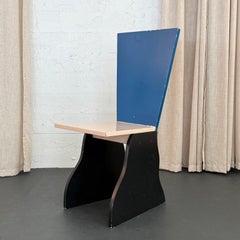
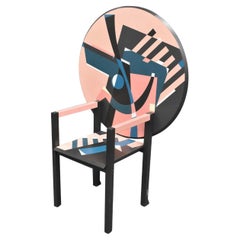
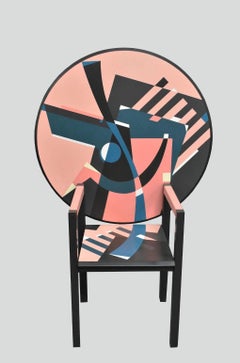
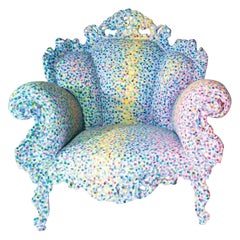
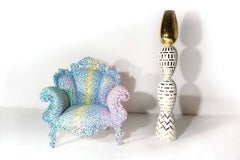
In 1946, at the start of a postwar boom in Europe, Enrico Cappellini opened the doors to a small furniture studio in the Italian town of Carugo. But it wasn’t until his son joined the company nearly three decades later that Cappellini became a powerhouse fixture on the global design stage. Today Cappellini is one of the world’s foremost manufacturers of innovative chairs, tables and decorative objects.
Giulio Cappellini joined the family company in 1977 and, with his appointment, ushered in a stage of boundary-pushing modernism and prolific creativity at Cappellini. With a dual background in architecture and business management, Giulio was well equipped to steer the brand into both innovative design and economic growth in a rapidly globalizing economy.
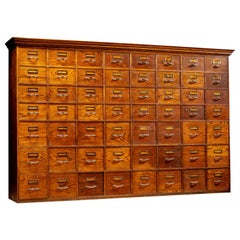
The second-generation leader’s first major success came in 1981, with the launch of Sistemi, a modular, hyperfunctional storage system that would come to symbolize the chic functionality of Cappellini. That was quickly followed by a collaboration with renowned Japanese designer Shiro Kuramata for the Progetti Compiuti collection, a line that brought unexpected playfulness to the simple framework of a black-and-white cabinet and remains an iconic collectible today.
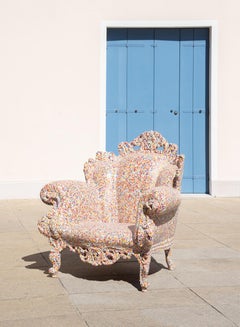
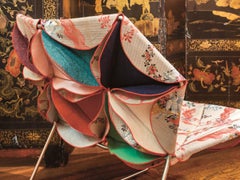
That first collaboration opened the doors to a prolific output of partnerships, with Cappellini tapping such star designers as Jasper Morrison, Marcel Wanders, Tom Dixon, Ronan and Erwan Bouroullec and Nendo for collections over the ensuing decades that spanned a range of materials and styles. Speaking to this range, Marc Newson’s plumply curvaceous 1988 Embryo chair, Jasper Morrison’s slightly arachnoid 1987 Thinking Man’s chair and Tom Dixon’s sculptural 1991 S-chair — each quite stylistically unique — remain some of the company’s most recognizable pieces, with the latter in the permanent collection of the Museum of Modern Art.
Cappellini, now headquartered in Milan, continues to partner with guest designers across furniture, storage and lighting solutions, though many of its 1970s and ’80s designs remain its most coveted today.
Find vintage Cappellini furniture on 1stDibs.
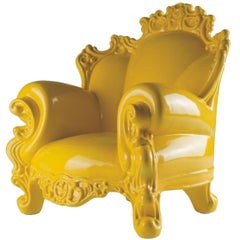
Armchairs have run the gamut from prestige to ease and everything in between, and everyone has an antique or vintage armchair that they love.
Long before industrial mass production democratized seating, armchairs conveyed status and power.
In ancient Egypt, the commoners took stools, while in early Greece, ceremonial chairs of carved marble were designated for nobility. But the high-backed early thrones of yore, elevated and ornate, were merely grandiose iterations of today’s armchairs.
Modern-day armchairs, built with functionality and comfort in mind, are now central to tasks throughout your home. Formal dining armchairs support your guests at a table for a cheery feast, a good drafting chair with a deep seat is parked in front of an easel where you create art and, elsewhere, an ergonomic wonder of sorts positions you at the desk for your 9 to 5.
When placed under just the right lamp where you can lounge comfortably, both elbows resting on the padded supports on each side of you, an upholstered armchair — or a rattan armchair for your light-suffused sunroom — can be the sanctuary where you’ll read for hours.
If you’re in the mood for company, your velvet chesterfield armchair is a place to relax and be part of the conversation that swirls around you. Maybe the dialogue is about the beloved Papa Bear chair, a mid-century modern masterpiece from Danish carpenter and furniture maker Hans Wegner, and the wingback’s strong association with the concept of cozying up by the fireplace, which we can trace back to its origins in 1600s-era England, when the seat’s distinctive arm protrusions protected the sitter from the heat of the period’s large fireplaces.
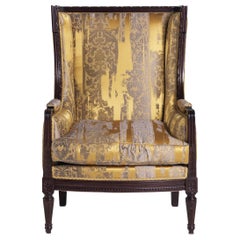
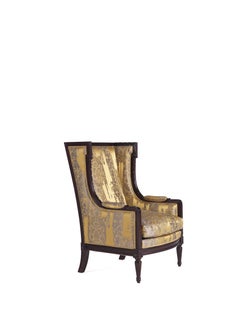
If the fireside armchair chat involves spirited comparisons, your companions will likely probe the merits of antique and vintage armchairs such as Queen Anne armchairs, Victorian armchairs or even Louis XVI armchairs, as well as the pros and cons of restoration versus conservation.
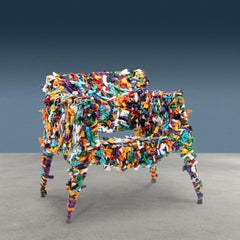
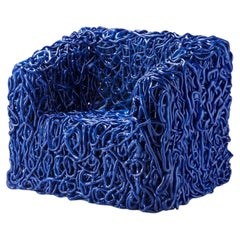
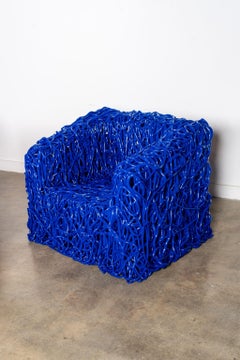
Everyone seems to have a favorite armchair and most people will be all too willing to talk about their beloved design. Whether that’s the unique Favela chair by Brazilian sibling furniture designers Fernando and Humberto Campana, who repurposed everyday objects to provocative effect; or Marcel Breuer’s futuristic tubular metal Wassily lounge chair; the functionality-first LC series from Charlotte Perriand, Le Corbusier and Pierre Jeanneret; or the Eames lounge chair of the mid-1950s created by Charles and Ray Eames, there is an iconic armchair for everyone and every purpose. Find yours on 1stDibs right now.