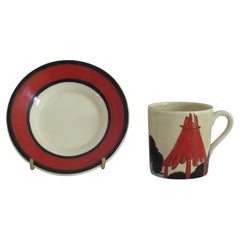
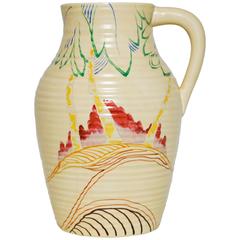
Art Deco furniture is characterized by its celebration of modern life. More than its emphasis on natural wood grains and focus on traditional craftsmanship, vintage Art Deco dining chairs, tables, desks, cabinets and other furniture — which typically refers to pieces produced during the 1920s and 1930s — is an ode to the glamour of the “Roaring Twenties.”
ORIGINS OF ART DECO FURNITURE DESIGN
CHARACTERISTICS OF ART DECO FURNITURE DESIGN
- Bold geometric lines and forms, floral motifs
- Use of expensive materials such as shagreen or marble as well as exotic woods such as mahogany, ebony and zebra wood
- Metal accents, shimmering mirrored finishes
- Embellishments made from exotic animal hides, inlays of mother-of-pearl or ivory
ART DECO FURNITURE DESIGNERS TO KNOW
VINTAGE ART DECO FURNITURE ON 1STDIBS
Few design styles are as universally recognized and appreciated as Art Deco. The term alone conjures visions of the Roaring Twenties, Machine Age metropolises, vast ocean liners, sleek typography and Prohibition-era hedonism. The iconic movement made an indelible mark on all fields of design throughout the 1920s and ’30s, celebrating society’s growing industrialization with refined elegance and stunning craftsmanship.
Widely known designers associated with the Art Deco style include Émile-Jacques Ruhlmann, Eileen Gray, Maurice Dufrêne, Paul Follot and Jules Leleu.
The term Art Deco derives from the name of a large decorative arts exhibition held in Paris in 1925. “Art Deco design” is often used broadly, to describe the work of creators in associated or ancillary styles. This is particularly true of American Art Deco, which is also called Streamline Moderne or Machine Age design. (Streamline Moderne, sometimes known as Art Moderne, was a phenomenon largely of the 1930s, post–Art Nouveau.)
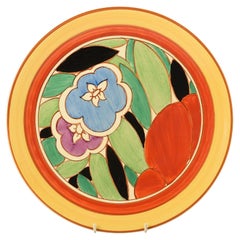
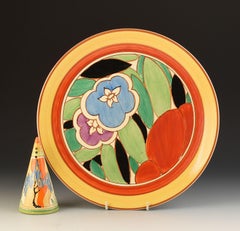
Art Deco textile designers employed dazzling floral motifs and vivid colors, and while Art Deco furniture makers respected the dark woods and modern metals with which they worked, they frequently incorporated decorative embellishments such as exotic animal hides as well as veneers in their seating, case pieces, living room sets and bedroom furniture.
From mother-of-pearl inlaid vitrines to chrome aviator chairs, bold and inventive works in the Art Deco style include chaise longues (also known as chaise lounges) and curved armchairs. Today, the style is still favored by interior designers looking to infuse a home with an air of luxury and sophistication.
The vintage Art Deco furniture for sale on 1stDibs includes dressers, coffee tables, decorative objects and more.
Even if you’re (understandably) boastful of your minimalist loft apartment or breezy California coastal-style decor, your space could probably still use some streamlined antique and vintage pottery, which can prove both timeless and on-trend.
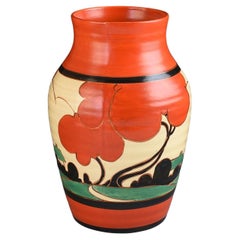
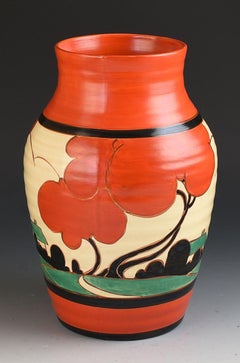
Pottery, which sees clay and other ceramic materials fired at high temperatures in order to lend them a durable and robust form, can introduce color and character to your dining room or living room. Pottery includes stoneware, porcelain and earthenware and, depending upon a piece’s origins, can vary considerably in style, form and function from one vessel to another. This makes it easy to find pottery for your interiors or outdoor garden areas, regardless of color scheme or design style.
“Ceramics are definitely seeing a resurgence in the decorating and art worlds,” says the team of Mat Sanders and Brandon Quattrone of interior design firm Consort. The personalization of handmade craftsmanship has served as a sort of anti-Internet to screen-weary decorators.
The rustic appearance of some mid-century-era Mexican pottery, such as a jug or water pitcher, can add earthy charm to your breakfast table while hand-painted antique Japanese pottery, such as a planter for your patio, might be characterized by rich colors and exquisitely detailed landscape scenes.
On 1stDibs, find a wide range of antique, new and vintage pottery with origins in countries all over the world. Our collection includes vases, vessels and other tableware from France, Italy and China as well as contemporary pottery and pieces that date from the 18th century and earlier.