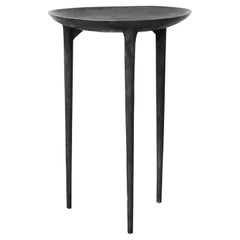
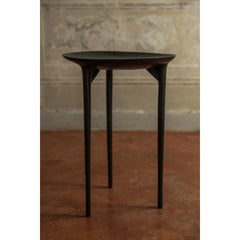
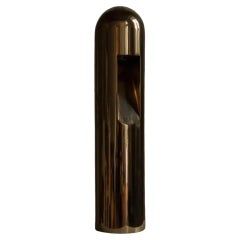
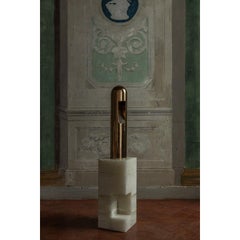
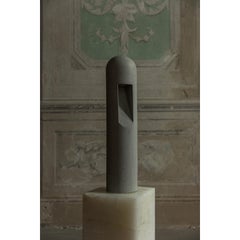
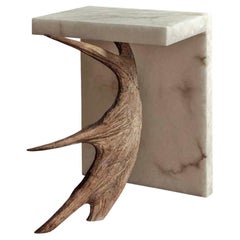
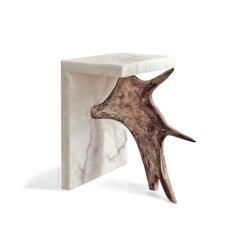
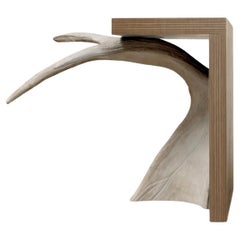
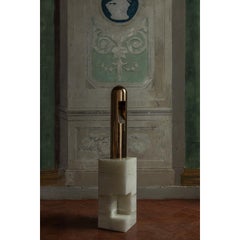
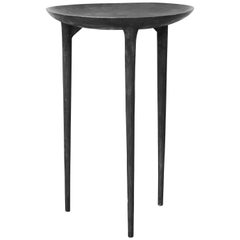
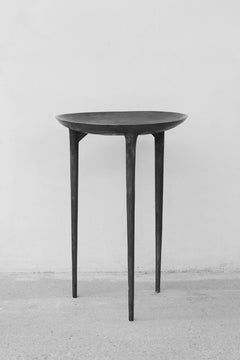
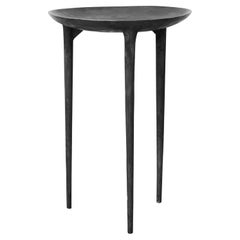
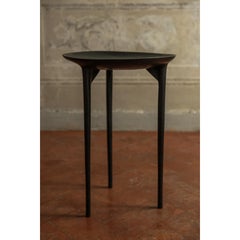
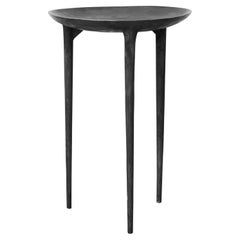
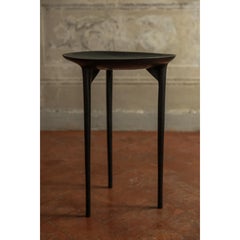
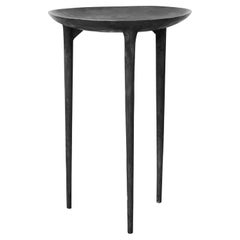
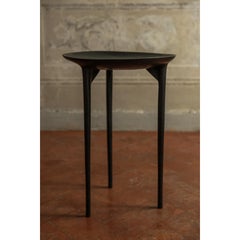
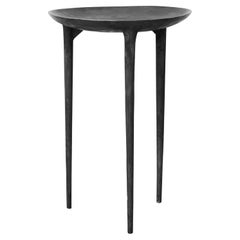
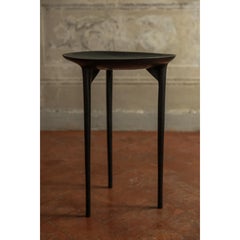
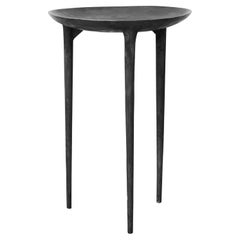
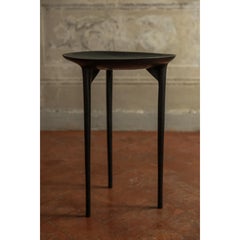
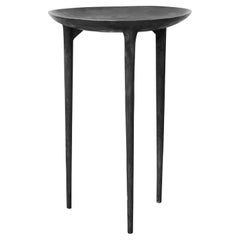
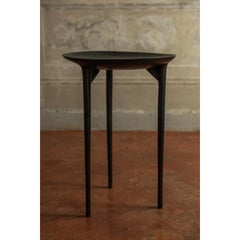
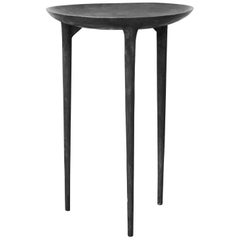
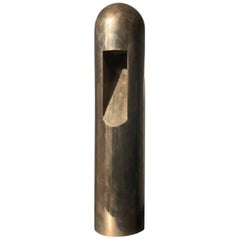
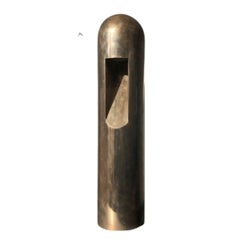
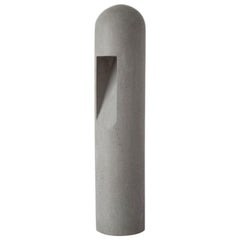
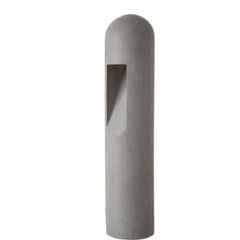
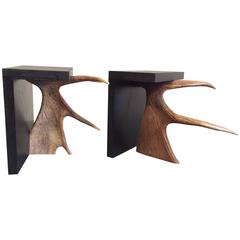
Choose from an assortment of styles, material and more with respect to the rick owens dining table you’re looking for at 1stDibs. Frequently made of
bronze,
metal and
plywood, every rick owens dining table was constructed with great care. When you’re browsing for the right rick owens dining table, those designed in
Modern styles are of considerable interest.
The California-born fashion and furniture designer Rick Owens has developed a unique style that he describes as “luxe minimalism.” As has been the case with many American icons, the French were among the first to recognize Owens’s distinctive Goth flair. Former Vogue Paris editor Carine Roitfeld was an early adopter, and (tellingly) she’s frequently photographed in a Rick Owens coat that’s been in her closet for at least five seasons.
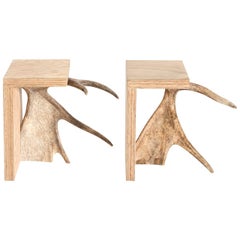
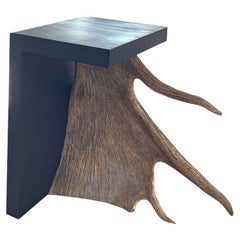
Though his designs are simple and spare, Owens thrives on theatricality — producing wildly original runway shows featuring gender-fluid models of all ages and shapes. Inspired by his longtime partner and muse, Michele Lamy, clothes and furniture alike feature dark grays, blacks and browns. Like his frontier forebears, Owens finds his strongest influences in nature — his furniture and housewares have simple, organic shapes, and a few items even feature his distinctly 21st-century take on antlers. (They’d look exquisite in a Bond villain’s Alpine hideaway — not a Wild West saloon). He’s also drawn to unorthodox materials like bone and petrified wood.
For many aficionados of Owens’s clothes, the gateway drug is a distressed leather motorcycle jacket. He describes the look as “glunge ”— a portmanteau of “glamour and “grunge.” Owens uses only the finest materials, although they’re not always visible from the outside. If you’re lucky enough to be swaddled in one of Owens’s edgy, sable-lined creations, you’ll know where the good stuff is hidden — and you’ll never want to take it off. Take a look at the offerings on these pages and be inspired.
Find a collection of original Rick Owens clothing and furniture on 1stDibs.
The late 19th and early 20th centuries saw sweeping social change and major scientific advances — both of which contributed to a new aesthetic: modernism. Rejecting the rigidity of Victorian artistic conventions, modernists sought a new means of expression. References to the natural world and ornate classical embellishments gave way to the sleek simplicity of the Machine Age. Architect Philip Johnson characterized the hallmarks of modernism as “machine-like simplicity, smoothness or surface [and] avoidance of ornament.”
Early practitioners of modernist design include the De Stijl (“The Style”) group, founded in the Netherlands in 1917, and the Bauhaus School, founded two years later in Germany.
Followers of both groups produced sleek, spare designs — many of which became icons of daily life in the 20th century. The modernists rejected both natural and historical references and relied primarily on industrial materials such as metal, glass, plywood, and, later, plastics. While Bauhaus principals Marcel Breuer and Ludwig Mies van der Rohe created furniture from mass-produced, chrome-plated steel, American visionaries like Charles and Ray Eames worked in materials as novel as molded plywood and fiberglass. Today, Breuer’s Wassily chair, Mies van der Rohe’s Barcelona chair — crafted with his romantic partner, designer Lilly Reich — and the Eames lounge chair are emblems of progressive design and vintage originals are prized cornerstones of collections.
It’s difficult to overstate the influence that modernism continues to wield over designers and architects — and equally difficult to overstate how revolutionary it was when it first appeared a century ago. But because modernist furniture designs are so simple, they can blend in seamlessly with just about any type of décor. Don’t overlook them.