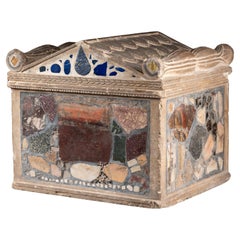
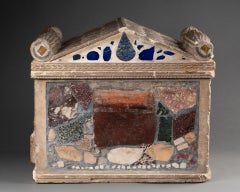
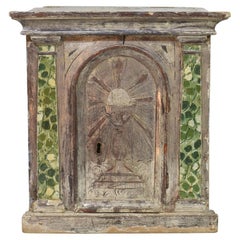
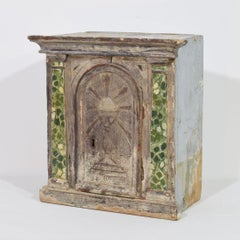
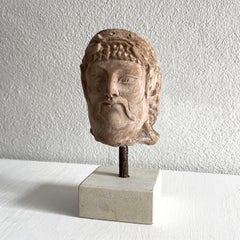
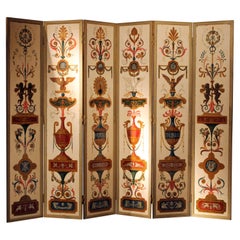
Find the exact roman fresco fragment you’re shopping for in the variety available on 1stDibs. You can easily find an example made in the
street art style, while we also have 4
street art versions to choose from as well. You’re likely to find the perfect roman fresco fragment among the distinctive items we have available, which includes versions made as long ago as the 18th Century as well as those made as recently as the 21st Century. If you’re looking to add a roman fresco fragment to create new energy in an otherwise neutral space in your home, you can find a work on 1stDibs that features elements of
gray,
brown,
white,
yellow and more. A roman fresco fragment from
(after) Henri Matisse,
Henri Matisse,
Jeanette Fintz and
George L.K. Morris — each of whom created distinctive versions of this kind of work — is worth considering. Artworks like these — often created in
lithograph,
paint and
acrylic paint — can elevate any room of your home.
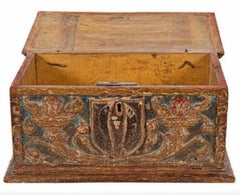
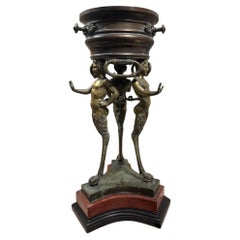
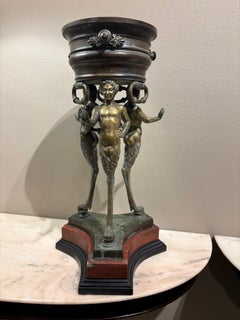
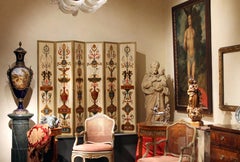
For 18th-century young British noblemen, no education was complete without a year on the Grand Tour. Although it had no official route, the Grand Tour focused on places foundational to European art, literature and architecture, including sites in France, Germany, Switzerland and, most importantly, Italy. It was an opportunity not just to witness the roots of the classics they had studied but also to take some of it home. Grand Tour furniture was among the souvenirs.
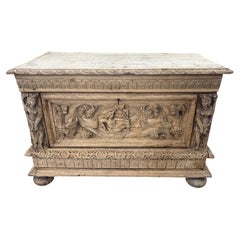
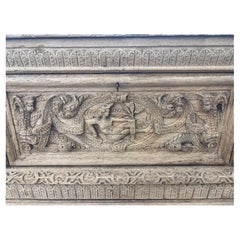
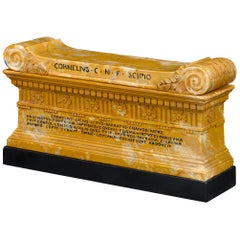
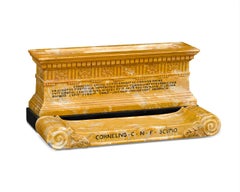
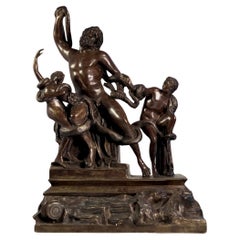
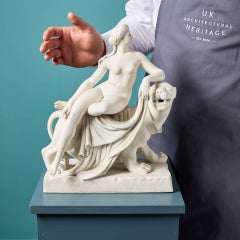
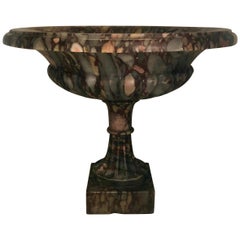
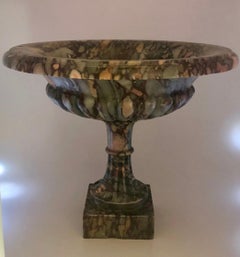
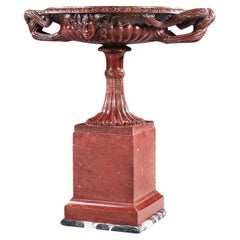
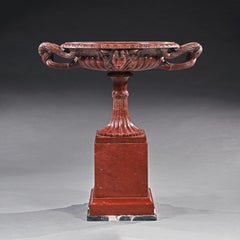
Grand Tour furniture ranged from marble architectural models replicating ancient wonders to actual antiquities often taken illicitly, leaving a legacy of looting still being unraveled today. Other items reflected the artistic richness of the Renaissance cities and other destinations. In Italy, this included scagliola tables and pedestals mimicking marble as well as tabletops and wall panels embedded with pietra dura hard stone mosaics.
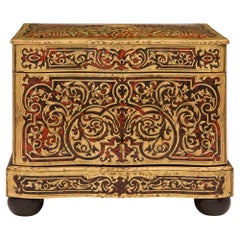
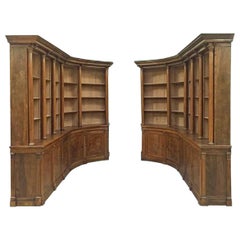
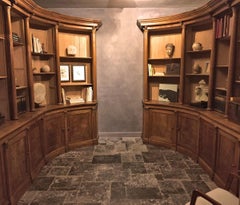
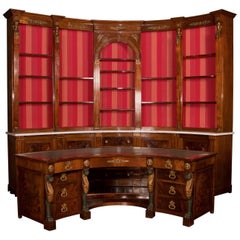
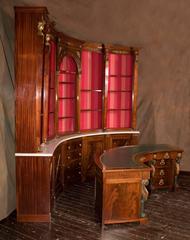
Furniture was also developed to display Grand Tour purchases in the owner’s home, presenting them as a cultivated and well-traveled person. Mahogany collector’s cabinets held objects like intaglio moldings of coins and seals while others had specialized drawers that framed pietra dura panels.
Many objects were specifically produced for Grand Tour collectors. Often accompanied by retinues on journeys lasting months or years, the elite travelers, the wealthiest of whom extended their trips to Egypt and the Holy Land, required artful personal mementos befitting the experience. For example, Grand Tour micromosaics — small artworks, most not more than two inches wide — arose from the entrepreneurial impulses of artisans who had trained in the Vatican’s workshops.
Grand Tour journeys would help inform a range of decorative styles such as neoclassical, Rococo and Adam style. (Architect and designer Robert Adam toured Italy and France for five years.) The Grand Tour flourished at a time of economic prosperity and political stability, but the French Revolution in 1789 brought it to an end. Yet as the tradition faded in popularity in England, the rising wealth of the United States led to an increase in tourism across the Atlantic and a similar passion for collecting to show one’s worldliness.
Find a collection of Grand Tour decorative objects, wall decorations, lighting and other furniture on 1stDibs.
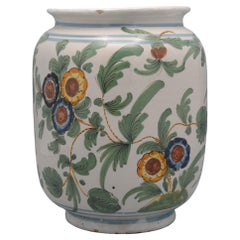
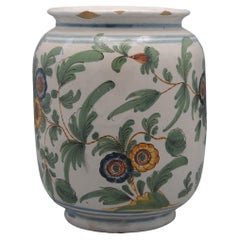
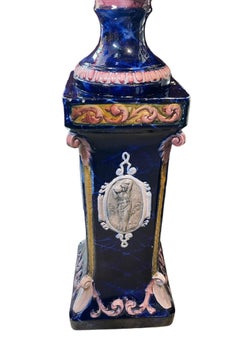
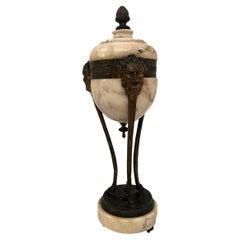
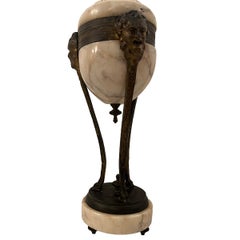
Decorative vases and antique and vintage urns are statement objects for the home that can date back centuries. Ranging from pieces with intricate, hand-painted details to more minimal forms with abstract shapes, decorative vases and urns come in a range of styles and sizes.
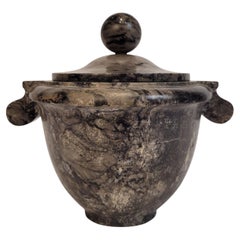
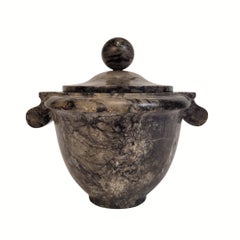
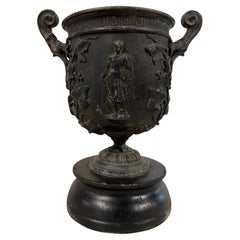
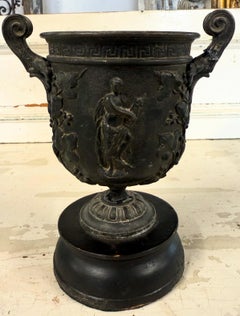
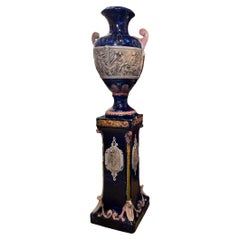
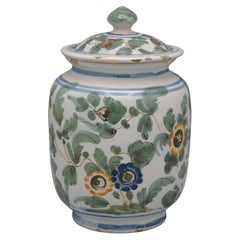
An urn is a type of vase that typically has a cover, a narrow neck and a round body, sometimes with a footed pedestal. However, when a vessel is called an urn, this often denotes its purpose rather than its origin or shape. One of the urn’s most crucial roles was and remains to be to hold the ashes of people for funerary rites. Another type of urn is adorned with figures that tell a story or show a scene.
Some of the earliest vases were formed from clay or metal-like bronze. Mesopotamians used them not only for decoration but also for storage. In ancient Greece, vases and urns frequently depicted stories from mythology, showing images of the gods and heroes. In ancient Egypt, vases such as the amphora had ceremonial purposes.
Over time, vases grew in popularity among artists as a different kind of canvas for expression. Unlike many of the ancient examples, these vases were not always functional but instead made for a striking addition to one’s decor. Even a plain, solid-colored vase can add color or style to a room. Metal urns are elegant additions to your living room or foyer rather than outside, unless you’re partial to the alluring weathered patina that is expected to characterize an antique cast-iron garden urn.
Every interior designer will tell you that decorative objects are what make a house a home. Decorative objects trumpet the homeowner’s personality while bringing a room to life. For designers, they present an opportunity to express their creative vision.
When looking for a decorative vase, it’s important to note the design and also the size and shape. Decorative vases vary from those with a wide base to those with long slender necks. Browse decorative vases and an extensive ceramic urn collection on 1stDibs.