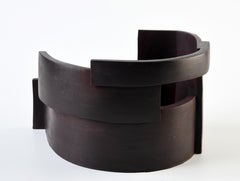
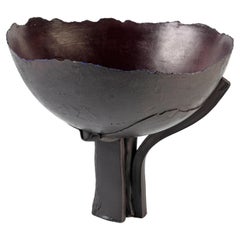
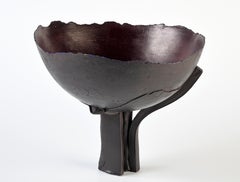
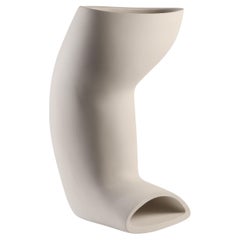
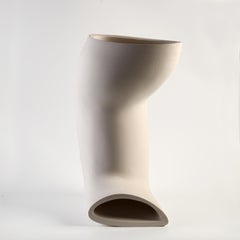
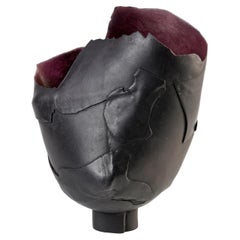
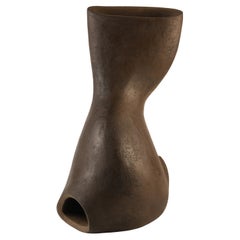
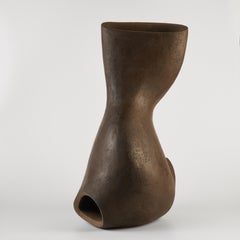
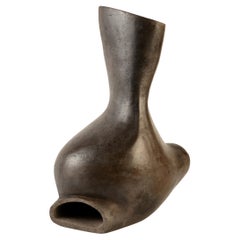
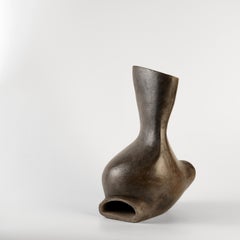
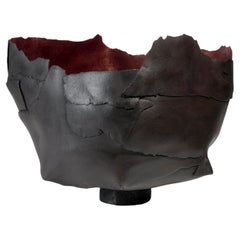
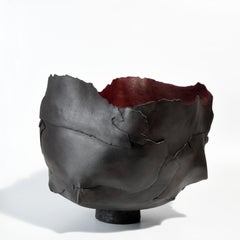
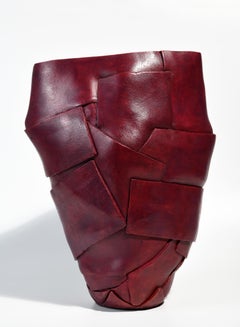
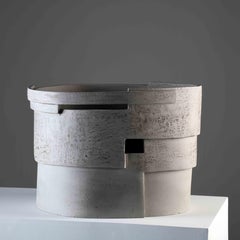
You are likely to find exactly the vera want you’re looking for on 1stDibs, as there is a broad range for sale. Find
contemporary versions now, or shop for
contemporary creations for a more modern example of these cherished works. You’re likely to find the perfect vera want among the distinctive items we have available, which includes versions made as long ago as the 20th Century as well as those made as recently as the 21st Century. If you’re looking to add a vera want to create new energy in an otherwise neutral space in your home, you can find a work on 1stDibs that features elements of
beige and more. Creating a vera want has been a part of the legacy of many artists, but those crafted by
Malcolm Morley are consistently popular. Artworks like these of any era or style can make for thoughtful decor in any space, but a selection from our variety of those made in
acrylic paint,
paint and
synthetic resin paint can add an especially memorable touch.
The price for an artwork of this kind can differ depending upon size, time period and other attributes — a vera want in our inventory may begin at $79 and can go as high as $143,565, while the average can fetch as much as $3,350.
The late 19th and early 20th centuries saw sweeping social change and major scientific advances — both of which contributed to a new aesthetic: modernism. Rejecting the rigidity of Victorian artistic conventions, modernists sought a new means of expression. References to the natural world and ornate classical embellishments gave way to the sleek simplicity of the Machine Age. Architect Philip Johnson characterized the hallmarks of modernism as “machine-like simplicity, smoothness or surface [and] avoidance of ornament.”
Early practitioners of modernist design include the De Stijl (“The Style”) group, founded in the Netherlands in 1917, and the Bauhaus School, founded two years later in Germany.
Followers of both groups produced sleek, spare designs — many of which became icons of daily life in the 20th century. The modernists rejected both natural and historical references and relied primarily on industrial materials such as metal, glass, plywood, and, later, plastics. While Bauhaus principals Marcel Breuer and Ludwig Mies van der Rohe created furniture from mass-produced, chrome-plated steel, American visionaries like Charles and Ray Eames worked in materials as novel as molded plywood and fiberglass. Today, Breuer’s Wassily chair, Mies van der Rohe’s Barcelona chair — crafted with his romantic partner, designer Lilly Reich — and the Eames lounge chair are emblems of progressive design and vintage originals are prized cornerstones of collections.
It’s difficult to overstate the influence that modernism continues to wield over designers and architects — and equally difficult to overstate how revolutionary it was when it first appeared a century ago. But because modernist furniture designs are so simple, they can blend in seamlessly with just about any type of décor. Don’t overlook them.