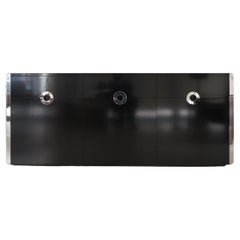
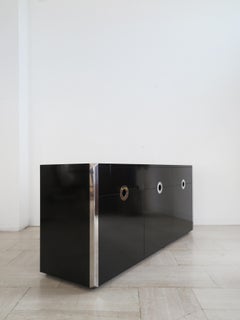
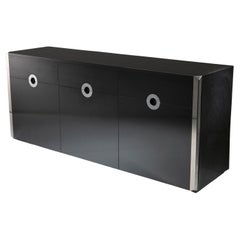
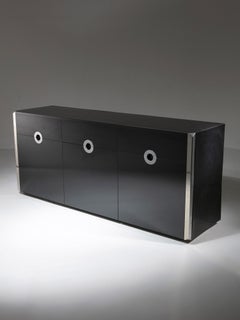
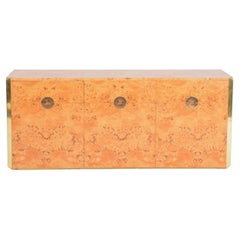
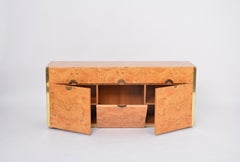
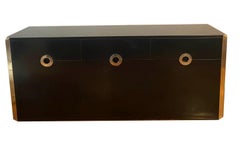
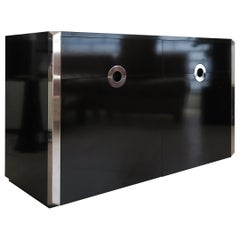
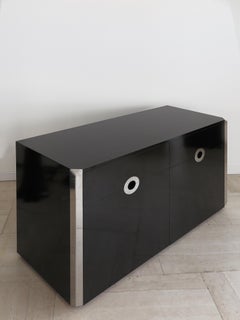
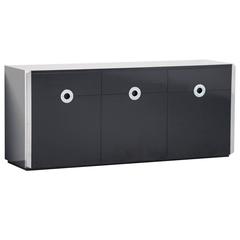
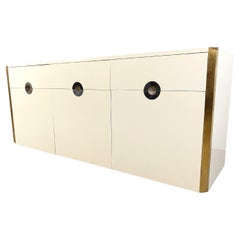
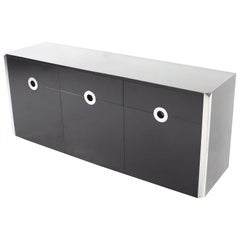
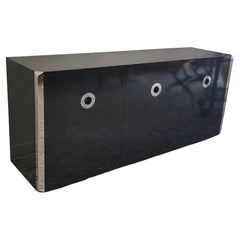
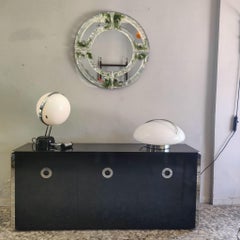
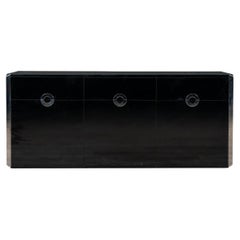
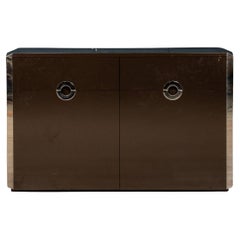
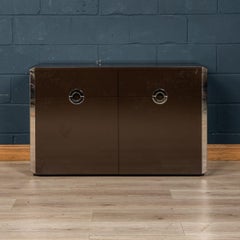
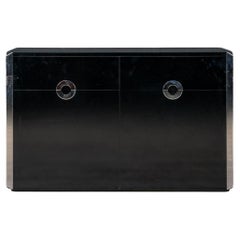
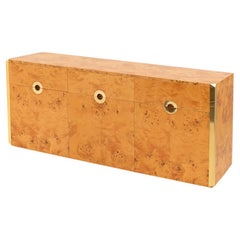
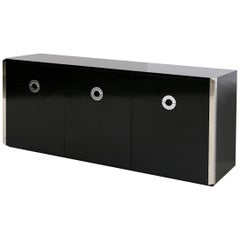
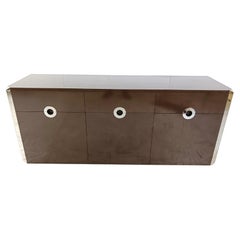
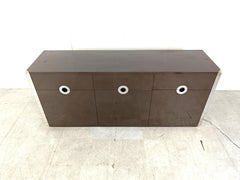
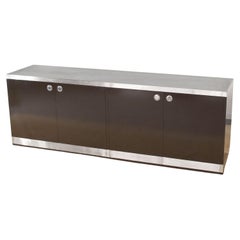
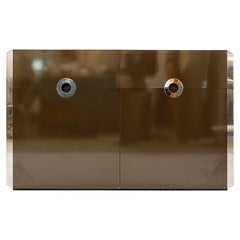
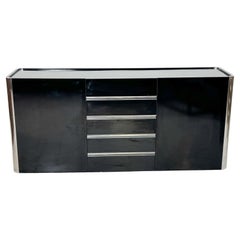
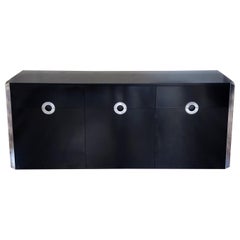
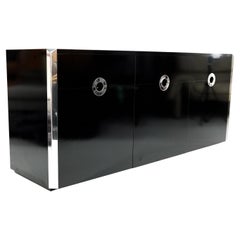
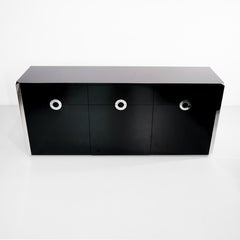
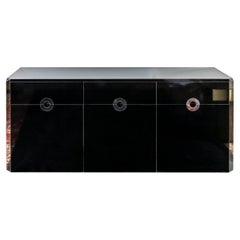
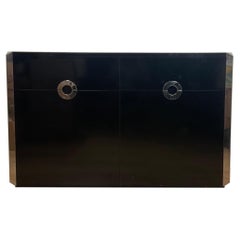
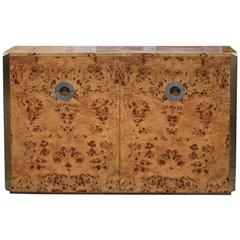
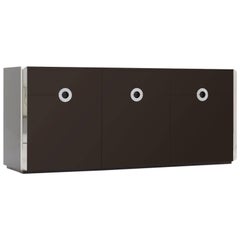
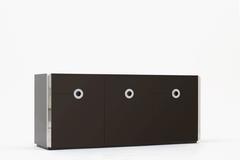
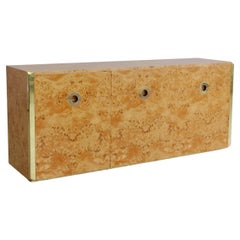
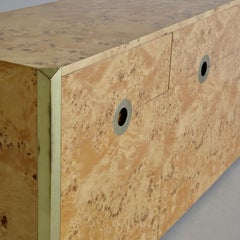
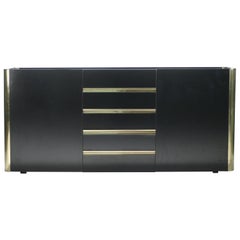
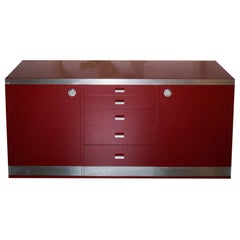
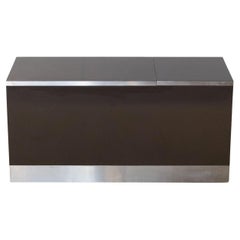
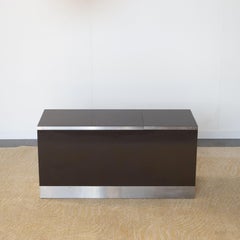
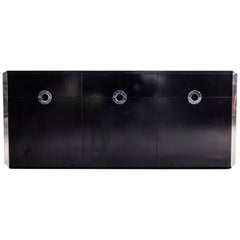
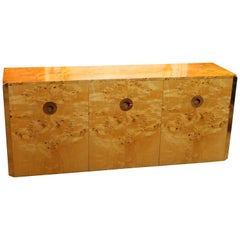
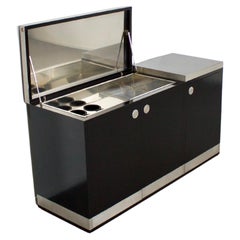
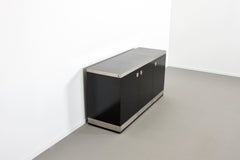
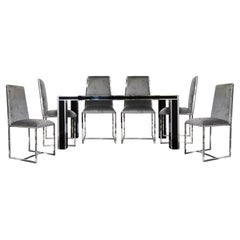
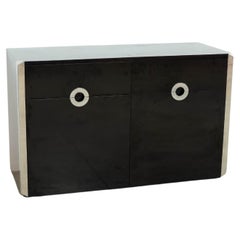
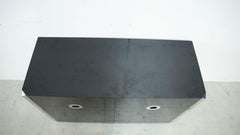
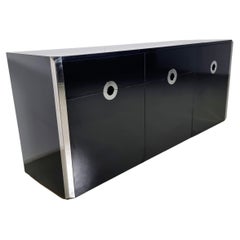
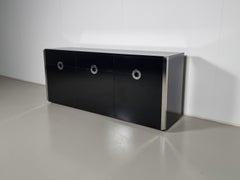
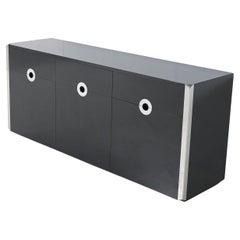
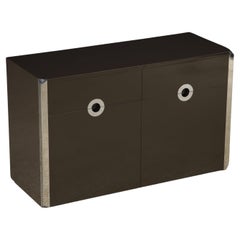
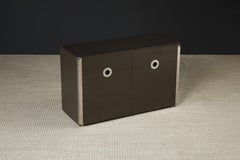
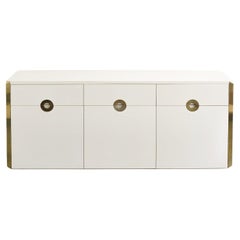
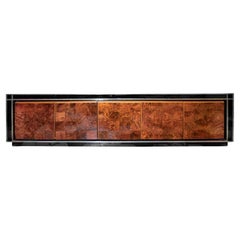
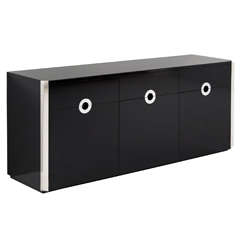
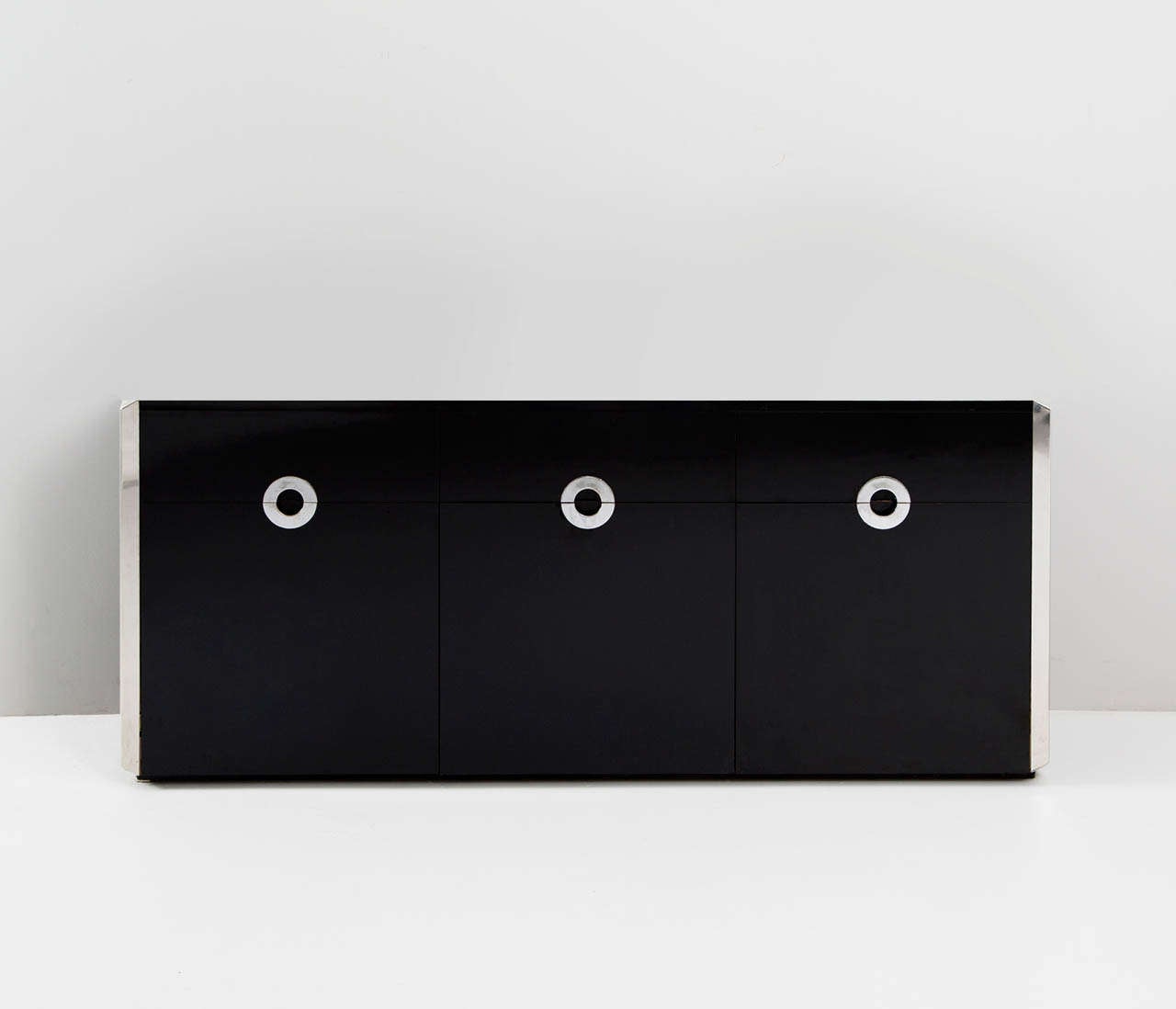
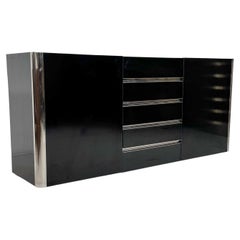
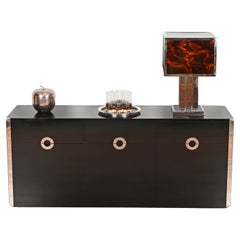
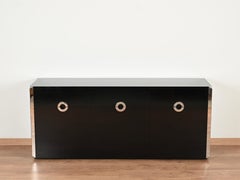
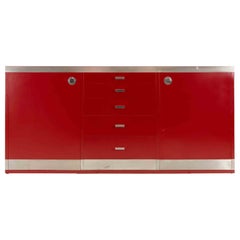
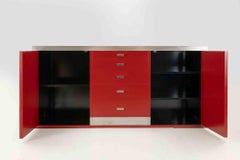
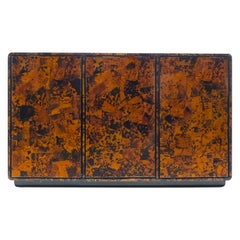
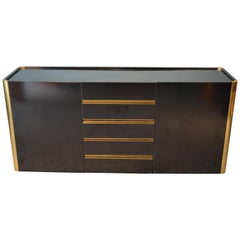
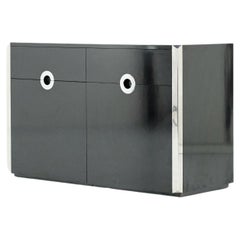
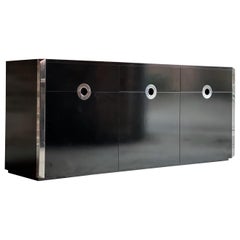
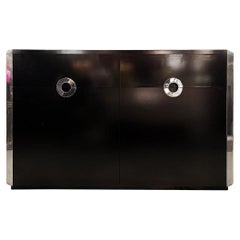
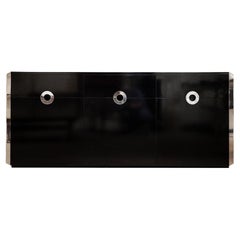
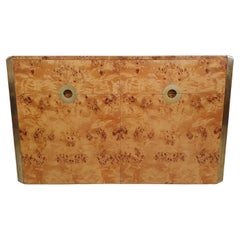
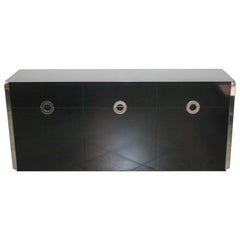
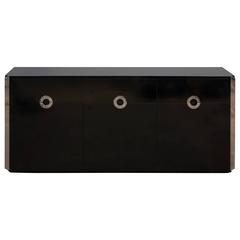
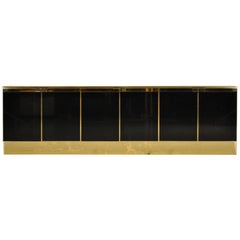
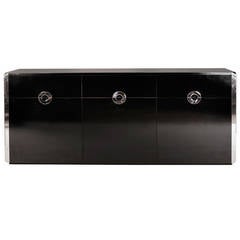
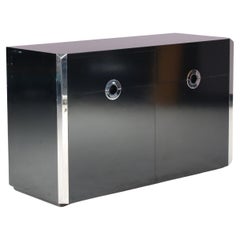
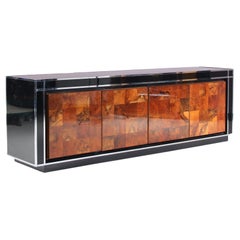
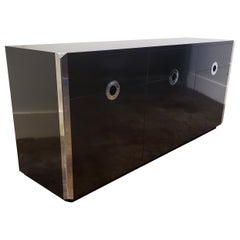
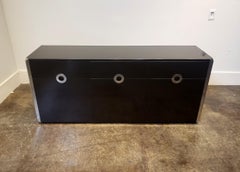
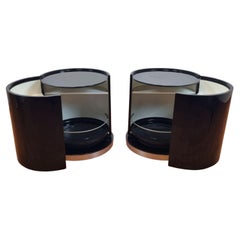
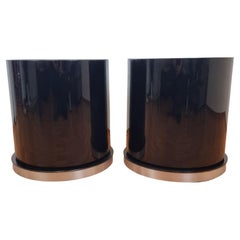
Choose from an assortment of styles, material and more with respect to the willy rizzo for mario sabot sideboard you’re looking for at 1stDibs. Frequently made of
metal,
wood and
laminate, every willy rizzo for mario sabot sideboard was constructed with great care. Your living room may not be complete without a willy rizzo for mario sabot sideboard — find older editions for sale from the 20th Century and newer versions made as recently as the 20th Century. When you’re browsing for the right willy rizzo for mario sabot sideboard, those designed in
Mid-Century Modern styles are of considerable interest. You’ll likely find more than one willy rizzo for mario sabot sideboard that is appealing in its simplicity, but
Willy Rizzo and
Mario Sabot produced versions that are worth a look.
A willy rizzo for mario sabot sideboard can differ in price owing to various characteristics — the average selling price 1stDibs is $4,960, while the lowest priced sells for $2,720 and the highest can go for as much as $7,096.
Renowned Italian furniture designer Willy Rizzo is celebrated for having produced eye-catching, sensational showpieces that merged plush fabrics with wood, metal and glass. Influenced by European modernists and drawing on the spare forms and clean lines of the American mid-century modern style, Rizzo prized functionality and simplicity in his dazzling work.
Born in Naples, Rizzo never intended on designing furniture. Instead, he began pursuing photography at the age of 12. By the 1960s, he had become a notable photographer, having captured images of such celebrities as Marilyn Monroe, Fred Astaire and Spanish artist Salvador Dalí. His experience with furniture design came about inadvertently when he moved to Rome in 1966. There, Rizzo rented an apartment with his wife Elsa that he described as "practically uninhabitable." Dissatisfied with the Scandinavian furniture options on offer, Rizzo built sofas, coffee tables and other furniture to suit the space's strong modern vibe. When his friends saw what he had accomplished, they were enamored by his furniture creations and commissioned him to build similar items for them.
The demand for Rizzo’s furniture grew from there. He established a production facility and workshop in Tivoli, just outside of Rome, which grew to house over 150 employees. There, finding inspiration in the work of iconic architects including Ludwig Mies van der Rohe and Le Corbusier, he created more than 30 unique furniture designs. Over the years he opened boutiques around the world to showcase and sell his furniture.
Rizzo prided himself on seamlessly blending the contemporary with the classic. “It was about creating something new for a traditional setting,” he said of his work. From his sleek sideboards to his low-profile side tables, elegant chairs and entire living room sets, Rizzo's style sensibility is evident throughout every detail of his designs.
Rizzo sold his company in 1978 and returned to photography. However, the presence of his furniture resonated into the new century and is sure to impact interior décor enthusiasts into the next. Over the years, high-profile collectors of Rizzo’s work have included French actress Brigitte Bardot, Salvador Dalí and American musician Lenny Kravitz.
On 1stDibs, find a range of vintage Willy Rizzo tables, lighting, seating and storage pieces.
An antique or vintage sideboard today is a sophisticated and stylish component in sumptuous dining rooms of every shape, size and decor scheme, as well as a statement of its own, showcased in art galleries and museums.
Once simply boards made of wood that were used to support ceremonial dining, sideboards have taken on much greater importance as case pieces since their modest first appearance. In Italy, the sideboard was basically a credenza, a solid furnishing with cabinet doors. It was initially intended as an integral piece of any dining room where the wealthy gathered for meals in the southern European country.
Later, in England and France, sideboards retained their utilitarian purpose — a place to keep hot water for rinsing silverware and from which to serve cold drinking water — but would evolve into double-bodied structures that allowed for the display of serveware and utensils on open shelves. We would likely call these buffets, as they’re taller than a sideboard. (Trust us — there is an order to all of this!)
The sideboard is often deemed a buffet in the United States, from the French buffet à deux corps, which referred to a storage and display case. However, a buffet technically possesses a tiered or shelved superstructure for displaying attractive kitchenware and certainly makes more sense in the context of buffet dining — abundant meals served for crowds of people.
Every imaginable iteration of the sideboard has taken shape over the years. Furniture maker and artist Paul Evans, whose work has been the subject of various celebrated museum exhibitions, created ornamented, welded and patinated sideboards for Directional Furniture, collections such as the Cityscape series that speak to his place in revolutionary brutalist furniture design as much as they echo the origins of these sturdy, functional structures centuries ago.
If mid-century modern sideboards or vintage Danish sideboards are more to your liking than an 18th-century mahogany sideboard with decorative inlays in the Hepplewhite style, the particularly elegant pieces crafted by designers Hans Wegner, Edward Wormley or Florence Knoll are often sought by today’s collectors.
Whether you have a specific era or style in mind or you’re open to browsing a vast collection to find the right fit, 1stDibs has a variety of antique and vintage sideboards to choose from.