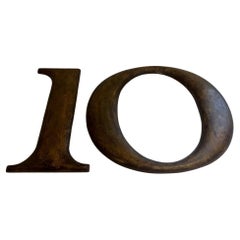
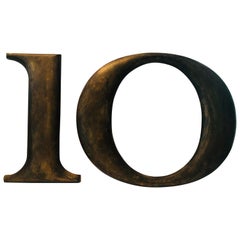
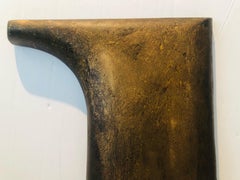
Large Woolworth & Co Gilt Metal Number Ten Sign Wall Sculpture
Located in Hopewell, NJ
Very large cast metal “10” from one of the iconic F.W. Woolworth 5 & 10 cent store front signs
Category
Vintage 1920s American Signs
Materials
Metal
Large Woolworth & Co Gilt Metal Number Ten Sign Wall Sculpture
Located in Hopewell, NJ
Very large cast metal “10” from one of the iconic F.W. Woolworth 5 & 10 cent store front signs
Metal
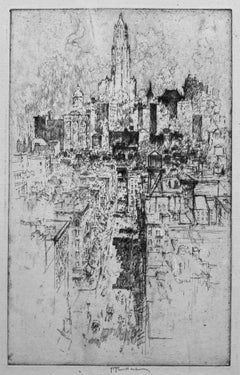
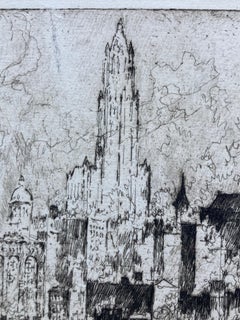
UP TO THE WOOLWORTH
By Joseph Pennell
Located in Santa Monica, CA
JOSEPH PENNELL (1857- 1926) UP TO THE WOOLWORTH 1915 (Wuerth 673) Etching, signed in pencil
Etching
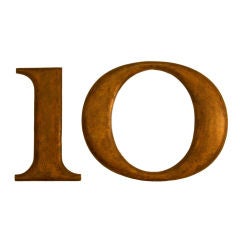
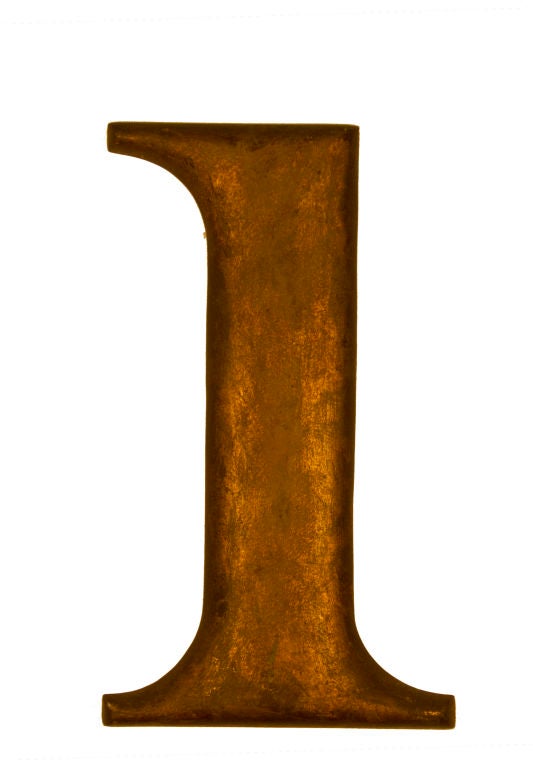
F.W. Woolworth Original Cast Metal Five and Dime Letters
Located in Sheffield, MA
Memorable and original very early cast metal FW Woolworth 5 and dime letters -- the numbers '1
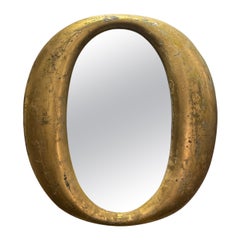
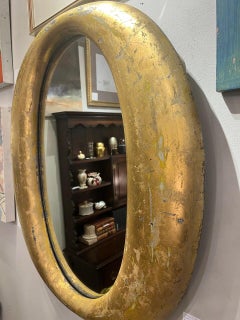
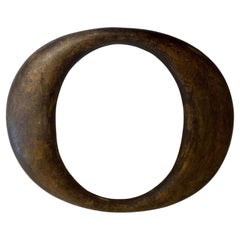
Custom Made Mirror from "O" from Woolworth Sign
Located in Houston, TX
A custom-made mirror crafted from a vintage Woolworth sign sounds like a remarkable piece, blending
Aluminum
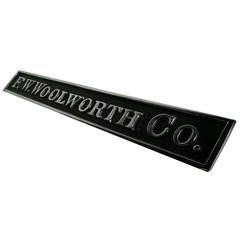
F.W. Woolworth Co. Nickel Plated Counter Sign, Nu-Lite Displays
By Nu-Lite Displays
Located in Buffalo, NY
Great little decorative item,, Period F.W.WOOLWORTH CO. counter sign made by NU-LITE DISPLAYS
Nickel
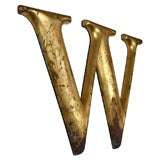
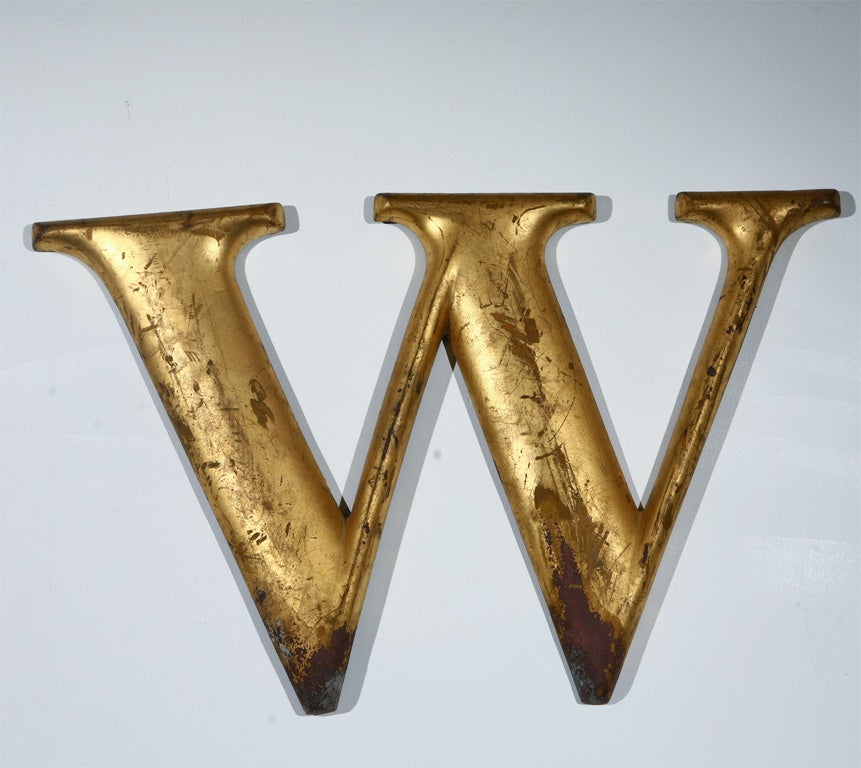
19THC ORIGINAL GIDED CAST IRON "W" FROM THE WOOLWORTH STORE
Located in Los Angeles, CA
19THC ORIGINAL SURFACE, GOLD OVER A RED BASE COAT CAST IRON "W " FROM THE ORIGINAL WOOLWORTH
Iron
Sold
H 24.5 in W 29 in D 1 in
Large Rare Collectible Cast Metal Woolworth 5 & 10 Cent Store Sign Numbers
Located in Hopewell, NJ
Very large cast metal “10” from one of the iconic F.W. Woolworth 5 & 10 cent store front signs
Metal
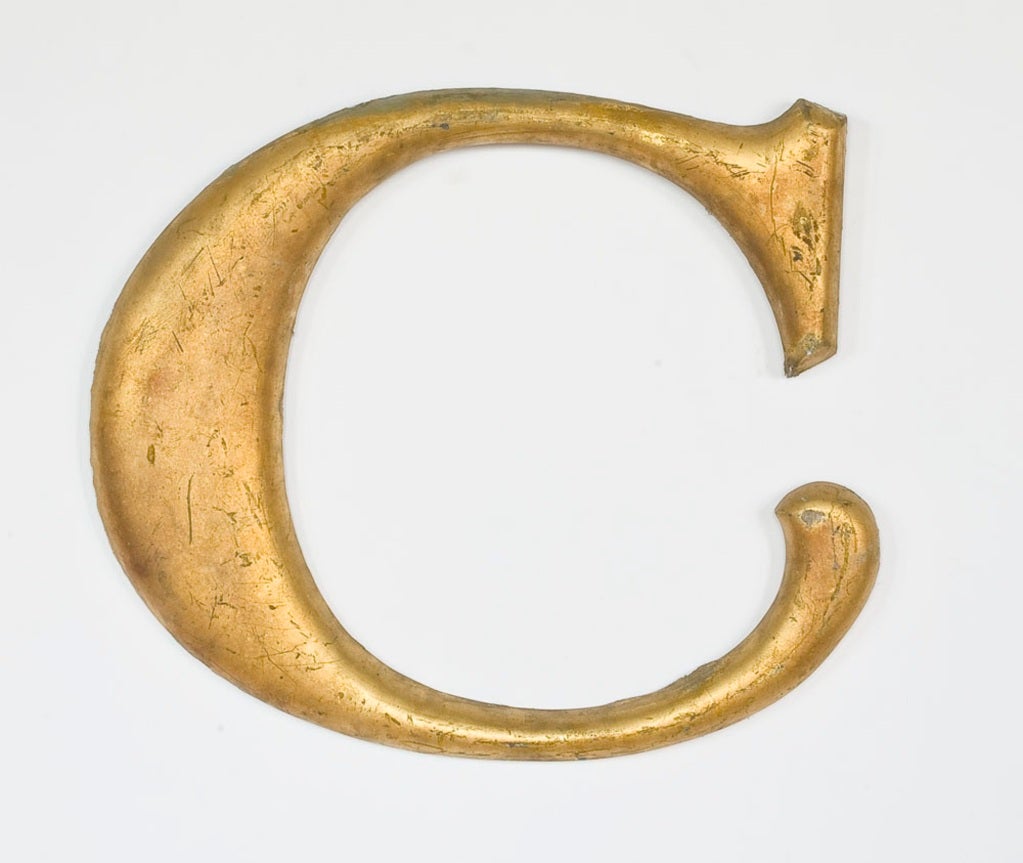
1920's Large Gilt Cast Iron F. W. Woolworth sign letter C
Located in Chicago, IL
1920's Large Gilt Cast Iron F.W. Woolworth sign letter C
Metal, Gold Leaf


Large Gilt Cast Iron Woolworth Sign Letters
Located in Hudson, NY
These large cast iron letters once graced the facade of an F.W. Woolworth & Co. store, and were, in
Iron
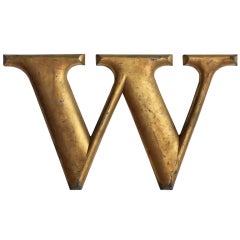
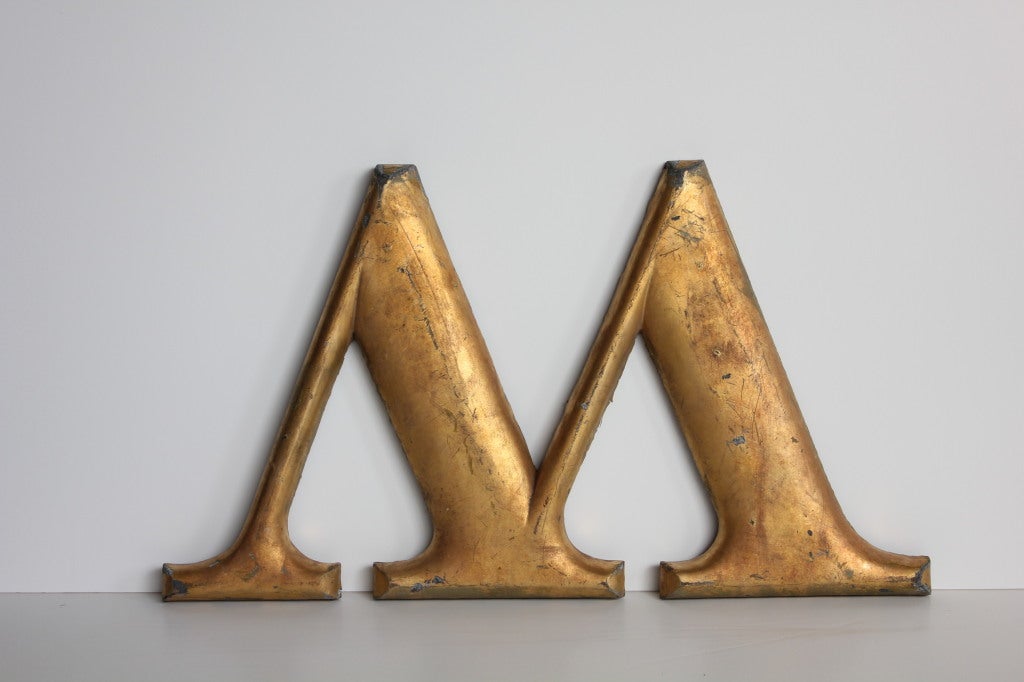
1920's Woolworth cast iron letter W
Located in Chicago, IL
Great 1920's cast iron letter W painted in gold leaf tone. It came from F. W. Woolworth department
Iron

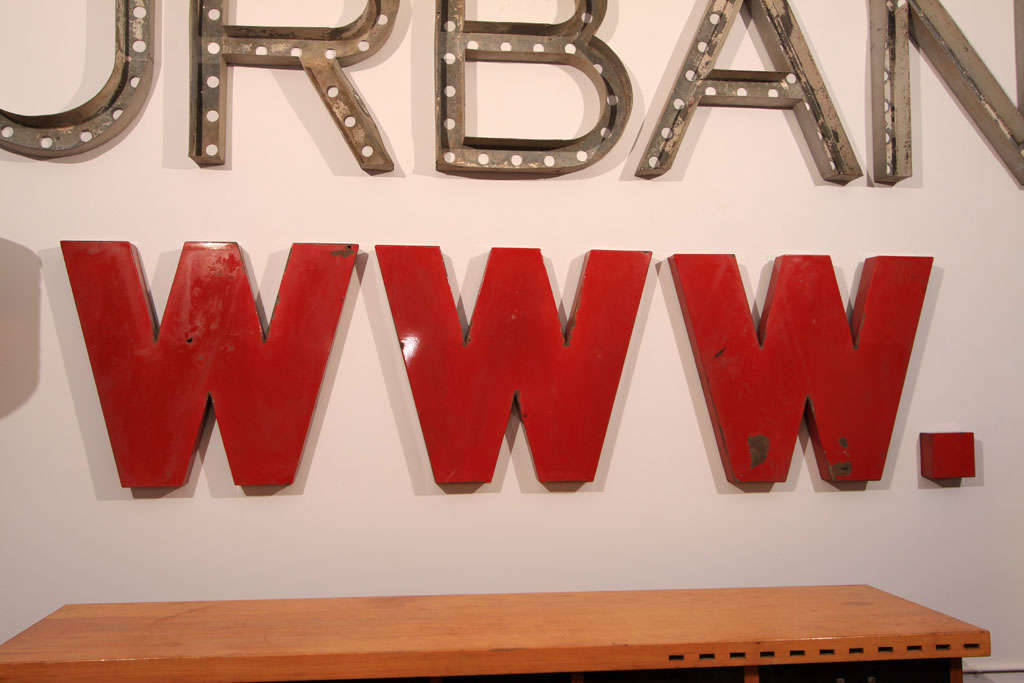
WWW. Enameled Sign
Located in Seattle, WA
Elements from an old FW Woolworth & Co. Sign found this fall in Texas. Classic Woolworth logo in
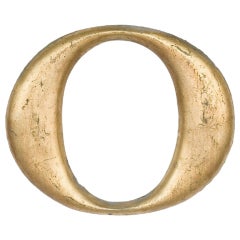
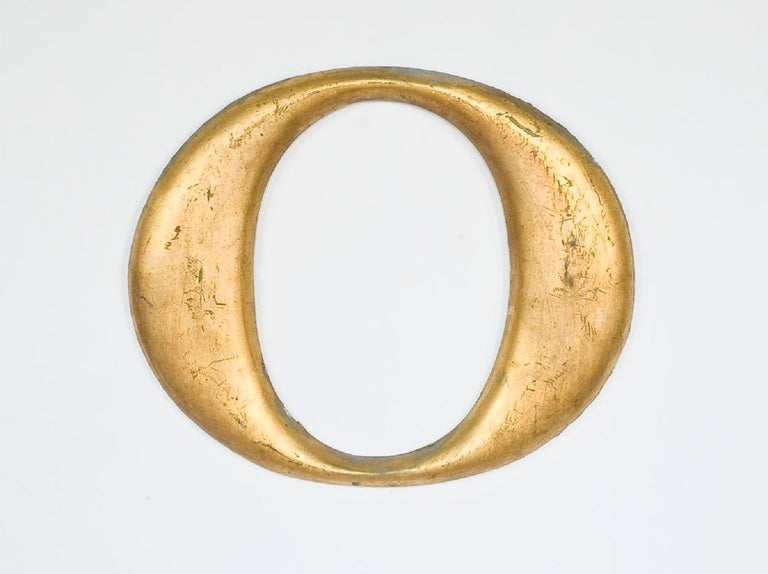
1920's Woolworth Metal Letter O
Located in Chicago, IL
1920's metal letter " O " painted in gold leaf. It came from F.W. Woolworth Department Store.
Metal


Sold|$725
H 8.5 in W 8.125 in
The Whitesmiths, Impresse des Carmelites
By James Abbott McNeill Whistler
Located in Santa Monica, CA
JAMES ABBOTT MCNEILL WHISTLER (1834 – 1903) THE WHITESMITHS, IMPRESSE DES CARMELITES 1894 (03) Way 53, LEVY 84 Transfer lithograph signed with butterfly in stone 8 ½ x 6 1//8". ...
Lithograph
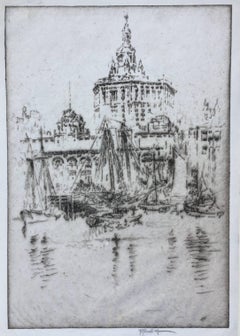
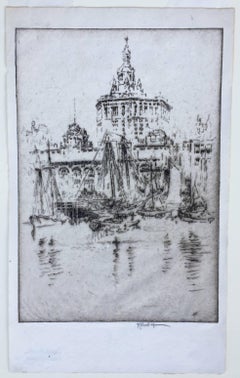
New Fish Market - NEW YORK
By Joseph Pennell
Located in Santa Monica, CA
JOSEPH PENNELL (1857 - 1926) NEW FISH MARKET - (NEW YORK) 1921 (W 797) Etching, Signed in pencil, edition probably 50. 9 7/8 x 6 7/8 inches. Full sheet, deckle edge on 2 sides. Ver...
Etching
Vintage and antique signs are popular collector’s items loved not only for the charm and pops of color they add to a space but also for the unique story each one has to tell. An interesting sign can help set the mood for a room and spark dozens of lively conversations.
Before and during the 18th century, many European peasants and colonists in the Americas couldn’t read, so shopkeepers, in an effort to promote their goods and services, hung trade signs with limited amounts of text.
Indeed, symbols and representational physical objects comprised early-day advertising efforts. In lieu of painted words on a wooden board, trade signs made use of handmade three-dimensional symbols to indicate the function of the shop. The iconic red, white and blue pole could be found outside barbershops, while a figural trade sign mounted to an apothecary’s storefront might be a mortar and pestle sculpted from bronze in order to indicate to passers-by that inside there were apothecary cabinets full of remedies for common ailments and a druggist to carefully dispense them.
As literacy rates improved, signs evolved into rectangular, round or square shapes that featured text. Short and sweet, early iterations were characterized by a mere few words, such as “tavern,” “boarding room” or “apothecary.”
During the 19th century, proprietors endeavored to render their signs more appealing. This meant the introduction of more color, font types and other pictorial representations. After the Civil War ended, logos, branding and advertising became increasingly more important, and the design of signage evolved. Trade signs were still in use during the 20th century, and you will likely find hand-painted tin eyeglasses for an optometrist’s office or an oversize bowling pin that likely had a home in the front window of a bowling alley.
Today, collectors and art aficionados alike collect and display antique and vintage signs. Old signs hearken back to a long-gone era, infusing any interior with warmth and nostalgia.
A vintage sign can help anchor a room — think of decorating with signs as you would arranging any kind of wall art. A large-scale sign in particular can prove a distinguishing feature in a living room or dining room, a focal point so prominent that it might lessen the burden of introducing any additional decorative elements to this particular space. Smaller signs work wonders too — pepper sparsely decorated corners with small colorful signs or add a humorous or graphic element to your gallery-style hang with a small text-based sign or two.
On 1stDibs, find metal, wood and glass antique and vintage signs that span a number of styles, including mid-century modern, industrial and folk art.
At Waddesdon Manor, artist Joana Vasconcelos has installed a three-tiered patisserie inspired by the narrative tile work of her homeland. We take a look at the cake sculpture and how Portuguese tiles have been used in architecture from the 17th century to today.
The streets of fin-de-siècle Paris were set aglow with colorful poster ads, thanks to the printing techniques invented by Jules Chéret. Now, the Milwaukee Art Museum is celebrating this undersung talent in America's first solo show dedicated his exuberant works.
Expert Jeff Bridgman explains the history and meaning behind the twinkling constellations that have graced Old Glory.
The iconoclastic style setter displayed African and Oceanic art, as well as works by indigenous peoples of the Americas, alongside pieces by such major modernists as Pablo Picasso and Jackson Pollock.
Perfect for July 4th weekend, a new show at Philadelphia's Museum of the American Revolution displays an array of antique red, white and blue flags.
Designers are beginning to see this enigmatic form of folk art in a whole new light.