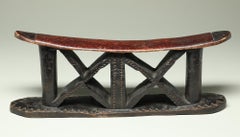
Zulu Wood Double Head Rest Stylized Human Figure, South Africa
Located in Point Richmond, CA
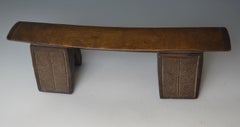
Zulu carved wood double headrest with stylized human figure in middle, from South Africa.
Mid-20th Century South African Tribal Tribal Art
Wood
Zulu Wood Double Head Rest Stylized Human Figure, South Africa
Located in Point Richmond, CA
Zulu carved wood double headrest with stylized human figure in middle, from South Africa.
Wood
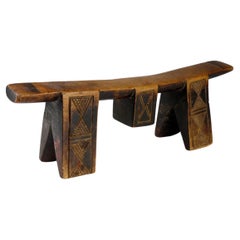
Early Twentieth-Century South African Headrest
Located in London, GB
This fine early twentieth-century headrest, from the Zulu culture in South Africa, was previously part of a selection of exceptional Southern African art in the Terence and Bernice P...
Hardwood
Unavailable
H 5.91 in W 15.75 in D 3.15 in
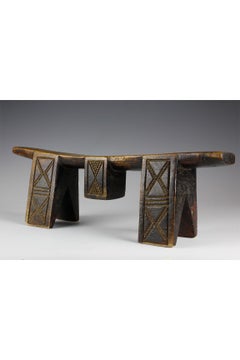
African Tribal Antique Zulu Headrest Neck Rest South Africa
Located in London, GB
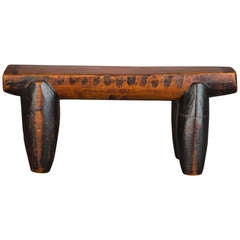
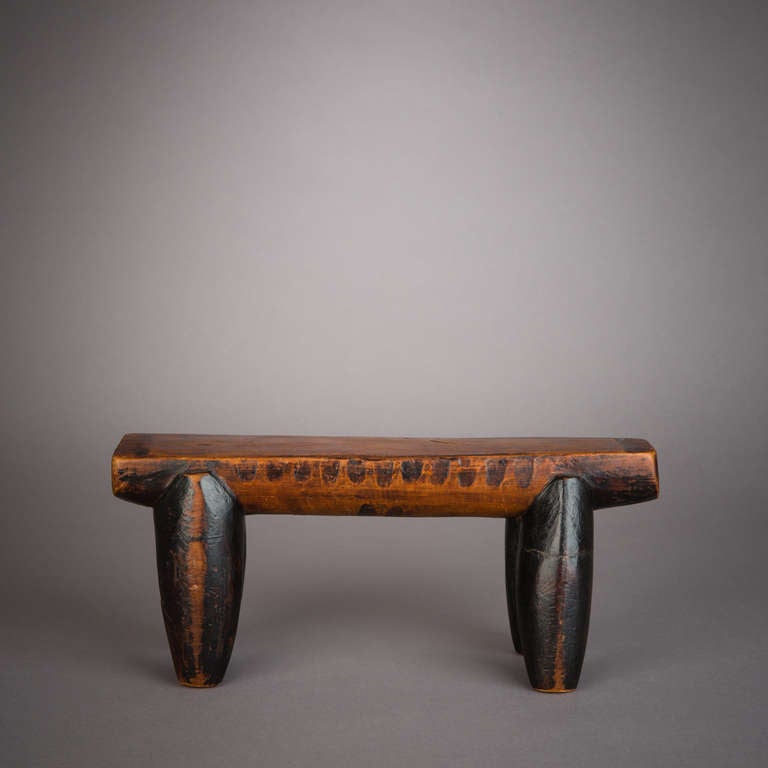
A fine Zulu head rest South Africa, A fine large Zulu hard wood neck rest, This Zulu neck rest is carved from a single piece of very hard wood with two fluted legs on each size and...
Wood
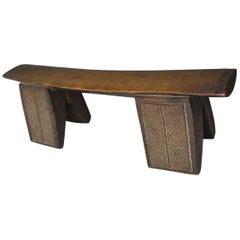
Zulu Headrest, South Africa
Located in New York, NY
An old and elegant late 19th century Zulu headrest. Headrests were used by men and women to protect the elaborate hair styles when sleeping.
Wood
$1,360Sale Price|20% Off
H 3 in Dm 11 in
Tribal Mid-20th Century Zulu Women's Red Cotton Hat, Isicholo, South Africa
Located in Point Richmond, CA
Mid-20th century Tribal Zulu women's woven red cotton hat, Isicholo, from South Africa. The unusual spiral weave on this cotton Isicholo makes this a beautiful and rare example of t...
Cotton
South African Zulu Two Handled Carved Wood Meat Tray
Located in Ottawa, Ontario
A South African two handled carved wood meat tray Zulu, 20th century Measures: Approximate 3 1/4" in. high x 10 1/2" in. long x 8 1/2" in. wide (8.2 x 26.7 x 21.5 cm)) The ...
Wood
Folk art refers to a genre of art that shares the creator’s traditions, offering not just an artistic display but an opportunity to learn about a culture. Vintage, new and antique folk art typically reflects a heritage or location. It can include utilitarian objects and handmade art as diverse as weather vanes, portraiture and paintings, carnival art, quilts and duck decoys.
American folk art is frequently valued because of the traditional skills involved, like weaving, hand-carving wood and even stonework. Many folk artists are self-taught, while some train as apprentices within their community. By using available materials and taking a personal approach to their creations, artists ensure each piece is unique and conveys a story. Native American folk art includes functional objects reflecting their heritage, such as baskets, textiles and wooden pieces.
During the Great Depression, artistic materials in America were hard to come by, so artisans used discarded wood from cigar boxes and shipping crates to make highly stylized, notched pieces — most often picture frames and boxes — that are today sought after by collectors. This folk art style is called tramp art and was popular from roughly 1870 until the 1940s.
Folk art brings vibrant culture and traditions into your home. Browse an extensive collection of folk art on 1stDibs.
At Waddesdon Manor, artist Joana Vasconcelos has installed a three-tiered patisserie inspired by the narrative tile work of her homeland. We take a look at the cake sculpture and how Portuguese tiles have been used in architecture from the 17th century to today.
The streets of fin-de-siècle Paris were set aglow with colorful poster ads, thanks to the printing techniques invented by Jules Chéret. Now, the Milwaukee Art Museum is celebrating this undersung talent in America's first solo show dedicated his exuberant works.
Expert Jeff Bridgman explains the history and meaning behind the twinkling constellations that have graced Old Glory.
The iconoclastic style setter displayed African and Oceanic art, as well as works by indigenous peoples of the Americas, alongside pieces by such major modernists as Pablo Picasso and Jackson Pollock.
Perfect for July 4th weekend, a new show at Philadelphia's Museum of the American Revolution displays an array of antique red, white and blue flags.
Designers are beginning to see this enigmatic form of folk art in a whole new light.