Edo Tableware

EDO STYLE

Edo furniture was created during a flourishing time for the decorative arts owing to the stability of the Tokugawa shogunate rule in Japan. Spanning from 1603 to 1867, this era of peace and economic growth supported artistic advancements in lacquer, woodblock printing, porcelain and other artisanal trades. Because the country was largely isolated, there was little outside influence, leading to centuries of exceptional attention to the design of its furnishings and the quality of its traditional arts.
Unlike during the Meiji period that followed, with an increase in domestic and international markets, furniture during the Edo period was predominately commissioned by the ruling class, although people from across social groups benefited from the burgeoning metropolitan hubs for artisanal trades. For instance, Kyoto became a major center for lacquer art. Most furniture pieces were made from wood such as cedar or ash, including the era’s sashimono cabinets, which involved fine joinery and were rooted in the Heian period.

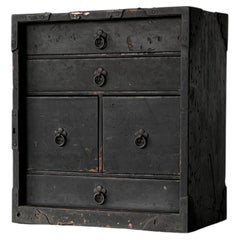
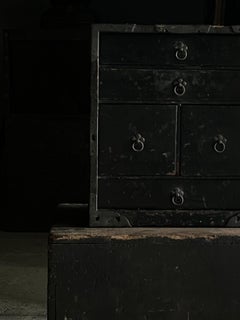
Sashimono cabinets, which were built by master craftsmen in a range of different wood types owing to the various trees that populate Japan, occasionally featured a stack of slender drawers as well as sliding doors. They were popular with everyone from samurai to kabuki actors. Tansu storage chests crafted from wood with metal fittings were also common in Edo-period homes. Some were designed to be easily portable while others were made to double as staircases.

Painted folding screens, called byōbu, were also fashionable, with Japanese artists inspired by nature, literature and scenes of history and daily life to create vivid works. In Buddhist temples and the palatial homes of the aristocratic class, fusuma, or large sliding panels, would sometimes be adorned with gold or silver leaf. These dividers allowed interiors to change throughout the day, closing in small spaces for personal use or reflecting candlelight to illuminate communal spaces after dark.

Find a collection of Edo tables, lighting, decorative objects, wall decorations and more furniture on 1stDibs.

to
2
2
708
688
383
306
294
182
164
91
60
53
31
22
18
17
8
7
6
6
1
1
1
1
2
2
2
2
2
2
Style: Edo
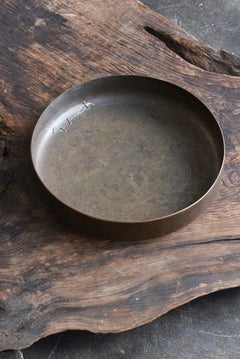
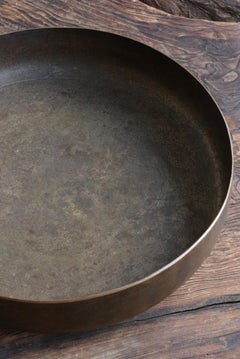
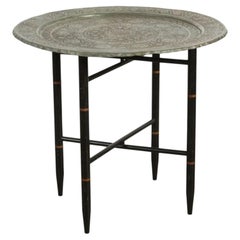
Japanese Antique Copper Alloyr Tray / 1800-1900 / Gong / Wabi-Sabi Art

Japanese Antique Copper Alloyr Tray / 1800-1900 / Gong / Wabi-Sabi Art

Located in Sammu-shi, Chiba

I bought a very attractive copper tray. This is an item that was once used as a gong. In other words, it was used as a percussion instrument. It was also used in temples. The materi...

Category

19th Century Japanese Antique Edo Tableware

Materials

Copper

Related Items
Japanese Antique Shigaraki ware 17th Century / Pottery Vase Wabisabi

Japanese Antique Shigaraki ware 17th Century / Pottery Vase Wabisabi

$1,200Sale Price|33% Off

H 20.08 in Dm 16.54 in

Japanese Antique Shigaraki ware 17th Century / Pottery Vase Wabisabi

Located in Chōsei District Nagara, JP

This is an old pottery pot made in Japan. It is a very old pot believed to have been made in the 17th century, early Edo period, and is called Koshigaraki in Japan. Koshigaraki refe...

Category

17th Century Japanese Antique Edo Tableware

Materials

Pottery

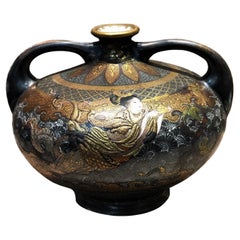
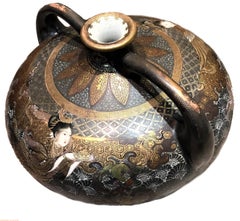
Japanese Kyoto Fuzan Satsuma Ware Double-Handled Vase, Meiji Period, ca. 1900

Japanese Kyoto Fuzan Satsuma Ware Double-Handled Vase, Meiji Period, ca. 1900

Located in New York, NY

This beautiful end of Meiji Period Japanese Kyoto Fuzan Satsuma Ware double-handled vase has a gold plated intricate infinite circular relief pattern design and two images of goddess...

Category

Early 1900s Japanese Antique Edo Tableware

Materials

Porcelain

Japanese Antique Door, Abstract Art Wabi Sabi, 1860s-1900s

Japanese Antique Door, Abstract Art Wabi Sabi, 1860s-1900s

Located in Katori-Shi, 12

Very old Japanese sliding door. The simple design conveys the charm of the material. You can feel the world of wabi and sabi. Recommended as a wall painting. It was made in the Mei...

Category

Early 20th Century Edo Tableware

Materials

Wood

Japanese Old Iron Dog Figurine 1950s-1970s / Object Wabi Sabi

Japanese Old Iron Dog Figurine 1950s-1970s / Object Wabi Sabi

Located in Chōsei District Nagara, JP

This is an antique Japanese iron dog sculpture. Its quietly standing figure is very impressive, and it has a beautiful silhouette from every angle. With its ears raised and gaze dire...

Category

Late 20th Century Japanese Edo Tableware

Materials

Iron

Japanese Antique Brass Sphere 1900s-1940s / Sculpture Wabi Sabi Object

Japanese Antique Brass Sphere 1900s-1940s / Sculpture Wabi Sabi Object

Located in Chōsei District Nagara, JP

This is an old Japanese brass sphere. Measuring approximately 95 mm in diameter, it has a substantial weight when held in the hand, conveying a quiet sense of tension and presence. T...

Category

Mid-20th Century Japanese Edo Tableware

Materials

Brass

Japanese Old Aluminum Glove Mold 1940s-1960s / Object Wabi Sabi

Japanese Old Aluminum Glove Mold 1940s-1960s / Object Wabi Sabi

$400Sale Price|20% Off

H 12.8 in W 4.34 in D 3.35 in

Japanese Old Aluminum Glove Mold 1940s-1960s / Object Wabi Sabi

Located in Chōsei District Nagara, JP

This is an old rubber glove mold made in Japan. It was made in the Showa period (1940s-1960s), and the material used is aluminum. Although it is a practical item that has been used f...

Category

Mid-20th Century Japanese Edo Tableware

Materials

Aluminum

1960s Minimalist Orange Vase Sake Bottle Japan

1960s Minimalist Orange Vase Sake Bottle Japan

Located in Chula Vista, CA

For your consideration, a 1960s modern minimalist aesthetic orange vase. Small bud vase Japanese sake bottle. Maker stamp ATC Dimensions: 5 H x 2 diameter. Please visit take a look...

Category

1960s Japanese Vintage Edo Tableware

Materials

Ceramic

Japanese Antique Exhibition Stand / Sword Case / 1800-1868s / Wabi-sabi

Japanese Antique Exhibition Stand / Sword Case / 1800-1868s / Wabi-sabi

Located in Iwate-gun Shizukuishi-cho, Iwate Prefecture

This is an old drawer for storing Japanese swords originally called "Katanatansu". It is thought to be from around the Edo period. Cedar is used for the material, and a large numbe...

Category

Mid-19th Century Japanese Antique Edo Tableware

Materials

Wood, Paper, Cedar

Scarce Antique Japanese Mishima Karatsu Ware Glazed Sake Bottle Vase Pottery

Scarce Antique Japanese Mishima Karatsu Ware Glazed Sake Bottle Vase Pottery

Located in Forney, TX

A rare and beautiful nearly 300 year old Japanese pottery Mishima Karatsu (三島唐津) sake bottle tokkuri (徳利) circa 1750 Japan, Edo period (1603-1868), Saga prefecture, Karatsu kilns, M...

Category

18th Century Japanese Antique Edo Tableware

Materials

Pottery, Ceramic, Stoneware

Japanese Art Nouveau, Awaji Ware Art Studio Pottery Flower Vase, Ca. 1900

Japanese Art Nouveau, Awaji Ware Art Studio Pottery Flower Vase, Ca. 1900

By Awaji Pottery

Located in New York, NY

DIMENSIONS: Height: 12.5 inches Width: 6.75 inches Depth: 6.75 inches ABOUT AWAJI POTTERY Awaji pottery was made on the Japanese island of the same name between 1830 and 19...

Category

Early 1900s Japanese Antique Edo Tableware

Materials

Ceramic

Previously Available Items
Antique Japanese black-glazed tea bowl/"Karatsu ware"/17th to 18th century

Antique Japanese black-glazed tea bowl/"Karatsu ware"/17th to 18th century

Located in Sammu-shi, Chiba

This is a famous pottery tea bowl called Karatsu ware from Saga Prefecture in Kyushu, Japan. It is thought to have been fired around the early to mid-Edo period. Karatsu ware is pot...

Category

17th Century Japanese Antique Edo Tableware

Materials

Pottery

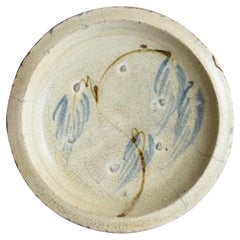
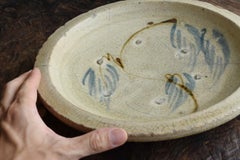
Japanese antique pottery plate with willow pattern/1700-1850/Seto ware/Ishi-zara

Japanese antique pottery plate with willow pattern/1700-1850/Seto ware/Ishi-zara

Located in Sammu-shi, Chiba

This is a plate made in the middle to late Edo period (1700-1850) in Japan. It is a plate baked in Seto, and is called "Ishi-zara" in Japan. Seto is a kiln with a long history in Aichi Prefecture, Japan. (Seto kilns are marked with red circles on the map.) It is said to have originated around the 13th century. The kiln is still in operation today. “Ishizara” is a heavy and thick plate made of glazed earthenware with a rough sketch of gosu and iron. Regarding the name "Ishi-Zara", first of all, the meaning of the word is "Ishi = Stone" and "Zara = Plate". It is said that the origin of the name is that it was made by imitating the shape of Korean stone...

Category

18th Century Japanese Antique Edo Tableware

Materials

Pottery

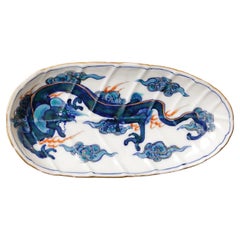
Set '10 Pc.' of Edo Period Imari Porcelain Plates with Dragon Motive

Set '10 Pc.' of Edo Period Imari Porcelain Plates with Dragon Motive

Located in Fukuoka, JP

Superb, uniquely shaped, early Imari porcelain plate decorated with Dragon motive.Set of 10 plates. Age: late Edo period 18-19 th century Size : L....

Category

18th Century Japanese Antique Edo Tableware

Materials

Porcelain

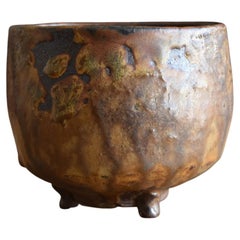
Three-Legged Bowl Made in the Edo Period in Japan /"Shitoro Ware" / Coffee Cup

Three-Legged Bowl Made in the Edo Period in Japan /"Shitoro Ware" / Coffee Cup

Located in Sammu-shi, Chiba

We have a unique Japanese aesthetic sense. And only we can introduce unique items through our purchasing channels in Japan and the experience we have gained so far, in such a way th...

Category

18th Century Japanese Antique Edo Tableware

Materials

Pottery

Japanese Antique Pottery "Mino-yaki-chawan" 1573-1650 / Iron Glaze Small Teacup

Japanese Antique Pottery "Mino-yaki-chawan" 1573-1650 / Iron Glaze Small Teacup

Located in Sammu-shi, Chiba

A Mino ware bowl made in Japan from the old Momoyama period to the early Edo period (1573-1650). Mino ware produced many tea utensils. Reference materials ...

Category

16th Century Japanese Antique Edo Tableware

Materials

Pottery

Edo tableware for sale on 1stDibs.

Find a broad range of unique Edo tableware for sale on 1stDibs. Many of these items were first offered in the 19th Century, but contemporary artisans have continued to produce works inspired by this style. If you’re looking to add vintage tableware created in this style to your space, the works available on 1stDibs include serveware, ceramics, silver and glass, asian art and furniture, decorative objects and other home furnishings, frequently crafted with ceramic, pottery and other materials. If you’re shopping for used Edo tableware made in a specific country, there are Asia, East Asia, and Japan pieces for sale on 1stDibs. It’s true that these talented designers have at times inspired knockoffs, but our experienced specialists have partnered with only top vetted sellers to offer authentic pieces that come with a buyer protection guarantee. Prices for tableware differ depending upon multiple factors, including designer, materials, construction methods, condition and provenance. On 1stDibs, the price for these items starts at $800 and tops out at $1,000 while the average work can sell for $980.