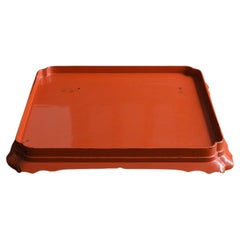
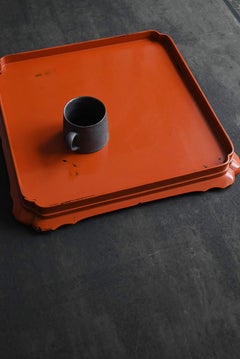
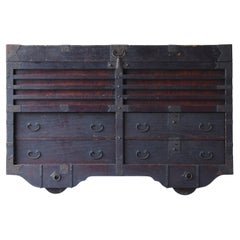
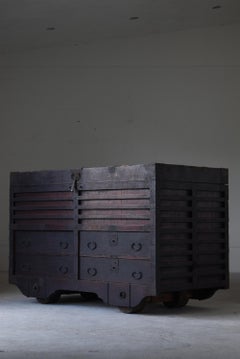
Edo Furniture

EDO STYLE

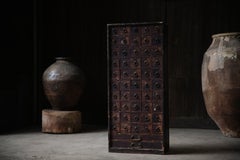
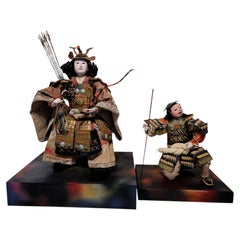
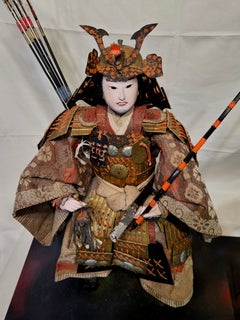
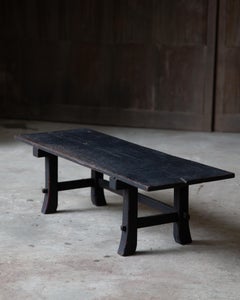
Edo furniture was created during a flourishing time for the decorative arts owing to the stability of the Tokugawa shogunate rule in Japan. Spanning from 1603 to 1867, this era of peace and economic growth supported artistic advancements in lacquer, woodblock printing, porcelain and other artisanal trades. Because the country was largely isolated, there was little outside influence, leading to centuries of exceptional attention to the design of its furnishings and the quality of its traditional arts.
Unlike during the Meiji period that followed, with an increase in domestic and international markets, furniture during the Edo period was predominately commissioned by the ruling class, although people from across social groups benefited from the burgeoning metropolitan hubs for artisanal trades. For instance, Kyoto became a major center for lacquer art. Most furniture pieces were made from wood such as cedar or ash, including the era’s sashimono cabinets, which involved fine joinery and were rooted in the Heian period.

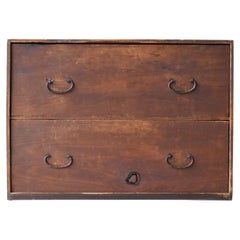
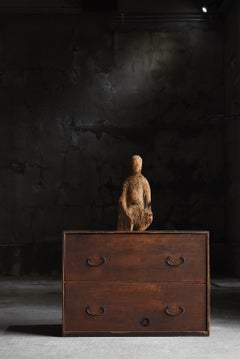
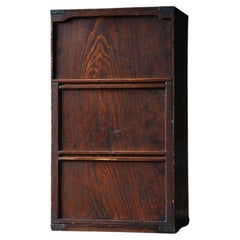
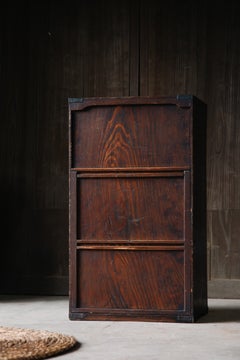
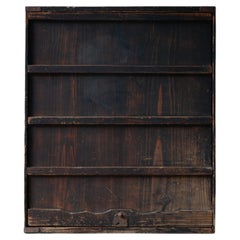
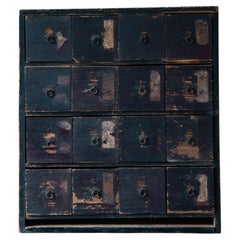
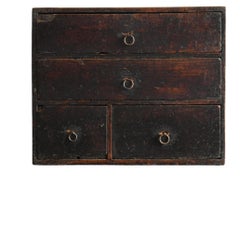
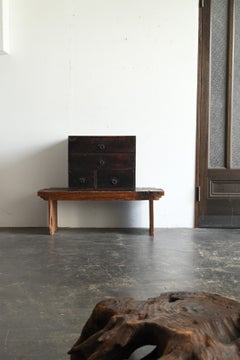
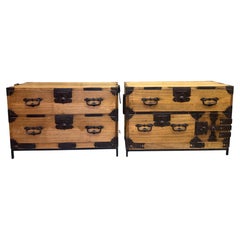
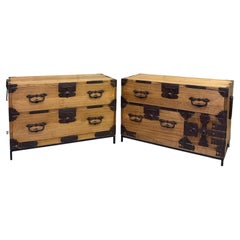
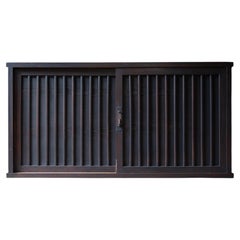
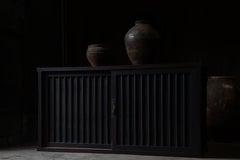
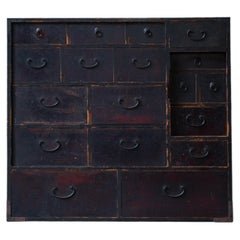
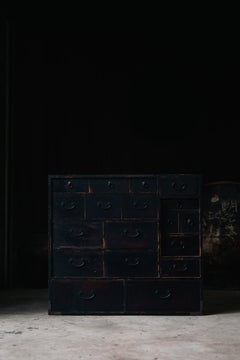
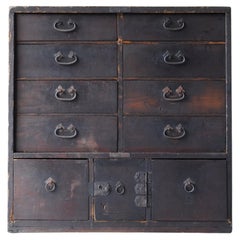
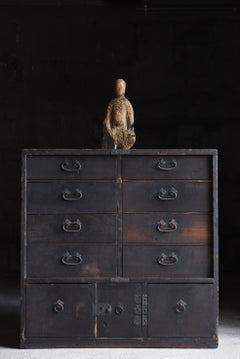
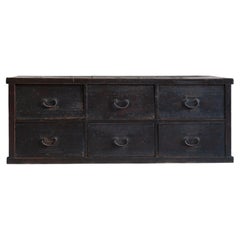
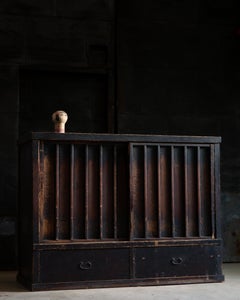
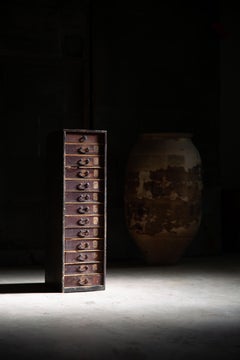
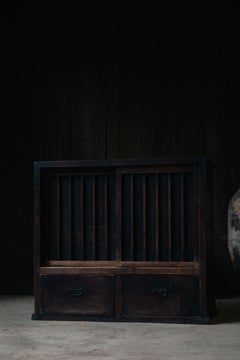
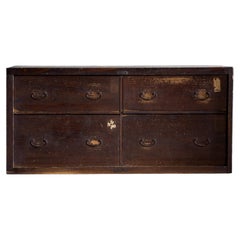
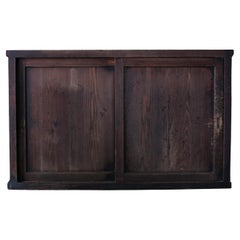
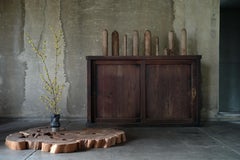
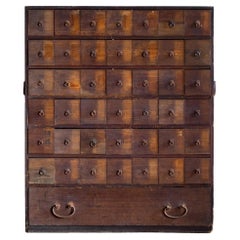
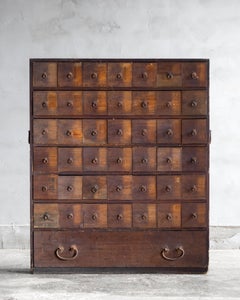
Sashimono cabinets, which were built by master craftsmen in a range of different wood types owing to the various trees that populate Japan, occasionally featured a stack of slender drawers as well as sliding doors. They were popular with everyone from samurai to kabuki actors. Tansu storage chests crafted from wood with metal fittings were also common in Edo-period homes. Some were designed to be easily portable while others were made to double as staircases.

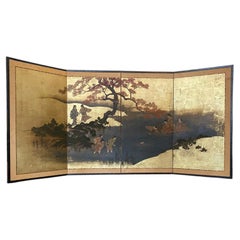
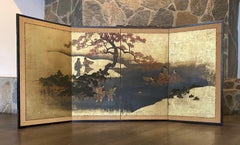
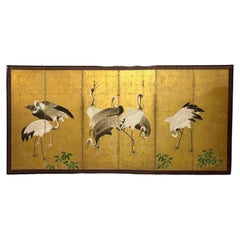
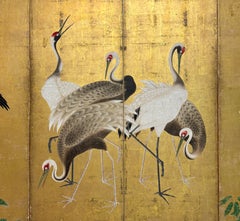
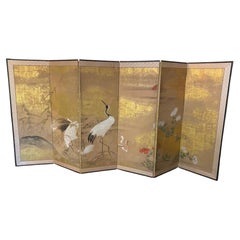
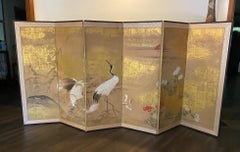
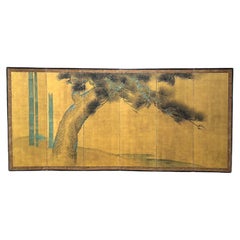
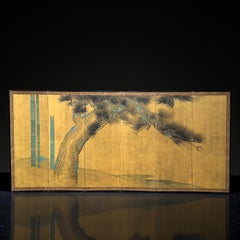
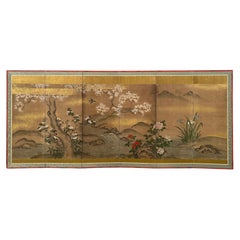
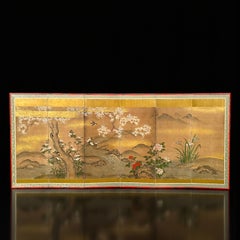
Painted folding screens, called byōbu, were also fashionable, with Japanese artists inspired by nature, literature and scenes of history and daily life to create vivid works. In Buddhist temples and the palatial homes of the aristocratic class, fusuma, or large sliding panels, would sometimes be adorned with gold or silver leaf. These dividers allowed interiors to change throughout the day, closing in small spaces for personal use or reflecting candlelight to illuminate communal spaces after dark.

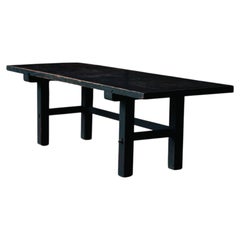
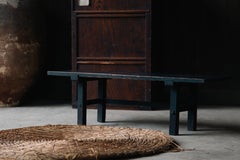
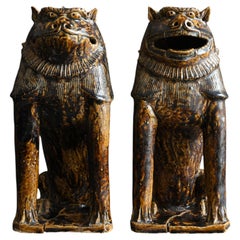
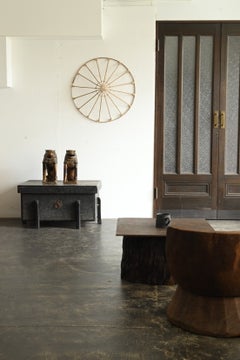
Find a collection of Edo tables, lighting, decorative objects, wall decorations and more furniture on 1stDibs.

to
294
377
342
959
11
1
200,609
118,578
44,791
33,826
16,862
12,394
11,171
10,781
10,088
8,938
7,382
6,957
6,666
6,649
6,622
6,105
4,947
3,787
425
471
63
12
23
15
2
2
1
1
1
1
330
307
260
225
203
874
860
838
19
3
971
967
968
12
6
3
3
2
Style: Edo
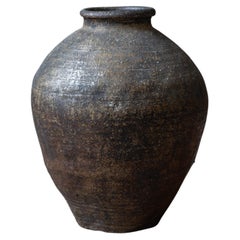
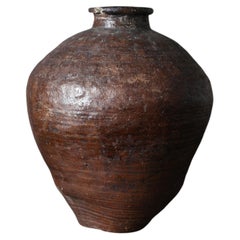
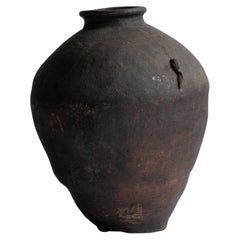
Japanese Antique Pottery Jar 17th-18th Century/ Wabi-Sabi /Tokoname

Japanese Antique Pottery Jar 17th-18th Century/ Wabi-Sabi /Tokoname

Located in Sammu-shi, Chiba

This is an antique ceramic jar produced in Tokoname, Japan, dating from the 17th to 18th century. Having endured centuries of time, it carries a quiet yet powerful presence. Tokonam...

Category

Late 17th Century Japanese Antique Edo Furniture

Materials

Pottery

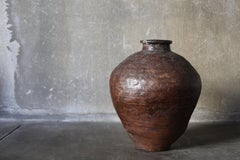
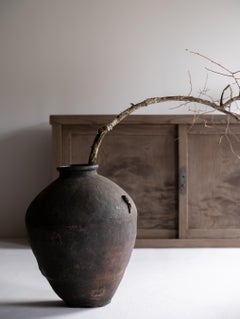
Japanese Antique Large Pottery Vase late 19th–early 20th century / Wabi Sabi /

Japanese Antique Large Pottery Vase late 19th–early 20th century / Wabi Sabi /

Located in Sammu-shi, Chiba

This is a large antique Japanese ceramic jar, embodying a strong sculptural presence shaped by earth, fire, and the passage of time. It is believed to originate from the Tokoname re...

Category

Late 19th Century Japanese Antique Edo Furniture

Materials

Pottery

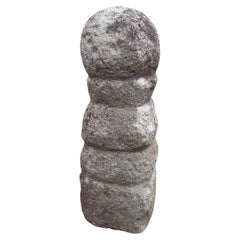
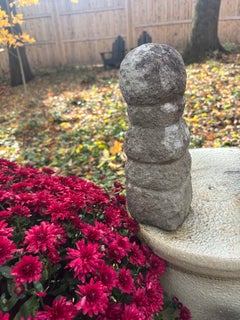
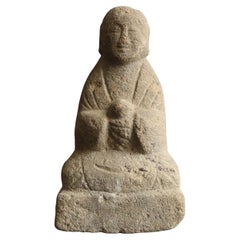
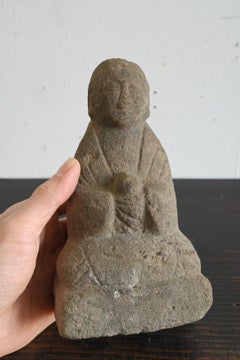
Japanese Antique Stone Buddha from Niigata Prefecture /Edo period

Japanese Antique Stone Buddha from Niigata Prefecture /Edo period

Located in Sammu-shi, Chiba

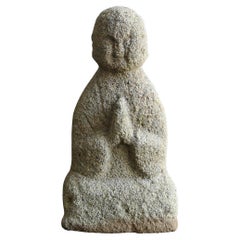
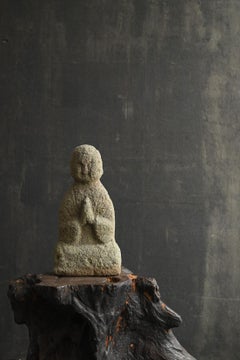
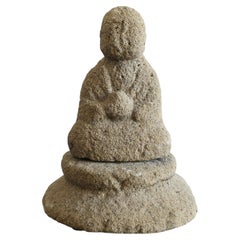
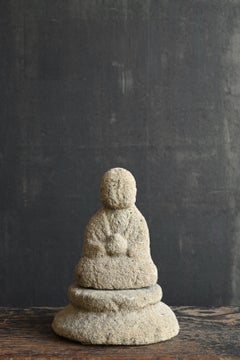
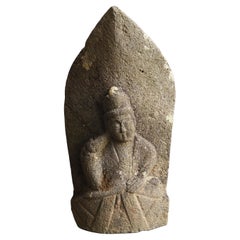
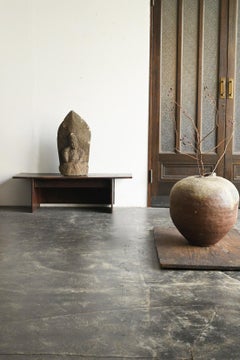
This is a stone statue of Jizo Bodhisattva, believed to have been created on Sado Island in Niigata Prefecture during the Edo period. On Sado Island, there is a small Jizo hall known as “Nashinoki Jizo,” where numerous stone Buddha statues dedicated by local people since the Edo period are still enshrined today. The sight of these statues, densely covering the ground, conveys the everyday prayers of the people of that time—their heartfelt wishes for children’s growth, recovery from illness, and protection in daily life. Against this background, Jizo worship on Sado Island is closely connected to the concept of “Migawari Jizo,” or substitute Jizo. This belief holds that Jizo takes upon itself the misfortunes and suffering that would otherwise befall people. It was a common practice for people to dedicate Jizo statues...

Category

18th Century Japanese Antique Edo Furniture

Materials

Sandstone

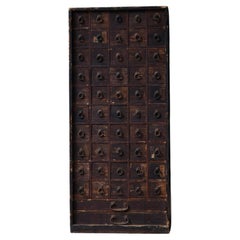
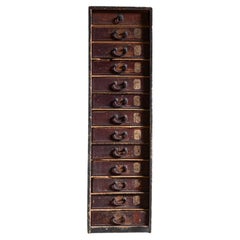
Japanese Gilt Lacquer Tabako-Bon with River Turtles, Edo Period

Japanese Gilt Lacquer Tabako-Bon with River Turtles, Edo Period

Located in Chicago, IL

This box with many drawers is a Japanese tabako-bon, or 'tobacco tray,' used to store tobacco and smoking accessories. Believed to have evolved from the traditional accessories of Ja...

Category

Mid-19th Century Japanese Antique Edo Furniture

Materials

Brass

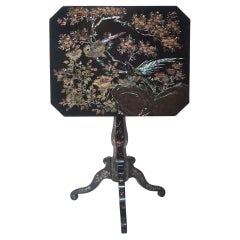
Mid-19th Century Japanese Lacquered Inlaid Table, Edo Period

Mid-19th Century Japanese Lacquered Inlaid Table, Edo Period

Located in New York, NY

An antique Japanese table with inlaid mother-of-pearl (Raden) and gold maki-e over brown lacquer. Japan, late Edo period, possibly earlier. Raden (螺鈿) is a traditional Japanese dec...

Category

1850s Japanese Antique Edo Furniture

Materials

Gold

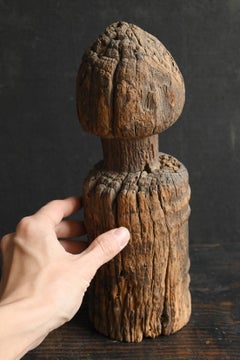
Japanese temple building materials from the Edo period/antique display stand

Japanese temple building materials from the Edo period/antique display stand

Located in Sammu-shi, Chiba

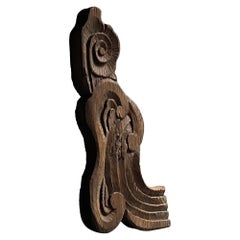
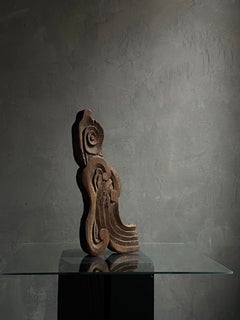
This is a part of a structural building material that was used in an old Japanese temple. It is said to be reclaimed wood that was used in the lecture hall of Yakushiji, a famous tem...

Category

Late 19th Century Japanese Antique Edo Furniture

Materials

Cedar

Japanese Antique Large Pottery Vase late 16th–early 17th century / Wabi Sabi

Japanese Antique Large Pottery Vase late 16th–early 17th century / Wabi Sabi

Located in Chōsei District Nagara, JP

This is a large antique ceramic jar from Tokoname, Japan. Its dignified mass and softly curved form create a quiet yet powerful presence within any space. The beautifully balanced si...

Category

Early 17th Century Japanese Antique Edo Furniture

Materials

Pottery

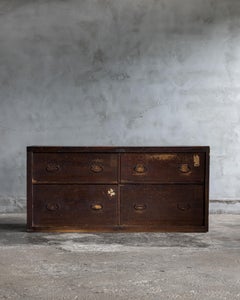
Japanese Antique Simple Large BK Tansu 1860s-1900s / Cabinet Sideboard

Japanese Antique Simple Large BK Tansu 1860s-1900s / Cabinet Sideboard

Located in Sammu-shi, Chiba

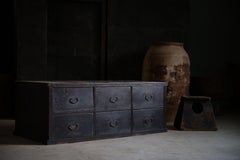
This is an antique Japanese chest of drawers. It features a simple design with only carved handles. It is a very old chest of drawers, and while it remains largely in its original c...

Category

Mid-19th Century Japanese Antique Edo Furniture

Materials

Cedar

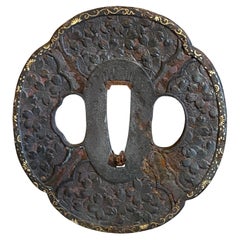
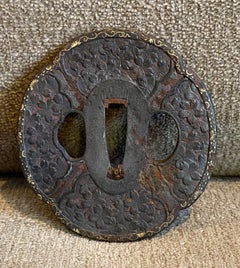
Japanese Edo Antique Samurai Tsuba Sword Hand Guard Stars or Cherry Blossoms

Japanese Edo Antique Samurai Tsuba Sword Hand Guard Stars or Cherry Blossoms

Located in Studio City, CA

A wonderful, beautifully aged Tsuba - Japanese sword hand guard often circular, sometimes square, which emerged as an essential part of Japanese sword craftsmanship during the Heian period (794–1185). Initially crafted from iron or bronze, over time they became more decorative in nature and more for show as the waring Samurai clans disbanded and became part of Japan's past. The particular Tsuba features an imprinted/hammered repeating pattern of stars or cherry blossoms design perhaps. The piece has a gorgeous patina that is acquired from age and handling/use It is quite an appealing work. The piece is likely from the mid Edo Period (1603-1868). The Tsuba has a nice feel and wonderful aged texture to it. Would be a great addition to any Tsuba or Japanese Asian sword...

Category

18th Century Japanese Antique Edo Furniture

Materials

Iron

Edo period wooden carved Buddhist statue/11-faced Thousand-armed Kannon

Edo period wooden carved Buddhist statue/11-faced Thousand-armed Kannon

Located in Sammu-shi, Chiba

This is a wooden statue of **Jūichimen Senju Kannon Bosatsu (Eleven-Headed Thousand-Armed Kannon)**, created in Japan during the late Edo period. Senju Kannon (Thousand-Armed Kannon), formally known as *Senju Sengen Kanzeon Bosatsu*, is regarded as a symbol of compassion who saves all people through countless hands and eyes. Rather than literally carving one thousand arms, the expression of many arms symbolically represents “infinite salvation.” This work is further rendered in the **Eleven-Headed (Jūichimen)** form, bearing multiple faces above the main head. This signifies the ability to look in all directions and to never overlook the suffering of any being. The Eleven-Headed Thousand-Armed Kannon is both refined in design and highly significant in devotional practice. At **Sanjūsangendō (Rengeō-in)** in Kyoto, a similar Eleven-Headed Thousand-Armed Kannon statue is enshrined and is widely known as one of the representative masterpieces of Japanese Buddhist sculpture...

Category

Early 19th Century Japanese Antique Edo Furniture

Materials

Wood, Cypress

Antique Edo 18/19th C Japanese Jubako Ikegawa Ware Tea Ceremony Box Japan

Antique Edo 18/19th C Japanese Jubako Ikegawa Ware Tea Ceremony Box Japan

Located in Amsterdam, Noord Holland

Description A lovely piece with beautiful scene in underglaze blue. For food serving. Condition Perfect condition. Size: 22x15.5CM heightxdiameter Period 19th century Meiji Periode...

Category

19th Century Japanese Antique Edo Furniture

Materials

Porcelain

Japanese Antique Large BK Tansu 1860s-1900s / Cabinet Sideboard Wabi Sabi

Japanese Antique Large BK Tansu 1860s-1900s / Cabinet Sideboard Wabi Sabi

Located in Sammu-shi, Chiba

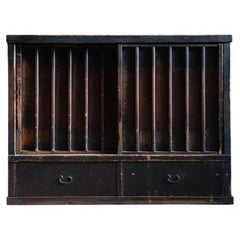
This is an antique Japanese Tansu. Judging by the condition of the metal parts, it appears to be quite old, likely dating to the Edo period. It has been carefully maintained to pres...

Category

Mid-19th Century Japanese Antique Edo Furniture

Materials

Cedar

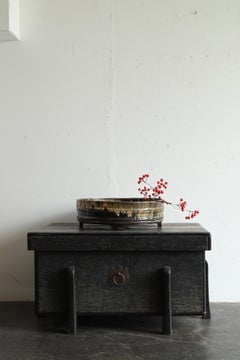
1850s-1890s Japanese antique mid-size medicine tansu chest of drawers, wabi sabi

1850s-1890s Japanese antique mid-size medicine tansu chest of drawers, wabi sabi

Located in 常陸大宮市, JP

Japanese antique mid-size apothecary chest, tansu chest of drawers for medicines (Kusuri dansu). Product of late Edo to early Meiji era (1850s-1890s), estimate from the style & ...

Category

Late 19th Century Japanese Antique Edo Furniture

Materials

Wood

Japanese Edo Period Apothecary Chest (Tansu), Kaei 1 (1848), Wabi-Sabi

Japanese Edo Period Apothecary Chest (Tansu), Kaei 1 (1848), Wabi-Sabi

Located in Hitachiomiya-shi, 08

This Japanese apothecary chest (tansu) dates to the first year of Kaei (1848), late Edo period. The date is recorded internally in brush-written ink, providing direct historical evid...

Category

Mid-19th Century Japanese Antique Edo Furniture

Materials

Iron

Japanese Asian Signed Edo Period Kano School Painting of Mythical Landscape

Japanese Asian Signed Edo Period Kano School Painting of Mythical Landscape

Located in Studio City, CA

A beautiful, wonderfully composed and engaging original hand-painted large Japanese Edo period Kano School painting depicting an almost magical/ mythical village landscape scene with...

Category

18th Century Japanese Antique Edo Furniture

Materials

Gold Leaf

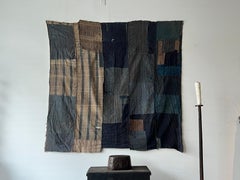
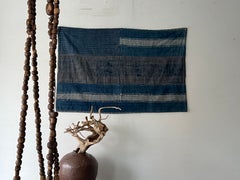
Japanese Antique "BORO" Edo period 1800s-1860s / Rag Abstract Art Wabi-Sabi

Japanese Antique "BORO" Edo period 1800s-1860s / Rag Abstract Art Wabi-Sabi

By Axel Vervoordt

Located in Chōsei District Nagara, JP

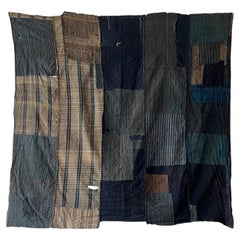
This is an old Japanese BORO textile, dating back to the Edo period (1800s–1860s). It is a rare cloth that has survived through a long span of time. The interplay of indigo and natur...

Category

Late 19th Century Japanese Antique Edo Furniture

Materials

Fabric

Japanese Antique Rag "BORO" 1800s-1860s / Abstract Art Wabi Sabi

Japanese Antique Rag "BORO" 1800s-1860s / Abstract Art Wabi Sabi

Located in Sammu-shi, Chiba

This is an exceptionally old piece of Japanese fabric, dating back to the Edo period (1800s–1860s). It has been carefully used to withstand the harsh winter cold. Since ancient time...

Category

Mid-19th Century Japanese Antique Edo Furniture

Materials

Fabric

Antique Japanese Edo Period Kagami Bronze Hand Mirror Cranes Gnarled Pine 11"

Antique Japanese Edo Period Kagami Bronze Hand Mirror Cranes Gnarled Pine 11"

Located in Dayton, OH

Antique Japanese Edo Period bronze kagami / hand mirror. Cast with a design featuring two large pieces of calligraphy over a landscape showing a pair of cranes by a gnarled pine tree...

Category

Early 19th Century Japanese Antique Edo Furniture

Materials

Bronze

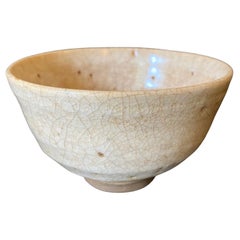
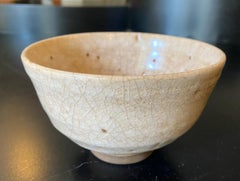
A Karatsu tea bowl made in the 18th century during the Edo period in Japan

A Karatsu tea bowl made in the 18th century during the Edo period in Japan

Located in Sammu-shi, Chiba

Here is the revised English version with the additional information naturally inserted in appropriate sections: --- This bowl is a piece of Karatsu ware believed to have been produ...

Category

18th Century Japanese Antique Edo Furniture

Materials

Pottery

Japanese Edo Period Wooden Buddha Statue / Kannon Bodhisattva

Japanese Edo Period Wooden Buddha Statue / Kannon Bodhisattva

Located in Sammu-shi, Chiba

This is a wooden standing statue of Kannon Bosatsu (Avalokiteśvara) produced in Japan during the mid to late Edo period (18th to 19th century). With a height of 36.5 cm, it possesses...

Category

Late 18th Century Japanese Antique Edo Furniture

Materials

Wood, Cypress

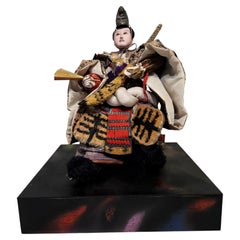
Antique Japanese Samurai Suit of Armor, Edo Period, 18th Century

Antique Japanese Samurai Suit of Armor, Edo Period, 18th Century

Located in Point Richmond, CA

Antique Japanese Samurai Suit of Armor, Edo period, 18th century. A complete matching set of lacquered iron work; the cuirass with dragonfly decoration and blue lacing, a Kaga schoo...

Category

18th Century Japanese Antique Edo Furniture

Materials

Metal, Silver, Foil, Iron, Gold Leaf

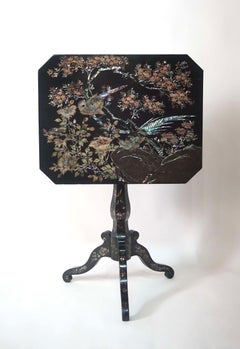
Japanese Export Lacquer and Abalone Inlaid Tilt-Top Stand, Nagasaki, circa 1840

Japanese Export Lacquer and Abalone Inlaid Tilt-Top Stand, Nagasaki, circa 1840

Located in Kinderhook, NY

An exquisite circa 1840 Japanese export tilt-top table or stand of Nagasaki manufacture having allover abalone inlay in black lacquer, the top with with male and female 'Japanese gre...

Category

Mid-19th Century Japanese Antique Edo Furniture

Materials

Brass

17th Century Japanese Screen. Flowers & Birds of Winter and Early Spring.

17th Century Japanese Screen. Flowers & Birds of Winter and Early Spring.

Located in Kyoto, JP

Signed Unkoku Toyu (1660-1716) Flowers & Birds of Winter and Early Spring A Six-panel Japanese Screen. Ink, color and gold leaf on paper. This later 17th century Japanese screen is signed Unkoku Tōyū (1660–1716), a leading figure of the Unkoku school in the early Edo period. Tōyū was the eldest son of Unkoku Tōji, and he carried forward a lineage that deliberately anchored itself in the authority of Sesshū Tōyō. The mood of the scene is observational and seasonal, not emblematic of power as were many screens from the more wide-spread Kano school. The composition is unified by wind and atmosphere. Everything — bamboo, plum, reeds, water, birds — participates in a single directional force moving from left to right. Unlike certain later screens that flatten elements across the surface, this composition preserves a sense of depth. Yet the recession is moderated by gold clouds and frontal placement of forms. The result is a balanced tension between depth and surface. The compositional structure — with its expansive sweep across the panels — reflects the decorative ambition of Momoyama screen...

Category

Late 17th Century Japanese Antique Edo Furniture

Materials

Gold Leaf

Japanese Mizuya Ku-Shaku Kitchen Cabinet – Edo Period, c.1850

Japanese Mizuya Ku-Shaku Kitchen Cabinet – Edo Period, c.1850

Located in Prahran, Victoria

Japanese Mizuya Ku-Shaku Kitchen Cabinet – Edo Period, c.1850 A substantial and finely crafted Japanese mizuya ku-shaku—a traditional kitchen cabinet—measuring approximately 9 feet ...

Category

Mid-19th Century Japanese Antique Edo Furniture

Materials

Cedar, Cypress

Japanese Edo Period Wabi-Sabi Kendon Cabinet, Primitive Sugi Cedar Storage Box

Japanese Edo Period Wabi-Sabi Kendon Cabinet, Primitive Sugi Cedar Storage Box

Located in 常陸大宮市, JP

A Japanese antique small cabinet with a removable front panel, dating to the Edo period (late 18th–mid 19th century). Constructed from high-quality sugi (Japanese cedar), the surfac...

Category

Mid-19th Century Japanese Antique Edo Furniture

Materials

Wood, Cypress

Pair Japanese Edo Six Panel Screens Legend of Minamoto

Pair Japanese Edo Six Panel Screens Legend of Minamoto

Located in Rio Vista, CA

Fascinating pair of large Japanese 19th century Edo period six-panel folding byobu screens depicting the legend of Minamoto No Yorimasa (Japanese Samurai 1106-1180). The pair of pain...

Category

19th Century Japanese Antique Edo Furniture

Materials

Brass, Gold Leaf

Shinbei Sakakura X (10th) Japanese Hagi Yaki Ware Pottery Chawan Tea Bowl & Box

Shinbei Sakakura X (10th) Japanese Hagi Yaki Ware Pottery Chawan Tea Bowl & Box

Located in Studio City, CA

A wonderfully hand crafted and beautifully glazed Hagi Yaki Ware Chawan tea bowl by the 10th Shinbei Sakakura (X). This piece has quite a special feel to it. The Chawan radiates i...

Category

Mid-19th Century Japanese Antique Edo Furniture

Materials

Pottery, Stoneware

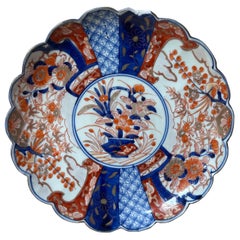
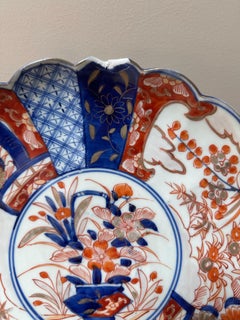
Antique 19th c Edo / Meiji Dynasty Japanese Porcelain Plate Dish Imari

Antique 19th c Edo / Meiji Dynasty Japanese Porcelain Plate Dish Imari

Located in Amsterdam, Noord Holland

Description A very nicely decorated bowl Condition report: 1 hairline from the rim. Size: 25x6.8CM Diameter x Height Period 18th century

Category

19th Century Japanese Antique Edo Furniture

Materials

Porcelain

Pair Antique Japanese Edo Falcon Hawk Birds of Prey Handpainted Screens 1860

Pair Antique Japanese Edo Falcon Hawk Birds of Prey Handpainted Screens 1860

By Soga Nichokuan 1

Located in Portland, OR

A very fine pair of antique Edo period four paneled screens (Takagari), hand-painted with tethered birds of prey, in the manner of Soga Nichokuan, circa 1860. Wonderful pair of...

Category

Late 19th Century Japanese Antique Edo Furniture

Materials

Paper, Wood

Japanese Screen. Edo period. Spotted Deer and Autumn Flowers.

Japanese Screen. Edo period. Spotted Deer and Autumn Flowers.

Located in Kyoto, JP

Anonymous Spotted Deer and Autumn Flowers Two-panel Japanese Screen; ink, color, gofun and gold fleck on paper. This two-panel Japanese screen, painted on paper and likely dating ...

Category

Late 17th Century Japanese Antique Edo Furniture

Materials

Paper

Japanese Rare Antique Inlaid Smoking Tansu, Complete 1850

Japanese Rare Antique Inlaid Smoking Tansu, Complete 1850

Located in South Burlington, VT

The first we have seen A spectacular and hard to find Inlaid mother of pearly - using the raden technique- and lacquered three-drawer Tansu complete with all original bronze accoutrement including a fine engraved antique long pipe and two removable covered bronze cylinders all executed by expert mid-19th century Edo samurai...

Category

19th Century Japanese Antique Edo Furniture

Materials

Bronze

Contemporary Japanese Chochin Floor Lamp Limited Edition #1 Zen Washi

Contemporary Japanese Chochin Floor Lamp Limited Edition #1 Zen Washi

By Ryosuke Harashima

Located in Shibuya-ku, Tokyo

Name: OBAKE A Contemporary style Japanese Washi Japanese traditional paper shade floor lamp. Washi shade is famous as Isamu Noguchi Akari lightings. Base is made of brass. Limited pattern painted model. Edition of 3+1AP E26,27 light bulb. Available to work with 100-250V. Artist statement In Japan, there is an animist belief that the soul dwells in old tools that have passed a long time and turns into spirits such as "Youkai" or "OBAKE." Its existence lurks in the darkness of everyday life, sometimes causing fear and sometimes entertaining. This lantern is not an old tool, but it is made by the historic "Kojima Shoten", where the 10th generation are craftsmen in Kyoto. It's rare nowadays, and it's a style in which lanterns are made from bamboo bones to assembling papers and painting in one workshop and go. So, I decided to transform the polite crafted Japanese lanterns, which have been run through a traditional history, into a modern and pop style. It's not just OBAKE lurking in the darkness, but an existence who snuggles up to us as a more sophisticated being. These one-eyed OBAKE have a meaningful look that originated in ancient Sanskrit culture. The red-eye "A [a]" is the facial expression that is the first pronunciation to make a sound in Sanskrit, which means "truth" and "spirit of inquiry" at the same time. The blue-eyed "UN [hu?]" expresses the pronunciation to close the sound, and at the same time means "wisdom" and "nirvana." There is also the idea that describing the beginning and end of the universe is represented by considering the "A" and "UN" as a pair. In Asia, it is a common sight to see a pair of guardian statues...

Category

2010s Japanese Edo Furniture

Materials

Brass

Japanese Antique Small Chest of Drawers, Keio Era (Edo Period, 1867), Wabi Sabi

Japanese Antique Small Chest of Drawers, Keio Era (Edo Period, 1867), Wabi Sabi

Located in Hitachiomiya-shi, 08

This antique small chest of drawers was crafted in the Keio Era (1867). Made from Japanese cedar and finished with traditional Japanese lacquer (urushi), the surface has developed a...

Category

Mid-19th Century Japanese Antique Edo Furniture

Materials

Cedar

Japanese Antique Sacred Horse "Shinme" 1800s-1860s / Primitive Wabisabi

Japanese Antique Sacred Horse "Shinme" 1800s-1860s / Primitive Wabisabi

Located in Chōsei District Nagara, JP

This is an old Japanese carved wooden horse, a highly valuable piece created in the late Edo period (early 1800s–1860s). In Japan, it is known as a "Shinme" (sacred horse), a term re...

Category

Late 19th Century Japanese Antique Edo Furniture

Materials

Cedar, Lacquer

Japanese antique wooden storage box, Late Edo period , wabi-sabi coffee table

Japanese antique wooden storage box, Late Edo period , wabi-sabi coffee table

Located in Sammu-shi, Chiba

This piece is believed to be a wooden storage chest known as a karabi-bitsu, made in Japan during the late Edo period (approximately the 18th–19th century). The karabi-bitsu is a tra...

Category

Late 18th Century Japanese Antique Edo Furniture

Materials

Cedar, Cypress

Japan Tall Antique Classic Edo Period Kasuga Stone Lantern

Japan Tall Antique Classic Edo Period Kasuga Stone Lantern

Located in South Burlington, VT

An early antique beauty with all original pieces. Please view our video. Japan, a tall and stone lantern with fence like engraved designs on its firebox , carefully crafted in six ...

Category

19th Century Japanese Antique Edo Furniture

Materials

Stone

Japanese Edo Period Isho Dansu - Clothing Chest

Japanese Edo Period Isho Dansu - Clothing Chest

Located in Los Angeles, CA

This Edo-period Isho-dansu (clothing chest) is a masterclass in functional artistry, featuring a two-section stacked configuration that highlights the beautiful verticality of Japane...

Category

Early 19th Century Japanese Antique Edo Furniture

Materials

Iron

Edo-Style Six-Panel Japanese Byobu Screen with Gold Paint Landscape

Edo-Style Six-Panel Japanese Byobu Screen with Gold Paint Landscape

Located in Hamburg, PA

This Asian screen print is a stunning six-panel byobu (folding screen) featuring a traditional Japanese landscape. The artwork showcases a serene scene with a lakeside pavilion set a...

Category

19th Century Antique Edo Furniture

Materials

Wood, Paint, Paper

Japanese Antique Large Kuruma Tansu 1800s-1860s / Cabinet Sideboard Wabi Sabi

Japanese Antique Large Kuruma Tansu 1800s-1860s / Cabinet Sideboard Wabi Sabi

Located in Chōsei District Nagara, JP

This is an old, large, Japanese-made Kuruma-Tansu. Made in the Edo period (1800s-1860s), it is a powerful and dignified piece, the culmination of the skills and aesthetic sense of th...

Category

Late 19th Century Japanese Antique Edo Furniture

Materials

Iron

Japanese Antique "Staircase Chest" 'Late Edo Period-Meiji Period' /Cabinet

Japanese Antique "Staircase Chest" 'Late Edo Period-Meiji Period' /Cabinet

Located in Sammu-shi, Chiba

We have an aesthetic sense peculiar to Japanese people. And we introduce the unique items that only we can do, the route of purchasing in Japan, the experience value so far, and the way that no one can imitate. Japanese antique black chest "staircase chest...

Category

19th Century Japanese Antique Edo Furniture

Materials

Cedar

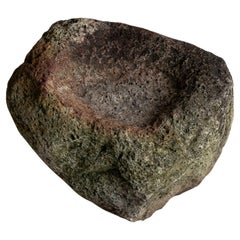
Japanese Old Garden Stone "Tsukubai/Toukeisi" Stone Water Basin

Japanese Old Garden Stone "Tsukubai/Toukeisi" Stone Water Basin

Located in Sammu-shi, Chiba

We Japanese introduce unique items with unique aesthetics, purchasing routes, and ways that no one can imitate. This is a traditional Japanese item from ancient times. There is a c...

Category

19th Century Japanese Antique Edo Furniture

Materials

Stone

Vintage Handpainted Silk Japanese Geisha Screen With Ricepaper Backing

Vintage Handpainted Silk Japanese Geisha Screen With Ricepaper Backing

Located in Waxahachie, TX

1960-1970s Hand painted silk. Rice paper backing. Made in Japan. Six colorful Geisha surrounded by bamboo trees. Little details, a shamisen, or Japanese guitar, a rice paper scroll...

Category

1970s Japanese Vintage Edo Furniture

Materials

Silk, Wood

Japanese Edo Antique Samurai Tsuba Sword Hand Guard with Mythical Dragon Design

Japanese Edo Antique Samurai Tsuba Sword Hand Guard with Mythical Dragon Design

Located in Studio City, CA

A wonderful, beautifully aged Tsuba - Japanese sword hand guard often circular, sometimes square, which emerged as an essential part of Japanese sword craftsmanship during the Heian ...

Category

18th Century Japanese Antique Edo Furniture

Materials

Silver, Iron

Vintage Japanese Carry Chest On Chest

Vintage Japanese Carry Chest On Chest

Located in Bridgeport, CT

The two stacking units in a reddish-brown stain with black metal mounts. The top chest with two long drawers on the left. The right side with a drawer over two more smaller drawers...

Category

Early 20th Century Japanese Edo Furniture

Materials

Metal

17th Century Japanese Folding Screen

17th Century Japanese Folding Screen

Located in Camarate, PT

A six-panel folding screen with a narrative painting showing from a bird’s-eye view a spring landscape with cherry blossoms and cryptomeria trees by a river with a bridge. Groups of ...

Category

17th Century Japanese Antique Edo Furniture

Materials

Gold Leaf

1840s-1860s Edo Japanese antique wabi sabi desk organizer Tansu chest of drawers

1840s-1860s Edo Japanese antique wabi sabi desk organizer Tansu chest of drawers

Located in 常陸大宮市, JP

Japanese antique shallow Tansu chest of drawers with 4 shelves - made of quality red pine & chestnut. The product of 1840s - 1860s (late Edo period) estimate from the style &...

Category

Late 19th Century Japanese Antique Edo Furniture

Materials

Wood, Chestnut, Pine

Antique Arita Edo Period 17th c Japanese Porcelain Plate Kakiemon dish very Rare

Antique Arita Edo Period 17th c Japanese Porcelain Plate Kakiemon dish very Rare

Located in Amsterdam, Noord Holland

Description A very nice underglaze blue and white dish, with overglaze red enamel. ca 1700 Similar piece in the Met Museum Edo period. Condition filled chip to the rim. 2 crackle ...

Category

17th Century Japanese Antique Edo Furniture

Materials

Porcelain

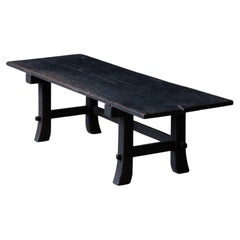
Japanese antique wooden wabi-sabi low table / 1850-1912 / "Fu-zukue"

Japanese antique wooden wabi-sabi low table / 1850-1912 / "Fu-zukue"

Located in Sammu-shi, Chiba

This wooden writing desk, known as a "Fu-zukue", dates back to the late Edo to Meiji period. Tatami culture has long been an integral part of Japanese life, where people sat on the ...

Category

Late 19th Century Japanese Antique Edo Furniture

Materials

Cedar

Antique ca 1700 Japanese Arita Kakiemon Unusual shaped Bowl Flowers

Antique ca 1700 Japanese Arita Kakiemon Unusual shaped Bowl Flowers

Located in Amsterdam, Noord Holland

Very happy with this new arrival. Arita/Kakiemon bowl of unusual shape and design. Besides the very nice floral decoration there is superior overglaze blue Period unknown. ca 1700 ...

Category

17th Century Antique Edo Furniture

Materials

Porcelain

1780s-1850s Edo Japanese antique medicine chest of drawers 2pc cabinet wabi sabi

1780s-1850s Edo Japanese antique medicine chest of drawers 2pc cabinet wabi sabi

Located in 常陸大宮市, JP

New finds from old Kura (traditional style warehouse) in Kanto area, Japan. A pair of 2 different size box chest of drawers, in the vein of Medicine chest "Kusuri dansu" in Japanese - one of Tansu furnitures...

Category

Late 18th Century Japanese Antique Edo Furniture

Materials

Wood

Japanese Antique Paper-Covered Low Writing Desk 1857s / Low Table Wabi-Sabi

Japanese Antique Paper-Covered Low Writing Desk 1857s / Low Table Wabi-Sabi

Located in Chōsei District Nagara, JP

This is a very old Japanese low writing desk covered with paper. Within its simple and restrained presence resides a quiet tension and spiritual depth that only furniture shaped by l...

Category

1850s Japanese Antique Edo Furniture

Materials

Copper

Japanese Painted Chawan Tea Bowl by Tannyu 10th Raku Edo Period

Japanese Painted Chawan Tea Bowl by Tannyu 10th Raku Edo Period

Located in Atlanta, GA

An Aka-Raku Chawan (Red-Raku tea bowl) by Raku Tannyu (1795-1854), the tenth-generation head of the Raku kiln. The Raku family established one of the longe...

Category

Mid-19th Century Antique Edo Furniture

Materials

Ceramic

Japanese antique stone Buddha "Nyoirin Kannon" Edo period / 1750-1850

Japanese antique stone Buddha "Nyoirin Kannon" Edo period / 1750-1850

Located in Sammu-shi, Chiba

This is a statue of Nyoirin Kannon (Nyoirin Kannon) created in Japan during the mid- to late Edo period (circa 18th to 19th centuries). Nyoirin Kannon is a form of Kannon Bodhisattva...

Category

Mid-18th Century Japanese Antique Edo Furniture

Materials

Stone

Japanese Edo Period Antique Tsuba Samurai Sword Hand Guard with Waves Design

Japanese Edo Period Antique Tsuba Samurai Sword Hand Guard with Waves Design

Located in Studio City, CA

A quite wonderful, relatively large Tsuba - Japanese Samurai sword hand guard often circular, sometimes square, which emerged as an essential part of Japanese sword craftsmanship dur...

Category

17th Century Japanese Antique Edo Furniture

Materials

Iron

Japan Important Large Pair Early Shinto Temple Lions Hand-Carved, 18th Century

Japan Important Large Pair Early Shinto Temple Lions Hand-Carved, 18th Century

Located in South Burlington, VT

Just discovered and coming from a Shinto Shrine deaccession Call or message us for details or to reserve. Japan an early and superb pair (2) of mythical Shi Shi Temple Foo Dogs als...

Category

18th Century Japanese Antique Edo Furniture

Materials

Wood

1870s-1900s wabi sabi Japanese antique mid tansu chest of drawers

1870s-1900s wabi sabi Japanese antique mid tansu chest of drawers

Located in 常陸大宮市, JP

Japanese antique mid size Tansu (chest of drawers), product of circa 1870s - 1900s, late Edo to Meiji era, estimate from the style & conditions. Remaining original paint gives a ...

Category

Late 19th Century Japanese Antique Edo Furniture

Materials

Iron

19th Cen. Edo Japanese 2-tier large black Mizuya Tansu, wabi sabi kitchen chests

19th Cen. Edo Japanese 2-tier large black Mizuya Tansu, wabi sabi kitchen chests

Located in 常陸大宮市, JP

New finds from the Kominka (old traditional house) owned by an old-established family in Nagano prefecture, Japan. This 2-tier large Mizuya tansu (Kitchen chest) is the product of m...

Category

19th Century Japanese Antique Edo Furniture

Materials

Wood, Cedar, Pine

Japanese Edo Antique Saotome Samurai Tsuba Sword Hand Guard Silver Leaf Design

Japanese Edo Antique Saotome Samurai Tsuba Sword Hand Guard Silver Leaf Design

Located in Studio City, CA

A wonderful, beautifully aged Saotome Tsuba (The Saotome were a well known school of armor makers originating in the late Muromachi Period and working well into the Edo Period) - Jap...

Category

17th Century Japanese Antique Edo Furniture

Materials

Silver, Iron

Edo furniture for sale on 1stDibs.

Find a broad range of unique Edo furniture for sale on 1stDibs. Many of these items were first offered in the 21st Century and Contemporary, but contemporary artisans have continued to produce works inspired by this style. If you’re looking to add vintage furniture created in this style to your space, the works available on 1stDibs include asian art and furniture, wall decorations, decorative objects and other home furnishings, frequently crafted with wood, metal and other materials. If you’re shopping for used Edo furniture made in a specific country, there are Asia, East Asia, and Japan pieces for sale on 1stDibs. While there are many designers and brands associated with original furniture, popular names associated with this style include Utagawa Hiroshige (Ando Hiroshige), Arita, Ryosuke Harashima, and Kitagawa Utamaro. It’s true that these talented designers have at times inspired knockoffs, but our experienced specialists have partnered with only top vetted sellers to offer authentic pieces that come with a buyer protection guarantee. Prices for furniture differ depending upon multiple factors, including designer, materials, construction methods, condition and provenance. On 1stDibs, the price for these items starts at $55 and tops out at $1,386,932 while the average work can sell for $2,989.