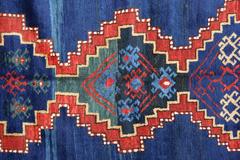
Vegetable Dyed Folk Art

to
31
29
5
69
67
5
1
11
56
69
28
13
12
1
1
2
4
127
115
113
103
12
121
104
104
96
11
136
136
136
69
4
2
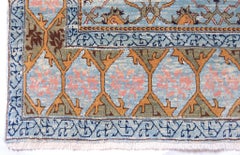
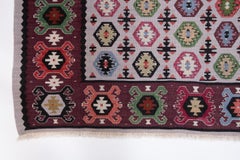
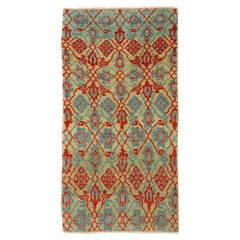
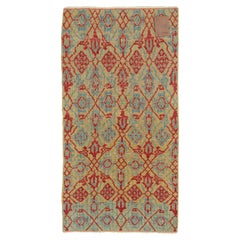
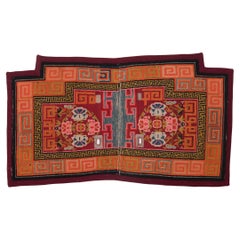
Technique: Vegetable Dyed
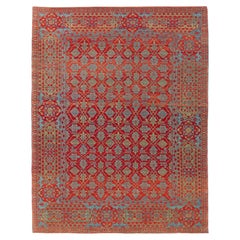
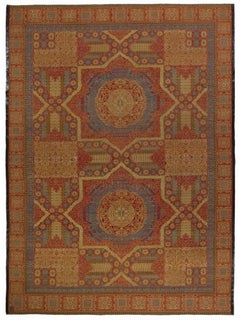
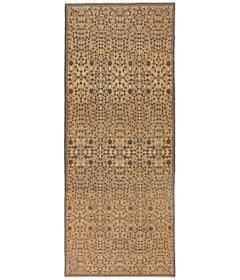
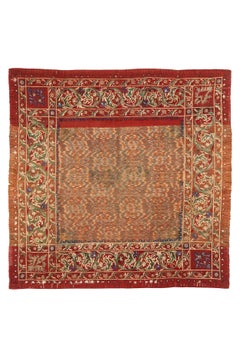
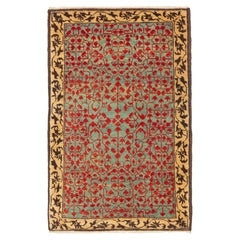
Ararat Rugs Mamluk Wagireh Rug with Jerrehian Border Design Egypt Revival Carpet

Ararat Rugs Mamluk Wagireh Rug with Jerrehian Border Design Egypt Revival Carpet

By Ararat Rugs

Located in Tokyo, JP

The design source of the rug comes from the possession of Endre Unger, which was sold at Sotheby’s in 1992. That rug with the central star was designed in the early 16th-century rug ...

Category

21st Century and Contemporary Turkish Revival Vegetable Dyed Folk Art

Materials

Wool, Natural Fiber, Organic Material
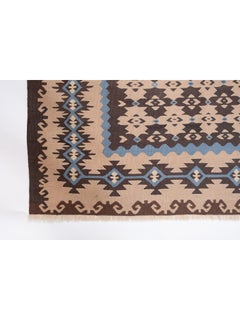
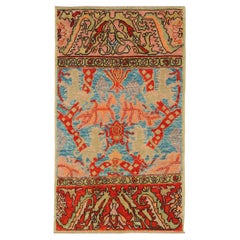
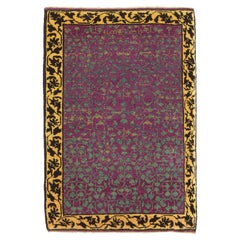
Antique Sarkoy Kilim Rug, Western Anatolian Turkish Carpet, Balkan Style Unique

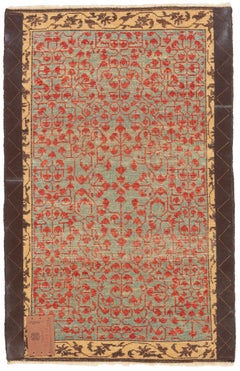
Antique Sarkoy Kilim Rug, Western Anatolian Turkish Carpet, Balkan Style Unique

Located in Tokyo, JP

This is an Antique & Unique Sarkoy (Sharkoy or Şarköy) Kilim rug from Western Turkey with a rare and beautiful color composition. Sarkoy kilims are very finely woven in slitweave in...

Category

Late 20th Century Turkish Kilim Vegetable Dyed Folk Art

Materials

Wool, Natural Fiber, Organic Material
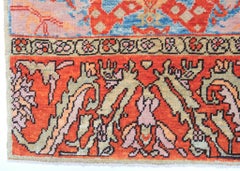
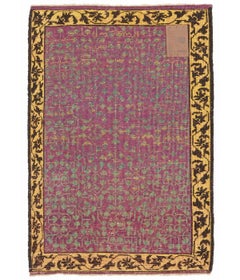
Antique Sewan Kazak Rug Sevan Caucasian Carpet Late-19th Century Caucasus

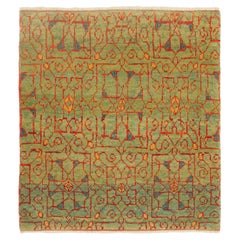
Antique Sewan Kazak Rug Sevan Caucasian Carpet Late-19th Century Caucasus

Located in Tokyo, JP

This is a rare antique Sewan Kazak Rug from the Sewan / Sevan region in the southwest Caucasia. This is another handsome example of the “Sewan” Ka...

Category

Late 19th Century Caucasian Oushak Antique Vegetable Dyed Folk Art

Materials

Wool, Natural Fiber, Organic Material
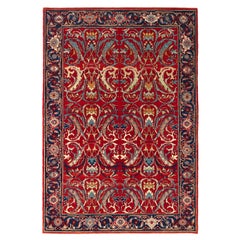
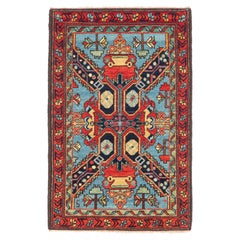
Antique Konya Kilim Central Anatolian Rug Handwoven Turkish Carpet Natural Dyed

Antique Konya Kilim Central Anatolian Rug Handwoven Turkish Carpet Natural Dyed

Located in Tokyo, JP

This is a Central Anatolian Old Kilim from the Konya region with a rare and beautiful color composition. As early as the 13th century Marco Polo noted, in his account of his trave...

Category

Late 19th Century Turkish Kilim Antique Vegetable Dyed Folk Art

Materials

Wool, Natural Fiber, Organic Material
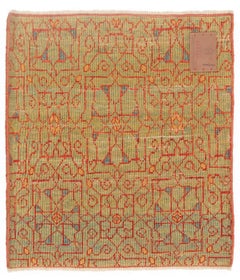
Antique Sarkoy Kilim Rug, Western Anatolian Turkish Carpet, Balkan Style Unique

Antique Sarkoy Kilim Rug, Western Anatolian Turkish Carpet, Balkan Style Unique

Located in Tokyo, JP

This is an antique Unique Sarkoy (Sharkoy or Şarköy) Kilim rug from Western Turkey with a rare and beautiful color composition. Sarkoy kilims are very finely woven in slitweave in a...

Category

Early 20th Century Turkish Kilim Vegetable Dyed Folk Art

Materials

Natural Fiber, Organic Material, Wool

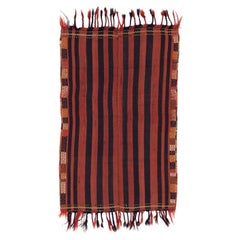
Vintage Old Striped Kilim Balikesir Rug Western Anatolian Natural Turkish Carpet

Vintage Old Striped Kilim Balikesir Rug Western Anatolian Natural Turkish Carpet

Located in Tokyo, JP

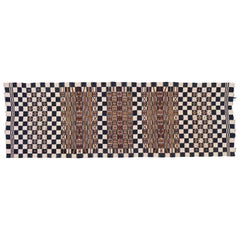
This Striped Old Runner Kilim is a traditional handwoven piece from Western Turkey. It measures approximately 98cm x 245cm and is made from 100% high-quality wool. Design & Features...

Category

Early 20th Century Turkish Kilim Vegetable Dyed Folk Art

Materials

Wool, Natural Fiber, Organic Material
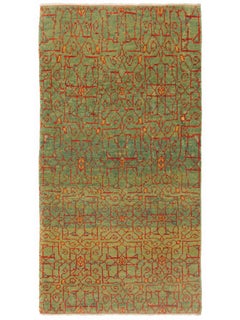
Ararat Rugs Bidjar Rug with Lion Design Persian Wagireh Carpet Natural Dyed

Ararat Rugs Bidjar Rug with Lion Design Persian Wagireh Carpet Natural Dyed

By Ararat Rugs

Located in Tokyo, JP

This offset pattern is composed of leaves and lotus palmettes filling the various compartments against the imposing ground, while heraldic lions rear across the strapwork borders. On...

Category

21st Century and Contemporary Turkish Revival Vegetable Dyed Folk Art

Materials

Wool, Natural Fiber, Organic Material
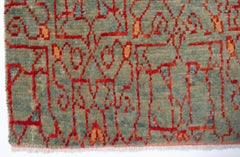
Ararat Rugs Mina Khani Rug with Bidjar Border Persian Revival Carpet Natural Dye

Ararat Rugs Mina Khani Rug with Bidjar Border Persian Revival Carpet Natural Dye

By Ararat Rugs

Located in Tokyo, JP

The design source of the rug comes from the book Antique Rugs of Kurdistan A Historical Legacy of Woven Art, James D. Burns, 2002 nr.4. This was an exclusive example of a Mina Khani ...

Category

21st Century and Contemporary Turkish Revival Vegetable Dyed Folk Art

Materials

Wool, Natural Fiber, Organic Material
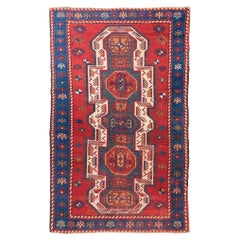
Ararat Rugs the Barbieri Tree Design Carpet Persian Revival Rug Wool Natural Dye

Ararat Rugs the Barbieri Tree Design Carpet Persian Revival Rug Wool Natural Dye

By Ararat Rugs

Located in Tokyo, JP

The source of carpet comes from the book Orient Star - A Carpet Collection, E. Heinrich Kirchheim, Hali Publications Ltd, 1993 nr.64 and Islamic Carpets, Joseph V. McMullan, Near Eas...

Category

21st Century and Contemporary Turkish Revival Vegetable Dyed Folk Art

Materials

Wool, Natural Fiber, Organic Material
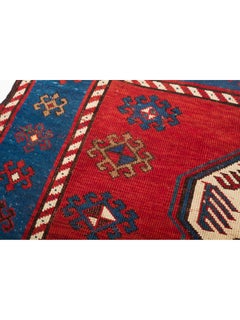
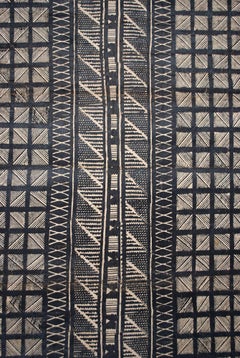
Mid-20th Century Tribal Tapa Cloth, Fiji

Mid-20th Century Tribal Tapa Cloth, Fiji

Located in Point Richmond, CA

Tapa cloth made from mulberry fiber with natural pigments, Fiji, mid-20th century.

Category

Mid-20th Century Fijian Tribal Vegetable Dyed Folk Art

Materials

Natural Fiber

Vintage Old Sofreh Kilim Central Anatolian Sofra Rug Turkish Carpet

Vintage Old Sofreh Kilim Central Anatolian Sofra Rug Turkish Carpet

Located in Tokyo, JP

This is a Sofreh—a type of kilim traditionally used for serving meals. Because of its intended purpose, it is woven using a particularly soft and loose flatweave, making it thinner a...

Category

Late 20th Century Turkish Kilim Vegetable Dyed Folk Art

Materials

Wool, Natural Fiber, Organic Material
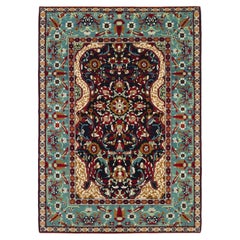
Ararat Rugs Dragon Rug, Antique Caucasus Museum Revival Carpet, Natural Dyed

Ararat Rugs Dragon Rug, Antique Caucasus Museum Revival Carpet, Natural Dyed

By Ararat Rugs

Located in Tokyo, JP

There has long been a fascination with the symbolism of the dragon and its depiction in carpet weavings. The design of ‘Dragon’ carpets consists of a field pattern composed of different colored overlaid lattices formed of pointed, serrated leaves creating intersecting lozenges, which alternately contain palmettes and are flanked by confronting stylized dragons, birds, or animal figures. The most archaic of the ‘Dragon’ carpets include dragon motifs with birds and running animals relatively naturalistically drawn, which stand either alone or in confronting pairs facing a tree. The Graf carpet, originally found in a Damascene mosque, now in the Islamiches Museum, Berlin, is considered to be the oldest example of this type, see Serare Yetkin, Early Caucasian Carpets in Turkey, Vol. II, London, 1978, p.8, fig.118. Yetkin defines four types of ‘Dragon’ carpet: ‘Archaic’, ‘Four-Dragon’, ‘Dragon-and-Phoenix’ and as a further combined development of the latter, the ‘Two-Dragon’ style, of which the present carpet falls into the ‘Dragon-and-Phoenix group along with other examples, some of which include two fragments, one in the Museum fur Kunst und Gerwerbe, Hamburg; another in the Christian Museum, Esztergom, Hungary, a complete carpet in the Kier collection; an incomplete example in the Textile Museum, Washington, D.C; the ‘Cassirer’ Dragon carpet in the Thyssen-Bornemisza collection, Lugano; the Ali Pasa Mosque carpet in Tokat, and a further example in the Vakiflar Hali Museum, Istanbul (S. Yetkin, op. cit. pp.16-20). It has been suggested that the earliest examples of the Caucasian ‘Dragon’ carpets...

Category

21st Century and Contemporary Caucasian Revival Vegetable Dyed Folk Art

Materials

Wool, Natural Fiber, Organic Material
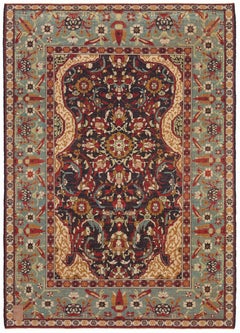
Ararat Rugs Bidjar Rug - 19th Century Design Persian Revival Carpet Natural Dyed

Ararat Rugs Bidjar Rug - 19th Century Design Persian Revival Carpet Natural Dyed

By Ararat Rugs

Located in Tokyo, JP

This is a Bidjar rug designed in the 19th century from the Bidjar region, also known as Bijar, which is a region in northwestern Iran known for producing some of the finest and most ...

Category

21st Century and Contemporary Turkish Revival Vegetable Dyed Folk Art

Materials

Wool, Natural Fiber, Organic Material
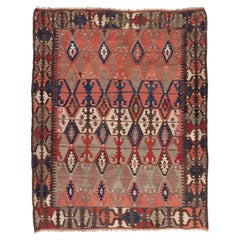
Ararat Rugs Dragon Rug, Antique Caucasus Museum Revival Carpet, Natural Dyed

Ararat Rugs Dragon Rug, Antique Caucasus Museum Revival Carpet, Natural Dyed

By Ararat Rugs

Located in Tokyo, JP

There has long been a fascination with the symbolism of the dragon and its depiction in carpet weavings. The design of ‘Dragon’ carpets consists of a field pattern composed of differ...

Category

21st Century and Contemporary Caucasian Oushak Vegetable Dyed Folk Art

Materials

Wool, Natural Fiber, Organic Material
Ararat Rugs Bidjar Sweeping Arabesques Rug Persian Revival Carpet Natural Dyed

Ararat Rugs Bidjar Sweeping Arabesques Rug Persian Revival Carpet Natural Dyed

By Ararat Rugs

Located in Tokyo, JP

This is a repeat of large sweeping arabesques in muted colors adorning the midnight blue field rug designed in the early 20th century that originates from the Bidjar region in northw...

Category

21st Century and Contemporary Turkish Revival Vegetable Dyed Folk Art

Materials

Wool, Natural Fiber, Organic Material
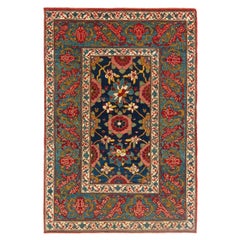
Ararat Rugs Mamluk Rug with Ra's Eye Design Mamlouk Egypt Revival Carpet

Ararat Rugs Mamluk Rug with Ra's Eye Design Mamlouk Egypt Revival Carpet

By Ararat Rugs

Located in Tokyo, JP

Origin and Inspiration: The Mamlouk Rug is a contemporary masterpiece that draws its inspiration from the rich textile traditions of the Mamlouk Sultanate, which reigned over Egypt a...

Category

21st Century and Contemporary Turkish Revival Vegetable Dyed Folk Art

Materials

Wool, Natural Fiber, Organic Material
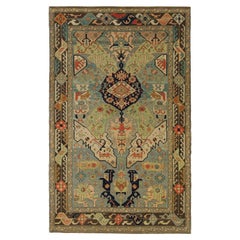
Ararat Rugs Modern Design Gabbeh Rug, Persian Mid-Century Design Natural Dyed

Ararat Rugs Modern Design Gabbeh Rug, Persian Mid-Century Design Natural Dyed

By Ararat Rugs

Located in Tokyo, JP

This Gabbeh rug, designed in the 1930s, is a type of handwoven rug that originated from Iran, specifically from the southwestern region known as Fars. The word "Gabbeh" itself means ...

Category

21st Century and Contemporary Turkish Oushak Vegetable Dyed Folk Art

Materials

Wool, Natural Fiber, Organic Material
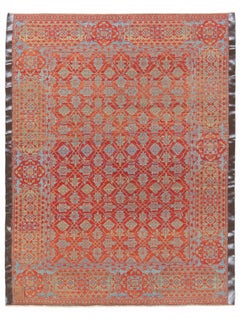
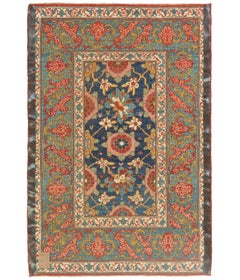
Ararat Rugs Mamluk Wagireh Rug with Jerrehian Border Design Egypt Revival Carpet

Ararat Rugs Mamluk Wagireh Rug with Jerrehian Border Design Egypt Revival Carpet

By Ararat Rugs

Located in Tokyo, JP

The design source of the rug comes from the possession of Endre Unger, which was sold at Sotheby’s in 1992. That rug with the central star was designed in the early 16th-century rug ...

Category

21st Century and Contemporary Turkish Revival Vegetable Dyed Folk Art

Materials

Wool, Natural Fiber, Organic Material
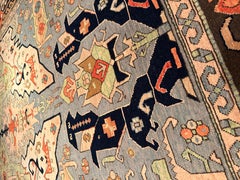
Vintage Malatya Chuval Kilim Cuval Rug Nomadic Anatolian Natural Turkish Carpet

Vintage Malatya Chuval Kilim Cuval Rug Nomadic Anatolian Natural Turkish Carpet

Located in Tokyo, JP

This is a beautifully detailed old Malatya Region, Anatolian Chuval kilim, featuring a bold, three-dimensional texture and precise geometric patterns. Originally used by nomadic trib...

Category

1970s Turkish Kilim Vintage Vegetable Dyed Folk Art

Materials

Wool, Natural Fiber, Organic Material
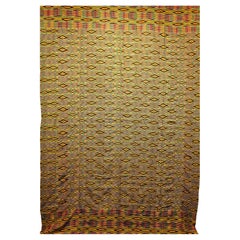
Ararat Rugs Gerous Bidjar Wagireh Pendant Rug Oriental Antique Revival Carpet

Ararat Rugs Gerous Bidjar Wagireh Pendant Rug Oriental Antique Revival Carpet

By Ararat Rugs

Located in Tokyo, JP

The most dramatic of the Gerous ( Garrus, Gerus, Garus ) carpets are those with an "asymmetric" design. Only a section of the original is shown, in the same way, many Lotto carpets w...

Category

21st Century and Contemporary Turkish Revival Vegetable Dyed Folk Art

Materials

Wool, Natural Fiber, Organic Material
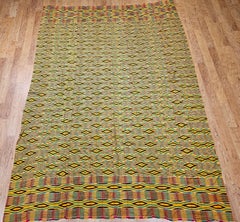
Ararat Rugs the Alaeddin Mosque Diamond Lattice Carpet Seljuk Rug, Natural Dyed

Ararat Rugs the Alaeddin Mosque Diamond Lattice Carpet Seljuk Rug, Natural Dyed

By Ararat Rugs

Located in Tokyo, JP

The source of the carpet comes from the book Orient Stars Collection, Anatolian Tribal Rugs 1050-1750, Michael Franses, Hali Publications Ltd, 2021 fig.21. This 13th century carpet i...

Category

21st Century and Contemporary Turkish Revival Vegetable Dyed Folk Art

Materials

Wool, Natural Fiber, Organic Material
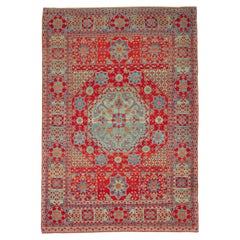
Antique Sarkoy Kilim Rug, Manastir Pirot Balkan Western Anatolian Turkish Carpet

Antique Sarkoy Kilim Rug, Manastir Pirot Balkan Western Anatolian Turkish Carpet

Located in Tokyo, JP

This is an Antique Unique Sarkoy (Sharkoy or Sarköy) Kilim rug from Western Turkey with a rare and beautiful color composition. Sarkoy kilims are very finely woven in slitweave in a...

Category

Early 20th Century Turkish Kilim Vegetable Dyed Folk Art

Materials

Wool, Natural Fiber, Organic Material
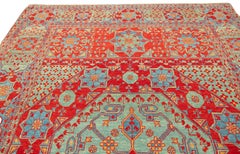
Antique Woman’s Silk Tie-Dyed Kerchief (chabot), Cambodia

Antique Woman’s Silk Tie-Dyed Kerchief (chabot), Cambodia

Located in Point Richmond, CA

Antique Woman’s Silk Tie-Dyed Kerchief (chabot), Cambodia This small, graphically intriguing resist-dyed textile was made by the Cham people of Cambodia, a muslim group with histori...

Category

Late 19th Century Cambodian Tribal Antique Vegetable Dyed Folk Art

Materials

Silk

Ararat Rugs Turkish Court Manufactury Rug Ottoman Revival Rug Natural Dyed

Ararat Rugs Turkish Court Manufactury Rug Ottoman Revival Rug Natural Dyed

By Ararat Rugs

Located in Tokyo, JP

Turkish Court Manufactury Rugs were woven in the Egyptian workshops founded by the Ottoman Empire in the 16th century. Those carpets were woven in Egypt, following the paper cartoons...

Category

21st Century and Contemporary Turkish Revival Vegetable Dyed Folk Art

Materials

Wool, Natural Fiber, Organic Material
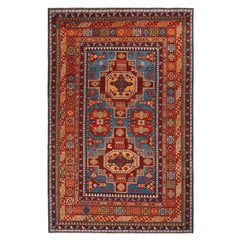
Ararat Rugs The Simonetti Mamluk Carpet 16th C. Revival Rug, Square Natural Dyed

Ararat Rugs The Simonetti Mamluk Carpet 16th C. Revival Rug, Square Natural Dyed

By Ararat Rugs

Located in Tokyo, JP

The source of carpet comes from the book How to Read - Islamic Carpets, Walter B. Denny, The Metropolitan Museum of Art, New York 2014 fig.61,62. The five-star-medallion carpet was d...

Category

21st Century and Contemporary Turkish Revival Vegetable Dyed Folk Art

Materials

Wool, Natural Fiber, Organic Material
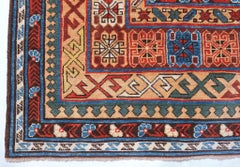
Antique Man's Ceremonial Head Cloth (Iket Kepala), South Sumatra

Antique Man's Ceremonial Head Cloth (Iket Kepala), South Sumatra

Located in Point Richmond, CA

Antique Man's Ceremonial Head Cloth (Iket Kepala), South Sumatra Malay people, Palembang region A beautifully subtle weft ikat ceremonial head cloth with elaborate silk chain-stitch...

Category

Late 19th Century Indonesian Tribal Antique Vegetable Dyed Folk Art

Materials

Silk

Ararat Rugs Shirvan Rug with Hexagon Columns Caucasia Revival Carpet Natural Dye

Ararat Rugs Shirvan Rug with Hexagon Columns Caucasia Revival Carpet Natural Dye

By Ararat Rugs

Located in Tokyo, JP

The source of the rug comes from the book Oriental Rugs Volume 1 Caucasian, Ian Bennett, Oriental Textile Press, Aberdeen 1993, nr.256. This is a hexagon columns...

Category

21st Century and Contemporary Turkish Revival Vegetable Dyed Folk Art

Materials

Wool, Natural Fiber, Organic Material
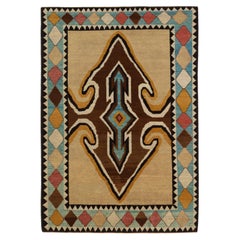
Ararat Rugs The Simonetti Mamluk Carpet 16th C. Revival Rug, Square Natural Dyed

Ararat Rugs The Simonetti Mamluk Carpet 16th C. Revival Rug, Square Natural Dyed

By Ararat Rugs

Located in Tokyo, JP

The source of carpet comes from the book How to Read - Islamic Carpets, Walter B. Denny, The Metropolitan Museum of Art, New York 2014 fig.61,62. The five-star-medallion carpet was d...

Category

21st Century and Contemporary Turkish Revival Vegetable Dyed Folk Art

Materials

Wool, Natural Fiber, Organic Material
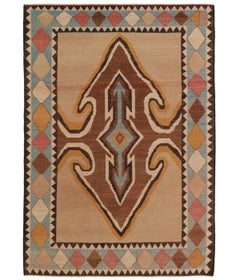
Hand-Woven Ewe Kente Cloth, Silk and Cotton, Ghana, Late 20th Century

Hand-Woven Ewe Kente Cloth, Silk and Cotton, Ghana, Late 20th Century

Located in Barrington, IL

This vibrant hand-woven Kente cloth is an authentic West African textile created within the esteemed Ewe–Asante (Ashanti) weaving tradition of Ghana, one of Africa’s most celebrated and historically significant textile arts. Woven from a luxurious blend of silk and cotton, this piece reflects generations of master craftsmanship and cultural storytelling. The design features a dynamic palette of magenta, green, golden yellow, and deep black, arranged in rhythmic geometric bands that are both visually powerful and symbolically rich. In traditional Kente language, these colors represent vitality, growth, prosperity, and spiritual strength, making the textile not only decorative but deeply meaningful. Kente cloths were historically worn by royalty and nobility and used in ceremonial and important social occasions, symbolizing status, wisdom, and cultural identity. Today, authentic Kente is highly sought after by collectors and interior designers for its bold graphic presence and refined hand-woven texture. Dimensions: 80” x 135” Date of Manufacture: 3rd Quarter of the 1900s Place of Origin: Ghana, Africa Material: Silk, Cotton Condition: Good The Persian Knot Gallery, SKU: 2323 African Kente Cloth, Ewe Kente Textile, Ashanti Kente, Hand Woven African Textile, Ghanaian Kente Cloth, Silk And Cotton Kente, African Wall Hanging, Tribal Textile Art, Vintage African Fabric, Ghana Textile...

Category

Late 20th Century Ghanaian Vegetable Dyed Folk Art

Materials

Cotton, Silk

Ararat Rugs Derbend Kazak Rug, 19th C. Caucasian Revival Carpet Natural Dyed

Ararat Rugs Derbend Kazak Rug, 19th C. Caucasian Revival Carpet Natural Dyed

By Ararat Rugs

Located in Tokyo, JP

This is a Derbend Kazak rug, also known as a Daghestan rug, designed late 19th century. It is a type of hand-woven rug that originates from the Caucasus region, specifically from the...

Category

21st Century and Contemporary Turkish Revival Vegetable Dyed Folk Art

Materials

Wool, Natural Fiber, Organic Material
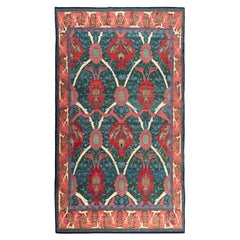
Ararat Rugs Bidjov Kazak Rug Caucasian Antique Revival Carpet Natural Dye

Ararat Rugs Bidjov Kazak Rug Caucasian Antique Revival Carpet Natural Dye

By Ararat Rugs

Located in Tokyo, JP

This is a Bidjov Kazak rug, designed late 19th century, is a type of handwoven rug that originated from the Caucasus region, specifically from the town of Bidjov, a few miles north o...

Category

21st Century and Contemporary Turkish Revival Vegetable Dyed Folk Art

Materials

Wool, Natural Fiber, Organic Material
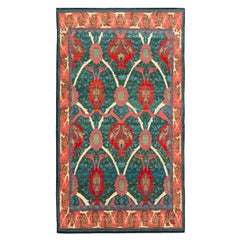
Antique Japanese Recycled Saki-Ori Farmer’s Jacket

Antique Japanese Recycled Saki-Ori Farmer’s Jacket

Located in Point Richmond, CA

Antique Japanese Recycled Saki-Ori Farmer’s Jacket This early 20th C farmer’s jacket from the northern Japan sea coast region was strip woven from repurposed cotton scraps in a tech...

Category

Early 20th Century Japanese Taisho Vegetable Dyed Folk Art

Materials

Cotton

Ararat Rugs Divrigi Ulu Mosque Wagireh Carpet Seljuk Rug Entrance Mat Doormat

Ararat Rugs Divrigi Ulu Mosque Wagireh Carpet Seljuk Rug Entrance Mat Doormat

By Ararat Rugs

Located in Tokyo, JP

The source of carpet comes from the book Turkish Carpets from the 13th – 18th centuries, Ahmet Ertug, 1996 pl.16. This 15th-century carpet is from Ulu Mosque, Divrigi Sivas region, c...

Category

2010s Turkish Revival Vegetable Dyed Folk Art

Materials

Wool, Natural Fiber, Organic Material
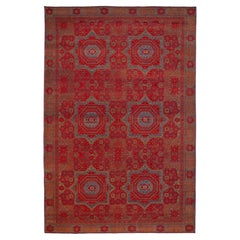
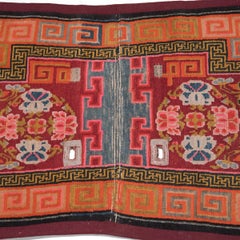
Tibetan Saddle Carpet with Floral Medallions, c. 1930

Tibetan Saddle Carpet with Floral Medallions, c. 1930

Located in Chicago, IL

This unusually-shaped carpet is known as a "makden" and was originally used by a nomadic traveler as an artful covering for his horse. Placed between the saddle and the horse, the makden cushioned the rigid saddle and kept the horse warm in cold climates. Most under-saddle carpets...

Category

Early 20th Century Tibetan Tibetan Vegetable Dyed Folk Art

Materials

Fabric, Wool

Antique Japanese Recycled Saki-Ori Farmer’s Vest

Antique Japanese Recycled Saki-Ori Farmer’s Vest

Located in Point Richmond, CA

Antique Japanese Recycled Saki-Ori Farmer’s Vest This late 19th C recycled farmer’s vest from northern Japan was strip woven from repurposed cotton scraps in a technique known as sa...

Category

Late 19th Century Japanese Meiji Antique Vegetable Dyed Folk Art

Materials

Cotton

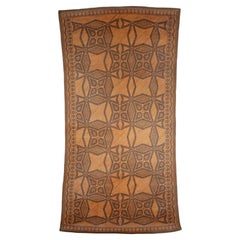
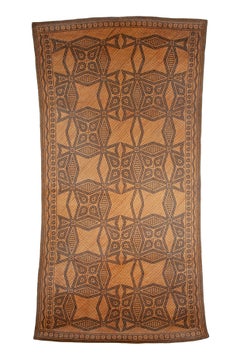
Antique Tribal Dayak Plaited Rattan Longhouse Mat (Tikar), Kalimantan

Antique Tribal Dayak Plaited Rattan Longhouse Mat (Tikar), Kalimantan

Located in Point Richmond, CA

Antique Tribal Dayak Plaited Rattan Longhouse Mat (Tikar), Kalimantan The tightly woven longhouse sleeping mats of Kalimantan are almost exclusively constructed by women, who begin ...

Category

Early 20th Century Indonesian Tribal Vegetable Dyed Folk Art

Materials

Rattan

Antique Rugs Blue Caucasian Kazak Rugs, Geometric Carpet Livingroom Rug

Antique Rugs Blue Caucasian Kazak Rugs, Geometric Carpet Livingroom Rug

Located in Wembley, GB

Kazak rugs have primarily been produced as village productions rather than city pieces. Made from materials particular to individual tribal provinces and the rugs of the Caucasus typically display bold geometric designs in primary colours. Kazak rugs are a type of Armenian rug...

Category

Late 19th Century Caucasian Kazak Antique Vegetable Dyed Folk Art

Materials

Wool, Natural Fiber, Organic Material
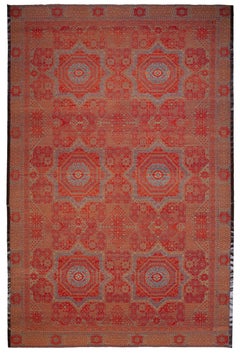
Hand-Woven Ewe Kente Cloth, Silk and Cotton, Ghana, Late 20th Century

Hand-Woven Ewe Kente Cloth, Silk and Cotton, Ghana, Late 20th Century

Located in Barrington, IL

This striking hand-woven Kente cloth is an authentic West African textile created within the revered Ewe–Asante (Ashanti) weaving tradition of Ghana, celebrated for its vibrant color, symbolic geometry, and extraordinary craftsmanship. Woven from a luxurious blend of silk and cotton, this piece exemplifies the artistry and cultural depth that have made Kente one of the world’s most recognized and collected textiles. The design features a dynamic palette of turquoise green, golden yellow, warm brown, and glowing orange, arranged in rhythmic bands and geometric motifs. Each color carries traditional meaning—green for renewal and growth, yellow for wealth and vitality, and rich earth tones for grounding and stability—creating a composition that is both visually captivating and culturally resonant. Kente cloths were historically worn by royalty and used for important ceremonial occasions, making them powerful expressions of prestige, heritage, and identity. Today, they are prized by collectors and interior designers alike for their bold graphic presence and textural richness, whether displayed as wall art, draped over furniture, or incorporated into curated interiors. Dimensions: 83” x 118” Date of Manufacture: 3rd Quarter of the 1900s Place of Origin: Ghana, Africa Material: Silk, Cotton Condition: Good The Persian Knot Gallery, SKU: 2322 African Kente Cloth, Ewe Kente Textile, Ashanti Kente, Hand Woven African Textile, Ghanaian Kente Cloth, Silk And Cotton Kente, African Wall Hanging, Tribal Textile Art, Vintage African Fabric, Ghana Textile...

Category

Late 20th Century Ghanaian Vegetable Dyed Folk Art

Materials

Cotton, Silk

Antique Lawa Woman’s Ikat Skirt Cloth, Thailand

Antique Lawa Woman’s Ikat Skirt Cloth, Thailand

Located in Point Richmond, CA

Antique Lawa Woman’s Ikat Skirt Cloth, Thailand The Lawa people are a relatively small animist/Buddhist ethnic group (est. pop 17,000) living in the mountainous region of northern T...

Category

Mid-20th Century Thai Tribal Vegetable Dyed Folk Art

Materials

Cotton

Ararat Rugs Mamluk Carpet with All-Over Leaf Lattice Revival Rug Natural Dyed

Ararat Rugs Mamluk Carpet with All-Over Leaf Lattice Revival Rug Natural Dyed

By Ararat Rugs

Located in Tokyo, JP

Mamluk Carpet with All-Over Leaf Lattice Contemporary Modern Rug Origin and Inspiration This carpet is inspired by a rare Mamluk design preserved in the collection of the MAK – Muse...

Category

21st Century and Contemporary Turkish Revival Vegetable Dyed Folk Art

Materials

Wool, Natural Fiber, Organic Material
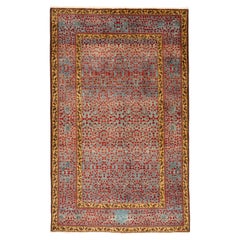
Antique Japanese Stencil-Dyed Han-Juban With Fan Motif

Antique Japanese Stencil-Dyed Han-Juban With Fan Motif

Located in Point Richmond, CA

Antique Japanese Stencil-Dyed Han-Juban With Fan Motif Han-juban are short, waist length garments that are worn under kimono. It’s not uncommon for older examples to be missing thei...

Category

Early 20th Century Japanese Taisho Vegetable Dyed Folk Art

Materials

Cotton

20th Century Tuareg Wedding Tapestry from Niger, Africa

20th Century Tuareg Wedding Tapestry from Niger, Africa

Located in Point Richmond, CA

Offered by Andres Moraga. Wedding blanket or tent hanging, "Arkilla Jenngo" Woven by Fulani weavers for a Tuareg noble family Inland Delta Region, Nige...

Category

Mid-20th Century Nigerien Tribal Vegetable Dyed Folk Art

Materials

Wool, Cotton

20th Century Tuareg Wedding Tapestry from Niger, Africa

20th Century Tuareg Wedding Tapestry from Niger, Africa

Located in Point Richmond, CA

Offered by Andres Moraga Wedding blanket or tent hanging, "Arkilla Jenngo" Woven by Fulani weavers for a Tuareg noble family First half 20th century Inland Delta Region, Niger or Mal...

Category

Mid-20th Century Nigerien Tribal Vegetable Dyed Folk Art

Materials

Wool, Cotton

Antique Rugs Caucasian Kazak Rugs, Blue Geometric Hand made Carpet

Antique Rugs Caucasian Kazak Rugs, Blue Geometric Hand made Carpet

Located in Wembley, GB

Kazak rugs have primarily been produced as village productions rather than city pieces. Made from materials particular to individual tribal provinces and the rugs of the Caucasus typ...

Category

Early 20th Century Caucasian Kazak Vegetable Dyed Folk Art

Materials

Wool, Natural Fiber, Organic Material
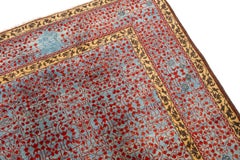
Antique Berber Henna-Dyed Woman's Ceremonial Head Scarf

Antique Berber Henna-Dyed Woman's Ceremonial Head Scarf

Located in Milan, IT

A very finely woven wool veil used as a head cover in the wedding ceremony among the Ait Abdellah Berber people of the Moroccan Anti Atlas region. The pattern is obtained with the re...

Category

1930s Moroccan Tribal Vintage Vegetable Dyed Folk Art

Materials

Wool

Kain Limar Songket, Silk Ikat, Metallic Thread, circa 1900, Palembang, Sumatra

Kain Limar Songket, Silk Ikat, Metallic Thread, circa 1900, Palembang, Sumatra

Located in Austin, TX

A rich and luxurious kain limar songket, shoulder cloth for a woman, ikat dyed and woven silk (limar) with supplementary weft woven metallic gold thread brocade (songket), circa 1900...

Category

Early 1900s Indonesian Tribal Antique Vegetable Dyed Folk Art

Materials

Metallic Thread

Antique Karachov Kazak Rug Karachoph Southwest Caucasus Carpet Late-19th Century

Antique Karachov Kazak Rug Karachoph Southwest Caucasus Carpet Late-19th Century

Located in Tokyo, JP

This is an antique Karachov Kazak Rug from the Karachov / Karachoph region, Southwest Caucasus. The town of Karachov (sometimes rendered Karatchoph o...

Category

Late 19th Century Caucasian Oushak Antique Vegetable Dyed Folk Art

Materials

Wool, Natural Fiber, Organic Material
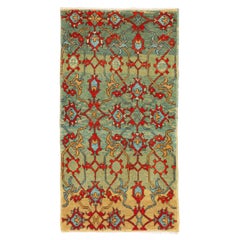
Antique Saddle Carpet with Peonies, c. 1920s

Antique Saddle Carpet with Peonies, c. 1920s

Located in Chicago, IL

This unusually-shaped carpet is known as a "makden" and was originally used by a nomadic traveler as an artful covering for his horse. Placed between the saddle and the horse, the makden cushioned the rigid saddle and kept the horse warm in cold climates. Most under-saddle carpets...

Category

1920s East Turkestani Vintage Vegetable Dyed Folk Art

Materials

Fabric, Wool

Vintage Sarkoy Kilim Rug, Western Anatolian Turkish Carpet, Balkan Style Unique

Vintage Sarkoy Kilim Rug, Western Anatolian Turkish Carpet, Balkan Style Unique

Located in Tokyo, JP

This is a Vintage & Unique Sarkoy ( Sharkoy or Şarköy ) Kilim rug from Western Turkey with a rare and beautiful color composition. Sarkoy kilims are very finely woven in slitweave i...

Category

Mid-20th Century Turkish Kilim Vegetable Dyed Folk Art

Materials

Wool, Natural Fiber, Organic Material
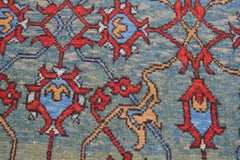
Ararat Rugs Palmettes and Flowers Lattice Carpet with Bidjar Border Natural Dyed

Ararat Rugs Palmettes and Flowers Lattice Carpet with Bidjar Border Natural Dyed

By Ararat Rugs

Located in Tokyo, JP

This offset pattern is composed of palmettes and flowers, one has the impression that it is only part of a larger scheme designed 19th-century rug from the Bidjar region, Eastern Kur...

Category

21st Century and Contemporary Turkish Revival Vegetable Dyed Folk Art

Materials

Wool, Natural Fiber, Organic Material
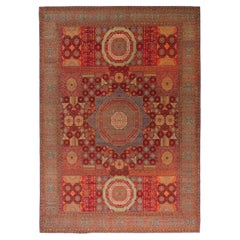
Antique Japanese Nabeshima Carpet (Dantsu)

Antique Japanese Nabeshima Carpet (Dantsu)

Located in Point Richmond, CA

Antique Japanese Nabeshima Carpet (Dantsu) Nabeshima dantsu (carpets) are some of the earliest examples of rug making in Japan. The original weavers learned their craft from Chinese...

Category

Early 20th Century Japanese Meiji Vegetable Dyed Folk Art

Materials

Cotton

Ararat Rugs Senna Rows of Flowers Rug Wagireh Revival Carpet Natural Dye Doormat

Ararat Rugs Senna Rows of Flowers Rug Wagireh Revival Carpet Natural Dye Doormat

By Ararat Rugs

Located in Tokyo, JP

The source of the rug comes from the book Antique Rugs of Kurdistan A Historical Legacy of Woven Art, James D. Burns, 2002 nr.28. This was an exclusive example of offset rows of flow...

Category

21st Century and Contemporary Turkish Revival Vegetable Dyed Folk Art

Materials

Wool, Natural Fiber, Organic Material
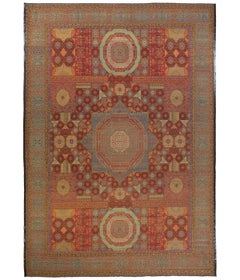
Ararat Rugs Akstafa Kazak Rug - 19th C. Caucasian Revival Carpet Natural Dyed

Ararat Rugs Akstafa Kazak Rug - 19th C. Caucasian Revival Carpet Natural Dyed

By Ararat Rugs

Located in Tokyo, JP

Origin and Inspiration: This stunning revival of the Akstafa Kazak Rug is a modern creation deeply rooted in the rich weaving traditions of the Caucasus, specifically inspired by the...

Category

21st Century and Contemporary Turkish Revival Vegetable Dyed Folk Art

Materials

Wool, Natural Fiber, Organic Material
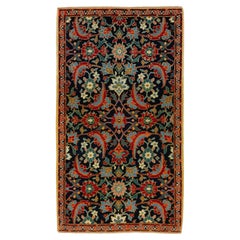
Antique Aydin Cine Kilim Rug Wool Old Vintage Western Anatolian Turkish Carpet

Antique Aydin Cine Kilim Rug Wool Old Vintage Western Anatolian Turkish Carpet

Located in Tokyo, JP

This is a Western Anatolian Antique Runner Kilim from the Cine, Aydin region with a rare and beautiful color composition. This highly collectible antique kilim has wonderful, specia...

Category

Late 19th Century Turkish Kilim Antique Vegetable Dyed Folk Art

Materials

Wool, Natural Fiber
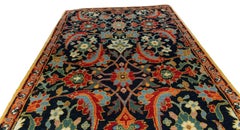
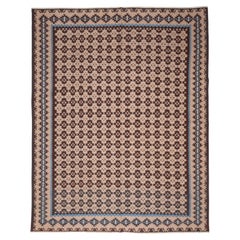
Ararat Rugs Para-Mamluk Transitional Carpet Zaleski Collection Rug Natural Dyed

Ararat Rugs Para-Mamluk Transitional Carpet Zaleski Collection Rug Natural Dyed

By Ararat Rugs

Located in Tokyo, JP

Para-Mamluk Carpet with Kufic Border – Transitional Design Inspired by the Zaleski Collection, 16th Century Origin and Inspiration The Para-Mamluk carpet represents a rare and refi...

Category

21st Century and Contemporary Turkish Revival Vegetable Dyed Folk Art

Materials

Wool, Natural Fiber, Organic Material
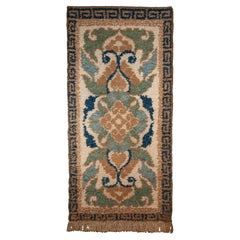
Ararat Collection, Mamluk Wagireh Rug with Flower Lattice Natural Dye Mat Carpet

Ararat Collection, Mamluk Wagireh Rug with Flower Lattice Natural Dye Mat Carpet

By Ararat Rugs

Located in Tokyo, JP

The source of carpet comes from the book Völker, Angela, Die orientalischen Knüpfteppiche das MAK, Vienna: Böhlau, 2001: 42–5. This rug with the central star was designed in the early 16th-century rug by Mamluk Sultane of Cairo, Egypt. It is exhibited at MAK – Museum of Applied Arts, Vienna Austria. The interpreted design is composed of a flower lattice pattern taken from a part of the MAK Museum’s rug...

Category

21st Century and Contemporary Turkish Revival Vegetable Dyed Folk Art

Materials

Wool, Natural Fiber, Organic Material
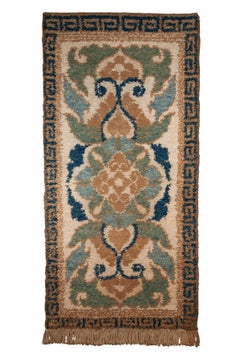
Ararat Rugs Holland Park William Morris Carpet, Arts and Crafts, Natural Dyed

Ararat Rugs Holland Park William Morris Carpet, Arts and Crafts, Natural Dyed

By Ararat Rugs

Located in Tokyo, JP

The source of carpet comes from the book Arts & Crafts Carpets, by Malcolm Haslam, and David Black, 1991, fig.49. This Hammersmith carpet was designed by William Morris in 1882, in the United Kingdom. In 1887 English artist and bookbinder T.J. Cobden Sanderson, suggested that a new group be named the “Arts and Crafts Exhibition Society” As a result, he was the first to use the term “Art and Crafts” and also is credited with naming this new emerging movement. The Arts & Crafts movement was inspired by the degradation of product standards that resulted from the factory production age. The rise of machinery in manufacturing caused a noticeable decline in uniqueness and crafts. These anti-Industrial reformers promoted economic advancement and social change. They wanted to eliminate poor quality and “artificial” items from 19th century British society. They saw a plethora of uninteresting items on display at the Great Exhibition of 1851 and became inspired to launch a Campaign for originality and uniqueness. William Morris was an English designer, as well as an uplifting social activist and writer. Morris is credited with sparking the rebirth of textile arts and traditional means of production. In 1861, Morris and a small group of designers opened an incredibly fashionable design company that grew to be largely successful. Morris left behind works in many different mediums such as textiles, books, furniture, stained glass, and area rugs. But in the end, he is most remembered for the magnificent wallpapers that he designed. He got much of his inspiration from the natural world. Through his interior decor pieces, Morris set out to convert rooms or spaces into meadows with beautiful trees meandering, vines, and plants. This concept of taking something Industrial and man-made, and converting it into something natural is what William Morris meant when he once said: “-any decoration is futile… when it does not remind you of something beyond itself.” Morris was a huge commercial success and his works are some of the most sought-after pieces in the world of design and decor. He is also credited with almost single-handedly reviving the British textile arts as well as their methods of production. Morris was also severely critical of machine-made goods, exclaiming, “Today almost all wares that are made by civilized man are shabbily and pretentiously ugly.” Houses were filled “with tons and tons of unutterable rubbish,” which, he suggested, should be heaped onto a gigantic bonfire! “As a condition of life, production by machinery is altogether evil.” He masterminded one of the most well-known styles of Arts & Crafts, recognizable by its twisting and arching patterns and simple, elegant floral design prints. Although Morris believed that Persian carpets were the greatest ever made, he adopted the coarser Turkish (Ghiordes) knot for his hand knotted carpet manufacture. They were woven at a thickness of 25 knots to the square inch at that time. Morris & Co.’s rugs are reminiscent of Persian garden design carpets in that they are smartly styled depictions of English gardens. Donegal also started producing highly desirable Irish rugs in the late 19th century. The Donegal rugs were predominantly created by English architects C.F.A. Voysey and Gavin Morton. The handcrafted Voysey rugs are typically woven in England, Scotland, and Ireland. Voysey had a knack for using contrasting shapes to decorate flat monochromatic spaces. Dark outlines added a flair of drama to his signature pattern and Celtic rug...

Category

21st Century and Contemporary Turkish Arts and Crafts Vegetable Dyed Folk Art

Materials

Wool, Natural Fiber, Organic Material
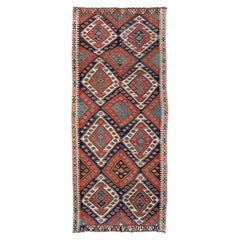
Vintage Old Manastir Kilim Central Anatolian Runner Rug Natural Turkish Carpet

Vintage Old Manastir Kilim Central Anatolian Runner Rug Natural Turkish Carpet

Located in Tokyo, JP

This is an old kilim from Manastir, in Central Anatolia. At first glance, it gives a completely different impression from other Central Anatolian kilims—both in color and design. Ma...

Category

Late 20th Century Turkish Kilim Vegetable Dyed Folk Art

Materials

Wool, Natural Fiber, Organic Material
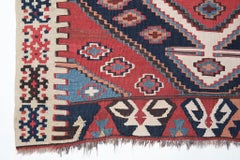
Ararat Rugs Oversized Mamlouk Rug A Majestic Revival of Islamic Artistry Carpet
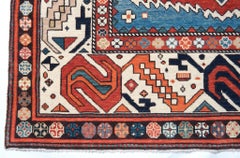
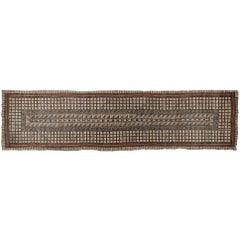
Ararat Rugs Oversized Mamlouk Rug A Majestic Revival of Islamic Artistry Carpet

By Ararat Rugs

Located in Tokyo, JP

Origin and Inspiration The Mamlouk Revival Carpet is a contemporary masterpiece inspired by the celebrated carpets of the Mamluk Sultanate, which flourished across Egypt and the gre...

Category

21st Century and Contemporary Turkish Revival Vegetable Dyed Folk Art

Materials

Wool, Natural Fiber, Organic Material