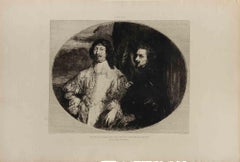
Portrait d'Antoine van Dyck et d'Endym - Etching by Felix-Augustin Milius - 1872
Located in Roma, IT
Etching realized by Félix Milius d'après Van Dyck in 1872. Very good condition.
Category
Modern 1870s Art
Materials
Etching
Portrait d'Antoine van Dyck et d'Endym - Etching by Felix-Augustin Milius - 1872
Located in Roma, IT
Etching realized by Félix Milius d'après Van Dyck in 1872. Very good condition.
Etching
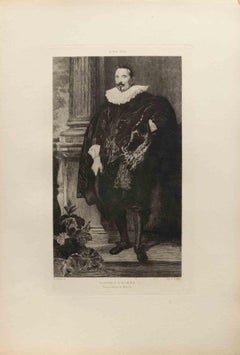
Portrait d'Homme - Etching by Felix-Augustin Milius - 1872
Located in Roma, IT
Etching realized by Félix Milius d'après Van Dyck in 1872. Very good condition.
Etching
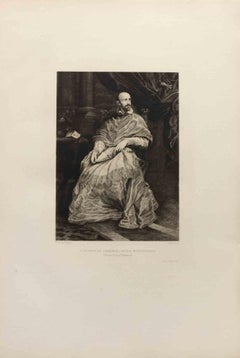
Portrait du Cardinal Guido Bentivoglio - Etching by Felix-Augustin Milius - 1872
Located in Roma, IT
Etching realized by Félix Milius d'après Van Dyck in 1872. Very good condition.
Etching
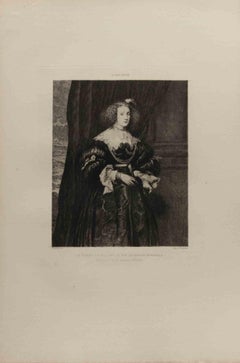
La Femme de Philippe Le Roy Seigneur.. - Etching by Felix-Augustin Milius - 1872
Located in Roma, IT
Etching realized by Félix Milius d'après Van Dyck in 1872. Very good condition.
Etching
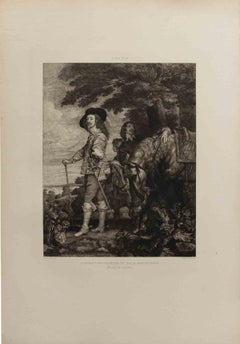
Portrait de Charles 1er, Roi d'Anglete - Etching by Felix-Augustin Milius - 1872
Located in Roma, IT
Etching realized by Félix Milius d'après Van Dyck in 1872. Very good condition.
Etching
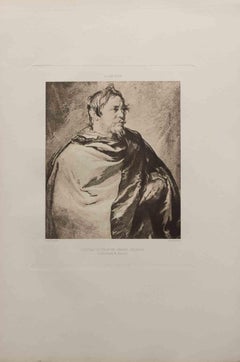

Portrait du Peintre Gerard Seghers - Etching by Felix-Augustin Milius - 1872
Located in Roma, IT
Etching realized by Félix Milius d'après Van Dyck in 1872. Very good condition.
Etching
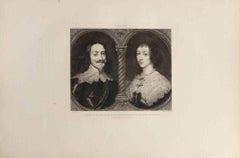
Portrait de Charles 1er d'Angleterre...- Etching by Felix-Augustin Milius - 1872
Located in Roma, IT
Etching realized by Félix Milius d'après Van Dyck in 1872. Very good condition.
Etching
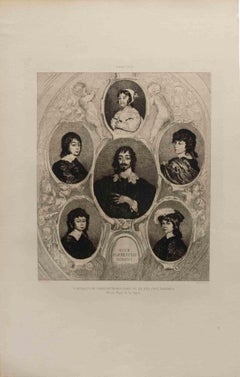
Portraits de Constantin Huigen et de...- Etching by Felix-Augustin Milius - 1872
Located in Roma, IT
Etching realized by Félix Milius d'après Van Dyck in 1872. Very good condition.
Etching
$206
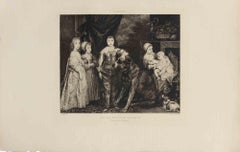
Les Cinq Enfants de Charles 1er - Etching by Felix-Augustin Milius - 1872
Located in Roma, IT
Etching realized by Félix Milius d'après Van Dyck in 1872. Very good condition.
Etching
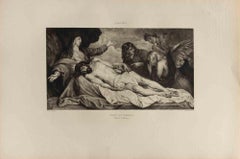

Christ au Tombeau - Etching by Felix-Augustin Milius - 1872
Located in Roma, IT
Etching realized by Félix Milius d'après Van Dyck in 1872. Very good condition.
Etching


$206
Portrait du Duc de Richmond - Etching by Felix-Augustin Milius - 1872
Located in Roma, IT
Etching realized by Félix Milius d'après Van Dyck in 1872. Very good condition.
Etching
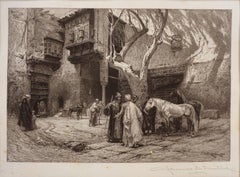
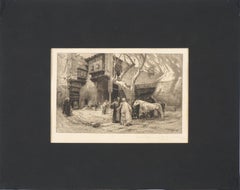
Late 19th Century Engraving -- "A Hot Bargain" Painting by Frederick Bridgman
Located in Soquel, CA
Beautiful engraving of a late 19th Century painting by Frederic Arthur Bridgman (American, 1847 - 1928) titled "A Hot Bargain," (see image) engraved by James D. Smillie (American, 1833-1909), circa 1900. Signed lower right edge. Edition 64/225 with attribution to piece and artist on verso. Presented in with new mat. Original mat on verso. Condition: Good, minor foxing on edge. Image size: 5.88"H x 9"W. A native of New York and the son of an engraver, James David Smillie earned his early reputation for his etching skills but later for watercolor landscapes. He began etching at age 8, learning from his father, James Smillie...
Paper, Ink
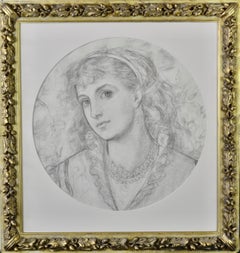
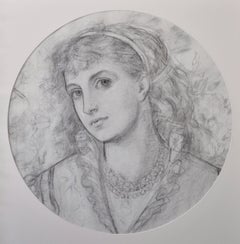
Summer - Chalk Drawing Design for Minton charger by Herbert Wilson Foster
Located in London, GB
HERBERT WILSON FOSTER (1846-1929) Summer Inscribed with title beneath the mount Chalk on paper, circular Framed Diameter 42 cm., 16 ½ in. (frame size 61 by 58 cm., 24 by 22 ¾ in.) Herbert Wilson Foster was born in Endon, Staffordshire. He attended Hanley School of Art before continuing his studies in London, Belgium and France. His paintings of rural and domestic subjects were exhibited at the Royal Academy between 1873 and 1899. In 1893 he accepted a teaching position at the Nottingham School of Art, where his pupils included Laura Knight and Harold Knight. Works by him are in the collections of the Minton archives; the Wisbech & Fenland Museum; Leicester Art Gallery; Rushcliffe Council and Nottingham Castle Museum. In addition to his work as a painter he worked as a porcelain painter, working at one point on the tile panels in the Victoria & Albert Museum. He is known to have worked at Mintons from 1872 where he specialized in portraits of contemporary personalities, including members of the Royal Family. This head of a girl was probably intended for a painted ceramic wall charger...
Chalk, Pencil, Paper
$1,736Sale Price|20% Off
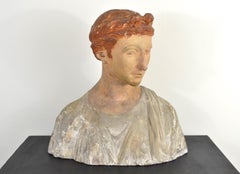
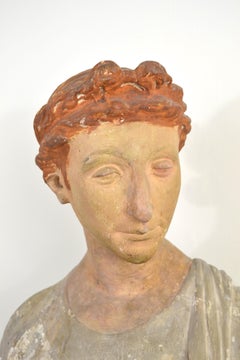
St Cecilia
Located in London, GB
D. BRUCCIANI & CO (19th Century) St Cecilia Polychrome painted plaster bust with mould lines visible (probably later painting) 47 cm., 18 ½ in. high Dom...
Plaster
$1,192Sale Price|20% Off
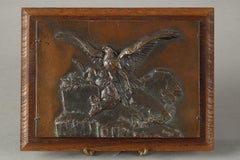
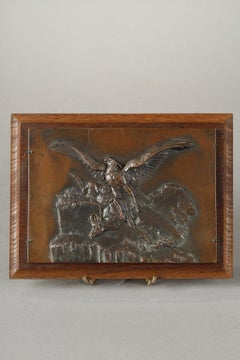
Eagle and chamois
Located in PARIS, FR
Eagle and chamois by Antoine-Louis BARYE (1796-1875) Electroplating bronze plaque with a brown patina Signed "Barye" Period cast from the "Barye's workshop" (made during the artist'...
Bronze
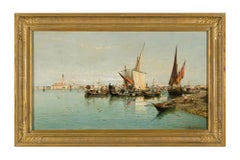
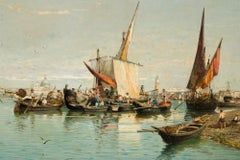
Bacino San Marco Venice
Located in Padova, IT
Amazing painting perfect condition. Venetian Lagoon made by Natale Gavagnin 1886 original frame signed and dated 1886
Oil, Canvas
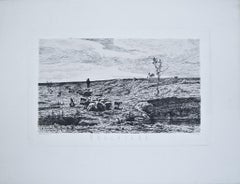
The Heath - La Brughiera - Etching by Adolfo Bignami - 1870
Located in Roma, IT
Etching by Adolfo Bignami in the late 19th Century. Printed by Carlo Lovera Very good condition.
Etching
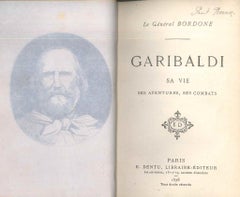
Garibaldi. Sa vie, ses aventures... - Rare Book by Philippe Bordone - 1878
Located in Roma, IT
Garibaldi. Sa vie, ses aventures, ses combats is a rare and detailed reconstruction of Giuseppe Garibaldi's life and battles, written by Philippe Toussaint Joseph Bordone (alias 'Le ...
Paper
$1,833Sale Price|30% Off
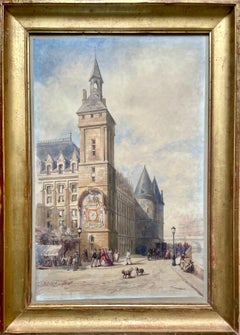
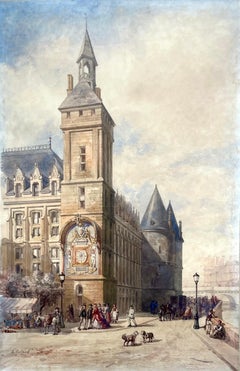
View of Pairs, The Clock Tower And The Conciergerie
Located in PARIS, FR
Geroges-Grançois Guiaud Paris 1840 - 1887 The clock tower and the Conciergerie in Paris Around 1870 Watercolor Signed lower left 54 x 34 cm sheet 66 x 47 cm frame Frame from the Nap...
Watercolor
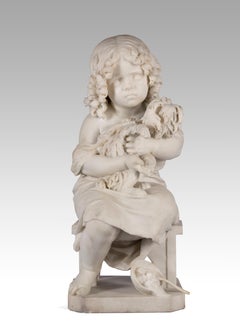
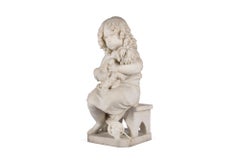
L' AMICO FERITO
Located in Padova, IT
He was a very active sculptor who gained considerable fame; he died in 1879 at the age of only 50, mourned by all. Having no heirs, he left his estate to the Brera Academy and his mo...
Marble
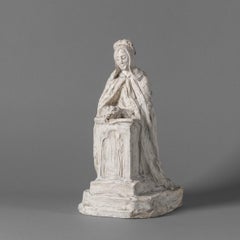
Boulonnaise at Prayer
Located in London, England
Aimé-Jules Dalou (1838-1902) was one of only a handful of leading late-nineteenth century French Sculptors, whose reputation was perhaps second only to his contemporaries, Henri Chapu (1833-1891) and Marius Jean Antonin Mercié (1845-1916). Dalou was hugely influential and was a founding member of the Société des Artistes Français and later a founder of the Société Nationale des Beaux-Arts. He was officially rewarded with the highest rank of the Légion d'Honneur two years before his death, with the inauguration of the Triumph of the Republic, in 1899. He started his artistic training in 1852 at the Petite Ecole after being encouraged to do so by Jean-Baptiste Carpeaux, where he studied drawing and modelling. Carpeaux continued to support Dalou throughout his career and influenced his sculpture greatly. Dalou began employment in the field of decorative sculpture working for two companies in Paris, Lefèvre and Favière goldsmiths. During this time he contributed towards the architectural features of Hôtel de la Païva, the then home of the infamous French courtesan Esther Lachmann known as La Païva. Dalou's unique approach lay in his broad range of subject, painterly and sculptural source material, though which he absorbed an impressive spectrum of inspiration. The work of an eighteenth-century sculptor, Louis-François Roubiliac, played a significant role in Dalou's artistic development, whose sculptures he studied whilst in London. Dalou's work includes friezes, maquettes, reliefs, and individual bronze figures. He is known for Baroque-inspired allegorical group compositions, as much as for his depictions of the French rural labouring classes. Dalou encouraged students of art to free themselves from the constraints of established traditions, with his style and teachings thought to have awakened a new generation of young British sculptors whose work was later aligned to the New Sculpture movement. This rough plaster model was kept in the studio of Alfred Drury...
Plaster
$10,311Sale Price|20% Off
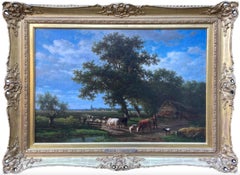
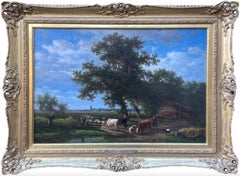
Oil on canvas by Eugene Verboeckhoven & Alexander Daiwaille (1796-1881)
Located in Uppingham, GB
Oil on canvas by Eugene Verboeckhoven (1796-1881) & Alexander Daiwaille (1818-1888) Landscape with cattle & sheep on a farm track. Signed by both artists. Canvas size: 22" x 31" Fr...
Oil
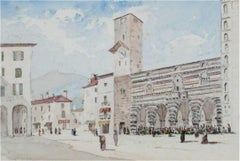
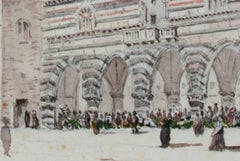
19th century watercolor landscape Italian building architectural scene signed
Located in Milwaukee, WI
"Italian Piazza" is an original watercolor painting attributed to Gabrielli Carelli, an Italian artist. This piece is from the Rothschild Collection...
Watercolor
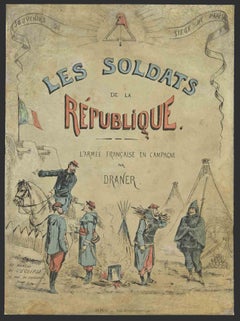
Les Soldats de la République - Lithograph By Draner - 1871
Located in Roma, IT
Les Soldats de la Republique is an lithograph on paper realized by Draner in 1871. The artwork is in good condition.
Lithograph
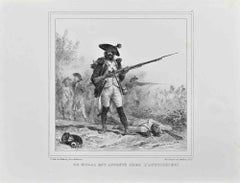
Battle Between Austrians and French - Lithograph by Auguste Raffet - 1870s
Located in Roma, IT
Battle Between Austrians and French is a Lithograph realized in the 1870s by Auguste Raffet (1804-1860). Good condition on paper. Signed on the plate. Good conditions with slight foxing. Denis Auguste Marie Raffet (2 March 1804 – 16 February 1860) was a French illustrator and lithographer. He was a student of Nicolas Toussaint Charlet, and was a retrospective painter of the Empire. Raffet's chief works were his lithographs of the Napoleonic campaigns, from Egypt to Waterloo, vigorous designs inspired by ardent patriotic enthusiasm. In this endeavour he was a contemporary of other French artist-lithographers of Napoleon...
Lithograph
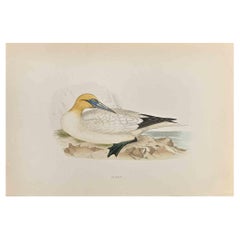
Gannet - Woodcut Print by Alexander Francis Lydon - 1870
Located in Roma, IT
Gannet is a modern artwork realized in 1870 by the British artist Alexander Francis Lydon (1836-1917) . Woodcut print, hand colored, published by London, Bell & Sons, 1870. N...
Woodcut
$2,800Sale Price|20% Off
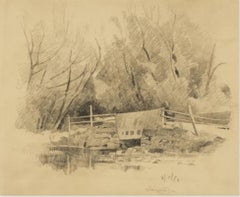
"Saratoga, " John Francis Murphy, Hudson River School, Tonalism
Located in New York, NY
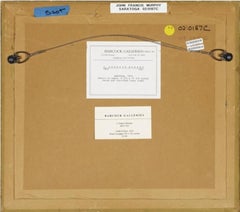
John Francis Murphy (1853 - 1921) Saratoga, 1876 Graphite on paper Sight 8 3/4 x 10 1/2 inches Titled and dated to lower right Provenance: Babcock Galleries, New York Spanierman Gallery, New York In his lifetime, John Francis Murphy (1853-1921) was known as “the American Corot.” He was renowned for his small, intimate views of nature, especially barren fields and farms, bare trees, and lonely marshland. More than a century later, the power of Murphy’s landscapes has not waned. One contemporary critic wrote, “It was Murphy’s unique accomplishment to achieve an absolute realism without a loss of that mystic, indefinable quality which transfigures realism.” John Francis Murphy was born at Oswego, NY in 1853 but his family moved to Chicago in 1868 where he worked painting theater sets. Murphy was basically a self-taught artist; his only formal training was a few weeks of instruction at the Chicago Academy of Design. In 1875, Murphy moved from Chicago to New York, eventually rooming with the painters Dennis Bunker and Bruce Crane above a bakery shop. Murphy’s early work was typical of the Hudson River school but he soon fell under the sway of the loose brushwork and moody style of French Barbizon painting...
Paper, Pencil
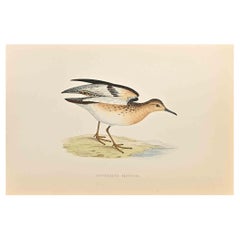
Buff-Breasted Sandpiper - Woodcut Print by Alexander Francis Lydon - 1870
Located in Roma, IT
Buff-Breasted Sandpiper is a modern artwork realized in 1870 by the British artist Alexander Francis Lydon (1836-1917). Woodcut print on ivory-colored paper. Hand-colored, publishe...
Woodcut
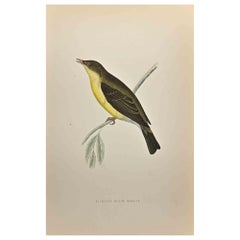
Melodious Willow Warbler - Woodcut Print by Alexander Francis Lydon - 1870
Located in Roma, IT
Melodious Willow Warbler is a modern artwork realized in 1870 by the British artist Alexander Francis Lydon (1836-1917) . Woodcut print, hand colored, published by London, Bell &am...
Woodcut
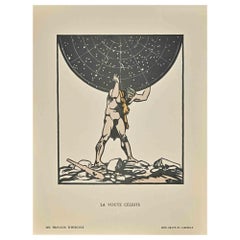
La Voute Celeste - Original Woodcut Print by Carlège (C.M. Egli) - 1877
By Carlège
Located in Roma, IT
La Voute Celeste is an Original Color Woodcut Print realized by Carlègle (Charles Emile Egli, 30 March 1877 – 11 January 1937). Belongs to the suite "Les Travaux D'Hercule". Good condition on a yellowed cardboard. Titled, Stamp Signed on the lower margin Charles Émile Egli (known as Carlègle; 30 March 1877 – 11 January 1937) was a Swiss-born illustrator and painter who spent most of his life in Paris. Charles Émile Egli was born in Aigle, Switzerland on 30 March 1877. He was educated in Aigle and then at the college of Vevey. When he was eighteen he attended engraving classes of Alfred Martin...
Woodcut
$252
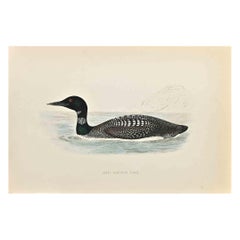
Great Northern Diver - Woodcut Print by Alexander Francis Lydon - 1870
Located in Roma, IT
Great Northern Diver is a modern artwork realized in 1870 by the British artist Alexander Francis Lydon (1836-1917). Woodcut print on ivory-colored pap...
Woodcut
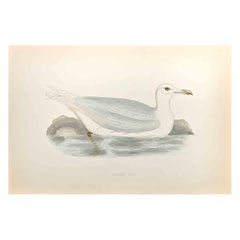
Glaucous Gull - Woodcut Print by Alexander Francis Lydon - 1870
Located in Roma, IT
Glaucous Gull is a modern artwork realized in 1870 by the British artist Alexander Francis Lydon (1836-1917). Woodcut print on ivory-colored paper. Hand-colored, published by Londo...
Woodcut
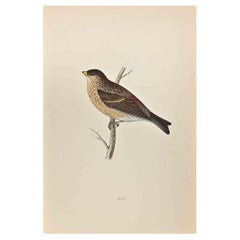
Twite - Woodcut Print by Alexander Francis Lydon - 1870
Located in Roma, IT
Twite is a modern artwork realized in 1870 by the British artist Alexander Francis Lydon (1836-1917) . Woodcut print, hand colored, published by London, Bell & Sons, 1870. Nam...
Woodcut
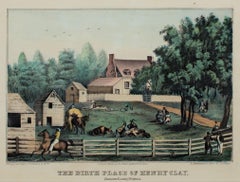
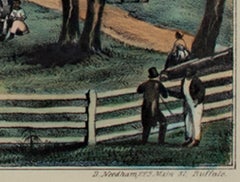
"Birthplace of Henry Clay, Hanover County, VA, " Lithograph by Kelloggs & Thayer
Located in Milwaukee, WI
"Birthplace of Henry Clay, Hanover County, Virginia" is an original hand-colored lithograph by Kelloggs & Thayer. The piece features a homestead and farm a...
Lithograph
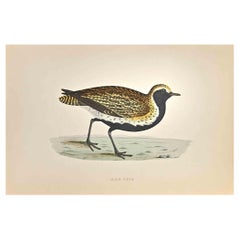
Golden Plover - Woodcut Print by Alexander Francis Lydon - 1870
Located in Roma, IT
Golden Plover is a modern artwork realized in 1870 by the British artist Alexander Francis Lydon (1836-1917) . Woodcut print, hand colored, published by London, Bell & Sons, 1870. ...
Woodcut
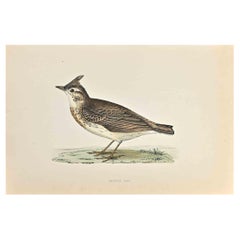
Crested Lark - Woodcut Print by Alexander Francis Lydon - 1870
Located in Roma, IT
Crested Lark is a modern artwork realized in 1870 by the British artist Alexander Francis Lydon (1836-1917) . Woodcut print, hand colored, published by London, Bell & Sons, 1870. ...
Woodcut
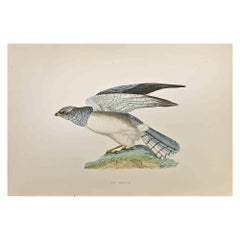
Hen Harrier - Woodcut Print by Alexander Francis Lydon - 1870
Located in Roma, IT
Hen Harrier is a modern artwork realized in 1870 by the British artist Alexander Francis Lydon (1836-1917) . Woodcut print, hand colored, published by London, Bell & Sons, 1870. N...
Woodcut
$229
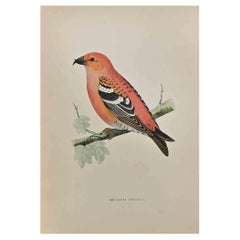
Two-Barred Crossbill - Woodcut Print by Alexander Francis Lydon - 1870
Located in Roma, IT
Two-Barred Crossbill is a modern artwork realized in 1870 by the British artist Alexander Francis Lydon (1836-1917) . Woodcut print, hand colored, published by London, Bell & Sons,...
Woodcut
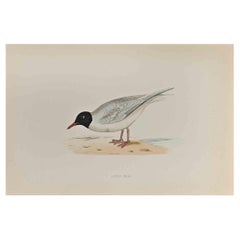
Little Gull - Woodcut Print by Alexander Francis Lydon - 1870
Located in Roma, IT
Little Gull is a modern artwork realized in 1870 by the British artist Alexander Francis Lydon (1836-1917) . Woodcut print, hand colored, published by London, Bell & Sons, 187...
Woodcut
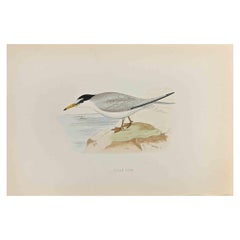
Lesser Tern - Woodcut Print by Alexander Francis Lydon - 1870
Located in Roma, IT
Lesser Tern is a modern artwork realized in 1870 by the British artist Alexander Francis Lydon (1836-1917) . Woodcut print, hand colored, published by London, Bell & Sons, 1870. ...
Woodcut
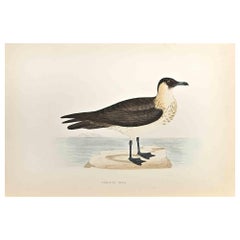
Pomerine Skua - Woodcut Print by Alexander Francis Lydon - 1870
Located in Roma, IT
Pomerine Skua is a modern artwork realized in 1870 by the British artist Alexander Francis Lydon (1836-1917) . Woodcut print, hand colored, published by London, Bell & Sons, 1...
Woodcut
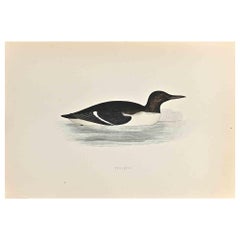
Guillemot - Woodcut Print by Alexander Francis Lydon - 1870
Located in Roma, IT
Guillemot is a modern artwork realized in 1870 by the British artist Alexander Francis Lydon (1836-1917) . Woodcut print, hand colored, published by London, Bell & Sons, 1870. Nam...
Woodcut
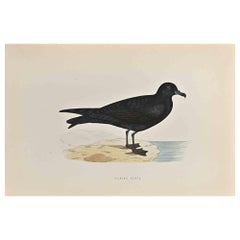
Bulwer's Petrel - Woodcut Print by Alexander Francis Lydon - 1870
Located in Roma, IT
Bulwer's Petrel is a modern artwork realized in 1870 by the British artist Alexander Francis Lydon (1836-1917) . Woodcut print, hand colored, published by London, Bell & Sons, ...
Woodcut
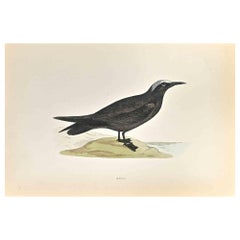
Noddy - Woodcut Print by Alexander Francis Lydon - 1870
Located in Roma, IT
Noddy is a modern artwork realized in 1870 by the British artist Alexander Francis Lydon (1836-1917) . Woodcut print, hand colored, published by London, Bell & Sons, 1870. Name of...
Woodcut
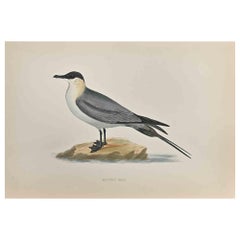
Buffon's Skua - Woodcut Print by Alexander Francis Lydon - 1870
Located in Roma, IT
Buffon's Skua is a modern artwork realized in 1870 by the British artist Alexander Francis Lydon (1836-1917) . Woodcut print, hand colored, published by London, Bell & Sons, 1870. ...
Woodcut
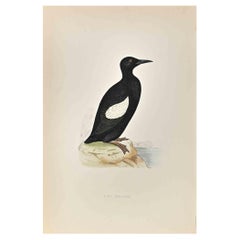
Black Giullemot - Woodcut Print by Alexander Francis Lydon - 1870
Located in Roma, IT
Black Giullemot is a modern artwork realized in 1870 by the British artist Alexander Francis Lydon (1836-1917) . Woodcut print, hand colored, published by London, Bell & Sons, ...
Woodcut
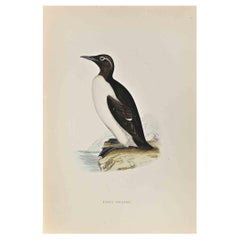
Ringed Guillemot - Woodcut Print by Alexander Francis Lydon - 1870
Located in Roma, IT
Ringed Guillemot is a modern artwork realized in 1870 by the British artist Alexander Francis Lydon (1836-1917) . Woodcut print, hand colored, published by London, Bell & Sons,...
Woodcut
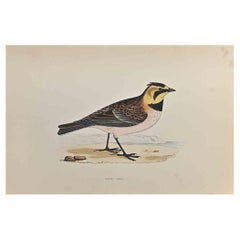
Shore Lark - Woodcut Print by Alexander Francis Lydon - 1870
Located in Roma, IT
Shore Lark is a modern artwork realized in 1870 by the British artist Alexander Francis Lydon (1836-1917) . Woodcut print, hand colored, published by London, Bell & Sons, 1870....
Woodcut
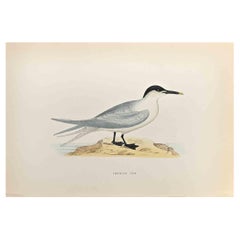
Sandwich Tern - Woodcut Print by Alexander Francis Lydon - 1870
Located in Roma, IT
Sandwich Tern is a modern artwork realized in 1870 by the British artist Alexander Francis Lydon (1836-1917) . Woodcut print, hand colored, published by London, Bell & Sons, 18...
Woodcut
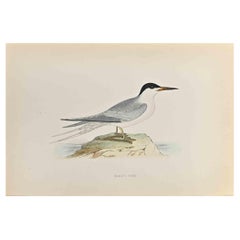
Roseate Tern - Woodcut Print by Alexander Francis Lydon - 1870
Located in Roma, IT
Roseate Tern is a modern artwork realized in 1870 by the British artist Alexander Francis Lydon (1836-1917) . Woodcut print, hand colored, published by London, Bell & Sons, 1870. ...
Woodcut
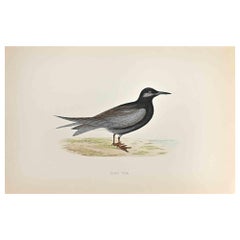
Black Tern - Woodcut Print by Alexander Francis Lydon - 1870
Located in Roma, IT
Black Tern is a modern artwork realized in 1870 by the British artist Alexander Francis Lydon (1836-1917) . Woodcut print, hand colored, published by London, Bell & Sons, 1870....
Woodcut
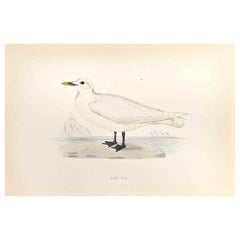
Ivory Gull - Woodcut Print by Alexander Francis Lydon - 1870
Located in Roma, IT
Ivory Gull is a modern artwork realized in 1870 by the British artist Alexander Francis Lydon (1836-1917) . Woodcut print, hand colored, published by London, Bell & Sons, 1870....
Woodcut
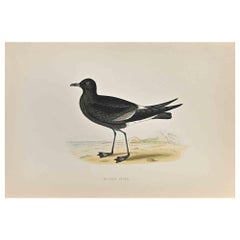
Wilson's Petrel - Woodcut Print by Alexander Francis Lydon - 1870
Located in Roma, IT
Wilson's Petrel is a modern artwork realized in 1870 by the British artist Alexander Francis Lydon (1836-1917) . Woodcut print, hand colored, published by London, Bell & Sons, 187...
Woodcut
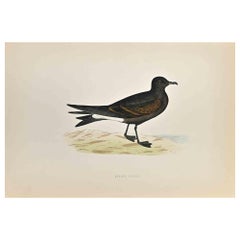
Leach's Petrel - Woodcut Print by Alexander Francis Lydon - 1870
Located in Roma, IT
Leach's Petrel is a modern artwork realized in 1870 by the British artist Alexander Francis Lydon (1836-1917) . Woodcut print, hand colored, published by London, Bell & Sons, 1870....
Woodcut
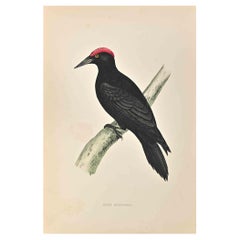
Black Woodpecker - Woodcut Print by Alexander Francis Lydon - 1870
Located in Roma, IT
Black Woodpecker is a modern artwork realized in 1870 by the British artist Alexander Francis Lydon (1836-1917) . Woodcut print, hand colored, published by London, Bell & Sons,...
Woodcut
$229
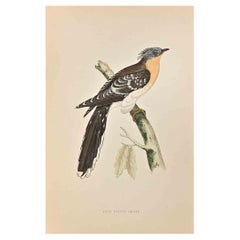
Great Spotted Cuckoo- Woodcut Print by Alexander Francis Lydon - 1870
Located in Roma, IT
Great Spotted Cuckoo is a modern artwork realized in 1870 by the British artist Alexander Francis Lydon (1836-1917) . Woodcut print, hand colored, published by London, Bell & S...
Woodcut
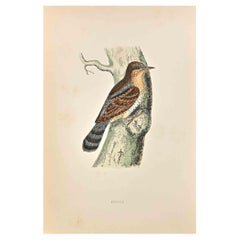
Wryneck - Woodcut Print by Alexander Francis Lydon - 1870
Located in Roma, IT
Wryneck is a modern artwork realized in 1870 by the British artist Alexander Francis Lydon (1836-1917) . Woodcut print, hand colored, published by London, Bell & Sons, 1870. N...
Woodcut
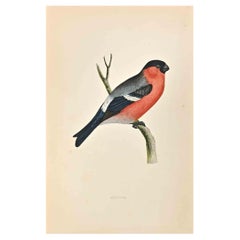
Bullfingh - Woodcut Print by Alexander Francis Lydon - 1870
Located in Roma, IT
Bullfingh is a modern artwork realized in 1870 by the British artist Alexander Francis Lydon (1836-1917) . Woodcut print, hand colored, published by London, Bell & Sons, 1870. ...
Woodcut
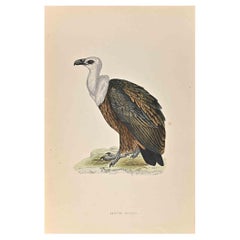
Griffon Vulture - Woodcut Print by Alexander Francis Lydon - 1870
Located in Roma, IT
Griffon Vulture is a modern artwork realized in 1870 by the British artist Alexander Francis Lydon (1836-1917) . Woodcut print, hand colored, published by London, Bell & Sons,...
Woodcut
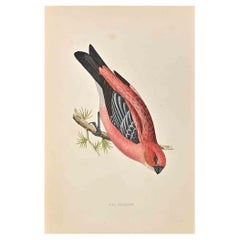
Pine Grossbeak - Woodcut Print by Alexander Francis Lydon - 1870
Located in Roma, IT
Pine Grossbeak is a modern artwork realized in 1870 by the British artist Alexander Francis Lydon (1836-1917) . Woodcut print, hand colored, published by London, Bell & Sons, 1...
Woodcut