Impressionist Prints and Multiples

IMPRESSIONIST STYLE

Emerging in 19th-century France, Impressionist art embraced loose brushwork and plein-air painting to respond to the movement of daily life. Although the pioneers of the Impressionist movement — Claude Monet, Edgar Degas, Paul Cézanne, Berthe Morisot, Camille Pissarro, and Pierre-Auguste Renoir — are now household names, their work was a radical break with an art scene led and shaped by academic traditions for around two centuries. These academies had oversight of a curriculum that emphasized formal drawing, painting and sculpting techniques and historical themes.

The French Impressionists were influenced by a group of artists known as the Barbizon School, who painted what they witnessed in nature. The rejection of pieces by these artists and the later Impressionists from the salons culminated in a watershed 1874 exhibition in Paris that was staged outside of the juried systems. After a work of Monet’s was derided by a critic as an unfinished “impression,” the term was taken as a celebration of their shared interest in capturing fleeting moments as subject matter, whether the shifting weather on rural landscapes or the frenzy of an urban crowd. Rather than the exacting realism of the academic tradition, Impressionist paintings, sculptures, prints and drawings represented how an artist saw a world in motion.

Many Impressionist painters were inspired by the perspectives in imported Japanese prints alongside these shifts in European painting — Édouard Manet drew on ukiyo-e woodblock prints and depicted Japanese design in his Portrait of Émile Zola, for example. American artists such as Mary Cassatt and William Merritt Chase, who studied abroad, were impacted by the work of the French artists, and by the late 19th century American Impressionism had its own distinct aesthetics with painters responding to the rapid modernization of cities through quickly created works that were vivid with color and light.

Find a collection of authentic Impressionist art on 1stDibs.

to
333
585
291
389
171
145
Overall Width
to
Overall Height
to
21,265
18,933
10,759
6,133
5,289
2,722
1,465
1,383
899
898
437
349
193
85
54
51
46
31
4
189
1,093
338
52
59
92
44
105
97
41
99
207
86
4
810
657
111
765
448
314
214
205
198
196
173
143
95
74
69
64
64
60
58
57
54
52
49
611
386
259
192
177
417
545
1,382
204
Style: Impressionist
Edgar Degas, Dancer at the Barre, 1945 (after)
Located in Southampton, NY
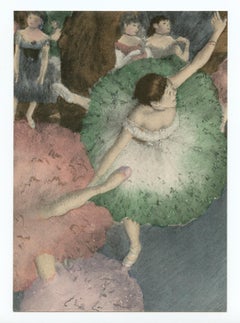
This exquisite lithograph after Edgar Degas (1834–1917), titled Danseur au bar (Dancer at the Barre), originates from the 1945 folio Degas, Ten Ballet Sketches. Published by The Studio Publications, Inc., New York, rendered and printed by Albert Carman, City Island, 1945, this work reflects Degas’s sensitive mastery of line, movement, and the intimate psychological nuances of the ballet studio. Executed as a lithograph and pochoir on velin paper, this work measures 13 x 17 inches (33.02 x 43.18 cm). Signed in the plate and unnumbered as issued. Rendered and printed by Albert Carman, City Island. Artwork Details: Artist: After Edgar Degas (1834–1917) Title: Danseur au bar (Dancer at the Barre), from Degas, Ten Ballet Sketches, 1945 Medium: Lithograph and pochoir on velin paper Dimensions: 13 x 17 inches (33.02 x 43.18 cm) Inscription: Signed in the plate and unnumbered as issued Date: 1945 Publisher: The Studio Publications, Inc., New York Printer: Albert Carman, City Island Condition: Well preserved, consistent with age and medium Provenance: From the 1945 folio Degas, Ten Ballet Sketches, published by The Studio Publications, Inc., New York Notes: Excerpted from the album, Born in Paris in 1834, Edgar Degas lived, and surely loved the life of that city during most of his years. These continued somewhat sadly beyond those of most of his friends— into the debacle of the first World War, during which he died in 1917. Judging by the frequency with which he used them as models, he must have had an especial admiration for the ballet girls who followed a profession that at the time brought none of the glory and prosperity which attend it today. New aspects of the human body, revealed in movement, fascinated him. But his occupation with the simply anatomical side of his subjects never resulted in a cold interpretation. On the contrary there is a warmth and sympathy that pervades all of his work. The drawings here represent the painter in one important phase of his multi-sensitive view of life; and permit an insight which a more ambitious work might not do-into the operation of the creative process, the artist's transformation of reality as it passes through the mesh of his sensibilities. The Edition of this Portfolio is limited to MMMD examples. Rendered by Albert Carman. About the Publication: Degas, Ten Ballet Sketches (1945) is one of the earliest and most significant American postwar fine art portfolios devoted to Edgar Degas’s intimate works on paper. Published by The Studio Publications, Inc., New York, and rendered and printed by Albert Carman at City Island, the album sought to faithfully reproduce a group of Degas’s ballet-related drawings through a combination of lithography and hand-applied pochoir coloring. This hybrid technique allowed the edition to preserve the immediacy, tonal subtlety, and gestural delicacy central to Degas’s draftsmanship. Conceived as a fine art publication rather than a commercial book, the portfolio provided American audiences unprecedented access to Degas’s private, spontaneous studies—images that reveal the artist’s fascination with movement, anatomy, and the psychological atmosphere of the rehearsal studio. The album exemplifies the mid-20th-century revival of pochoir as a means of recreating the texture and coloristic nuance of original works on paper, and it remains an important document of how Degas’s legacy was translated into high-quality printed form for collectors, museums, and connoisseurs. About the Artist: Edgar Degas (1834–1917) was a French painter, draughtsman, printmaker, and sculptor whose groundbreaking fusion of classical draftsmanship, modern experimentation, and psychological depth helped define the trajectory of Western art, positioning him as one of the most influential figures of the nineteenth and early twentieth centuries; renowned for his depictions of ballet dancers, racehorses, theater scenes, cafe life, domestic interiors, milliners, laundresses, and women at their toilette, Degas reimagined observational realism through radical compositional innovation—employing extreme cropping, asymmetrical framing, oblique viewpoints, and dramatic lighting that anticipated photographic and cinematic language long before these technologies shaped visual culture, and although associated with Impressionism, he rejected plein-air spontaneity in favor of studio-based discipline rooted in the linear precision of Jean-Auguste-Dominique Ingres, the expressive chromaticism of Eugene Delacroix, and the modernity of Edouard Manet while also drawing inspiration from Japanese ukiyo-e prints, classical sculpture, and early photography; his independent artistic philosophy resonated with and helped shape the innovations of Pablo Picasso, Alexander Calder, Alberto Giacometti, Salvador Dali, Joan Miro, Wassily Kandinsky, Marcel Duchamp, and Man Ray, whose explorations of movement, form, dream logic, abstraction, and conceptualism all find antecedents in Degas’s investigations into seriality, temporality, and the fragmented figure, and his pioneering use of pastel, monotype, and wax sculpture fundamentally transformed each medium, influencing artists from Henri Matisse, Francis Bacon, Lucian Freud, and Giacomo Manzu to Paula Rego, contemporary realists, experimental photographers, and choreographers; his works are held in nearly every major museum collection worldwide—including the Musee dOrsay, the Louvre, the Metropolitan Museum of Art, the National Gallery of Art, the Art Institute of Chicago, the Courtauld Institute, and the National Gallery, London—affirming his central place in the history of art, and the highest auction record for Degas was achieved at Sothebys London on February 3, 2015, when Danseuses en Bleu sold for 37,033,000 GBP, cementing his status as one of the most sought-after and enduringly significant artists of the Western canon. Degas pochoir, Degas lithograph...
Category

1940s Impressionist Prints and Multiples

Materials

Lithograph

Edgar Degas, Dancer Standing in Profile, 1945 (after)
Located in Southampton, NY
This exquisite lithograph after Edgar Degas (1834–1917), titled Danseur debout de profil (Dancer Standing in Profile), originates from the 1945 folio Degas, Ten Ballet Sketches. Published by The Studio Publications, Inc., New York, rendered and printed by Albert Carman, City Island, 1945, this work reflects Degas’s sensitive mastery of line, movement, and intimate observation, capturing the grace, poise, and psychological immediacy that define his iconic ballet imagery. In Danseur debout de profil (Dancer Standing in Profile), Degas reveals gesture and inner emotion through economical contour and lyrical nuance. Executed as a lithograph and pochoir on velin paper, this work measures 17 x 13 inches (43.18 x 33.02 cm). Signed in the plate and unnumbered as issued. Rendered and printed by Albert Carman, City Island, one of the notable American ateliers specializing in fine art lithography during the mid-20th century. Artwork Details: Artist: After Edgar Degas (1834–1917) Title: Danseur debout de profil (Dancer Standing in Profile), from Degas, Ten Ballet Sketches, 1945 Medium: Lithograph and pochoir on velin paper Dimensions: 17 x 13 inches (43.18 x 33.02 cm) Inscription: Signed in the plate and unnumbered as issued Date: 1945 Publisher: The Studio Publications, Inc., New York Printer: Albert Carman, City Island, 1945 Condition: Well preserved, consistent with age and medium Provenance: From the 1945 folio Degas, Ten Ballet Sketches, published by The Studio Publications, Inc., New York Notes: Excerpted from the album, Born in Paris in 1834, Edgar Degas lived, and surely loved the life of that city during most of his years. These continued somewhat sadly beyond those of most of his friends— into the debacle of the first World War, during which he died in 1917. Judging by the frequency with which he used them as models, he must have had an especial admiration for the ballet girls who followed a profession that at the time brought none of the glory and prosperity which attend it today. New aspects of the human body, revealed in movement, fascinated him. But his occupation with the simply anatomical side of his subjects never resulted in a cold interpretation. On the contrary there is a warmth and sympathy that pervades all of his work. The drawings here represent the painter in one important phase of his multi-sensitive view of life; and permit an insight which a more ambitious work might not do-into the operation of the creative process, the artist's transformation of reality as it passes through the mesh of his sensibilities. The Edition of this Portfolio is limited to MMMD examples. Rendered by Albert Carman. About the Publication: Degas, Ten Ballet Sketches, published in 1945 by The Studio Publications, Inc., New York, stands as one of the most elegant and scholarly mid-century American fine art folios devoted to the ballet imagery of Edgar Degas. Conceived as a high-quality interpretive portfolio, the album presents a series of lithograph-and-pochoir renderings based on Degas’s original drawings, executed with exceptional attention to tonal subtlety, contour fidelity, and the emotional interiority that defines the artist’s draftsmanship. Rendered and printed by Albert Carman on City Island, the publication embodies an American postwar effort to restore and celebrate European masterworks through meticulous handcraft and artisanal color application, honoring Degas’s distinctive line and the atmospheric delicacy of his studio-based studies. Produced in a substantial edition of MMMD examples, the portfolio offered audiences rare access to Degas’s private working drawings—images rarely seen outside institutional collections—while exemplifying the technical refinement and interpretive care characteristic of Carman’s workshop. Today, Degas, Ten Ballet Sketches remains a sought-after historical publication, valued for its craft, fidelity to Degas’s aesthetic, and its role in preserving and disseminating the artist’s intimate ballet imagery in a beautifully executed mid-century fine art format. About the Artist: Edgar Degas (1834–1917) was a French painter, draughtsman, printmaker, and sculptor whose groundbreaking fusion of classical draftsmanship, modern experimentation, and psychological depth helped define the trajectory of Western art, positioning him as one of the most influential figures of the nineteenth and early twentieth centuries; renowned for his depictions of ballet dancers, racehorses, theater scenes, cafe life, domestic interiors, milliners, laundresses, and women at their toilette, Degas reimagined observational realism through radical compositional innovation—employing extreme cropping, asymmetrical framing, oblique viewpoints, and dramatic lighting that anticipated photographic and cinematic language long before these technologies shaped visual culture, and although associated with Impressionism, he rejected plein-air spontaneity in favor of studio-based discipline rooted in the linear precision of Jean-Auguste-Dominique Ingres, the expressive chromaticism of Eugene Delacroix, and the modernity of Edouard Manet while also drawing inspiration from Japanese ukiyo-e prints, classical sculpture, and early photography; his independent artistic philosophy resonated with and helped shape the innovations of Pablo Picasso, Alexander Calder, Alberto Giacometti, Salvador Dali, Joan Miro, Wassily Kandinsky, Marcel Duchamp, and Man Ray, whose explorations of movement, form, dream logic, abstraction, and conceptualism all find antecedents in Degas’s investigations into seriality, temporality, and the fragmented figure, and his pioneering use of pastel, monotype, and wax sculpture fundamentally transformed each medium, influencing artists from Henri Matisse, Francis Bacon, Lucian Freud, and Giacomo Manzu to Paula Rego, contemporary realists, experimental photographers, and choreographers; his works are held in nearly every major museum collection worldwide—including the Musee dOrsay, the Louvre, the Metropolitan Museum of Art, the National Gallery of Art, the Art Institute of Chicago, the Courtauld Institute, and the National Gallery, London—affirming his central place in the history of art, and the highest auction record for Degas was achieved at Sothebys London on February 3, 2015, when Danseuses en Bleu sold for 37,033,000 GBP, cementing his status as one of the most sought-after and enduringly significant artists of the Western canon. Edgar Degas lithograph...
Category

1940s Impressionist Prints and Multiples

Materials

Lithograph

Edgar Degas, Dancer at the Barre, 1945 (after)
Located in Southampton, NY
This exquisite lithograph after Edgar Degas (1834–1917), titled Danseur au bar (Dancer at the Barre), originates from the 1945 folio Degas, Ten Ballet Sketches. Published by The Studio Publications, Inc., New York, rendered and printed by Albert Carman, City Island, 1945, this work reflects Degas’s sensitive mastery of line, movement, and intimate observation, capturing the grace, poise, and psychological immediacy that define his iconic ballet imagery. In Danseur au bar (Dancer at the Barre), Degas reveals gesture and inner emotion through economical contour and lyrical nuance. Executed as a lithograph and pochoir on velin paper, this work measures 17 x 13 inches (43.18 x 33.02 cm). Signed in the plate and unnumbered as issued. Rendered and printed by Albert Carman, City Island, one of the notable American ateliers specializing in fine art lithography during the mid-20th century. Artwork Details: Artist: After Edgar Degas (1834–1917) Title: Danseur au bar (Dancer at the Barre), from Degas, Ten Ballet Sketches, 1945 Medium: Lithograph and pochoir on velin paper Dimensions: 17 x 13 inches (43.18 x 33.02 cm) Inscription: Signed in the plate and unnumbered as issued Date: 1945 Publisher: The Studio Publications, Inc., New York Printer: Albert Carman, City Island, 1945 Condition: Well preserved, consistent with age and medium Provenance: From the 1945 folio Degas, Ten Ballet Sketches, published by The Studio Publications, Inc., New York Notes: Excerpted from the album, Born in Paris in 1834, Edgar Degas lived, and surely loved the life of that city during most of his years. These continued somewhat sadly beyond those of most of his friends— into the debacle of the first World War, during which he died in 1917. Judging by the frequency with which he used them as models, he must have had an especial admiration for the ballet girls who followed a profession that at the time brought none of the glory and prosperity which attend it today. New aspects of the human body, revealed in movement, fascinated him. But his occupation with the simply anatomical side of his subjects never resulted in a cold interpretation. On the contrary there is a warmth and sympathy that pervades all of his work. The drawings here represent the painter in one important phase of his multi-sensitive view of life; and permit an insight which a more ambitious work might not do-into the operation of the creative process, the artist's transformation of reality as it passes through the mesh of his sensibilities. The Edition of this Portfolio is limited to MMMD examples. Rendered by Albert Carman. About the Publication: Degas, Ten Ballet Sketches, published in 1945 by The Studio Publications, Inc., New York, stands as one of the most elegant and scholarly mid-century American fine art folios devoted to the ballet imagery of Edgar Degas. Conceived as a high-quality interpretive portfolio, the album presents a series of lithograph-and-pochoir renderings based on Degas’s original drawings, executed with exceptional attention to tonal subtlety, contour fidelity, and the emotional interiority that defines the artist’s draftsmanship. Rendered and printed by Albert Carman on City Island, the publication embodies an American postwar effort to restore and celebrate European masterworks through meticulous handcraft and artisanal color application, honoring Degas’s distinctive line and the atmospheric delicacy of his studio-based studies. Produced in a substantial edition of MMMD examples, the portfolio offered audiences rare access to Degas’s private working drawings—images rarely seen outside institutional collections—while exemplifying the technical refinement and interpretive care characteristic of Carman’s workshop. Today, Degas, Ten Ballet Sketches remains a sought-after historical publication, valued for its craft, fidelity to Degas’s aesthetic, and its role in preserving and disseminating the artist’s intimate ballet imagery in a beautifully executed mid-century fine art format. About the Artist: Edgar Degas (1834–1917) was a French painter, draughtsman, printmaker, and sculptor whose groundbreaking fusion of classical draftsmanship, modern experimentation, and psychological depth helped define the trajectory of Western art, positioning him as one of the most influential figures of the nineteenth and early twentieth centuries; renowned for his depictions of ballet dancers, racehorses, theater scenes, cafe life, domestic interiors, milliners, laundresses, and women at their toilette, Degas reimagined observational realism through radical compositional innovation—employing extreme cropping, asymmetrical framing, oblique viewpoints, and dramatic lighting that anticipated photographic and cinematic language long before these technologies shaped visual culture, and although associated with Impressionism, he rejected plein-air spontaneity in favor of studio-based discipline rooted in the linear precision of Jean-Auguste-Dominique Ingres, the expressive chromaticism of Eugene Delacroix, and the modernity of Edouard Manet while also drawing inspiration from Japanese ukiyo-e prints, classical sculpture, and early photography; his independent artistic philosophy resonated with and helped shape the innovations of Pablo Picasso, Alexander Calder, Alberto Giacometti, Salvador Dali, Joan Miro, Wassily Kandinsky, Marcel Duchamp, and Man Ray, whose explorations of movement, form, dream logic, abstraction, and conceptualism all find antecedents in Degas’s investigations into seriality, temporality, and the fragmented figure, and his pioneering use of pastel, monotype, and wax sculpture fundamentally transformed each medium, influencing artists from Henri Matisse, Francis Bacon, Lucian Freud, and Giacomo Manzu to Paula Rego, contemporary realists, experimental photographers, and choreographers; his works are held in nearly every major museum collection worldwide—including the Musee dOrsay, the Louvre, the Metropolitan Museum of Art, the National Gallery of Art, the Art Institute of Chicago, the Courtauld Institute, and the National Gallery, London—affirming his central place in the history of art, and the highest auction record for Degas was achieved at Sothebys London on February 3, 2015, when Danseuses en Bleu sold for 37,033,000 GBP, cementing his status as one of the most sought-after and enduringly significant artists of the Western canon. Edgar Degas lithograph...
Category

1940s Impressionist Prints and Multiples

Materials

Lithograph

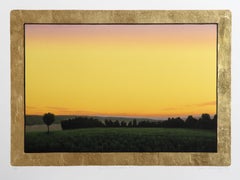
Joe's View Deep Yellow Sky, Impressionist Lithograph by John Beerman
Located in Long Island City, NY
John Beerman, American (1958 - ) - Joe's View Deep Yellow Sky, Year: 2002, Medium: Lithograph, signed and numbered in pencil, Edition: 4/36, Image Size: 18 x 25 inches, Size: 26...
Category

Early 2000s Impressionist Prints and Multiples

Materials

Lithograph

Edgar Degas, Dancer Arranging Her Dress, 1945 (after)
Located in Southampton, NY
This exquisite lithograph after Edgar Degas (1834–1917), titled Danseuse arrangeant sa robe (Dancer Arranging Her Dress), originates from the 1945 folio Degas, Ten Ballet Sketches. Published by The Studio Publications, Inc., New York, rendered and printed by Albert Carman, City Island, 1945, this work reflects Degas’s sensitive mastery of line, movement, and intimate observation, capturing the grace, poise, and psychological immediacy that define his iconic ballet imagery. In Danseuse arrangeant sa robe (Dancer Arranging Her Dress), Degas reveals gesture and inner emotion through economical contour and lyrical nuance. Executed as a lithograph and pochoir on velin paper, this work measures 17 x 13 inches (43.18 x 33.02 cm). Signed in the plate and unnumbered as issued. Rendered and printed by Albert Carman, City Island, one of the notable American ateliers specializing in fine art lithography during the mid-20th century. Artwork Details: Artist: After Edgar Degas (1834–1917) Title: Danseuse arrangeant sa robe (Dancer Arranging Her Dress), from Degas, Ten Ballet Sketches, 1945 Medium: Lithograph and pochoir on velin paper Dimensions: 17 x 13 inches (43.18 x 33.02 cm) Inscription: Signed in the plate and unnumbered as issued Date: 1945 Publisher: The Studio Publications, Inc., New York Printer: Albert Carman, City Island, 1945 Condition: Well preserved, consistent with age and medium Provenance: From the 1945 folio Degas, Ten Ballet Sketches, published by The Studio Publications, Inc., New York Notes: Excerpted from the album, Born in Paris in 1834, Edgar Degas lived, and surely loved the life of that city during most of his years. These continued somewhat sadly beyond those of most of his friends— into the debacle of the first World War, during which he died in 1917. Judging by the frequency with which he used them as models, he must have had an especial admiration for the ballet girls who followed a profession that at the time brought none of the glory and prosperity which attend it today. New aspects of the human body, revealed in movement, fascinated him. But his occupation with the simply anatomical side of his subjects never resulted in a cold interpretation. On the contrary there is a warmth and sympathy that pervades all of his work. The drawings here represent the painter in one important phase of his multi-sensitive view of life; and permit an insight which a more ambitious work might not do-into the operation of the creative process, the artist's transformation of reality as it passes through the mesh of his sensibilities. The Edition of this Portfolio is limited to MMMD examples. Rendered by Albert Carman. About the Publication: Degas, Ten Ballet Sketches, published in 1945 by The Studio Publications, Inc., New York, stands as one of the most elegant and scholarly mid-century American fine art folios devoted to the ballet imagery of Edgar Degas. Conceived as a high-quality interpretive portfolio, the album presents a series of lithograph-and-pochoir renderings based on Degas’s original drawings, executed with exceptional attention to tonal subtlety, contour fidelity, and the emotional interiority that defines the artist’s draftsmanship. Rendered and printed by Albert Carman on City Island, the publication embodies an American postwar effort to restore and celebrate European masterworks through meticulous handcraft and artisanal color application, honoring Degas’s distinctive line and the atmospheric delicacy of his studio-based studies. Produced in a substantial edition of MMMD examples, the portfolio offered audiences rare access to Degas’s private working drawings—images rarely seen outside institutional collections—while exemplifying the technical refinement and interpretive care characteristic of Carman’s workshop. Today, Degas, Ten Ballet Sketches remains a sought-after historical publication, valued for its craft, fidelity to Degas’s aesthetic, and its role in preserving and disseminating the artist’s intimate ballet imagery in a beautifully executed mid-century fine art format. About the Artist: Edgar Degas (1834–1917) was a French painter, draughtsman, printmaker, and sculptor whose groundbreaking fusion of classical draftsmanship, modern experimentation, and psychological depth helped define the trajectory of Western art, positioning him as one of the most influential figures of the nineteenth and early twentieth centuries; renowned for his depictions of ballet dancers, racehorses, theater scenes, cafe life, domestic interiors, milliners, laundresses, and women at their toilette, Degas reimagined observational realism through radical compositional innovation—employing extreme cropping, asymmetrical framing, oblique viewpoints, and dramatic lighting that anticipated photographic and cinematic language long before these technologies shaped visual culture, and although associated with Impressionism, he rejected plein-air spontaneity in favor of studio-based discipline rooted in the linear precision of Jean-Auguste-Dominique Ingres, the expressive chromaticism of Eugene Delacroix, and the modernity of Edouard Manet while also drawing inspiration from Japanese ukiyo-e prints, classical sculpture, and early photography; his independent artistic philosophy resonated with and helped shape the innovations of Pablo Picasso, Alexander Calder, Alberto Giacometti, Salvador Dali, Joan Miro, Wassily Kandinsky, Marcel Duchamp, and Man Ray, whose explorations of movement, form, dream logic, abstraction, and conceptualism all find antecedents in Degas’s investigations into seriality, temporality, and the fragmented figure, and his pioneering use of pastel, monotype, and wax sculpture fundamentally transformed each medium, influencing artists from Henri Matisse, Francis Bacon, Lucian Freud, and Giacomo Manzu to Paula Rego, contemporary realists, experimental photographers, and choreographers; his works are held in nearly every major museum collection worldwide—including the Musee dOrsay, the Louvre, the Metropolitan Museum of Art, the National Gallery of Art, the Art Institute of Chicago, the Courtauld Institute, and the National Gallery, London—affirming his central place in the history of art, and the highest auction record for Degas was achieved at Sothebys London on February 3, 2015, when Danseuses en Bleu sold for 37,033,000 GBP, cementing his status as one of the most sought-after and enduringly significant artists of the Western canon. Edgar Degas lithograph...
Category

1940s Impressionist Prints and Multiples

Materials

Lithograph

"Femme nue couchée (tournée à droite)" original etching
Located in Henderson, NV
Medium: original etching. Printed in 1909 for Theodore Duret's "Die Impressionisten" and published in Berlin by Bruno Cassirer. This impression on laid paper bears the Fortuna waterm...
Category

Early 1900s Impressionist Prints and Multiples

Materials

Etching

Original DISCOVER FRANCE BY TRAIN -SNCF - French National Railways 1953 poster
Located in Spokane, WA
1953 “Discover France by Train” — A. Planson — French National Railways (SNCF) — Original Vintage Poster, archival linen-backed, Grade A. Ready to frame. In 1953, the SNCF, France’...
Category

1950s Impressionist Prints and Multiples

Materials

Lithograph

A Bay with Cliffs (Detail)
Located in Brooklyn, NY
Poster created for the exhibition The Lens of Impressionism, held at the Dallas Museum of Art in 1997. The image features a detail from Gustave Courbet’s A Bay with Cliffs, highlight...
Category

1990s Impressionist Prints and Multiples

Materials

Offset

SELF PORTRAIT DRAWING
Located in Santa Monica, CA
MAX LIEBERMANN (1847 1935) SELF PORTRAIT DRAWING (Selbstportrat) c. 1922 (Schiefler, 341, III b) Etching, signed in pencil, Scarce signed example found in Max Liebermann “Sein Leb...
Category

1920s Impressionist Prints and Multiples

Materials

Etching

South Of France 1994 Signed Limited Edition Lithograph
Located in Rochester Hills, MI
Tony Bennett Title: South of France Lithograph Signed and Marked ATL  5/5 ( Printers Proof ) Paper Size: 31" x 24" inches Image Size : 26" x 20" inches Published By : Atelier E. Ettinger Gallery Anthony Dominick Benedetto, known professionally as Tony Bennett, is an American singer of traditional pop standards, big band, show tunes, and jazz. He is also a painter, having created works under his birth name that are on permanent public display in several institutions. Whether he is performing as Tony Bennett or painting as Anthony Benedetto...
Category

1990s Impressionist Prints and Multiples

Materials

Lithograph

Thames Warehouses
Located in Santa Monica, CA
JAMES McNEILL WHISTLER (American 1834–1903 London) THAMES WAREHOUSES, 1859 (K 38 ii/ii; Glascow 46 iv/v; Mansfield 37) Etching and drypoint on fine thin laid paper. Plate: 3 × 8 i...
Category

1850s Impressionist Prints and Multiples

Materials

Drypoint, Etching

SUR LA PLAGE, a BERNEVAL
Located in Santa Monica, CA
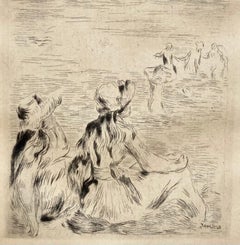
PIERRE-AUGUSTE RENOR (1841 - 1919) SUR LA PLAGE, a BERNEVAL (D.: S. 5) Drypoint on laid paper. The plate was created in c. 1892. Plate 5 3/8 x 3 3/4". Sheet 11 1/4 x 10 1/8". This...
Category

1890s Impressionist Prints and Multiples

Materials

Etching

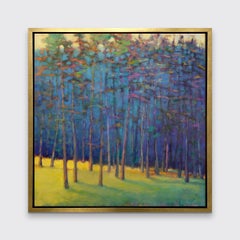
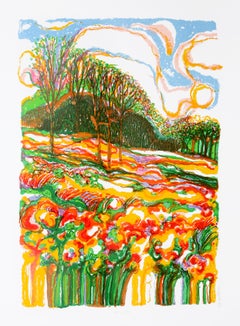
Pastel Landscape: Impressionist Trees, Hand Drawn Lithograph, Monet Style
Located in Union City, NJ
Pastel Landscape: Impressionist Trees is an original hand drawn (not digitally or photo reproduced) limited edition lithograph by the American artis...
Category

1980s Impressionist Prints and Multiples

Materials

Lithograph

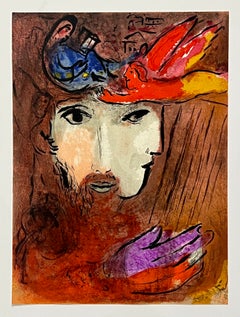
La Duchesse de Marlborough, Consuelo Vanderbilt
Located in Plano, TX
Paul César Helleu. La Duchesse de Marlborough, Consuelo Vanderbilt. c. 1901. Drypoint. 21 1/2 x 13 3/4 (sheet 24 x 15). A rich impression printed o...
Category

Late 19th Century Impressionist Prints and Multiples
Materials

Drypoint, Etching

The Lonesome Road (La course seule) Provence, landscapes, countryside art
Located in Kansas City, MO
Ella Fort The Lonesome Road (La course seule) Color lithograph Signed, numbered or inscribed Edition: 390 + 10 E.A. size: 7.8 × 11.7 on 11.7 × 15.6 inche...
Category

1980s Impressionist Prints and Multiples

Materials

Lithograph

Madame Helleu Looking at Watteau drawings at the Louvre..
Located in Plano, TX
Madame Helleu Looking at Watteau drawings at the Louvre. (En regardant les Watteau de Louvre). c. 1895. Drypoint printed in 2 colors - black and sepia. 11 3/4 x 15 7/8. Goncourt 3, d...
Category

Late 19th Century Impressionist Prints and Multiples
Materials

Drypoint, Color

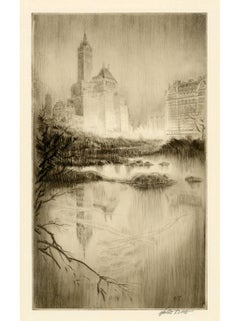
The Plaza, Sunset Glow
Located in Myrtle Beach, SC
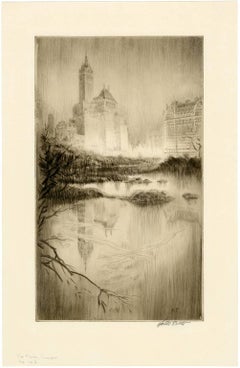
'The Plaza, Sunset Glow', drypoint, c. 1920s, edition not stated. Signed in pencil and initialed in the plate, lower right. Titled 'The Plaza, Sunset' and annotated 'no. 165' in ink, in the bottom left sheet corner. A superb, luminous impression in dark brown ink, with selectively wiped plate tone; on cream wove paper; the full sheet with margins (1 to 2 1/4 inches). Pale tape stains on the top sheet edge, recto, well away from the image, otherwise in excellent condition. Matted to museum standards, unframed. A view across 'The Pond' in New York City's Central Park, toward Grand Army Plaza...
Category

1920s Impressionist Prints and Multiples

Materials

Drypoint

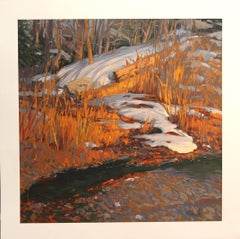
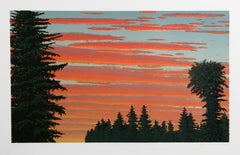
Sunset, Impressionist Lithograph by John Beerman
Located in Long Island City, NY
John Beerman, American (1958 - ) - Sunset, Year: 1994, Medium: Lithograph, signed and numbered in pencil, Edition: CTP #3, Image Size: 18 x 30 inches, Size: 25.5 x 37 in. (64.7...
Category

1990s Impressionist Prints and Multiples

Materials

Lithograph

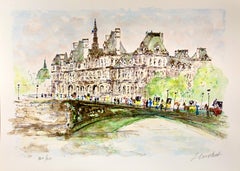
Paris, Place Du Tertre
Located in San Francisco, CA
This artwork titled " Paris, Place Du Tertre" c.1980, is an original colors lithograph on Arches paper by French artist Urbain Huchet, 1930-2014. It is hand signed and numbered 183/2...
Category

Late 20th Century Impressionist Prints and Multiples
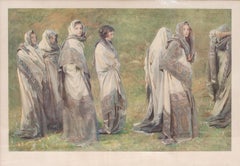
Materials

Lithograph

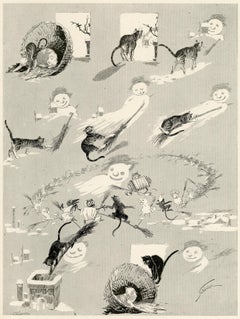
A black cat playing with a Snowman, from Le Chat Noir
Located in Fairlawn, OH
A black cat playing with a Snowman, from Le Chat Noir Gillotage chromotype, 1898 Signed in the image lower right (see photo) Cats were a symbol of freedom and bohemia in Montmartre, ...
Category

1890s Impressionist Prints and Multiples

Materials

Other Medium

“Le Chapeau Epingle”
Located in Southampton, NY
Original etching and drypoint on wove paper. This is the third version and the second edition printed in 1921 of Le Chapeau Epingle. Condition is very good...
Category

1880s Impressionist Prints and Multiples

Materials

Archival Paper, Etching

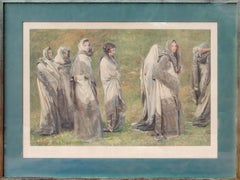
Pierre Auguste Renoir, "Mère et Enfant , " rare drypoint
Located in Chatsworth, CA
Pierre Auguste Renoir Mère et Enfant, 1896 Drypoint in brown and green From a very rare edition of 100 impressions on cream-toned Van Gelder laid paper Reference: Delteil #10 Printed...
Category

Late 18th Century Impressionist Prints and Multiples
Materials

Drypoint

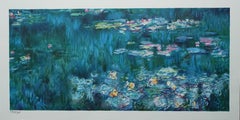
Les Gitanos - Etching by Edouard Manet - 1862
Located in Roma, IT
Les Gitanos is a black and White etching realized by Edouard Manet in 1862.  Titled in the lower. Second state and lifetime impression realized by Société des Aquafortistes, with f...
Category

1860s Impressionist Prints and Multiples
Materials

Etching

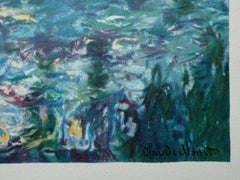
"Paysans portant du foin" original etching
Located in Henderson, NV
Medium: original etching and drypoint. Catalogue reference Delteil 126. Printed on laid paper in 1900 and published in Paris by Henri Floury as the frontispiece for Gustave Geffroy's...
Category

Early 1900s Impressionist Prints and Multiples
Materials

Etching

Kiyomi Barrier & Seiken Temple Near Okitsu- Japanese Woodcut Print on Rice Paper
Located in Soquel, CA
Kiyomi Barrier & Seiken Temple Near Okitsu - Japanese Woodcut Print on Rice Paper Woodblock print of boats in a harbor by Utagawa Hiroshige (Japanese, 1797-1858). Originally publish...
Category

1850s Impressionist Prints and Multiples
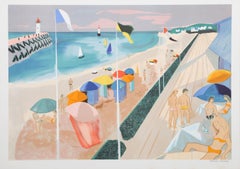
Materials

Rice Paper, Woodcut

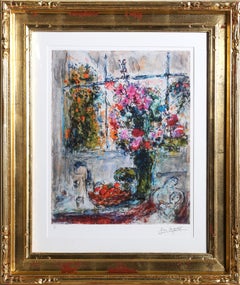
Spring Day from Derrier Le Miroir, Impressionist Lithograph by Marc Chagall
Located in Long Island City, NY
Marc Chagall, Russian (1887 - 1985) - Spring Day from Derrier Le Miroir, Year: 1972, Medium: Lithograph, Size: 15 x 11 in. (38.1 x 27.94 cm), Printer: Mourlot, Paris, Publisher: Ma...
Category

1970s Impressionist Prints and Multiples
Materials

Lithograph

La Procession de Noel, Impressionist Giclee Print after Marc Chagall
Located in Long Island City, NY
Marc Chagall, After, Russian (1887 - 1985) - La Procession de Noel, Medium: Giclee, facsimile signed, Edition: 375, Image Size: 11 x 18 inches, Frame Size: 26 x 31 inches, Publ...
Category

Mid-20th Century Impressionist Prints and Multiples
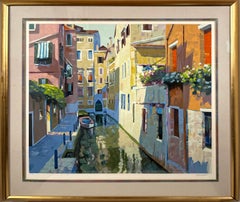
Materials

Giclée

Pierre-Auguste Renoir, Odalisque, 1951 (after)
Located in Southampton, NY
This exquisite lithograph after Pierre-Auguste Renoir (1841–1919), titled Odalisque, from the album Les Lithographies de Renoir (The Lithographs of Renoir), originates from the 1951 ...
Category

1950s Impressionist Prints and Multiples
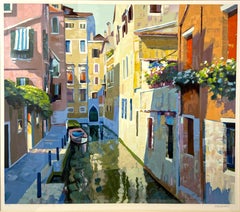
Materials

Lithograph

Standing Female Nude
Located in Fairlawn, OH
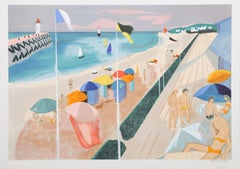
Standing Female Nude Drypoint, c. 1910 Unsigned Estate authentication on verso (see photo) Estate authentication verso by Frances Frieseke Kilmer (Mrs. Kenton Kilmer, 1914-1998) (see photo) Probably depicts the artist's wife, the artist's favorite model Extremely rare original drypoint by Frieseke Printed with selective inking to highlight the figure Condition: excellent Image/Plate size: 10 x 6 5/8 inches Frame size: 19 1/4 x 15 3/4 inches Provenance: Estate of the Artist By descent to his daughter Frances Hirschl & Adler Gallery, Stock No. APG 1106.3D-B (see photo) Biography Frederick Carl Frieseke was born on April 7, 1874, in Owosso, Michigan. After studying for a short while at the Art Institute of Chicago and the Art Students League in New York, Frieseke left for France in 1898, and almost all of his career was spent as an expatriate, with ties to the United States maintained through his New York dealer, William MacBeth, and by occasional visits to America. Following the pattern of innumerable young Americans, he enrolled at the Academie Julian where he studied with Benjamin Constant (1845-1902) and Jean-Paul Laurens (1838-1921). He appears to have had at least brief contact with and to have been influenced by James McNeill Whistler, who had recently opened his Academie Carmen in Paris. By 1900 Frieseke was spending summers in the town of Giverny, made famous by the residence of Monet and subsequently by other artists, among them many Americans. In 1906, the year after his marriage to Sarah O'Bryan, he leased a house once occupied by the American Impressionist Theodore Robinson. Although the property was adjacent to Monet's, Frieseke had only limited contact with the French master. Instead he apparently found Pierre Auguste Renoir the most influential of all the Impressionists. Frieseke's Giverny house and garden, as settings for a series of female models, provided nearly all of his subject matter for the next thirty years, although in 1930 he made a series of watercolors of Florida scenes remembered from his childhood and painted some Swiss landscapes. After World War I, the artist and his family settled in Normandy. Frieseke's career falls roughly into three stages. In the first, figures most clearly show his academic training and draughtsmanship. Gradually these evolve into the most common images of the next decade, comprised of loosely-applied blotches of bright color. The vast majority of these show their subjects in the garden, standing among the flowers, taking tea, or just basking in the sun. Others include models in colorful, light-filled interiors. In Frieseke's latest paintings, the figures very often appear indoors, their forms are given greater solidity, and the brushwork is less broken. At the height of his career, in the 1910s and early 1920s, Frieseke was perhaps the most popular of all living American artists. He received numerous awards and medals and saw his work purchased by private collectors and major museums. Decades after the initial introduction of Impressionism by Monet and his contemporaries, Frieseke assumed this style for his work, choosing to ignore the newer artistic movements of the early twentieth century. Nevertheless, his paintings were acclaimed in both the United States and in Europe. In 1904 he won a silver medal at the St. Louis Universal Exposition and a gold medal at Munich. He was elected a member of the Société National des Beaux Arts in 1908 and the National Academy of Design in 1912. Seventeen of his canvases were featured at the Venice Biennale in 1909 and he won the Grand Prize at the Panama-Pacific International Exposition in 1915. He was commissioned to execute several murals, including one for the New York store of John Wanamaker, one of his most loyal patrons. He died on August 28, 1939, at his home in Normandy, in the town of Le Mesnil sur Blangy. In the decades following his death, however, after artistic tastes had changed considerably, his work was nearly forgotten until it received renewed attention as interest in American Impressionism grew in the 1960s Courtesy National Gallery of Art, Washington Etchings by Frederick Carl Frieseke include The Balcony and Standing Female Nude. Frieseke was an American Impressionist painter who was popular in the 1910s and 1920s. Etchings by Frederick Carl Frieseke: The Balcony: An etching by Frieseke from 1904 Standing Female Nude Other paintings by Frederick Carl Frieseke: The Garden Parasol...
Category

1910s Impressionist Prints and Multiples
Materials

Drypoint

"Chapeau epingle" lithograph
Located in Henderson, NV
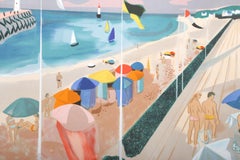
Medium: lithograph (after Renoir). One of the most famous Renoir lithographs, this is a portrait of Julie Manet and her cousin Jeanne (Julie Manet wa...
Category

1950s Impressionist Prints and Multiples
Materials

Lithograph

Becquet
Located in Plano, TX
J. Becquet, Sculptor (The Fiddler). 1859. Drypoint. Kennedy 52 state iv; Glasgow 62. state i. 10 1/8 x 7 1/2 (sheet 15 5/16 x 9 3/4). Series: "Sixteen Etchings or Scenes on the Thame...
Category

Mid-19th Century Impressionist Prints and Multiples
Materials

Drypoint, Etching

Pierre-Auguste Renoir, Seated Nude Woman, 1951 (after)
Located in Southampton, NY
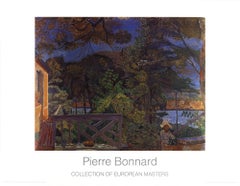
This exquisite lithograph after Pierre-Auguste Renoir (1841–1919), titled Femme nue assise (Seated Nude Woman), from the album Les Lithographies de Renoir (The Lithographs of Renoir)...
Category

1950s Impressionist Prints and Multiples
Materials

Lithograph

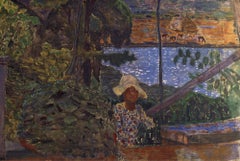
Original 'la Baule, le Midi de la Bretagne' vintage French travel poster
Located in Spokane, WA
Original La Baule le Midi de le Bretagne, small format vintage French travel poster. Plage de Sable Fin: 20 Clubs de Culture Physique. Tennis: 50 courts ; casino, golf sur le Pouliguen. Printed in Paris. Professional, acid-free, archival, linen-backed, mint condition, ready to frame. Jean-Denis Malclès - with accent marks. Paris Boasting France’s longest beach, running no less than eight kilometers, La Baule is an ever-popular destination for seaside amusements. Here, there are 20 health clubs, 50 tennis courts, a casino, and golf courses, which are promoted below, while a fantasy world of costumed dandies, curvaceous sunbathers, equestriennes, theatrical performers, and the general haute monde wander the perfectly preened paths along the shore. This La Baule - de la Bretagne is an Original Vintage Poster, not a reproduction. This poster is conservation-mounted, linen-backed, and in excellent condition. The artist is also known for his famous French Beauty and the Beast poster...
Category

1950s Impressionist Prints and Multiples
Materials

Offset

"Baigneuse Debout, a mi-jambes" original etching
Located in Henderson, NV
Medium: original etching. Catalogue reference: Delteil 23. This is a lifetime impression published in 1910 for the rare first edition of "Manet & the French Impressionists" by Theodo...
Category

1910s Impressionist Prints and Multiples

Materials

Etching

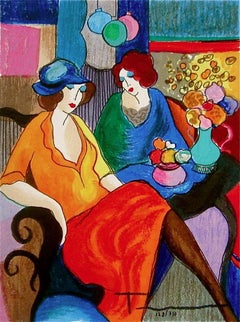
Tranquility
Located in Fairfield, CT
Artist: Itzchak Tarkay (1935-2012) Title: Tranquility Year: Circa 2000 Medium: Silkscreen on wove paper Size: 13.5 x 11.5 inches Edition: 455/750, plus 100 Remarques Condition: Excellent Inscription: Signed in crayon & numbered in ink ITZHAK TARKAY (1935-2012) Itzhak Tarkay has achieved international recognition as a leading representative of figurative artists. The inspiration for his work clearly lies with French Impressionism, particularly the paintings of Matisse and the drawing style of Toulouse-Lautrec. He drew upon the history of art to create many of his compositions, designing a kind of visual poetry from the aura of his cafes and intimate settings. His rich tapestry of form and color is achieved through the use of painting many colors laid over one another to create texture and transparency. Tarkay is considered one of the most influential artists of the early 21st century and has inspired dozens of artists throughout the world with his contemplative depiction of the female figure. ABOUT SELLER DO YOU HAVE ARTWORK TO SELL? WE ARE ACTIVELY SEEKING CONSIGNMENTS AND EXCEPTIONAL OBJECTS TO PURCHASE OUTRIGHT! Art Commerce...
Category

Early 2000s Impressionist Prints and Multiples
Materials

Screen

Chit Chat, Itzchak Tarkay
Located in Fairfield, CT
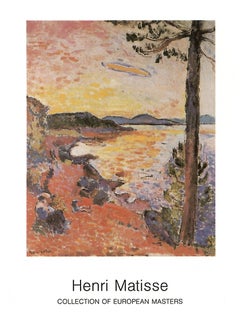
Artist: Itzchak Tarkay (1935-2012) Title: Chit Chat Year: 2010 Medium: Silkscreen on wove paper Size: 11.75 x 8.5 inches Edition: 178/750, plus 100 Remarques Condition: Excellent Ins...
Category

2010s Impressionist Prints and Multiples
Materials

Screen

Pierre-Auguste Renoir 'La Loge' 1965- Vintage
Located in Brooklyn, NY
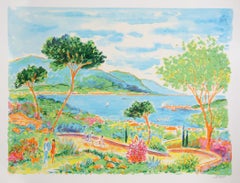
La Loge by Pierre-Auguste Renoir was painted in 1874. This iconic work, created during the early days of the Impressionist movement, portrays a fashionable couple seated in a theater...
Category

1960s Impressionist Prints and Multiples
Materials

Offset

SAN JACINTO
Located in Santa Monica, CA
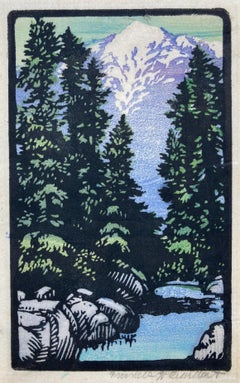
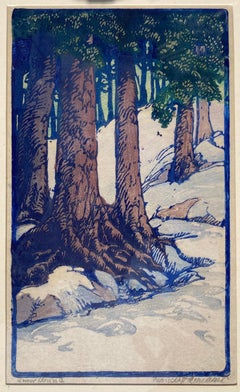
FRANCES H. GEARHART (1869-1958) (Mt.) SAN JACINTO c. 1926 Color block print. Signed in pencil. Unknown edition but uncommon. Image 6 5/8 x 4 1/8 inches. On Gearhart's typical fibrous japan paper. Sheet 10 ½ x 5 7/8 inches. Generally fresh with her usual pinholes along right margin for printing, slight bit of discoloration in the margins Provenance: Whitmore - Print Corner, Hingham MA. Their Gearhart inventory no. They were Gearhart's principal East coast dealer in the 30's. Obtained from the Whitmore Collection’s grandson in 1995. Old Print Shop...
Category

1920s Impressionist Prints and Multiples
Materials

Woodcut

Mother and Child, Impressionist Lithograph by Constantin Terechkovitch
Located in Long Island City, NY
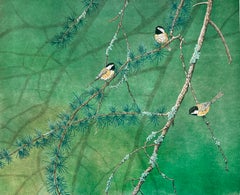
Constantin Terechkovitch, Russian (1902 - 1978) - Mother and Child, Medium: Lithograph, signed and numbered in pencil, Edition: EA XXX/XL, Image Size: 23.5 x 17 inches, Size: 29.5 x ...
Category

Mid-20th Century Impressionist Prints and Multiples
Materials

Lithograph

Three Children
Located in San Francisco, CA
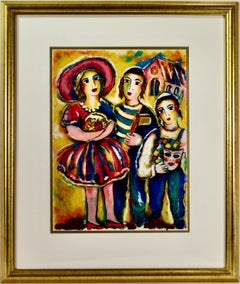
This artwork "Three Children" c.1995 is an original color serigraph by Israeli artist Zamy Steynovitz, 1951-2000. It is hand signed and numbered 83/300...
Category

Early 20th Century Impressionist Prints and Multiples

Materials

Screen

Bowling on the Green (from the Bicentennial Pageant of George Washington)
Located in Soquel, CA
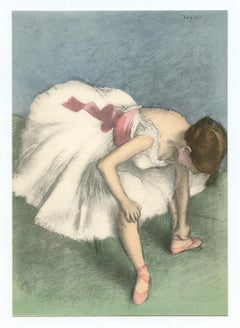
Bowling on the Green (from the Bicentennial Pageant of George Washington) 'Bowling on the Green', by printmaker Frederick Childe Hassam, depicts George Washington and friends lawn b...
Category

1930s Impressionist Prints and Multiples
Materials

Ink, Etching, Laid Paper

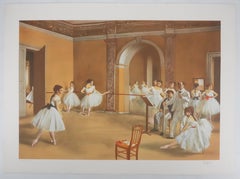
Degas, Melina Darde, Ten Ballet Sketches (after)
Located in Fairfield, CT
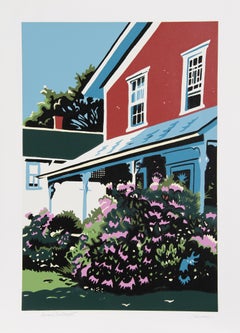
Medium: Lithograph and stencil on vélin paper Year: 1945 Paper Size: 17 x 13 inches Inscription: Signed in the plate and unnumbered, as issued Notes: From the folio, Degas, Ten Balle...
Category

1940s Impressionist Prints and Multiples
Materials

Lithograph

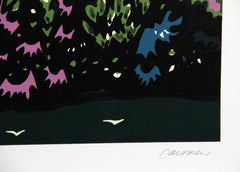
LeRoy Neiman "Polo Lounge" - Signed, Framed, Large - Find the Movie Stars!
Located in New Orleans, LA
This is a signed press proof of one of Leroy Neiman's coolest images, created originally for Playboy Magazine in two panels. This never fails to get guests' attention on the wall, as...
Category

1980s Impressionist Prints and Multiples
Materials

Lithograph

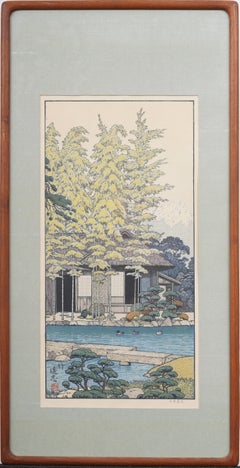
Stage 48 of the 53 Stages of the Tokaido - Japanese Woodblock on Rice Paper
Located in Soquel, CA
Stage 48 of the 53 Stages of the Tokaido - Japanese Woodblock on Rice Paper Woodblock print of clothing vendors by Utagawa Hiroshige (Japanese, 1797-1858). Originally printed in 183...
Category

1830s Impressionist Prints and Multiples
Materials

Rice Paper, Woodcut

"Kitten Went in the Night" (A black cat playing with broom and Halloween ghost)
Located in Fairlawn, OH
"Kitten Went in the Night" (A black cat playing with broom and Halloween ghost) from Le Chat Noir Gillotage chromotype, 1898 Signed in the image lower right Cats were a symbol of fr...
Category

1890s Impressionist Prints and Multiples
Materials

Other Medium

Degas, Three Dancers, Ten Ballet Sketches (after)
Located in Fairfield, CT
Medium: Lithograph and stencil on vélin paper Year: 1945 Paper Size: 13 x 17 inches Inscription: Signed in the plate and unnumbered, as issued Notes: From the folio, Degas, Ten Balle...
Category

1940s Impressionist Prints and Multiples
Materials

Lithograph

Claude Renoir, la Tete Baisee (Claude Renoir, Head Lowered)
Located in Fairlawn, OH
Claude Renoir, la Tete Baisee (Claude Renoir, Head Lowered) Lithograph, 1904 Edition 1,000, this one of 950 on wove paper with the stamp signature (there were also 50 impressions pri...
Category

Early 1900s Impressionist Prints and Multiples
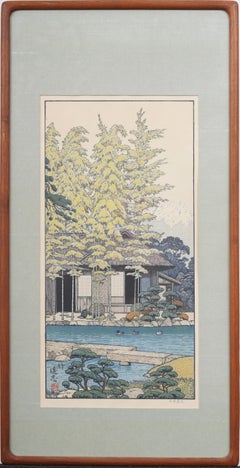
Materials

Lithograph

Innocence...Limited edition lithograph 100/295 by Pino Daeni
Located in Chesterfield, MI
Sentimental is the adjective to describe this beautiful portrait of a mother with her innocent child. This is a beautifully framed limited edition lithograph (100/295) on paper sign...
Category

Late 20th Century Impressionist Prints and Multiples
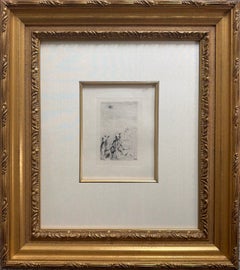
Materials

Lithograph

Impressionistic Victorian Garden Scene - Bay Area Lithograph
Located in Soquel, CA
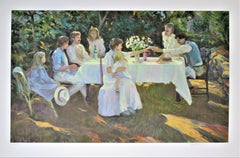
Impressionistic Victorian Garden Scene - Bay Area Lithograph Highly detailed lithograph showing a Victorian garden scene by Eva Sikorski (German, American b. 1917 d. 1990.) A path r...
Category

Mid-20th Century Impressionist Prints and Multiples
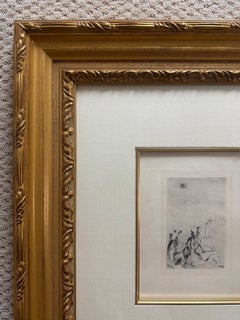
Materials

Paper, Lithograph

"Skating on Ladies' Pond Central Park": Winslow Homer 19th C. Woodcut Engraving
Located in Alamo, CA
This Winslow Homer woodcut engraving entitled "Skating on the Ladies' Skating-Pond in Central Park, New York", was published in Harper's Weekly in the January 28, 1860 edition. It depicts a large number of men, women and children skating on a recently opened pond in Central Park. At the time of publication of this engraving, Central Park was in the early stages of construction. This engraving documents the very early appearance of Frederick Law Olmstead and Calvert Vaux's masterpiece of landscape design. According to Olmsted, the park was "of great importance as the first real Park made in this century – a democratic development of the highest significance". The people of New York were very proud of the plans for their park. It was stated at the time: "Our Park, which is progressing very satisfactorily under the management of the Commissioners, will undoubtedly be, one of these days, one of the finest place of the kind in the world...Those who saw the Park before the engineers went to work on it are amazed at the beautiful sites which have been contrived with such unpromising materials; all fair persons believe that the enterprise is managed with honesty and good taste." Skating was rapidly rising in national popularity in part due to the opening of Central Park’s lake to skaters on a Sunday in December 1858 with 300 participants. The following Sunday it attracted ten thousand skaters. By Christmas Day, a reported 50,000 people came to the park, most of them to skate. There were rules governing who could use the skating pond. “The Ladies’ Pond...
Category

1870s Impressionist Prints and Multiples
Materials

Engraving, Woodcut

Une Bergerie - Etching by Albert Brendel - 1862
Located in Roma, IT
Une Bergerie is a black and White etching realized by Albert Brendel in 1862.  Titled in the lower Image Size: 23x32 Very good impression. Realized by Cadart for the "Société des...
Category

1860s Impressionist Prints and Multiples
Materials

Etching

Le banc de jardin (The Garden Bench).
Located in Plano, TX
Le banc de jardin (The Garden Bench). 1883. Mezzotint. Tissot catalog 79, Béraldi catalog 66, Wentworth catalog 75 state ii/iii. 16 1/2 x 22 1/8 (s...
Category

19th Century Impressionist Prints and Multiples

Materials

Mezzotint

Along Lake Como I
Located in Chesterfield, MI
Hand embellished by the artist, "Along Lake Como I" is in excellent condition and hand signed by the artist. It is an ARTIST PROOF. Framing options are always available with The Loft Fine Art.
Category

Late 20th Century Impressionist Prints and Multiples

Materials

Giclée

Autumn Trees, Print on Paper, Framed
Located in Granada Hills, CA
Artist: Vahe Yeremyan Work: Print on Satin Paper, Edition 017 Subject: Autumn Trees, Framed Size: 17.5" x 24.5" x 0.8''inch, 44x62x2cm, Ready to Hang, Wooden Frame. All works are...
Category

2010s Impressionist Prints and Multiples
Materials

Paper, Satin Paper, Color

St. Raphael (Provence, seascapes, countryside art, Impressionist)
Located in Kansas City, MO
Ella Fort St. Raphael (Provence, seascapes, countryside art, Impressionist) Color lithograph Signed, numbered or inscribed Edition: 390 + 10 E.A. size:...
Category

1980s Impressionist Prints and Multiples
Materials

Lithograph

Le Chapeau Epinglé - Etching by Pierre Auguste Renoir - 1921
Located in Roma, IT
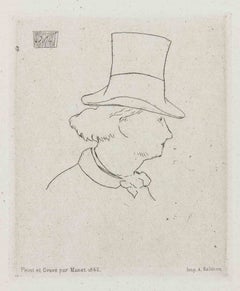
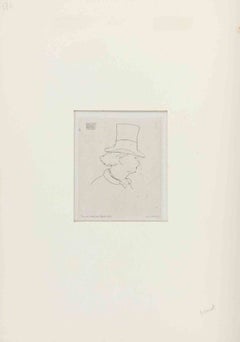
Le chapeau épinglé (La fille de Berthe Morisot et sa cousine) 3e planche. Etching realized by Renoir in 1894. Image dimension 11.5x8 cm. / sheet dimension 33.2x15.1 cm. The final s...
Category

1920s Impressionist Prints and Multiples
Materials

Etching

Jeune Fille au Chapeau ( Young Girl with Hat) by Auguste Renoir --lithograph
Located in Chesterfield, MI
"Young Girl with Hat" --Jeune Fille at Chapeau was originally drawn by Renoir in the 1890's. This lithograph was printed in Paris by Ateliers Daniel Jacomet...
Category

1890s Impressionist Prints and Multiples
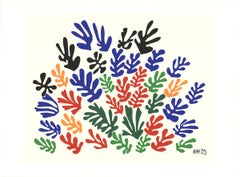
Materials

Lithograph

La Boullie (The Porridge), Old Masters Drypoint Etching by Jean Francois Millet
Located in Long Island City, NY
Etching printed in brownish black on light tan Chine collé, 1861. Image measures 6 x 5 inches, displayed in a 15.5 x 12.5 inch frame. Etched signature and date lower left. A very goo...
Category

1860s Impressionist Prints and Multiples
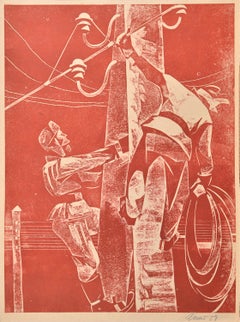
Materials

Drypoint, Etching, Intaglio

Petit Luberon II (Little Luberon II)
Located in San Francisco, CA
Artist: Marcel Mouly – French (1918 - 2008) Title: Petit Luberon II (Little Luberon II) Year: 2003 Medium: Lithograph Image Size: 27.5 x 19.25 inches Sheet Size: 30.5 x 22.25 inches ...
Category

Early 2000s Impressionist Prints and Multiples
Materials

Paper, Lithograph

Female Figure Underwater Realist Etching --"Separation" by Carol Bennett
Located in Soquel, CA
Female Figure Underwater Realist Etching --"Separation" by Carol Bennett Unique etching of a female figure submersed beneath the surface of water by California and Hawaii artist Ca...
Category

1990s Impressionist Prints and Multiples
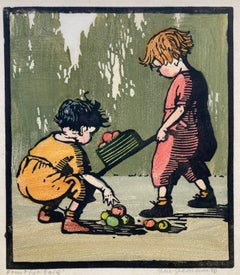
Materials

Etching, Laid Paper

Impressionist prints and multiples for sale on 1stDibs.
Find a wide variety of authentic Impressionist prints and multiples available for sale on 1stDibs. Works in this style were very popular during the 21st Century and Contemporary, but contemporary artists have continued to produce works inspired by this movement. If you’re looking to add prints and multiples created in this style to introduce contrast in an otherwise neutral space in your home, the works available on 1stDibs include elements of blue, orange, purple, yellow and other colors. Many Pop art paintings were created by popular artists on 1stDibs, including Michel Delacroix, (after) Edgar Degas, Leroy Neiman, and Norman Rockwell. Frequently made by artists working with Lithograph, and Etching and other materials, all of these pieces for sale are unique and have attracted attention over the years. Not every interior allows for large Impressionist prints and multiples, so small editions measuring 2.96 inches across are also available. Prices for prints and multiples made by famous or emerging artists can differ depending on medium, time period and other attributes. On 1stDibs, the price for these items starts at $77 and tops out at $99,000, while the average work sells for $900.

Still Thinking About These?

All Recently Viewed