1940s Glassware

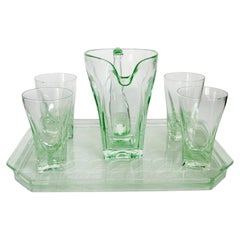
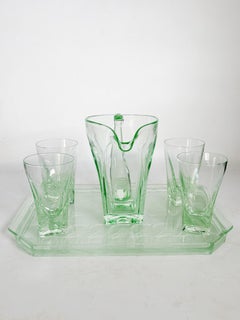
Glass set, tray, jug, 4 glass, France, 1940

Glass set, tray, jug, 4 glass, France, 1940

Located in Auribeau sur Siagne, FR

Glassware set, France, 1940s, comprising a tray, a carafe, and four matching glasses.

Category

Vintage 1940s French Art Deco Platters and Serveware

Materials

Glass, Art Glass

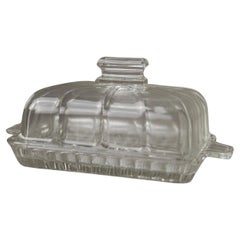
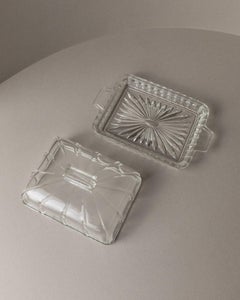
Vintage Butter Dish of Glass Art Deco, Italy, 1940s

Vintage Butter Dish of Glass Art Deco, Italy, 1940s

Located in Montecalvoli, IT

Vintage butter dish made of glass - clear with timeless design, Art Deco - Italy 1940s - antique glassware, table decoration, elegant gift idea This elegant vintage glass butter dis...

Category

20th Century Italian Art Deco Serving Pieces

Materials

Glass

Recent Sales

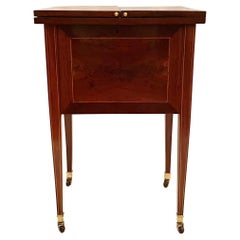
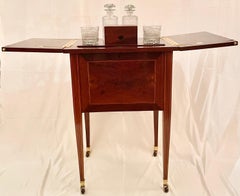
Estate English Mahogany Hidden Surprise Bar with Cut Crystal Barware, circa 1940

Estate English Mahogany Hidden Surprise Bar with Cut Crystal Barware, circa 1940

Located in New Orleans, LA

Estate English Mahogany and inlay hidden surprise bar with fitted interior and cut crystal barware on casters, circa 1940's. Includes cut crystal glassware and smoker's box with lock...

Category

Early 20th Century English Carts and Bar Carts

Materials

Crystal

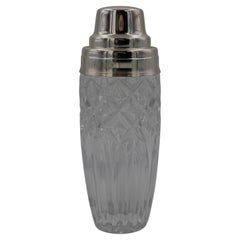
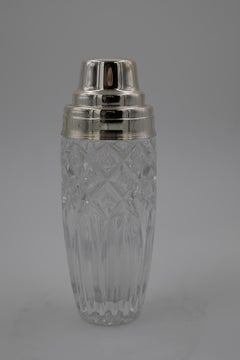
Mid-Century Cut Crystal Cocktail Shaker with Silver-Plated Top

Mid-Century Cut Crystal Cocktail Shaker with Silver-Plated Top

Located in North Charleston, SC

cut crystal cocktail shaker, vintage barware, mid-century shaker, silver-plated cocktail shaker, diamond-cut crystal, European crystal shaker, 1950s bar accessories, 1940s–1960s glas...

Category

Mid-20th Century Barware

Materials

Silver Plate

Set of 24 French 1940s Etched Crystal Glassware

Set of 24 French 1940s Etched Crystal Glassware

Located in Doylestown, PA

A nice set of 24 stem glasses in three sizes, circa 1940, French crystal

Category

Vintage 1940s French Art Deco Crystal Serveware

Materials

Glass

Get Updated with New Arrivals
Save "1940 S Glassware", and we’ll notify you when there are new listings in this category.

1940s Glassware For Sale on 1stDibs

With a vast inventory of beautiful furniture at 1stDibs, we’ve got just the piece of 1940s glassware you’re looking for. Frequently made of glass, metal and wood, every item from our selection of 1940s glassware was constructed with great care. Your living room may not be complete without a choice in our collection of 1940s glassware — find older editions for sale from the 20th Century and newer versions made as recently as the 21st Century. An object in our assortment of 1940s glassware, designed in the Art Deco, mid-century modern or Scandinavian Modern style, is generally a popular piece of furniture. Many designers have produced at least one well-made option in this array of 1940s glassware over the years, but those crafted by Kaj Franck, Dorothy Thorpe and Daum are often thought to be among the most beautiful.

How Much is a 1940s Glassware?

Prices for a piece of 1940s glassware can differ depending upon size, time period and other attributes — at 1stDibs, they begin at $99 and can go as high as $60,000, while the average can fetch as much as $2,200.

Finding the Right Dining-entertaining for You

Your dining room table is a place where stories are shared and personalities shine — why not treat yourself and your guests to the finest antique and vintage glass, silver, ceramics and serveware for your meals?

Just like the people who sit around your table, your serveware has its own stories and will help you create new memories with your friends and loved ones. From ceramic pottery to glass vases, set your table with serving pieces that add even more personality, color and texture to your dining experience.

Invite serveware from around the world to join your table settings. For special occasions, dress up your plates with a striking Imari charger from 19th-century Japan or incorporate Richard Ginori’s Italian porcelain plates into your dining experience. Celebrate the English ritual of afternoon tea with a Japanese tea set and an antique Victorian kettle. No matter how big or small your dining area is, there is room for the stories of many cultures and varied histories, and there are plenty of ways to add pizzazz to your meals.

Add different textures and colors to your table with dinner plates and pitchers of ceramic and silver or a porcelain lidded tureen, a serving dish with side handles that is often used for soups. Although porcelain and ceramic are both made in a kiln, porcelain is made with more refined clay and is more durable than ceramic because it is denser. The latter is ideal for statement pieces — your tall mid-century modern ceramic vase is a guaranteed conversation starter. And while your earthenware or stoneware is maybe better suited to everyday lunches as opposed to the fine bone china you’ve reserved for a holiday meal, handcrafted studio pottery coffee mugs can still be a rich expression of your personal style.

“My motto is ‘Have fun with it,’” says author and celebrated hostess Stephanie Booth Shafran. “It’s yin and yang, high and low, Crate & Barrel with Christofle silver. I like to mix it up — sometimes in the dining room, sometimes on the kitchen banquette, sometimes in the loggia. It transports your guests and makes them feel more comfortable and relaxed.”

Introduce elegance at supper with silver, such as a platter from celebrated Massachusetts silversmith manufacturer Reed and Barton or a regal copper-finish flatware set designed by International Silver Company, another New England company that was incorporated in Meriden, Connecticut, in 1898. By then, Meriden had already earned the nickname “Silver City” for its position as a major hub of silver manufacturing.

At the bar, try a vintage wine cooler to keep bottles cool before serving or an Art Deco decanter and whiskey set for after-dinner drinks — there are many possibilities and no wrong answers for tableware, barware and serveware. Explore an expansive collection of antique and vintage glass, ceramics, silver and serveware today on 1stDibs.
Questions About 1940s Glassware

  • 1stDibs ExpertApril 5, 2022
    Culver glassware is made by Culver Ltd., a glass manufacturer from Brooklyn, New York. The company produced more than 75 different glassware patterns with a mid-century style. Most of the earlier glassware featured gold gild, but they stopped doing that in the 1990s. In the mid 1990s the company was sold. Shop a collection of Culver glassware from some of the world’s top sellers on 1stDibs.
  • 1stDibs ExpertApril 5, 2022
    Amber glassware is pale yellow glass, tinted with a mixture of sulfur and red iron oxide. In the 16th century, amber glassware was used as medicine bottles to help prevent the medication from deteriorating in light. You’ll find a variety of amber glassware from some of the world’s top sellers on 1stDibs.
  • 1stDibs ExpertApril 5, 2022
    Culver glassware is made in numerous factories located throughout the U.S. Irving Rothenberg founded the company in 1939 in Brooklyn, New York. The company is best known for producing glassware decorated with real gold designs. Shop a collection of Culver glassware on 1stDibs.
  • 1stDibs ExpertApril 5, 2022
    Libbey Inc. glassware is based in Toledo, Ohio. However, their glassware is produced throughout the world, including the U.S., Mexico, China, Portugal and the Netherlands. Libbey glassware is distinctive in the mid-century modern style and vintage editions are popular among collectors. Browse a collection of vintage Libbey glassware on 1stDibs.
  • 1stDibs ExpertMarch 3, 2023
    What a cabinet for glassware is called depends on its style. A large casegood with glass doors designed to hold glassware and dinnerware is a curio cabinet, while one intended to hold bar tools and bottles of liquor in addition to glasses is a bar cabinet. Shop a variety of cabinets from some of the world's top sellers on 1stDibs.
  • 1stDibs ExpertOctober 12, 2021
    The best crystal glassware, when held up to the light, has to have a 24 percent lead content, a dazzling reflecting quality, an overall clean look, a silver or silver/purple color, and a rainbow prism effect. It's more powerful, heavier, and smoother than your average glassware. On 1stDibs, find a variety of antique and vintage crystal glassware.
  • 1stDibs ExpertAugust 15, 2024
    To identify glassware markings, try snapping a photo with your smartphone or tablet. By performing a reverse image search, you may be able to quickly learn the maker. If this technique yields no results, consult trusted online resources or seek the opinion of a certified appraiser or knowledgeable antique dealer. Find a wide range of glassware on 1stDibs.
  • 1stDibs ExpertSeptember 27, 2024
    Irish glassware isn't usually called by a special term. However, Irish glassmakers did employ materials that differed from those used by glassblowers on the European continent during the 18th century. They added calcined flints and pebbles to the molten glass and utilized lead oxide as a binding agent. As a result, the glass they produced could better reflect light once it was cut. This type of glass came to be known as lead glass or crystal. Find a wide range of Irish glassware on 1stDibs.
  • 1stDibs ExpertOctober 30, 2024
    Yes, some crystal glassware is worth something. When valuing crystal, the maker is one of the biggest determining factors, as pieces made by certain well-known brands are often highly sought after. Examples of acclaimed crystalware makers include Baccarat, Cristal D'Arques, Christofle, Daum, Gorham, Lalique, Orrefors, Steuben, Riedel and Waterford. Other characteristics that contribute to the potential selling price of crystal include age, style, type and condition. A certified appraiser or experienced antique dealer can help you determine how much your crystal collection is worth. On 1stDibs, explore a selection of crystal glassware.
  • 1stDibs ExpertNovember 4, 2024
    To identify vintage Libbey glassware, search the piece for the maker's distinctive “L” logo. In order to be considered vintage, Libbey glassware must be between 20 and 99 years old. You can date your glassware by conducting research using trusted online resources and referring to characteristics that relate to your piece, such as its copyright marks and pattern. If you'd like assistance with the process, consider using the services of a certified appraiser or experienced antique dealer. On 1stDibs, explore a collection of Libbey glassware.
  • 1stDibs ExpertSeptember 23, 2024
    To identify Fred Press glassware, turn the piece over and examine the bottom. Nearly all pieces produced by the maker will bear a signature that reads "Fred Press." Patterns can also provide clues, as many Fred Press glasses feature real 22-karat gold paint. If you need help with the identification process, seek the opinion of a certified appraiser or knowledgeable antique dealer. On 1stDibs, shop a collection of Fred Press glassware.
  • 1stDibs ExpertFebruary 13, 2023
    If you’re trying to determine the value of blue glassware, experts suggest you work with a certified appraiser. While certain trusted online venues and search engines can be helpful when conducting research on a specific collectible, piece of jewelry, artwork or other item about which you may have questions, the prices or suggested value that you find as a result of conducting independent research may differ considerably from the information that you procure from a qualified professional, such as an antique dealer or an appraiser at an auction house, for example. On 1stDibs, find a variety of blue glassware.
  • 1stDibs ExpertOctober 24, 2024
    To tell if old glassware is valuable, you can try conducting research using trusted online resources. Examine the glassware for a maker's mark and then learn through these resources about the manufacturer and the types of pieces that it produced. Then, explore historic sales prices for glassware that is similar to yours. Alternatively, you can have a certified appraiser or knowledgeable antique dealer assist you with the valuation process. Shop a large selection of glassware on 1stDibs.
  • 1stDibs ExpertAugust 8, 2024
    Whether Libbey glassware contains lead depends on the piece. The American glassmaker states on its website that all of its contemporary pieces are free of heavy metals, including lead, regardless of their country of origin. However, some vintage and antique glassware may have lead content. You can purchase an at-home lead testing kit to determine whether a particular piece has lead in it. Shop a collection of Libbey glassware on 1stDibs.
  • 1stDibs ExpertFebruary 13, 2024
    How you clean Dorothy Thorpe glassware varies. For most pieces, experts recommend using a gentle dish soap, warm water and a soft sponge. After washing, be sure to dry the glassware thoroughly with a soft microfiber dishcloth. For pieces trimmed in silver, you can typically utilize silver polish to remove tarnishing. However, check the labels of all cleaning products to ensure that they are safe for use on glassware. Find a selection of Dorothy Thorpe serveware and glass on 1stDibs.
  • 1stDibs ExpertMay 5, 2023
    Johann Kunckel von Löwenstern first made ruby red glassware sometime around 1679. However, he kept his technique a secret, so the glass didn't become mass-produced until the end of the 19th century when the Ehrenfeld Glassworks in Ehrenfeld, Germany, managed to uncover Kunckel von Löwenstern’s formula. On 1stDibs, shop a range of ruby red glassware.
  • 1stDibs ExpertApril 5, 2022
    A number of dresses were popular during the 1940s. Many women wore short-waist dresses with button necks, collars, fitted waists and full skirts. The classic A-lines with knee-length hems in red, white and blue colors were also a trend. Shop a collection of vintage dresses on 1stDibs.
  • 1stDibs ExpertFebruary 22, 2021
    In the 1940s, ladies wore clothes defined by clean and slim silhouettes. The jackets, blouses and sweaters often featured shoulderpads and had somewhat of a military feel. Most dresses were quite casual and pants and playsuits became part of a woman's everyday style.
  • 1stDibs ExpertOctober 5, 2021
    The most popular 1940s-style dress was the shirtwaist dress. It had a front opening like a men’s shirt, but with large buttons in the front of the dress, which was practical and easy to wear. The sleeves were short and necklines varied from shirt style to sweetheart and other necklines. Antique and vintage dresses from well-known designers are available on 1stDibs.
  • 1stDibs ExpertSeptember 23, 2024
    Claire McCardell was the designer often called the Mother of American Fashion in the 1940s. An American designer, she helped introduce women's sportswear to the United States and was particularly well-known for her bias-cut, loose-fitting Monastic dress. When World War II broke out in the 1940s, she designed pieces out of readily available materials like denim, calico and wool jersey, introducing new fabrics for women's clothing that would remain popular well after the close of the war. Many people point to McCardell as one of the first successful American fashion designers. Shop a collection of Claire McCardell apparel on 1stDibs.