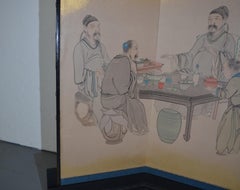
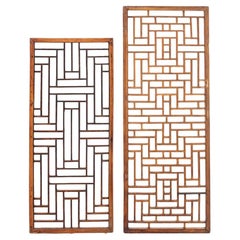
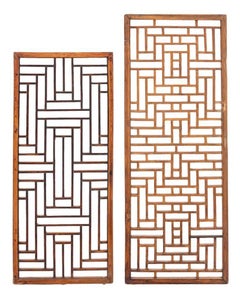
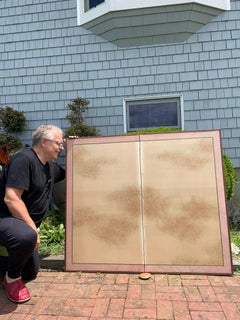
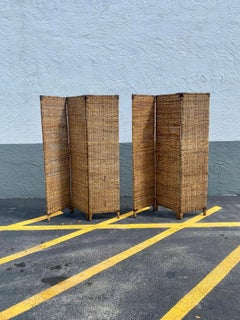
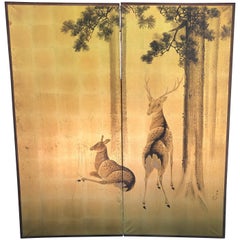
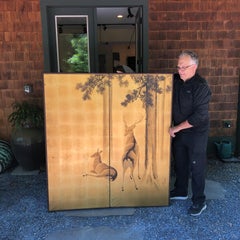
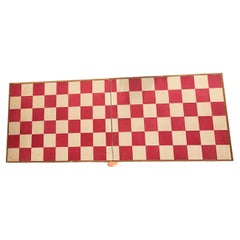
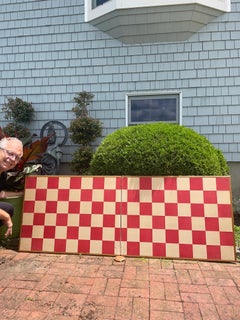
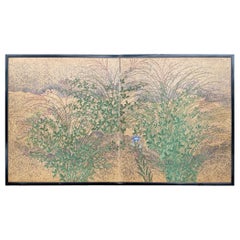
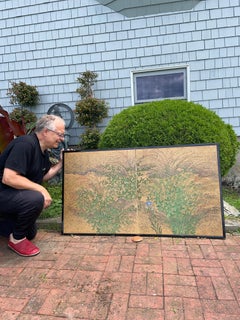
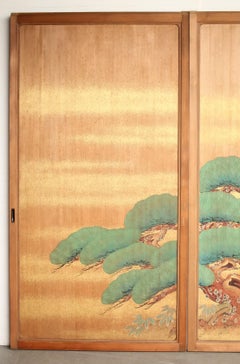
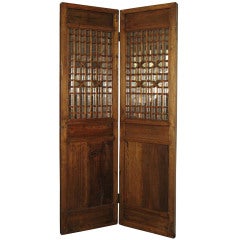
2-Panel Asian Screen
Located in Pomona, CA
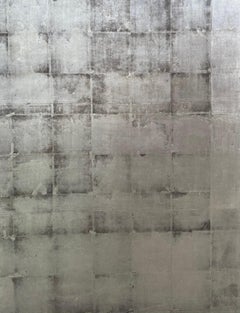
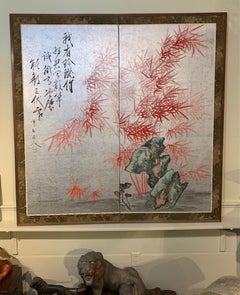
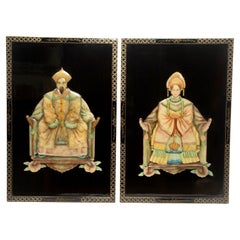
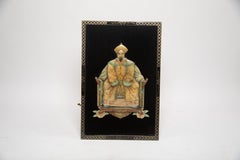
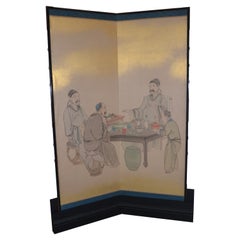
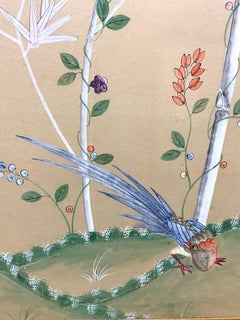
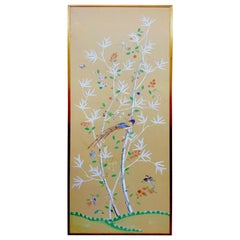
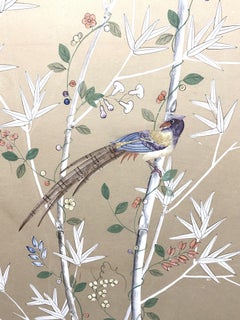
2-panel Asian screen sitting in a custom wood frame.
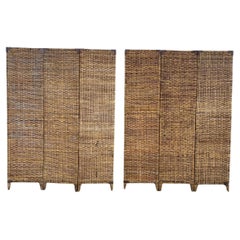
Vintage 1960s Asian Screens and Room Dividers
Wood, Paper
2-Panel Asian Screen
Located in Pomona, CA
2-panel Asian screen sitting in a custom wood frame.
Wood, Paper
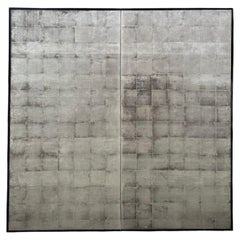
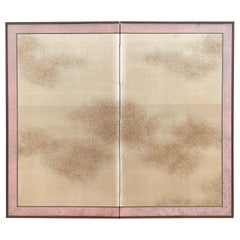
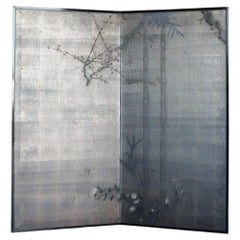
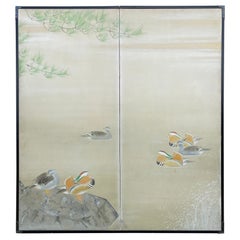
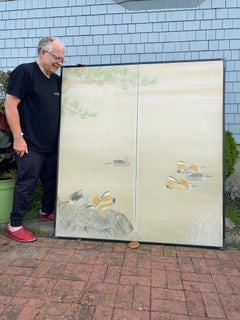
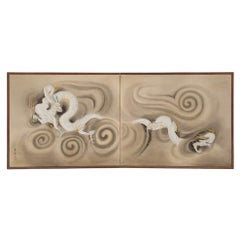
Meiji Period 2-Panel Silver Leaf Screen: Oxidised Patina
Located in Fukuoka, JP
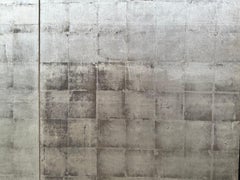
A quiet study in texture and tone. This Meiji-period two-panel screen features silver leaf that has naturally oxidised over time, creating a soft, atmospheric surface of shifting gre...
Silver Leaf
Meiji Period 2-Panel Silver Leaf Screen: Oxidised Patina
Located in Fukuoka, JP
A quiet study in texture and tone. This Meiji-period two-panel screen features silver leaf that has naturally oxidised over time, creating a soft, atmospheric surface of shifting gre...
Silver Leaf
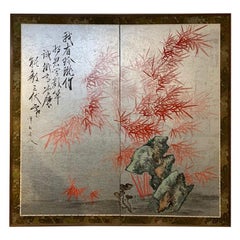
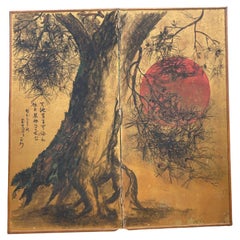
B61 Old ]Japanese calligraphy Silver folding screen, 2-panel
Located in Niiza, JP
Unfolded size: 1720 x 450 x 20 mm Foldable: 860 x 450 x 40 mm, 2kg Estimated size after packaging (sandwiched between 5-10 mm plywood): 10 cm x 92 cm x 54 cm Weight 8 KG Written in ...
Wood, Paper
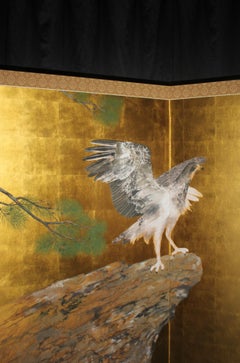
B86 Japanese Painting Art, Hawk, Gold Screen Byobu, 2-panels
Located in Niiza, JP
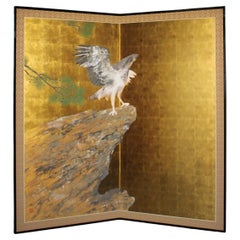
Material: Gold Paper on wooden frame One piece: W900×H1760mm×D20mm, Unfolded size: W1800mm Folded size: W900×H1760×D40mm, 6kg Estimate packing size: (sandwiched with 5-10mm plywood):...
Paper
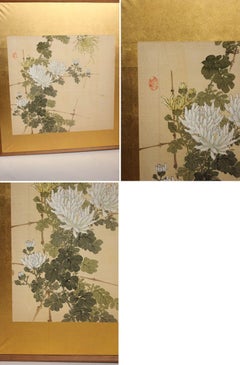
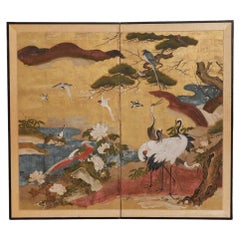
B35 Japanese Antiques Gold background flowers folding screen, 2-panel
Located in Niiza, JP
Material: Paper & Silk-like fabric, wooden frame 1 piece: Width 760 x Height 1520 x Depth 20 mm Expanded size: Width 1520 mm Folded size: Width 760 x Height 1520 x Depth 40 mm, weigh...
Paper, Silk
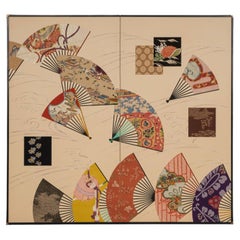
Tall 2-panel embroidered Japanese folding screen with colourful folding fans
Located in Amsterdam, NL
A beautiful and rare tall two-panel byôbu (folding screen) decorated with a colourful collection of sensu (folding fans) scattered across a flowing stream, crafted from pieces of sil...
Silk, Wood, Lacquer, Paint, Paper
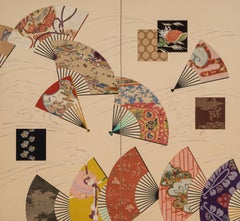
Tall 2-panel embroidered Japanese folding screen with colourful folding fans
Located in Amsterdam, NL
An amazing and rare tall two-panel byôbu (folding screen) decorated with a colourful collection of sensu (folding fans) scattered across a flowing stream, crafted from pieces of silk...
Silk, Wood, Lacquer, Paint, Paper
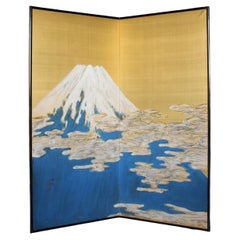
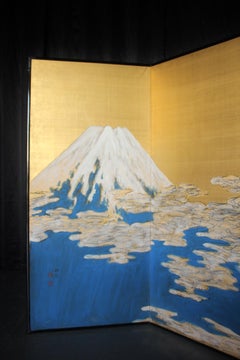
B89 Japanese Painting Art, Mount Fuji Goldback Screen Byobu, 2-panels
Located in Niiza, JP
One piece: W690×H1500mm×D20mm, Unfolded size: W1380mm Folded size: W690×H1500×D35mm, 5kg Estimate packing size: (sandwiched with 5-10mm plywood): 10cm x 75cm x 157cm, 19kg Painted b...
Paper
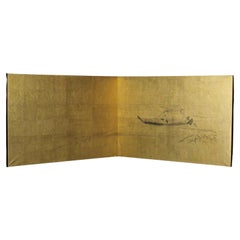
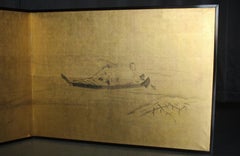
B84 Japanese art, Ink painting on gold folding screen, Sailor, 2-panel
Located in Niiza, JP
Material: gold Paper on wooden frame One piece: W935×H680mm×D15mm, Unfolded size: W1870mm Folded size: W935×H680×D30mm, 3kg Estimate packing size: (sandwiched with 5-10mm plywood): 1...
Paper
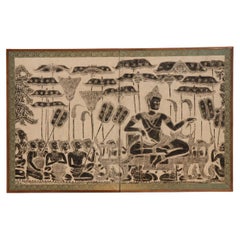
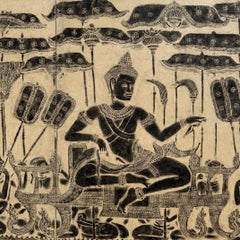
Vintage Japanese 2-panel screen of a Khmer rubbing of Suryavarman II, Angkor Wat
Located in Point Richmond, CA
Vintage Japanese 2-panel screen of a Khmer rubbing. The large rubbing taken from the bas-relief carvings on the first tier southern gallery of the Angkor Wat temple complex in Siem ...
Paper
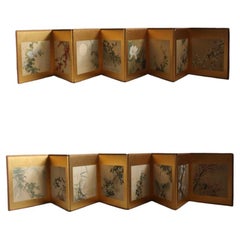
B02 Japanese Antiques 8 panels, set of 2, flowers and birds, gold folding screen
Located in Niiza, JP
Unfolded size: 3700 x 540 x 15 mm Foldable: 460 x 540 x 120 mm Box size: 640×510×300㎜ 10㎏ estimate packing size: 20kg D45cm W75cm H65cm A beautiful Japanese painting of birds and f...
Paper
Traditional Asian paintings were often created on scrolls and folding screens. Artisans made screens that could be folded up or spread out by connecting several panels using hinges. Today, antique Asian folding screens and paintings are sophisticated decorative accents that can serve as makeshift partitions to ensure privacy.
The original folding screens were created by Chinese artists. The earliest record of screens comes from the 2nd century B.C., and surviving examples date back to the Ming dynasty. Chinese painting utilizes many of the same tools as calligraphy — these screens were crafted from wood with painted panels featuring striking art or calligraphy that told cultural stories or represented nature and life in the area.
The practice was introduced to Japan, where paintings for screens were made on paper and silk, in the 8th century. These paintings frequently feature subjects such as landscapes, animals, flowers and Buddhist religious themes. Along with screens for tea ceremonies and dance backgrounds, there were screens for use in Shinto and Buddhist temples.
In the 17th century, screens began to be imported to Europe where their popularity grew. Coco Chanel famously collected Coromandel folding screens.
Traditional Asian paintings can make a tasteful addition to any wall, and screens can be used as decoration or, in the case of larger iterations, as an aesthetic way to divide a large room. Browse the selection of antique Asian paintings and screens from a variety of styles and eras on 1stDibs.
Decorated with white cranes and the sought-after thousand-butterflies motif, the Meiji-period vessel offers both a celebration of traditional aesthetics and a clear reflection of the era’s appetite for exquisite export pieces.
For 25 years, gallerist Betsy Nathan has leveraged her keen eye and key connections to bring a unique selection of rare finds to the market.
Now working alongside his daughter Bianca, dealer Joel Chen has presented a most covetable array of antiques, art and contemporary creations for more than 40 years.
From cherry-blossom-adorned walls paired with glamorous lighting to wood-paneled ceilings above checkerboard-patterned chairs, these 12 spaces seamlessly blend Eastern and Western aesthetics.
The dealer and curator has spent the past 50 years amassing a collection of exceptional art, furniture and architectural elements that trace the cultural influence of the Spanish empire from Europe to the Americas and beyond.
These spaces exemplify how Eastern elements elevate a home's decor.