Spanning an era of cultural rebirth in Europe that harkened back to antiquity, the Renaissance was a time of change in design. From the late 1400s to the early 1600s, Rome, Venice and Florence emerged as artistic centers through the expansion of global trade and a humanist belief in the arts being central to society. Antique Renaissance furniture was ornately carved from sturdy woods like walnut, its details standing out against the tapestries and stained glass adorning the walls.
Renaissance chests, which were frequently commissioned for marriages, were often decorated with gilding or painted elements. Those that were known as cassoni were crafted in shapes based on classical sarcophagi. As opposed to the medieval era, when furniture was pared down to the necessities, a wide range of Renaissance chairs, tables and cabinets were created for the home, and the designs regularly referenced ancient Rome.
Large torchères of the Renaissance era that were used as floor lamps were inspired by classical candelabras, while marble surfaces evoked frescoes. The inlaid boxes being imported from the Middle East informed the intarsia technique, which involved varying hues of wood in mosaic-like patterns, such as those by architect Giuliano da Maiano in the Florence Cathedral.
Tapestry-woven cushion covers accented the variety of Renaissance seating — from conversation to study chairs — while bookcases for secular use reflected the migration of culture and knowledge from the church into the home. The aesthetics of the Italian Renaissance later spread to France through the publishing of work by renowned designers, including Hugues Sambin and Jacques Androuet du Cerceau. Centuries later, the 19th-century Renaissance Revival would see a return to this influential style.
Find a collection of antique Renaissance case pieces, decorative objects and other furniture on 1stDibs.
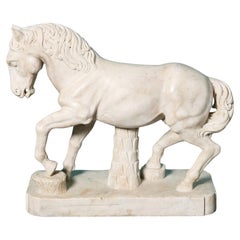
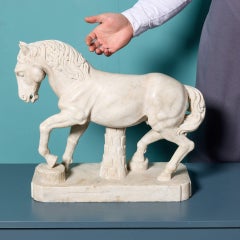
Invite the untamed wonders of the animal kingdom into your home — and do so safely — with the antique, new and vintage animal sculptures available on 1stDibs.
Artists working in every medium from furniture design to jewelry to painting have found inspiration in wild animals over the years. For sculptors, three-dimensional animal renderings — both realistic and symbolic — crisscross history and continents. In as early as 210 B.C., intricately detailed terracotta horses guarded early Chinese tombs, while North America’s native Inuit tribes living in the ice-covered Arctic during the 1800’s wore small animal figurines carved from walrus ivory. Indeed, animal sculpture has a long history, and beginning in the 19th century, the art form started becoming not only fashionable but artistically validated — a trend that continues today. At home, animal sculptures — polished bronze rhinos crafted in the Art Deco style or ceramic dogs of the mid-century modern era — can introduce both playfulness and drama to your decor.
In the case of the frosted glass sculptures crafted by artisans at legendary French glassmaker Lalique, founded by jeweler and glass artist René Lalique, some animal sculptures are purely decorative. With their meticulously groomed horse manes and detailed contours of their parakeet feathers, these creatures want to be proudly displayed. Adding animal sculptures to your bookcases can draw attention to your covetable collection of vintage monographs, while side tables and wall shelving also make great habitats for these ornamental animal figurines.
Some sculptures, however, can find suitable nests in just about any corner of your space. Whimsical brass flamingos or the violent, realist bronze lions created by Parisian sculptor Antoine-Louis Barye are provocative and versatile pieces that can rest on windowsills or your desk. Otherwise, the brass cat shoehorns and bronze porcupine ashtrays designed by Viennese artist Walter Bosse are no longer roaming aimlessly throughout your living room, as they’ve found a purpose to serve.
Embark on your safari today and find a fascinating collection of vintage, modern and antique animal sculptures on 1stDibs.