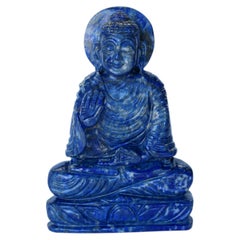
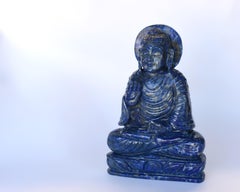
Lapis Lazuli Smiling Buddha Statue Indian Carved
Located in Somis, CA
A finely hand-carved Buddha sculpture crafted from natural lapis lazuli. Buddha is seated in a
Category
20th Century Indian Sculptures and Carvings
Materials
Lapis Lazuli
Lapis Lazuli Smiling Buddha Statue Indian Carved
Located in Somis, CA
A finely hand-carved Buddha sculpture crafted from natural lapis lazuli. Buddha is seated in a
Lapis Lazuli
Unavailable
H 9.85 in W 5.12 in D 5.91 in
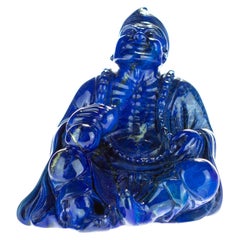
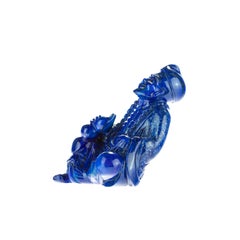
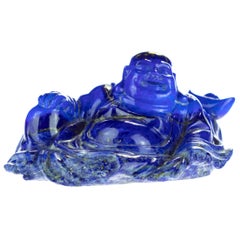
Lapis Lazuli Natural Blue Wise Buddha Carved Gemstone Asian Art Statue Sculpture
By Eastern Artisans
Located in Milano, IT
works. Inspired by the The Wise Buddha who teaches the philosophy of "the process of waking up". Known
Lapis Lazuli
Unavailable
H 2.56 in W 5.32 in D 3.15 in
Lapis Lazuli Natural Blue Wise Buddha Carved Gemstone Asian Art Statue Sculpture
By Eastern Artisans
Located in Milano, IT
works. Inspired by the The Wise Buddha who teaches the philosophy of "the process of waking up". Known
Lapis Lazuli
Unavailable
H 5.91 in W 6.3 in D 3.35 in
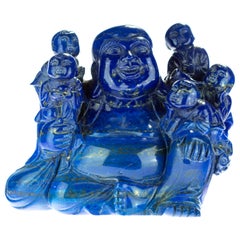
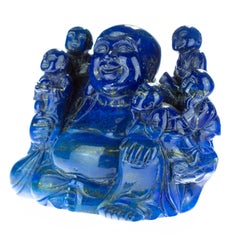
Lapis Lazuli Laughing Buddha Children Carved Eastern Meditation Statue Sculpture
By Eastern Artisans
Located in Milano, IT
Buddha playing with children is good luck and positive energies but most importantly symbolizes good
Lapis Lazuli
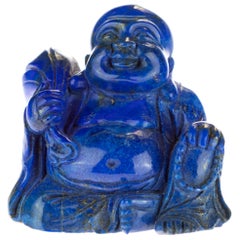
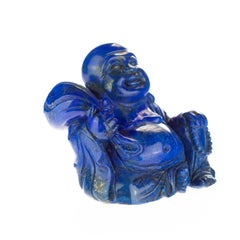
Unavailable
H 2.76 in W 2.96 in D 2.37 in
Lapis Lazuli Meditation Buddha Carved Gemstone Asian Art Statue Sculpture
By Eastern Artisans
Located in Milano, IT
stones into unique art works. In ancient China, 1100 years ago, The Laughing Buddha was a famous monk
Lapis Lazuli
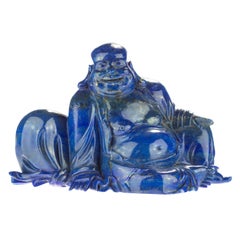

Unavailable
H 4.14 in W 5.91 in D 2.37 in
Lapis Lazuli Natural Laughing Buddha Carved Gemstone Asian Art Statue Sculpture
By Eastern Artisans
Located in Milano, IT
stones into unique art works. In ancient China, 1100 years ago, The Laughing Buddha was a famous monk
Lapis Lazuli
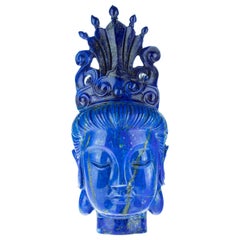
Unavailable
H 7.29 in W 2.56 in D 2.56 in
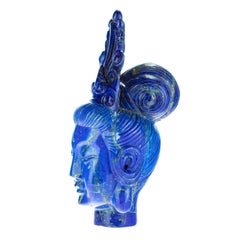
Lapis Lazuli Guanyin Bodhisattva Buddha Asian Head Bust Carved Statue Sculpture
By Eastern Artisans
Located in Milano, IT
Carved with extreme detail by fantastic local artists which transform raw stones into unique art works. Inspired by legends about Guan Yin worshipped as the “Goddess of Mercy”, who f...
Lapis Lazuli
Unavailable
H 6.89 in W 3.55 in D 2.17 in
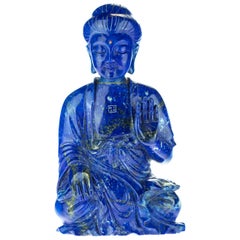
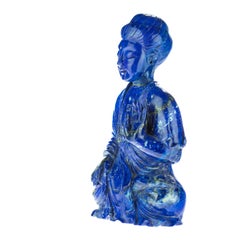
Lapis Lazuli Guanyin Bodhisattva Female Buddha Asian Art Carved Statue Sculpture
By Eastern Artisans
Located in Milano, IT
Carved with extreme detail by fantastic local artists which transform raw stones into unique art works. Inspired by legends about Guan Yin worshipped as the “Goddess of Mercy”, who f...
Lapis Lazuli
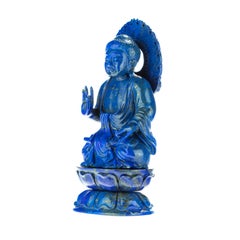
Unavailable
H 7.88 in W 3.35 in D 2.56 in
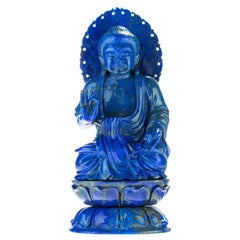
Lapis Lazuli Guanyin Bodhisattva Female Buddha Asian Art Carved Statue Sculpture
By Eastern Artisans
Located in Milano, IT
Carved with extreme detail by fantastic local artists which transform raw stones into unique art works. Inspired by legends about Guan Yin worshipped as the “Goddess of Mercy”, who f...
Lapis Lazuli
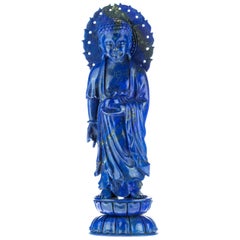

Unavailable
H 9.45 in W 2.56 in D 2.17 in
Lapis Lazuli Guanyin Bodhisattva Female Buddha Asian Art Carved Statue Sculpture
By Eastern Artisans
Located in Milano, IT
Carved with extreme detail by fantastic local artists which transform raw stones into unique art works. Inspired by legends about Guan Yin worshipped as the “Goddess of Mercy”, who f...
Lapis Lazuli
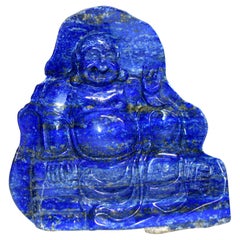
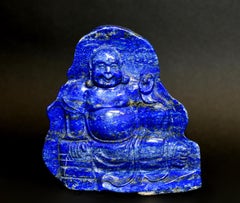
Lapis Lazuli Happy Buddha Statue
Located in Somis, CA
A beautiful natural lapis lazuli statue of the Happy Buddha. The full face with big laughing mouth
Lapis Lazuli
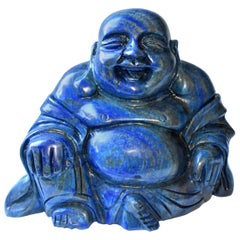

Huge 14.4 Lb Natural Lapis Lazuli Happy Buddha Statue
Located in Somis, CA
An extra large sculpture featuring the beloved Chinese Happy Buddha. Weighing at an incredible 14.4
Lapis Lazuli
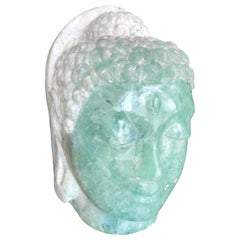

Jade and Glass Buddha Head Statue
Located in Sarasota, FL
This extra large jade and glass Buddha head is amazing beautiful face having long ears and "knots
Jade
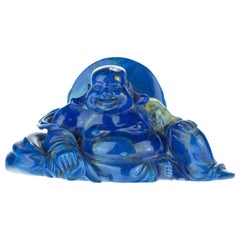

Sold
H 3.15 in W 6.11 in L 3.15 in
Lapis Lazuli Natural Laughing Buddha Carved Gemstone Asian Art Statue Sculpture
By Eastern Artisans
Located in Milano, IT
stones into unique art works. In ancient China, 1100 years ago, The Laughing Buddha was a famous monk
Lapis Lazuli
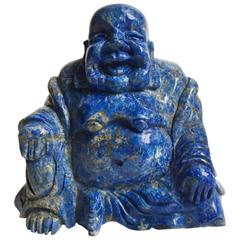

Natural Lapis Lazuli Statue of Happy Buddha
Located in SOMIS, CA
vivid blue color laced with sparkling gold is a true beauty. Happy Buddha brings happiness and joy
Lapis Lazuli
Asian sculptors have worked in materials including wood, bronze and jade. Artists and artisans have used traditional techniques to depict deities, scenes from culture and more, and today, antique Asian sculptures and carvings are a popular choice for provocative and sophisticated home decor.
In China, the Qing dynasty, from the mid-17th century to the early 20th century, brought about significant changes in art while preserving traditional culture. Many emperors during this period were patrons of the arts, such as painting, calligraphy and decorative arts. This era saw the building of new Buddhist temples, which were decorated with statues. Some of these sculptures were adorned with colorful cloisonné decoration, in which tiny compartments, or cloisons, made by soldering copper filaments to a metal surface were filled with vibrantly hued enamel.
From the 17th to mid-19th century in Japan, kimonos were worn across classes and often fastened with a netsuke, a type of small carved toggle. Artists carved these from ivory, wood, shells and coral, creating animals, flowers and mythical creatures. During the Japanese Meiji period, spanning from 1868–1912, the country began trading internationally after centuries of isolation, allowing artists to sell their work overseas. Bronze sculpture flourished around this time for creating teapots, vases and incense burners.
Asian sculpture continued to evolve in the 20th century. During the Japanese Shōwa era, from 1926–89, art was influenced by international modernist movements like abstraction, Futurism and Surrealism. Contemporary Asian sculptures and carvings continue to combine global influences and a rich heritage of technique.
Decorating a space with Asian sculptures and carvings is a great way to add interest to any corner of your home. Explore by material, period or style on 1stDibs.

A Buddha statue is very personal. You should choose one that speaks to you. If you are a practitioner, you can ask your teacher for assistance as well.
The most commonly represented Buddha in Chinese Buddhist sculpture is Siddhartha Gautama, also known as Shakyamuni, the Enlightened One, or the Gautama Buddha. He is typically depicted seated upon a lotus throne with his hands in the Bhumisparsha mudra, the Gesture of Witness. This gesture symbolizes the moment that the Buddha claimed the earth as witness to his enlightenment and celebrates his unwavering meditative focus.
Buddha statues are not inherently lucky or unlucky, though images of the Fat Buddha (Budai or Hotei), have come to be associated with wealth, knowledge, and luck, with people often rubbing the belly or head.

Most ritual figures depict the Buddha in one of three postures: seated, standing, or reclining. Differences in expression, hand gesture (mudras), and accompanying objects can reveal the figure’s place of origin as well as the particular Buddhist teaching depicted. Such Buddha figures are rendered in a variety of media depending on regional art traditions and intended use, ranging from carved stone to cast bronze to lacquered bamboo.
Decorated with white cranes and the sought-after thousand-butterflies motif, the Meiji-period vessel offers both a celebration of traditional aesthetics and a clear reflection of the era’s appetite for exquisite export pieces.
For 25 years, gallerist Betsy Nathan has leveraged her keen eye and key connections to bring a unique selection of rare finds to the market.
Now working alongside his daughter Bianca, dealer Joel Chen has presented a most covetable array of antiques, art and contemporary creations for more than 40 years.
From cherry-blossom-adorned walls paired with glamorous lighting to wood-paneled ceilings above checkerboard-patterned chairs, these 12 spaces seamlessly blend Eastern and Western aesthetics.
The dealer and curator has spent the past 50 years amassing a collection of exceptional art, furniture and architectural elements that trace the cultural influence of the Spanish empire from Europe to the Americas and beyond.
These spaces exemplify how Eastern elements elevate a home's decor.